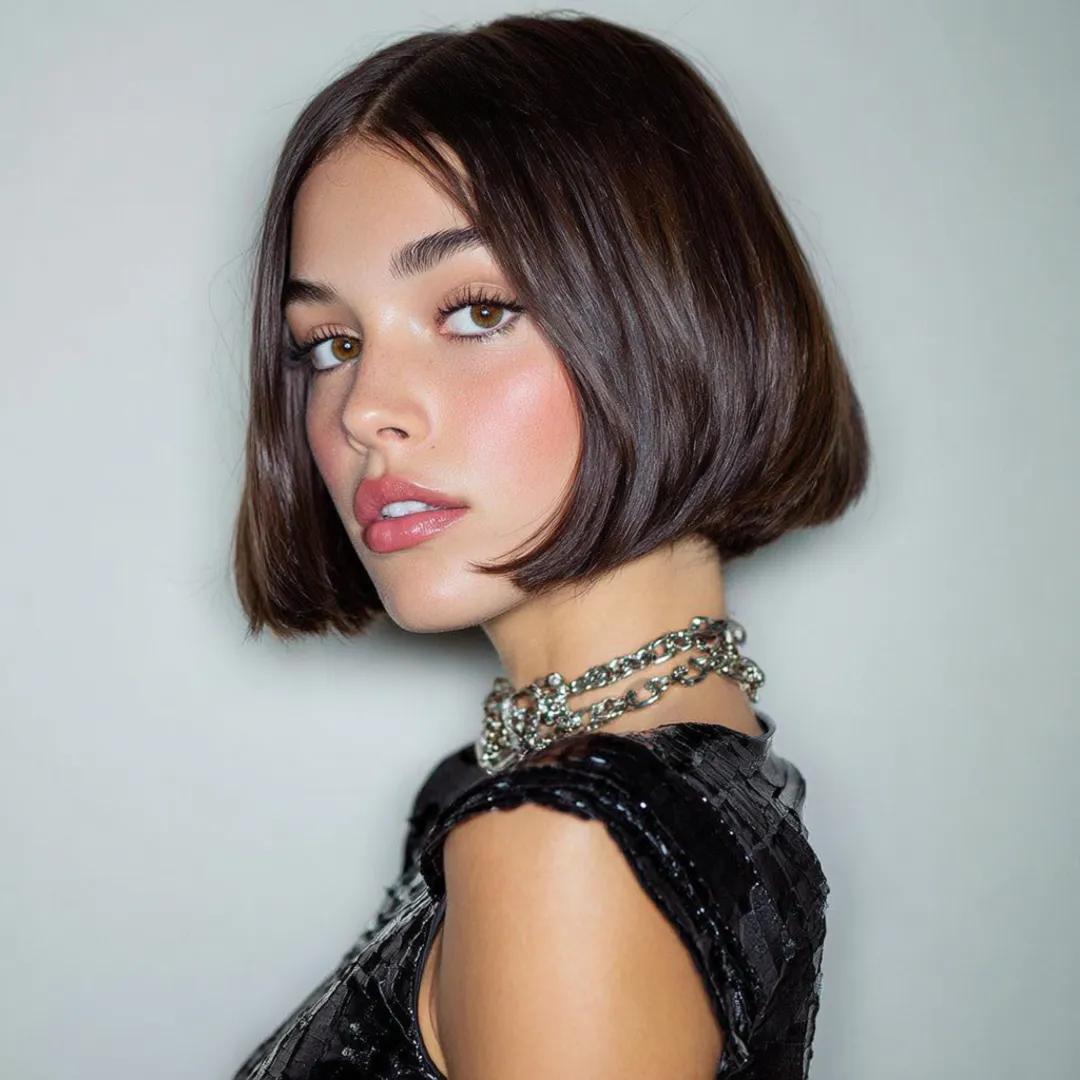
24 French-Inspired Haircuts and What Makes Them Work
“French-inspired” isn’t a single haircut. It’s a set of design choices that keep turning up across very different cuts: a clean, deliberate outline, layering that’s restrained rather than heavy, a fringe placed with intent, and a finish that looks slightly undone instead of polished into place. A chin-length blunt bob and a choppy shag can both carry that feeling, for completely different reasons.
Part of the appeal is that these cuts often look like they took very little effort. Sometimes that’s true. Often, it’s the result of a shape cut to fall well on its own, plus a little texture spray, a quick rough-dry, or a few minutes with a flat iron that the photo never mentions.
How any of them turns out depends on your hair: its texture, density, natural part, how the fringe area grows, and how much styling you’ll realistically do. A reference photo shows the finish, not the hair underneath or the routine behind it. The 24 cuts below each look at a different part of that equation.
The Classic French Bob
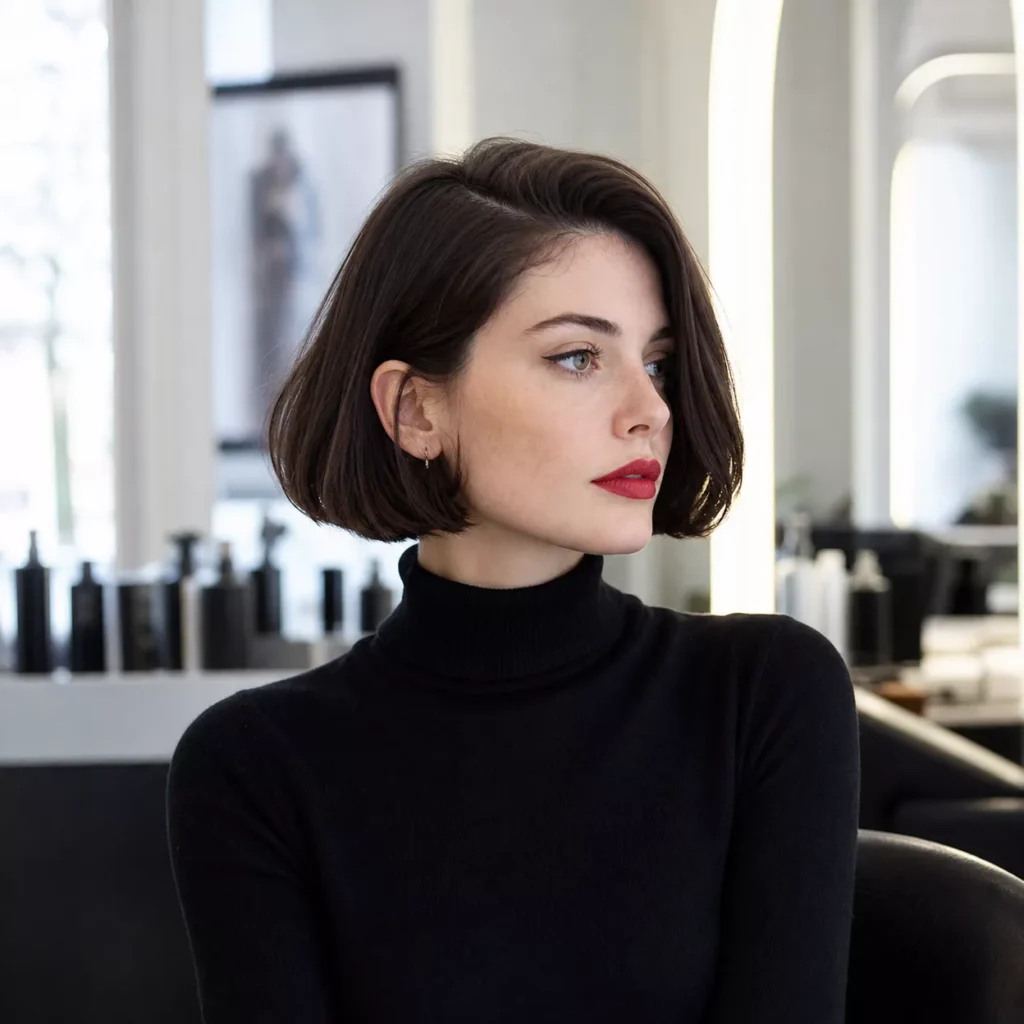
The classic French bob sits around the jaw or slightly above it, with a mostly blunt perimeter and very little layering. What gives it that French feel is the pairing of a clean line with a finish that isn’t fussed over: the ends may be softened slightly rather than razor-sharp, and the hair is often left with a little natural bend. Density changes the silhouette a lot. Dense hair holds a full, rounded line at the jaw, while fine or low-density hair sits flatter and closer to the face. Straight hair shows the line clearly; wavy hair bends it into something looser. Because it’s short, growth becomes visible quickly. Our guide to bob hairstyles covers more perimeter options.
Textured Shaggy French Bob

Adding shaggy texture to a French bob changes it more than the name suggests. The outline is still a bob, but internal layers and choppy ends break up the solid line, so the cut reads looser and more lived-in. The challenge is balancing structure and texture. On dense, wavy hair, that texture can stop the bob from feeling heavy. On fine hair, too many layers can collapse the shape or thin the ends. Crown layers add lift, though on thick hair they can also add width at the top. Usually, a moderate amount of internal texture is enough to change the character without losing the bob.
Curtain Bangs with Long Layers
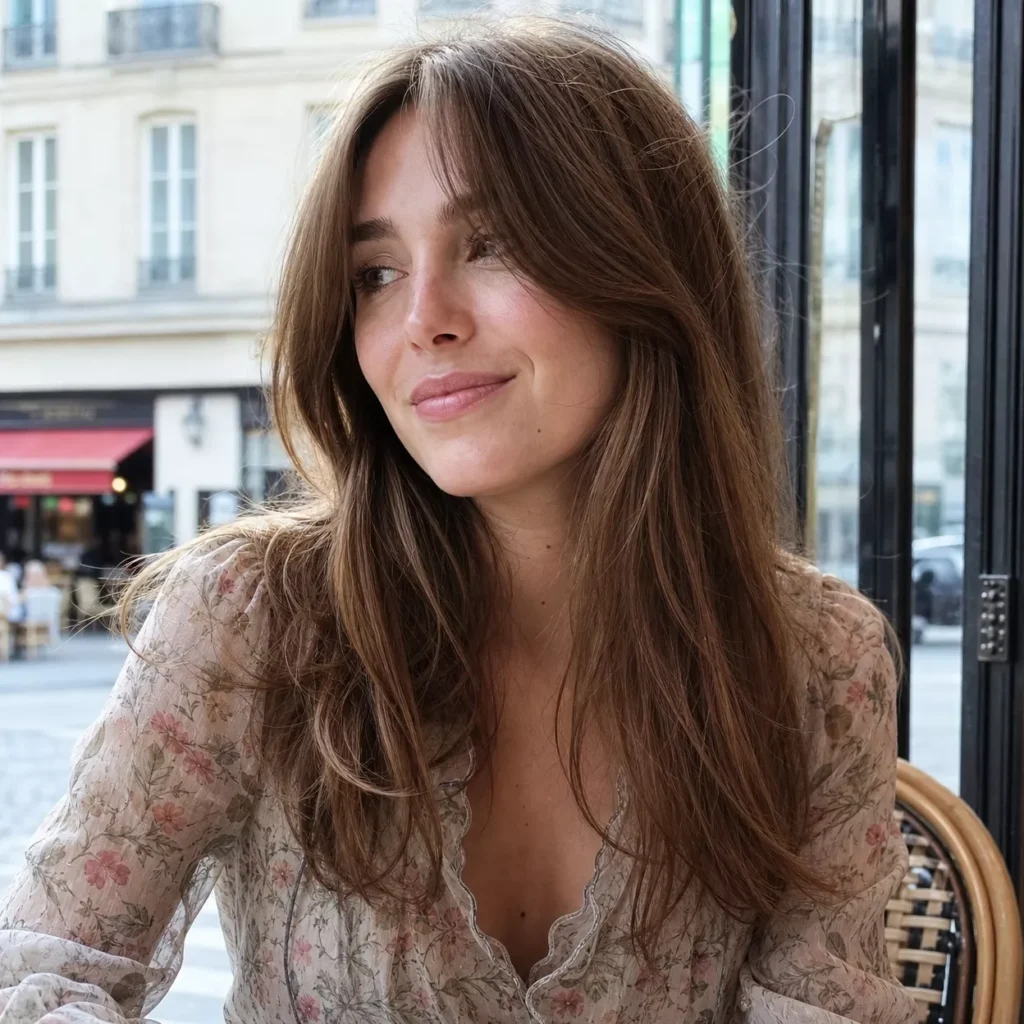
This is less a specifically French cut than a pairing of face-framing movement with long length. The bangs part near the center and sweep outward, blending into layers that continue down the sides. How easily they fall depends on your natural part; a strong side part can pull them off balance. On fine hair with decent density, the bangs can look full, while on low-density hair they may look sparse unless taken from a smaller section. Straight hair usually needs a quick round-brush to open the bangs. Wavy hair may fall into them more easily, and curly hair can make them shrink. Most people do some daily shaping.
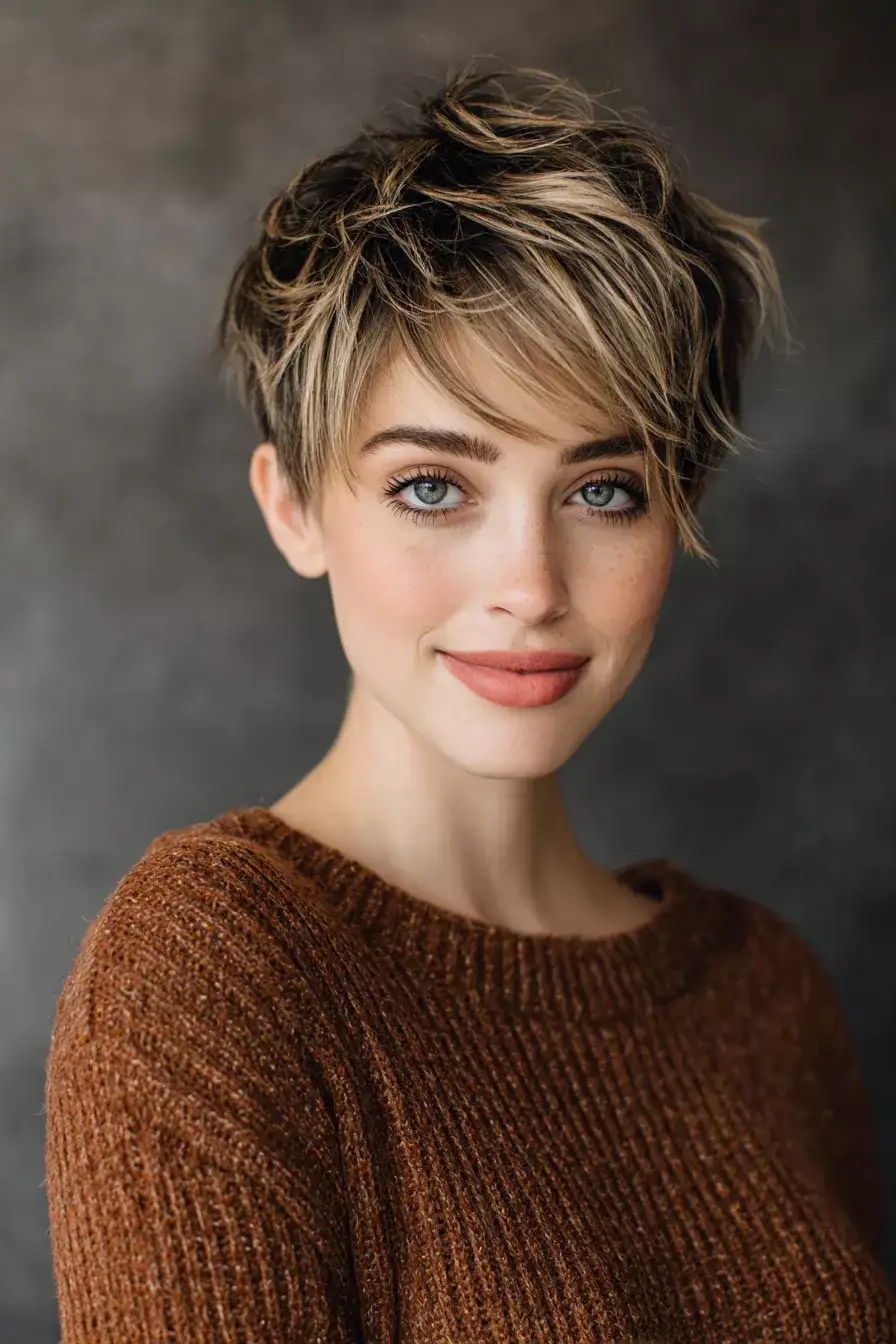
The French Pixie Cut
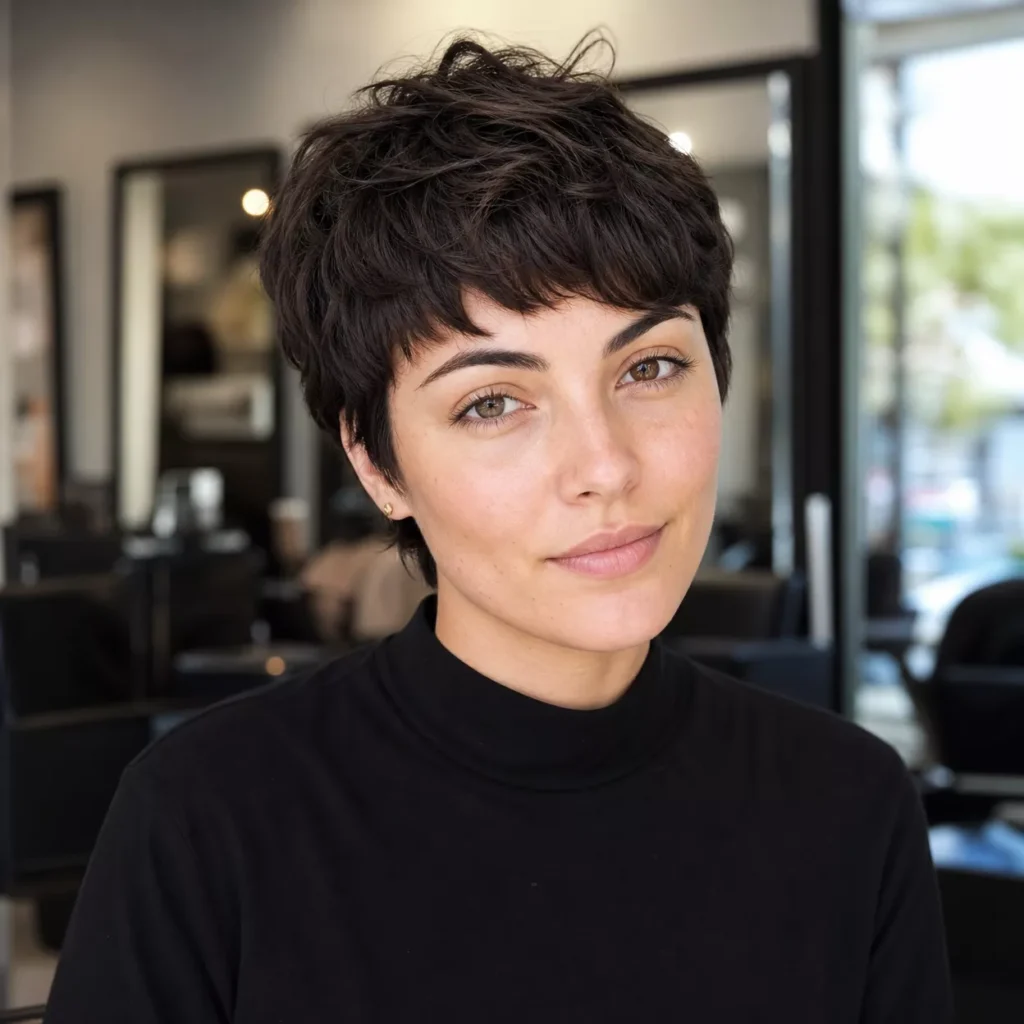
A French pixie is short and textured, usually with some length on top and a tousled rather than slicked finish. The hairline matters more here than in longer cuts. Cowlicks, uneven growth, or a strong swirl at the crown are all on display, and they can decide which way the top wants to fall. Density matters too: fine but dense hair holds texture well, while low-density hair may show more scalp if the top is cut very short. Styling time varies. Some hair needs only a little paste; other hair needs a blow-dry to sit the way it does in photos. The bigger commitment is reshaping, which comes around more often than with longer cuts.
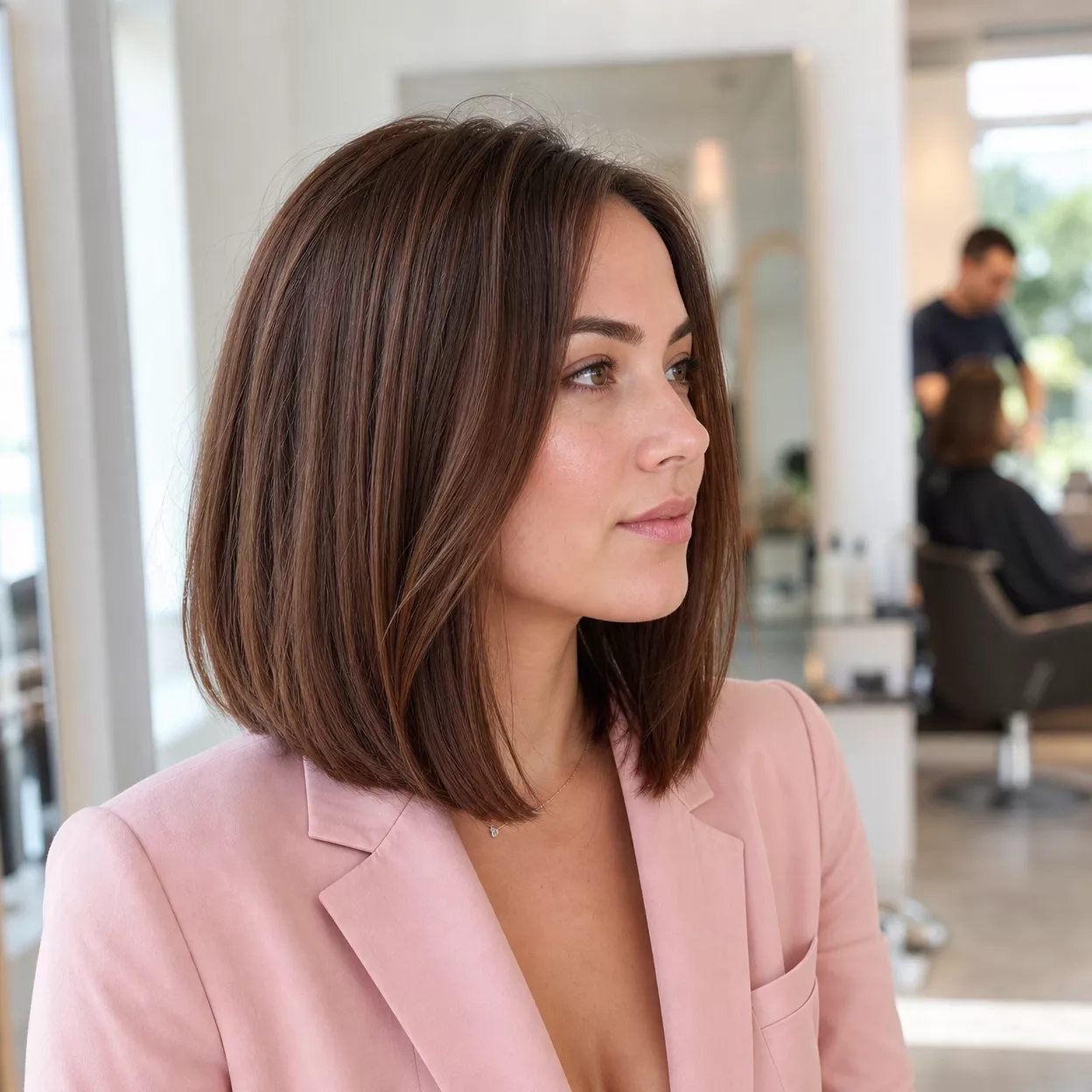
Soft Blunt Lob
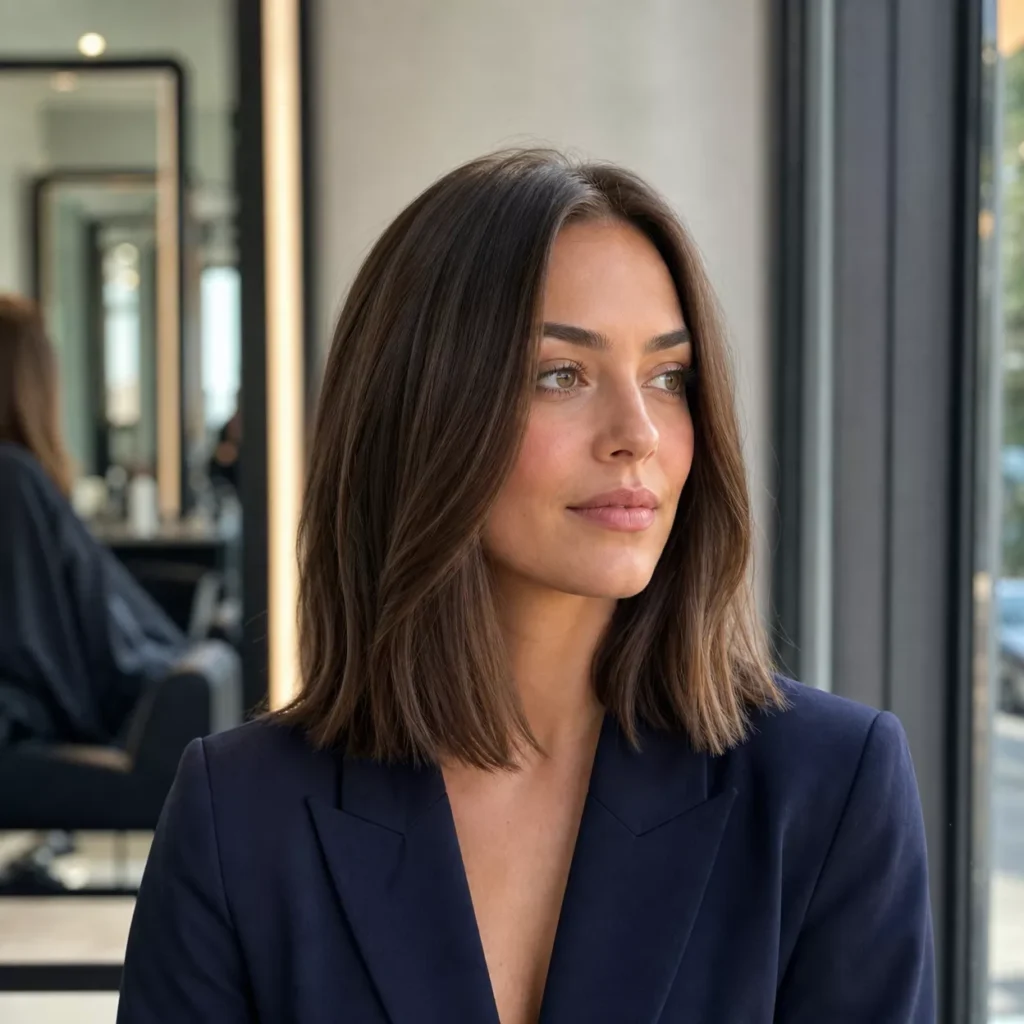
Think of this as the French bob’s structure carried down to the collarbone. The perimeter stays clean and mostly blunt, with little layering, so the shape depends on its outline rather than internal texture. Where it lands matters. Just above the collarbone, it tends to swing freely; right at the shoulder, the ends can flip outward or bend unevenly. Dense hair keeps the line full and solid, while fine hair looks more streamlined. Air-dried, it takes on whatever bend your hair has; blown out or flat-ironed, it looks sleeker and more precise.
Soft Curtain Fringe

A soft curtain fringe parts at or slightly off center and sweeps toward the cheekbones, connecting into face-framing pieces around the jaw. That connection is what keeps it soft rather than reading as a separate fringe. Hairline density affects how full it looks, and texture affects how it falls: waves may lift it, while very straight hair can make it drop forward and need shaping with a brush. It grows out more gently than a blunt fringe, gradually becoming part of the face-framing layers, though it still needs periodic trimming to stay at cheekbone length. Our guide to curtain bang hairstyles covers more ways to wear it.
The Undone Bixie
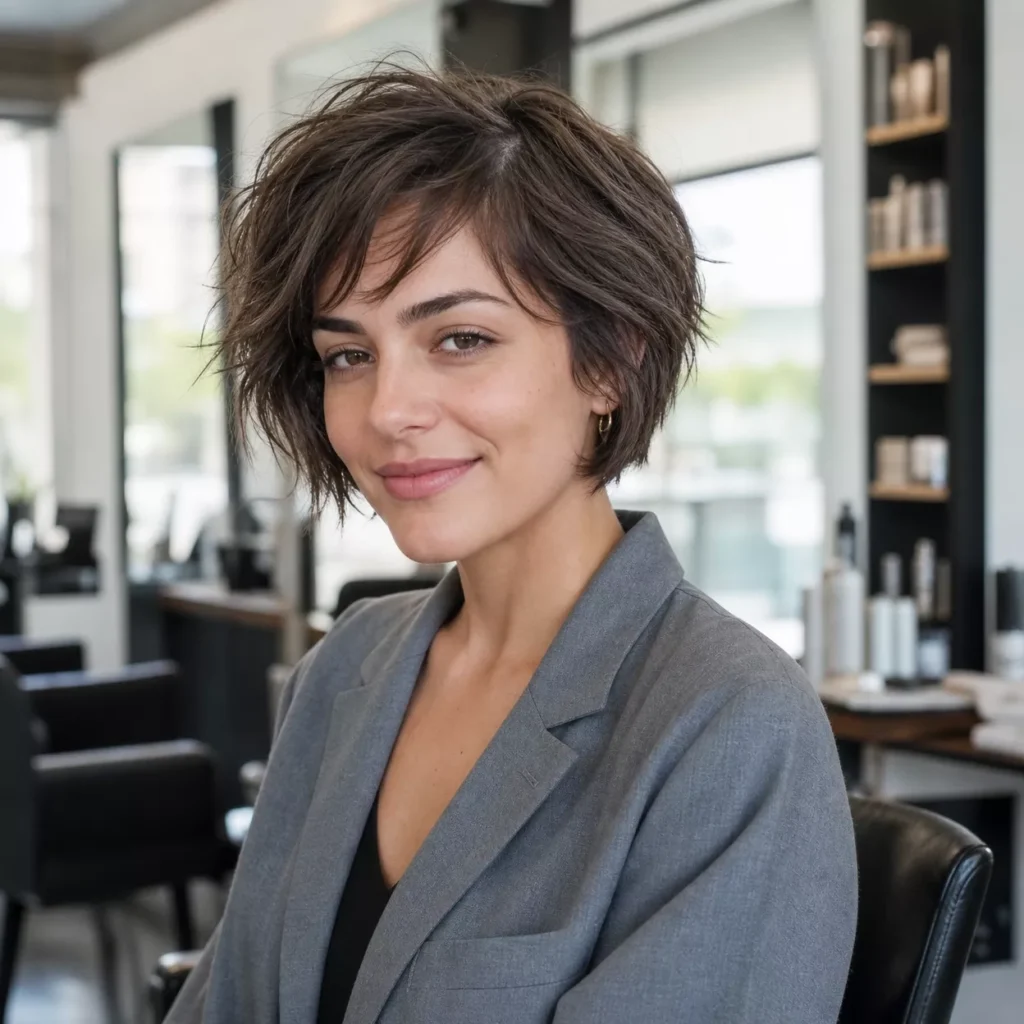
The bixie sits between a bob and a pixie: shorter at the back, with more length around the face and on top. The undone version favors texture over precision, so the transition between the short back and the longer front is softened instead of sharply graduated. That deliberate imperfection is what separates it from a cut that’s simply grown out. As it grows, the nape lengthens first and the back can start to look heavy, so regular reshaping keeps the intentional quality. Natural texture largely decides how undone it looks. Our guide to bixie haircuts covers more variations.
Long French Bob with Face Framing
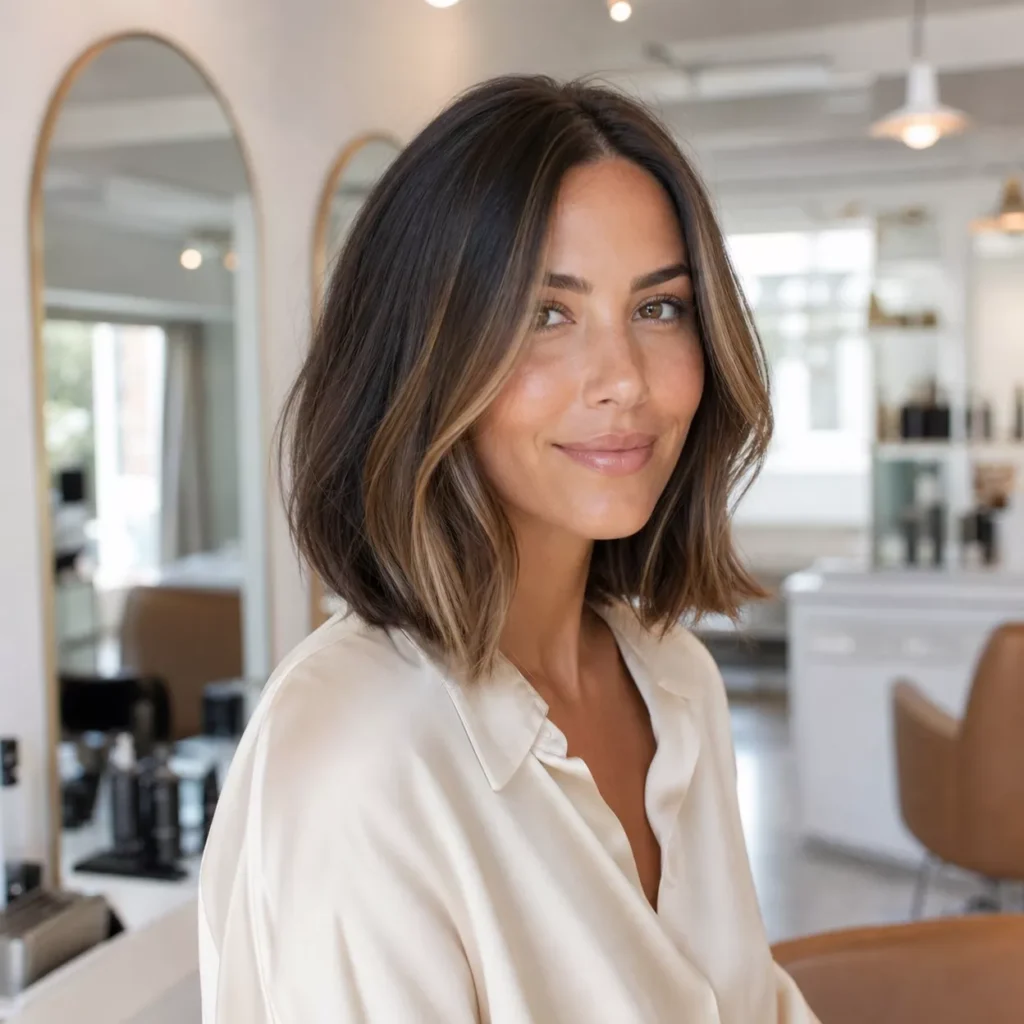
This is a longer take on the French bob silhouette: the clean outline extended to the collarbone or just below, with face-framing pieces cut shorter at the front. Where those pieces start decides the effect. Starting near the cheekbone can shift attention toward the cheek and jaw area; starting lower keeps the front calmer. The framing works best when it falls with your natural part. On straight hair, those pieces may need a round brush to curve away from the face, while wavy hair may bend them on its own. Low-density hair tends to look fuller with fewer, longer framing pieces.
Choppy French Pixie Bob
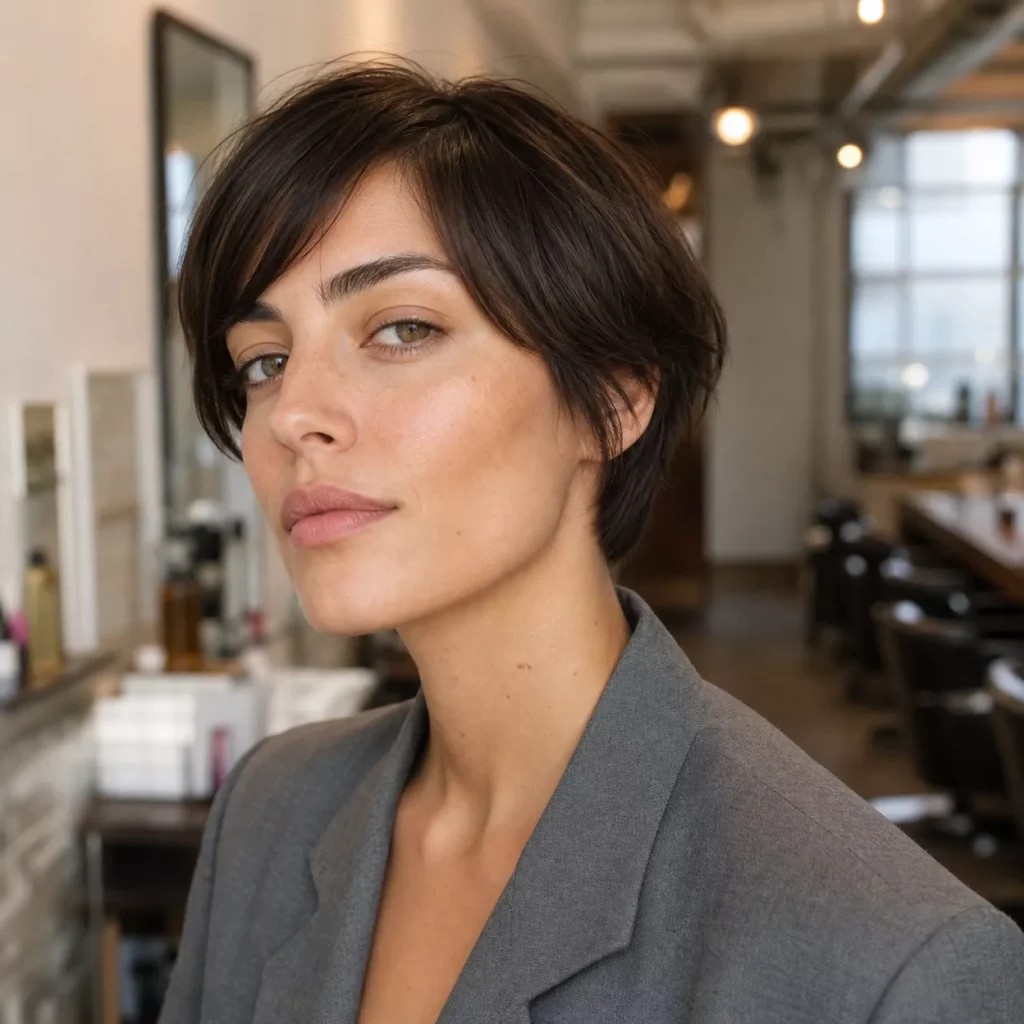
Irregular lengths are the point here. The cut uses disconnected or deliberately uneven layers with a slightly longer fringe, so pieces sit at different heights. That gives it more flexibility than a classic pixie: it can be pushed to one side, worn forward, or roughed up. Density decides how intentional the choppiness looks. On dense hair, the separation reads as texture; on fine or low-density hair, it can look sparse. The amount of texture should be judged against your own hair rather than copied from a photo.
Blunt Micro Fringe with Bob
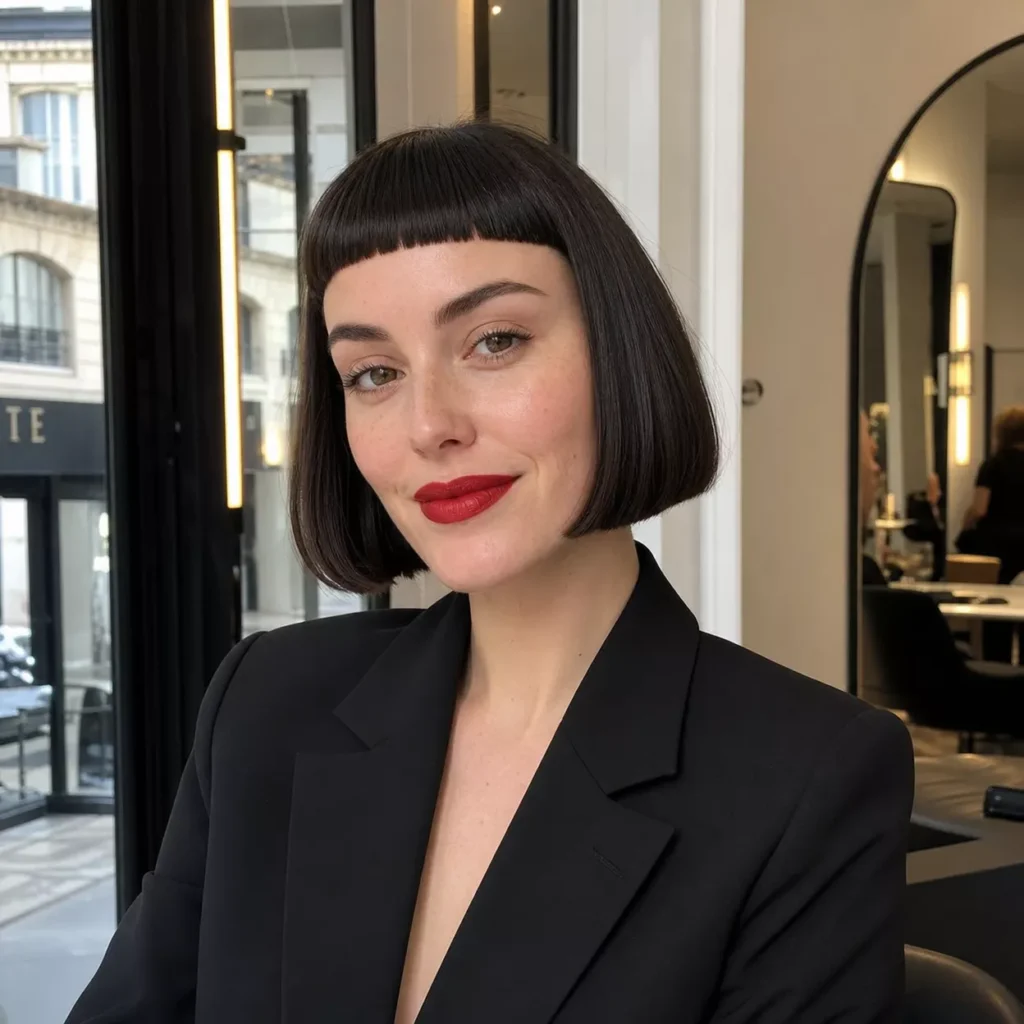
A micro fringe sits well above the brows, often in a straight, blunt line. It’s a separate decision from the bob, and it tends to dominate the look, so it deserves consideration on its own. The forehead and hairline matter here: a cowlick at the front can make a short fringe split or lift, and uneven hairline growth is easy to see at this length. Growth is the other commitment. Even a small amount of length changes how a micro fringe sits, so it needs frequent trims to stay micro. The bob underneath can be blunt or softly finished, but the fringe will draw most of the attention either way.
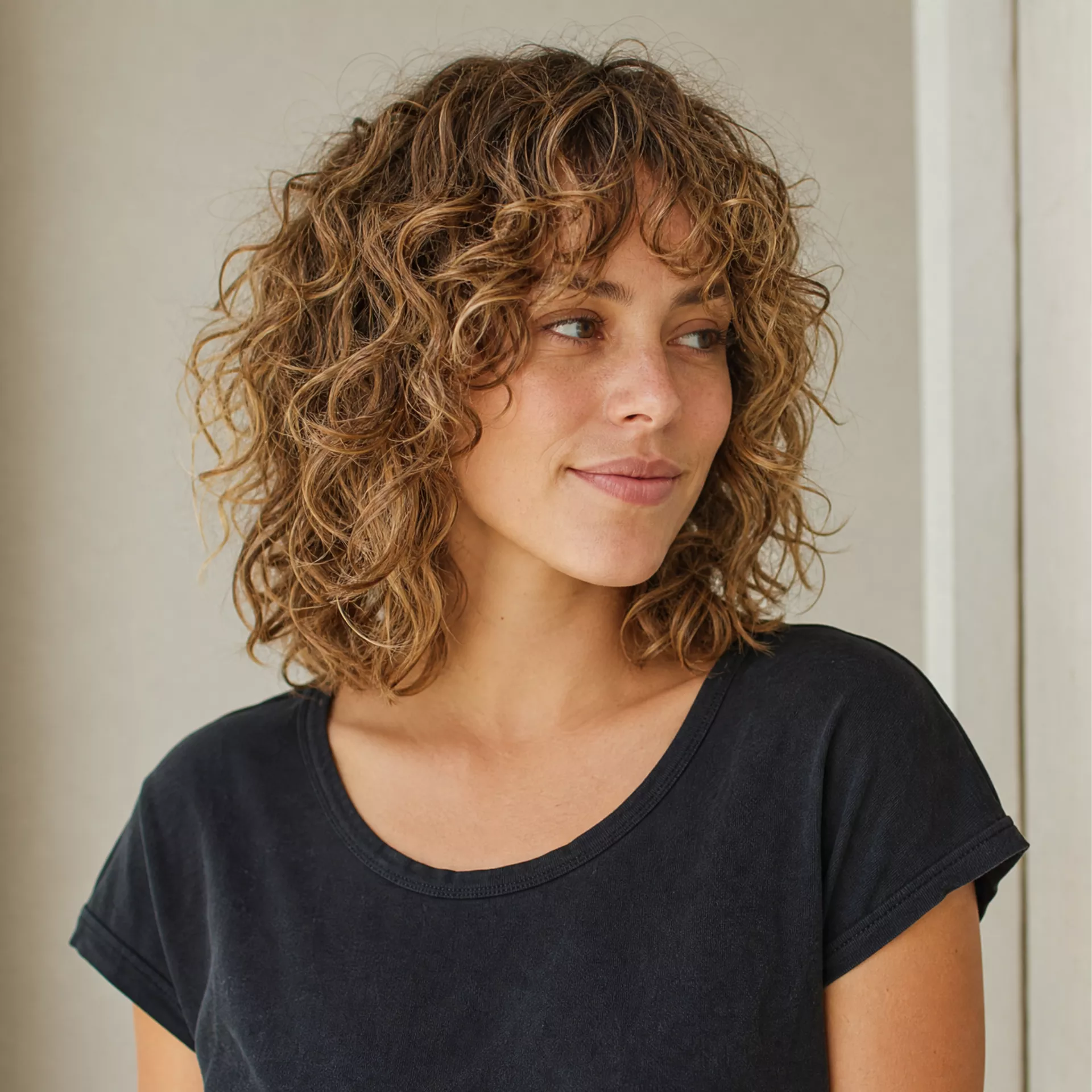
French Shag

A shag isn’t simply a cut with lots of layers. It has a specific structure: shorter layers concentrated at the crown and around the face, longer lengths below, and an outline that’s broken up rather than solid. That placement is what gives it lift on top and movement at the ends.
Density and texture change everything. Wavy hair tends to fall into the shag shape easily, while straight hair often needs product or heat to show it. On dense hair, too many short layers can make the top wide. On low-density hair, heavy layering can leave the ends thin. It can work at medium or long lengths, though the balance between crown and ends shifts with length. Our guide to shag haircuts covers layer placement in more detail.
Sleek Blunt Bob
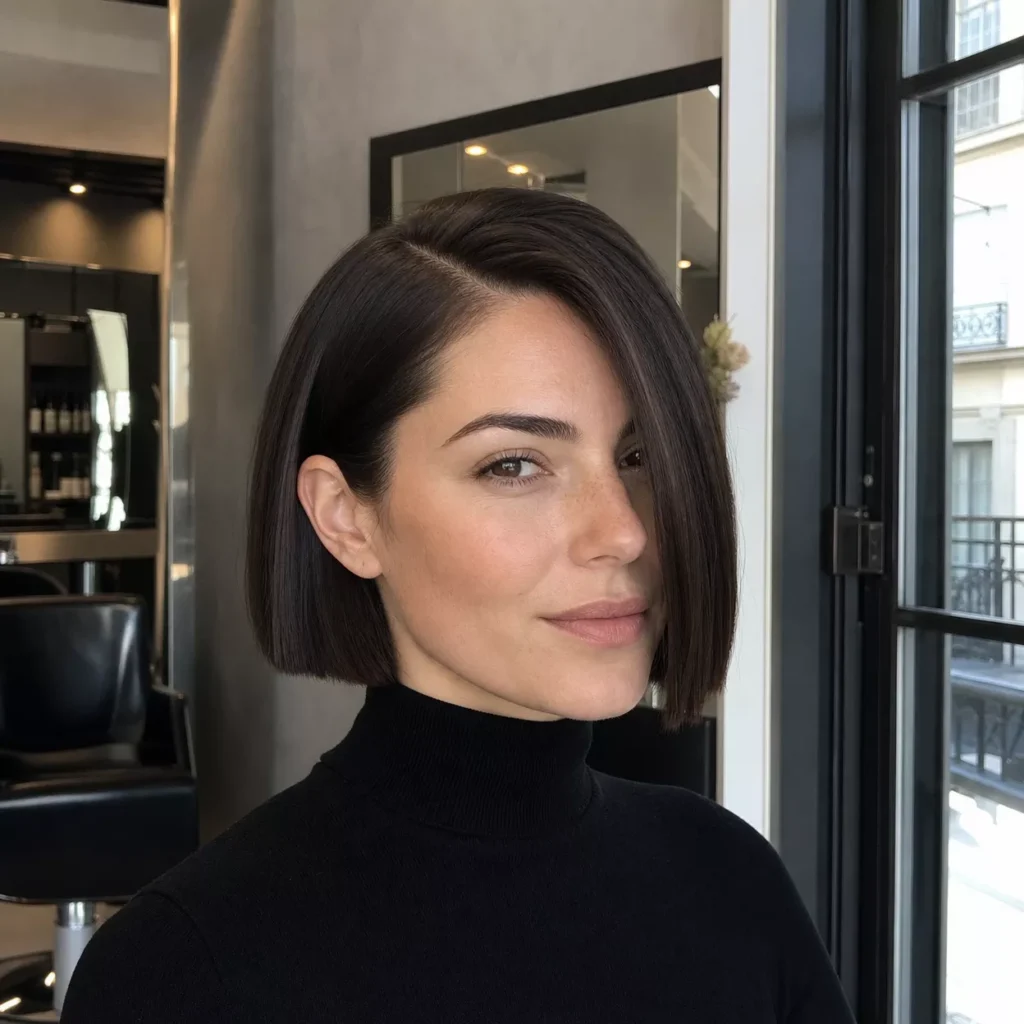
Precision defines this one: a jaw-length bob cut to a single clean line with no visible layering. The sleek finish is partly the cut and partly styling. Straight hair can look smooth after a quick blow-dry, while wavy or coarse hair usually needs a flat iron or careful blowout to look as polished as the reference. A deep side part adds asymmetry without changing the cut. Because the line is so exact, growth shows quickly and the shape loses its sharpness sooner than a softer bob would.
Wispy Fringe with Collarbone Length Cut
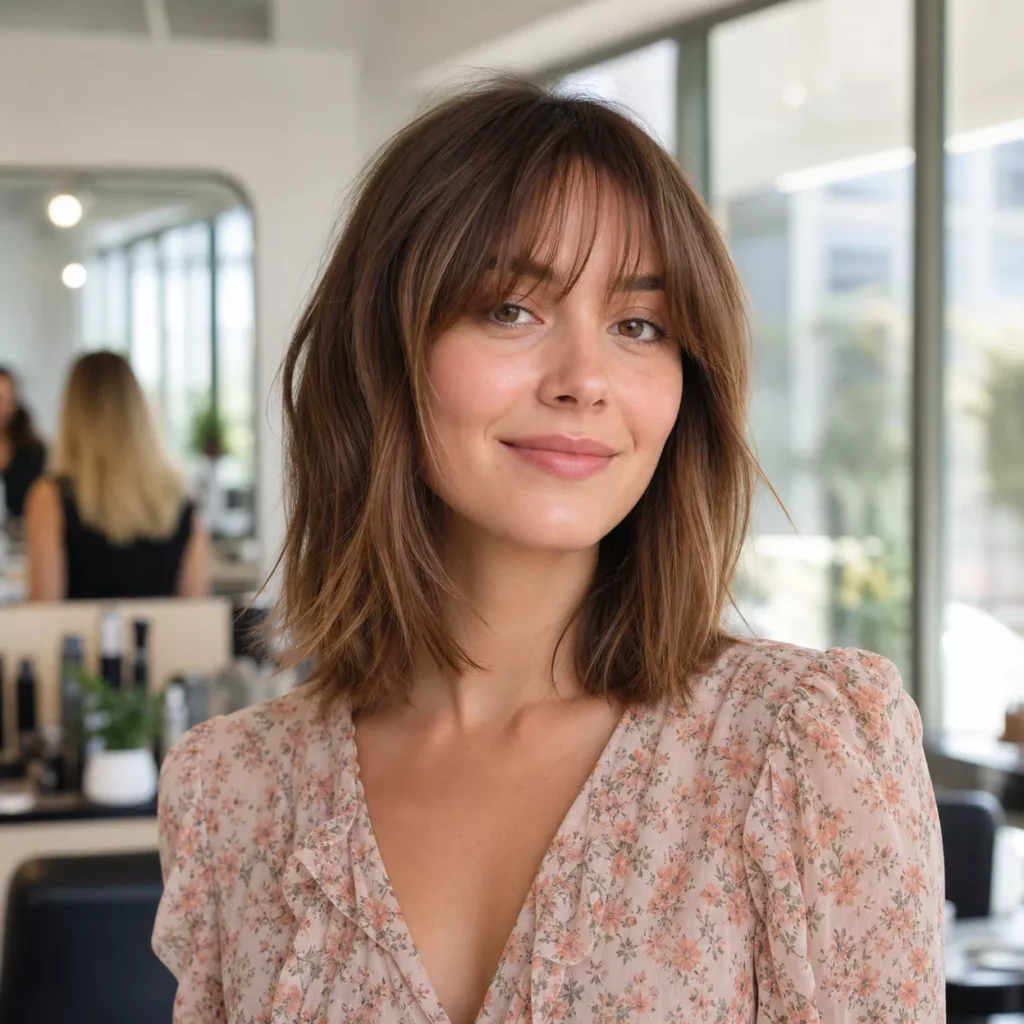
The fringe here is cut light enough to see some forehead through it, paired with a collarbone-length cut that keeps the overall shape simple. It needs some density at the hairline to look soft rather than sparse, so fine but dense hair tends to suit it more easily than low-density hair. Humidity can make a wispy fringe separate or curl, which some people like and others find frustrating. It doesn’t need perfect styling, but most fringes need at least a quick blow-dry or a few seconds with your fingers to sit where you want them.
French Crop
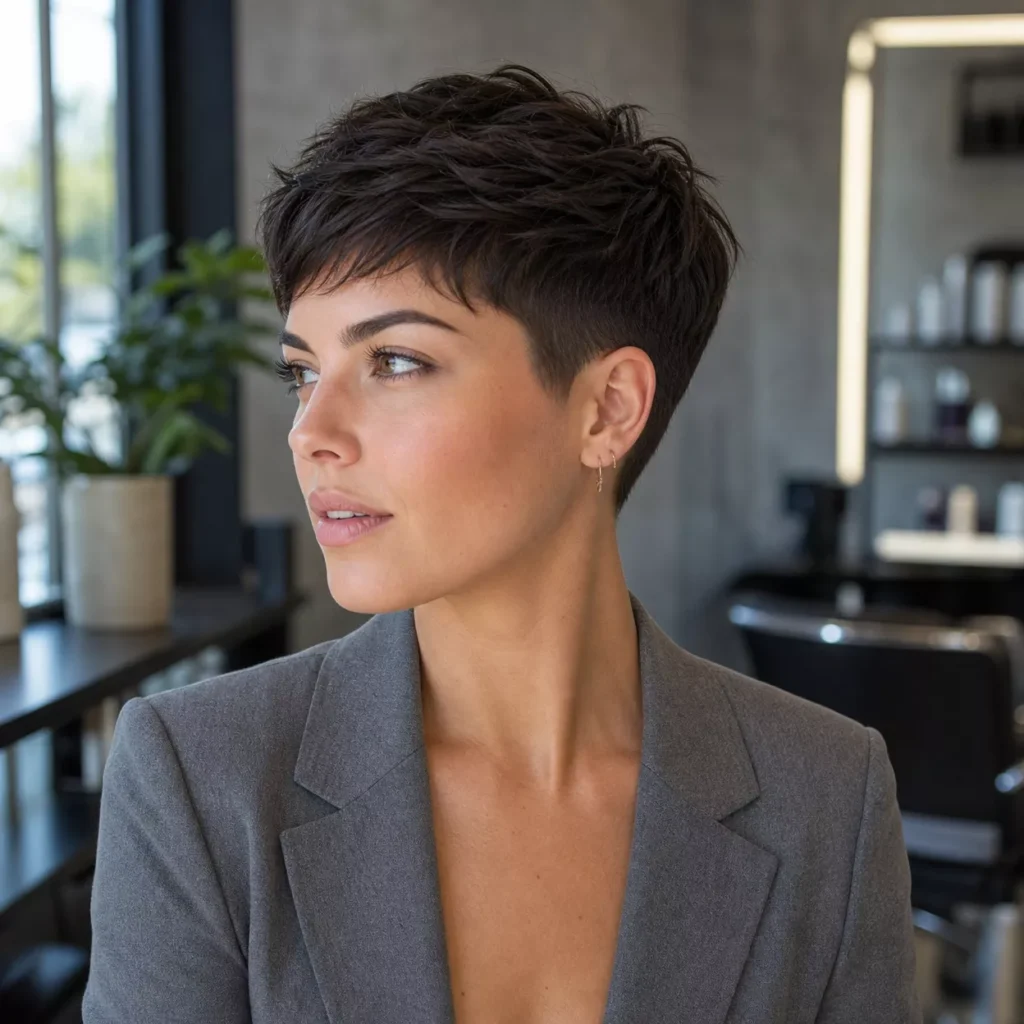
A crop differs from a pixie mainly in direction. The hair is usually cut and styled forward, with the top kept a little longer and the sides and nape tapered close. That forward fall makes the hairline and fringe area central to the shape, so cowlicks or a strong part can change how it sits. Texture determines how much product it needs to look piecey rather than flat. Because the sides and nape are short, it shows growth quickly and tends to need regular reshaping. Its character comes from texture and styling rather than from any fixed idea of how short hair should look.
Long Layers with Invisible Fringe

An invisible fringe removes a very small amount of hair at the front, cut into fine, wispy pieces that blend into the hairline instead of forming visible bangs. The effect is subtle: it softens the line at the forehead and adds a little framing without reading as a fringe. Because so little hair comes out, it suits people who want a change most others won’t notice. On low-density hair, even a few pieces can thin the front, so keeping it minimal matters. Grow-out is gentle, since the pieces blend straight into the long layers.
Asymmetrical French Bob
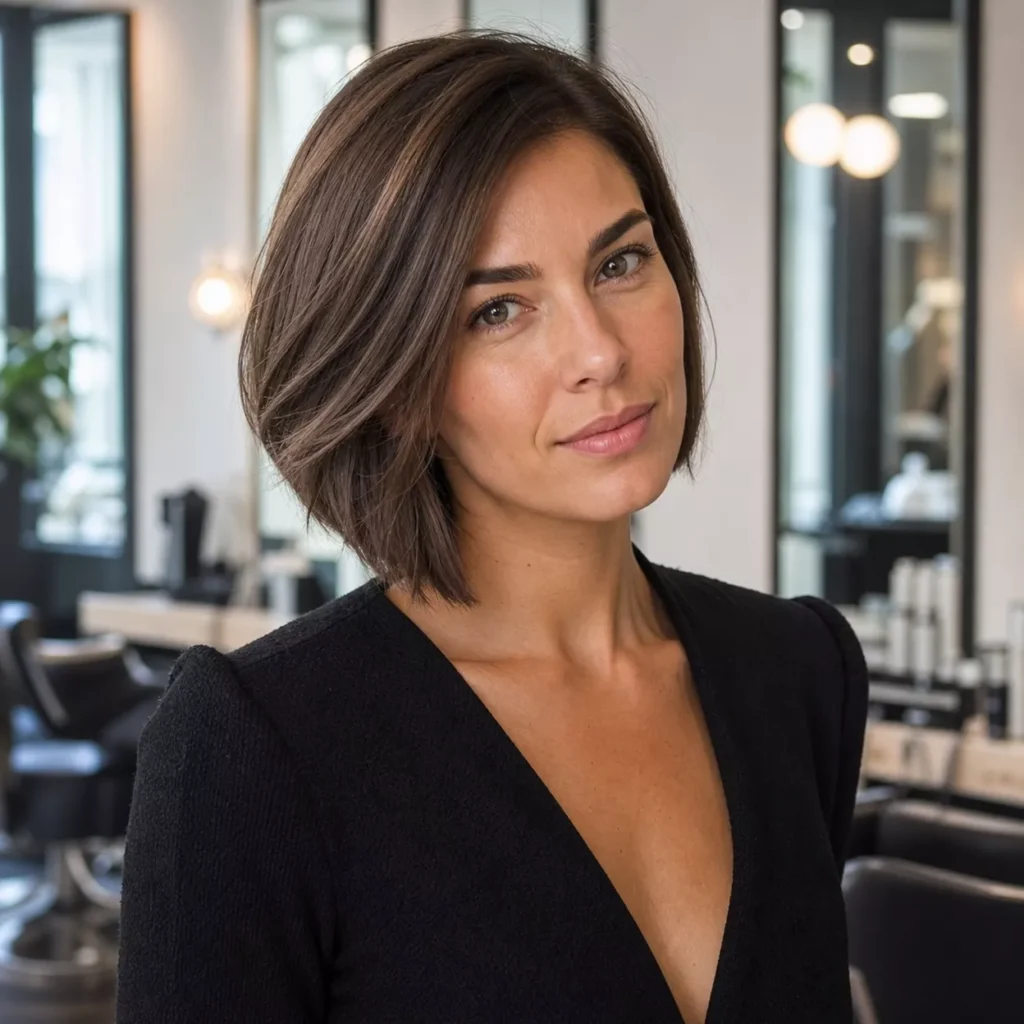
One side is cut slightly shorter than the other, giving the bob a directional shape. How much asymmetry you want is worth deciding before the cut: a small difference reads as a gentle tilt, while a pronounced one becomes the defining feature. Check both sides and the back before you leave the chair. Your natural part matters, since the longer side usually falls on the part side. Straight hair shows the asymmetry clearly, while wavy hair can blur it. As it grows, the difference between the sides becomes less defined.
French Bob with Curtain Bangs Combo
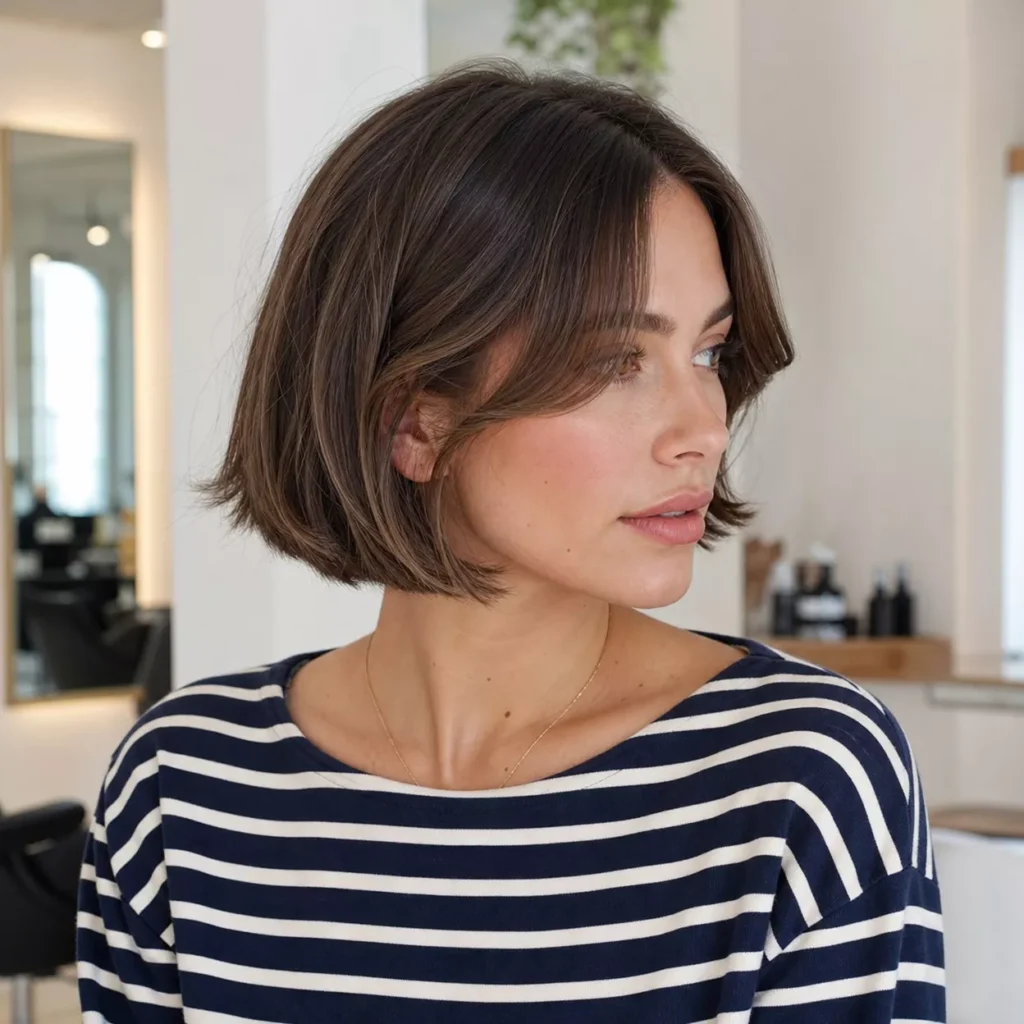
This combines two decisions with separate maintenance: a chin-length bob and a curtain fringe. The bob may go a while before it needs reshaping, but the bangs usually need attention sooner, since they grow toward the eyes. Bang length and bob length interact. Longer curtain bangs blend more easily into a bob, while shorter ones read as a distinct fringe. Density affects both, and so does styling, since most curtain bangs need a quick brush to sweep open. The grow-out tends to be gradual, though not free of in-between stages.
Soft Textured Pixie
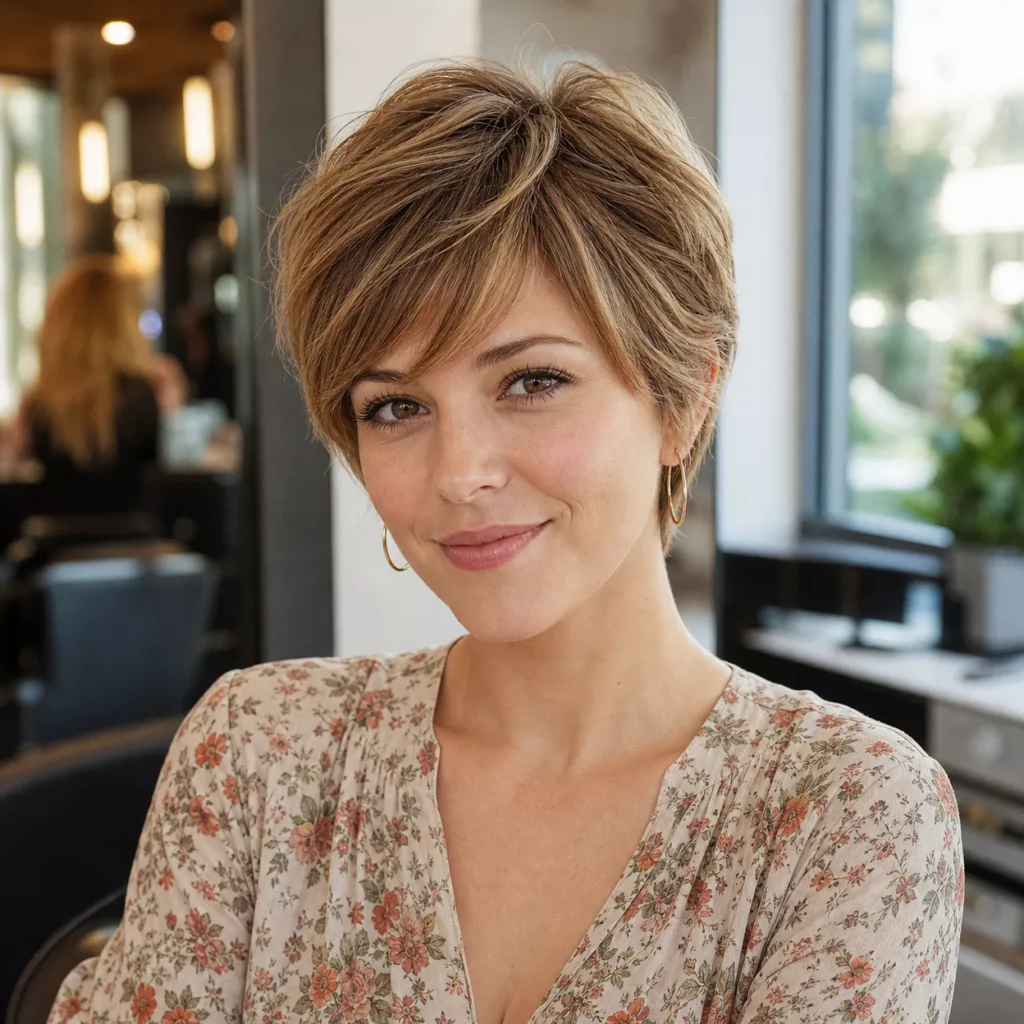
Texture through the top and crown, with tapered sides and nape, gives this pixie a lived-in shape. On fine hair with reasonable density, that texture can make the top look fuller. Low-density hair may need more length left on top so the scalp doesn’t show through. The look often relies on product, whether a little dry shampoo at the roots or a light paste, to keep the texture defined. The nape and sides need regular tidying to keep the shape looking deliberate.
Bedhead Lob

Bedhead is rarely no-effort. The look relies on natural wave, slightly uneven layering, and the texture hair often develops by the second day. On naturally wavy hair, that can happen with very little intervention. On straight hair, the same rumpled finish usually takes texture spray, a few bends with an iron, or sleeping on a loose braid. Humidity can push it fuller or frizzier than the photo. The cut sets up the possibility; your texture and routine decide how much of it you actually get.
French Bob with Deep Side Part
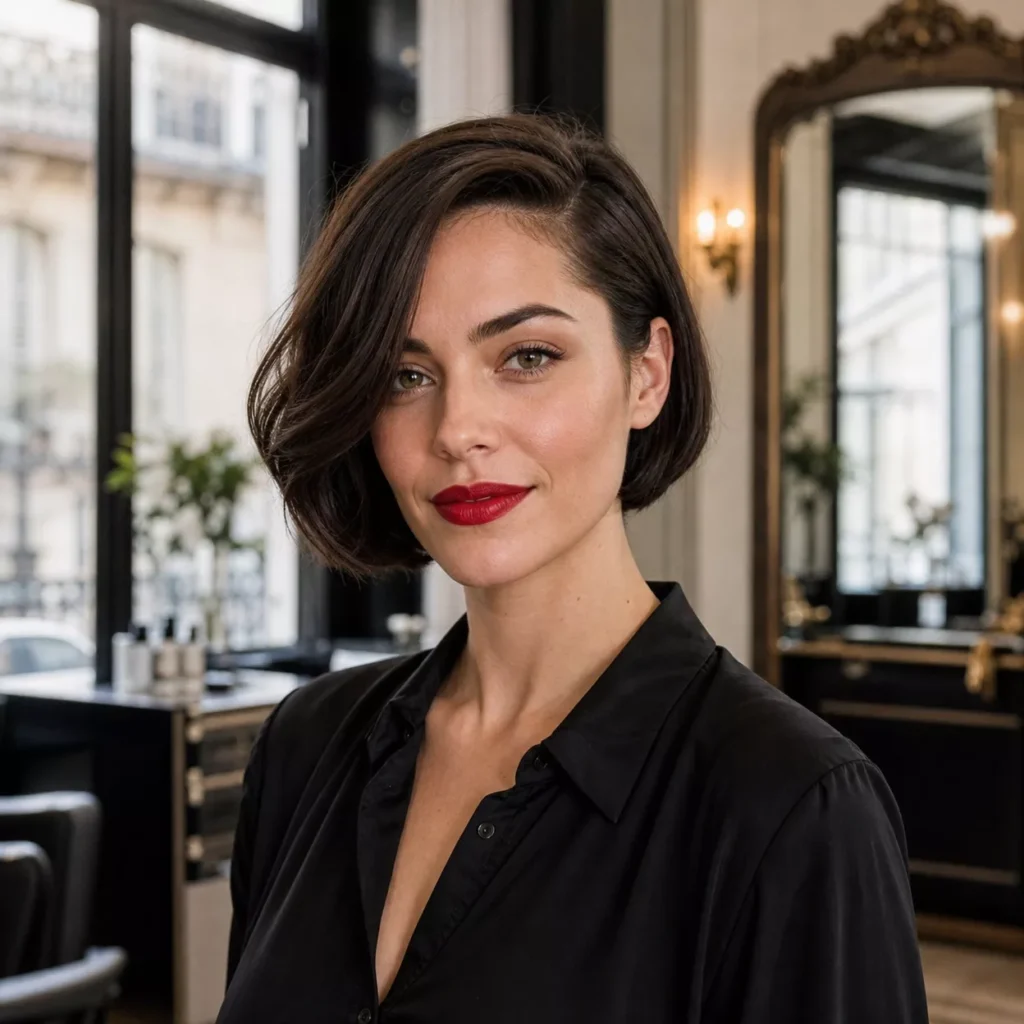
Moving the part far to one side changes a bob’s silhouette without any cutting. More hair sweeps across the forehead on one side while the other falls back behind the ear, creating asymmetry. It holds best when the deep part matches your natural part; parts that are forced tend to drift. Root lift at the part adds to the effect, so a blow-dry is often involved. On low-density hair, a deep part can expose more scalp along the line, so a moderate part may look fuller.
The Grown-Out Fringe Bob

This is as much a transition as a haircut. A bob with a fringe that has grown past the brows reaches an awkward stage where it falls into the eyes, and the question becomes whether to reshape it or keep growing. A stylist can lightly shape the fringe so it parts or sweeps toward the sides, turning it into face-framing pieces rather than a fringe. During the in-between stage, sweeping it to one side, tucking it behind the ears, or using a small clip can help. If you plan to grow it out fully, ask for the fringe to be angled toward the cheekbones rather than cut straight across.
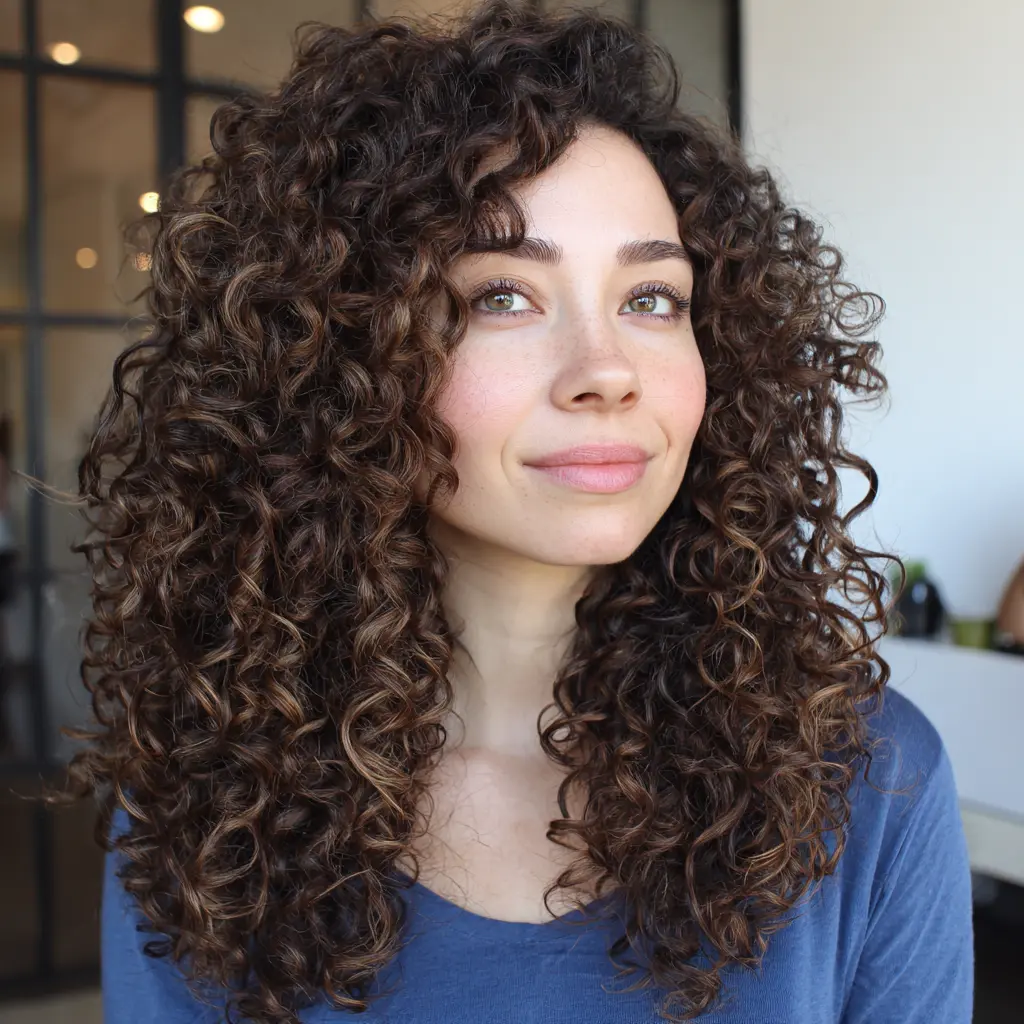
Voluminous French Shag on Curly Hair
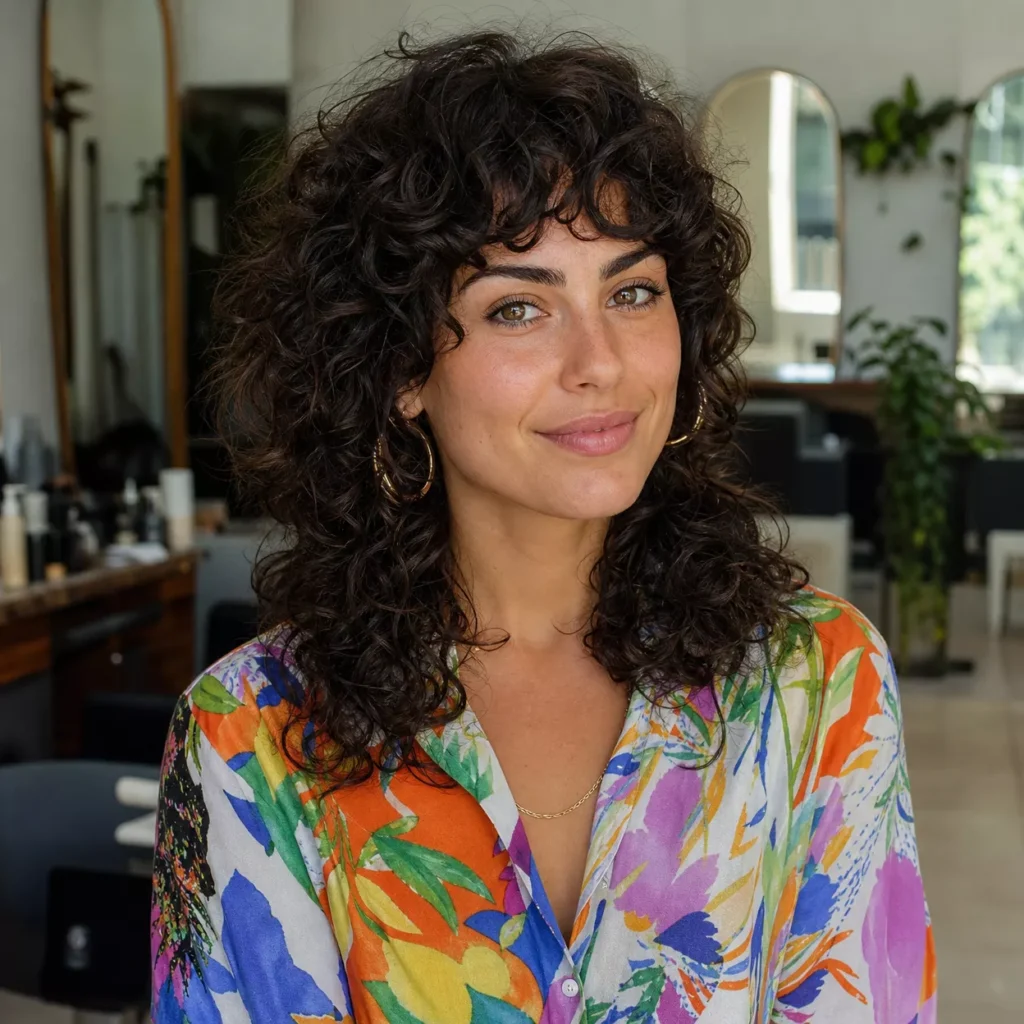
On curly hair, a shag has to be designed around the dry curl pattern, not the wet length. Curls can shrink considerably, so a layer that looks long when wet may spring up much shorter. Many stylists assess curls dry before finalizing the shape. Layer placement decides where volume sits: crown layers lift the top, while weight left lower keeps the shape from widening at the bottom. Coily hair can expand differently from looser curls, and dense curls can become wide if layering isn’t balanced. The result depends on your specific curl pattern and density, not on the word shag.
Textured Collarbone Bob

A collarbone bob with subtle internal movement keeps the outline mostly intact while letting the hair move. On naturally wavy hair, it can air-dry into a loose shape with little help. On straight hair, it may need texture spray or a quick bend to resemble the reference. Density matters at the ends: fine but dense hair can handle some texture, while low-density hair often looks fuller with fewer layers. At this length, the ends may flip where they meet the shoulders.
The Modern French Pageboy

A pageboy has a rounded silhouette, with a perimeter that curves under around the jaw and a fringe that blends into the sides. The modern version softens the edges and lightens the fringe, so it reads less severe than the retro shape. Straight hair holds the rounded outline most easily, often with help from a round brush, while wavy hair can make the curve less predictable. It’s a commitment: both the rounded perimeter and the fringe need regular trims to stay defined.
What Actually Makes a Haircut Feel French-Inspired?
Looking across the 24 cuts above, a few principles keep recurring. Not every cut uses all of them; most combine two or three.
A clean perimeter is the most common. Many of these cuts, from the classic French bob to the soft blunt lob, rely on a deliberate outline rather than heavy layering. The edge gives the shape its structure, so the rest of the hair can be left a little loose.
Layering tends to be controlled. Even the shags here use layers with a purpose, placing them at the crown or around the face rather than removing weight evenly throughout.
Natural texture plays a big role. Many of these cuts are designed to work with the hair’s own bend or wave, and the finish is often slightly imperfect rather than smoothed into place.
Fringe is used strategically, whether as a micro fringe, a curtain fringe, or an invisible one. It often becomes the focal point of the cut.
And many of these shapes are designed to keep working as they grow. A bob with softened ends or a fringe that blends into face-framing layers tends to move through grow-out with fewer awkward stages than a sharply precise cut.
Start With the Way Your Hair Behaves
If your hair is naturally straight
Straight hair shows clean lines clearly, so blunt shapes like the classic French bob, sleek blunt bob, and soft blunt lob are easier to reproduce. The textured and bedhead looks usually need product or heat to recreate.
If your hair is naturally wavy
Wavy hair often works with the cuts built around texture, such as the textured shaggy bob, bedhead lob, and textured collarbone bob. Blunt shapes still work, though the line will look softer.
If your hair is curly or coily
Curls and coils change the length and width of any cut as they dry, so shrinkage and layer placement matter more than the name of the style. The curly shag is built around this, and any cut should be planned with your dry curl pattern in mind.
If your hair is fine but dense
You have room for some movement, but the perimeter still matters. Moderate internal layering or a few face-framing pieces can add movement without thinning the ends.
If your hair is low-density
A stronger perimeter tends to make the hair look fuller. Blunt bobs and lobs often work better than heavily layered or choppy cuts, which can leave the ends sparse.
If you dislike daily styling
Choose a cut based on how your hair looks air-dried, not on the salon photo. Cuts that rely on blow-drying, like the sleek blunt bob or pageboy, take more daily work than texture-friendly shapes.
What the French-Inspired Haircut Photo Doesn’t Tell You
Haircut photos are useful, but they hide a lot. The person in the image may have different density or strand thickness, or a texture that falls easily into the shape. The finish may come from a blowout, a curling iron, or product. Some photos involve extensions. Lighting, camera angles, freshly cut ends, and freshly toned color can all make a cut look sharper or fuller than it will on an ordinary day.
So look at the photo for structure rather than finish. Notice where the perimeter sits and whether the ends are blunt or textured. Look at the fringe length and how it connects to the sides. Check the part and the crown, where the layers begin, and whether the nape looks tapered or full. Pay attention to how much visible styling there is. Those are the details a stylist can actually translate to your hair.
Before You Show the Photo to Your Stylist
A reference photo is most useful when it comes with context. Tell your stylist what you like about the photo, and also what you don’t. Be honest about how much styling you’ll realistically do, and whether you need to be able to tie your hair back. Mention your natural part, any cowlicks, and any recent cuts or color that might affect the result.
It also helps to separate the exact silhouette from the general mood. “I want this exact haircut” is less useful than “I like the length, the loose fringe, and how the ends move, but I want something I can air-dry.” The second version gives a stylist something to work with.
When the French Look Stops Looking Effortless
Too many layers can create width rather than movement, especially on dense hair. A blunt bob without any softening can look rigid. A fringe cut against a cowlick may refuse to lie flat. A shag with heavy layering can leave low-density hair looking thin. Curly hair cut without accounting for shrinkage may end up shorter or wider than planned.
Some looks also take more work than they suggest. A messy finish may need product and styling to stay deliberate. Short cuts usually need more frequent reshaping. And a reference photo may owe much of its appeal to professional styling.
The French Approach Is More About Shape Than Perfection
French-inspired doesn’t mean copying one particular Parisian haircut. It means choosing a shape with enough structure to look intentional, while leaving room for natural texture and movement.
When you’re deciding, focus on the specific mechanics you like, such as a clean perimeter, a soft fringe, or texture at the ends, rather than asking for “French hair” in general. A stylist can build those details around your own hair, which is usually where the effortless look actually comes from.