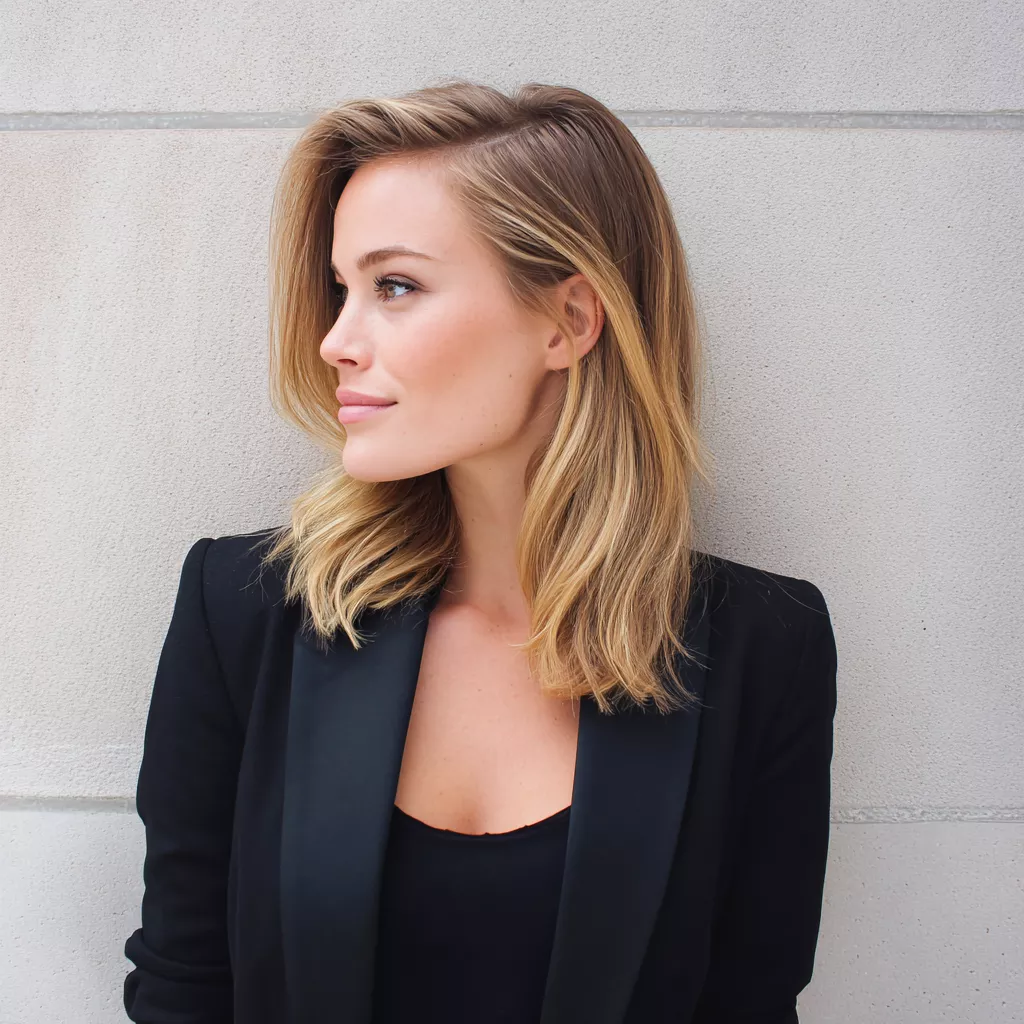
24 Spring Haircut Ideas, From Subtle Trims to Major Changes
Spring often brings the urge to change something about your hair, but that change doesn’t have to be dramatic. It might be a curtain fringe on your existing cut, a few face-framing layers, a reshaped bob that has grown out, or the much shorter length you’ve been considering for months. Each of those is a different level of commitment, with different upkeep afterward. Warmer weather can matter too. You might tie your hair up more often, spend more time outdoors, or notice humidity changing how your hair behaves. The 24 spring haircut ideas below run from small refreshes to major changes, with notes on texture, styling, and maintenance, so you can decide how much change you actually want before you sit in the chair.
The Curtain Bang Refresh

Adding curtain bangs changes the front of an existing haircut while leaving most of its length alone. The shortest pieces usually sit around the brow or cheekbone and part at the center, while the longest blend into your current face-framing layers. Where they meet your existing cut decides whether the front looks connected or added on. Curtain bangs need some daily styling, often a quick blow-dry with a round brush, plus regular trims so they don’t fall into your eyes. A cowlick at the hairline or a strong side part can make them harder to wear, which is worth raising with your stylist first.
The Spring Lob
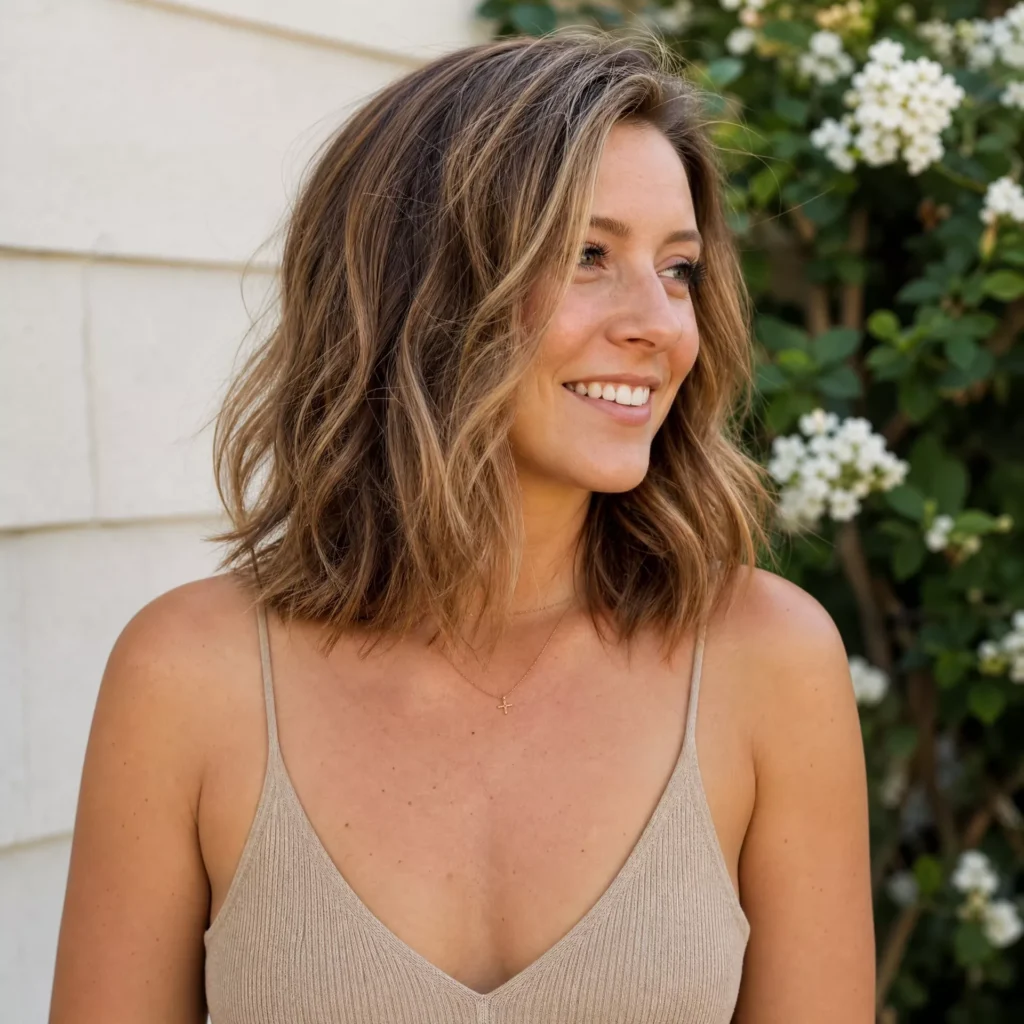
A lob usually falls somewhere between the jaw and the collarbone, and within that range the shape can vary a lot. A blunt perimeter keeps weight at the ends for a solid, defined edge. Light layers loosen the outline and add movement, and a slight forward angle makes the front longer than the back. Think about whether you’ll want to tie your hair back in warmer weather. A lob at the collarbone usually gathers into a short ponytail, while one just below the jaw may not. Drying time depends on your density as much as on the length.
Textured Shag for Spring
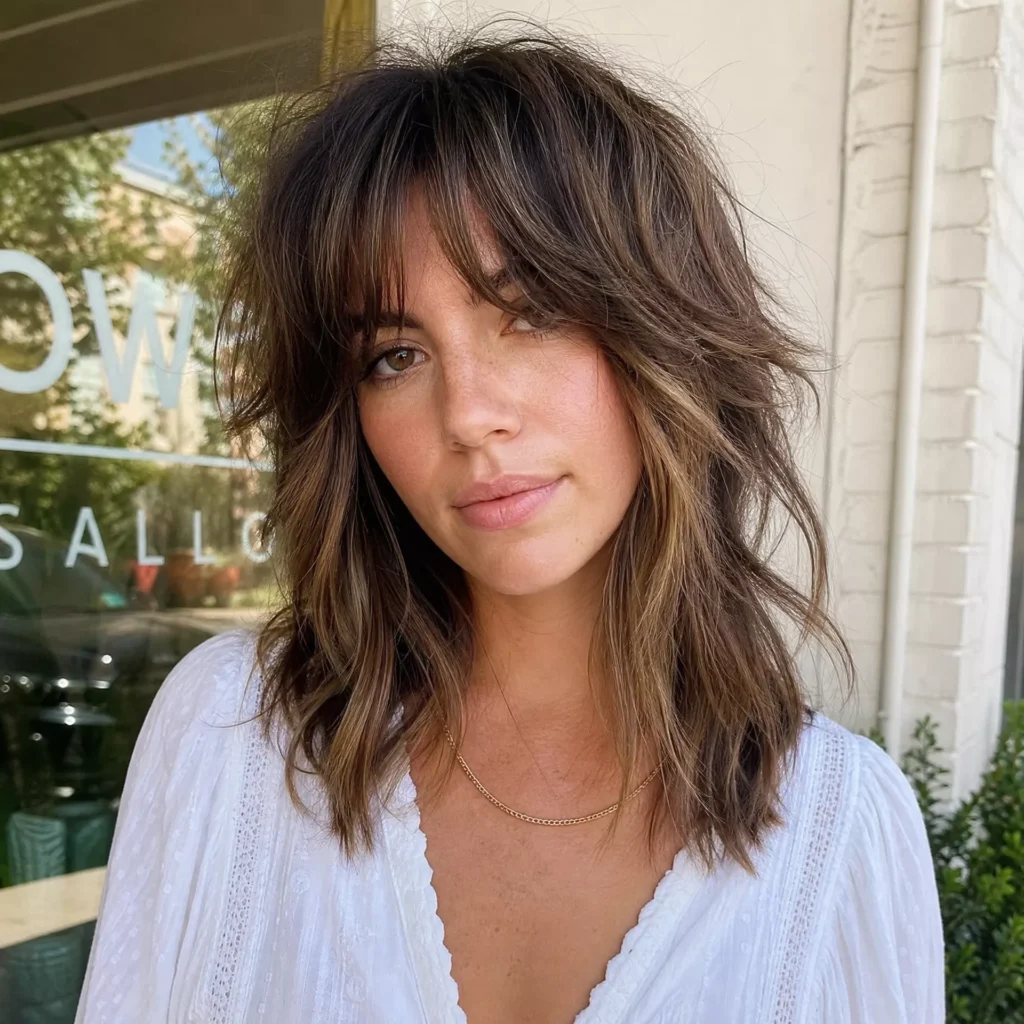
A shag stacks shorter layers through the crown and sides and lightens the lengths, often with a fringe, so the hair separates and moves. On naturally wavy hair, those layers tend to show with very little styling. On straight hair, they often need a texturizing spray or a bend from a flat iron. Density changes the outcome too. Dense hair may welcome the weight removal, while fine or low-density hair can look sparse with heavy layering. Shags also lose their balance as they grow, so expect regular trims to keep the layers in proportion.
The Soft Wolf Cut

A wolf cut combines a stacked crown with longer lengths through the back. The soft version blends the two with less contrast, so the move from short crown layers to the longer lengths is gradual instead of sharply stepped. If you like texture and a little height at the crown, it gives you that with a gentler outline. If you’d prefer a fully blended shape, a soft shag or long layers may suit you better. Grow-out depends on upkeep, because without trims the crown layers grow into the lengths unevenly.
Short Spring Pixie
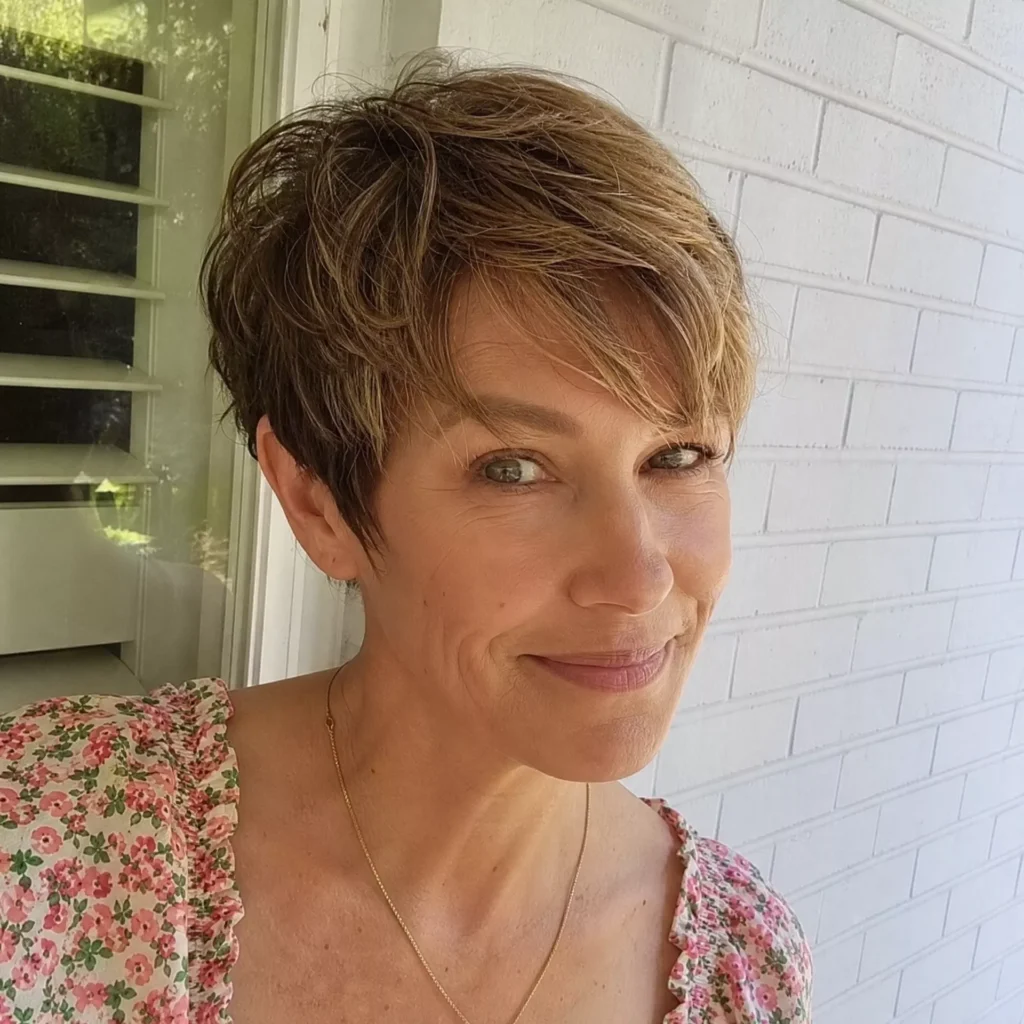
Going to a pixie is a significant change in silhouette. Your hairline, ears, and neck are on show, and styling becomes a matter of directing a few inches of hair, usually with a little product. It dries quickly, which some people appreciate in warmer months, but it needs frequent trims to keep its shape, and growing it out means passing through several in-between stages. Whether it feels easier depends on your hair, since cowlicks and growth patterns are far more visible at this length. Bring photos of pixies on hair similar to yours.
The Collarbone Cut

The perimeter here sits around the collarbone, short enough to clear the shoulders and long enough to tie back. The finish decides the shape. A blunt collarbone cut has a solid edge and keeps the ends looking full, a layered version moves more and lifts around the face, and a textured one has broken-up ends that separate. Because it sits just above the shoulders, the ends are less likely to flip than hair that lands right on them. It’s a middle ground for a noticeable change that keeps some length.
Spring Bixie
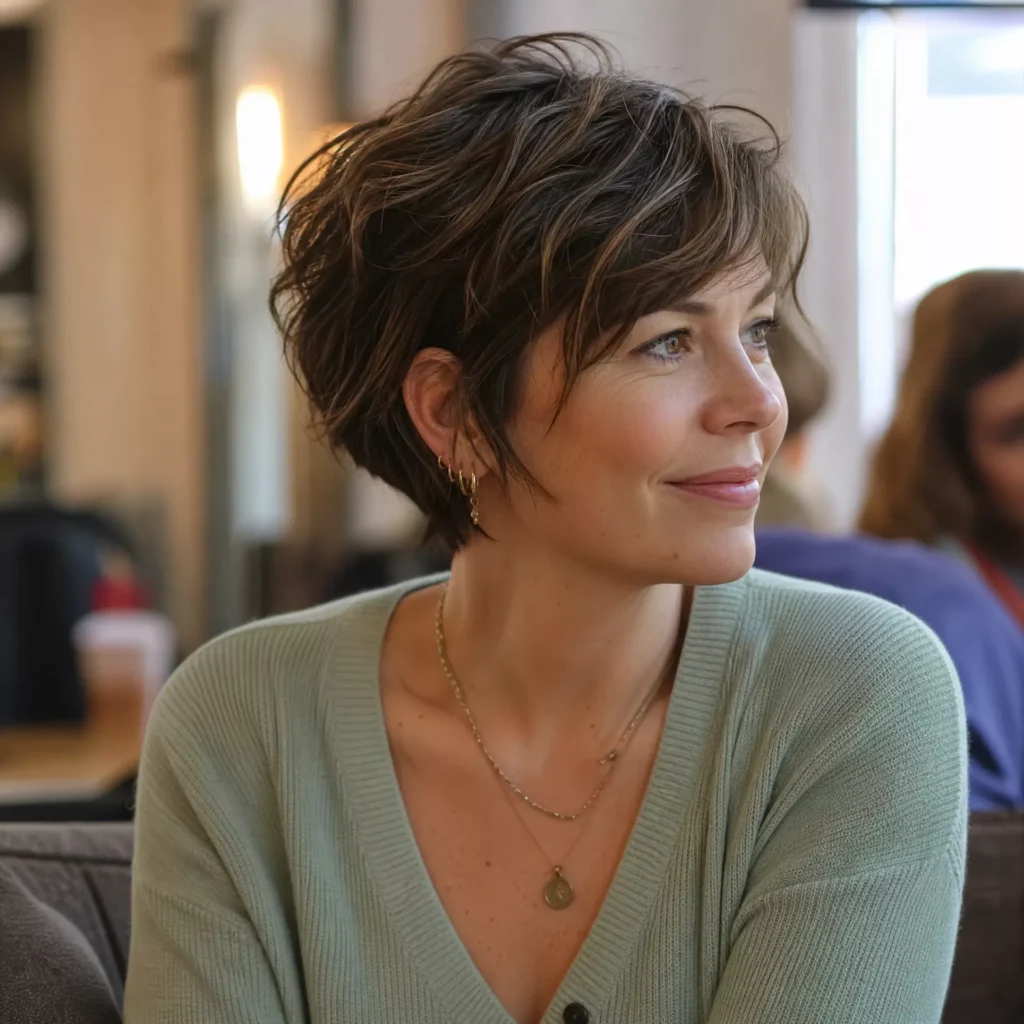
A bixie sits between a pixie and a bob, though the exact proportions vary from one salon to the next. Usually the nape is short, the crown carries some layers, and the sides and front stay longer, reaching toward the cheekbones or jaw. That side length is what separates it from a pixie and gives more styling options. The short nape needs regular trims, while the longer sides grow toward a bob, so growing it out tends to be gradual. Ask how short the nape will be and how long the sides will stay.
Face-Framing Layer Update
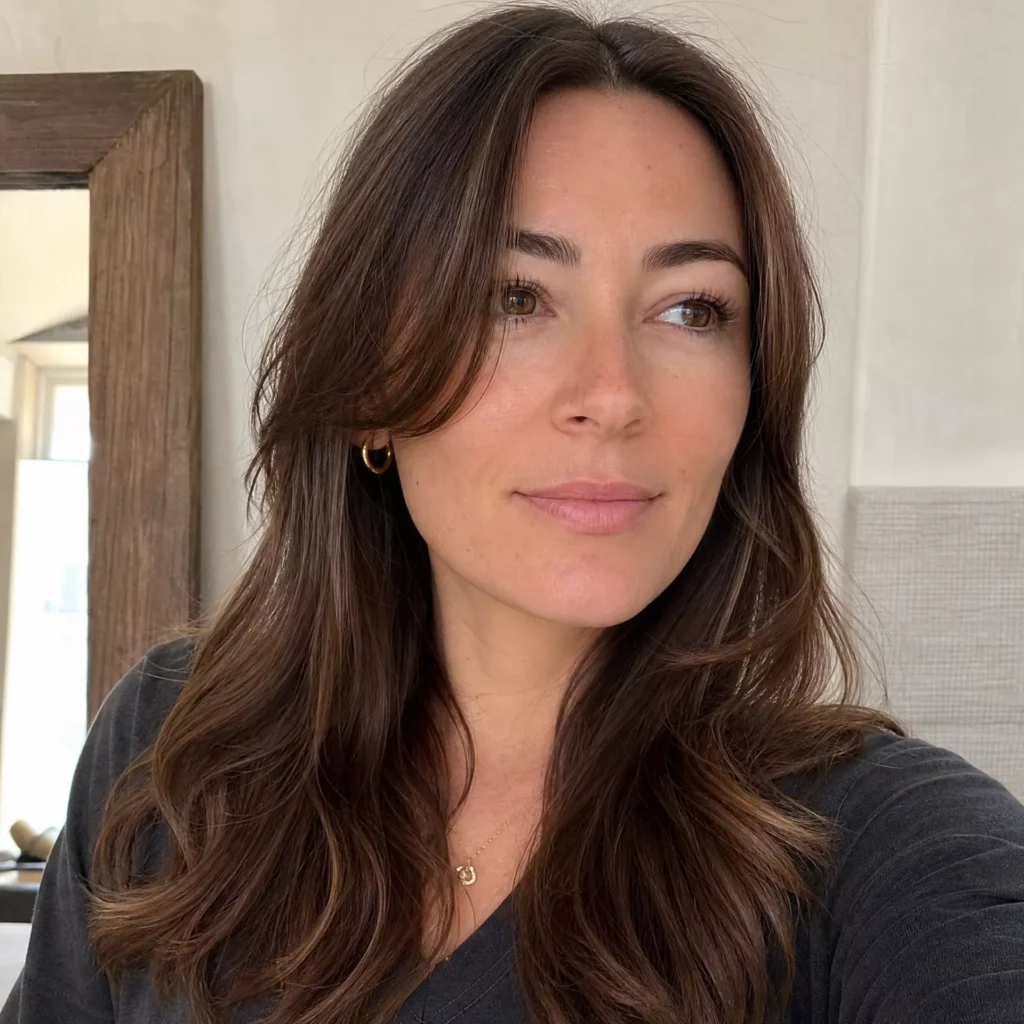
For long or medium hair, face-framing layers change the front without touching the overall length. The starting point of the shortest layer matters most. Starting at the cheekbone creates a noticeable frame, while starting at the chin or collarbone is subtler. On fine or low-density hair, cutting the front too short can leave the area around the face looking thin when the hair is tied back. Bring a reference photo that shows where you want the shortest piece, because “face-framing layers” can mean very different lengths to different stylists.
Spring Curly Shag

A curly shag is cut around the curl pattern, with layers placed where curls can stack into a rounded shape instead of a triangle. Shrinkage decides where the length actually sits, which is why the dry shape matters more than the wet one, and why many stylists check or cut curls dry. Humidity affects curls differently. Some patterns gain volume and definition, while others frizz or loosen. The cut supports your curls, but product, drying method, and how much you handle them still shape the result.
The Feathered Lob

Feathering tapers the ends so they sweep and separate instead of ending in a solid line. That sets it apart from a blunt lob, which keeps weight at the ends, and from a shag, which moves the layering up toward the crown. Feathered ends usually look lighter and move more, often styled outward or away from the face with a round brush. The trade-off is fullness at the bottom. On fine or low-density hair, heavy feathering can leave the ends see-through, so a lighter taper keeps more of the perimeter intact.
The Overgrown Pixie in Spring
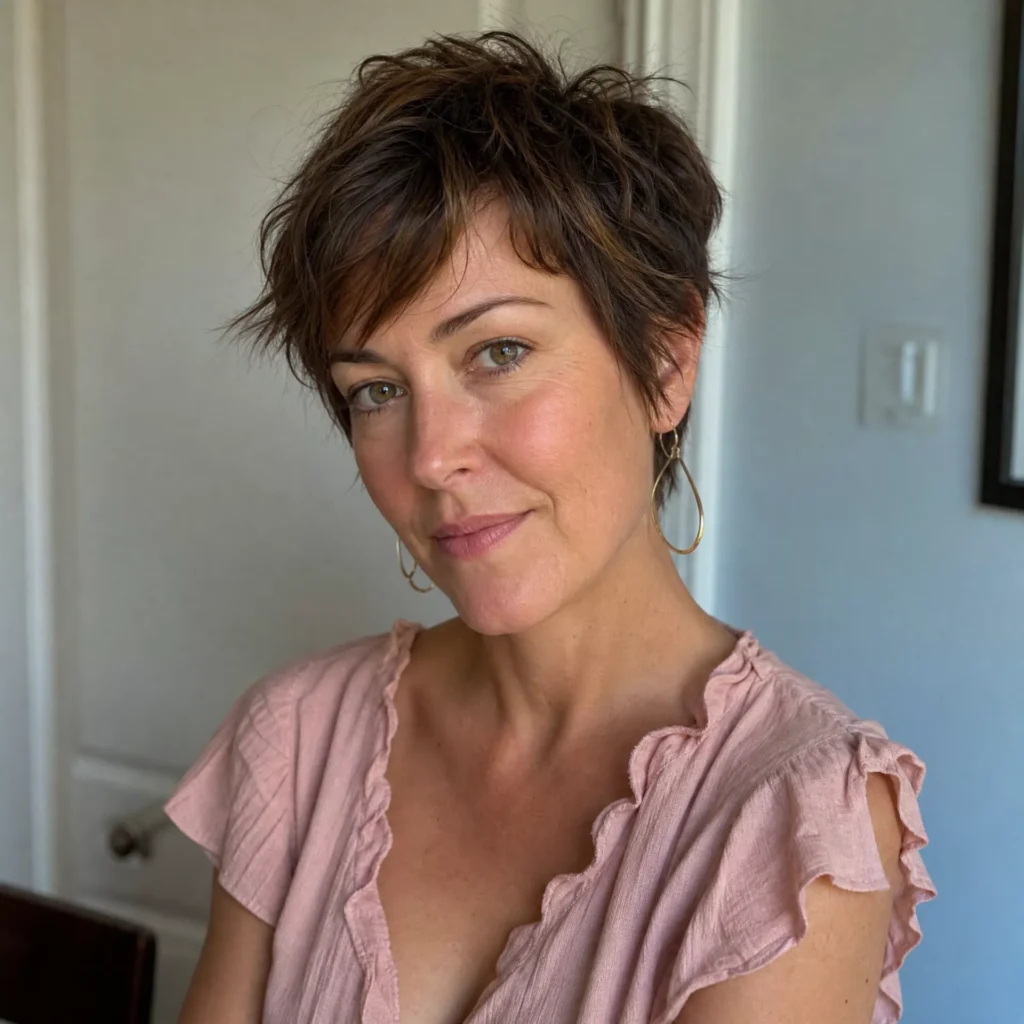
An in-between pixie can look intentional, but it usually needs some help. The nape is often first to lose its shape, followed by the hair around the ears. A stylist can tidy those areas while leaving the top and front longer, steering the cut deliberately toward a longer pixie or a bixie. Without that shaping, it can simply look grown out. A little texturizing product helps the longer top sit well. Decide where you want to end up, since the shaping depends on the target length.
Spring Bob with Textured Ends

Textured ends break up a bob’s perimeter so the bottom edge separates instead of sitting as one line. Light texturizing keeps the outline clear while softening the finish. Heavy texturizing creates obvious separation and removes more weight. That difference matters on fine or low-density hair, where too much texturizing can make the ends look thin, while dense hair can often handle more. Not every bob needs weight taken out, since a blunt edge has its own appeal. Describe the finish you want and ask how much will be removed.
The Layered Spring Trim
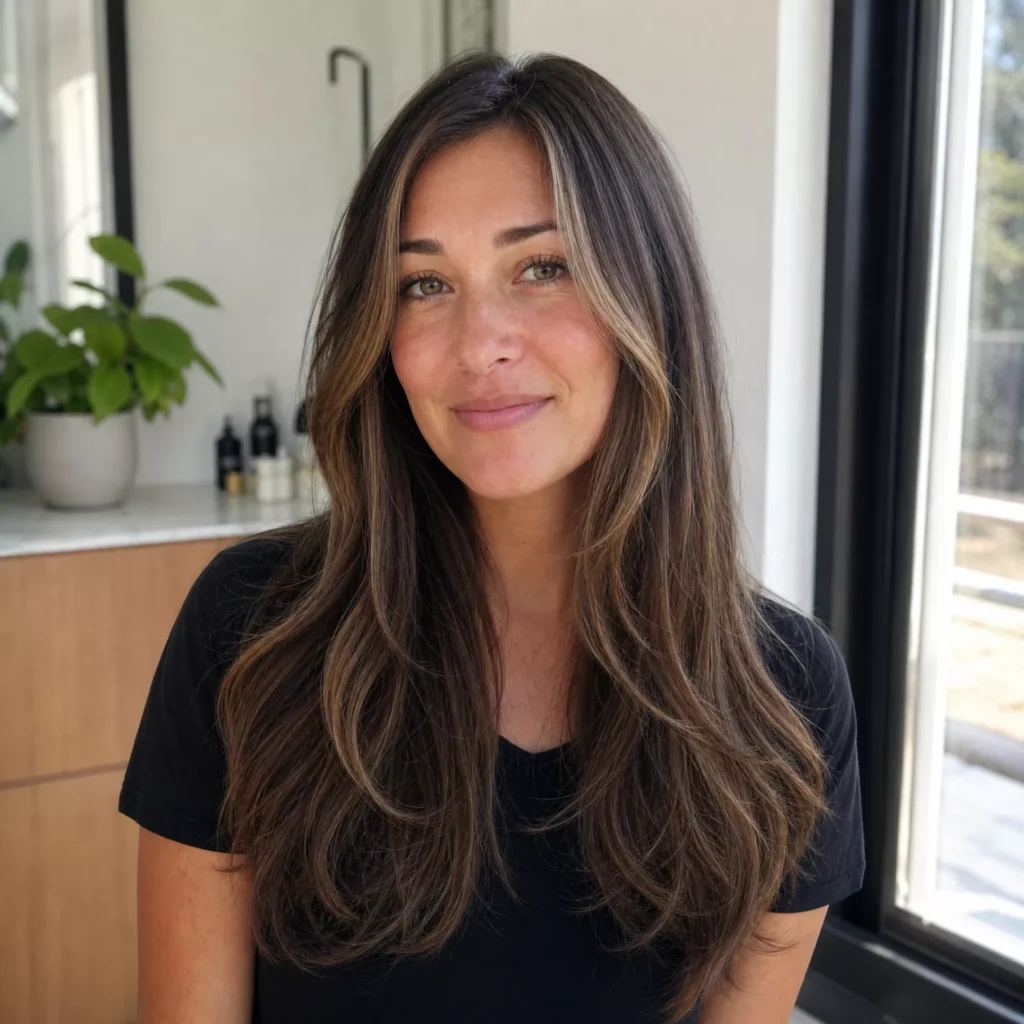
A maintenance trim removes split or dry ends and tidies the outline, usually without changing the overall shape. Adding selective layering at the same time can refresh the movement, for example by updating face-framing pieces or lightening a heavy perimeter. A trim only removes the length that’s cut off, so it won’t erase dryness or damage higher up. Before the appointment, decide how much length you’re willing to lose, and show it with your fingers in the mirror, since clients and stylists often picture “an inch” differently.
Short Curly Spring Cut

A short curly cut has to be planned around how your curls dry. Shrinkage can make it sit much shorter than its stretched length, and volume tends to gather wherever the curls are longest. Stylists may cut dry, wet, or both, but the goal is always the dry shape. Humidity can help some curls hold definition and make others frizz, so it isn’t a reliable styling tool. Expect to use a curl product, and possibly a diffuser, to get the shape you see in reference photos.
The Grown-Out Bob Refresh

A bob that has grown past its original line usually loses shape at the nape first, then starts to flip or drag at the shoulders. A refresh can reshape it without returning to the original short length. The stylist might tidy the nape, reshape the front sections, and add some layers so the cut reads as a deliberate medium length instead of a bob that has simply grown. It’s useful if you’re growing your hair out but want it to look planned along the way. Decide first whether you’re keeping this length or continuing to grow.
Spring Shag with Money Piece

The shag and the money piece are two separate decisions. The shag is the cut, with layers through the crown and sides that create movement and separation. The money piece is color: a brighter section framing the face, usually starting at the root. Its contrast can be subtle, a shade or two lighter than your base, or bold. Placement decides how much it shows as the layers move. Regrowth shows first at the front, so upkeep may be more frequent than with color placed through the lengths. You can have either without the other.
The Airy Long Cut

The aim is long hair that feels less heavy without visibly losing length. Weight can be removed in several ways, including internal layering, point cutting, slide cutting, and thinning shears. The right method depends on your density, texture, and the perimeter you want to keep. Thinning shears can work well on very dense hair but may cause frizz or uneven ends on other textures. Removing weight can make hair feel lighter, though it won’t necessarily dry faster or behave better in humidity. Let your stylist assess which approach suits your hair.
Spring Lob with Fringe

Adding a fringe to a lob changes the front, and the type of fringe decides how much. A blunt fringe creates a strong line and needs frequent trims. A wispy fringe is lighter and shows more forehead. Curtain bangs part and open, blending into the lob’s front, and a side-swept fringe runs diagonally and can be tucked away. Each needs different styling. A blunt fringe usually needs a daily blow-dry, while a long side sweep can often be left alone. Decide how much fringe upkeep you want before choosing the type.
The Butterfly Cut for Spring
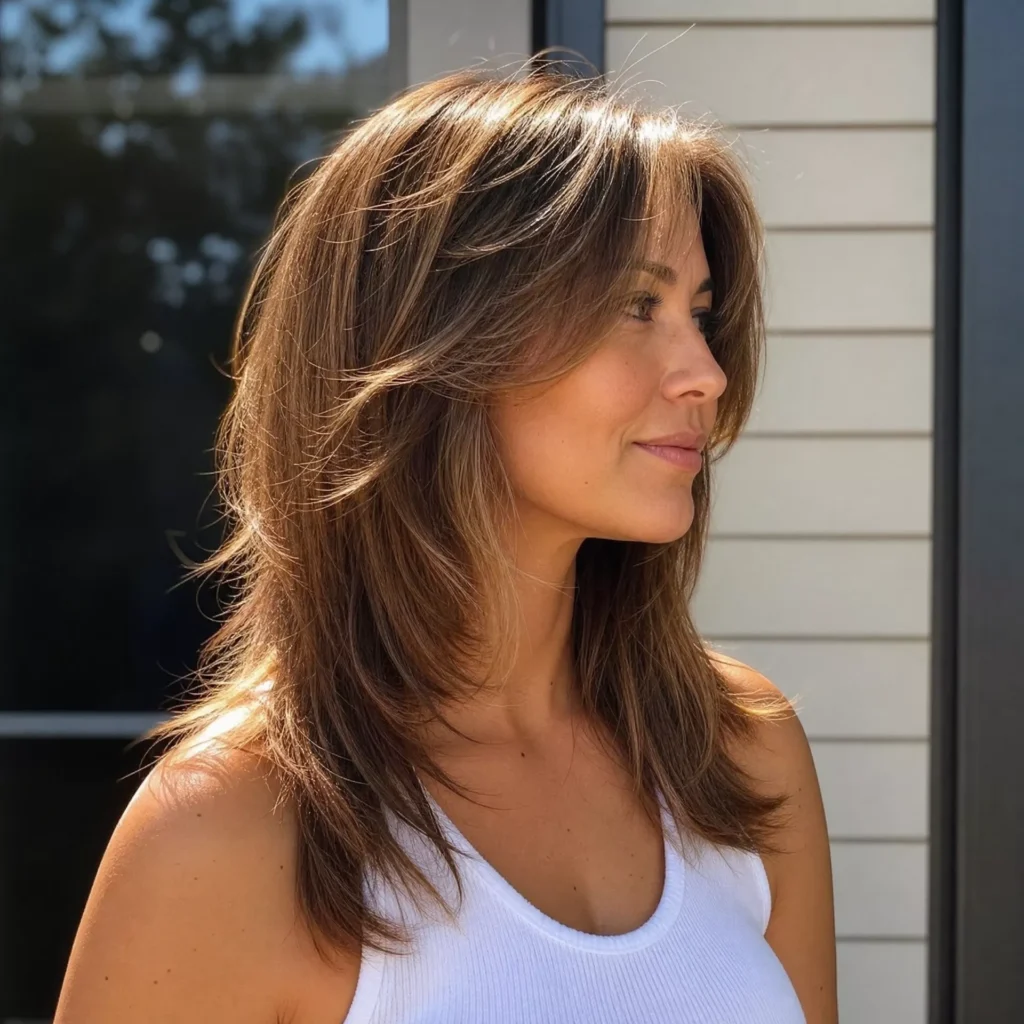
The butterfly cut places shorter layers around the face and crown over longer lower lengths, so the hair seems to have two parts: a shorter top section and the long lengths underneath. The signature shape usually depends on styling. A round-brush blow-dry turns the upper layers outward so they stand apart from the lengths. Air-dried, they may blend in and look like ordinary long layers. Dense hair keeps fullness below the shorter layers, while low-density hair can end up with thin ends. Ask how much hair will remain in the lower lengths.
Spring Pixie Bob

A pixie bob is longer than a pixie and shorter than a typical bob, though stylists use the term in different ways. Usually the nape and sides are short, the crown has some layering, and the front reaches toward the cheekbones or jaw. It differs from a bixie mainly in how close the back sits and how much length stays at the front, but the two often overlap. The balance between nape and front decides the look. Bring photos that show the back and sides as well as the front.
Balayage Refresh with Spring Trim
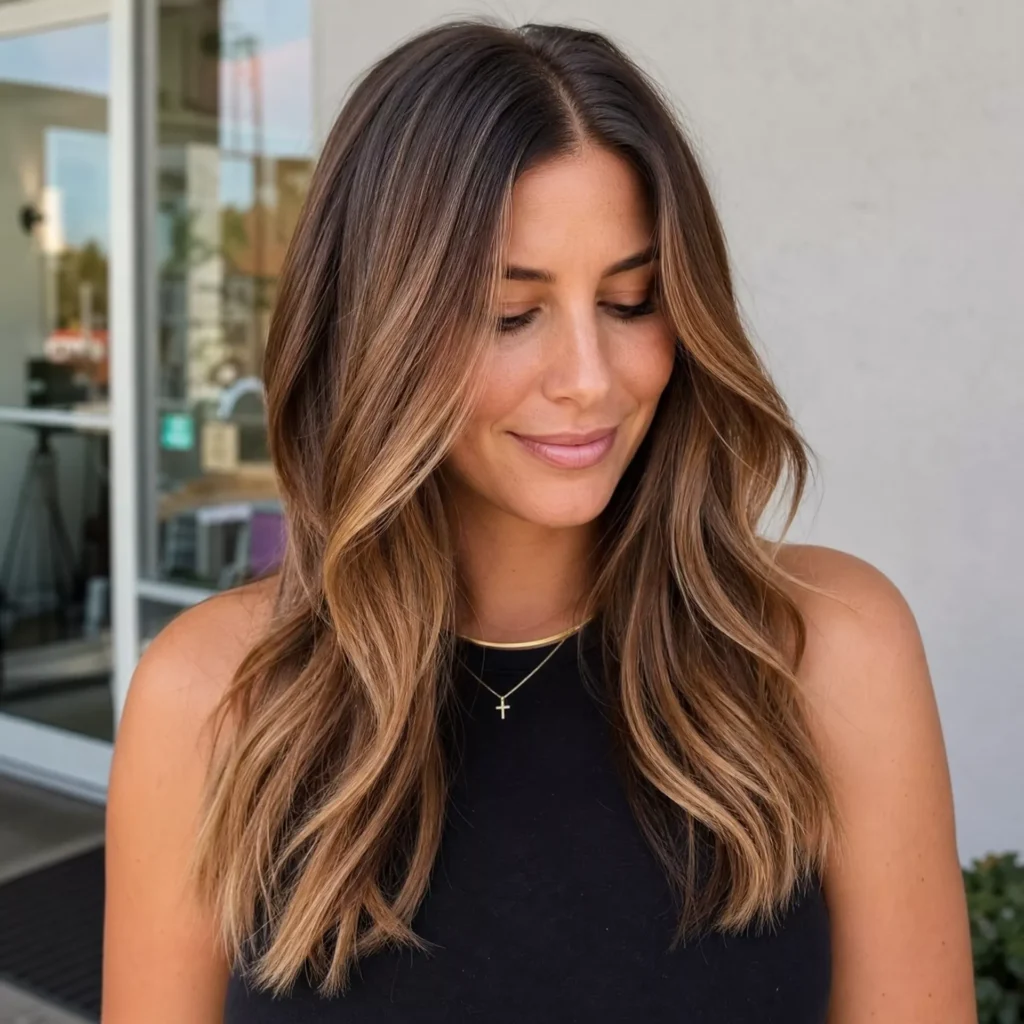
This combines two different services: a haircut, which changes shape, and a color appointment, which changes tone. Balayage paints lightener or color on freehand, usually leaving the roots closer to your natural shade, and a refresh might brighten faded sections or adjust the placement. The result depends on your lightening history, the contrast you want, and how much toning is needed. Lightening can affect the condition of your hair, so trimming the ends afterward helps keep them tidy. Not everyone needs color to update their hair; a cut alone may be enough.
The Spring Grown-Out Fringe

Growing out a fringe gets easier with a few tactics. Shifting your part can send the fringe to one side, pinning or tucking it helps on days it won’t sit right, and trimming it into longer face-framing pieces as it grows helps it blend. Different fringes grow out differently. A blunt fringe passes through more awkward lengths than curtain bangs, which already blend at the sides. The middle stage rarely looks intentional on its own, but a stylist can shape it so it connects to the rest of the cut.
Razor-Cut Spring Bob

A razor tapers each section instead of cutting straight across, which can give a bob softer, more feathered ends. It’s a tool, not a guarantee. On hair in good condition, particularly straight or slightly wavy hair, razored ends can look soft and move well. On fine, fragile, dry, or curly hair, they can fray or frizz. Scissors can also create soft ends through point or slide cutting, and razoring won’t necessarily make a bob dry faster. Describe the finish you want and let your stylist choose the method.
The Fresh Start Long Bob

Moving from long hair to a long bob is a big change in length, even though the lob itself is a moderate cut. Start with how much you’re removing. Going from mid-back to the collarbone means losing several inches, and the difference in the mirror can be surprising. Then choose the perimeter, whether blunt, layered, or angled, decide whether you want layers, and think about how much styling you’ll do. Some people prefer to go in two steps, cutting to the shoulders first and going shorter later if they like it.
How Big a Change Do You Want?
The 24 ideas above fall into roughly five levels of commitment:
- A maintenance trim tidies the ends and outline without changing the shape.
- A fringe or face-framing update changes the front and leaves the length alone.
- A change in layers or perimeter reshapes the cut at roughly the same length.
- A significant length reduction removes several inches, often moving to a lob or collarbone cut.
- A major shape change means a pixie, bixie, or shag that alters the whole silhouette.
Choosing the level first narrows your options quickly. It also tells you what kind of upkeep to expect, since shorter and more structured cuts usually need more frequent trims.
What the Cut Does and What Styling Does
Many spring reference photos rely on styling. Butterfly layers, flipped bobs, shag texture, and soft waves often come from a blow-dry, curling iron, diffuser, or product. Before choosing, ask how the cut will look when air-dried and how long it will take to style. Color is a separate question too. A money piece or balayage changes tone, not shape.
Before the Appointment
Bring reference photos, ideally of hair similar to yours and taken from more than one angle. Explain how you usually dry your hair and how much time you’ll spend on it each day. Point out which part of the photo matters most to you: the length, the fringe, the layers, or the finish. If you want a particular stylist, or a longer appointment for a cut and color together, contacting the salon ahead of time gives you more choice of dates.
Final Thoughts
A spring haircut can be as small as new face-framing layers or as big as a pixie. The right choice depends on how much change you want, how your hair behaves, and how much upkeep you’re comfortable with over the coming months. Decide the level of change first, then choose the cut that fits it.