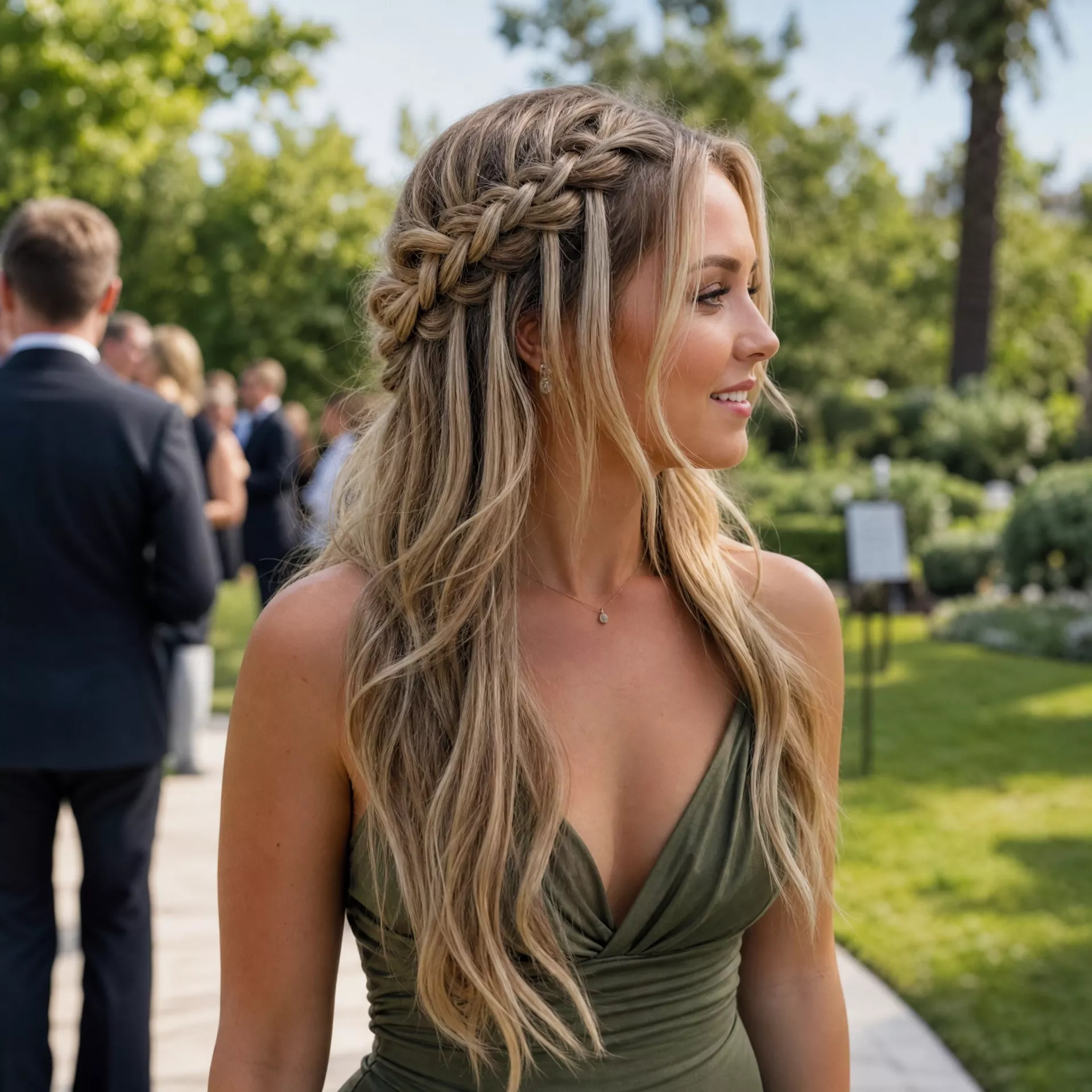
22 Spring Hair Trends and What Each One Takes to Recreate
Spring hair trends tend to arrive as a mix of very different things. Some are haircuts that change your shape for months. Some are styling directions you can try tomorrow morning and wash out tonight. Others are color techniques with their own lightening, toning, and grow-out schedule. A few are simply softer takes on looks that have been around for years.
That mix matters, because a trend photo rarely tells you what it will take to recreate. The same bob can look full on dense hair and wispy on low-density hair. A beachy wave might be natural texture or twenty minutes with a wand. A soft pink tone may need a pale blonde base first.
The 22 spring hairstyles and color ideas below include notes on what each look actually involves, how it tends to behave on different hair types, and what to consider before committing. Your density, strand thickness, texture, current color, and tolerance for upkeep will shape the result far more than the trend itself.
Baby Bangs

Baby bangs sit well above the brows, often graduating slightly longer toward the outer corners. That shortness is the whole point, and it’s also the commitment. Because the fringe is so short, even a small amount of growth changes how it looks, and the in-between stage can feel awkward. Hairline density matters: a sparse front can make baby bangs look patchy, and a cowlick can push them up or apart. On curly hair, shrinkage can pull a fringe much higher than intended, so the length is best judged dry. If you’re curious but cautious, a slightly longer micro-fringe is easier to live with.
Soft Bixie Cut

The bixie sits between a pixie and a short bob, usually shorter through the back with more length and texture on top and around the face. The “soft” version keeps edges diffused rather than sharply tapered, so it reads less severe than a classic pixie. The key decision is where the length stays: more around the ears and nape feels closer to a bob, less feels closer to a pixie. Fine but dense hair tends to hold the textured top well, while low-density hair may need more length on top to avoid showing scalp. Our guide to bixie haircuts with bangs covers fringe options for this length.
Curly Shag

A curly shag uses layers at several lengths to let curls lift at the crown and group rather than weighing down into one mass. The piecey bangs often shown with it fall near the eyes, but on curly hair they can shrink considerably once dry, so a fringe cut to the brows wet may end up much shorter. How the shag behaves depends on curl pattern and density: dense curls may need internal weight removal to avoid widening at the bottom, while lower-density curls often need more weight kept at the ends. Because curls change shape as they dry, your stylist may want to see your natural dry pattern before finalizing. Our guide to curly shag haircuts goes further into layer placement.
Chunky Voluminous Bob

This bob keeps more weight in the overall shape than the sleek, heavily layered bobs of recent seasons, often with a choppy or softly blunt perimeter. The fullness comes from retained weight rather than from styling alone. That distinction matters for density. On low-density hair, a chunky bob only reads as chunky if the perimeter keeps its weight; too much texturizing undoes the look. On very thick hair, the opposite problem appears: without some internal weight removal, the shape can turn boxy or wide. Ask your stylist how they’ll keep the outline full while controlling bulk where you have it.
Sun-Kissed Wavy Layers

Three separate elements are combined here: long layers (the cut), light highlights through the mid-lengths and ends (the color), and waves (styling or natural texture). The sun-kissed effect comes largely from where the lighter pieces sit, catching light on the outer layers. If your hair waves naturally, the look may need little daily effort. If it’s straight, the waves in the photo will need a wand each time. On fine hair, keep the layers long enough that the ends don’t thin out. The highlights can be added or skipped independently of the cut.
Beach Wave Balayage Lob

A lob that ends around the collarbone, hand-painted balayage, and beachy waves make up this look. The shadow root, where the root is kept deeper and blended into the lighter lengths, softens grow-out, so regrowth usually looks less abrupt than with highlights applied close to the scalp. That reduces how quickly color needs attention without removing it; toner still fades, and brightness may need a refresh depending on how light you went. The lob itself is separate: shorter than long hair, so it dries faster, but the waves still depend on your natural texture or a styling tool.
Curtain Bangs with Soft Layers

Curtain bangs part in the center and sweep toward each side, blending into soft layers around the face. Compared with baby bangs, they’re a lower-commitment fringe because they can be tucked, swept aside, or grown into the layers. They’re not maintenance-free, though. They still need trims between haircuts to keep their sweep, and they sit best when a center part matches where your hair naturally falls. On wavy or curly hair, they may spring up shorter once dry, so their dry length is worth agreeing on before cutting.
Asymmetrical Lob

An asymmetrical lob is cut longer on one side than the other, so the perimeter slopes across the jaw or collarbone. It’s worth separating this from a deep side part, which is a styling choice that creates a similar lopsided effect without cutting. The cut makes the asymmetry permanent; the part lets you switch back. Grow-out is the main consideration, since the two sides lengthen at the same rate and the difference between them becomes less deliberate over time. Density matters on the shorter side, which can look sparse on low-density hair. Our guide to bob hairstyles covers other perimeter shapes.
Brown-Blonde Balayage Ombre

This combines a darker brown root with lighter blonde through the lengths, blended so the shift feels gradual. Colorists often describe the blending approach as “color melting,” where two or three shades are softened into each other to avoid visible lines. Because the root stays close to your natural brown, regrowth tends to blend in rather than show a hard line. The ends are where the lightening happens, and that’s where maintenance shows up: toner can fade toward brassy, and lightened ends may need regular trims and conditioning. The amount of lift depends on how light you want the ends and how dark your base is.
Soft Black Hair

Soft black sits just short of a flat jet black, with subtle tonal variation so it doesn’t read as a solid block. Going darker is usually simpler than going lighter, which is part of its appeal after heavily lightened color. Two considerations are worth knowing. Dyed black can fade toward warmer or reddish tones over time, especially with sun exposure. And moving away from black later can be difficult, since lightening dark dye usually takes careful correction. If you’re not sure, a deep brunette gives a similar richness with more flexibility.
Warm Copper Highlights

Copper pieces woven through a brunette base add warmth without committing to all-over red. The contrast between copper and brown decides the effect: finer, closer-in-tone pieces look subtle, while brighter copper against dark brown reads more obvious. Red and copper tones tend to fade faster than many other shades, so they usually need more frequent refreshing, and a color-safe routine can help slow that down. Whether copper suits you is a matter of preference and contrast rather than a fixed skin-tone rule; a colorist can adjust it warmer, softer, or more golden.
Straight Copper Shag with Fringe

This is two commitments at once: a shag with a full fringe, and copper color. The shag relies on layers at several lengths, and on naturally straight hair those layers can look flat or disconnected unless you add some texture with product or heat. The full fringe needs trims more often than the rest of the cut. The copper adds its own schedule of refreshes as it fades. If you want the shape but aren’t ready for the color, or vice versa, the two can be done separately.
Bouncy Blowout Bob

The bounce here comes from styling. A round-brush blowout lifts the roots and curves the ends, and a bob’s shorter length makes that lift easier to hold than on long hair. It’s often suggested for fine or low-density hair, but it helps to separate the two. Fine but dense hair usually holds a blowout well. Low-density hair can look fuller with lift, though the effect is temporary and doesn’t change how much hair you have. Expect to redo the blowout after each wash, and humidity may soften it before the day ends. Our guide to volumizing hairstyles for fine or thin hair covers cuts that support this look.
Varsity Bob

The name isn’t standardized, so it helps to describe the shape: a collarbone-length bob with clean, fairly structured ends and a neat, practical finish. The length is its advantage. It’s long enough to pull into a short ponytail, which makes it more flexible for workouts or warm days than a chin-length bob. Straight hair shows the clean ends clearly; wavy hair softens them. Because the ends are structured, they’ll show growth once the hair starts resting on the shoulders, where it may flip outward.
Pink Champagne Highlights

Pink champagne is a soft, rosy tone added as highlights, usually through brunette or light brown hair. To show pink at all, those pieces usually need to be lightened first, then toned or glossed with the rosy shade. Pink and pastel tones are typically less long-lasting than natural shades and can fade within weeks, so expect to refresh the tone, sometimes with a color-depositing conditioner at home. Because only highlights are colored, it’s a smaller commitment than all-over pink, but it isn’t low-maintenance in the sense of lasting on its own.
Bloomelt Hair Color

Names like “Bloomelt” vary between salons and social media, so describe the effect you want rather than relying on the name: a gradient from creamy blonde into a soft pastel pink. It requires a light base, so darker hair usually needs significant lightening before the pink can show. Pastel pink fades relatively quickly, and lightened hair may need more conditioning to stay soft. Density and texture don’t change the color much, but condition does: already-processed hair may need a gentler, more gradual approach.
Textured Wolf Cut with Blunt Bangs

A wolf cut uses heavy, choppy layering that’s shortest around the crown and wispier toward the ends. Adding blunt bangs creates a contrast between a strong horizontal fringe and a very textured, broken-up shape below. That contrast is the appeal, but it doesn’t style itself. On straight hair, the texture usually needs product or a quick pass with heat. On low-density hair, aggressive wolf-cut layering can leave the ends looking thin, so a softer version is worth discussing. The blunt fringe needs regular trims to keep its line.
Halo Hair Technique

Halo highlighting places lighter pieces around the top of the head and the crown, roughly where natural sunlight would hit, so the brightness sits on the surface rather than throughout. Because the color is concentrated near the part and crown, regrowth there can become noticeable, and how quickly depends on your natural base and the contrast chosen. Like other names on this list, “halo” is used loosely, so show your colorist a reference and describe where you want the brightness to sit.
Deep Side Part with Tousled Texture

This one requires no cutting or color, which makes it the easiest trend to test. Moving your part well to one side shifts volume and changes the outline of your hair instantly. Tousled texture, from natural wave or a light wand bend, keeps it relaxed. The limits are practical. If your hair naturally parts on the other side, the deep part may drift back during the day. On low-density hair, a deep part can expose more scalp along the line, so it’s worth checking in the mirror before making it your default.
Icy Blonde Mid-Length Cut

Icy blonde is a very pale, cool tone, and reaching it usually takes significant lightening followed by toning to remove warmth. That process can be demanding on hair condition, especially if your starting color is dark or previously colored, and it may take more than one appointment. Once there, keeping it cool usually means regular toning, and a purple shampoo can help between visits, though overusing it can leave a lavender cast. Regrowth tends to show quickly against pale blonde. The mid-length cut is a separate decision and can be adjusted independently.
Long Layered Curls with Curtain Bangs

Long layers let curls keep their length while redistributing weight so they don’t flatten at the crown or widen at the ends. Curtain bangs on curly hair behave differently than on straight hair: they can shrink and spring up, sometimes unevenly, so their length is best judged on dry curls. How the layers are placed depends on your curl pattern and density, and there isn’t a single approach that works identically across every curl type. Looser curls may show layering clearly, while tighter patterns may need weight left in place to keep definition.
Cascading Beachy Waves with Face-Framing Layers

Long hair, waves, and face-framing layers make up this look. The layers are the cut; the waves are usually styling unless your hair bends naturally. Long hair takes longer to dry and can pull waves looser near the top, so the photo version often reflects a wand and some finishing product. Face-framing layers change the front without costing length elsewhere, which is why this look keeps reappearing each spring. Where the shortest front layer starts, near the cheekbones or lower, is the detail that most changes the result.
How to Choose a Spring Trend That Will Actually Work for You
Start with how much change you want. A deep side part or tousled waves can be tried and undone in a day. Curtain bangs and face-framing layers are a moderate step: visible, but easy to grow into the rest of the hair. A bixie, chunky bob, or wolf cut changes your shape for months. Color sits on its own scale, from a gloss that fades within weeks to icy blonde, which takes significant lightening to reach and to reverse.
It also helps to decide which kind of commitment you’re making. A haircut commits you to a shape and a grow-out period. Styling commits you to daily time. Color commits you to a maintenance schedule separate from both.
Then look honestly at your hair. If it’s been heavily lightened or chemically processed, bold color trends may need a slower approach. Natural texture decides how much styling a cut will need: a curly shag suits curls that already form, while a bouncy blowout bob depends on heat. Density shapes the outcome too. Fine but dense hair often tolerates layering well; fine, low-density hair usually needs more weight kept at the perimeter.
Finally, think about time and heat. If you rarely use hot tools, favor trends that work with your texture. If you’re happy to blow-dry, polished bobs and styled waves become realistic.
Before You Book: What to Bring to Your Appointment
Bring two or three reference photos, not just one. Front and back views help, especially for bobs, bixies, and asymmetrical cuts, where the back shape matters as much as the front.
Explain what you like about each photo. It might be the length, the fringe, the layering, the color placement, or simply the texture. Just as important, say what you don’t want, whether that’s a shorter fringe, a warmer tone, or a heavier perimeter.
Be honest about your routine. Tell your stylist how many minutes you actually spend on your hair, whether you use heat, and how often you’re willing to return for trims or color. Mention your natural part and texture, and any previous color or lightening, since those affect what’s possible in one visit.
It’s also worth asking directly: what would need to change to recreate this photo on my hair? The answer tells you whether the look depends on your hair or on styling, color, or extensions.
What Can Make a Trend Look Different in Real Life?
Most trend photos show hair at its most finished. A salon blowout or careful wand work creates volume and shape that may not appear when you style it yourself at home.
Lighting and camera angles also change how hair looks. Warm, diffused light softens color and makes blonde and copper tones glow; harsh daylight shows more contrast and any regrowth.
The model’s hair itself may be quite different from yours. Density and texture affect how a cut sits, and some photos use extensions to add length or fullness that aren’t visible in the image.
Color can vary too. A shade that looks soft in a photo may have taken multiple sessions to achieve from a darker base, and toner can fade differently depending on your starting color and routine.
None of this means the trend won’t work for you. It means the photo is a starting point, and the useful part is identifying which element you want to adapt.
FAQ
What is the biggest spring hair trend for 2026?
There isn’t a single measurable winner, and popularity varies by region and platform. The recurring directions in spring inspiration include softer bobs and bixies, face-framing layers and bangs, texture-focused cuts like the curly shag, and warmer or softer color such as copper and blended balayage.
Which spring hair trends require the least commitment?
Styling trends like a deep side part or tousled waves require no cutting or color. Curtain bangs and face-framing layers are a moderate step. Major cuts like a bixie or wolf cut, and color that requires heavy lightening, such as icy blonde or pastel pink, are bigger commitments.
What spring trends work well with natural texture?
Cuts designed around texture, such as a curly shag or long layered curls, usually work better than looks built on a smooth blowout. The key is choosing layer placement and length based on how your hair behaves dry, rather than assuming one cut works the same way on every curl or wave pattern.
What should I ask my stylist before trying a trend?
Ask how the look will behave on your texture without heat styling, how much maintenance it will need, how it will grow out, and, for color, how much lightening your hair can safely handle.
Final Thoughts
Spring trends are most useful when they’re treated as starting points rather than instructions. A bixie, a copper highlight, or a curly shag can each look very different depending on your density, texture, current color, and how much time you want to spend styling.
Before your next appointment, decide what kind of change you’re looking for, whether that’s a new shape, a lighter color, or simply a different way of wearing what you have. Then pick the trend that fits that goal and your routine, and bring references that show your stylist exactly which part of the look you want to adapt.