25 Wedding Guest Hairstyles and How to Choose One for the Occasion
A wedding guest hairstyle has several jobs at once. It should suit your outfit and the event’s dress code, stay comfortable through a ceremony, a meal, and possibly hours of dancing, and cope with whatever the venue brings, whether that’s sea air, a warm garden, or a long evening indoors. Ideally, it also shouldn’t need constant adjusting. The 25 wedding guest hairstyles below include low buns, chignons, braids, ponytails, half-up styles, and loose waves, plus options for bobs and very short hair. Each entry explains how the style is built, which lengths and textures it suits, and what tends to make it slip or hold. After the list, you’ll find guidance on dress codes, accessories, making a style last, whether to book a stylist, and the mistakes worth avoiding.
Loose Low Chignon
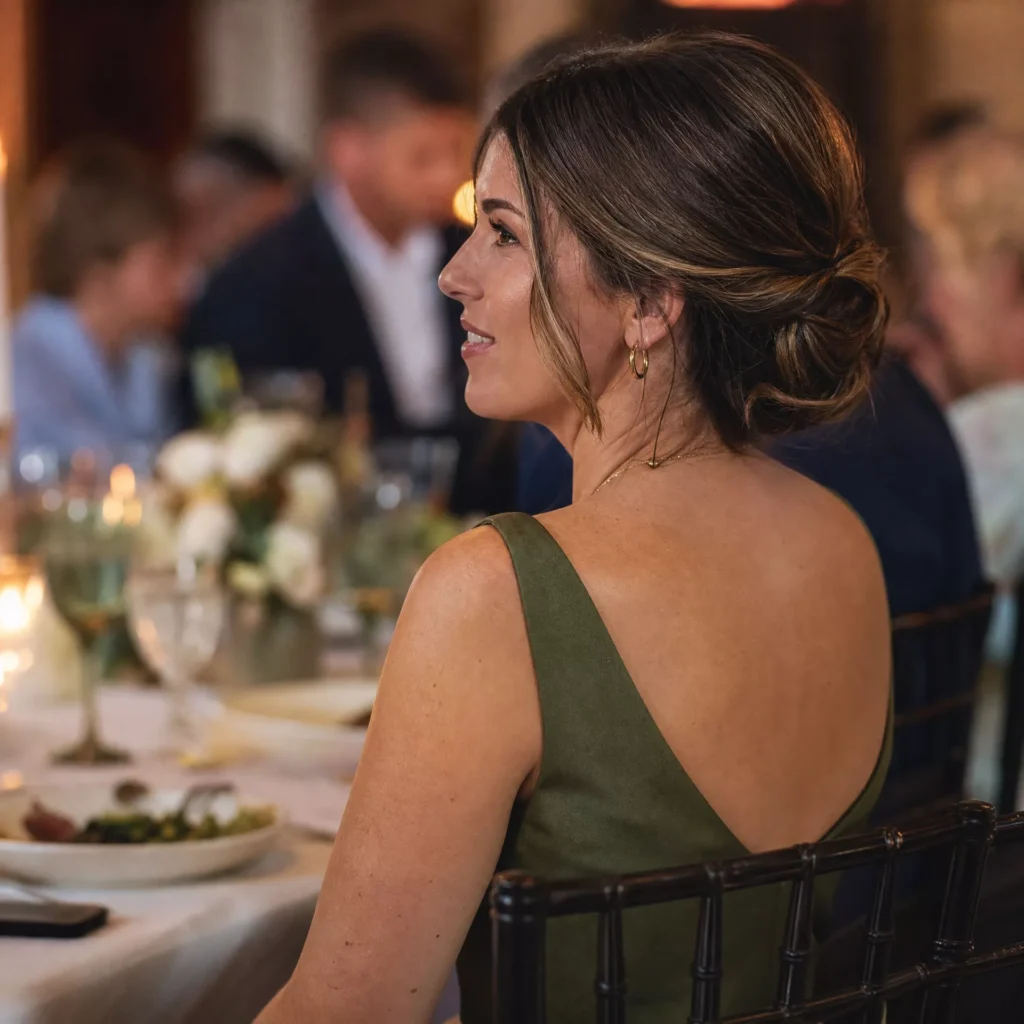
A loose chignon gathers the hair at the nape and folds or twists it into a soft, rounded knot, with a few strands left relaxed instead of smoothed down. That looseness is the point: it looks dressed up without looking stiff. It works best on medium to long hair. Shoulder-length hair may need extra pins or a small padding piece to fill out the knot. Fine, silky hair tends to slip, so a little texture spray on the lengths helps the pins grip. With practice it can come together fairly quickly, but the first attempt usually takes longer than expected.
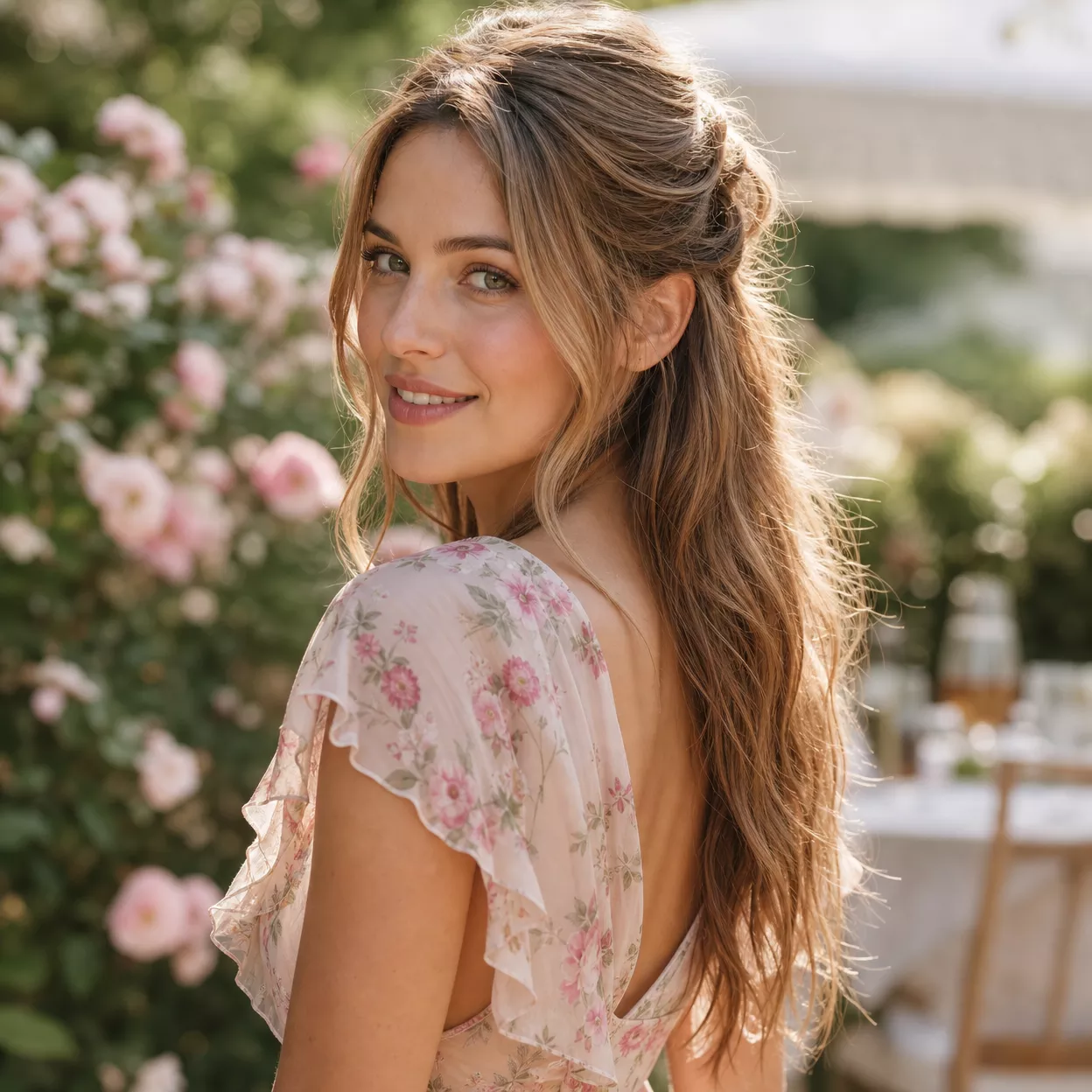
Half-Up Twist with Volume
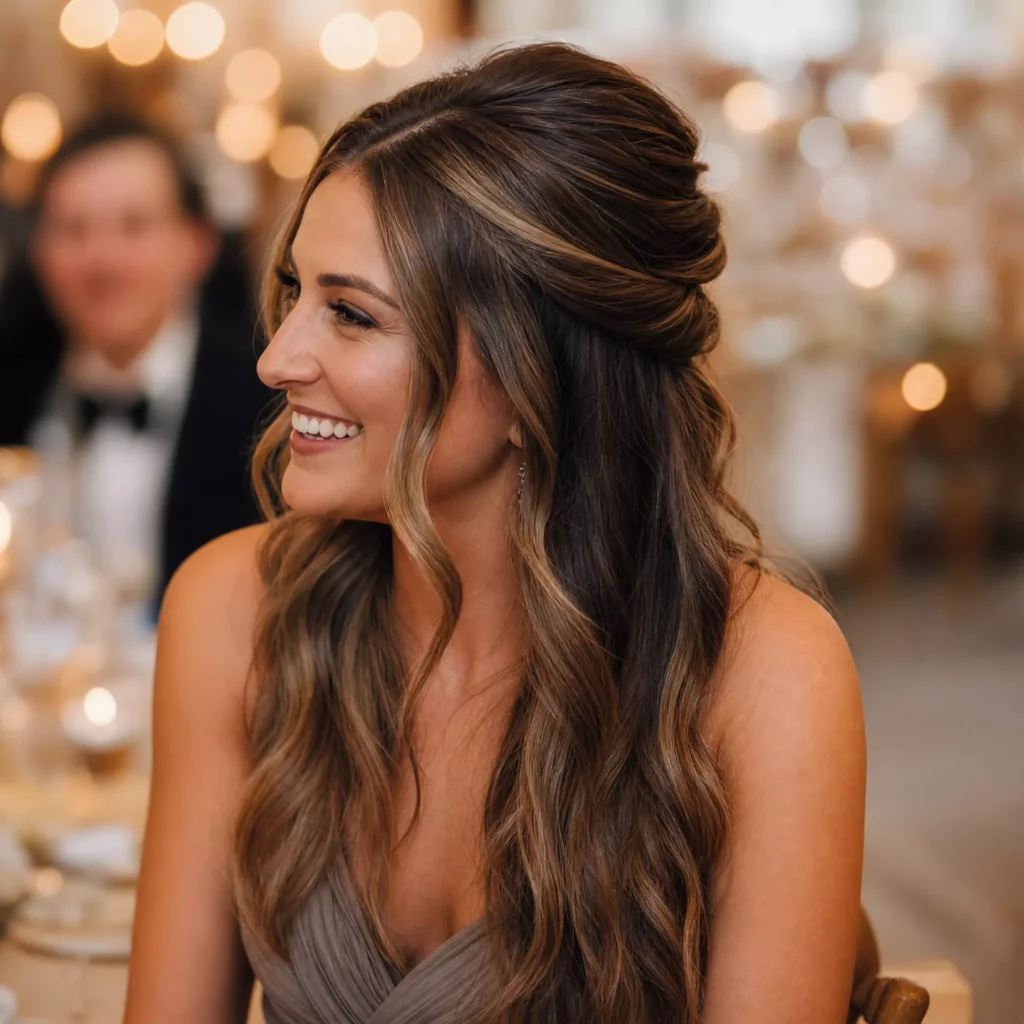
The top section is lifted slightly at the crown, twisted back, and pinned, while the rest of the hair stays loose. The lift usually comes from gently backcombing the crown section before twisting it. This style suits medium and long hair and adapts to different settings depending on how the loose lengths are finished: smooth for a formal look, waved for a garden wedding. On fine hair, crown lift may flatten over a long evening, and the loose lengths can frizz in humidity, so think about how you’ll handle the lower half.
Sleek Low Bun
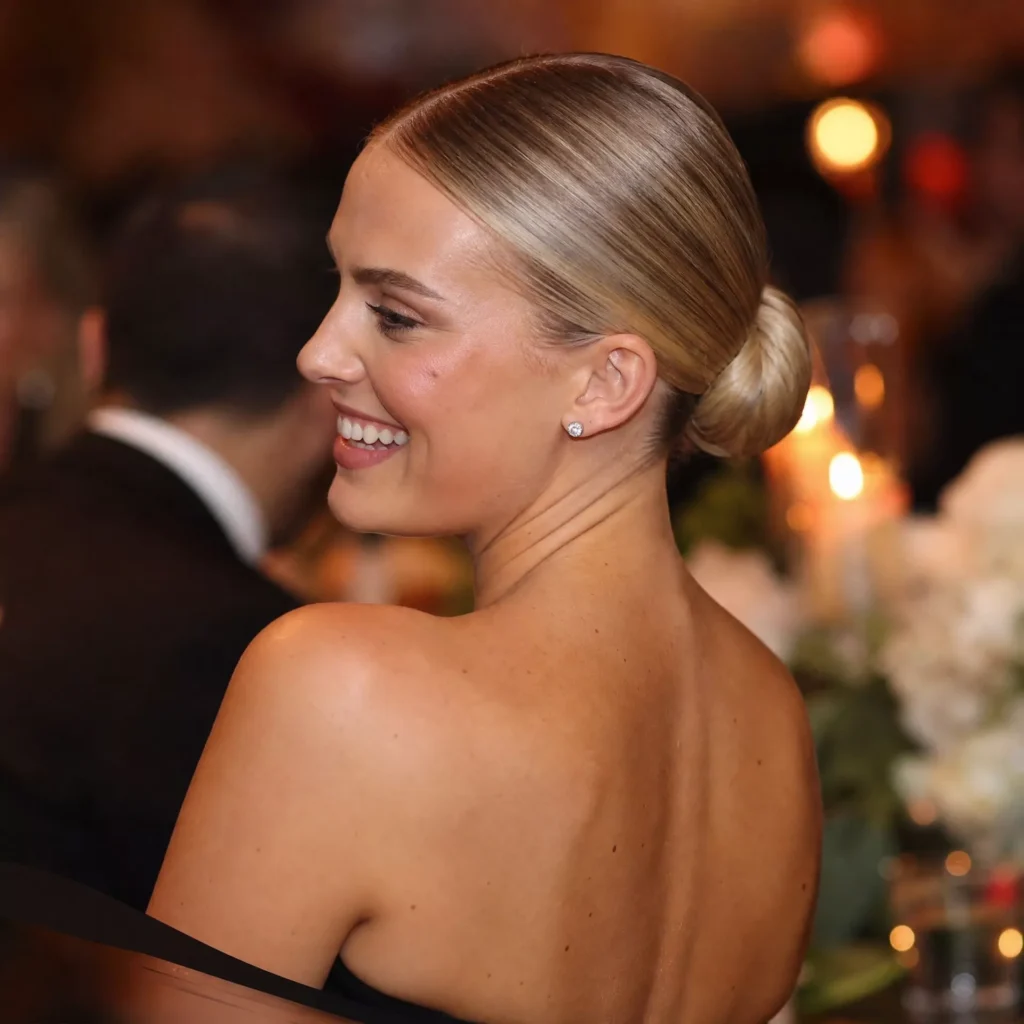
The hair is brushed smooth into a ponytail at the nape and wrapped into a neat, compact bun. The finish depends on preparation. Straight hair gets there with brushing and a little smoothing product, while wavy, curly, or humidity-sensitive hair may need a blow-dry first and a firmer hold product. Its controlled look suits formal and evening events, and it leaves room for statement earrings. The trade-offs are that flyaways show clearly and a very tight pull can become uncomfortable over several hours.
Soft Updo with Tendrils
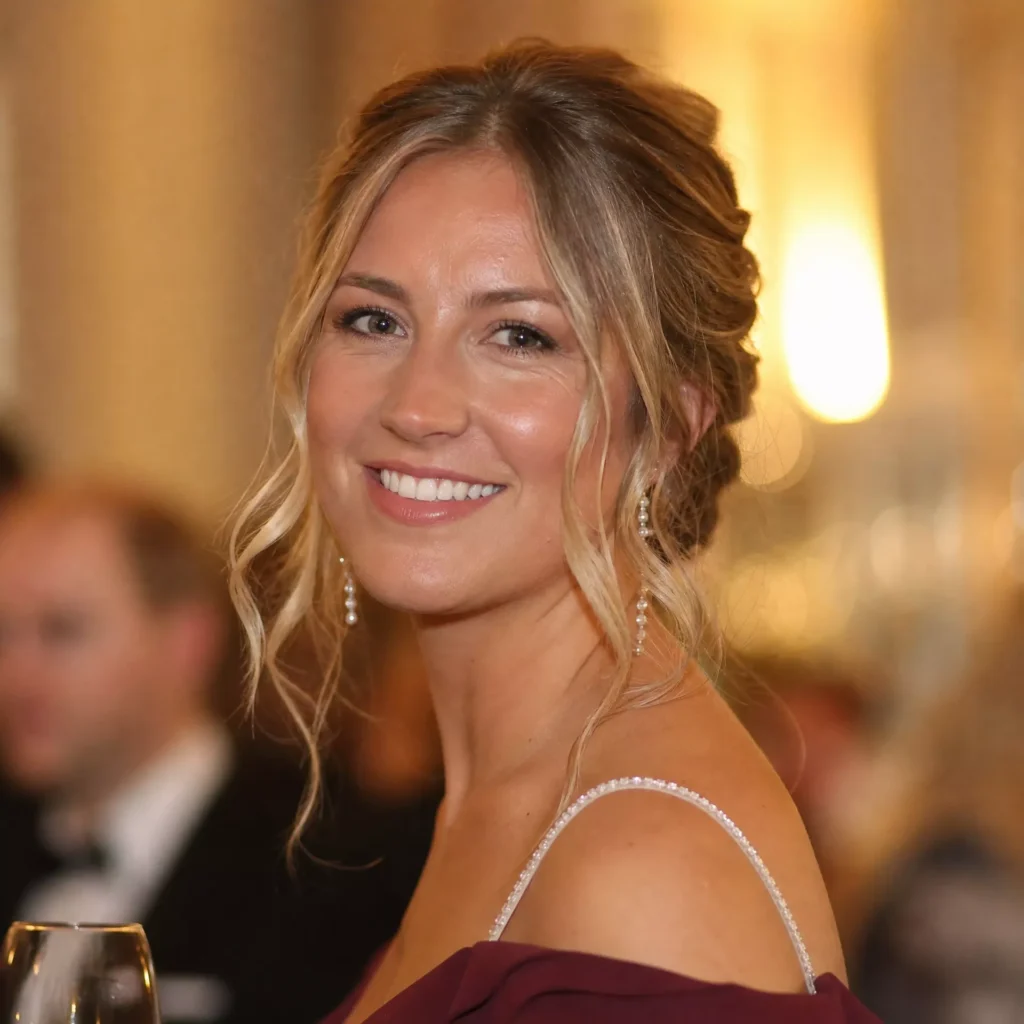
This is a relaxed updo, usually a loose bun or twist, with a few face-framing pieces left out. Choose the tendrils deliberately: two or three pieces at the front, and perhaps one at the nape, either curled with a wand or left in their natural texture. Too many loose strands can make the updo look unfinished. On straight hair, uncurled tendrils may simply hang flat. In humidity, curled tendrils can drop, so a few spare bobby pins in your bag are useful.
French Twist for Wedding
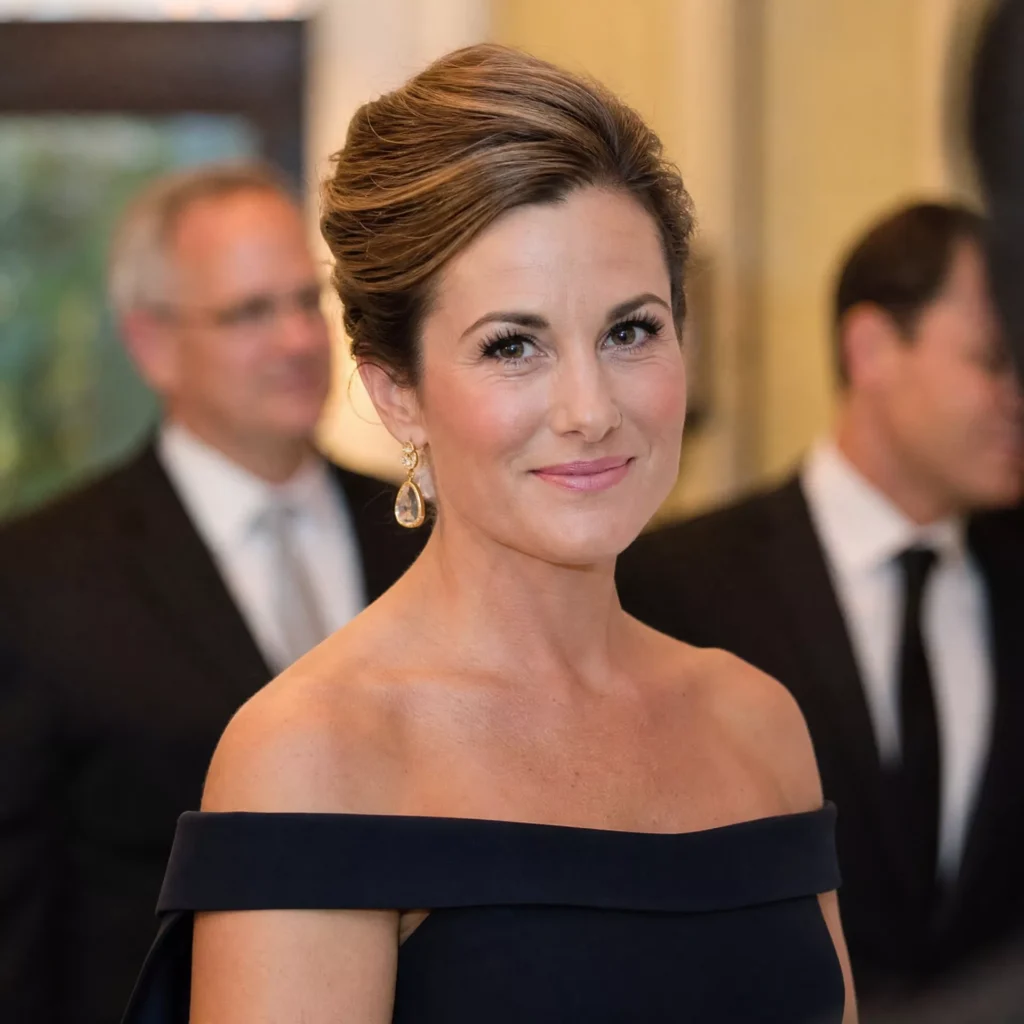
A French twist gathers the hair at the back, twists it upward into a vertical roll, tucks the ends inside, and pins along the seam. The result is a clean vertical line at the back of the head. It needs medium to long hair, roughly past the shoulders, to roll properly. Slippery hair benefits from a little texture product, while dense hair may need more pins to keep the roll tight. Because the seam sits at the back, it’s one of the harder styles to do on yourself, so practice with a hand mirror or ask for help.
Braided Updo for Wedding
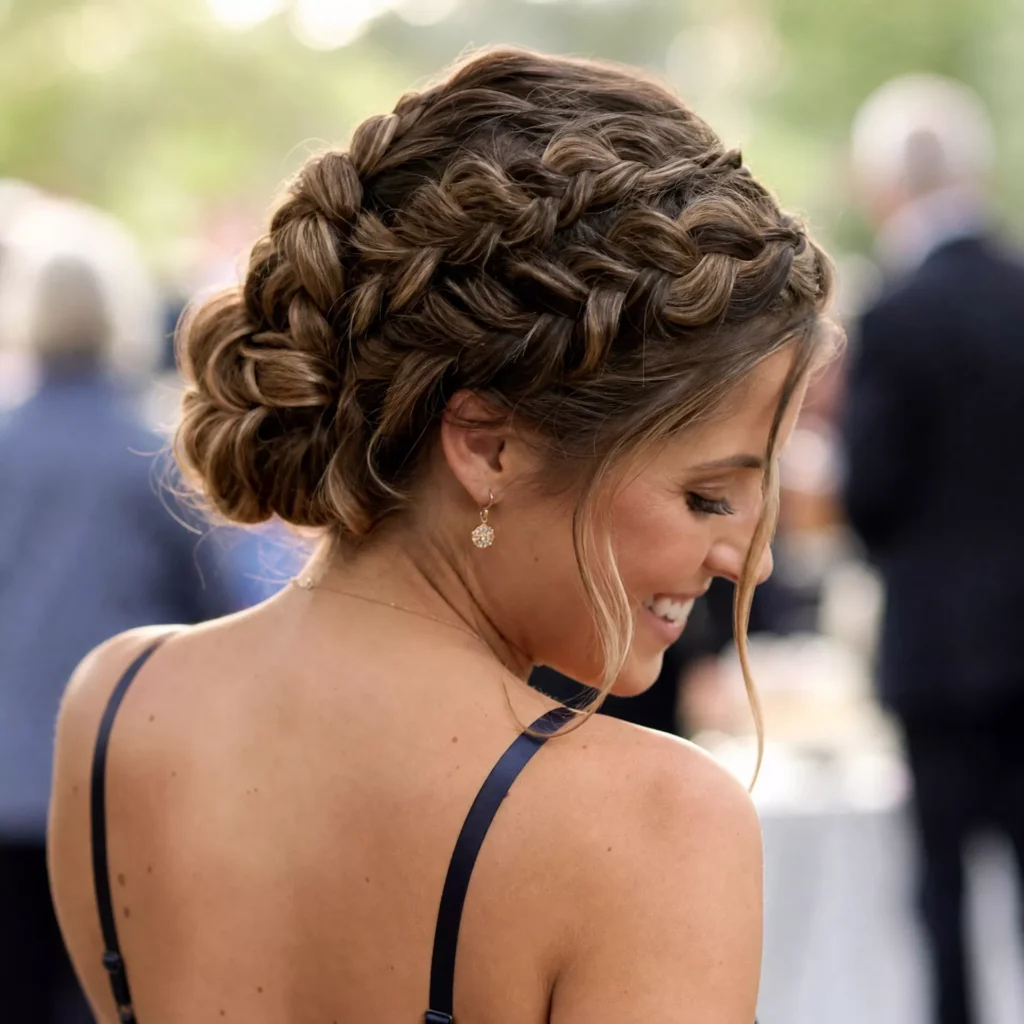
A braided updo uses one or more braids, whether French, Dutch, or standard, gathered and pinned into a bun or wrapped shape. The braids add texture and help the style hold, since braided hair grips itself. It works on medium and long hair, though shorter layers may slip out. Curly and textured hair often braids well and holds the structure firmly. Braiding at the back of your own head is tricky, so a complex version may be easier with a stylist. Small pins or clips can sit neatly within the braids.
Low Side Sweep for Wedding
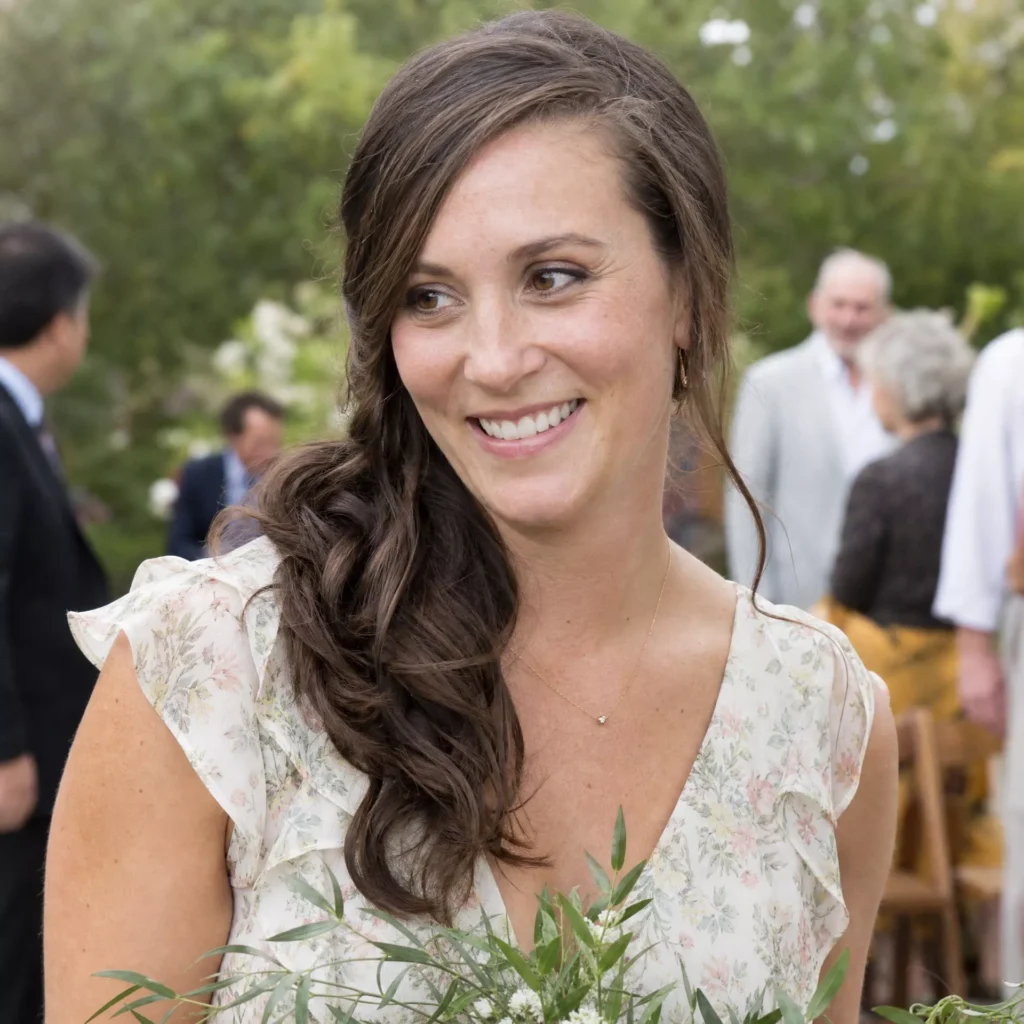
All the hair is gathered to one side and pinned loosely at the nape or just below the ear, so it falls over one shoulder, either curled or straight. Leaving one side of the neck open suits asymmetric necklines or a statement earring on the bare side. The pins holding the sweep need to be secure, because hair pulled across the back of the head tends to work loose. Wind at an outdoor venue can push it around, so a light hairspray helps keep it in place.
Vintage Pin Curls for Wedding
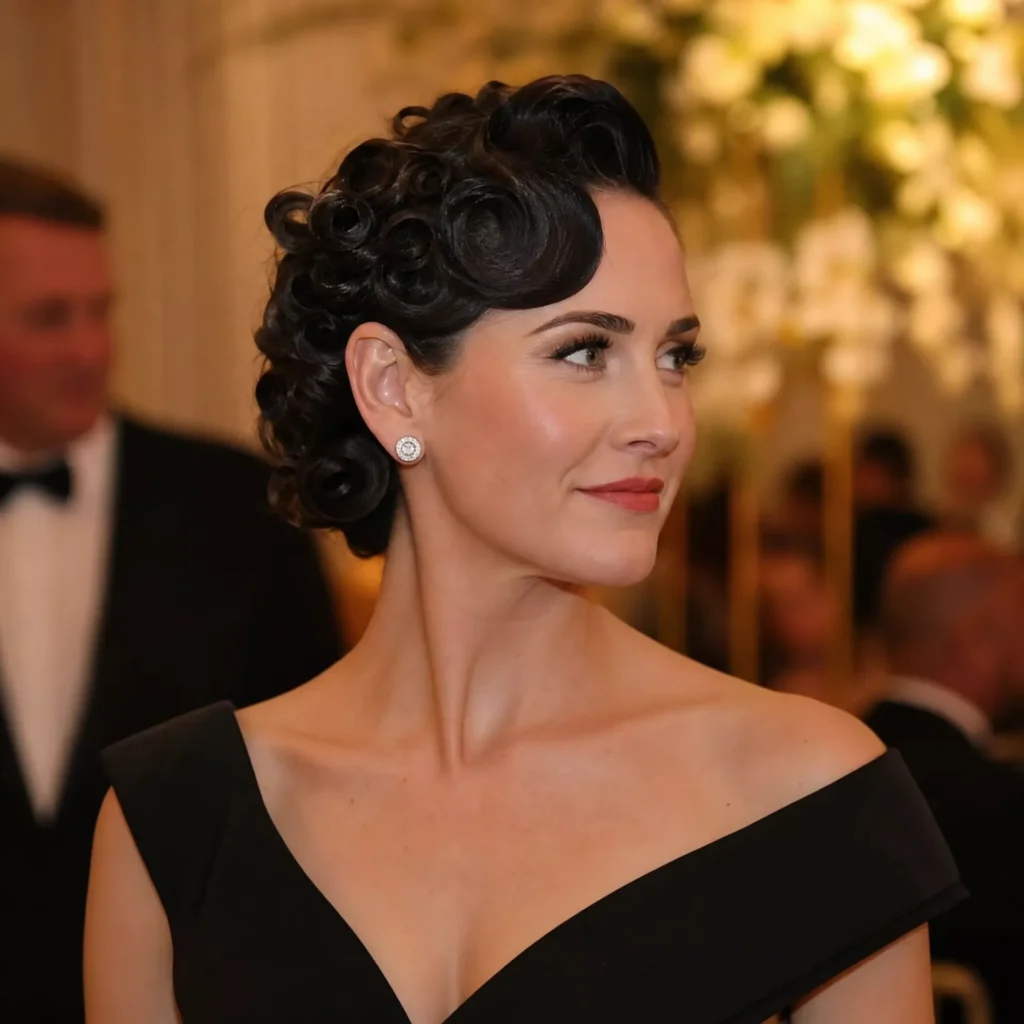
Pin curls are set by winding small sections into flat coils, pinning them, and letting them cool or dry before brushing them out into structured waves. The result is a sculpted, old Hollywood finish that suits formal or themed events. It takes time and practice, since the set must cool or dry completely, and the brush-out technique decides the final shape. Short and medium lengths often work well. Fine hair may lose the set in humidity, so a setting lotion can help. Many people book a stylist for this one.
Messy Updo for Boho Wedding
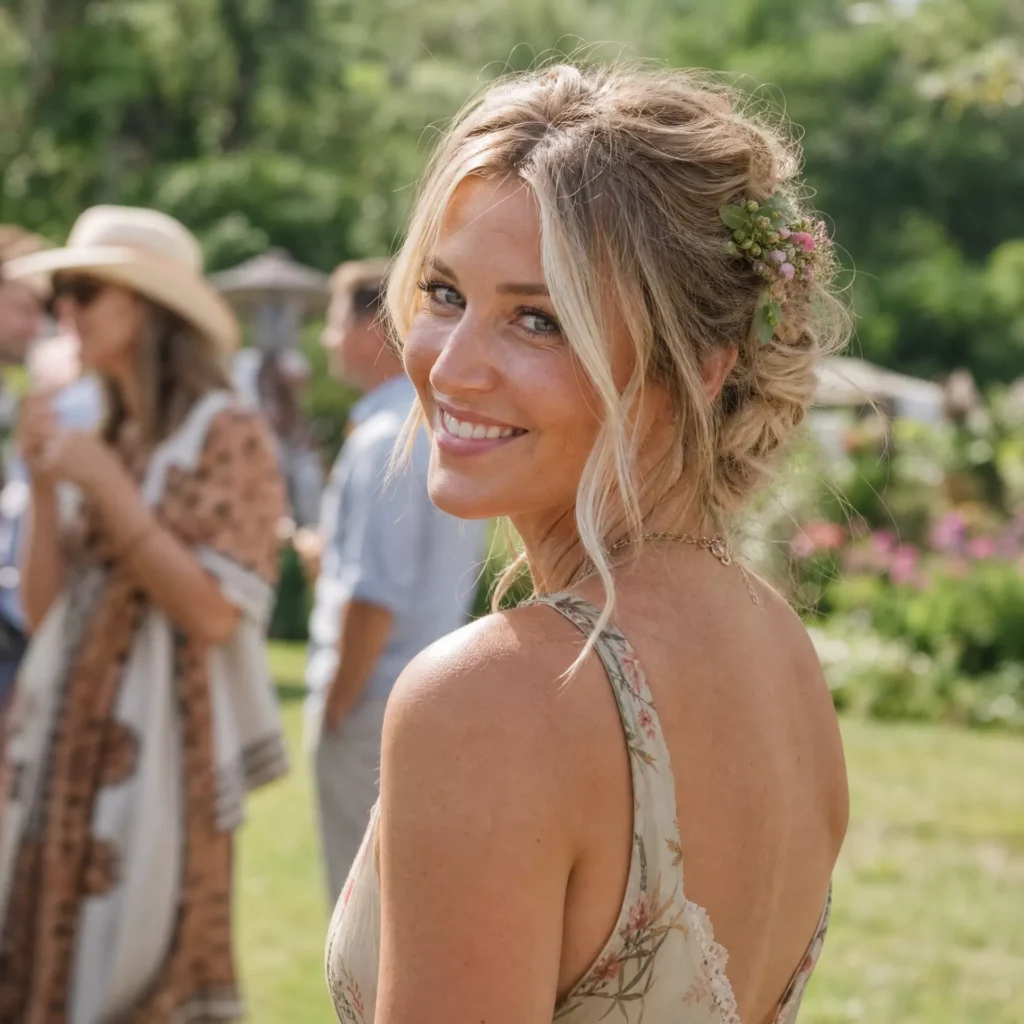
A messy updo is deliberately loose, with uneven pieces pulled out and a textured, lived-in finish. It suits relaxed, outdoor, or bohemian weddings, especially alongside flowers or soft accessories. It’s more forgiving than a polished updo, because small imperfections fit the look. Texture spray or second-day hair helps it keep its shape. The risk is that, as pieces fall, it can start to look undone in a way you didn’t intend, so pin the base securely even if the surface stays loose.
Half-Up Fishtail for Wedding
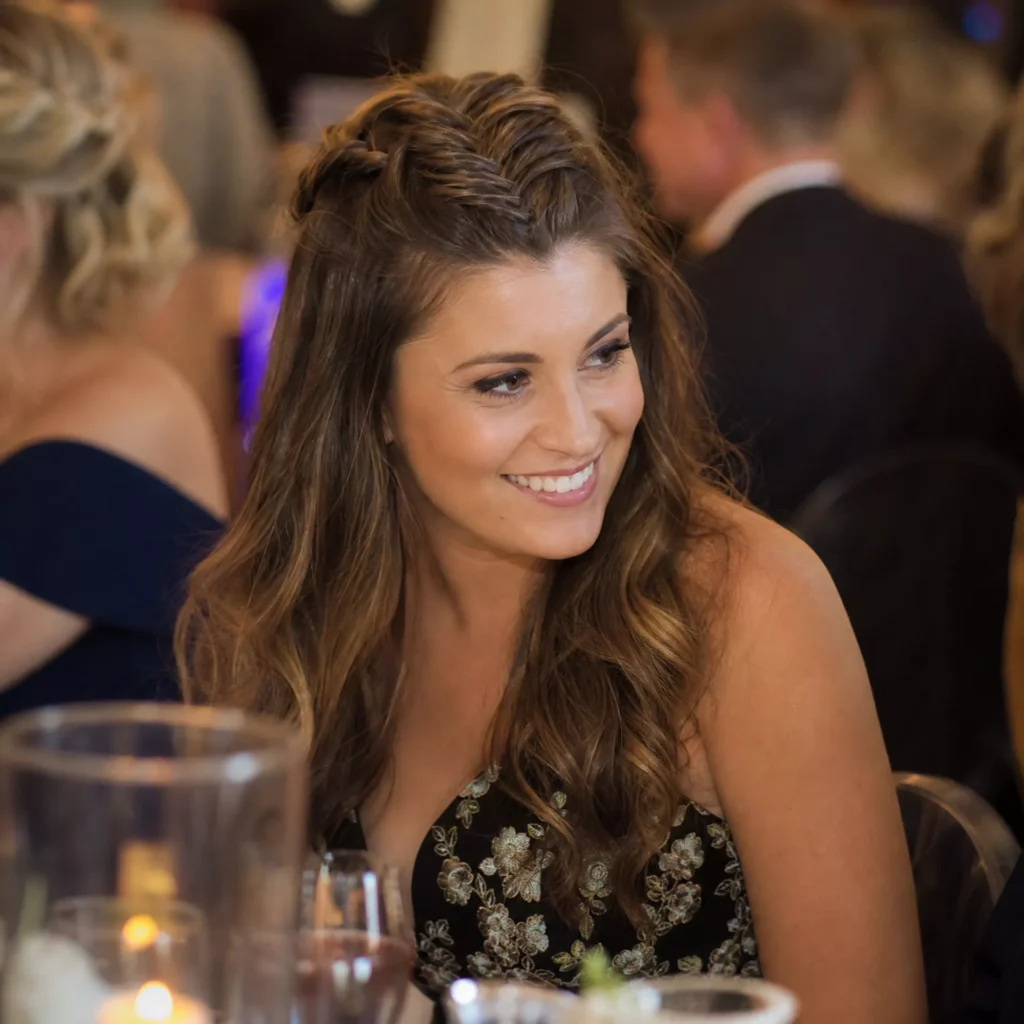
A fishtail braid uses two sections, crossing small pieces from the outside of one into the other to create a fine herringbone pattern. In a half-up version, the top section is braided into a fishtail at the back while the rest of the hair stays loose. It needs medium to long hair so the braid has room to show. The technique takes some practice and patience. Gently pulling at the edges of the finished braid makes it wider and softer. Secure the end with a small clear elastic.
Polished Ponytail for Wedding
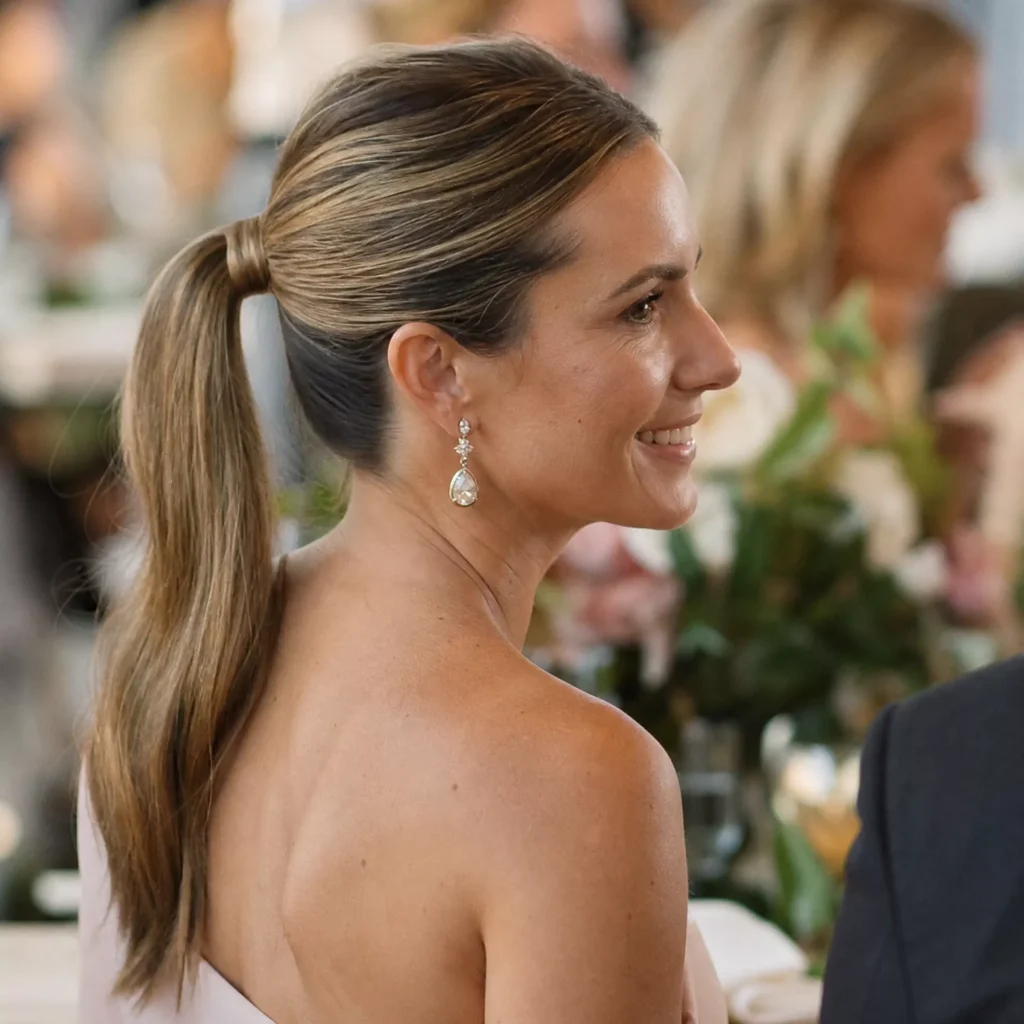
A polished ponytail is brushed smooth and secured, often at the crown or mid-height, with a strand wrapped around the elastic and pinned underneath. It suits evening receptions and sleeker outfits. Smoothness depends on preparation, and textured hair may need a blow-dry first. A high ponytail can pull on the scalp over several hours, so a slightly lower position may be more comfortable for a long event. Two bobby pins tucked under the base can prop the ponytail up a little if you want more lift.
Soft Curls for Wedding
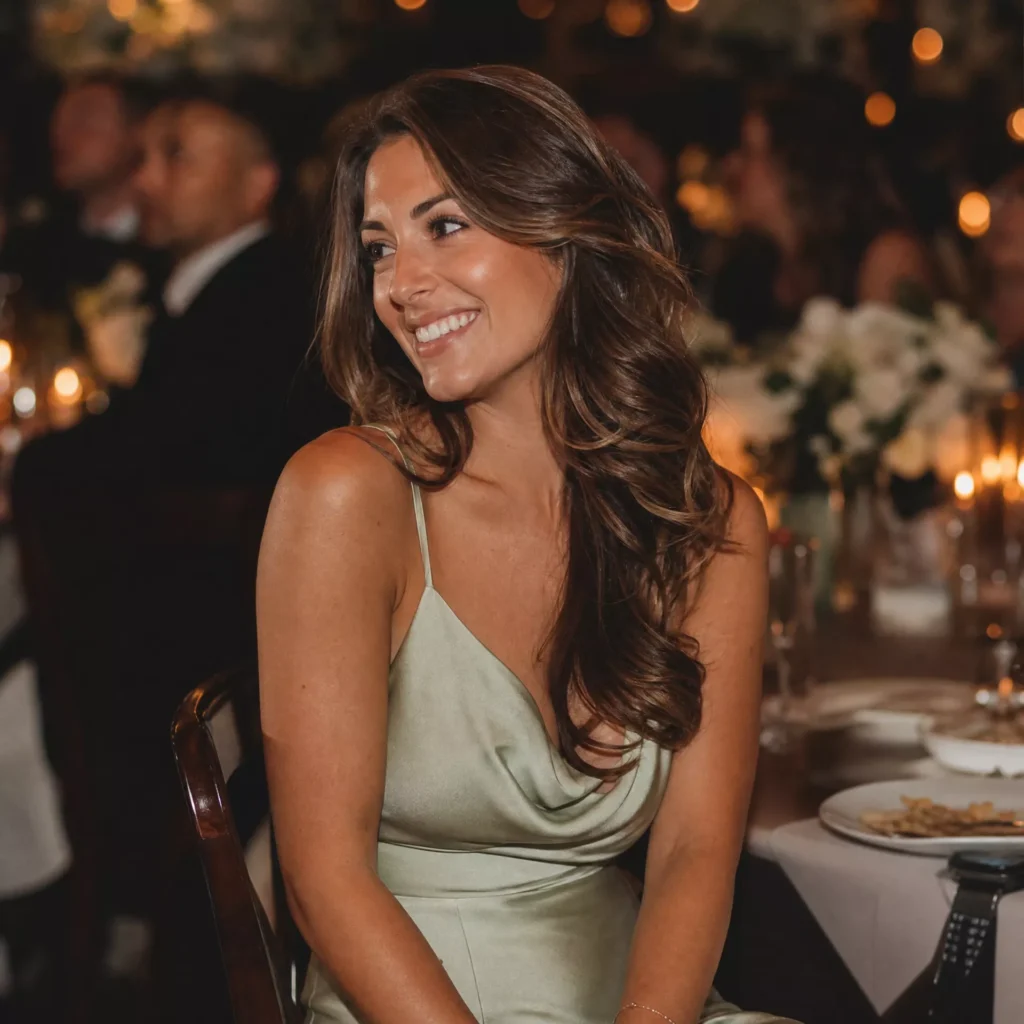
Soft curls are defined, fairly even curls made with a curling iron or rollers and then brushed or finger-combed gently. They’re more structured than loose waves. Hair that doesn’t hold curl easily, often fine or very straight hair, may drop them within a few hours, so letting each curl cool before releasing it and finishing with a light hairspray helps. Naturally curly hair can simply wear its own curls instead. Humidity can make set curls frizz or relax, which is worth considering for an outdoor ceremony.
Knotted Low Bun for Wedding
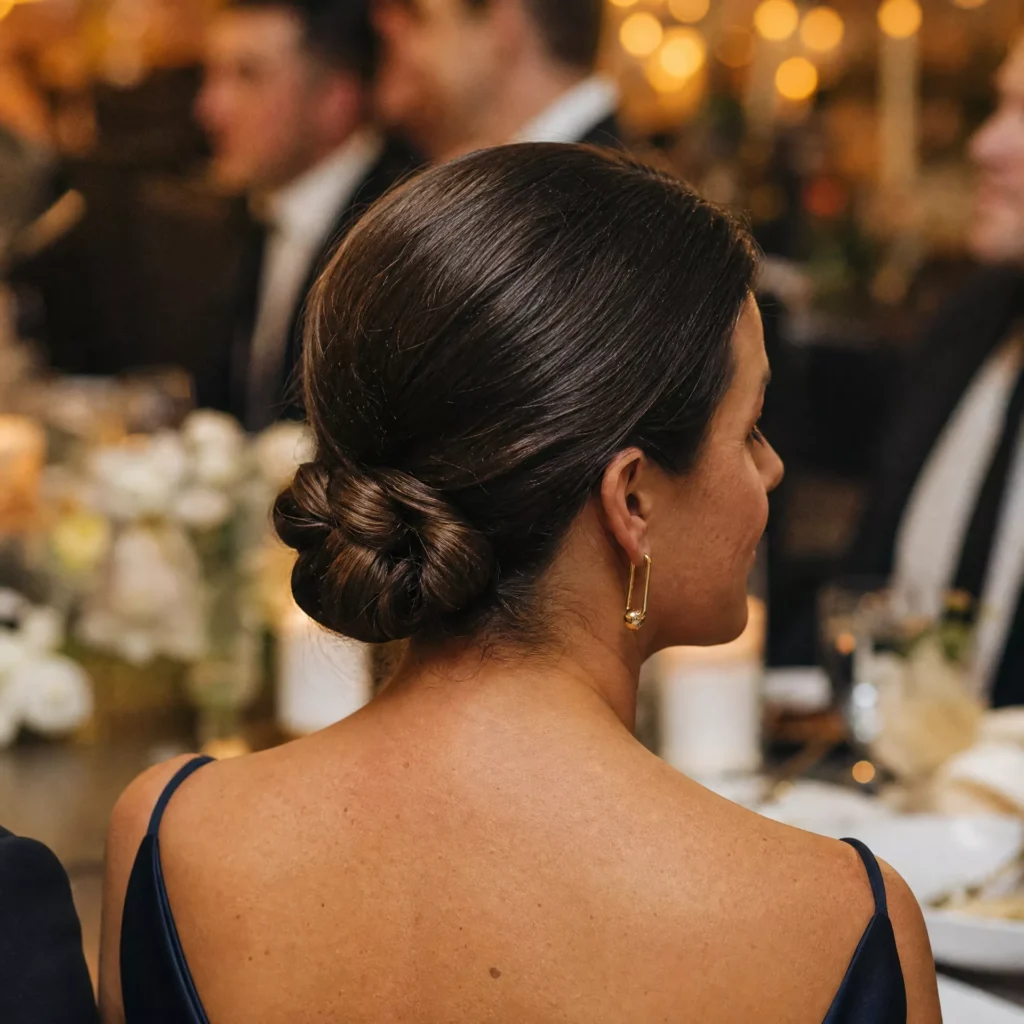
Instead of wrapping the hair into a bun, the hair is tied into a knot on itself at the nape, and the ends are tucked and pinned. The knot creates a structured shape with visible twists. It suits medium to long hair, since shorter lengths may not tie. Slippery hair may need a texture product for the knot to grip. Once you’ve learned the knot, it’s quicker than some updos. The tucked ends often need a couple of extra pins to stay secure.
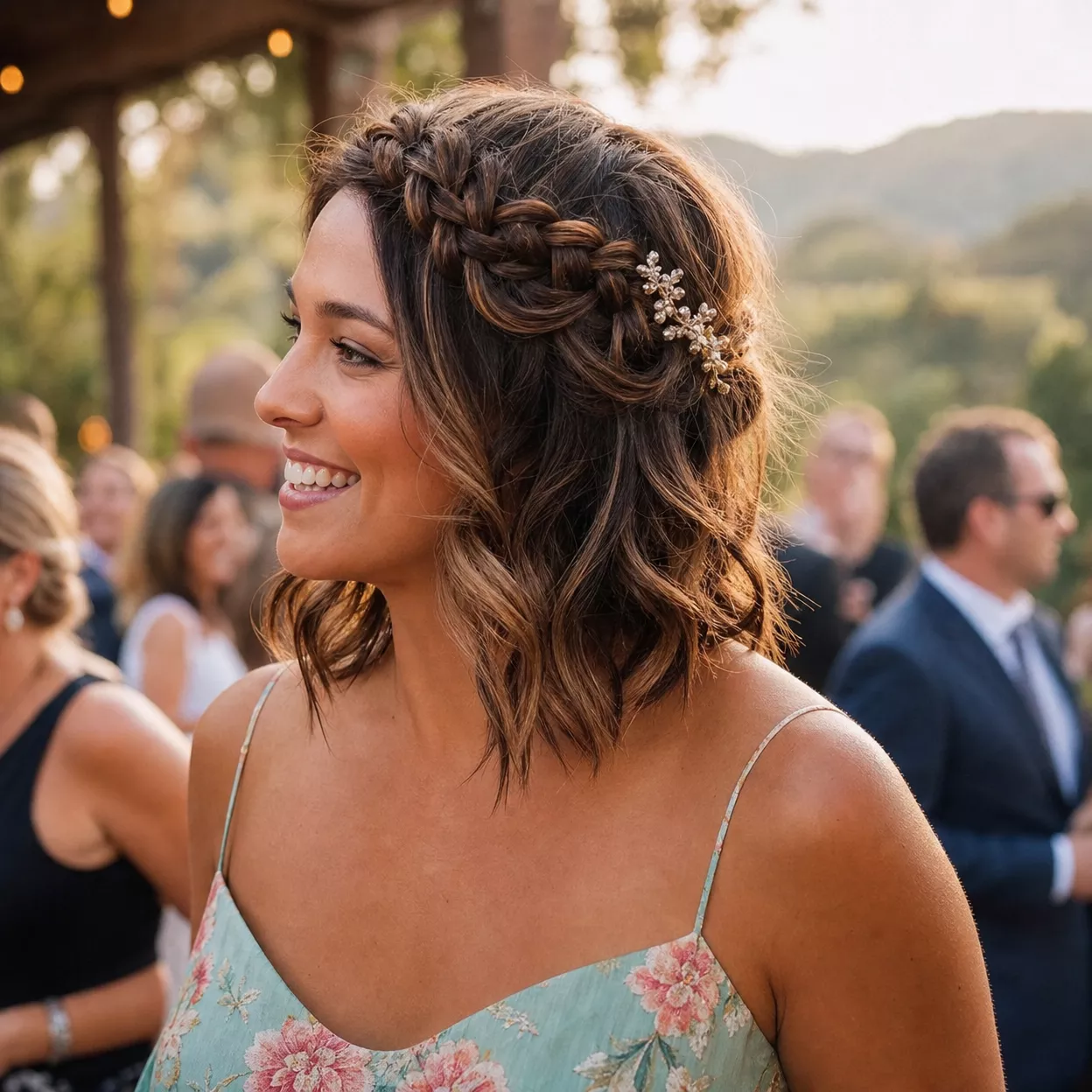
Side Braid with Floral Pin for Wedding
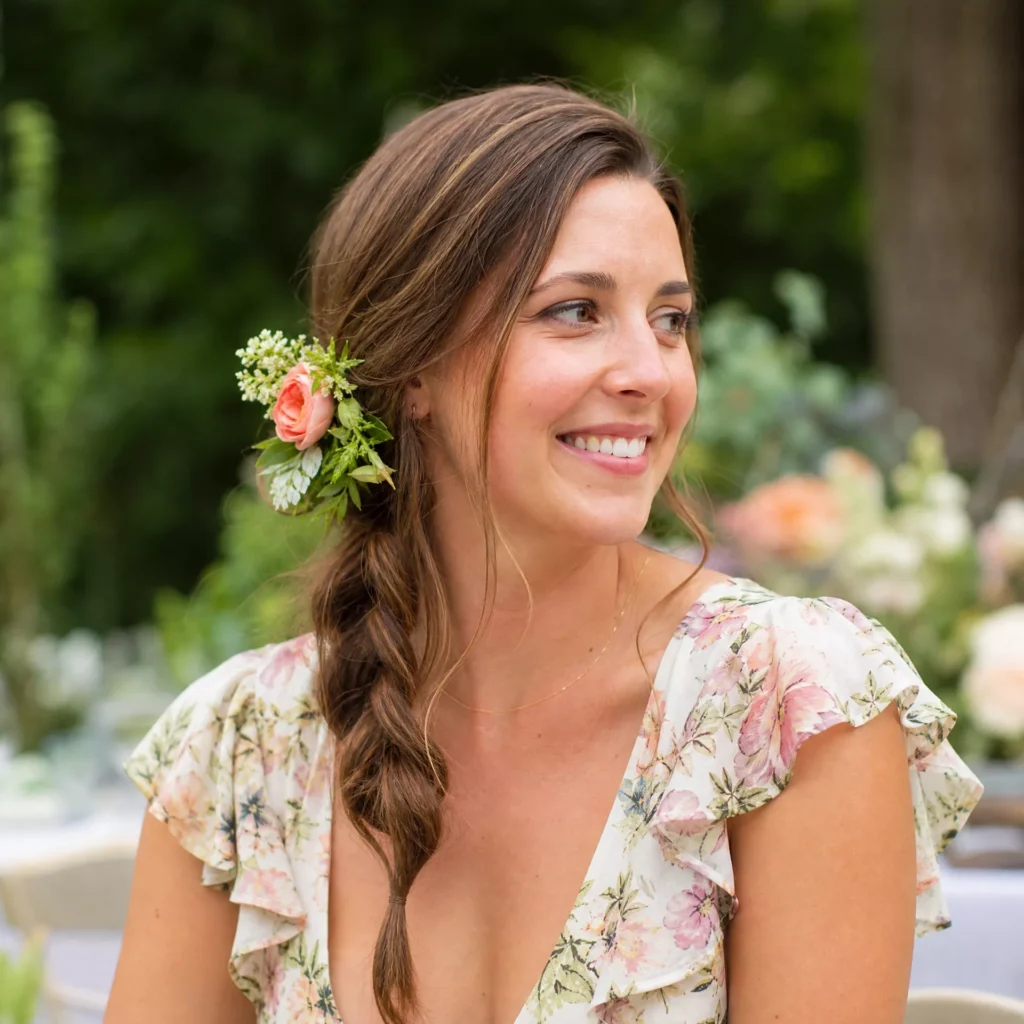
The hair is swept over one shoulder and braided, often loosely, and a floral pin or comb is placed near the start of the braid or above the ear. It suits garden and summer weddings. The flower should be light and well secured. Fresh flowers can wilt in heat, while silk or fabric versions last longer. Keep the accessory modest so it doesn’t compete with the couple’s florals. Longer hair gives a fuller braid, while shoulder-length hair may need a smaller, tighter one.
Waterfall Braid for Wedding
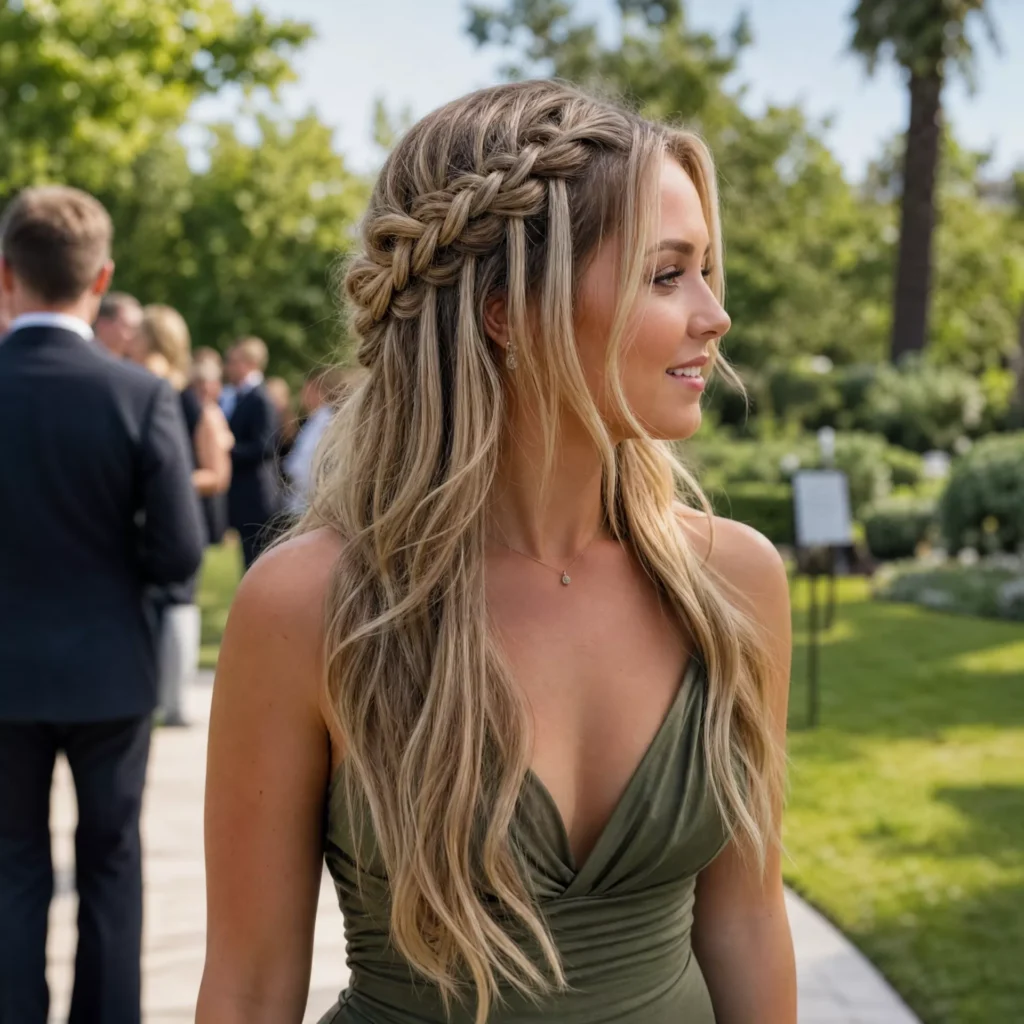
A waterfall braid runs horizontally across the head, with sections dropped out of the braid at intervals so they fall through into the loose hair below, like a cascade. It usually frames the face and connects at the back. It needs medium to long hair and a fair amount of braiding practice, and it’s much easier to do on someone else than on yourself. Curling the lengths underneath makes the dropped sections more visible. Layered hair can slip out, so a little texture spray helps.
Swept-Up Glamour for Black-Tie Wedding
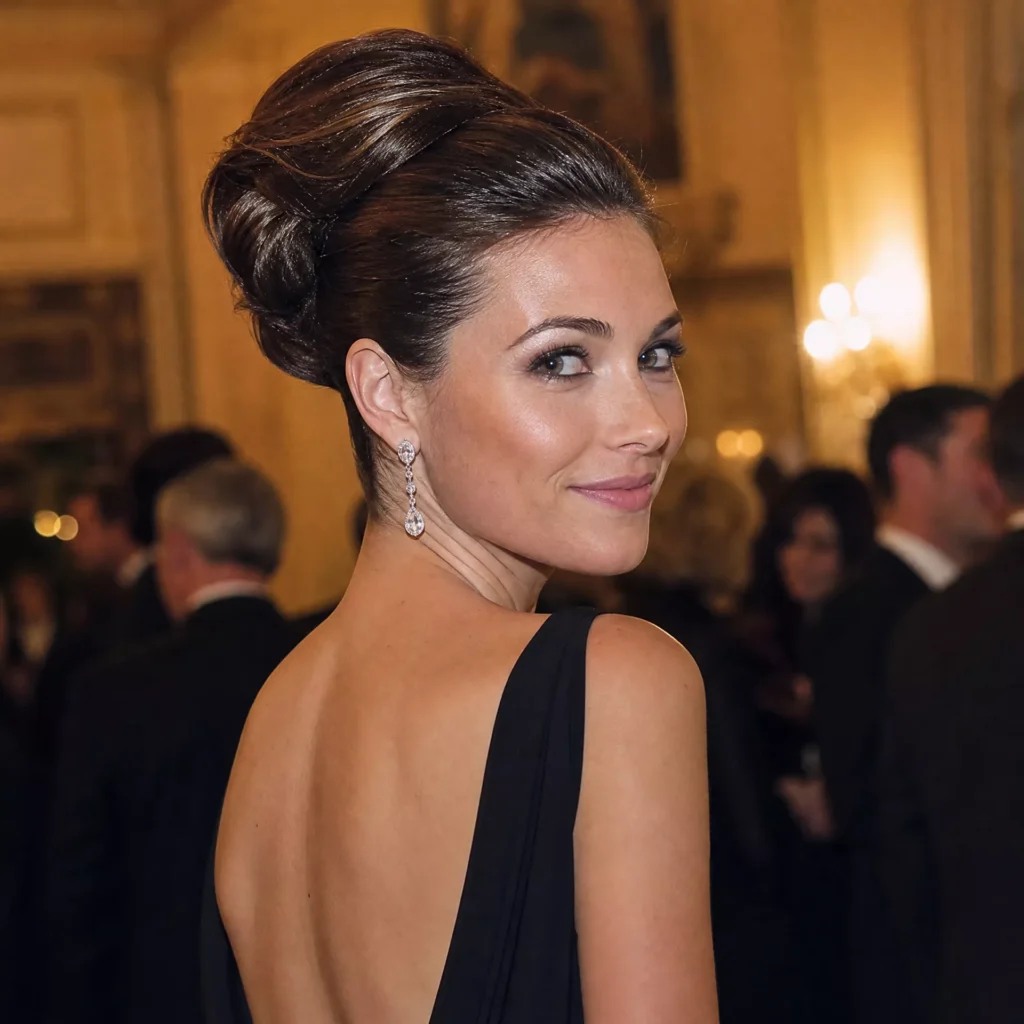
This is a fully swept-up updo, often a sleek chignon, French twist, or sculpted bun, with smooth sides and a deliberate finish. It suits formal evening and black-tie events. Reaching this level of polish usually takes time, pins, and product, and many people book a stylist for it. It’s one option for black-tie, not a requirement, since well-styled hair worn down can also be appropriate. Before committing, check that it will stay comfortable for several hours.
Natural Waves for Casual Wedding
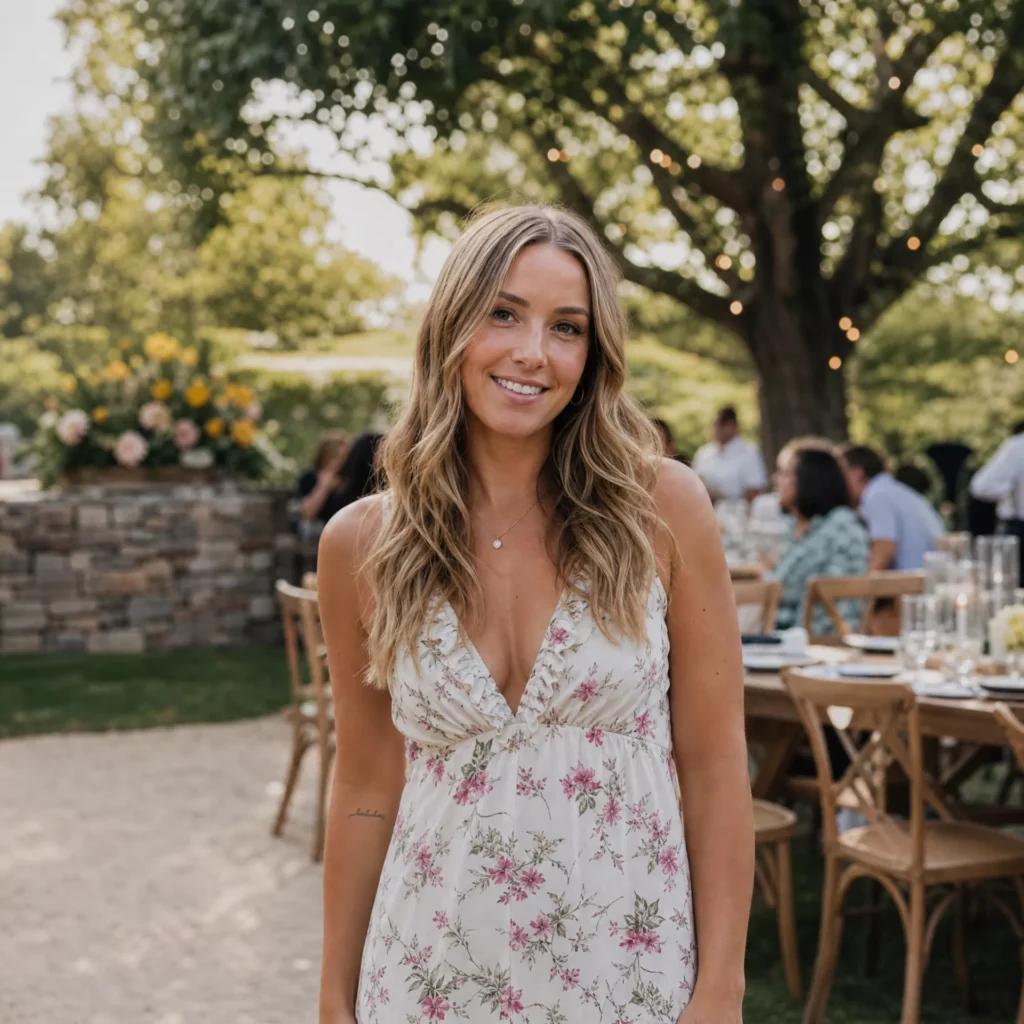
For a relaxed daytime or outdoor wedding, natural waves enhanced with a little product may be all you need. Apply a wave spray or light cream to damp hair, scrunch, and let it air-dry or diffuse. The result depends on your natural texture, and it won’t look the same on straight hair, which needs a wand to create waves. Humidity can loosen or frizz them, so a light anti-frizz product helps. Clipping back one side with a decorative pin adds a finished touch.
Half-Up Bun for Wedding
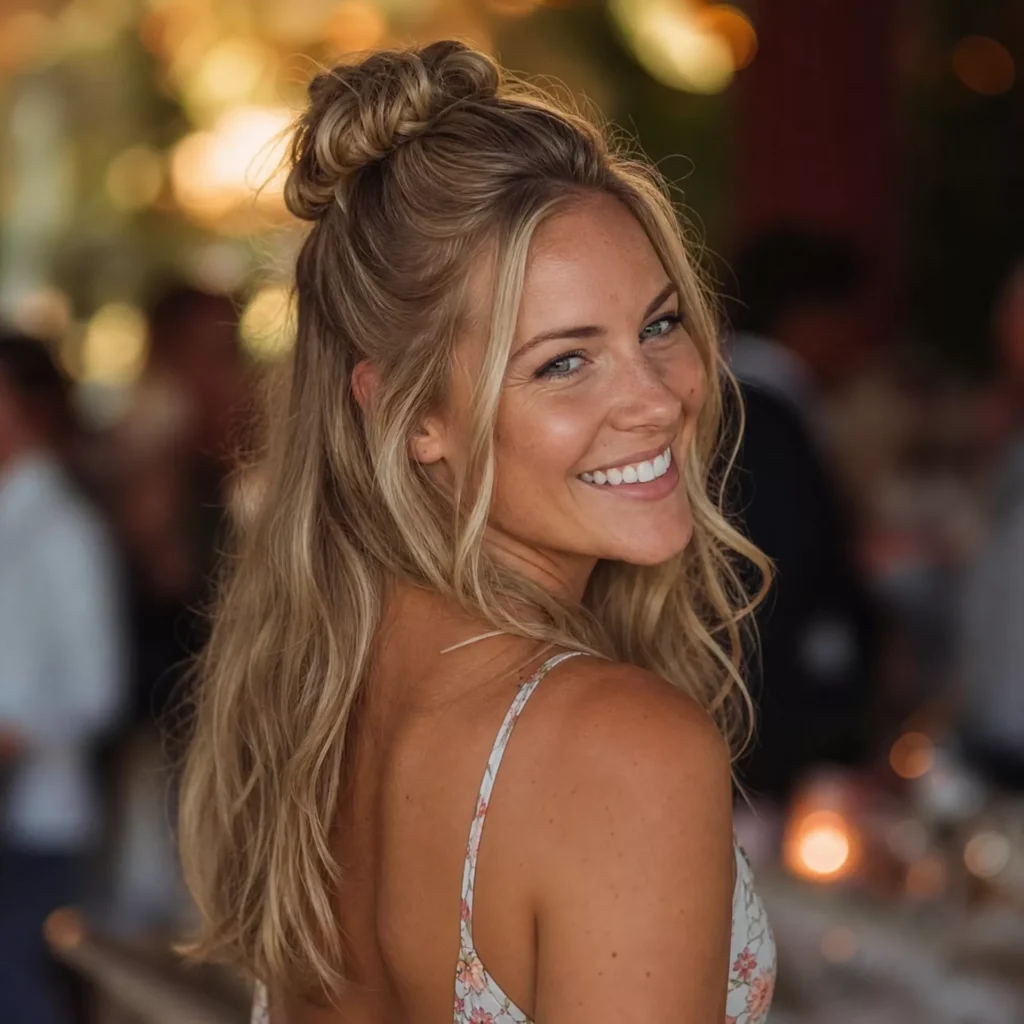
The top section is gathered and wrapped into a bun at the crown while the rest of the hair stays loose. Compared with the half-up twist, the bun creates a more defined shape at the top. It can be smooth for a polished look or loose and textured for a relaxed one. It works on medium and long hair, and the bun’s size depends on how much hair you take. A secure elastic plus a couple of pins keeps it in place through the evening.
Double Braid Updo for Wedding
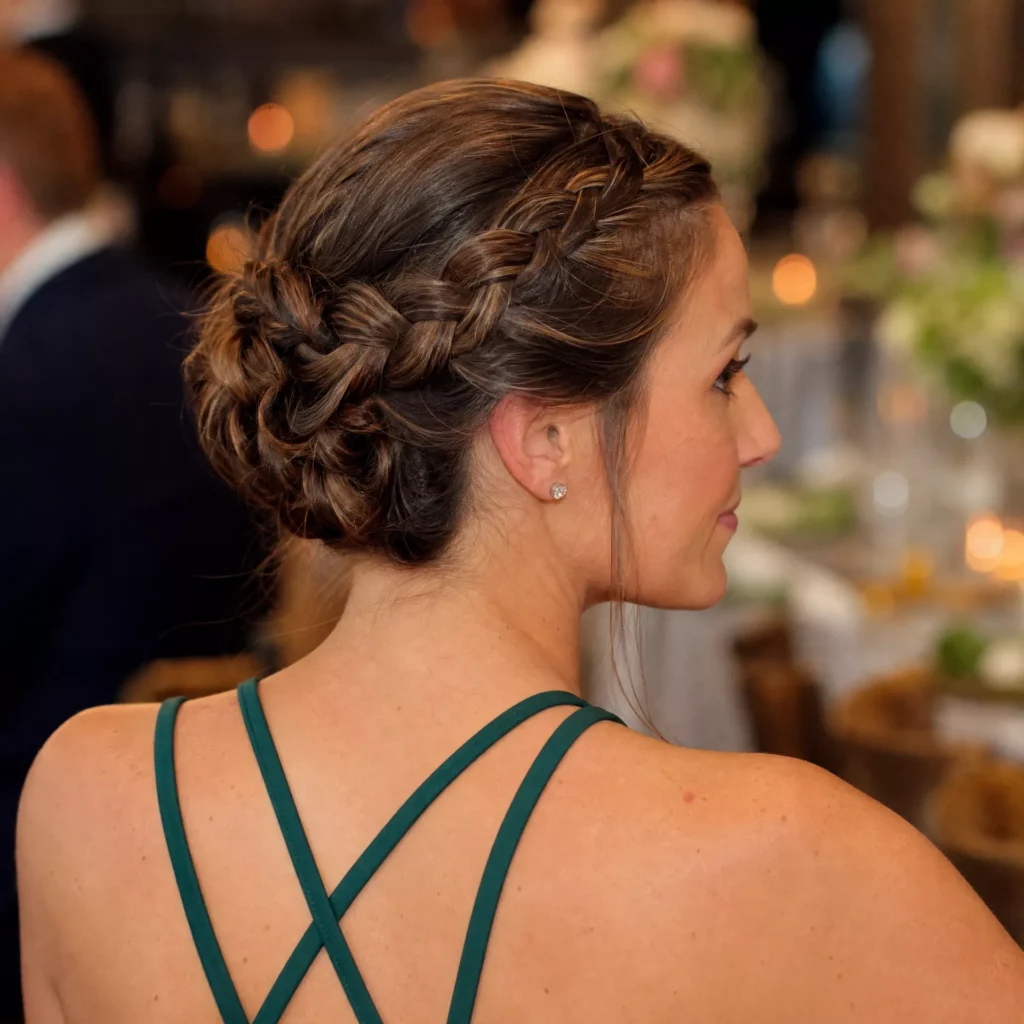
Two braids, one from each side, are wrapped around the back of the head and pinned, sometimes meeting in a low bun. Compared with the single braided updo, the double version adds more texture and covers more of the head. It needs medium to long hair, with enough length for each braid to wrap around. Braiding both sides evenly takes practice, since any difference is easy to see. Pinning each braid separately helps them hold independently.
Textured Low Pony for Wedding
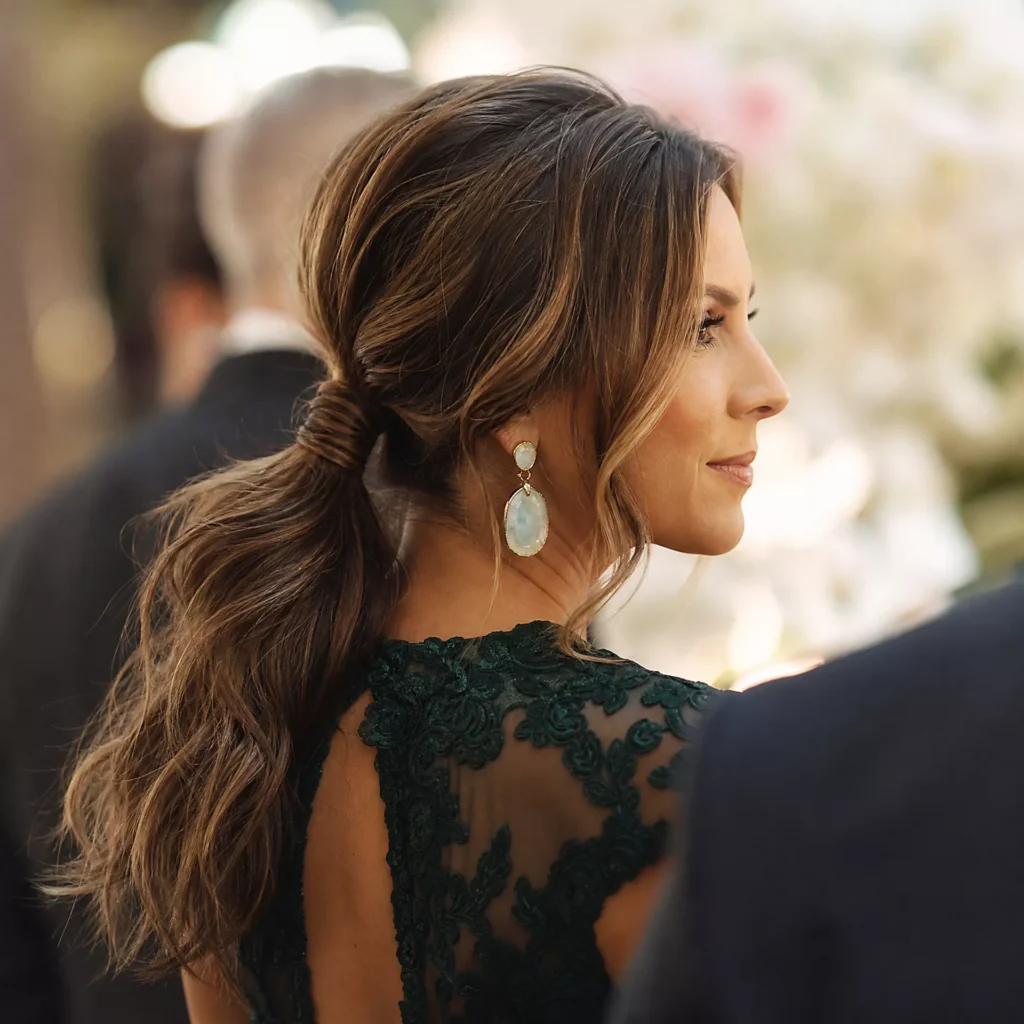
This is a low ponytail at the nape with added volume and texture, often from waves or a little teasing at the crown, finished with a wrapped base. It’s softer than the polished ponytail and suits semi-formal or daytime events. Texture spray, a curling wand, or second-day hair helps it look finished. A low ponytail stays comfortable over several hours, though a high collar can press against it. Leave out a few face-framing pieces if you’d like a softer front.
Ribbon Accessory Updo for Wedding
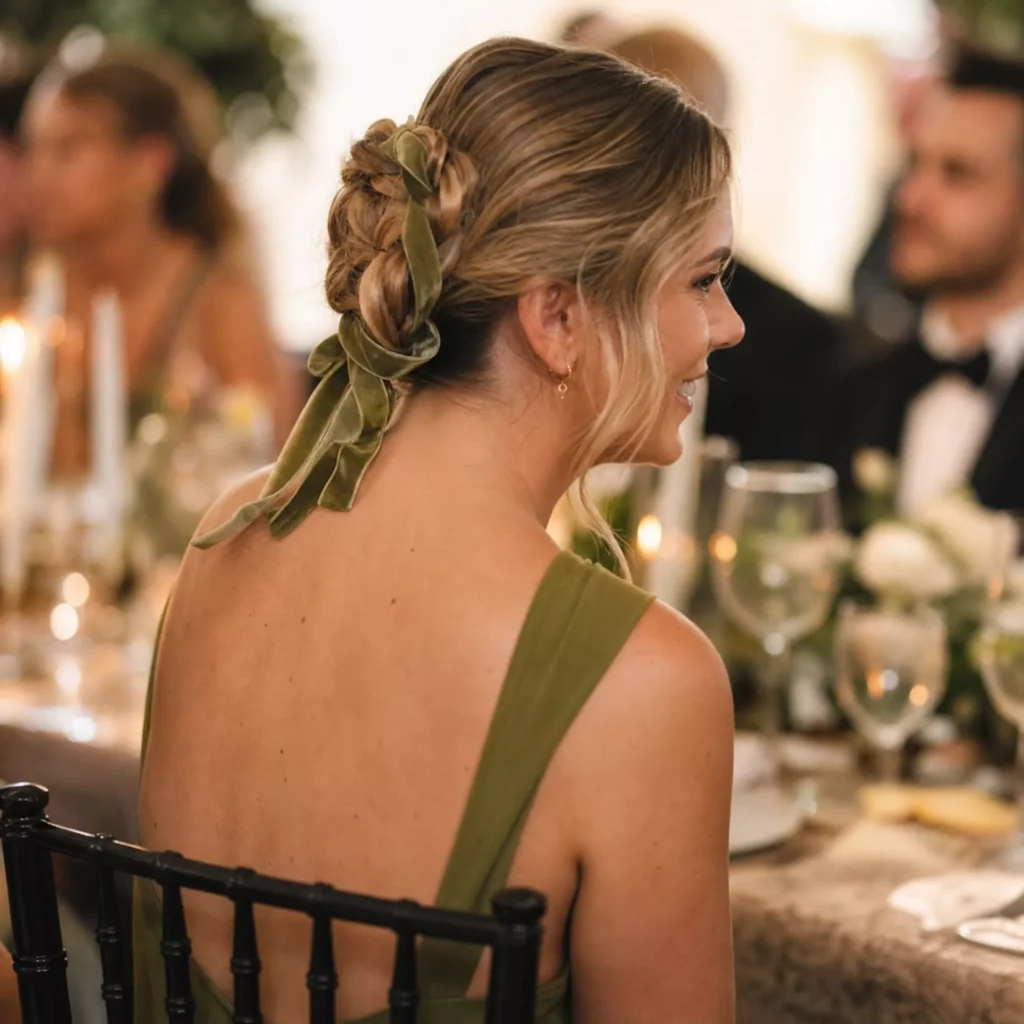
A ribbon is tied around a bun, threaded through a braid, or knotted at the base of an updo. Silk, satin, or velvet ribbon in a color that complements your outfit adds a decorative detail. Secure the ribbon with pins instead of relying on the knot alone, especially if it’s heavy or long. Avoid white or ivory ribbon that could read as bridal unless the couple has asked for it. Watch the length too, since long trailing ends can tangle or catch.
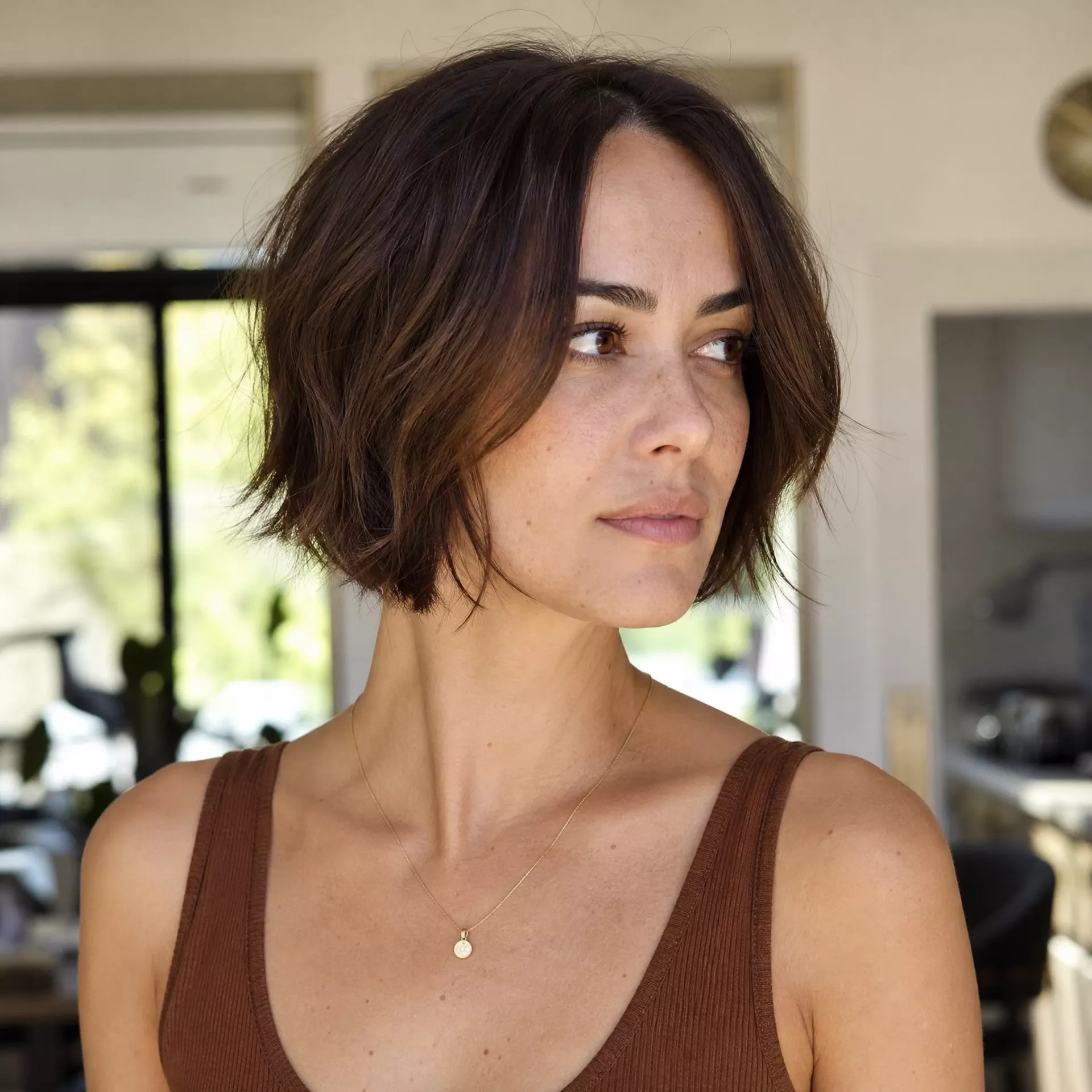
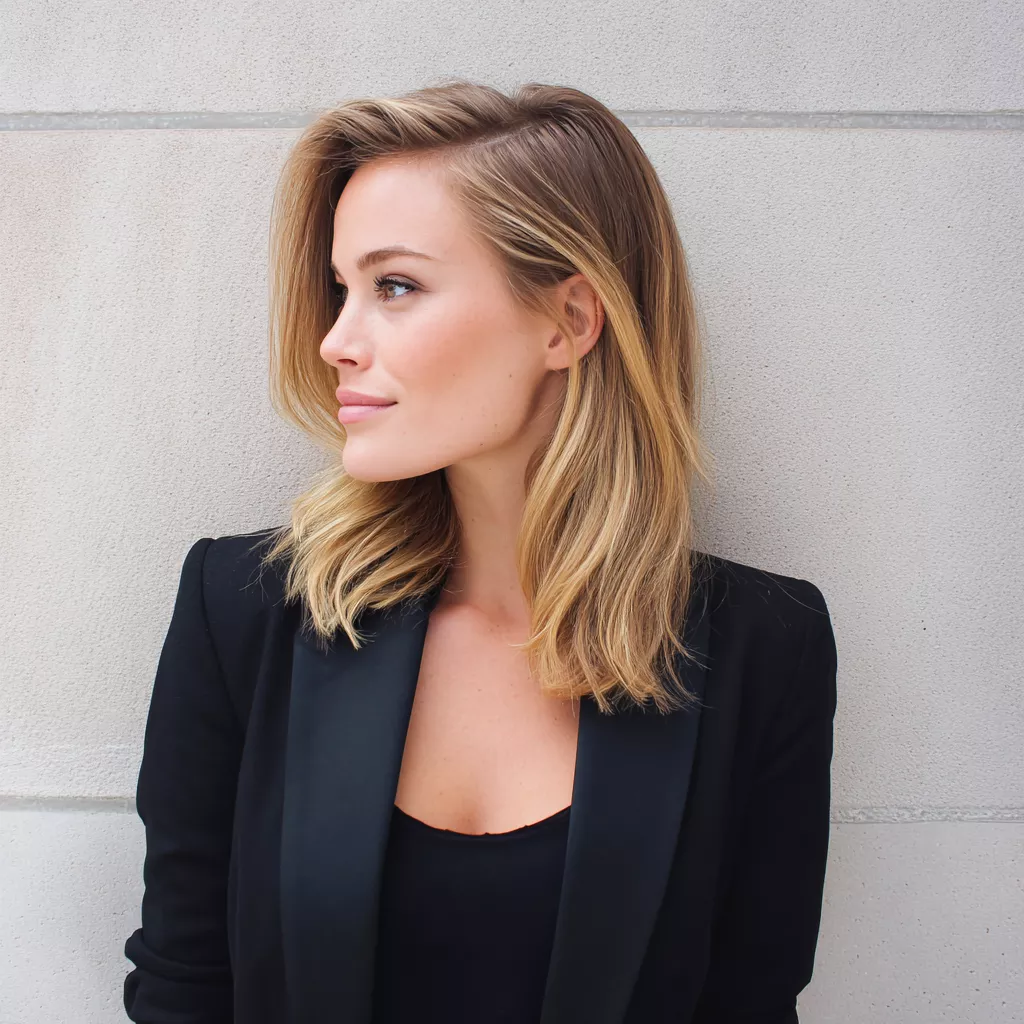
Chic Bob Styling for Wedding
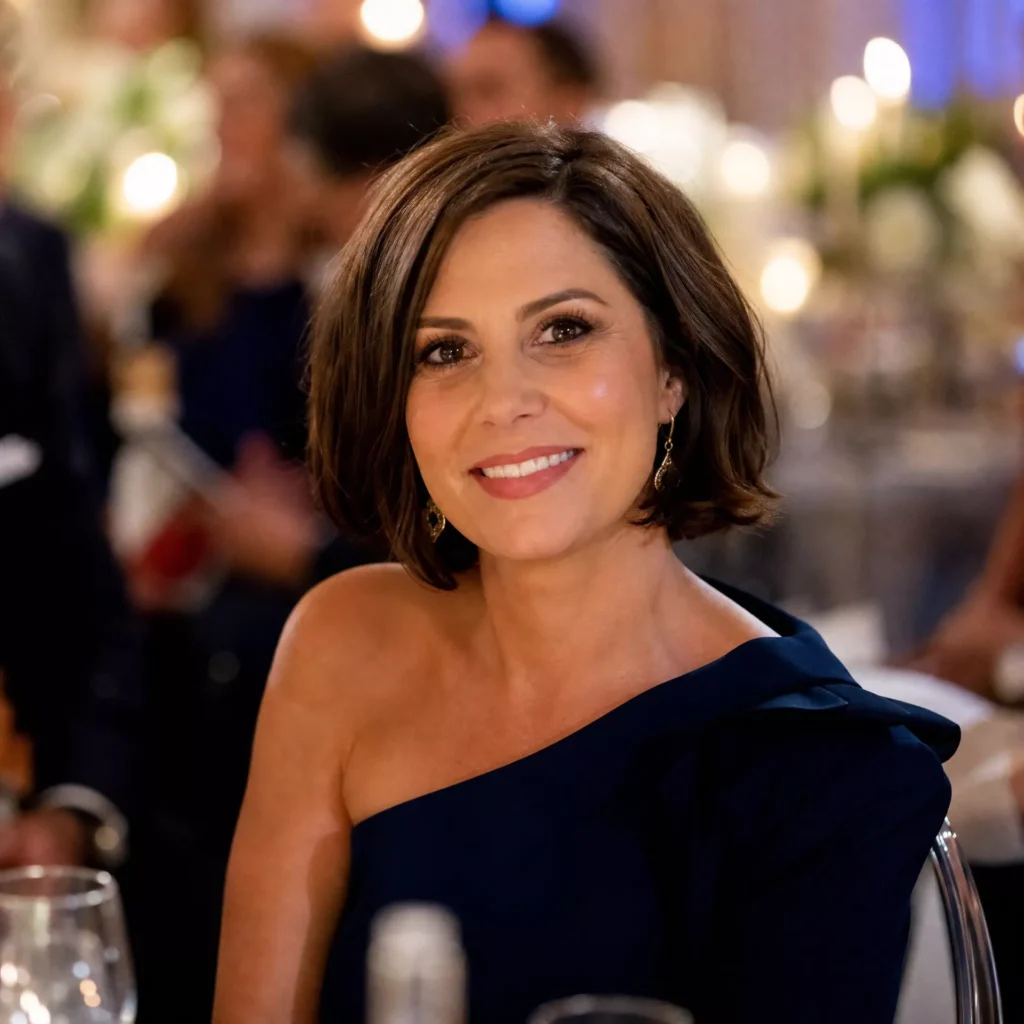
A bob doesn’t need an updo to look finished. A smooth blowout, a slight bend at the ends, or one side tucked behind the ear with a decorative pin can make it occasion-ready. Soft waves or a deep side part are other options. The best finish depends on the bob’s shape. A blunt bob suits a sleek finish, while a layered bob takes waves well. Humidity can affect a blowout, so a smoothing product helps it last.
Twisted Crown for Wedding
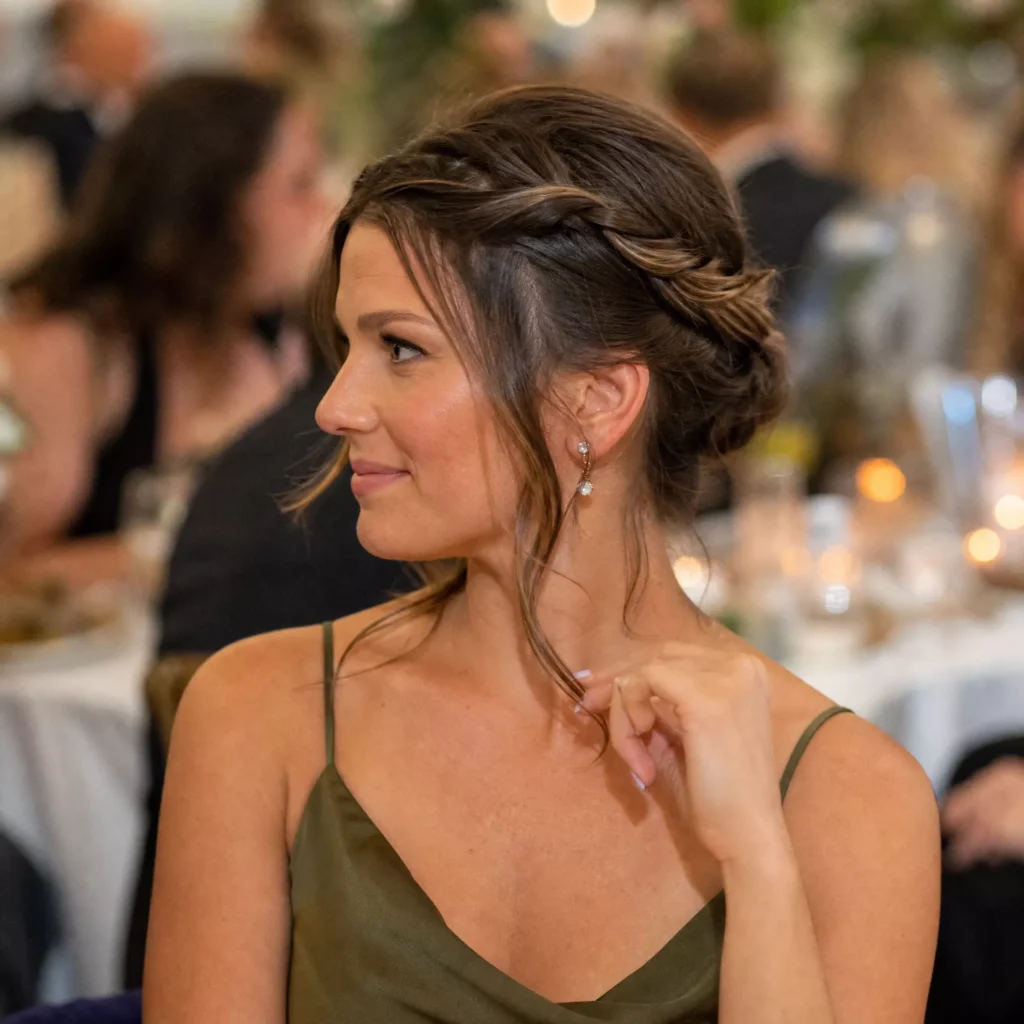
Two sections at the front, one on each side, are twisted back toward the crown and pinned together at the back. The twists form a halo-like frame that keeps hair off the face, while the rest stays down or is gathered. It suits medium to long hair, and shorter layers near the face may need extra pins. It’s easier than a braided crown because twisting is simpler than braiding. Crossing the pins over the twists gives a firmer hold.
Loose Romantic Waves for Wedding
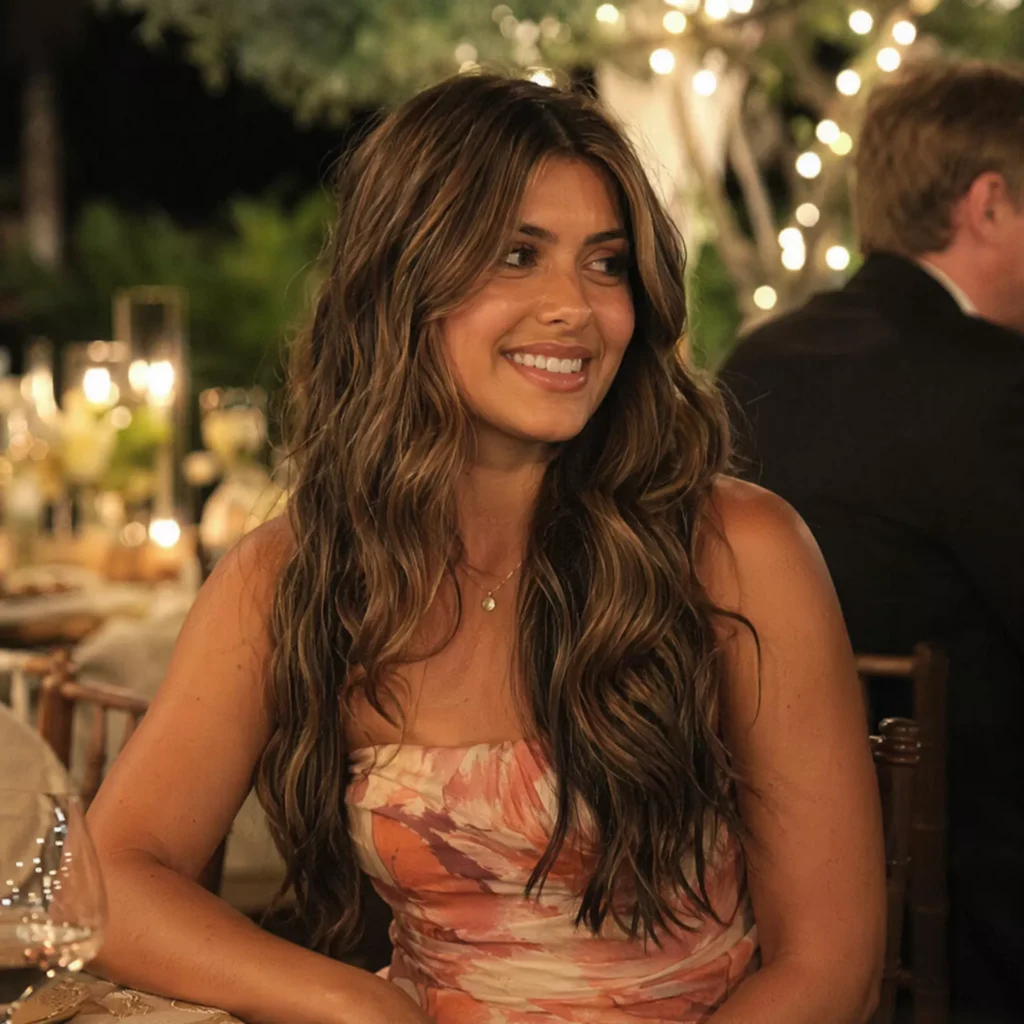
Loose waves are made with a large-barrel curling iron or wand and then brushed or finger-combed into soft, open bends. They’re looser and less defined than soft curls. They suit most dress codes and can work at black-tie with careful styling. How long they last depends on your hair, and very straight hair may need a light hairspray to hold them. Dancing and humidity will usually loosen them, so expect them to soften as the evening goes on.
Pinned-Back Pixie with a Statement Clip
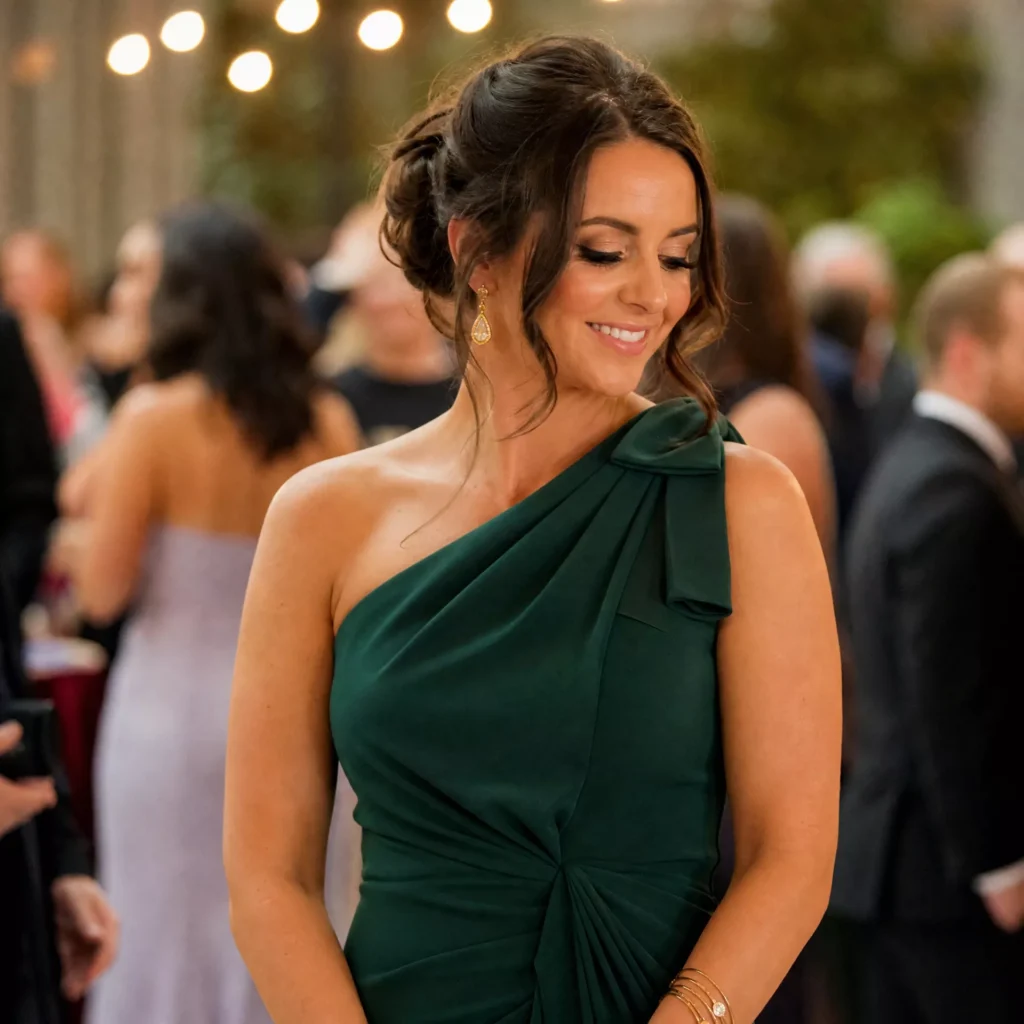
Very short hair can look just as finished as an updo. A pixie can be smoothed back or to one side with a little product and secured above the ear with a decorative clip, barrette, or small comb. Brushing it into a side part and adding a jeweled pin gives an evening feel, while a softer, textured finish suits a daytime wedding. Short hair often needs small, strong clips, because standard clips can slide out. A tiny amount of pomade or wax helps the clip grip.
How to Choose a Wedding Guest Hairstyle for the Dress Code
Start with the invitation. The dress code, venue, and timing usually tell you more than any general rule.
- Casual daytime: natural waves, a half-up style, a textured pony, or a messy updo usually fit well.
- Garden or outdoor: consider wind and sun. Braids, half-up styles, and low buns cope with a breeze better than fully loose hair.
- Beach or destination: humidity and wind are the main concerns, so secure styles such as braids or low buns often hold better.
- Semi-formal or cocktail: polished ponytails, knotted buns, and styled bobs sit comfortably here.
- Formal evening or black-tie: sleek updos, French twists, and pin curls are common choices, though well-styled loose hair can suit too.
Cultural or religious customs may also shape what’s appropriate. If you’re unsure, ask the couple or someone in the wedding party.
How to Match Your Hairstyle to Your Hair Length and Texture
Short hair, including bobs and pixies, can be styled with blowouts, waves, side parts, and decorative clips, though most full updos need at least shoulder-length hair. Medium hair suits most half-up styles, low buns, and twists, sometimes with extra pins. Long hair can manage nearly every style here, though heavy hair may need more support to hold an updo.
Texture matters as much as length. Fine hair can slip and often benefits from texture spray. Thick hair may need more pins and more styling time. Straight hair often needs a wand and some setting time to hold curls, while wavy hair takes to waves and messy updos easily. Curly and coily hair can wear its natural texture in many of these styles, from curly updos to defined curls with a side clip. Extensions can add length or volume if you want them, but you don’t need to change your natural texture to look ready for a wedding.
Wedding Guest Hair Accessories: What Works and What to Avoid
Decorative pins, clips, combs, small floral pieces, ribbons, and simple pearl or metallic accents all work well. Consider your outfit first. A detailed neckline or statement earrings may call for simpler hair. Heavier accessories need secure anchoring, usually with bobby pins crossed underneath, and it’s worth checking how they feel after an hour of wear.
Etiquette varies from wedding to wedding. Follow any guidance from the couple, and steer clear of anything that could be mistaken for bridal styling, such as a veil-like piece or a large white floral crown, unless the couple has said otherwise.
How to Make a Wedding Guest Hairstyle Last Longer
Start with hair prepared for the technique you’re using. Some styles hold better on second-day hair, while others need freshly washed hair. If the style is new to you, try it at home a few days before and wear it for a few hours to see how it holds. Choose pins and elastics suited to your hair’s thickness, and cross pins for better grip. A texture spray or light hairspray helps, but too much product can leave hair stiff or sticky.
Think about the conditions: heat, humidity, wind, and dancing all loosen styles. A small touch-up kit with a few pins, a mini comb, a spare elastic, and blotting paper is useful for longer events.
Should You Style Your Hair Yourself or Book a Hairstylist?
Many of these styles are manageable at home with a little practice, including low buns, half-up twists, polished ponytails, loose waves, and styled bobs. Others, such as French twists, pin curls, waterfall braids, and formal swept-up updos, take more skill, particularly on your own head. Weigh the complexity of the style, the time you have, your budget, and how comfortable you are with styling. If you book a stylist, bring reference photos and a picture of your outfit, and consider a trial for anything complex.
A Wedding-Day Hair Preparation Timeline
- A few weeks before: choose your style, check the dress code, and practice if needed.
- A few days before: do a trial run if the style is unfamiliar, and gather pins, accessories, and products.
- The day before or the morning of: wash or prepare your hair according to the style and any advice from your stylist.
- On the day: allow more time than you think you’ll need.
- Before leaving: check the back with a mirror, secure any loose pins, and pack your touch-up kit.
Wedding Guest Hair Mistakes Worth Avoiding
- Trying a complicated, unfamiliar style for the first time on the morning of the wedding.
- Using so much product that hair turns stiff or leaves residue.
- Choosing accessories that are uncomfortable or not properly secured.
- Ignoring the weather and venue conditions.
- Picking a style that keeps falling into your eyes or needs constant adjustment.
- Forgetting to consider your neckline, earrings, and outfit details.
- Making last-minute changes without checking the overall look in a mirror.
How to Choose Between Similar Wedding Guest Hairstyles
Sleek low bun or loose low chignon: the sleek bun is smooth, compact, and controlled, which suits formal events but shows every flyaway. The chignon is softer and more forgiving, with a few relaxed strands.
Half-up twist or half-up bun: the twist gives a soft, lifted crown, while the bun creates a defined shape on top. The bun usually holds a little better through a long day.
Polished ponytail or textured low pony: the polished version is smooth and sits higher, which suits evening events. The textured one sits at the nape and is relaxed and comfortable for longer wear.
Soft curls or loose romantic waves: curls are defined and structured, while waves are looser and more open. Waves tend to soften gracefully as they drop, whereas curls can look flat when they lose their shape.
Braided updo or double braid updo: a braided updo can use one or more braids in many arrangements. The double version specifically wraps two braids around the head for more texture and coverage, and it takes more practice to make symmetrical.
Frequently Asked Questions
What is a good wedding guest hairstyle for a formal wedding?
Sleek low buns, French twists, chignons, and swept-up updos are common choices. Polished loose hair, such as smooth waves, can also suit, depending on the dress code and your outfit.
Which wedding guest hairstyles can work for short hair?
A styled bob, a pinned-back pixie with a clip, a side part with a decorative pin, or soft waves all work. Some half-up styles are possible on longer bobs.
How can I make my hairstyle last through a reception?
Prepare your hair for the technique, use pins suited to your hair, finish with a light hold product, and carry a small touch-up kit. Hold still depends on your hair, the weather, and how much you dance.
Should I wash my hair on the morning of a wedding?
It depends on the style and your hair. Some updos hold better on second-day hair, while sleek or blow-dried styles may work better freshly washed. If you’ve booked a stylist, follow their advice.
Can I wear my hair down to a black-tie wedding?
Often, yes, if it’s well styled, for example in smooth waves or a polished blowout. Check the couple’s guidance and any cultural expectations.
What accessories are appropriate for a wedding guest?
Decorative pins, combs, ribbons, and small floral or pearl accents are common. Avoid anything that could be mistaken for bridal styling unless the couple has said otherwise.
Is it better to style my hair myself or book a hairstylist?
Simple styles are manageable at home with practice. Complex updos, braids, and pin curls may be easier with a stylist, especially for formal events.
Final Decision Guide
Start with the dress code and venue, then narrow the list to two or three styles that suit your hair length and texture. Consider your outfit, the weather, and how comfortable you are styling your own hair. If one of your choices is new to you, try it at home a few days before the wedding and wear it for a few hours. Whichever style holds up and feels comfortable is the one to wear on the day.