24 Long Hairstyles for Oval Faces and How to Choose the Right Shape
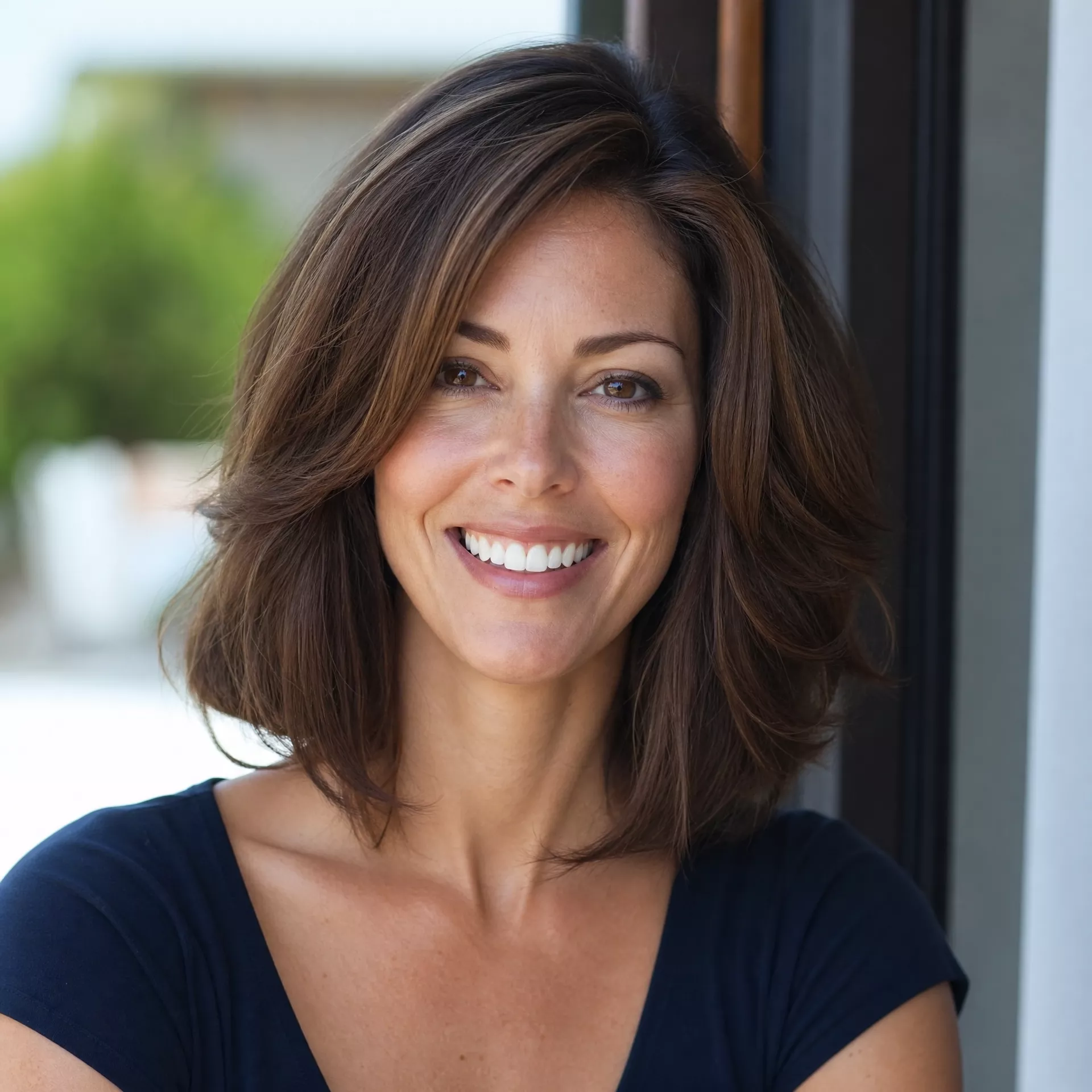
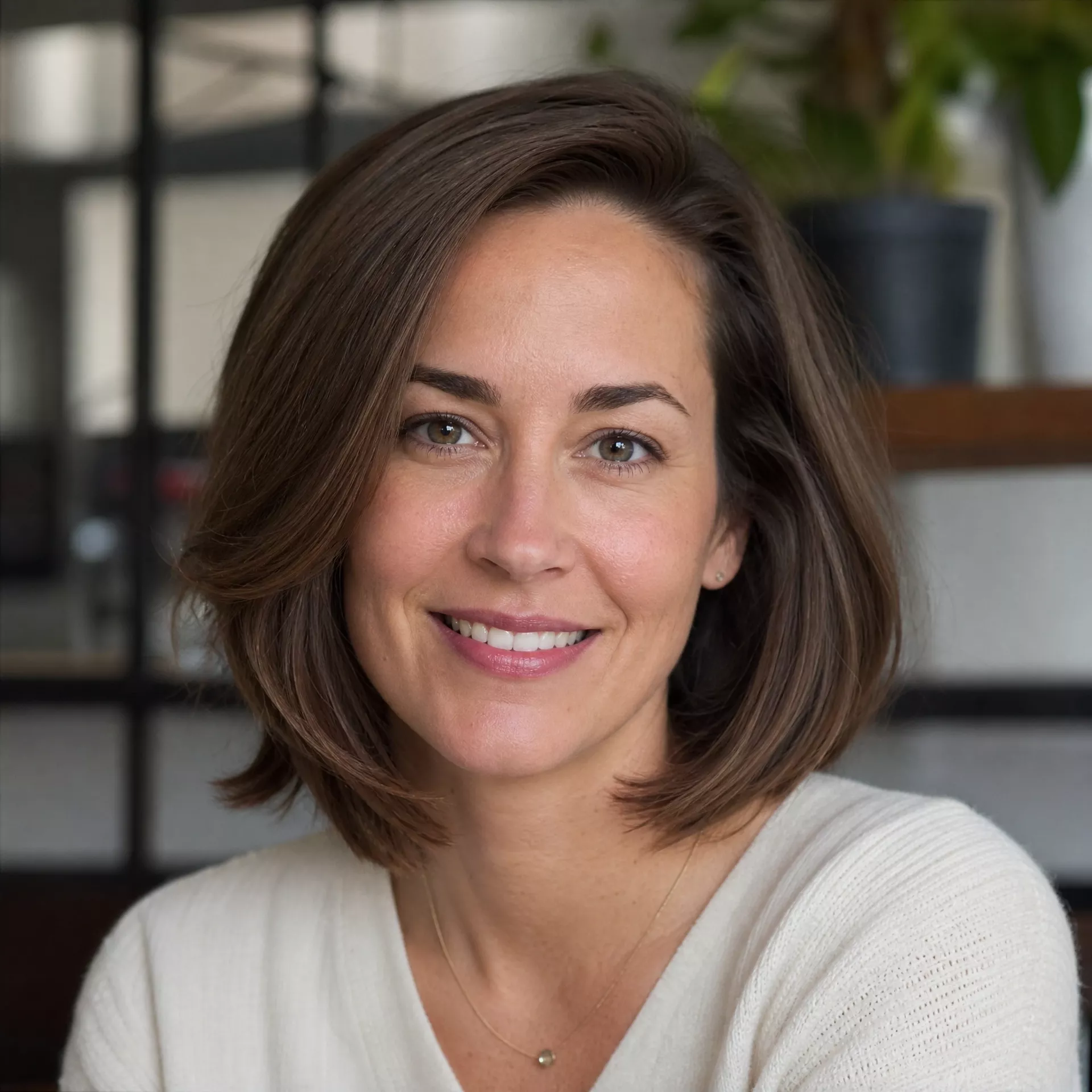
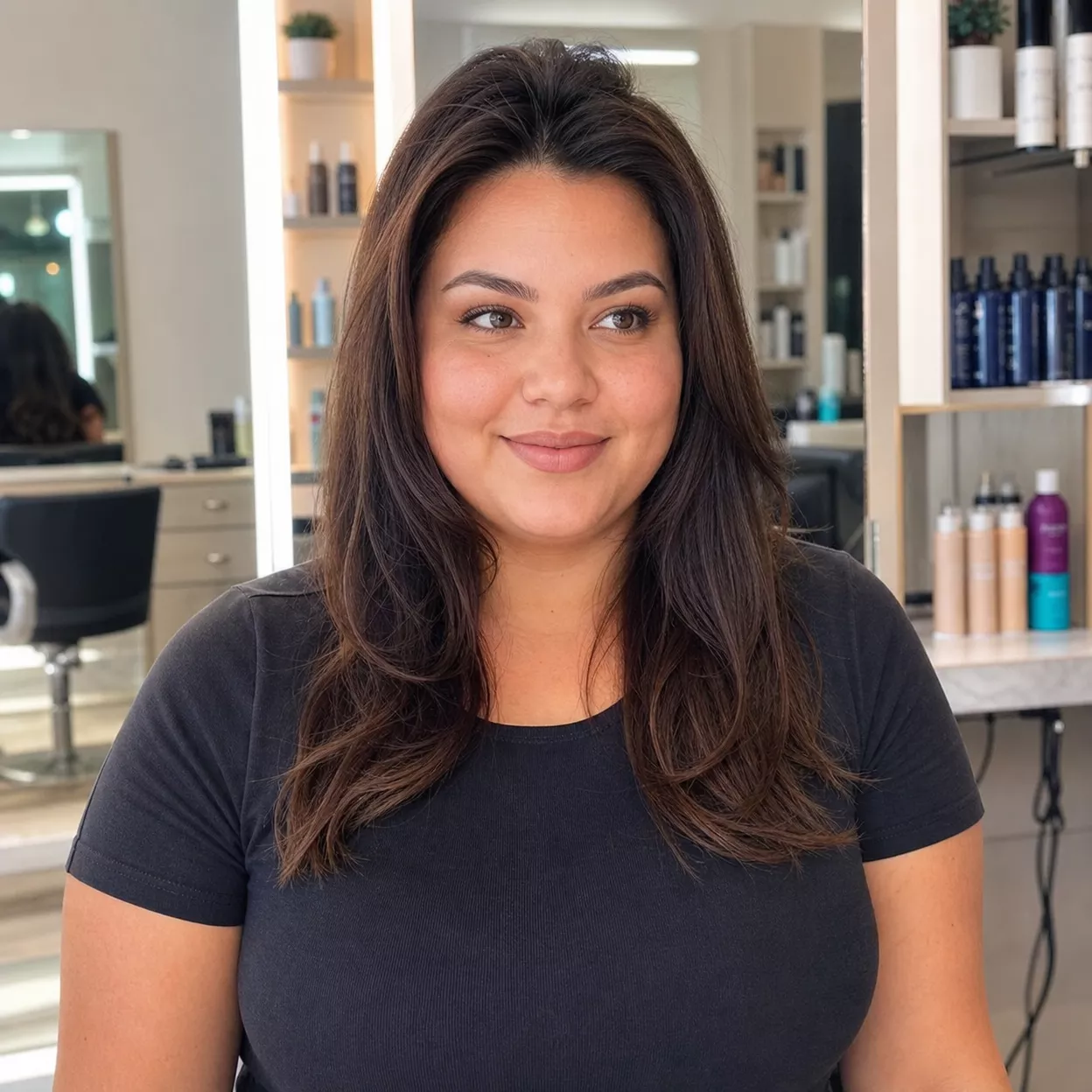
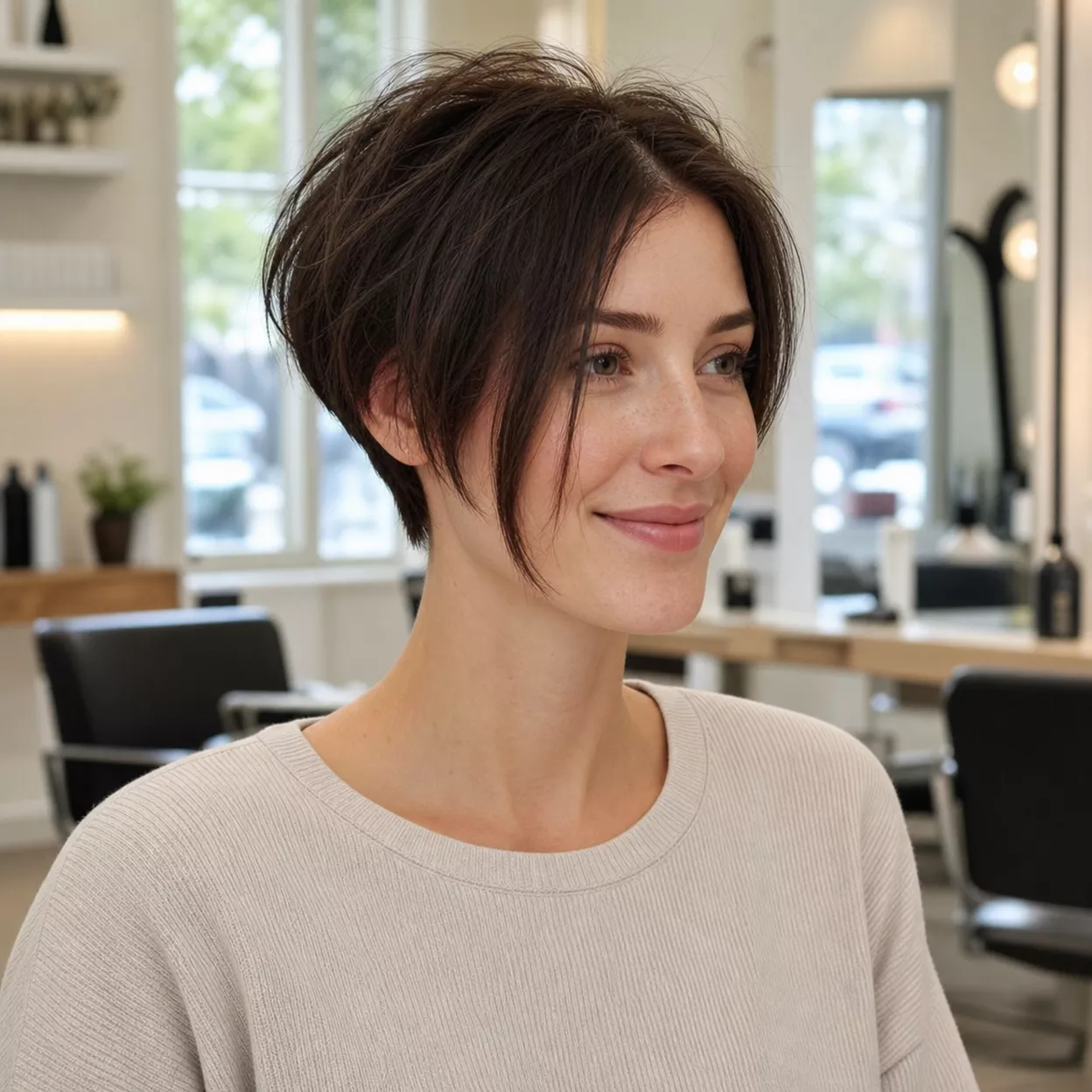
An oval face tends to make long hair easy to adapt. Because the proportions are fairly balanced, there’s often no single feature a haircut has to work around, so layers, fringe, waves, and sleek lengths can all be on the table. That flexibility only goes so far, though. Two people with oval faces can ask for the same long layered cut and end up with noticeably different results, because their hair isn’t doing the same thing.
Density, strand thickness, natural texture, where the hair parts, how it grows at the hairline, and how much styling happens each morning all shape the outcome more than the face underneath it.
It also helps to know what you’re looking at. Some of the 24 ideas below are haircuts. Some are styling methods that can sit on top of several different cuts. And some combine a cut with color. Keeping those apart makes it much easier to decide what to ask for, and what to expect once you’re home and styling it yourself.
Long Layers with Face Framing
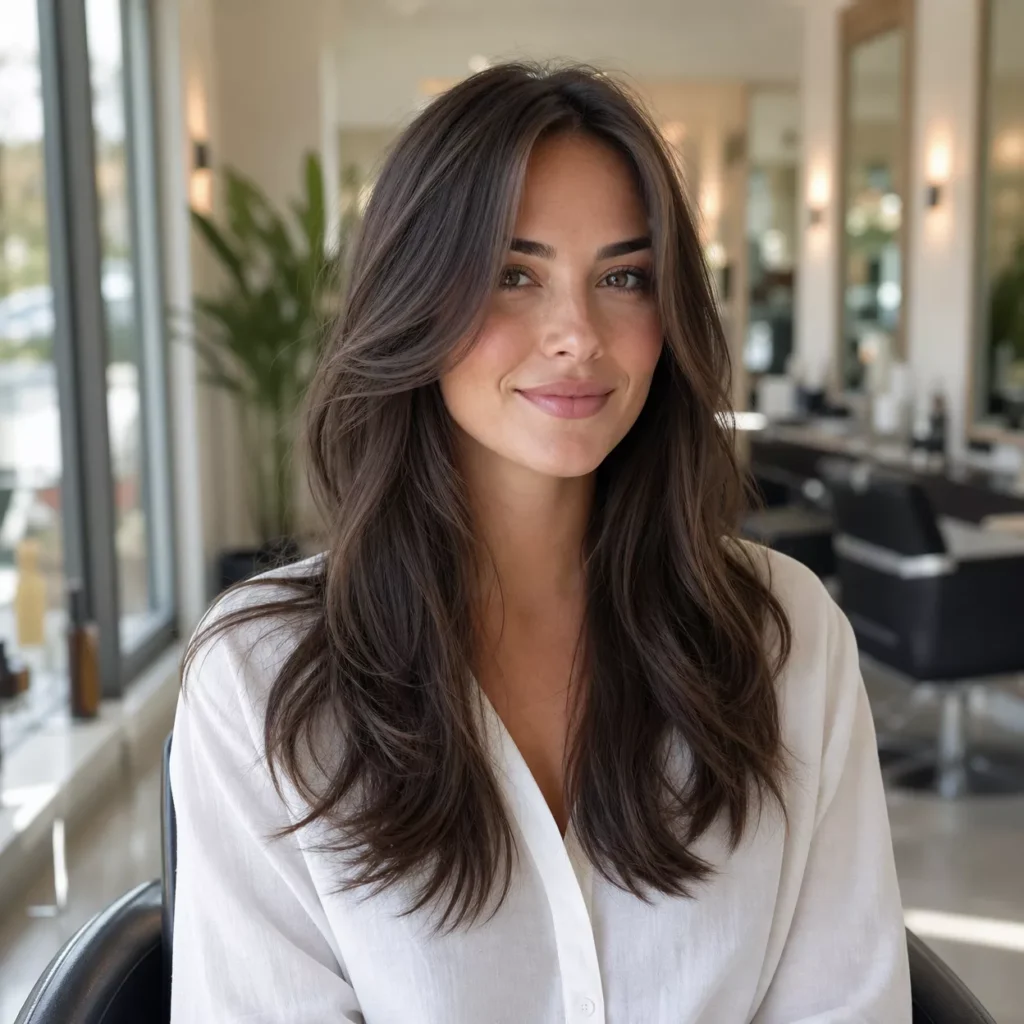
The decision that matters most here is where the first face-framing layer begins. Starting it near the cheekbone creates visible movement around the face; starting it at the jaw or lower keeps the frame softer and the length calmer. From there, the layers lengthen toward the back.
Shorter framing shows more movement, but it also asks for more attention when styling, since short front pieces can flip or fall forward. Fine hair with good density usually handles this well. Low-density hair often looks fuller with fewer, longer framing pieces. On thick hair, the layering can lighten the front without thinning the back. Straight hair shows each layer clearly, while wavy hair tends to blend them.
Beachy Waves with Center Part
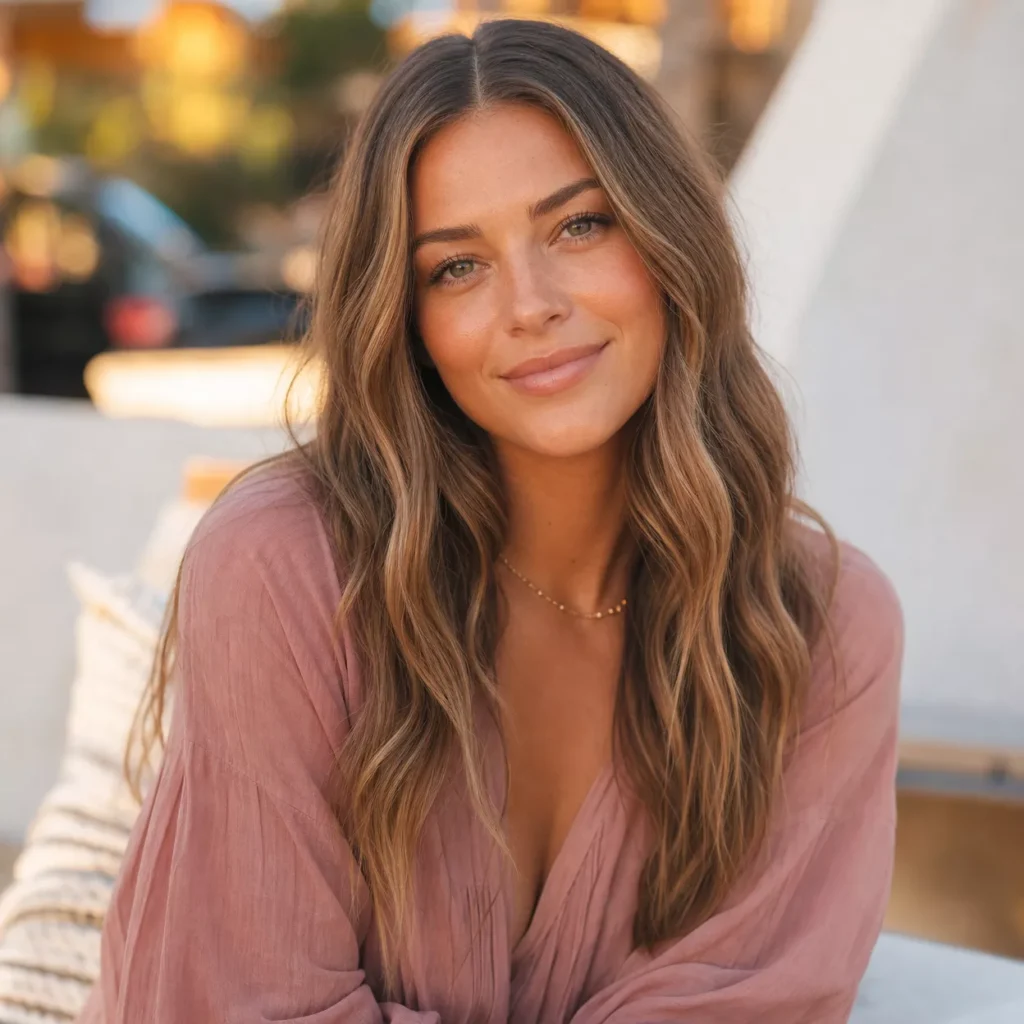
Natural waves and heat-created beach waves can look alike in photos but behave very differently. Natural waves form as the hair dries, often with a little cream or salt spray, but their pattern can be uneven and humidity can push them toward frizz. Heat-created waves from a wand or flat iron are more uniform, need recreating each time, and may drop over the day. Density decides how full either version looks. The center part splits the hair evenly and sits best when it matches your natural part. Air-drying alone rarely reproduces a heat-styled reference photo.
Curtain Bangs with Long Hair
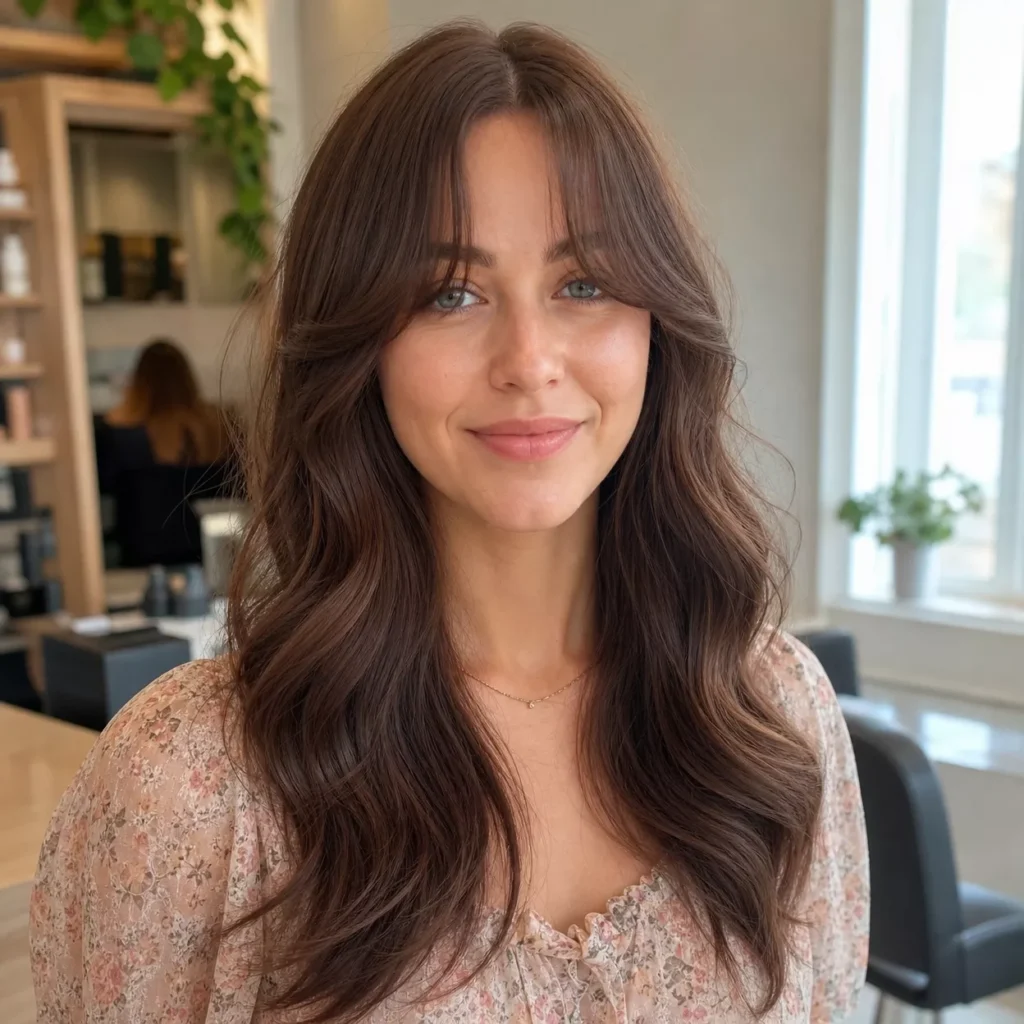
Curtain bangs are a decision separate from the long cut. They part at the center and sweep toward the cheekbones, ideally blending into the first face-framing layer. They settle most easily when the split follows your natural part, and they need enough density at the hairline to look full. Straight hair usually needs a quick blow-dry to sweep them outward; wavy hair may help them fall but can also make them shrink. They come with their own upkeep: trims between full haircuts and an in-between stage if you decide to grow them out. Our guide to curtain bang hairstyles covers more variations.
Long Straight Hair with Side Part
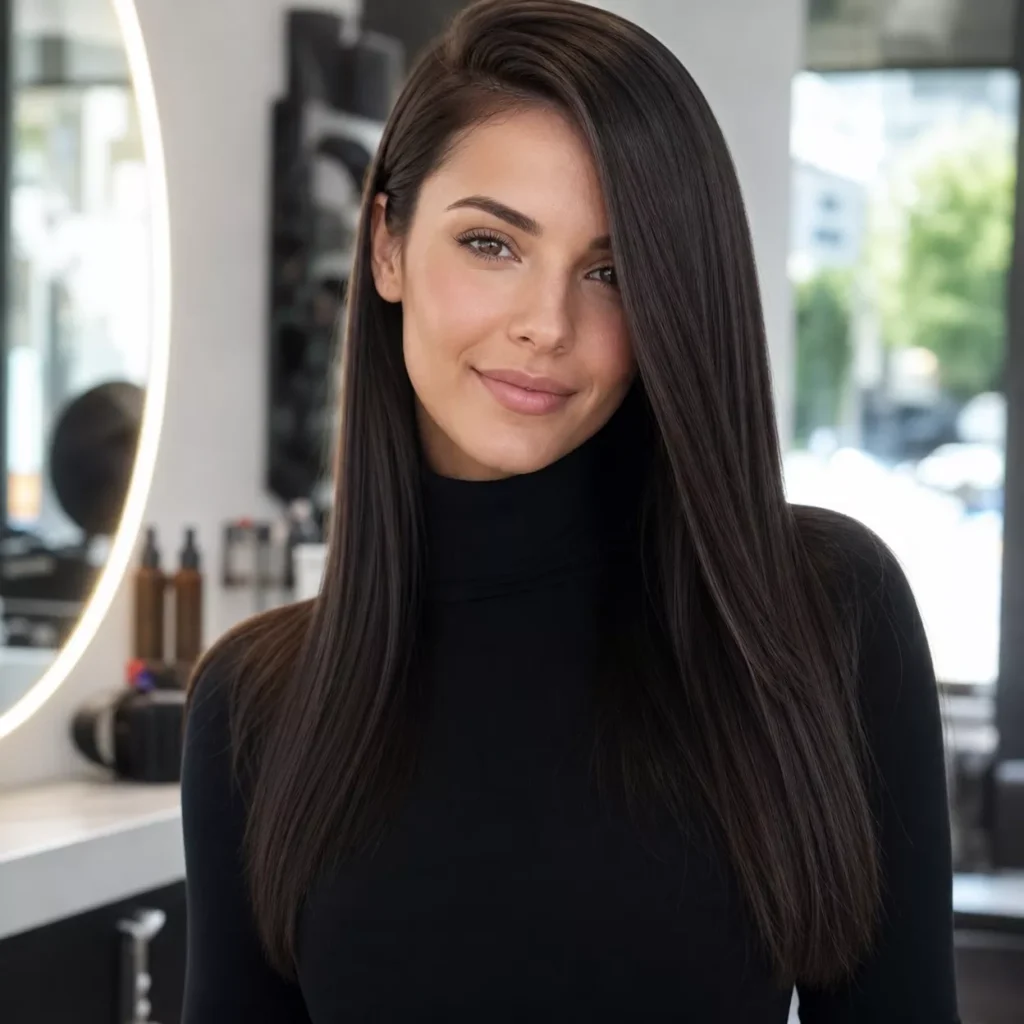
The cut here is a long, mostly straight length; the side part and sleek finish are styling. Moving the part to one side shifts more hair over that side and creates a diagonal line across the forehead. It holds best when it follows your natural part, and a cowlick at the front can keep pushing it back toward the center. On naturally straight hair, the finish may need only brushing and a little serum; on wavy hair, it usually takes a blow-dry or flat iron. Long straight hair also shows the perimeter clearly, so uneven or split ends are easy to spot.
Long Layered Hair with Balayage
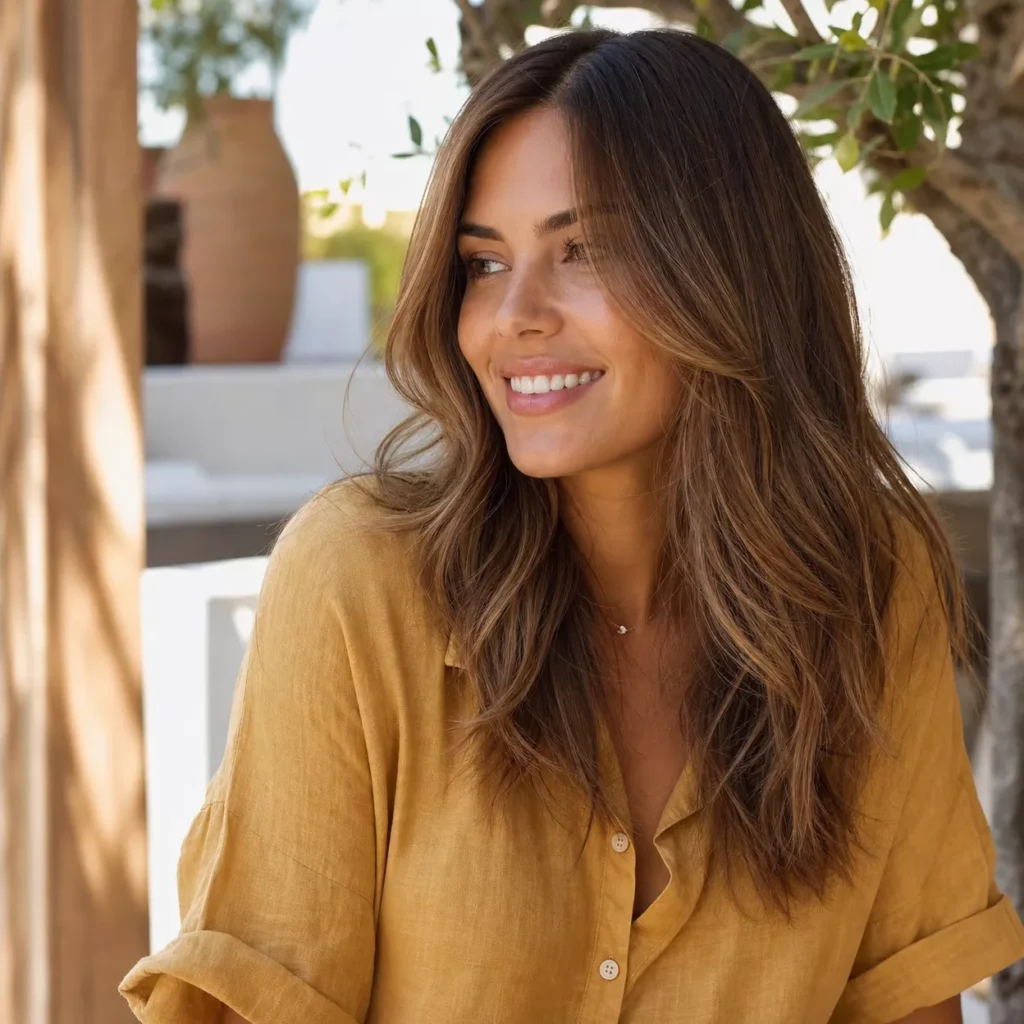
Layers create the shape; balayage creates color dimension. They complement each other, since lighter painted sections placed along the layers make their movement easier to see, but they solve different problems. Balayage is hand-painted and usually starts a little away from the root, so the grow-out tends to be softer than with foiled highlights, though how soft depends on contrast and your starting color. Darker bases need more lightening to reach brighter tones, and the lightened sections may need toning as they fade.
Boho Waves with Middle Part
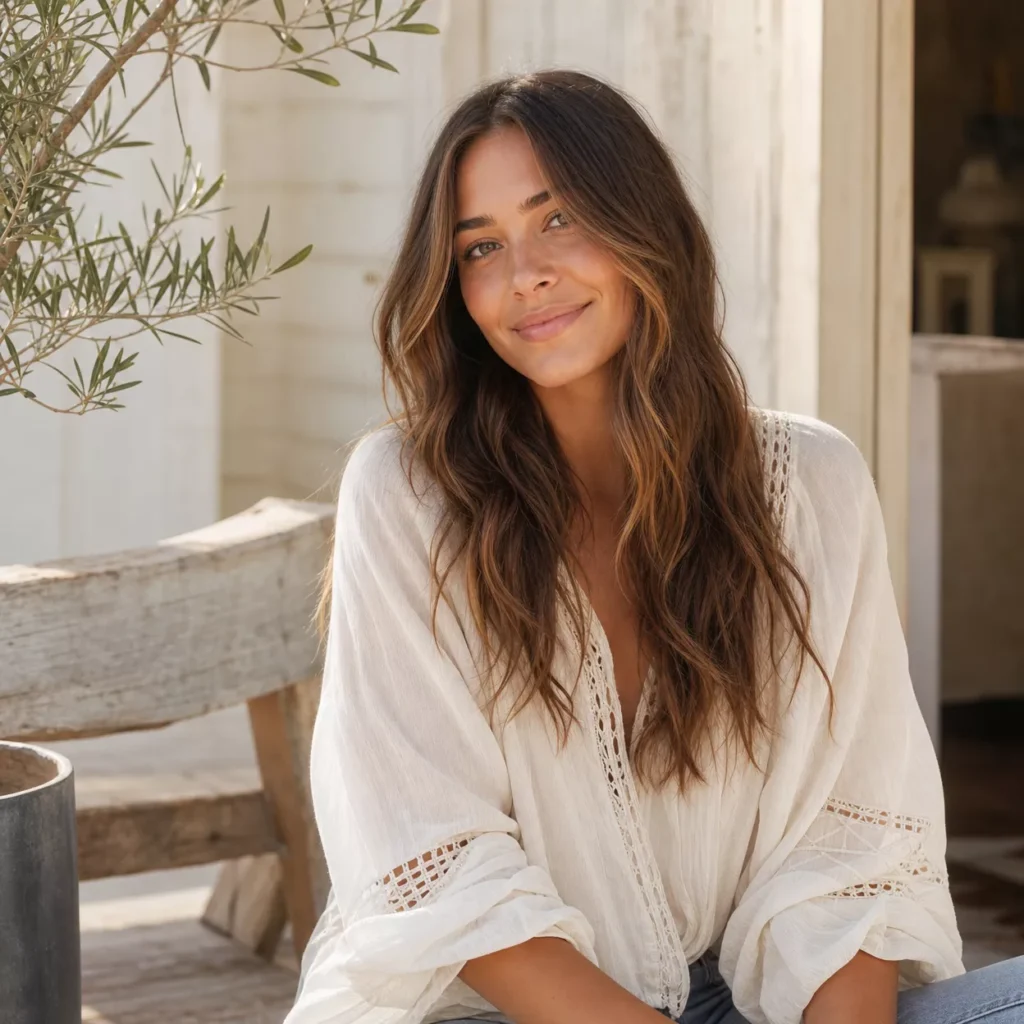
Boho describes a finish rather than a haircut: loose, irregular waves that look relaxed instead of set. On naturally wavy hair, that can come from air-drying with a light product. On straight hair, it usually means a wand or flat iron, with the roots left smoother and the waves starting lower down. The middle part keeps the frame symmetrical. Density changes the character. Dense hair makes the look full, while fine hair can sit flatter at the root. Humidity may loosen heat-made waves or frizz natural ones.
Long Hair with Curtain Bangs and Highlights
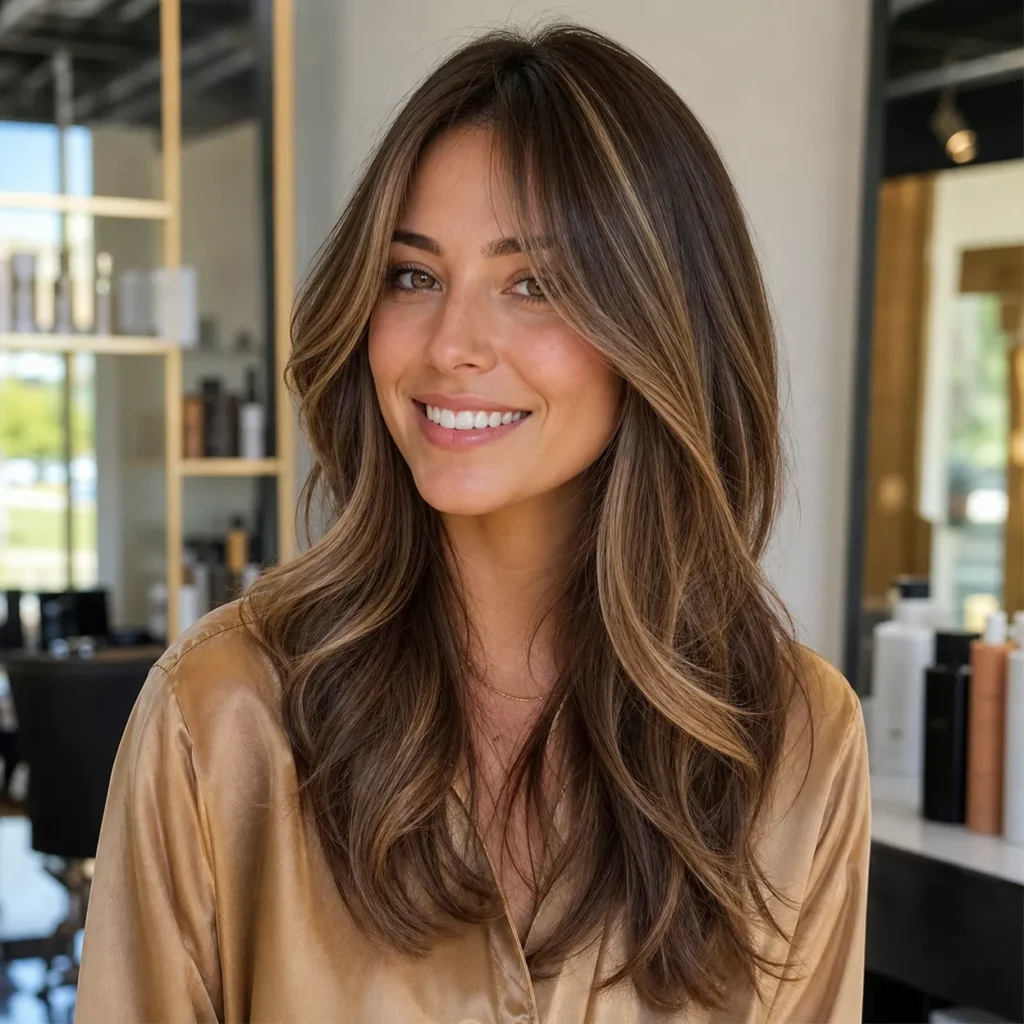
Three separate decisions overlap here: the long cut, the curtain fringe, and the highlights. They meet around the face. Highlights placed in the fringe and face-framing pieces brighten that area; placed further back, they add dimension through the lengths instead. The fringe depends on your natural part and hairline density, and the highlights depend on your starting base. Each has its own upkeep. The fringe needs trimming, the highlights need refreshing as they grow out, and the long cut itself can usually go longer between appointments.
Sleek Blowout on Long Hair
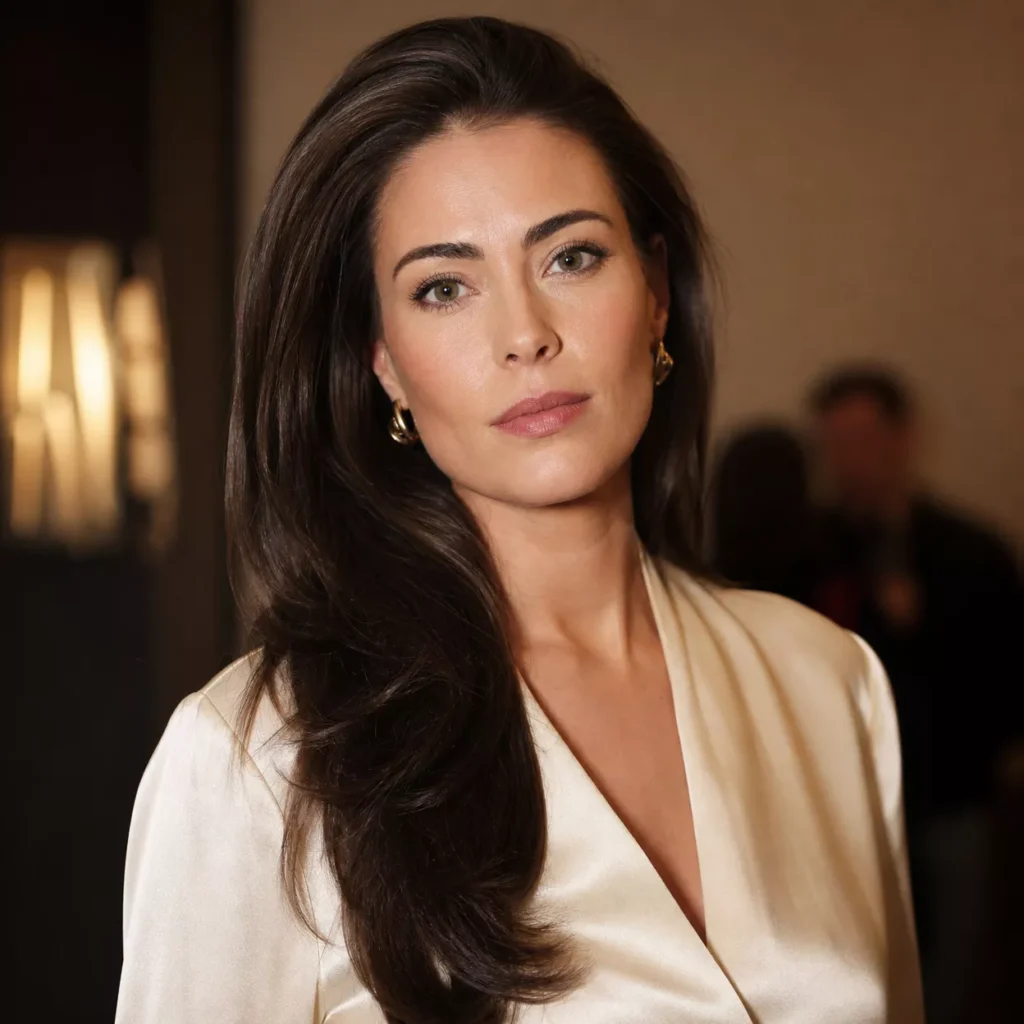
A blowout is a temporary finish, not a haircut. A round brush lifts the roots and smooths the lengths, and the result depends heavily on technique and texture. Straight and wavy hair often hold a blowout longer than curly hair, which may revert in humidity. Dense hair takes longer to dry and smooth. Keeping some lift at the crown stops long hair from lying flat against the head, which matters more as length and weight increase. How long the result lasts varies with your hair, the weather, and how you sleep on it.
Long Hair with Money Piece Highlights
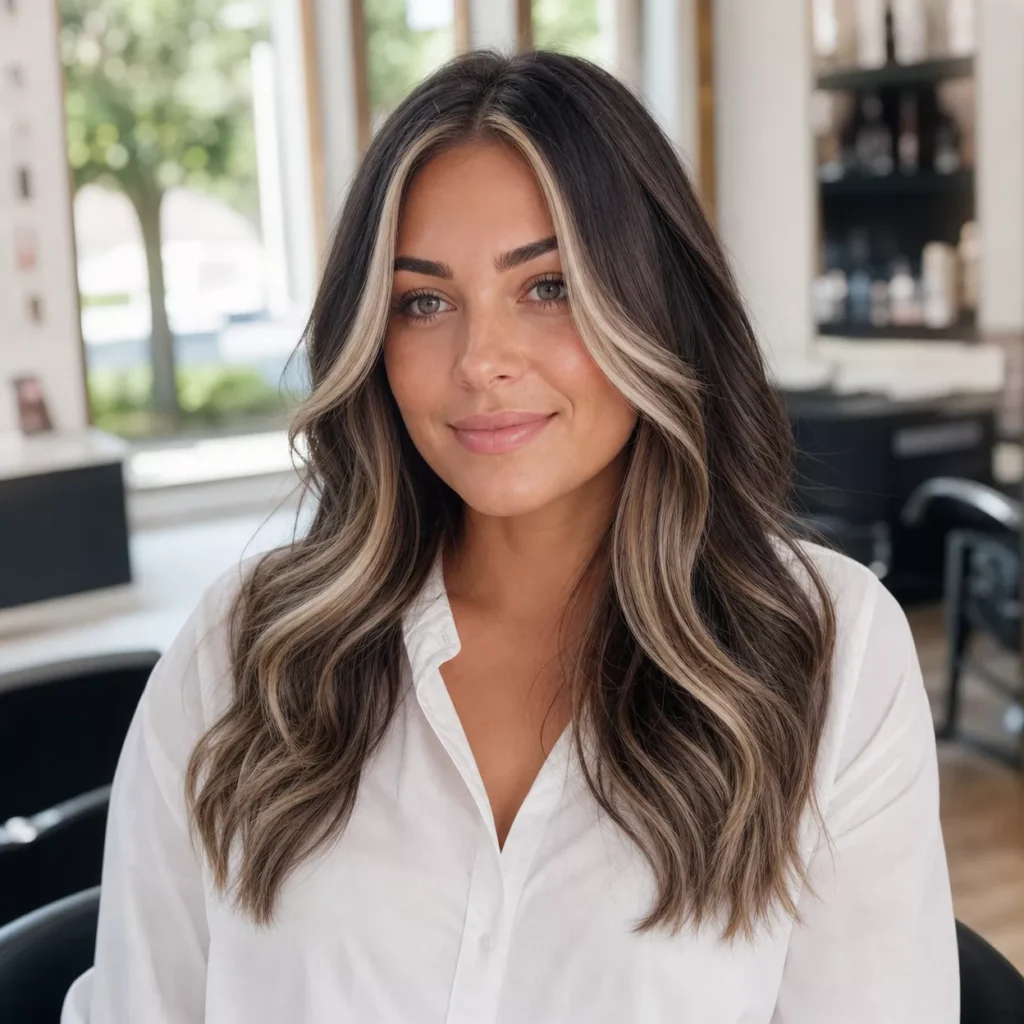
A money piece places lighter color in two sections at the front hairline, framing the face while the rest of the hair stays its base shade. The haircut doesn’t change. The gap between subtle and high-contrast versions is large: a shade close to your base reads as soft brightness, while bright blonde against dark hair looks bold. Darker bases need more lightening. Because the pieces sit right at the hairline, regrowth becomes visible there quickly.
Long Romantic Curls
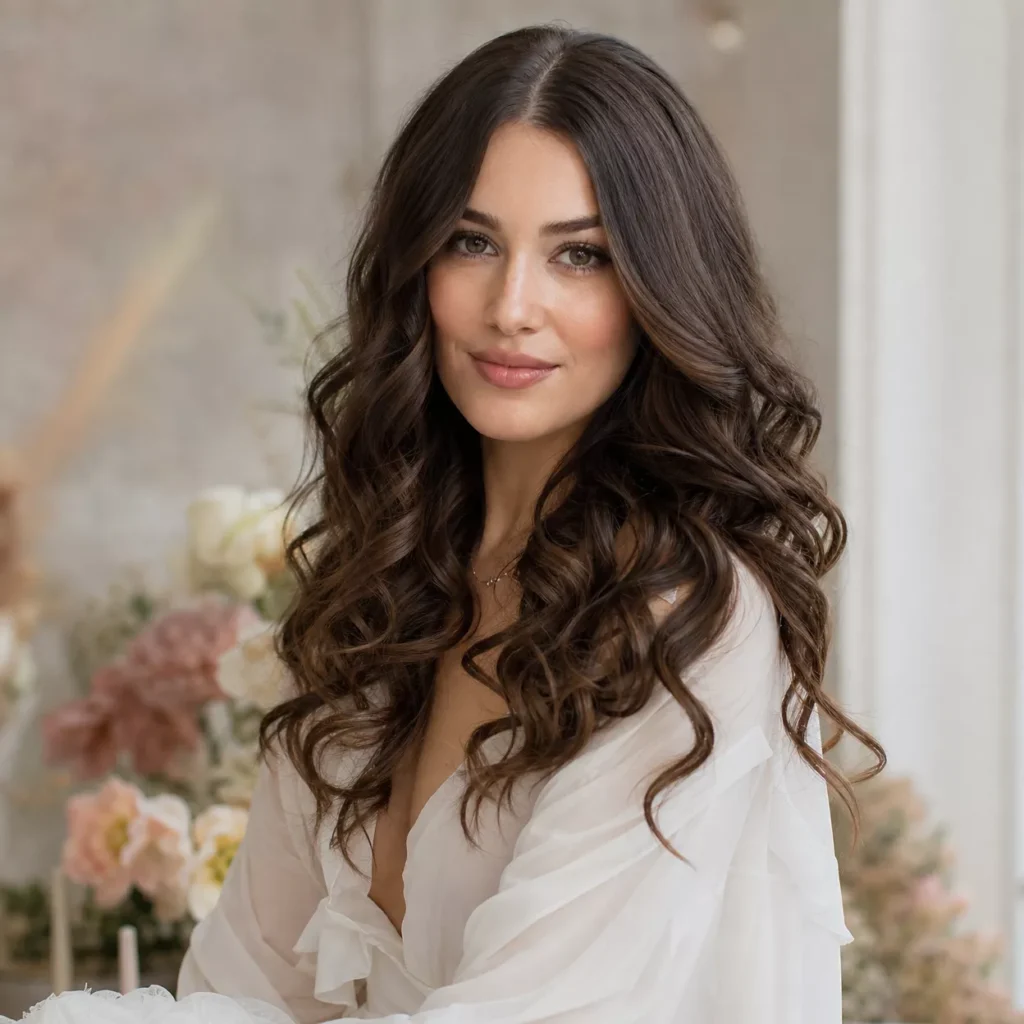
Long curls are shaped partly by their own weight. On naturally curly hair, length can stretch the curls near the root so they look looser at the top than at the ends. Heat-created curls on straighter hair tend to be more uniform but relax over the day, especially on fine hair. Density decides fullness: dense hair makes a voluminous shape, while low-density hair gives a more open one. Humidity can loosen set curls or frizz natural ones, and the right product depends on which kind you have.
Long Shag with Curtain Bangs
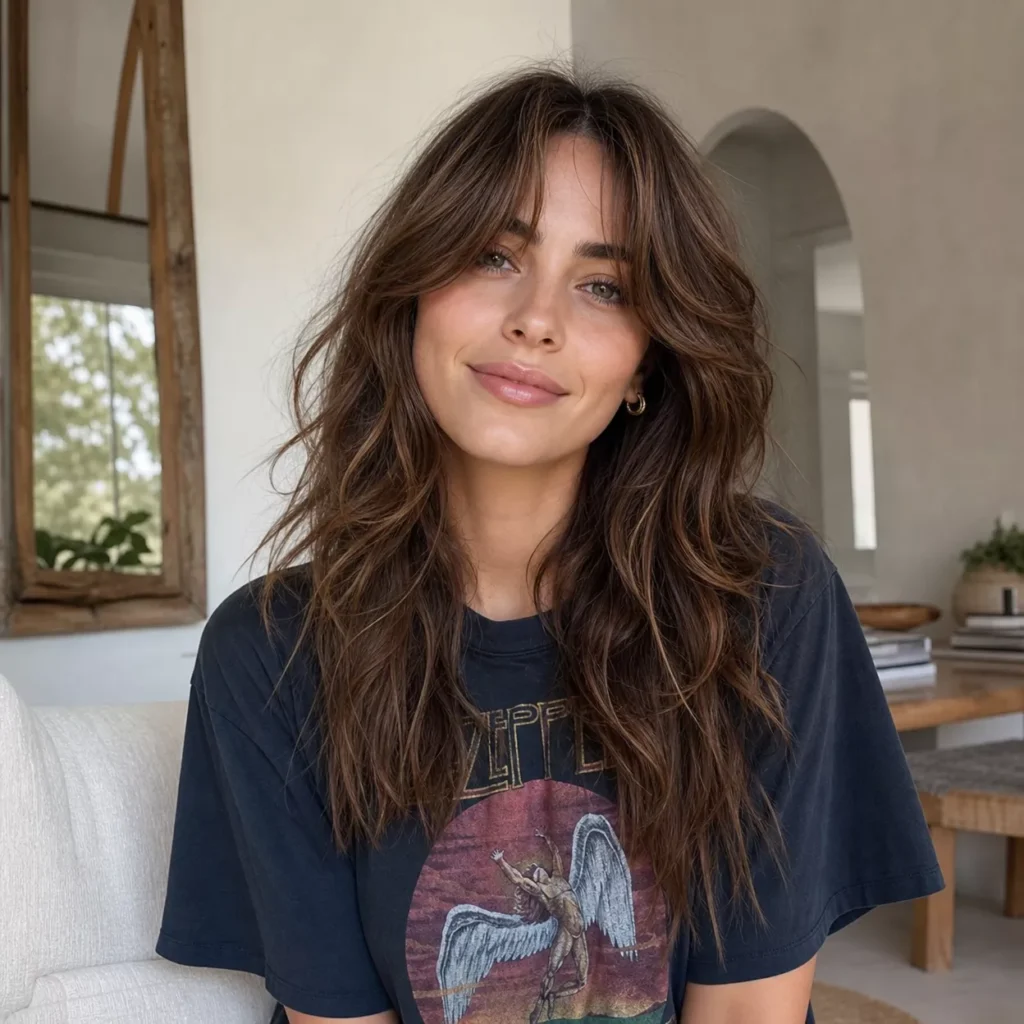
A long shag has a specific structure: shorter layers at the crown, internal layers through the lengths, face-framing pieces, and here, curtain bangs connecting the front. That layering creates movement but also removes a lot of weight.
On fine or low-density hair, aggressive shag layering can take away too much visible fullness, particularly at the ends. On dense hair, too many crown layers can widen the top. Curly and coily hair may shrink, so the layers and bangs sit higher than they were cut. Wavy hair usually falls into the shape most easily.
Long Hair with Wispy Fringe
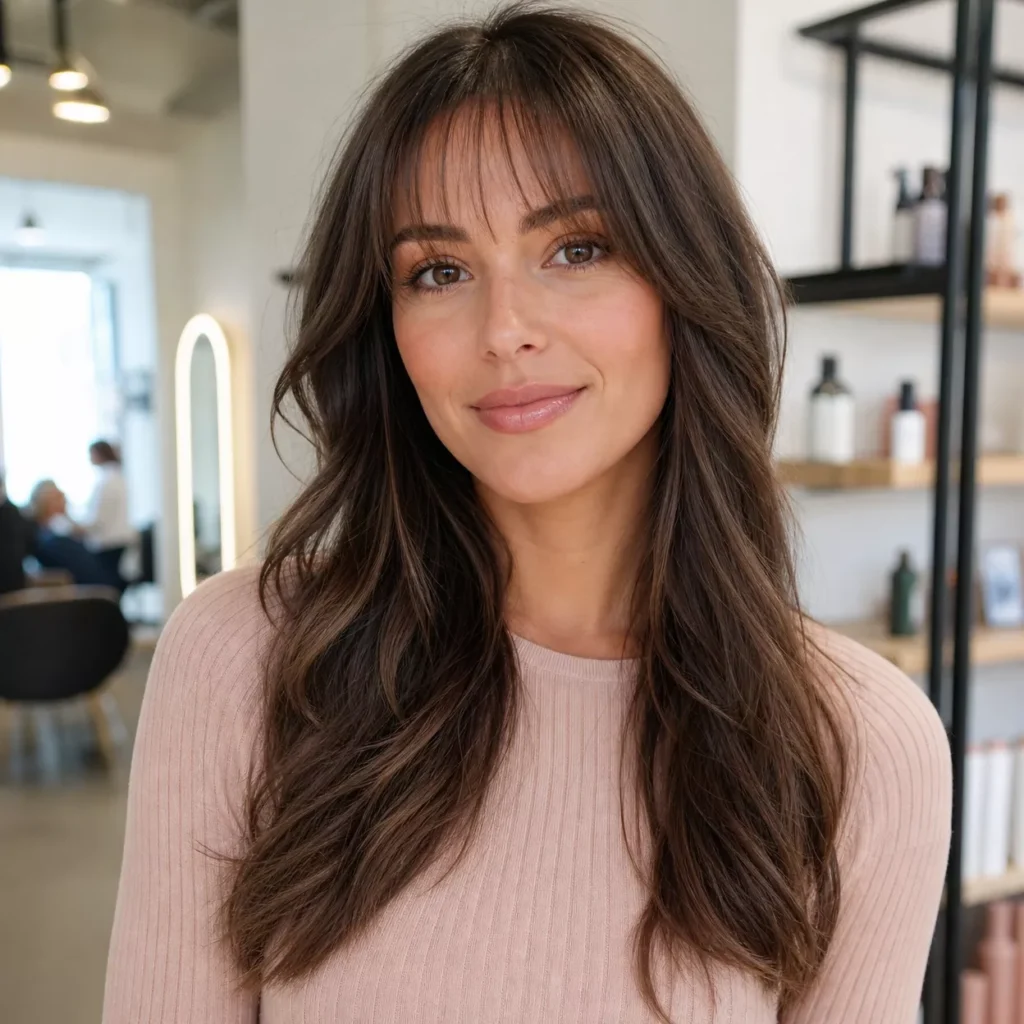
A wispy fringe is cut light enough to see through, so how it looks depends on the density of your hairline. On a fuller hairline it reads soft; on a sparse one, it can look patchy. Cowlicks and natural growth direction decide whether it lies flat or springs apart. It usually needs a quick blow-dry to sit evenly, and humidity can make it separate. Growing it out involves a stage where it falls into the eyes before blending into face-framing pieces.
Long Mermaid Waves
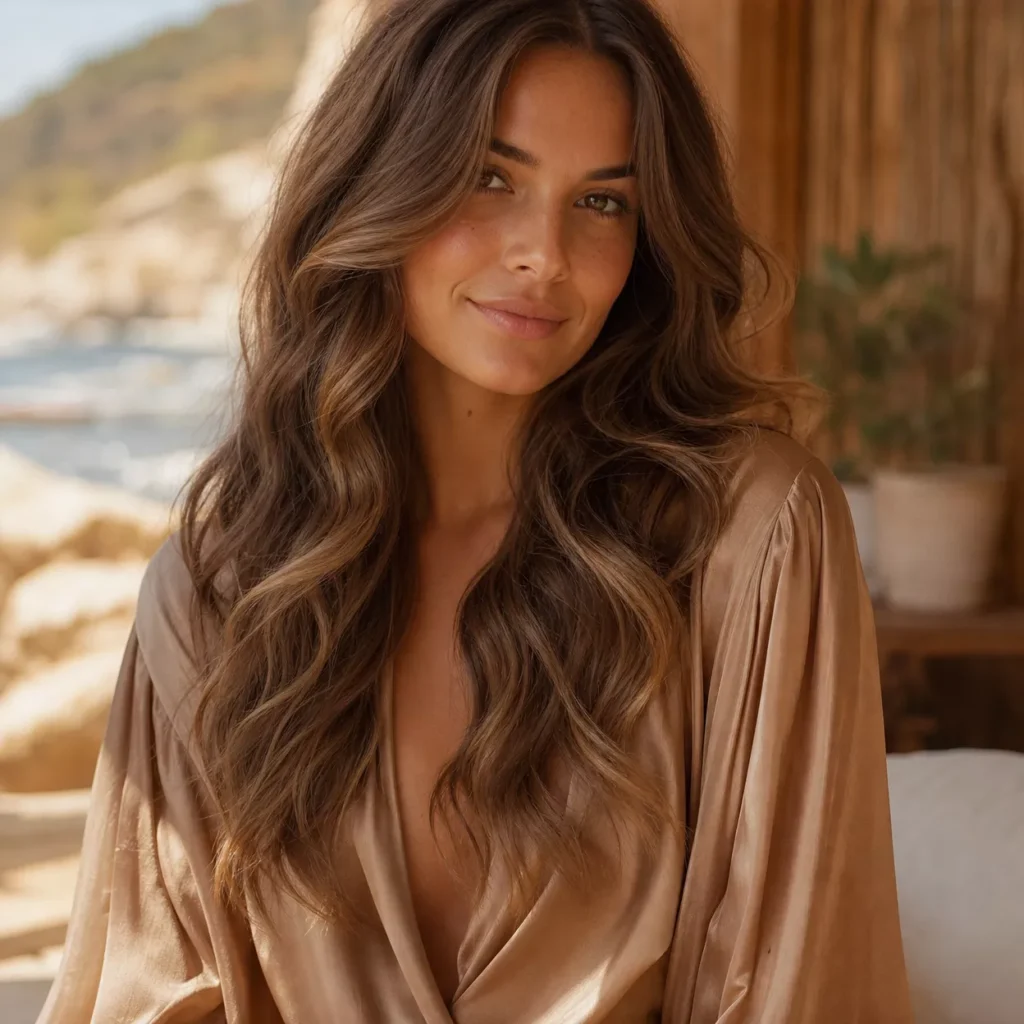
Mermaid waves are large, continuous S-shaped waves running down the length, usually made with a large-barrel iron or wand. They need length, since the pattern repeats along the hair. Where the volume sits depends on where the waves begin. Waves starting at the root add fullness at the top, while waves starting mid-length leave the crown smoother. On naturally wavy hair, a similar effect may be possible with less heat, though the pattern will be less uniform.
Long Hair with Face-Framing Babylights
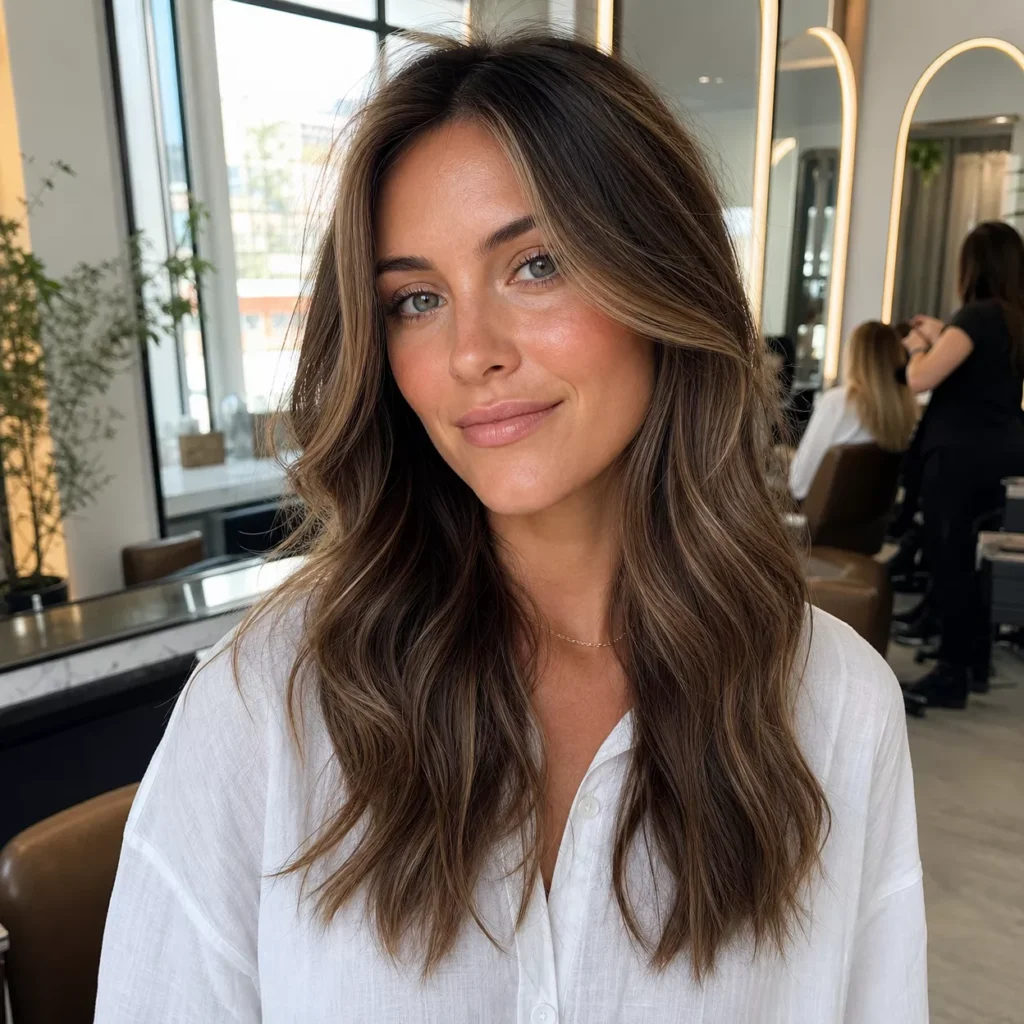
Babylights are very fine highlights placed close together, and concentrating them around the face brightens the front subtly. They’re a color technique, separate from the haircut. Because they’re so fine, the effect depends on contrast: babylights close to your base read as soft dimension, while lighter ones show more brightness. Darker starting colors need more lifting. Regrowth tends to show as a soft band rather than a hard line, but it does show eventually.
Long Feathered Hair
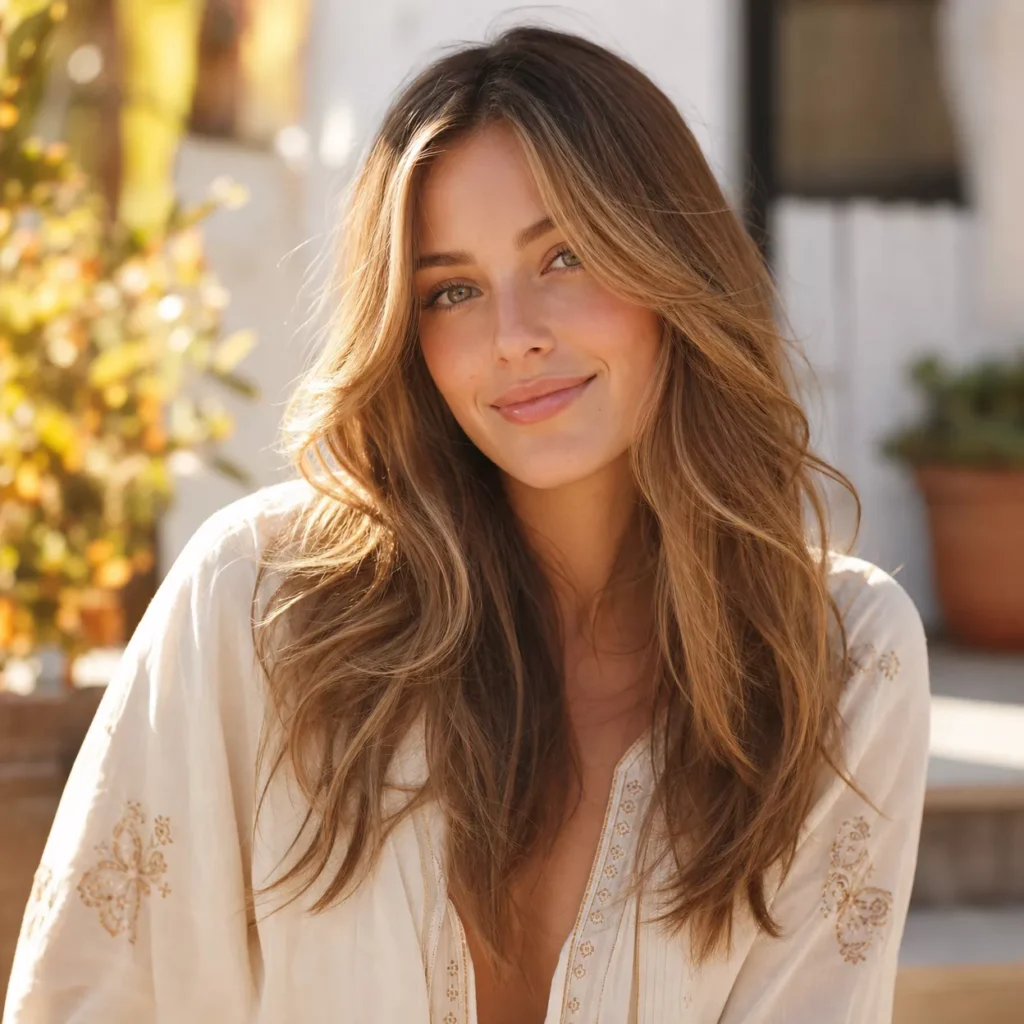
Feathering directs layers outward and back, so the ends sweep rather than hang. It’s different from thinning, which removes bulk without guiding direction, and from texturizing, which breaks up the ends for separation. Feathered layers show their direction most clearly when styled with a round brush; air-dried straight hair may simply fall straight down. On wavy hair, feathering can encourage outward movement more naturally. Fine or low-density hair needs a careful hand so the ends don’t end up looking sparse.
Long Hair with Deep Side Part and Waves
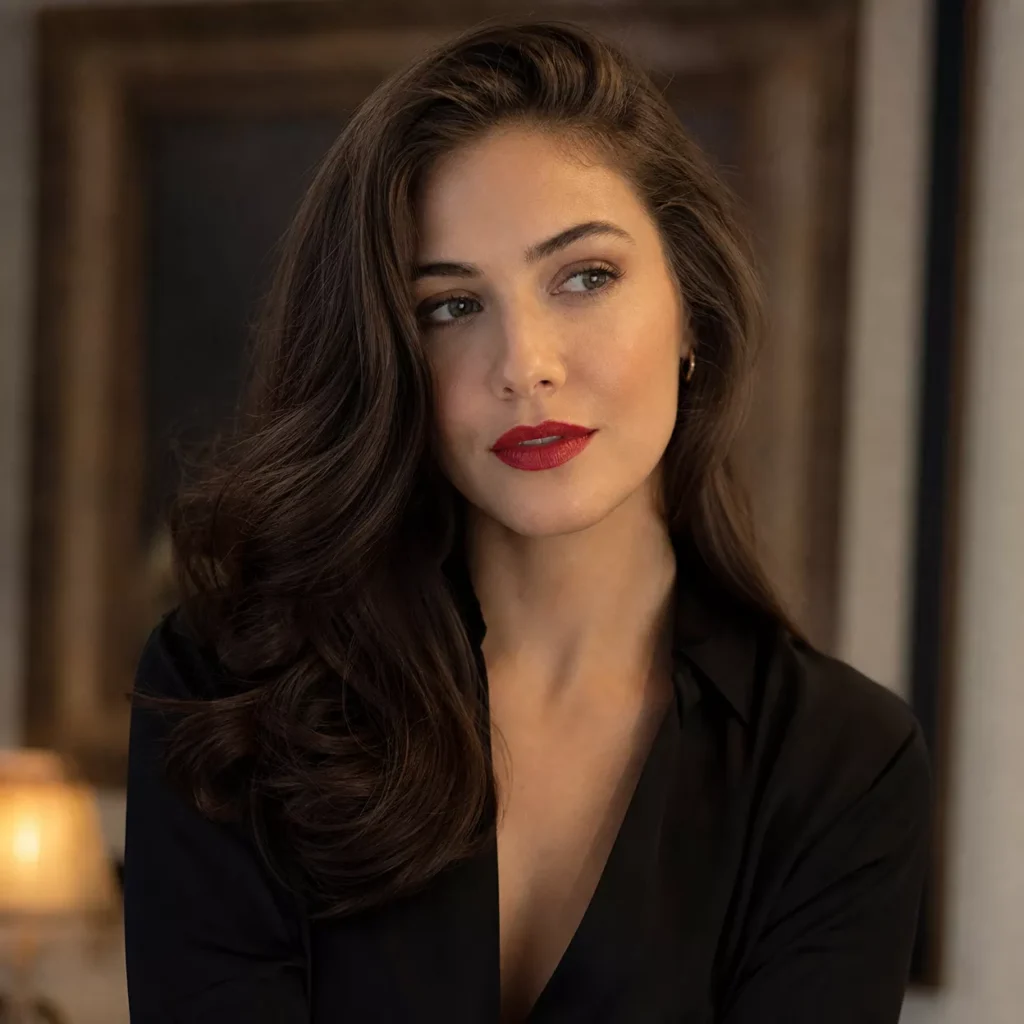
A deep side part sends more hair across one side, turning a symmetrical silhouette into an asymmetrical one. Waves that follow the same direction make the heavier side look fuller still. The part holds best when it matches your natural part; created parts tend to drift. Lifting the crown before setting the part keeps the heavier side from flattening. On dense hair, that side may need some internal weight removed, while on low-density hair, a very deep part can show more scalp along the line.
Long Straight Hair with Blunt Ends
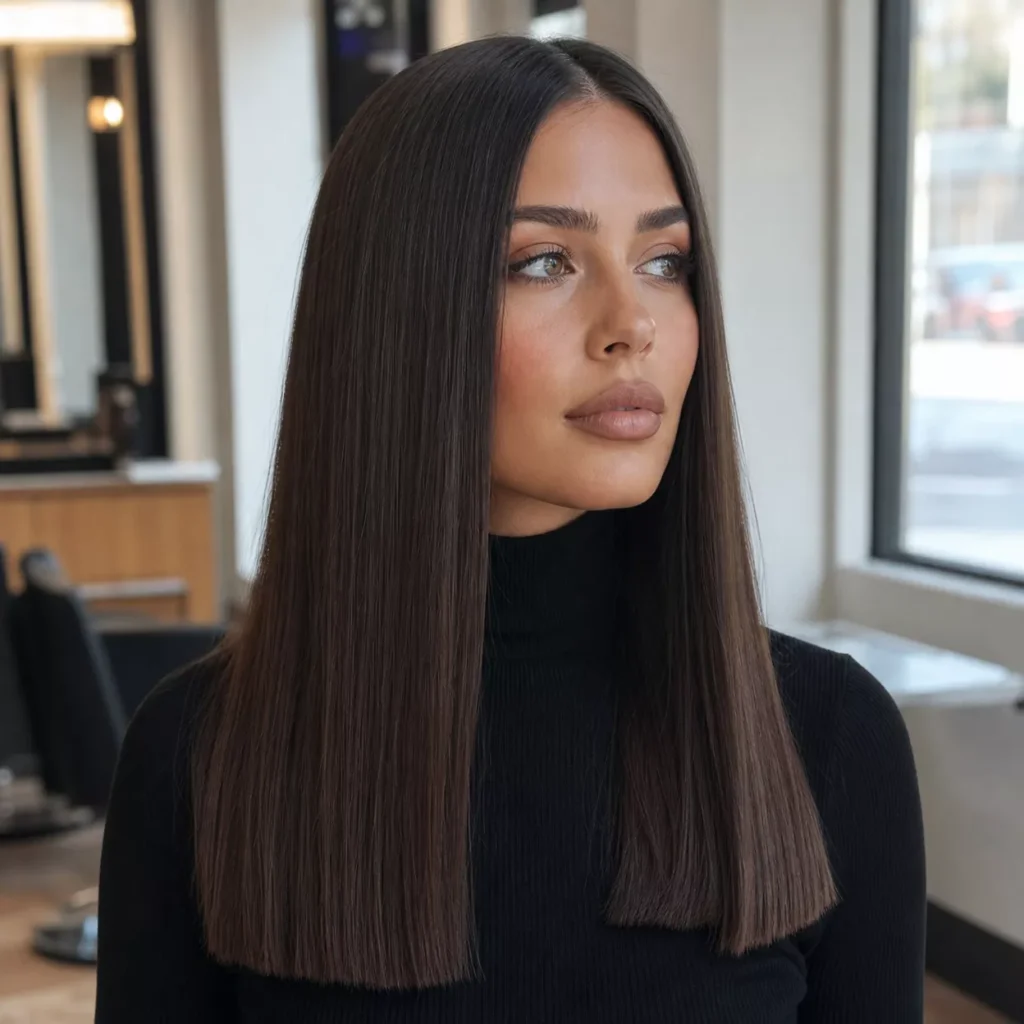
The perimeter defines this cut. A blunt line at the bottom keeps the weight at the ends, which can make long hair look denser, though it doesn’t add any actual hair. Fine and low-density hair often benefit from that visual weight. On thick hair, a blunt line can look heavy unless some interior weight is taken out. Straight hair shows the line clearly. As it grows, the edge loses its precision, so regular trims keep it sharp.
Long Layers with Honey Blonde Color
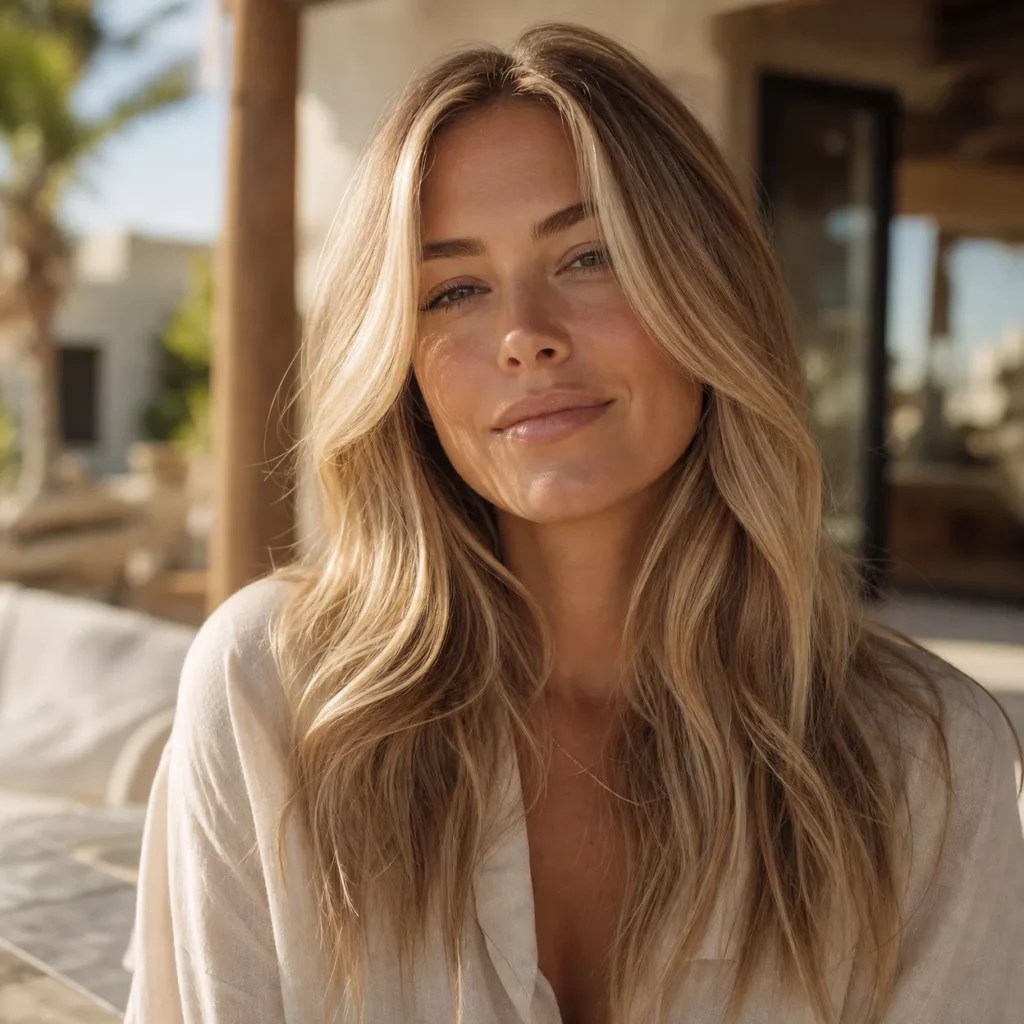
The layers shape the hair; honey blonde changes its color. Placed along the layers, the warm golden tone makes their movement easier to see. Reaching honey from a darker base takes lightening, and the result can lean warmer than expected. Whether you want a natural, low-contrast honey or a brighter one changes how much lift and maintenance is involved. Warm tones can also drift brassy as they fade.
Half-Up Half-Down on Long Hair
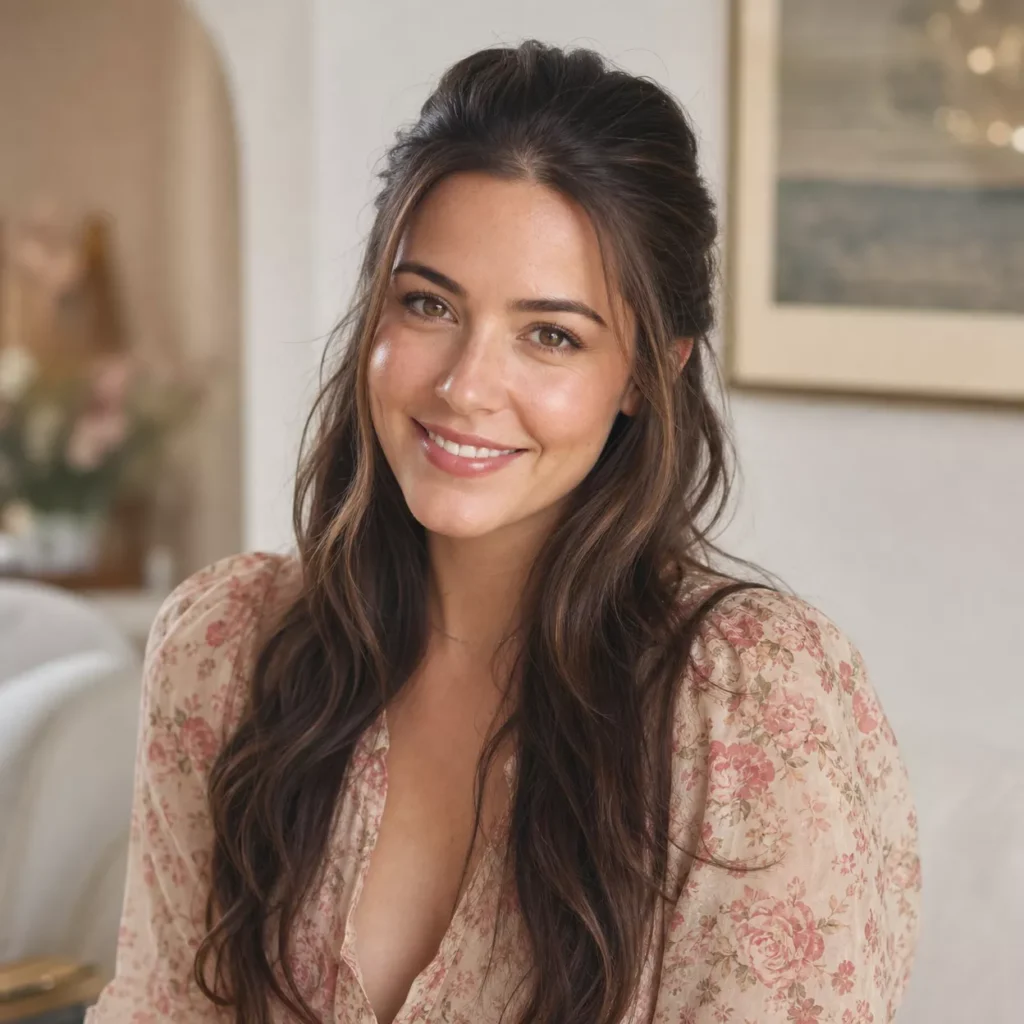
This is a styling idea rather than a haircut. The top section is pulled back and secured at the crown with a clip or elastic, while the rest stays down. Dense hair needs a sturdy clip, while fine hair may slip out of a large one. Leaving a few face-framing pieces loose softens the front. Adding waves before pulling the section back gives the lengths more movement. It works for occasions or everyday wear, though a tight tie worn daily can pull at the crown.
Long Hair with Soft Curtain Bangs and Waves
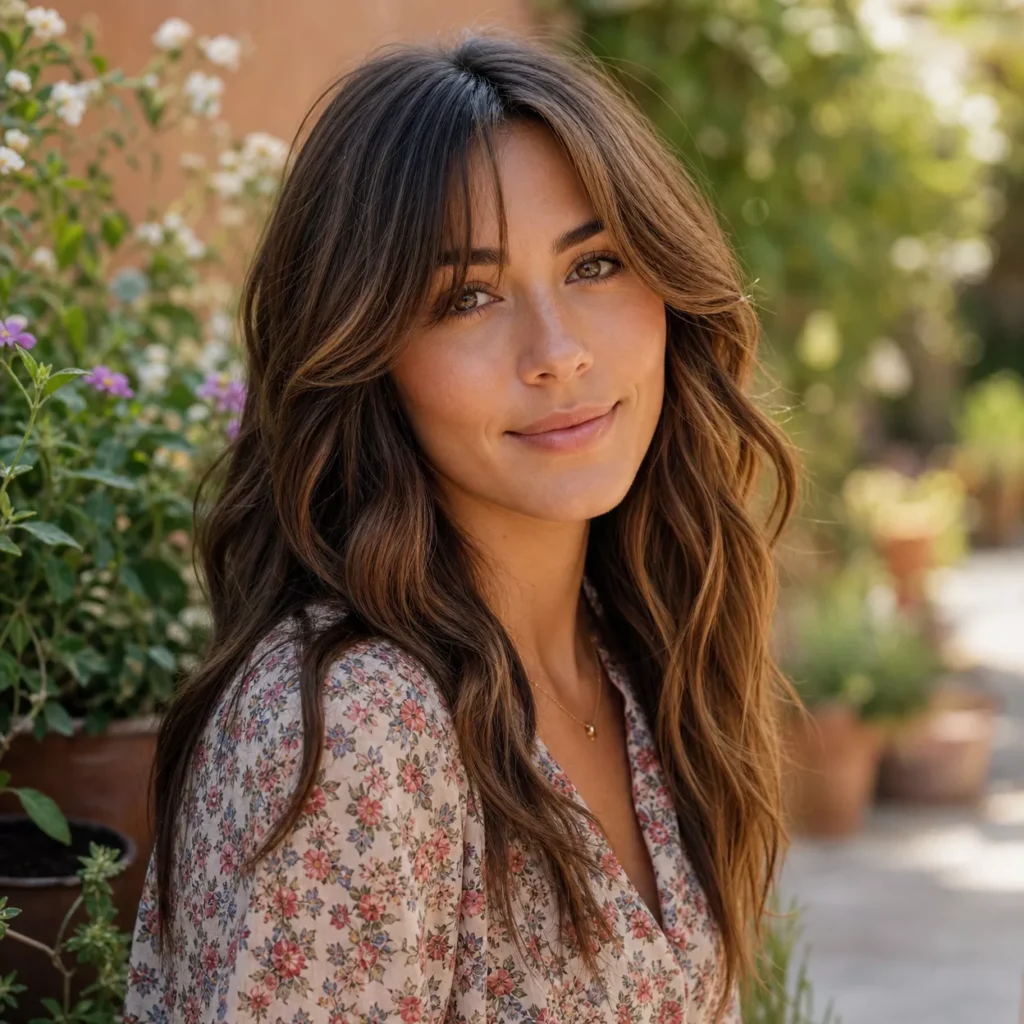
Where the earlier curtain bangs entry is about the fringe itself, this one is about texture. Waves change how the bangs blend into the rest of the hair. With a natural wave, the fringe and face-framing layers tend to flow together more easily than they do on straight hair. Waves can also make the bangs shrink or spring up, so their dry length matters more than their wet length. They still sit best when the split matches your natural part.
Long Caramel Ombre
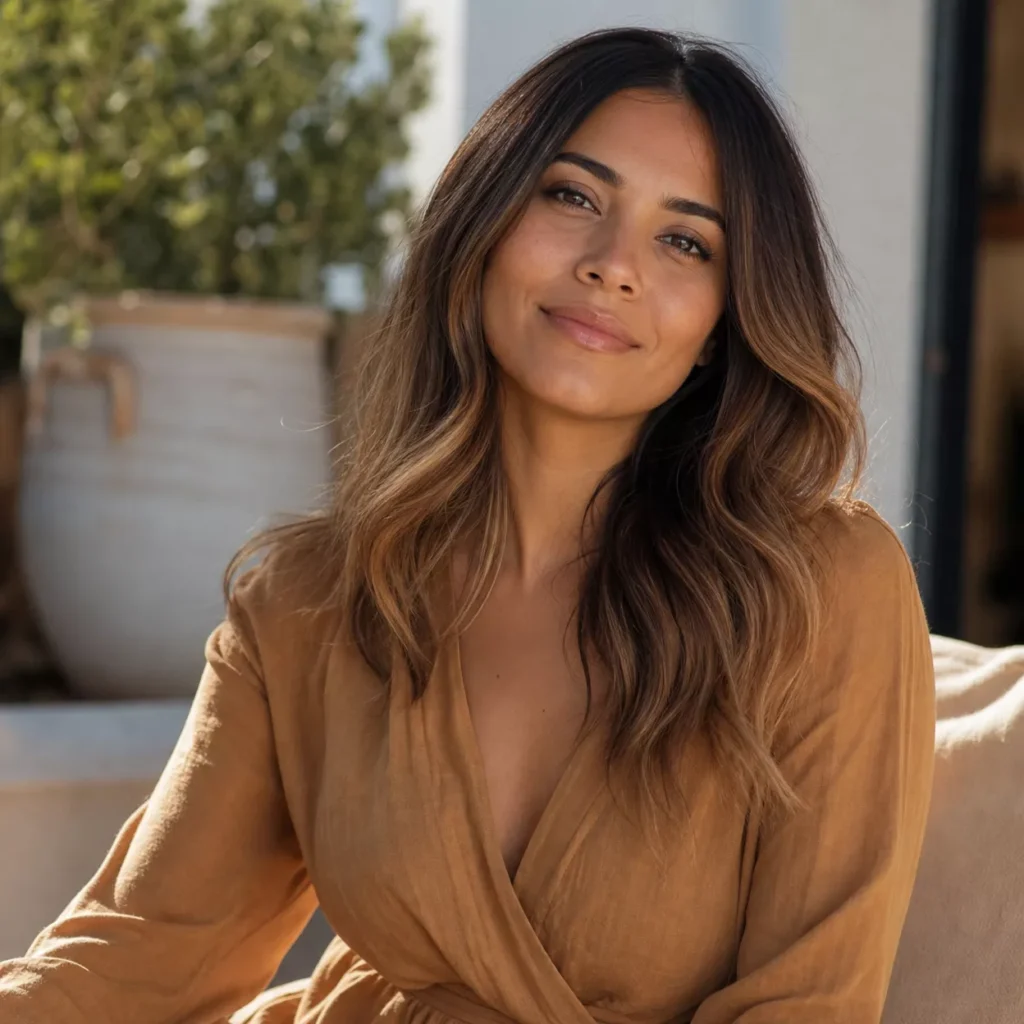
An ombre is a gradient: darker at the root, lighter toward the ends. Here, the transition runs from a deep base into warm, golden-brown ends. Long hair shows the gradient well, since there’s room for a gradual change. The transition zone is the detail to watch. A soft blend looks deliberate, while an abrupt line can resemble color growing out. The ends are the lightened part and may need toning, and darker bases need more lift to reach caramel.
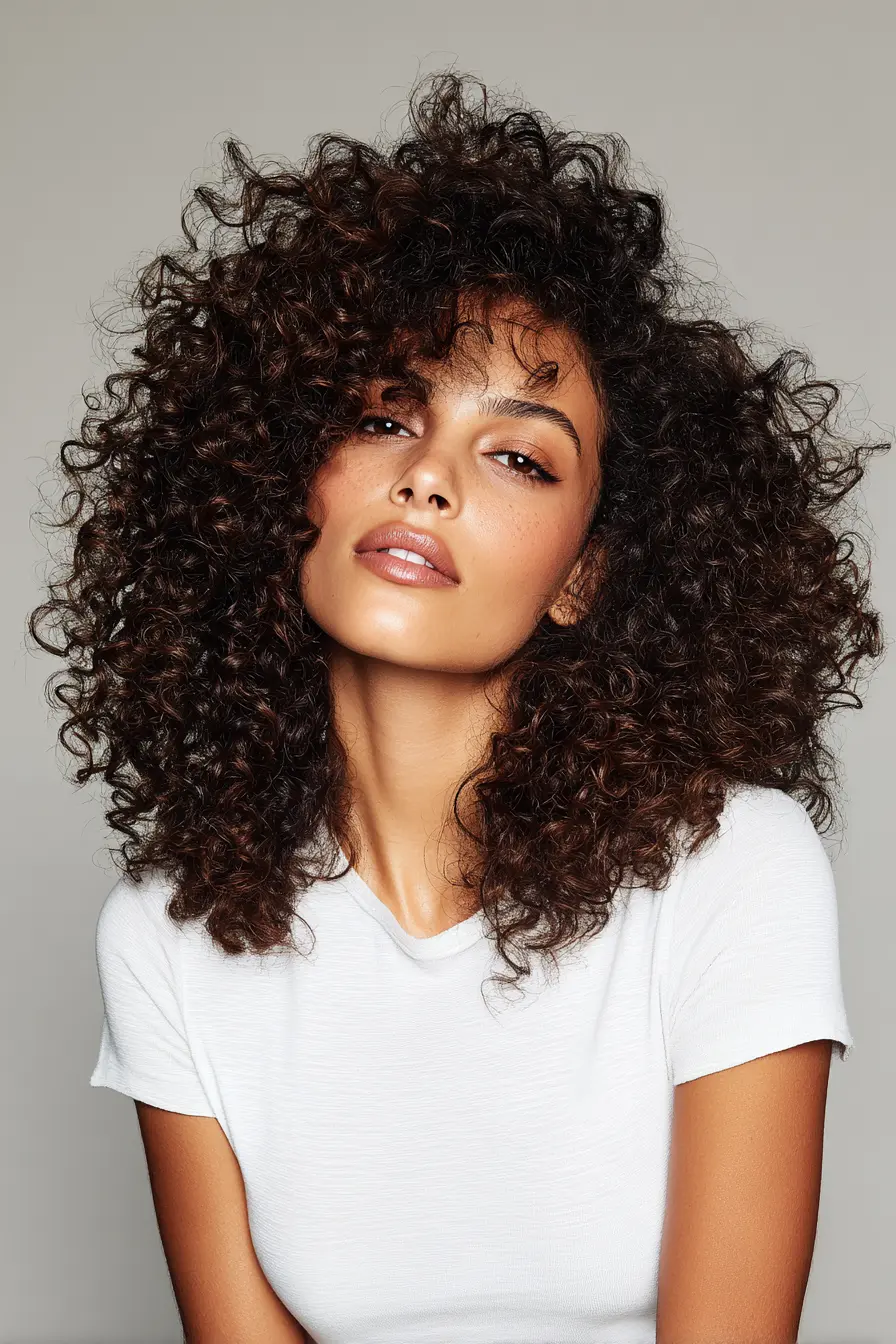
Long Curly Hair with Layers
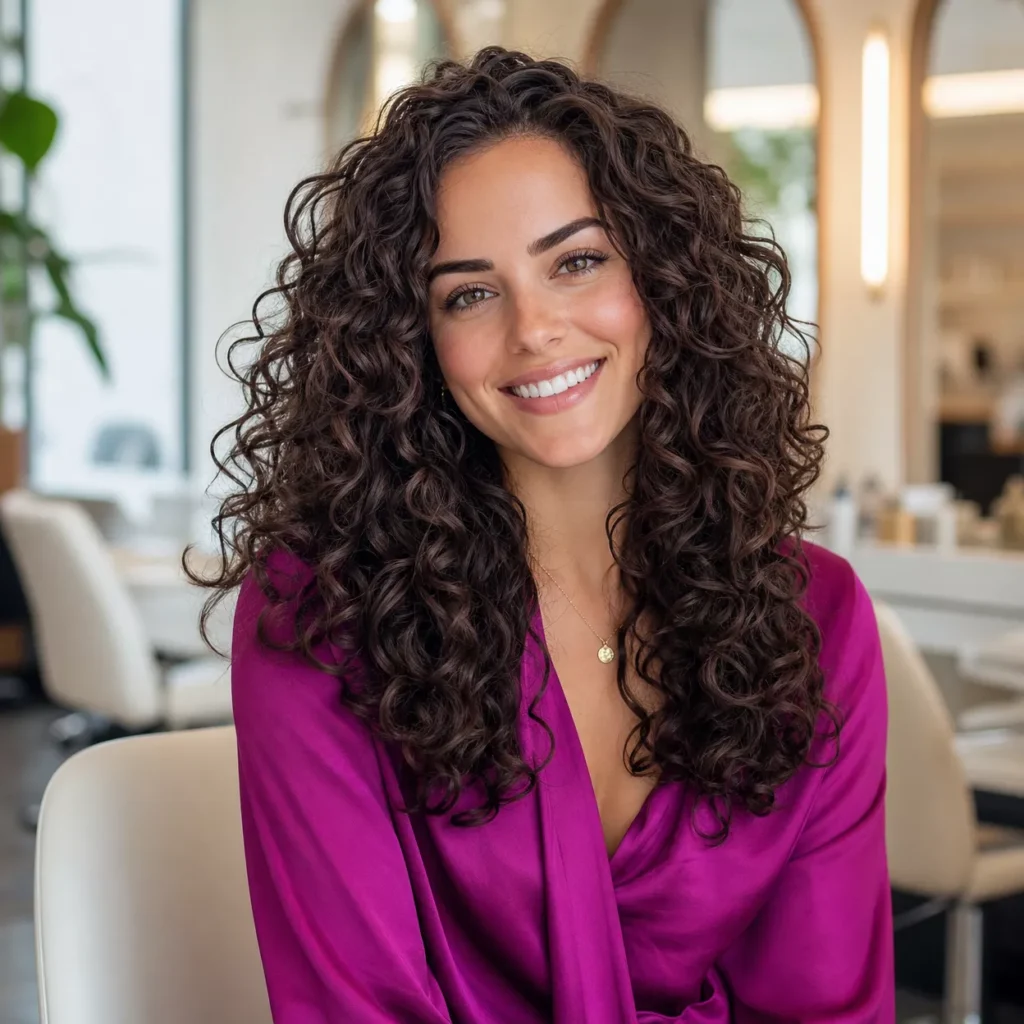
Curly hair can shrink considerably as it dries, so length and layer placement are often best judged on dry curls. Many stylists assess curly hair dry, or check it dry, before finishing. Layering here mostly redistributes weight. Without it, long curls can collapse at the crown and widen at the bottom into a triangle. With layers placed toward the crown, the top can lift while the weight below keeps the curls defined.
Density changes the approach. Fine but dense curly hair can usually handle moderate layering. Low-density curly hair needs more weight kept at the ends so they don’t look sparse. Curl pattern matters too, since tight curls and coils shrink and expand differently from looser curls. Our guide to curly shag haircuts covers layer placement in more depth.
Long Sleek Ponytail
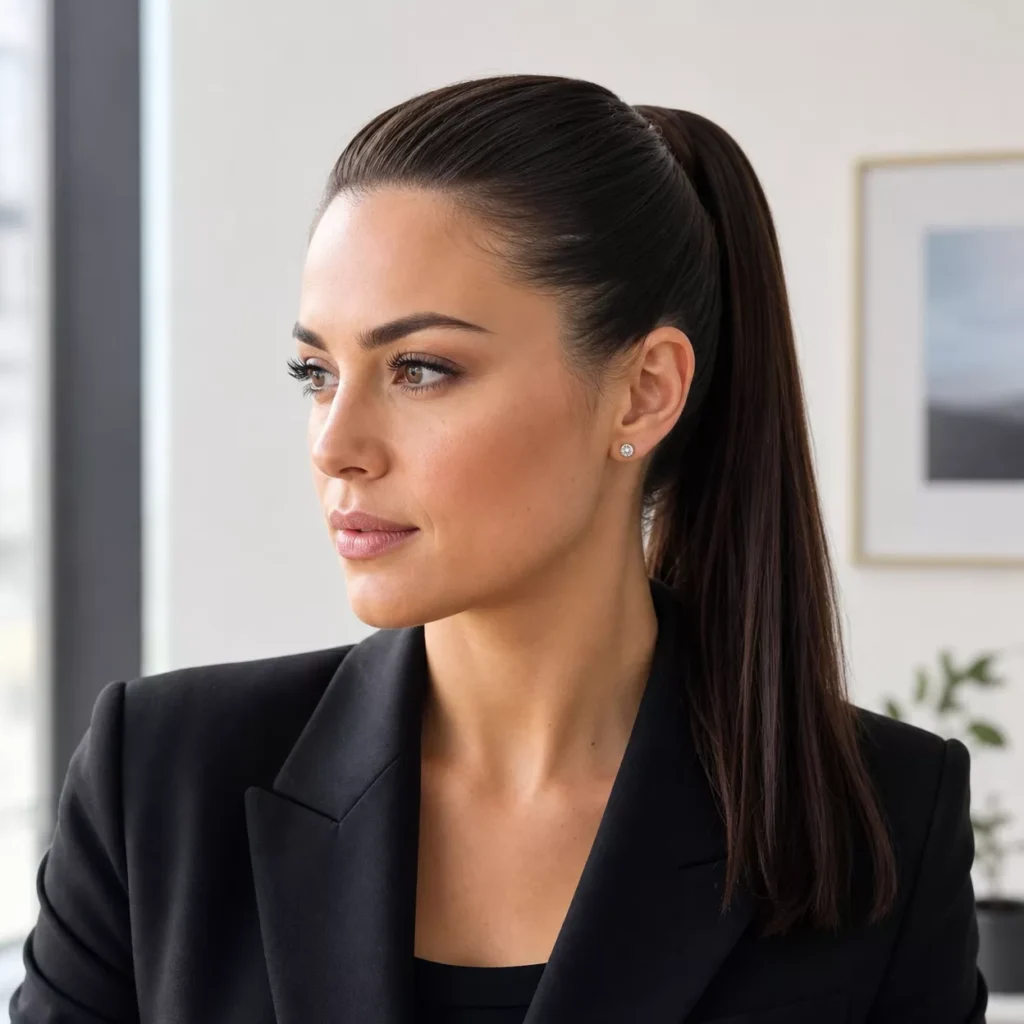
A ponytail on long hair carries a lot of weight, so placement matters. A low ponytail sits more comfortably; a high one pulls more at the hairline and crown. Smoothing comes first. Straight hair may need only brushing, while wavy or curly hair often needs a blow-dry or smoothing cream. Wrapping a small section around the elastic hides it. Moderate tension is kinder to the hairline, especially if you wear it often.
Long Textured Hair with Invisible Layers
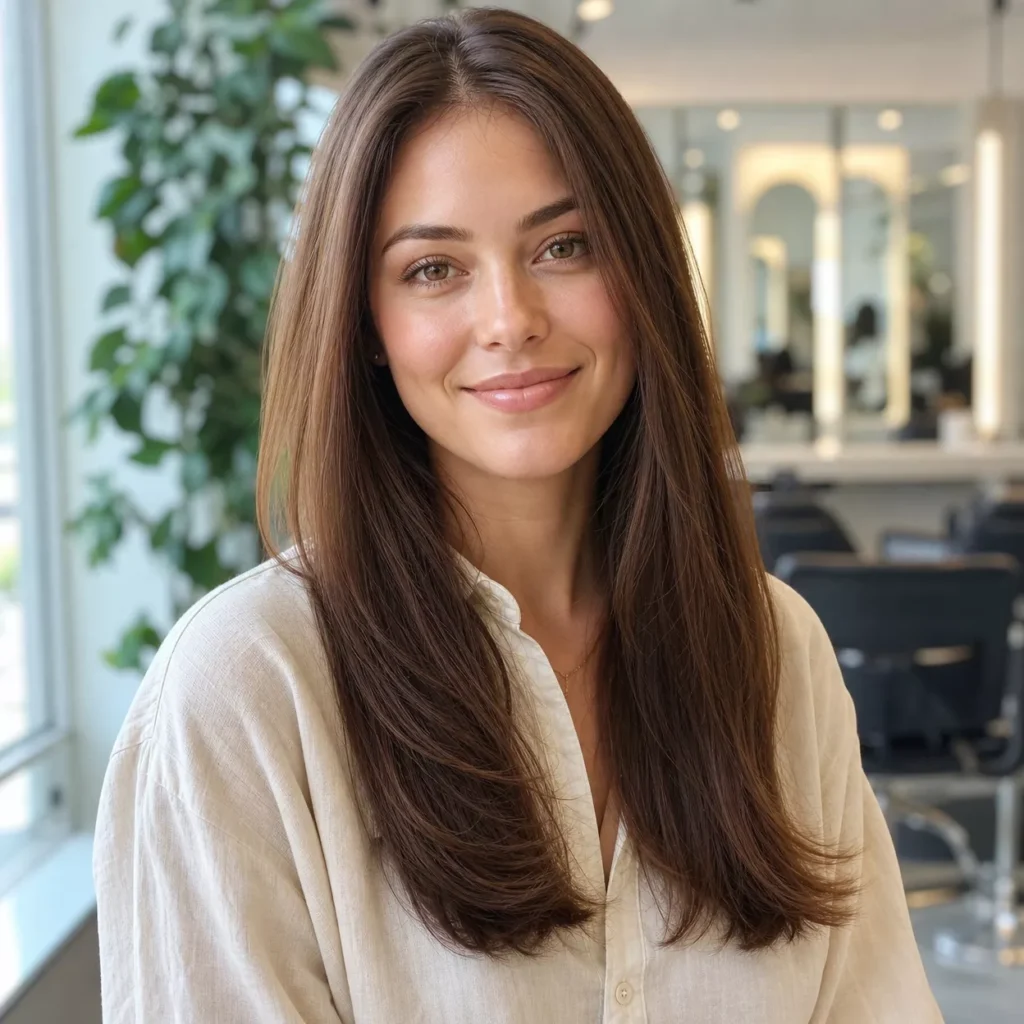
Invisible layers are cut inside the hair rather than at the surface, so the outer perimeter still reads as one length while the hair moves more freely. It suits anyone who wants movement without visible layering. Fine but dense hair can gain internal movement without thinning the ends. Low-density hair keeps its perimeter intact, so the ends look fuller than they would with surface layers. On wavy hair, the internal layering may show more clearly as the waves separate.
An Oval Face Gives You Options, but Your Hair Decides How They Behave
Face shape doesn’t exist apart from hair. Two people with oval faces can have very different density, strand thickness, and texture, and those differences shape a haircut far more than the face does.
Dense hair fills out layers and holds blunt lines; low-density hair may need more weight kept at the ends. Fine strands move easily but can lie flat, while coarse strands hold shape but may frizz if thinned heavily. Natural texture decides whether waves appear on their own or need styling. The natural part and any cowlicks determine how fringe and side parts sit. Growth patterns at the hairline affect bangs. And styling habits decide whether a cut built around a blowout will ever look like the photo.
That’s why the same long haircut can look so different on two people with the same face shape.
Pay Attention to Where the Layers Start
The starting point of the first layer changes the silhouette more than almost anything else.
Cheekbone-level layers create visible movement around the face and shift attention upward. They also need more styling to sit well.
Jaw-level layers soften the frame and keep the front calmer.
Collarbone-level layers concentrate movement lower, leaving most of the length smooth.
Long, invisible layers add movement without visible steps.
None of these is a fixed rule for oval faces. Density, texture, and how much styling you want to do decide which one fits.
The Perimeter of Long Hair Matters More Than Most Photos Show
The bottom edge of long hair carries a lot of its visual weight.
A blunt perimeter keeps the ends looking substantial, which helps fine and low-density hair. Soft ends blur the line slightly while keeping fullness. Feathered ends sweep outward and add movement. Tapered ends look lighter but can make low-density hair appear sparse.
On thick hair, a solid perimeter can feel heavy unless some interior weight is removed. On fine or low-density hair, keeping the perimeter strong often looks fuller than heavy layering.
Long Hair Can Look Easy in a Photo and Be High-Maintenance in Real Life
Many long hairstyles look simple in photos but involve work that isn’t visible. Blowouts need to be recreated after each wash. Heat-made waves and curls need styling. Bangs need trimming and daily shaping. Balayage and money pieces need toning and refreshing. Sleek finishes may need smoothing, heat, and humidity protection.
That doesn’t make them bad choices. It just means separating easy-looking from easy-to-maintain. A long blunt cut may be easy to maintain but need smoothing; natural waves may be easy to style but hard to predict.
Read the Reference Photo Before You Show It to Your Stylist
Before showing a photo, look closely at what it actually contains.
Notice where the first layer begins and how long the face-framing pieces are. Check the perimeter: blunt, soft, or textured? If there’s a back view, look at how the layers fall. Decide whether the texture looks natural or heat-created. Look at where the color sits. Consider whether extensions might be adding length or fullness, and whether lighting is making the color or shine look different.
Those details tell your stylist much more than the overall impression of the photo.
Choose the Part of the Look You Actually Want to Copy
A reference photo usually combines several decisions at once. You might love the haircut but not the bangs, the waves but not the color, or the face framing but not the overall length.
Separating those elements before your appointment makes the conversation clearer. Decide whether you’re after the cut, the fringe, the texture, the color, the face framing, or the volume. Then say so. “I like the layers but not the bangs” or “I like the color but want to keep my current cut” gives your stylist something concrete to work from.
Final Thoughts
An oval face gives you flexibility with long hair, but the most successful result comes from matching the haircut’s shape, layer placement, perimeter, texture, and styling demands to the hair you actually have and the routine you actually keep. Use the 24 ideas above to find the elements you like, then let your own hair decide how they’re adapted.