30 Hairstyles for Women Over 50: Cuts, Styling Ideas, and Color Options
Choosing a hairstyle after 50 isn’t really about finding a style labeled “for women over 50.” Two people the same age, even with similar face shapes, can need very different cuts, because their hair behaves differently. One might have fine strands packed densely across the scalp, tolerating heavy layering without a problem. Another might have coarser strands but far less density, where the same layering leaves the ends looking sparse. Add in gray or color-treated hair, natural texture that’s shifted over the years, and how much time someone actually wants to spend with a blow-dryer, and “hairstyles for women over 50” stops being a useful category on its own.
This guide covers 30 hairstyle ideas, in sequence, with a focus on what each one actually asks of your hair and your routine rather than just what it looks like in a photo. Several of these are haircuts. A few are styling techniques or color choices that get applied to a cut rather than being a distinct structure of their own, and that distinction is called out where it matters. After the list, there’s a section on narrowing these 30 down based on your density, texture, and maintenance tolerance.
What Actually Matters Before You Choose a Hairstyle
Face shape gets a lot of attention in most hairstyle guides, but it’s genuinely just one factor among several, and often not the deciding one. Here’s what tends to matter more in practice:
Hair density and strand thickness. These aren’t the same thing. Fine hair means each individual strand has a smaller diameter. Low density means fewer strands overall. You can have fine hair that’s quite dense, or coarser hair that’s thin on the ground, and each responds differently to layering: dense hair generally tolerates more weight removal, while low-density hair often looks better with a more intact perimeter that preserves visual weight.
Natural texture. Straight, wavy, curly, and coily hair all behave differently under the same cut, and a photo styled with a wand or diffuser doesn’t tell you what that cut will do on your own texture, air-dried.
Where your hair parts naturally. Bangs and face-framing pieces cut against your natural part tend to fight their way back to where the hair wants to fall.
How much styling you’re willing to do. Some cuts genuinely work with minimal effort. Others depend on regular blow-drying or heat styling to look like their reference photo, and it’s worth being honest with yourself about which category you’re aiming for.
How often you want to visit a salon. Precise perimeters, full fringes, and tight tapers all show growth sooner than softer, more blended shapes.
Whether you need to tie your hair back. Length, and how much shorter layering is at the front, both affect whether a cut still looks finished pulled into a ponytail.
Whether you’re growing out color or embracing gray. This changes what a cut needs to do at the root as much as at the ends.
Face shape can still factor into the decision. If you want softer framing around the jaw, face-framing layers or side-swept pieces tend to help. If you want more visual length, a longer, less-layered perimeter does more of that work than a shorter, fuller shape. But treat it as one input, not a formula.
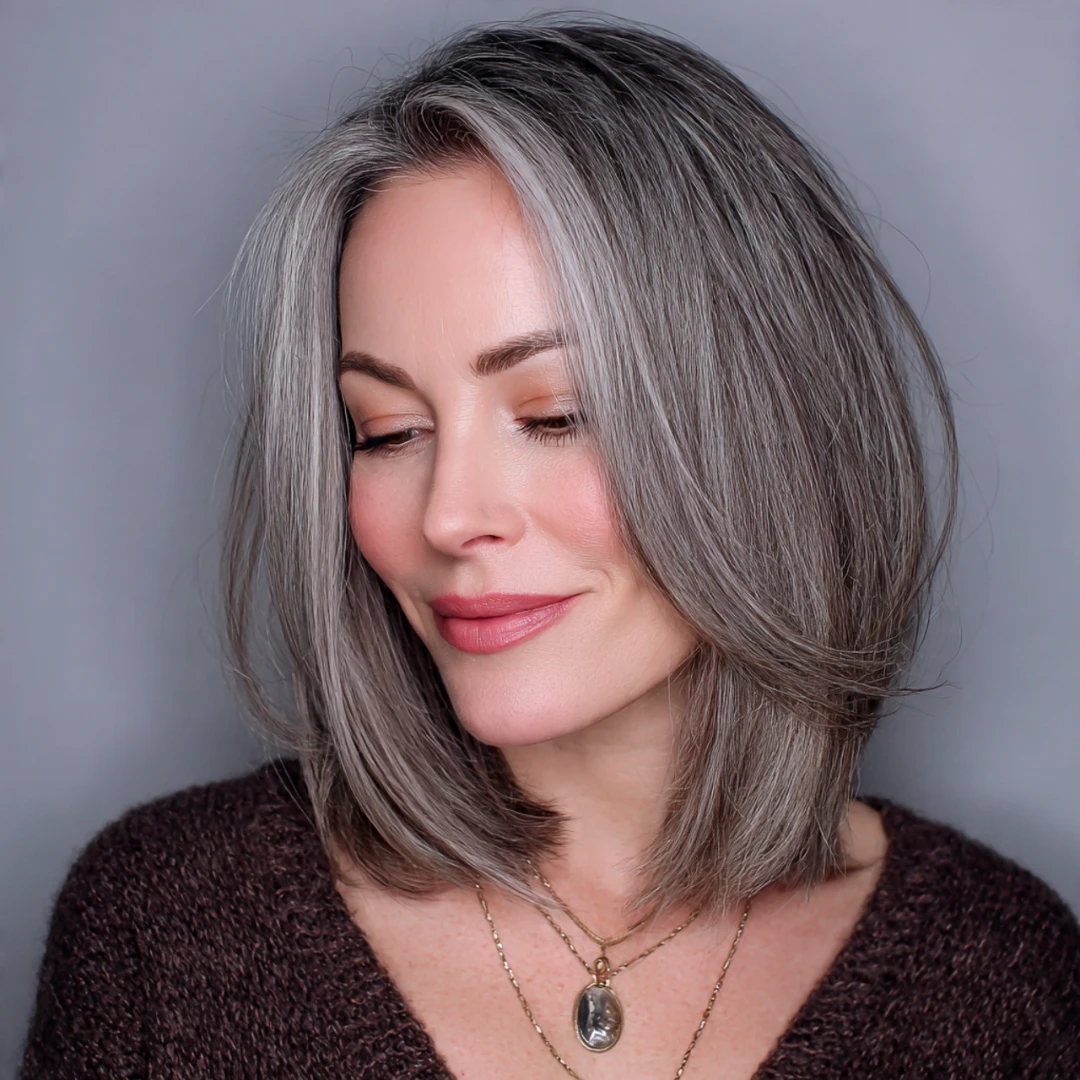
Soft Layered Lob
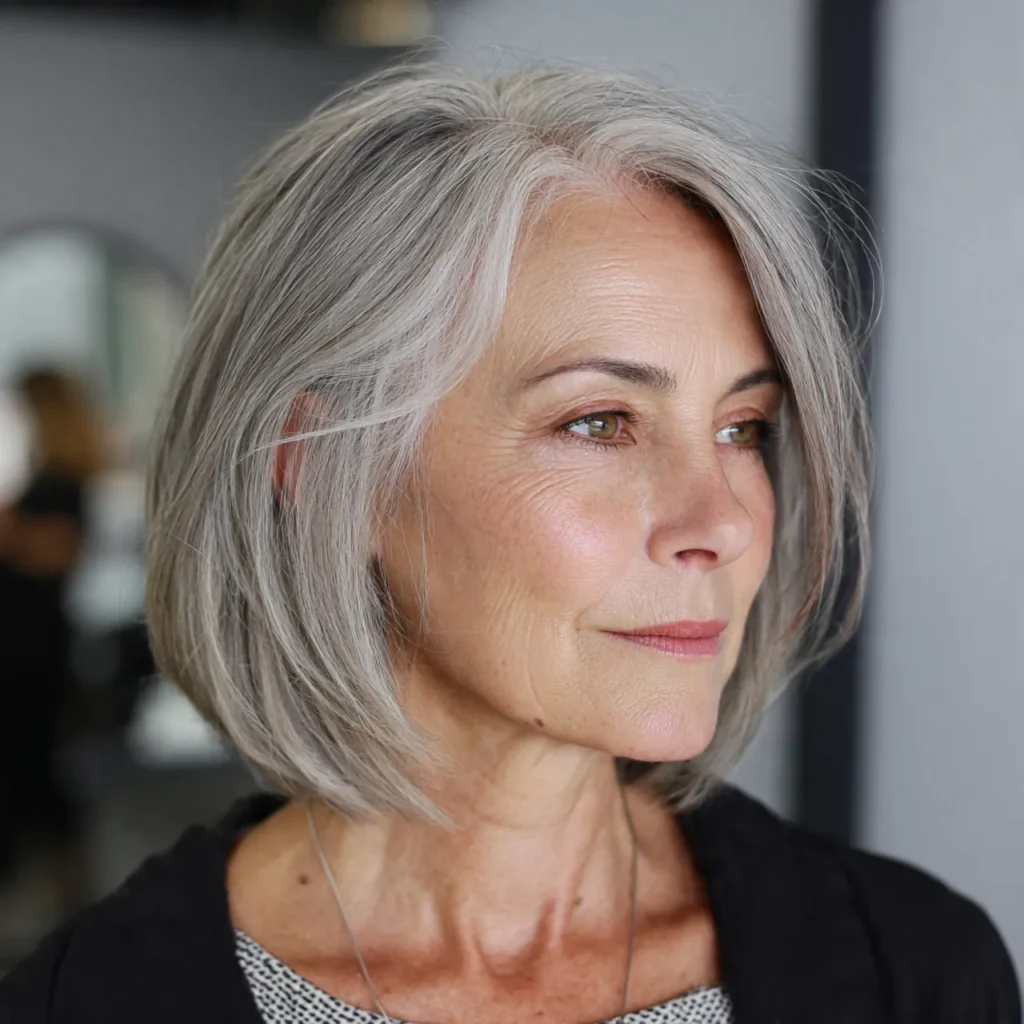
At collarbone length, this depends on how much interior layering is used relative to how dense your hair actually is. Fine but dense hair generally handles moderate layering well, since there’s enough strands to fill in the movement. Fine and lower-density hair can end up with thinner-looking ends if the layering goes too far, so it’s worth asking your stylist to be conservative on the first pass and add more later if needed.
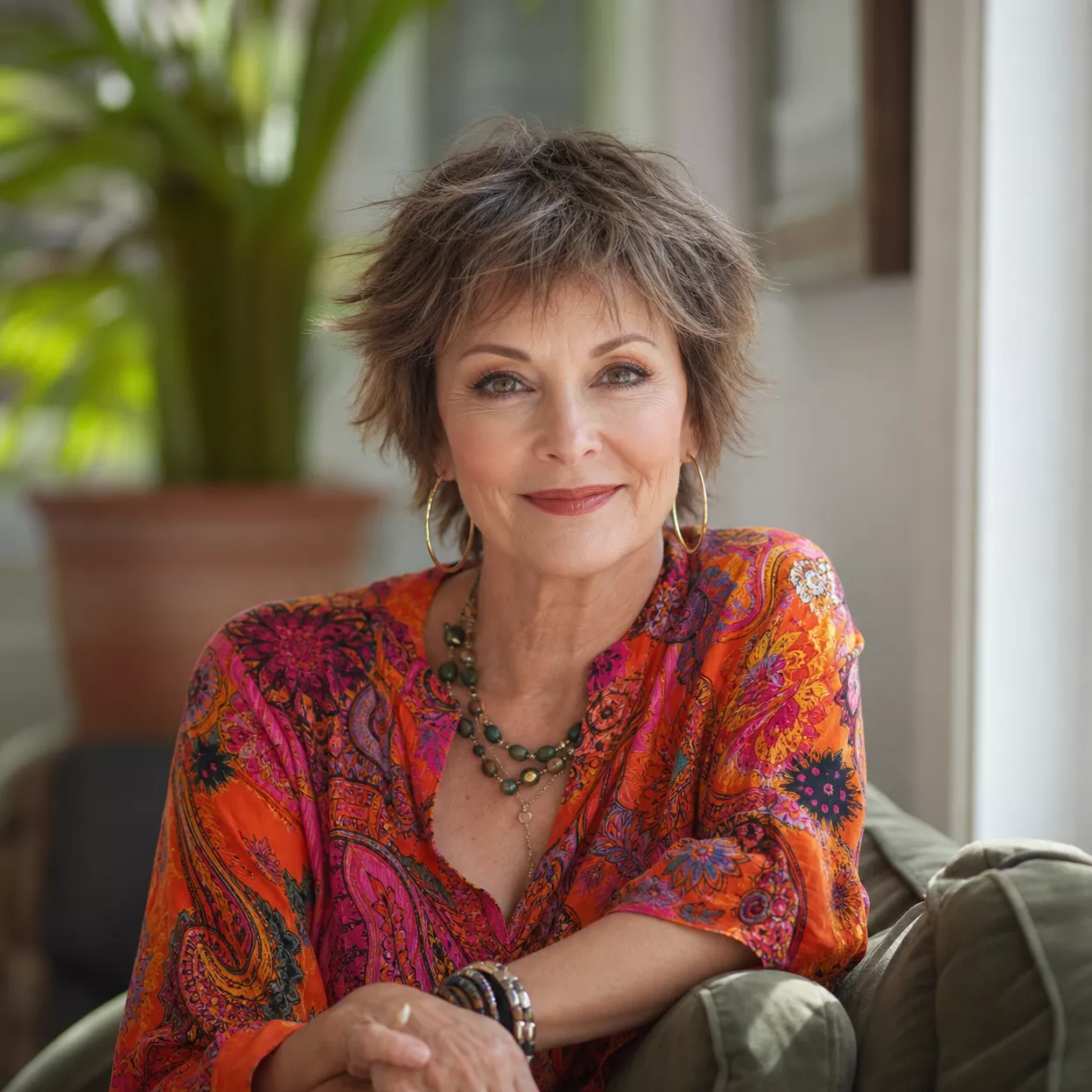
Textured Pixie Cut
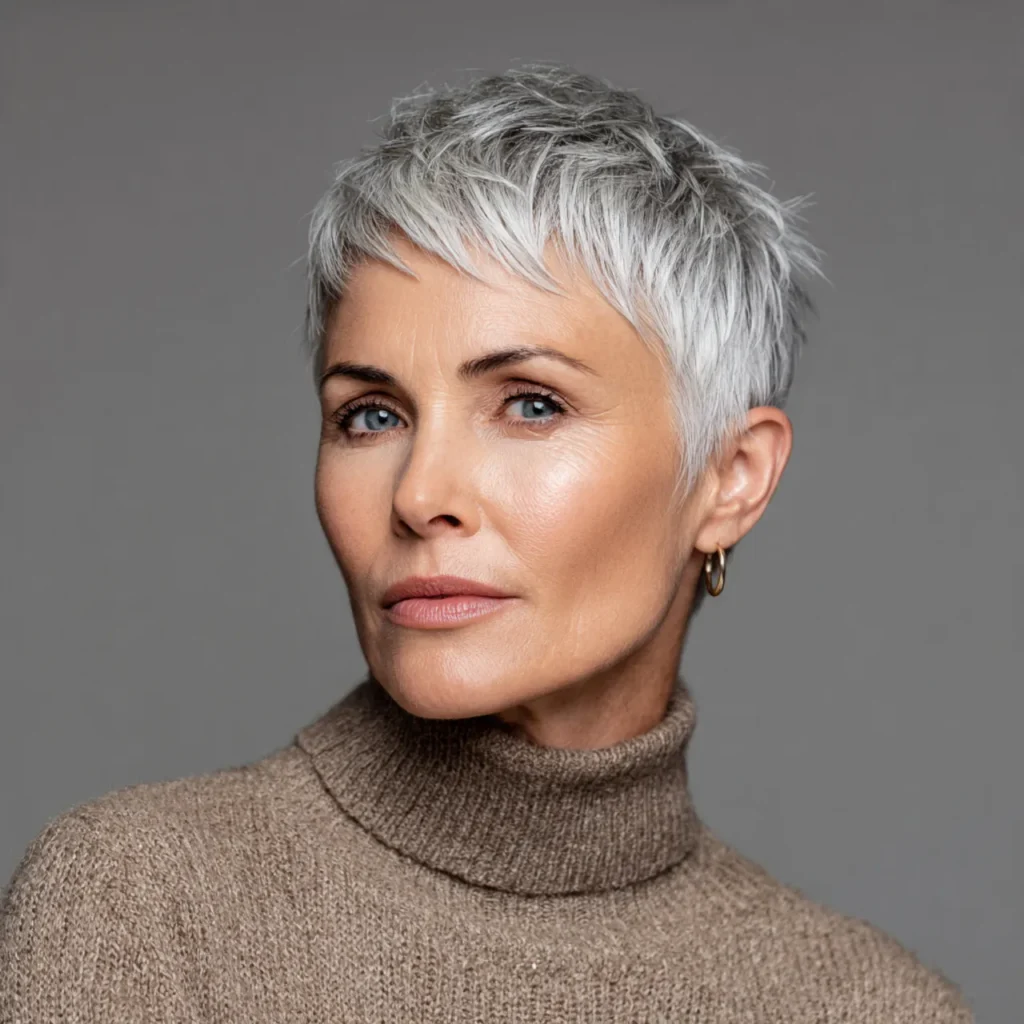
The amount of texture on top decides how much daily upkeep this needs. A little product worked through with fingers can hold shape on hair with some natural texture already. On very fine, flat hair, getting the same result usually means a bit more product and possibly some root lift, since there’s less for the texture to grip onto without help.
Silver Shag with Layers
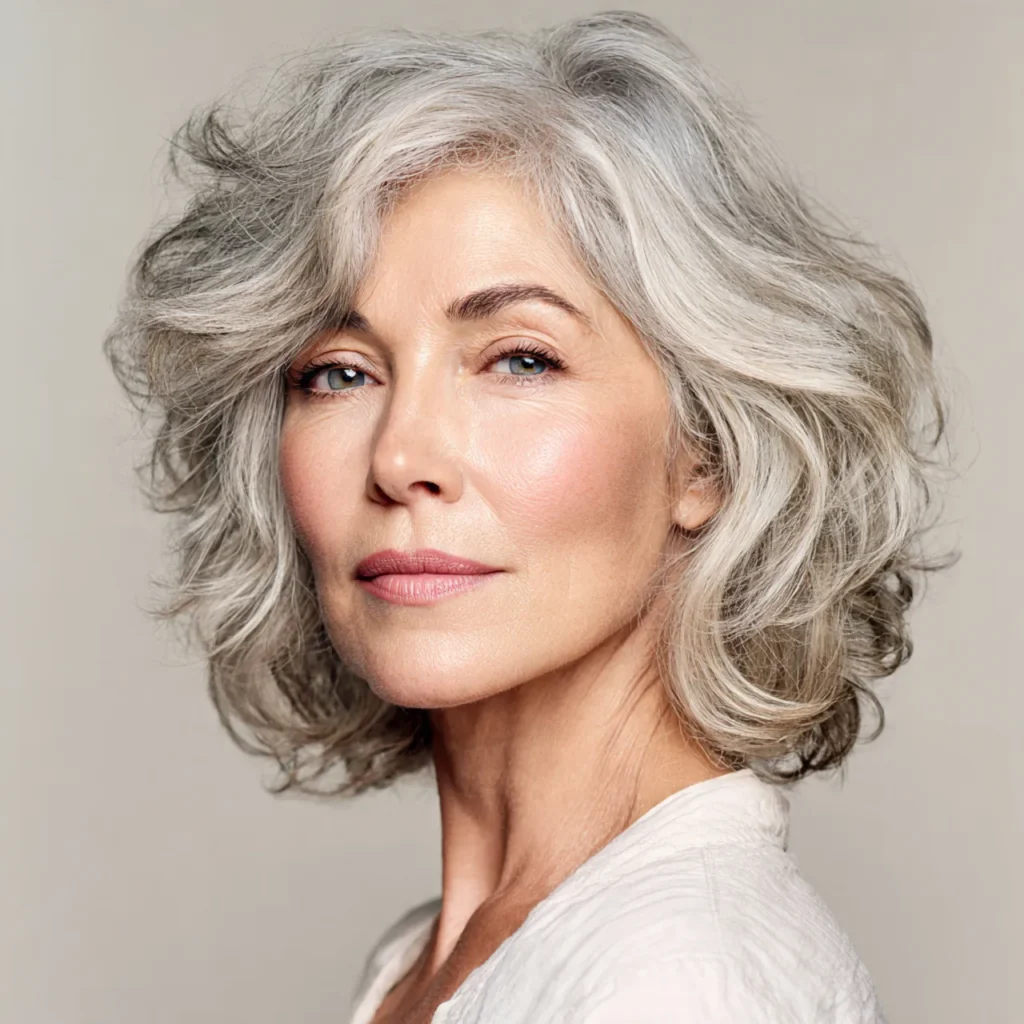
This pairs shag-style layering with hair that’s already gray or transitioning. Gray strands can feel coarser or drier than pigmented hair, which changes how the layers separate: some people find gray hair holds shag texture especially well because of that added coarseness, though it can also mean more attention to moisture to avoid a rough, brittle finish. It generally air-dries reasonably well if your texture has some natural wave, less so on very straight, fine hair.
Classic Blunt Bob
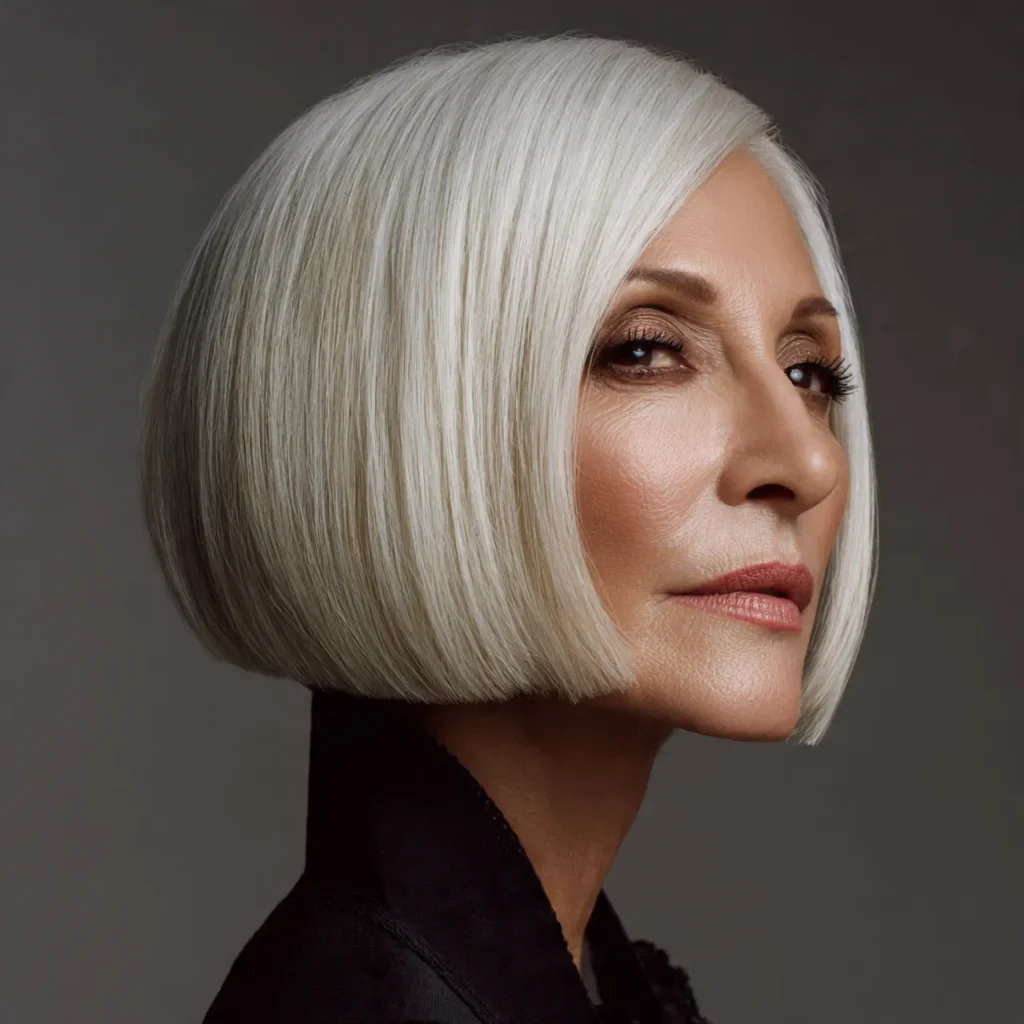
A single-length cut with little to no layering creates a solid, unbroken perimeter, which is what makes fine hair look fuller at the ends, since an intact edge reads as denser than tapered ones. That’s a visual effect, not an actual increase in density. The trade-off is grow-out: a precise blunt line shows lengthening clearly, so it tends to need more frequent trims than a softer, layered cut to hold its shape.
Feathered Layers with Side Swept Bangs
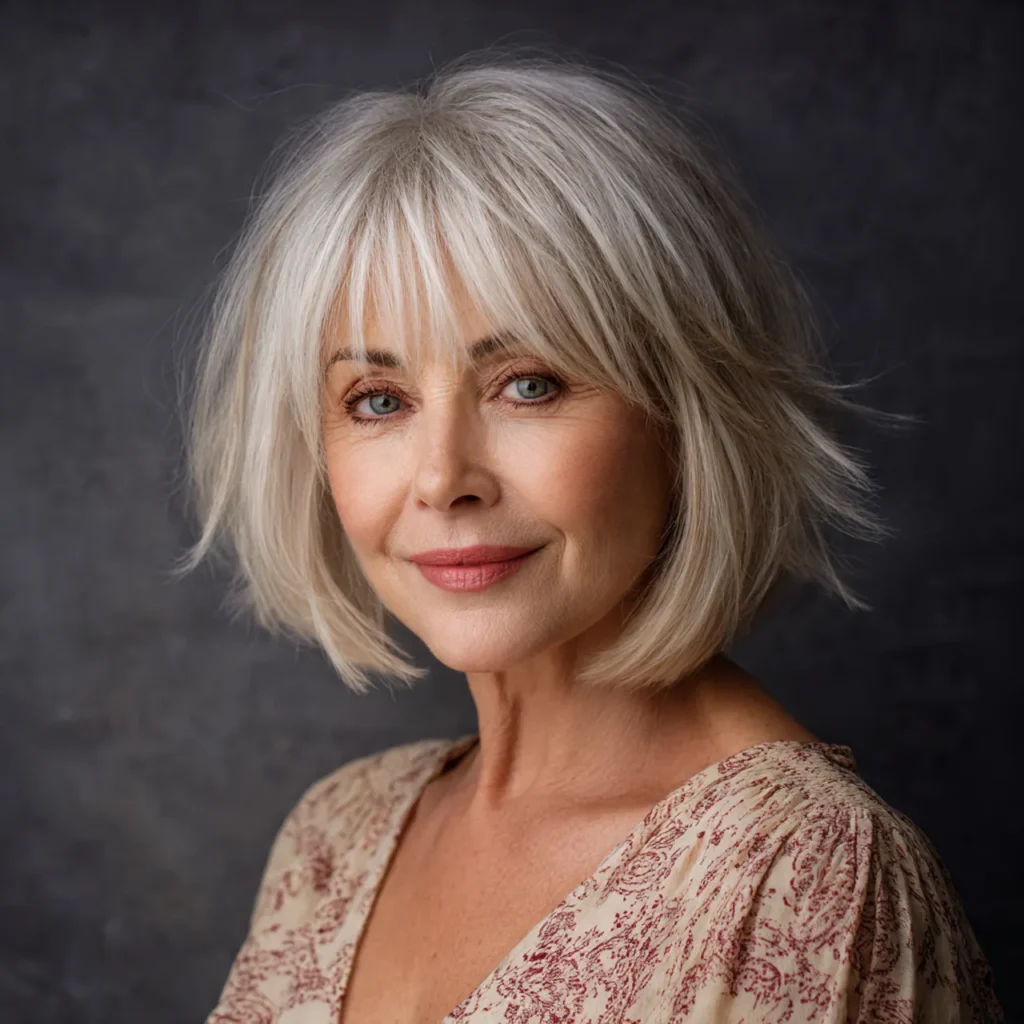
Feathering tapers the ends rather than cutting a hard line, and side-swept bangs add a diagonal element at the front. Both depend somewhat on your natural part: bangs swept with the grain of your part tend to hold their direction, while bangs swept against it drift back within a day or two. The feathering itself works better on hair with some density to spare than on hair that’s already fine and thin, where heavy feathering can leave the ends looking wispy.
Lixie Cut
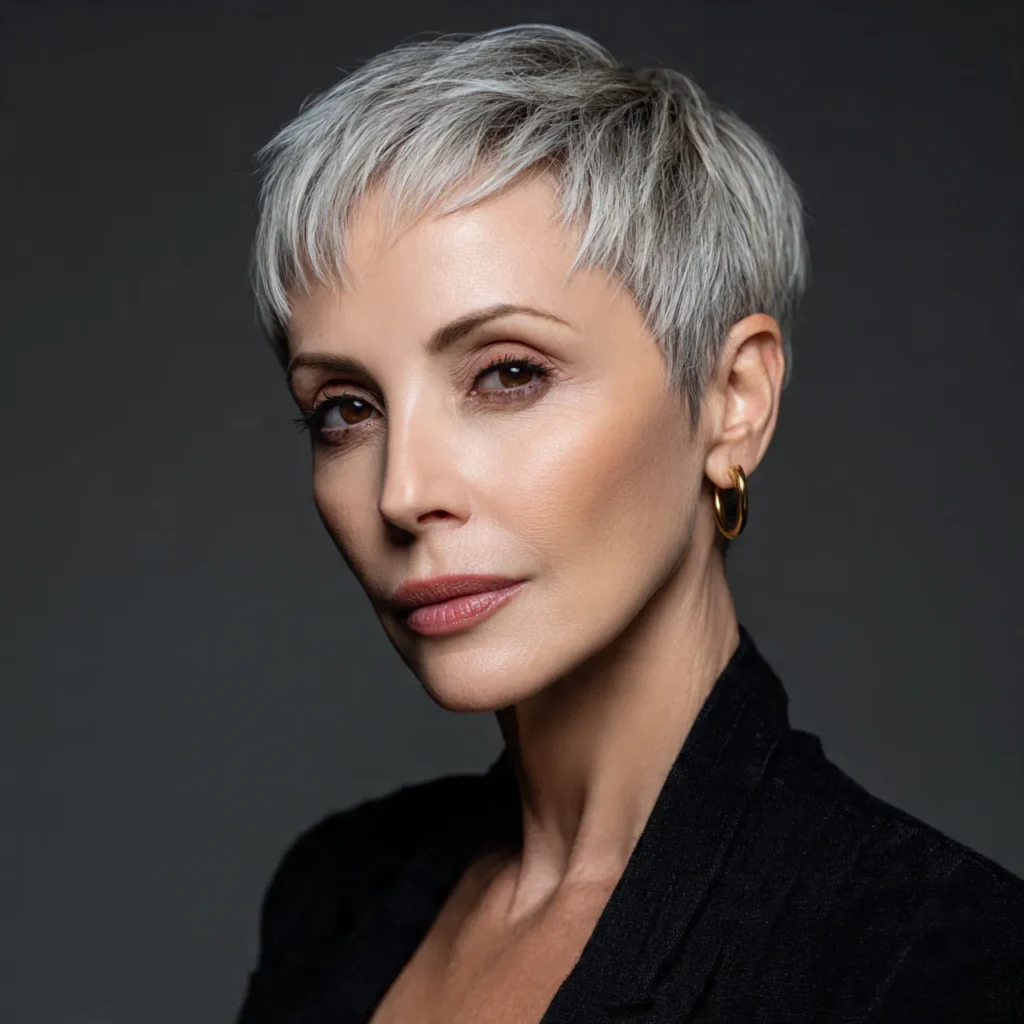
This sits between a lob and a pixie: longer, softer pieces at the front with a closer-cropped back. Because it’s a transitional length, it tends to grow out with less of an awkward stage than a full pixie, since there’s already some length up front to work with. The trade-off is that the shorter back still needs regular shaping to keep the shape defined, even while the front is more forgiving between visits.
Wispy Pixie with Soft Fringe
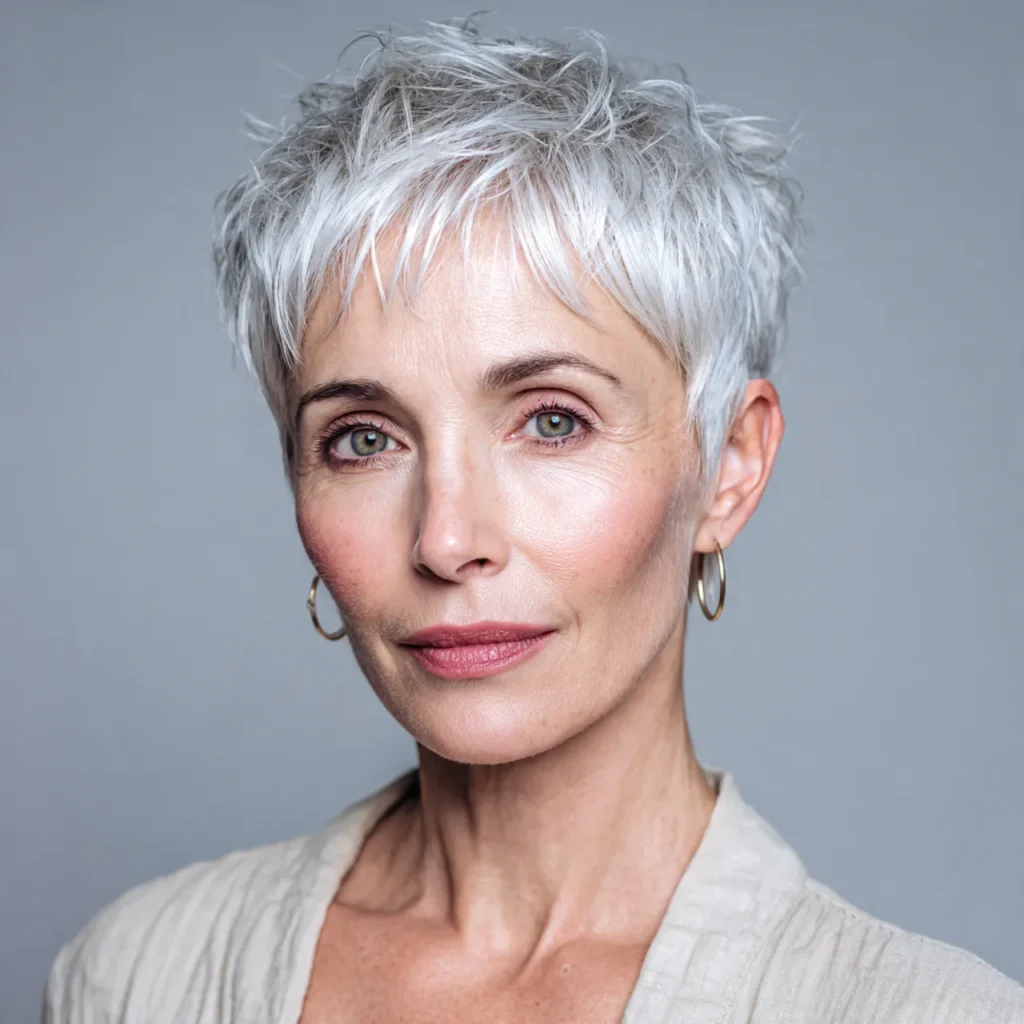
A wispy fringe is cut light enough to see through slightly, which only reads as soft if there’s enough hair at the hairline to spare. On hair that’s fine and lower in density at the front, the same lightness can look more like a gap than a deliberate effect, so it’s worth having your stylist check how much density you actually have there before deciding how thin to cut it.
Voluminous Blowout with Layers (a styling method, not a haircut)
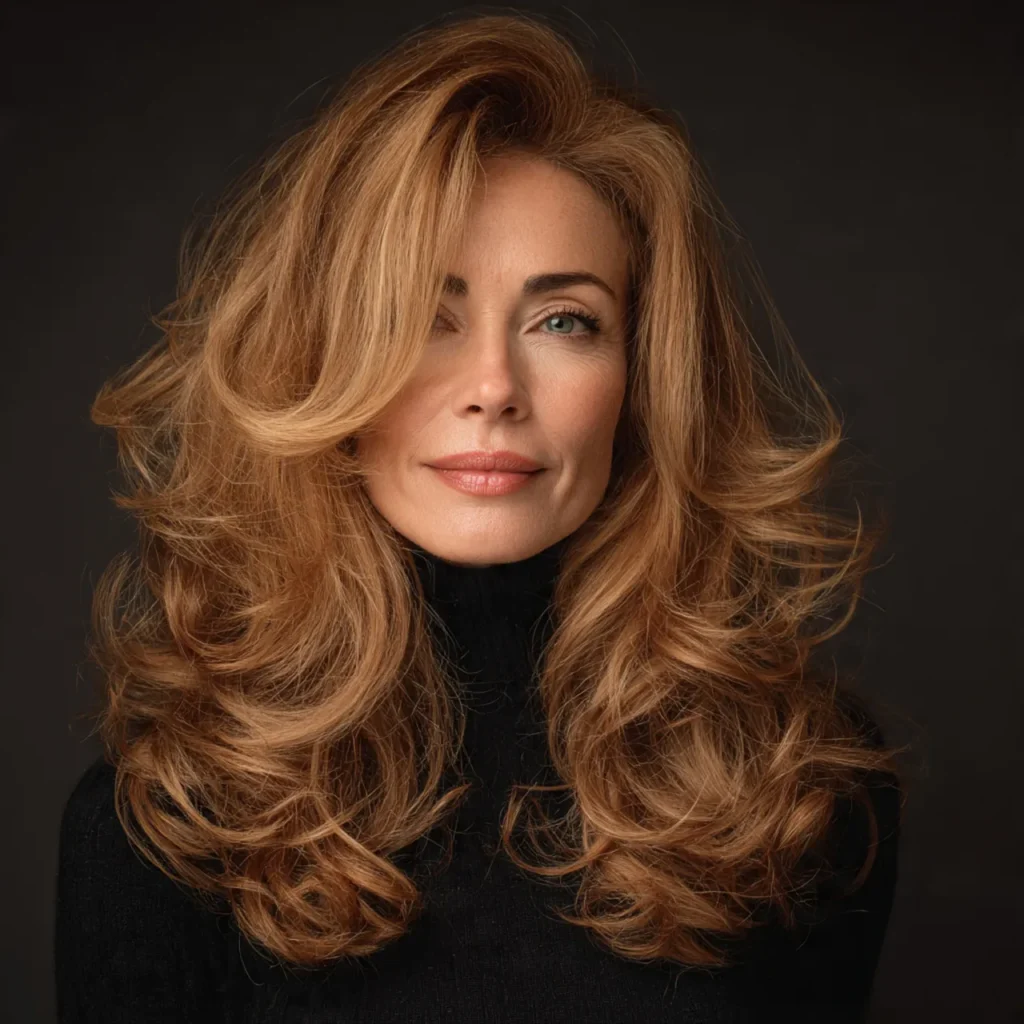
This is a technique applied to a layered cut rather than a separate haircut structure: mousse at the roots and a round brush directing heat upward to build lift. It works on a layered base, generally medium density or finer, but it’s a daily or near-daily routine, not a wash-and-go option, since the lift softens by the next day and needs to be redone.
Collarbone Length Waves (mostly a styling result)
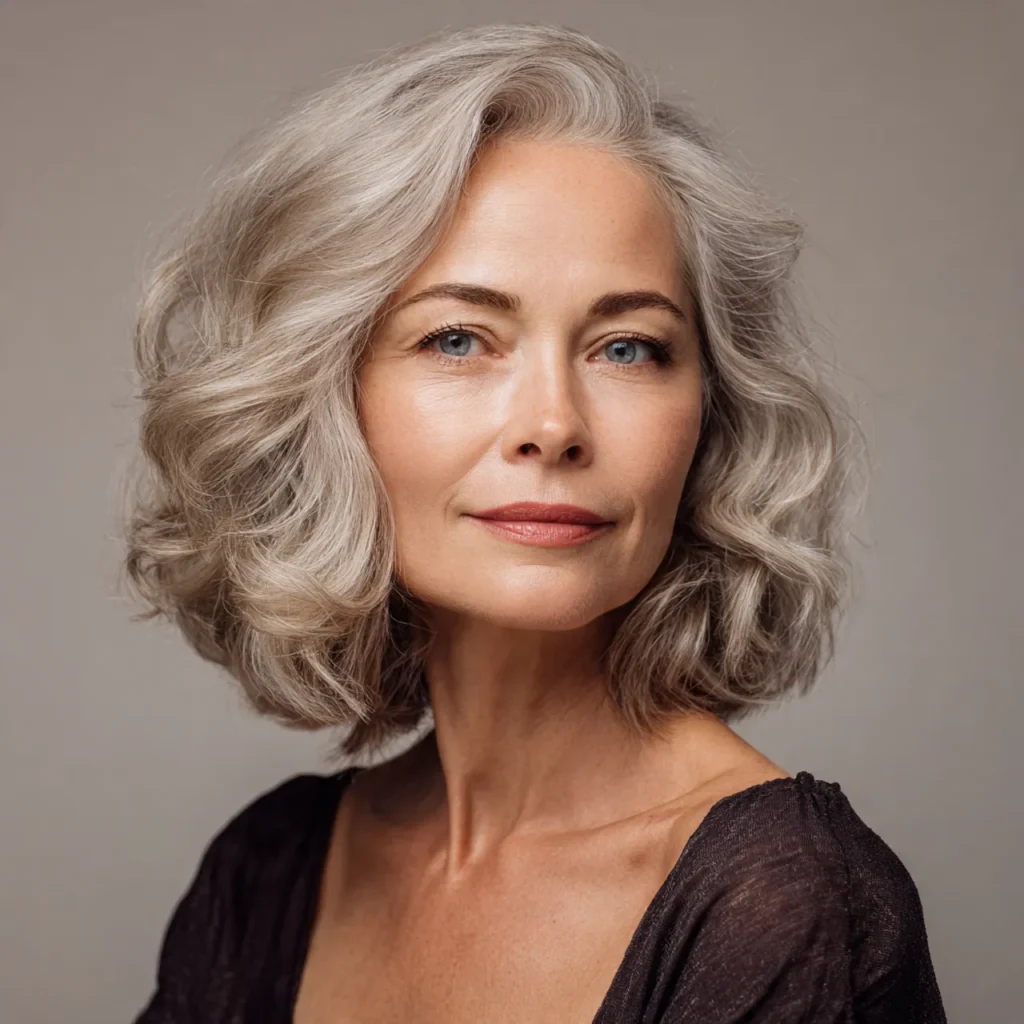
The cut underneath this is fairly close to other collarbone-length lobs on this list. What creates the look is the wave, whether that’s from a wand or from your natural texture. On hair that already waves, this can be a low-effort look. On straight hair, reproducing the same waves each time means heat styling, which is a different daily commitment than the “effortless” impression the photo gives.
Tapered Nape Bob
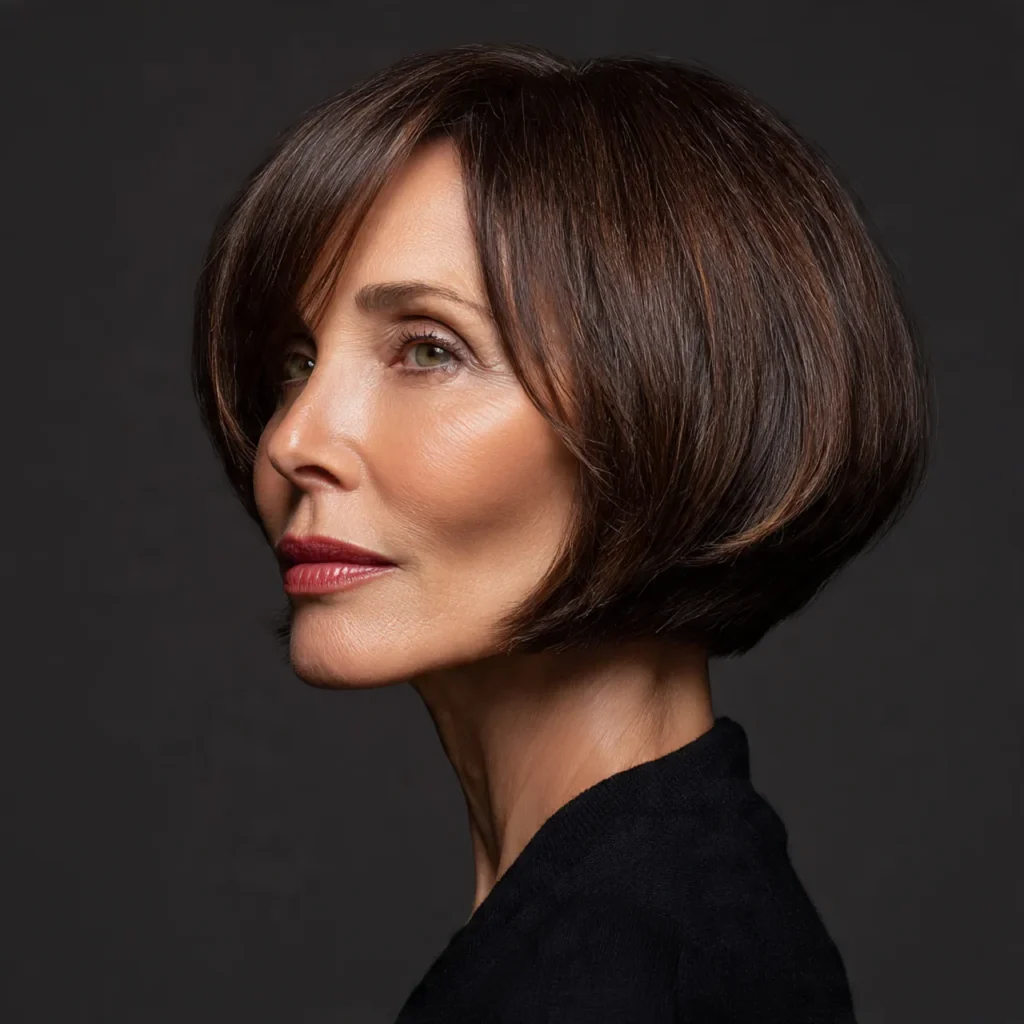
The taper at the back creates a cleaner, more sculpted line than a straight-across bob, and it tends to hold that sculpted look longer between visits if the taper is gradual rather than abrupt, since a gradual taper softens less noticeably as it grows. It works across a range of hair types, though on very coarse or curly hair the tapered nape may need more frequent attention to avoid puffing out at the sides.
Textured Bob with Curtain Bangs
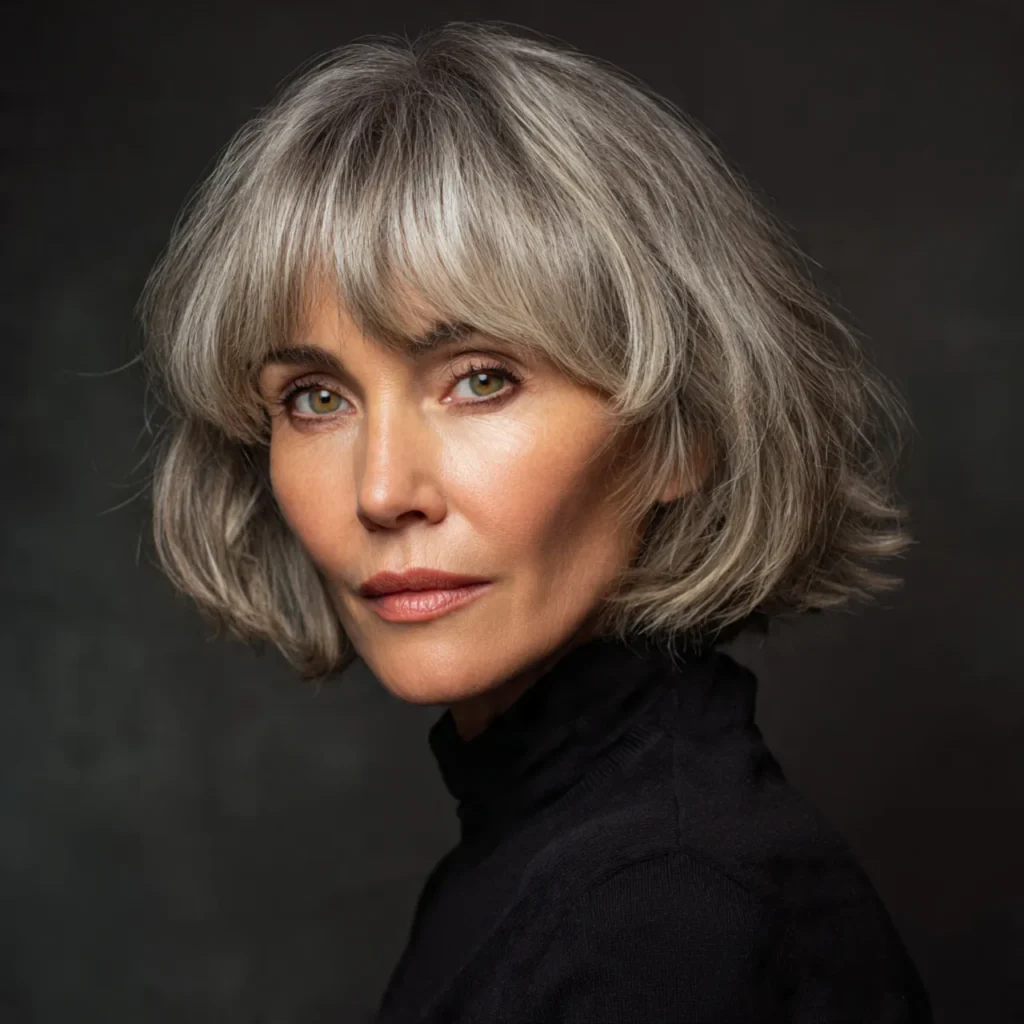
Curtain bangs part in the center and sweep outward, and this is really two decisions layered together: the bob’s texture, and the bang addition. As with the bangs mentioned earlier, how well they hold their sweep depends on your natural part more than on the cut itself. The textured bob underneath tends to suit medium density hair well, since it needs enough hair to create visible separation without looking sparse.
Natural Grey Lob
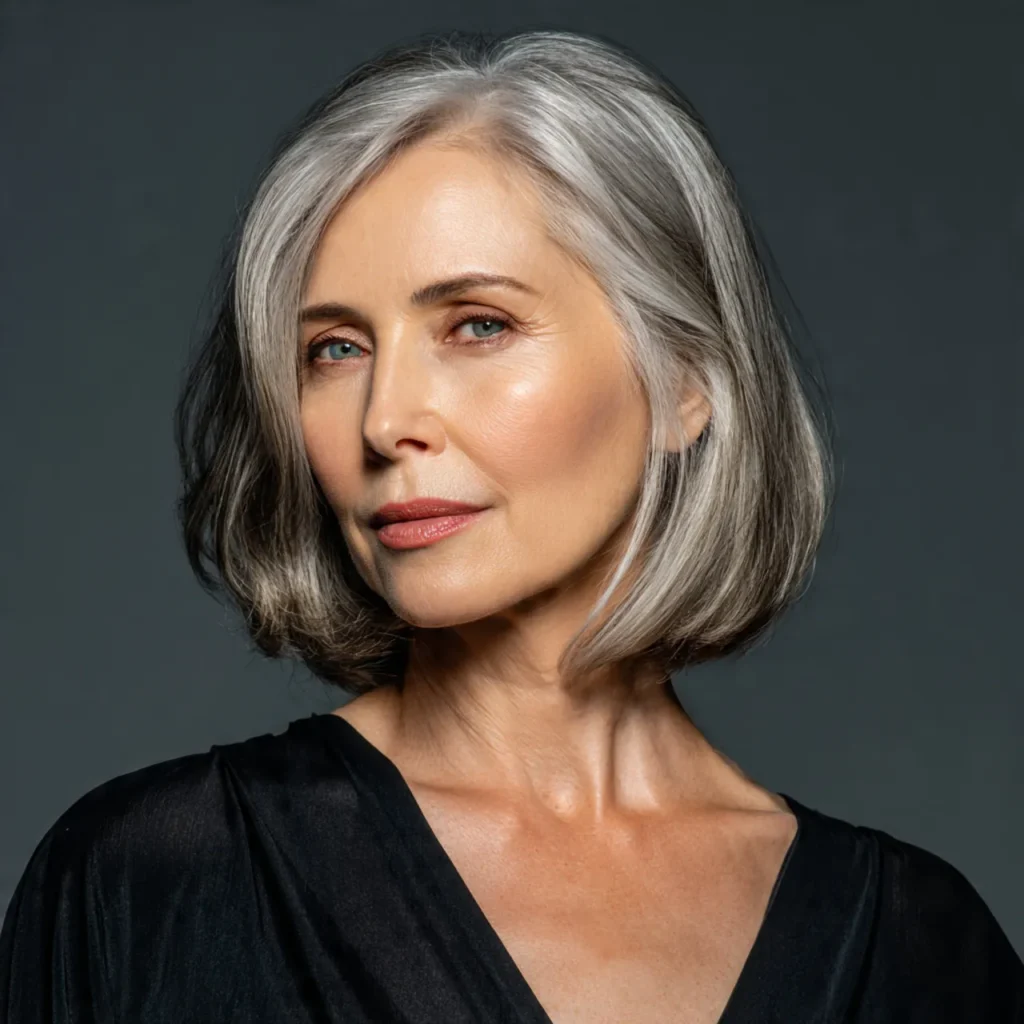
Gray hair at lob length often shows more visible texture and dimension than shorter cuts, simply because there’s more length for the light and dark strands to catch light differently along. It doesn’t require heavy layering to look intentional, though a weekly gloss treatment can help keep the color looking clear rather than dull, particularly if the gray has any yellow cast to manage.
Layered Shag Cut
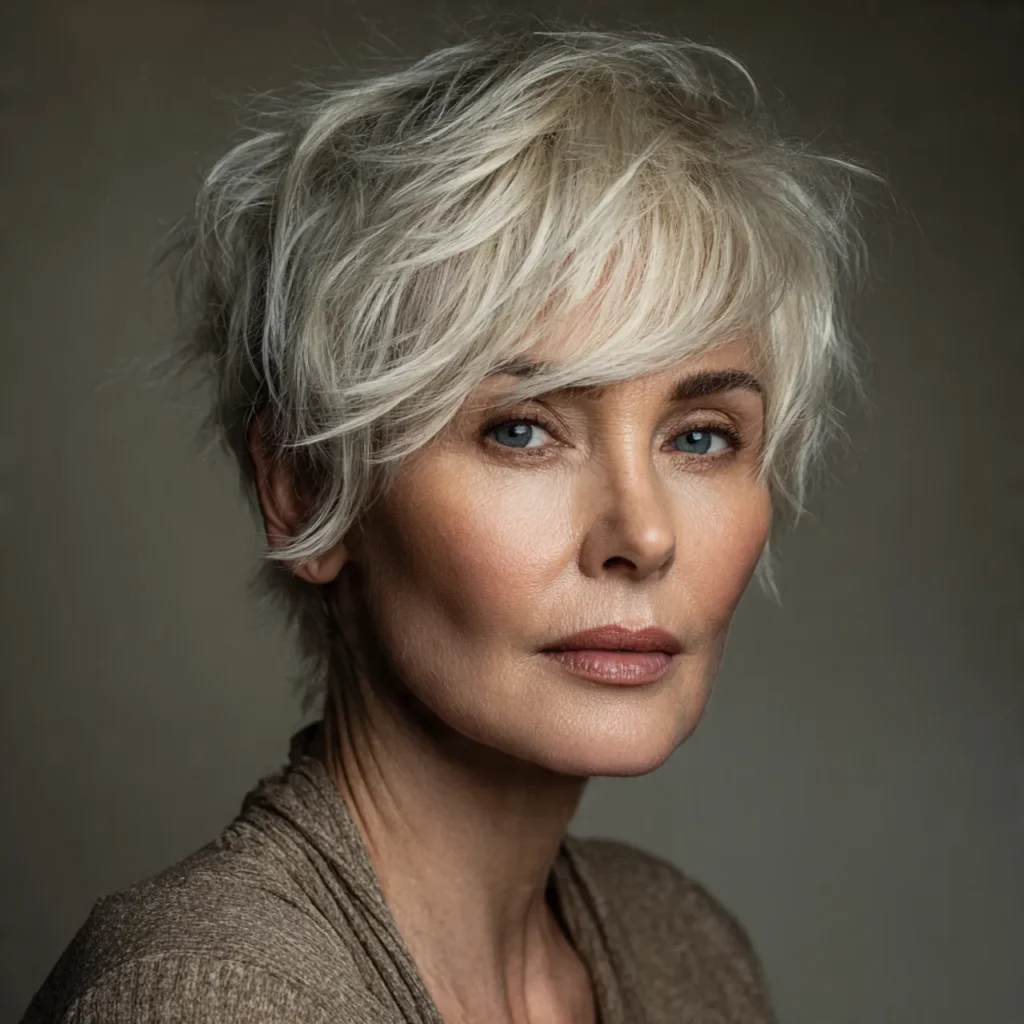
Shag layering removes weight throughout, which suits hair that has enough density to spare it. On fine or low-density hair, the same heavy layering can leave visible thinness rather than the intended texture, so a more conservative version, with fewer, longer layers, is often a safer starting point than a fully choppy reference photo. It tends to air-dry well with a texturizing spray on hair with some natural movement.
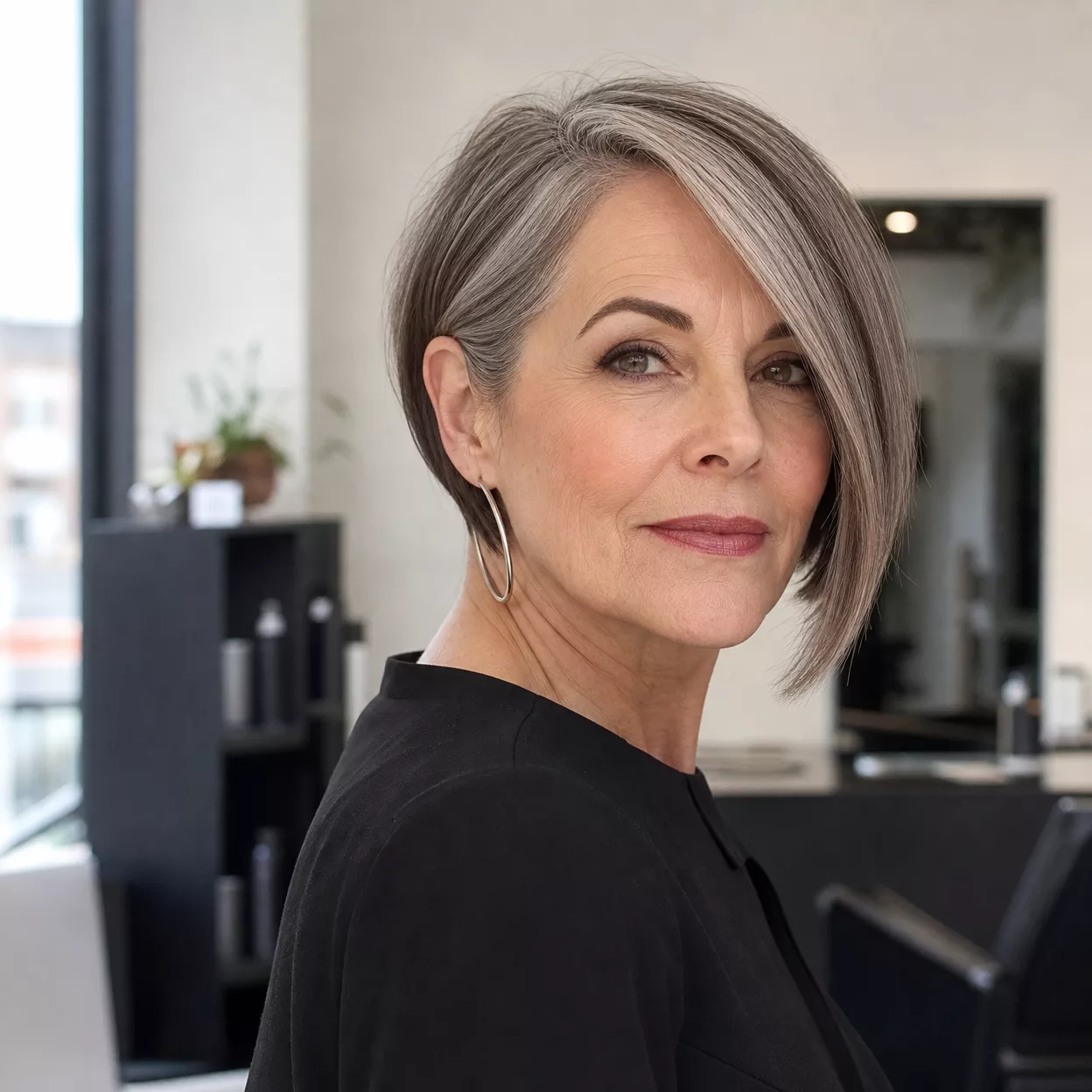
Sleek A-Line Bob
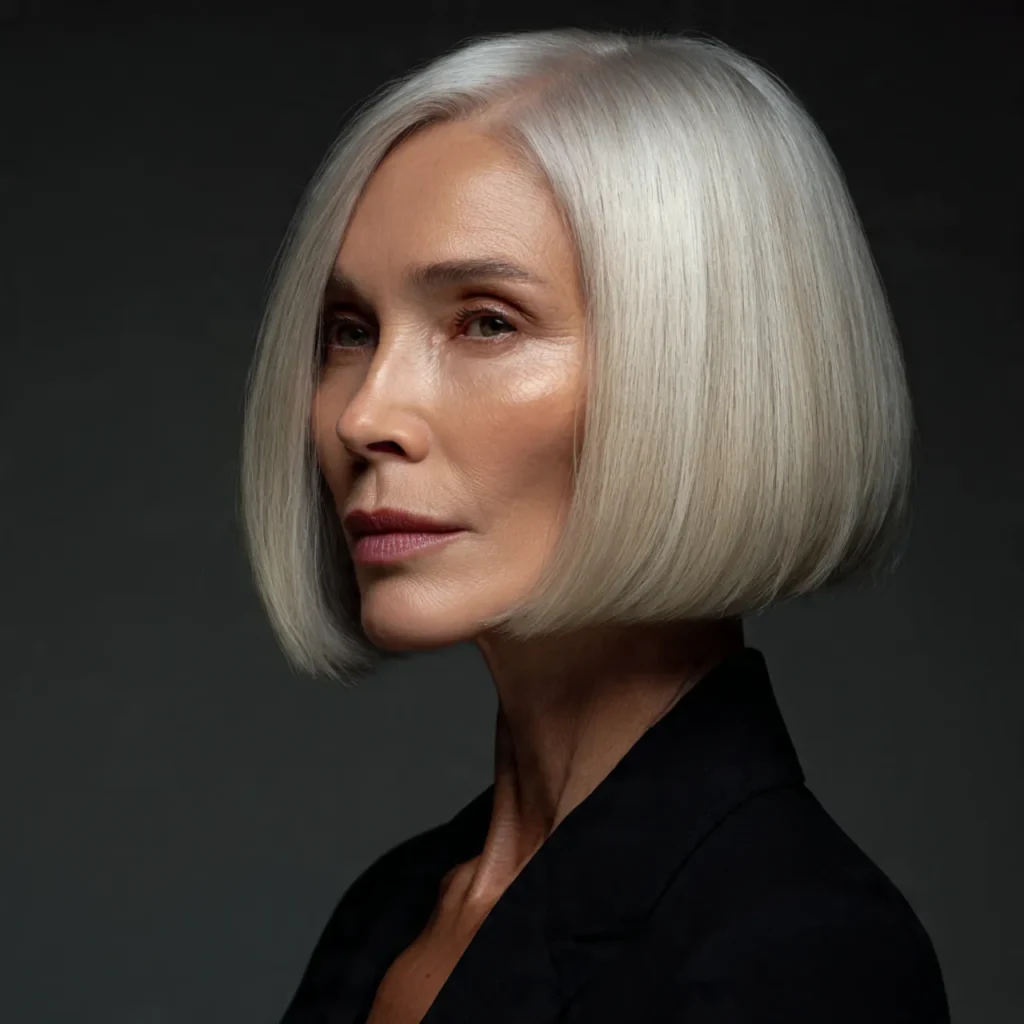
Longer at the front and shorter at the back, this creates a defined geometric line that depends on precision to look sharp. It generally suits straight or lightly wavy hair best, since the clean angle is easiest to maintain on hair that doesn’t fight the shape with its own texture. A light flat-iron pass on the ends can keep the line crisp, but this is a cut that needs regular reshaping to hold its geometry as it grows.
Bubble Braid Updo (this is an updo, not a haircut)
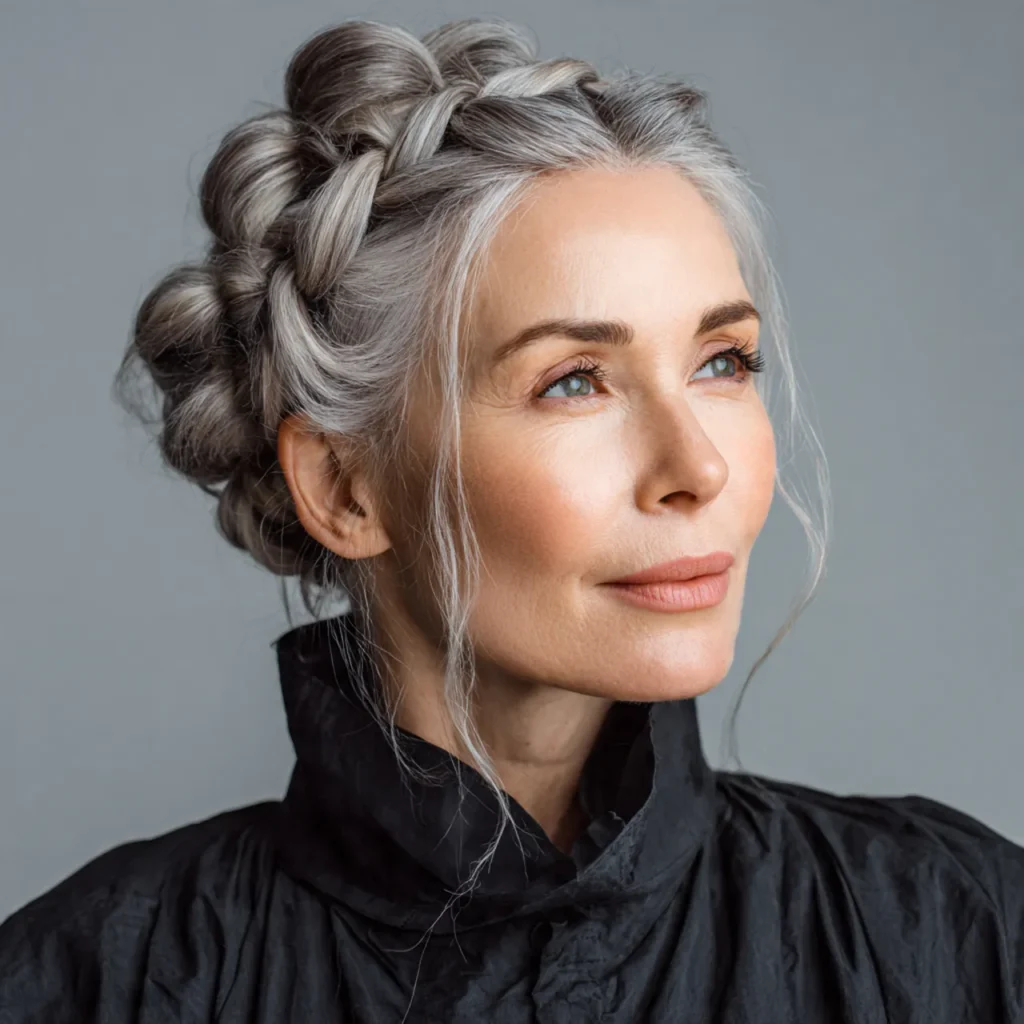
This is a styling option that can be done on medium to long hair of most textures, regardless of the underlying cut. The bubble sections create fullness through how the hair is sectioned and pulled, not through any change to the haircut itself. It’s a reasonable choice if you want a style option for an occasion without altering your everyday cut.
Wavy Lob with Soft Layers
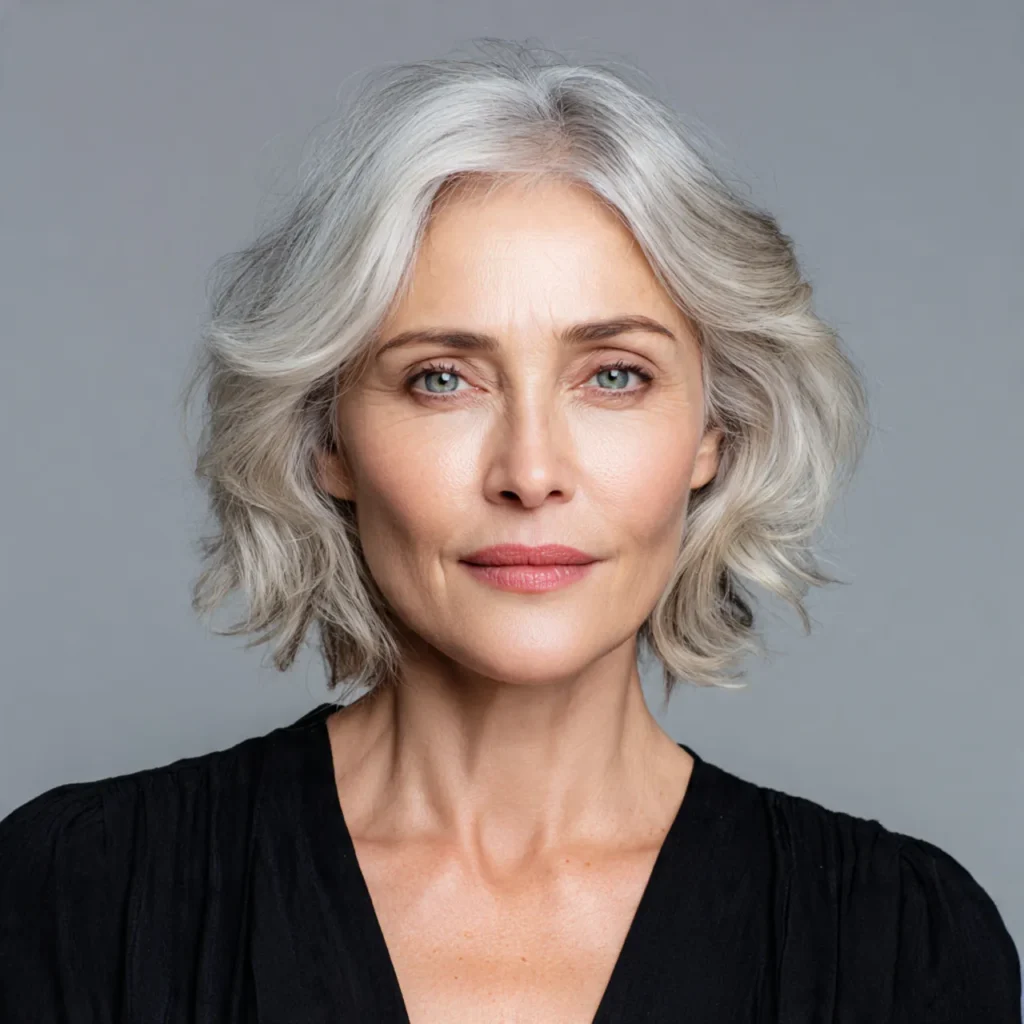
This is fairly close in structure to the Soft Layered Lob above, with waves added on top, whether natural or styled. On medium to thicker hair, the waves and layers work together to keep the shape from looking too heavy. On finer hair, keeping the layers a bit more conservative helps avoid thinning out a shape that’s already relying on the waves for volume.
Cropped Cut with Tapered Sides
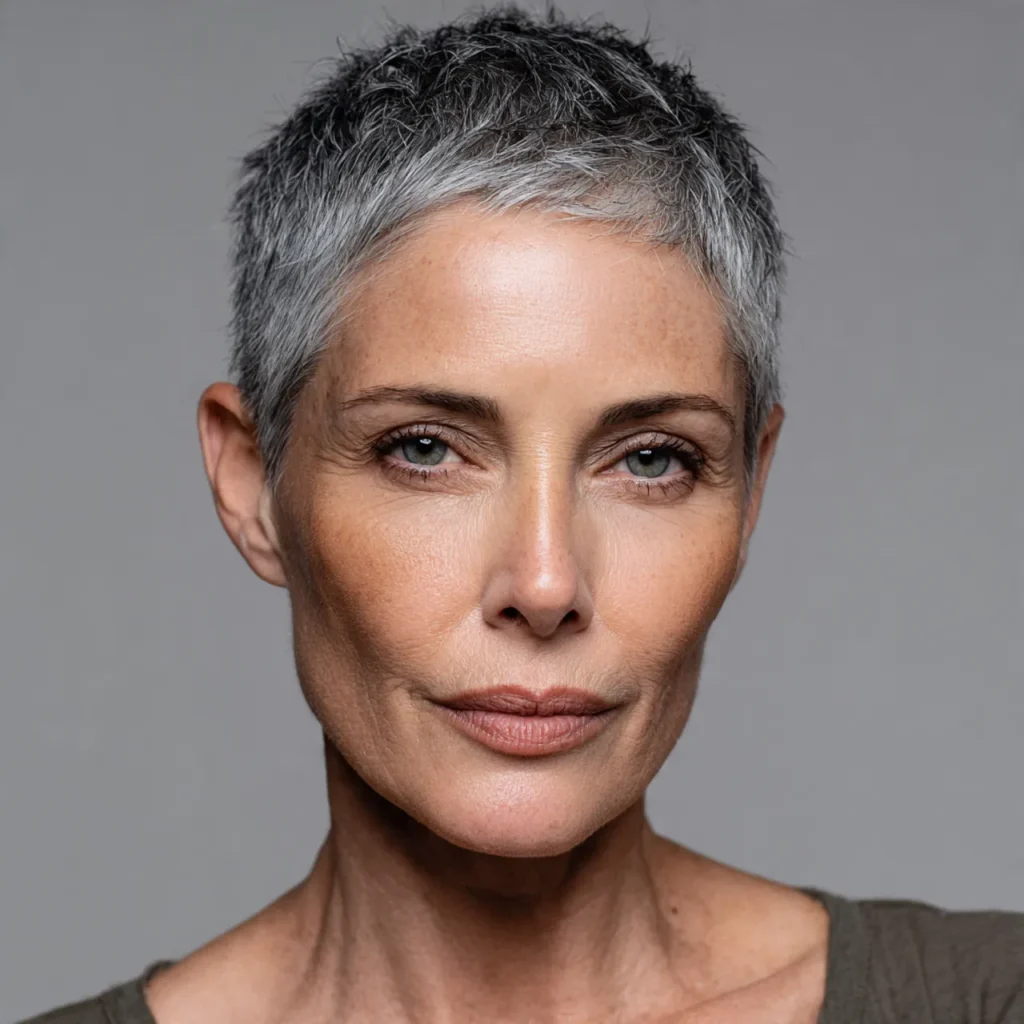
A close crop with tapered sides removes most of the length that would otherwise need daily styling, which is part of why it tends to need less morning effort than longer cuts. What it asks for instead is more frequent salon visits, since short, precise shapes grow out and lose their defined edge faster than longer, softer cuts. It also puts more visual weight on the shape of the cut itself, since there’s little length left to distract from an uneven line.
Side Part Blowout Lob (styling technique applied to a lob)
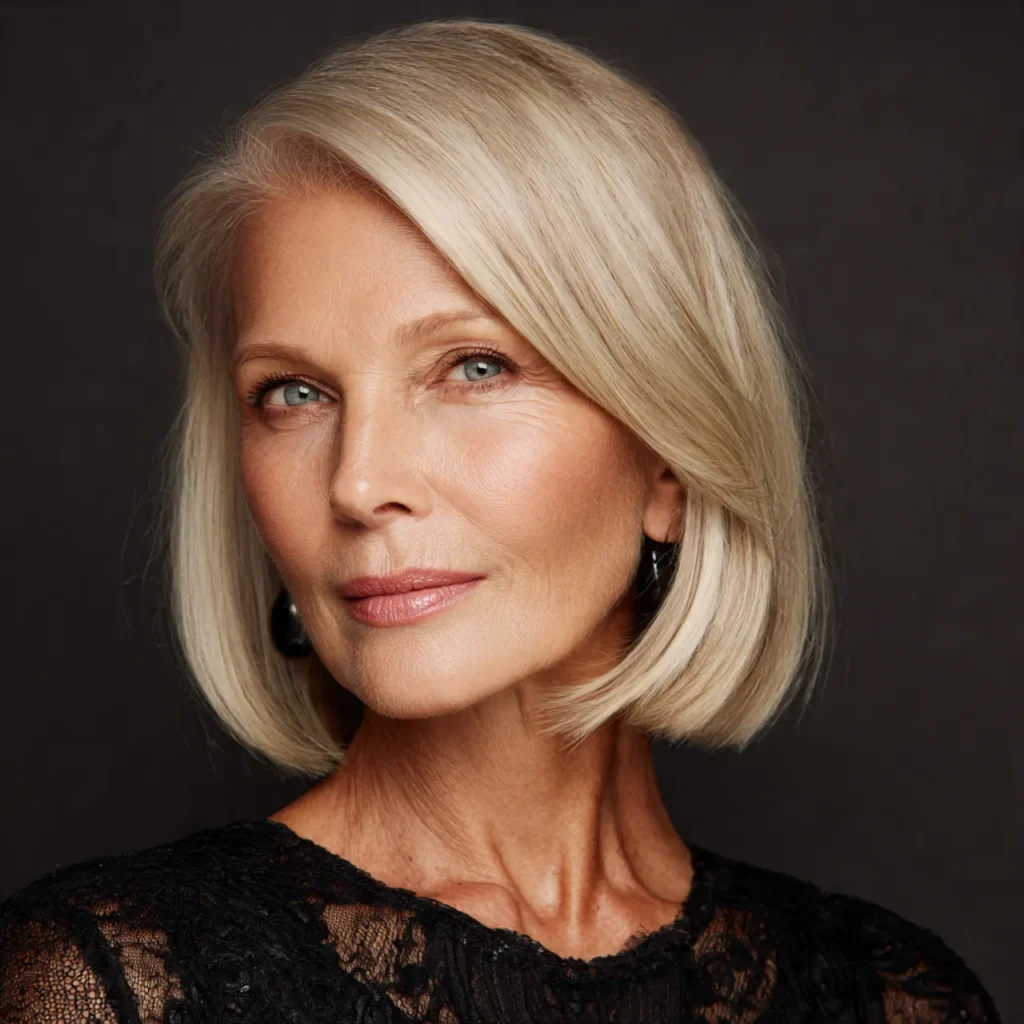
A deep side part paired with a smooth blowout is a finishing choice more than a distinct cut, and it can be applied to several of the lob-length structures on this list. It suits straight or lightly wavy hair that responds well to a paddle brush and heat, and it’s a look that generally needs to be redone with each wash rather than holding over several days.
Romantic Loose Updo (an updo, not a haircut)
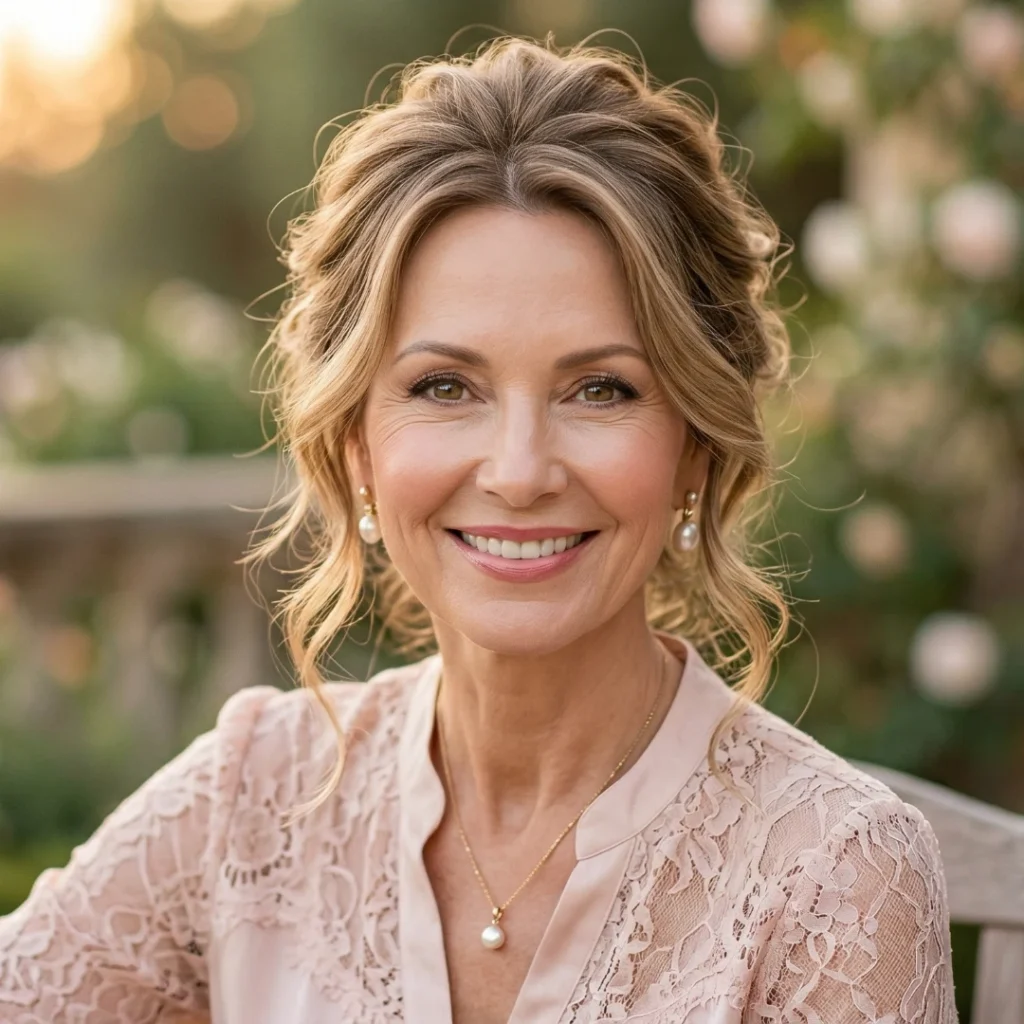
A low, loosely pinned updo works on medium to long hair regardless of the specific cut beneath it, and it’s more about pinning technique than about layering or perimeter shape. Pulling a few pieces loose around the face after pinning softens the overall look, which matters more here than which underlying haircut you have.
Copper Toned Layered Cut (a color choice on a layered cut)
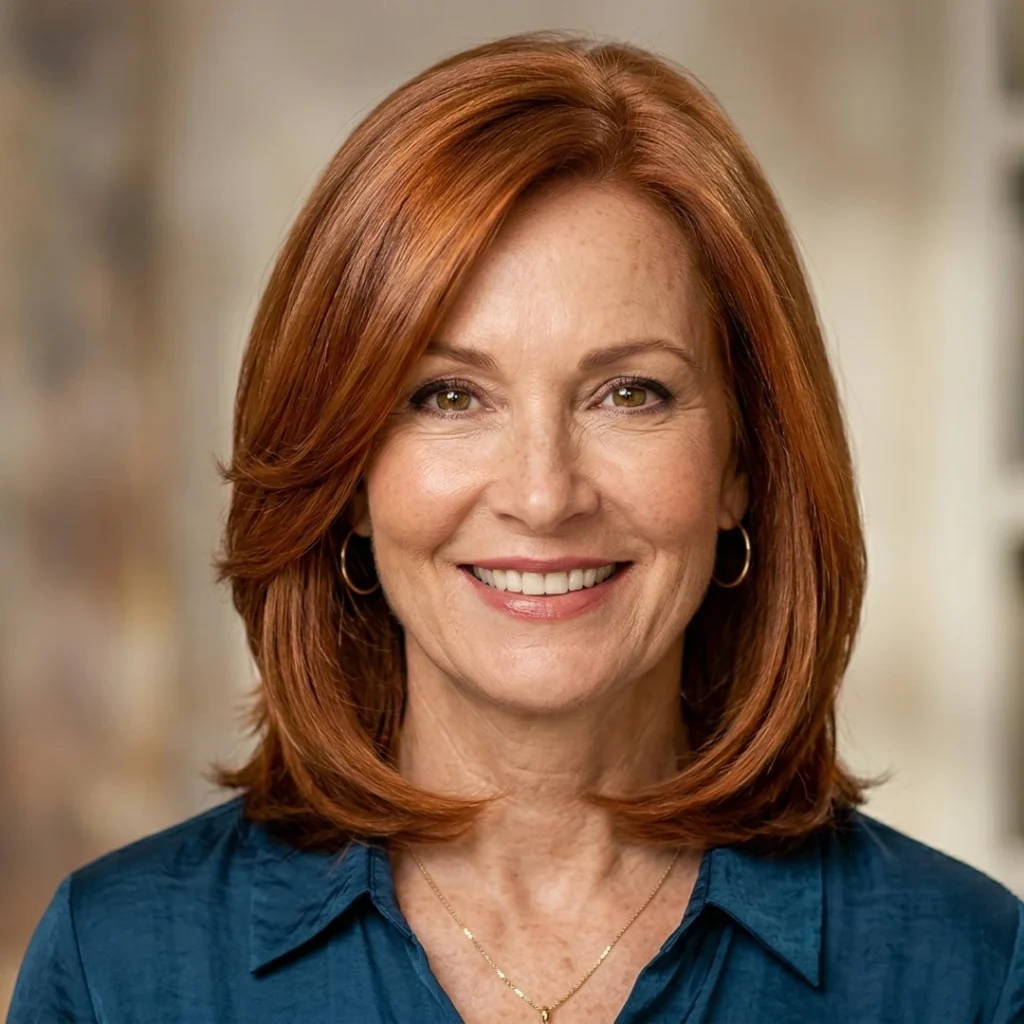
Copper is a color decision separate from the haircut it’s applied to; the layering here is similar in structure to other layered cuts on this list. Warm copper tones tend to fade toward a duller shade faster than cooler colors, so a color-depositing conditioner and cooler wash water can help stretch time between salon color visits. It doesn’t add actual thickness to the hair, though contrast between lighter and darker strands can make the movement of the layers more visible.
Short Stacked Bob
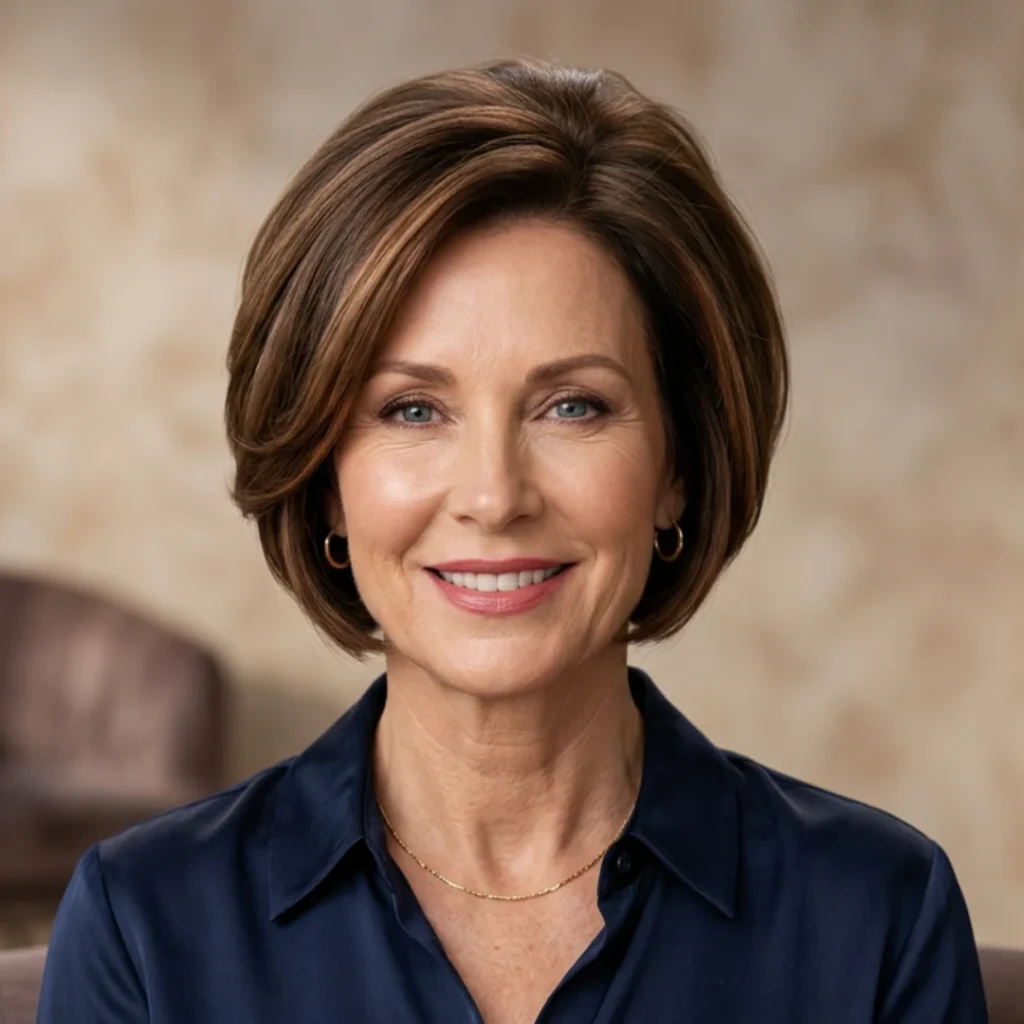
Stacking builds shape at the back and crown through shorter layers underneath pushing the longer ones outward, which can make hair look fuller from certain angles without changing actual density. This tends to work especially well on fine or lower-density hair at the back, since the stacking creates structure the hair might not hold on its own. The trade-off is that stacked shapes depend on a clean nape line, so growth there tends to soften the structure sooner than with a less built-up cut.
Chin Length Bob with Texture
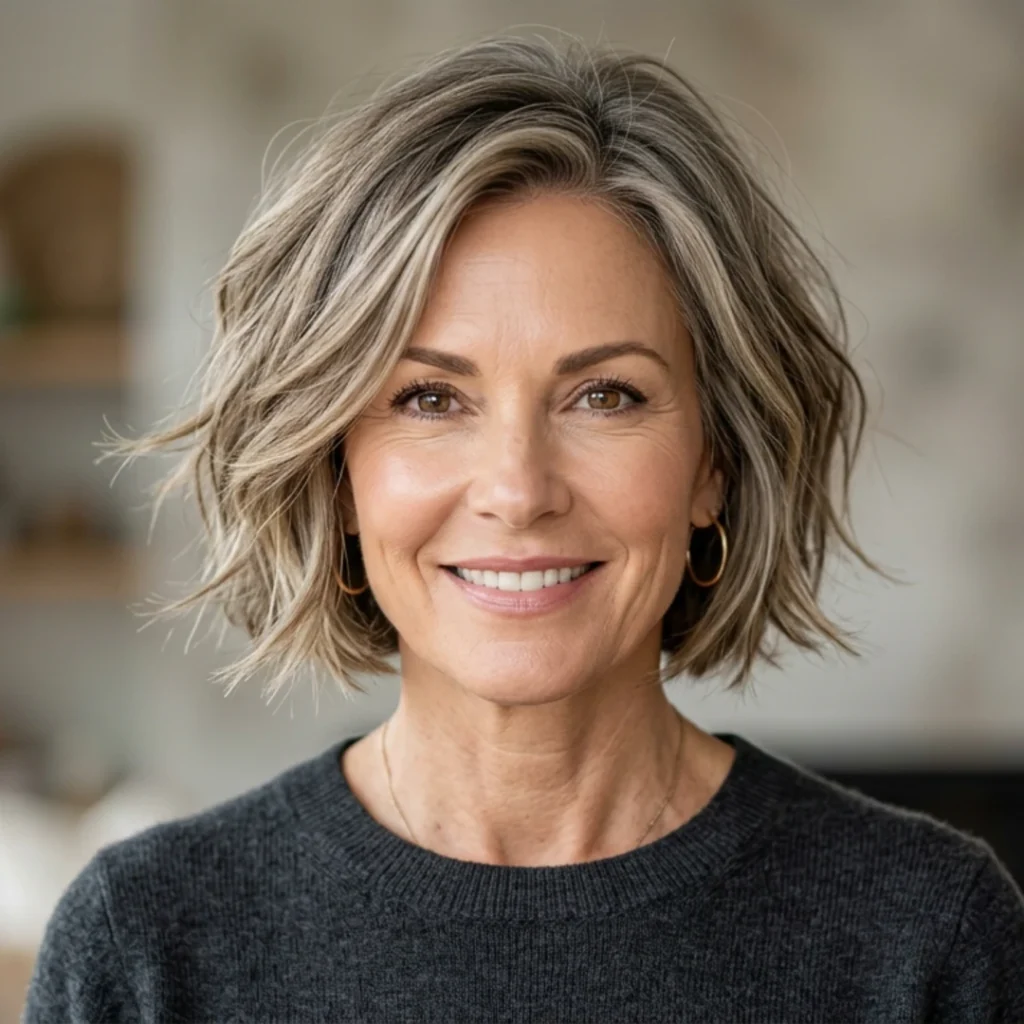
Adding texture, through point-cutting or a razor, softens what would otherwise be a fairly structured chin-length line. This version tends to be more forgiving of an air-dry than a smooth, blunt bob, since the texture doesn’t rely on a perfectly clean edge to look finished. It works across a fairly wide range of hair types, though very fine, low-density hair may need the texturing kept light to avoid thinning the perimeter.
Long Pixie with Volume
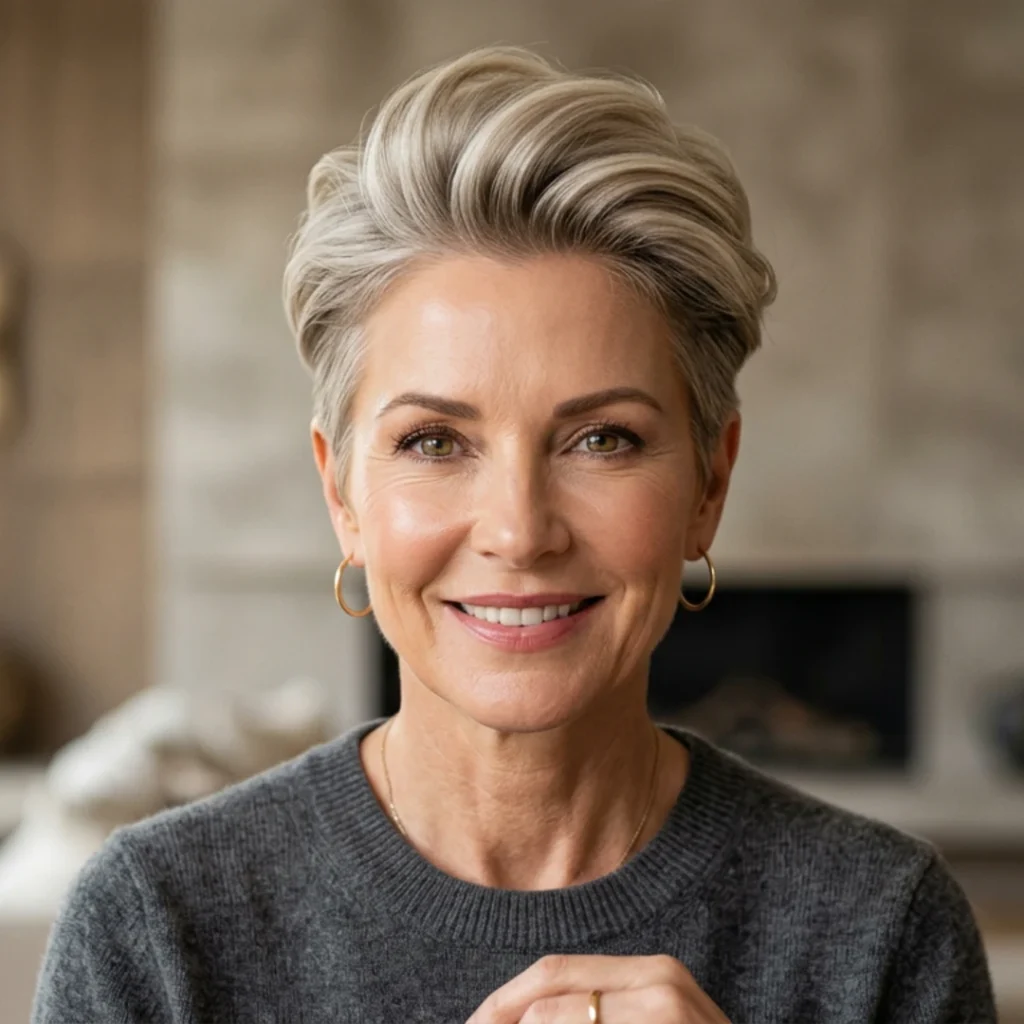
Longer on top with closer-cropped sides, this offers more styling options day to day than a shorter pixie, since there’s enough length on top to sweep it in different directions. That flexibility does come with a bit more daily effort than a very short pixie, typically some root lift and a quick blow-dry, rather than none at all.
Balayage on Medium Layers (a color technique, not a haircut)
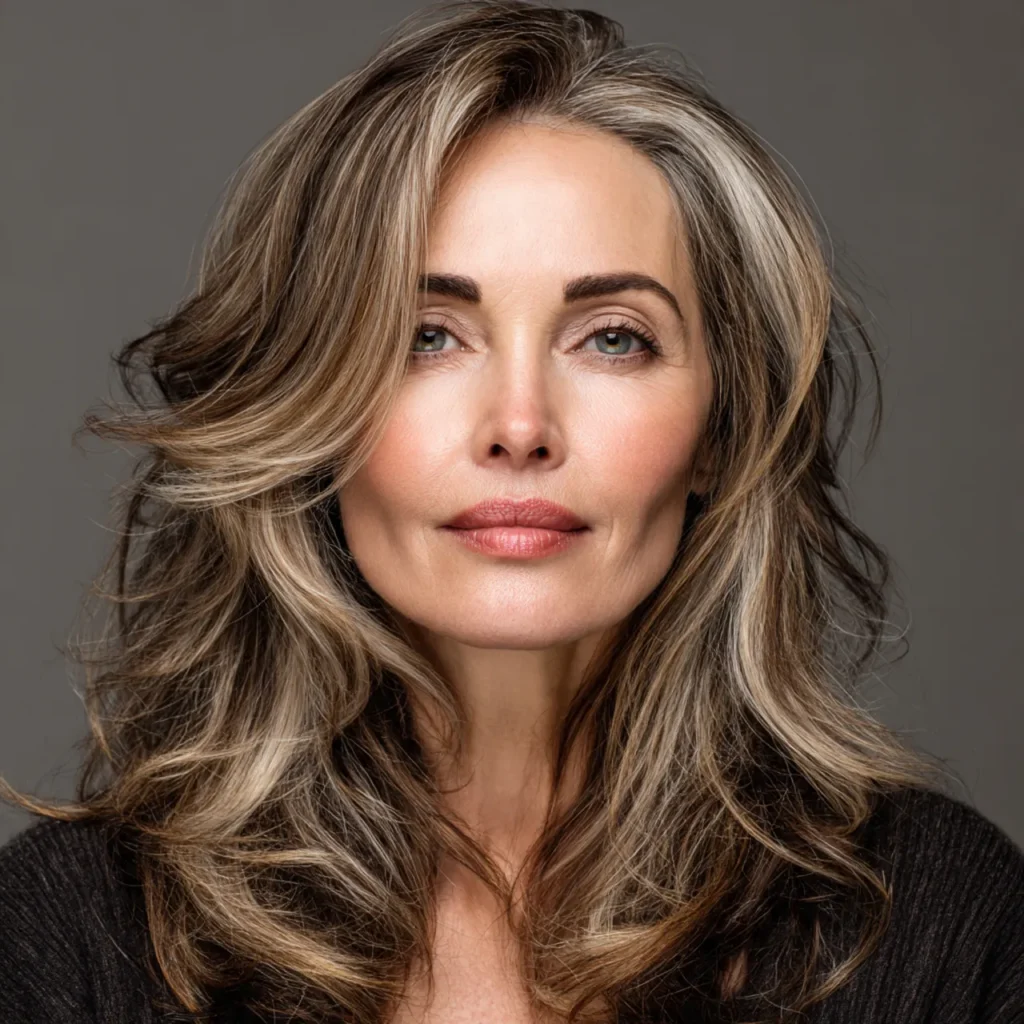
Balayage is hand-painted color that can be applied to almost any of the layered cuts on this list; the medium layers here aren’t a distinct structure of their own. Because it’s painted rather than foiled to the root, it tends to grow out with a softer, less obvious line than traditional highlights, which can mean fewer color appointments over time, though how “low maintenance” that ends up being still depends on how much contrast you want to maintain.
Sleek Straight Lob
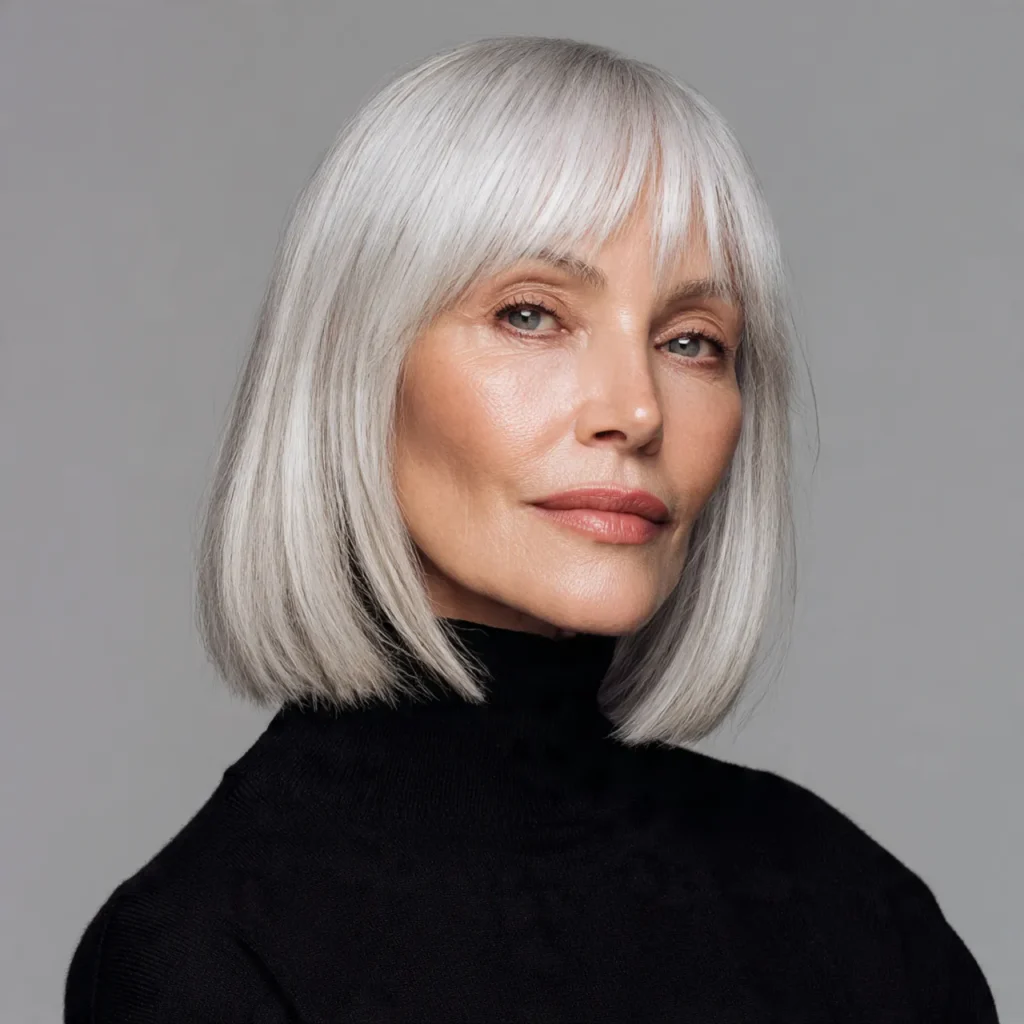
With minimal layering, this depends on a smooth finish to look polished, which generally means naturally straight hair or a willingness to straighten regularly. One light iron pass on already-dry hair, rather than repeated passes, tends to preserve more natural shine than over-styling does. On coarser or more textured hair, achieving the same sleekness usually takes more time and product than the reference photo suggests.
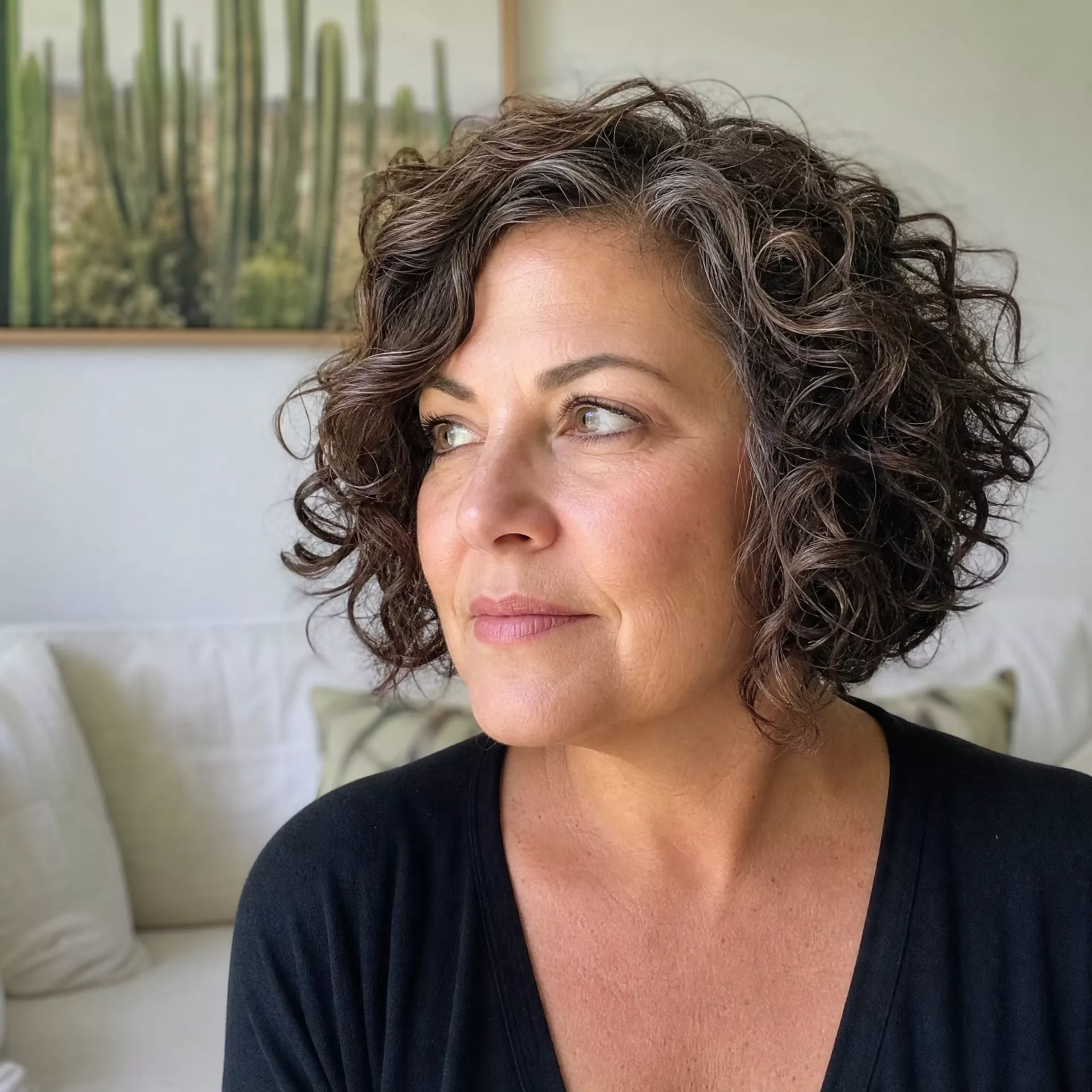
Curly Shag with Fringe
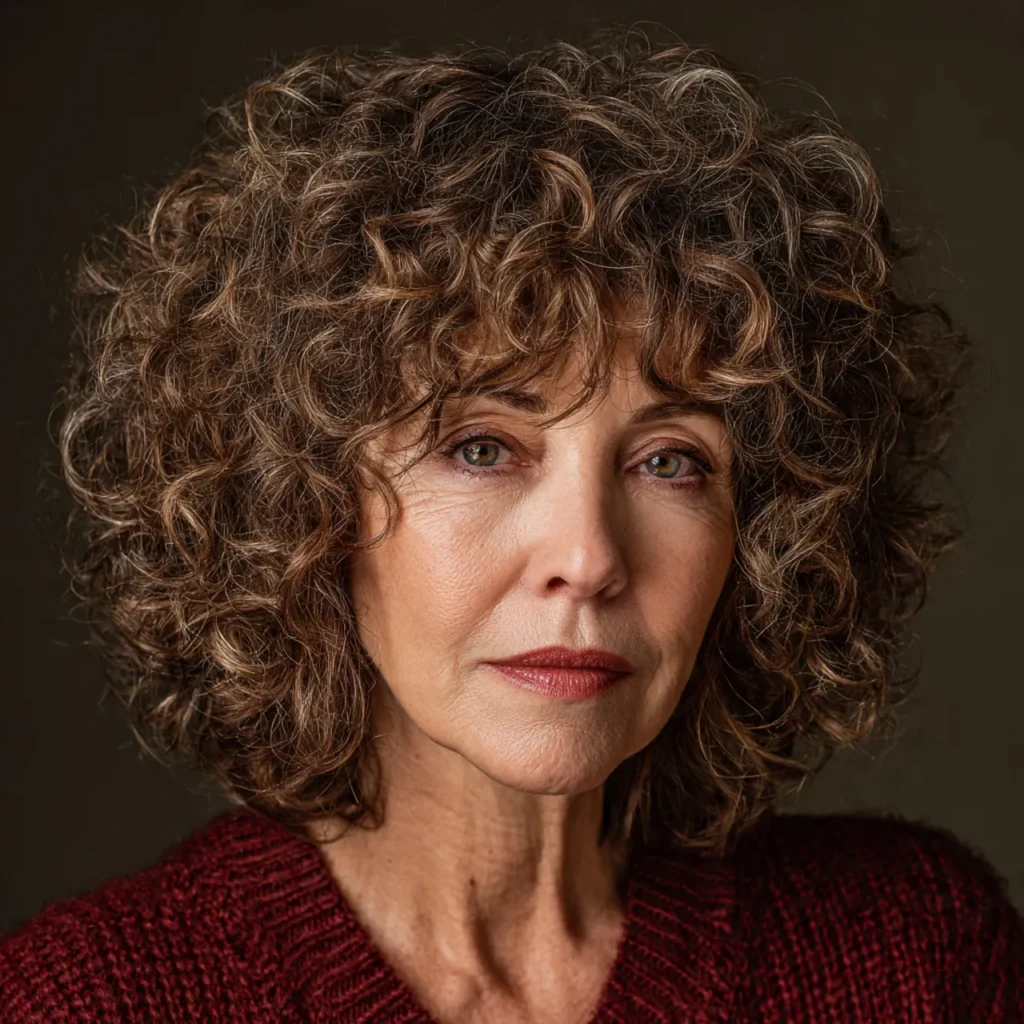
Curl pattern affects two things here: how much the hair shrinks as it dries, and how the layers separate once dry versus wet. Cutting on soaking wet hair can be misleading, since curls sit noticeably shorter once they spring up, so having the length and fringe checked on dry hair is worth asking for. The layering is generally meant to encourage curl definition rather than remove bulk the way it might on straight hair.
Ash Blonde Bob (a color choice on a bob)
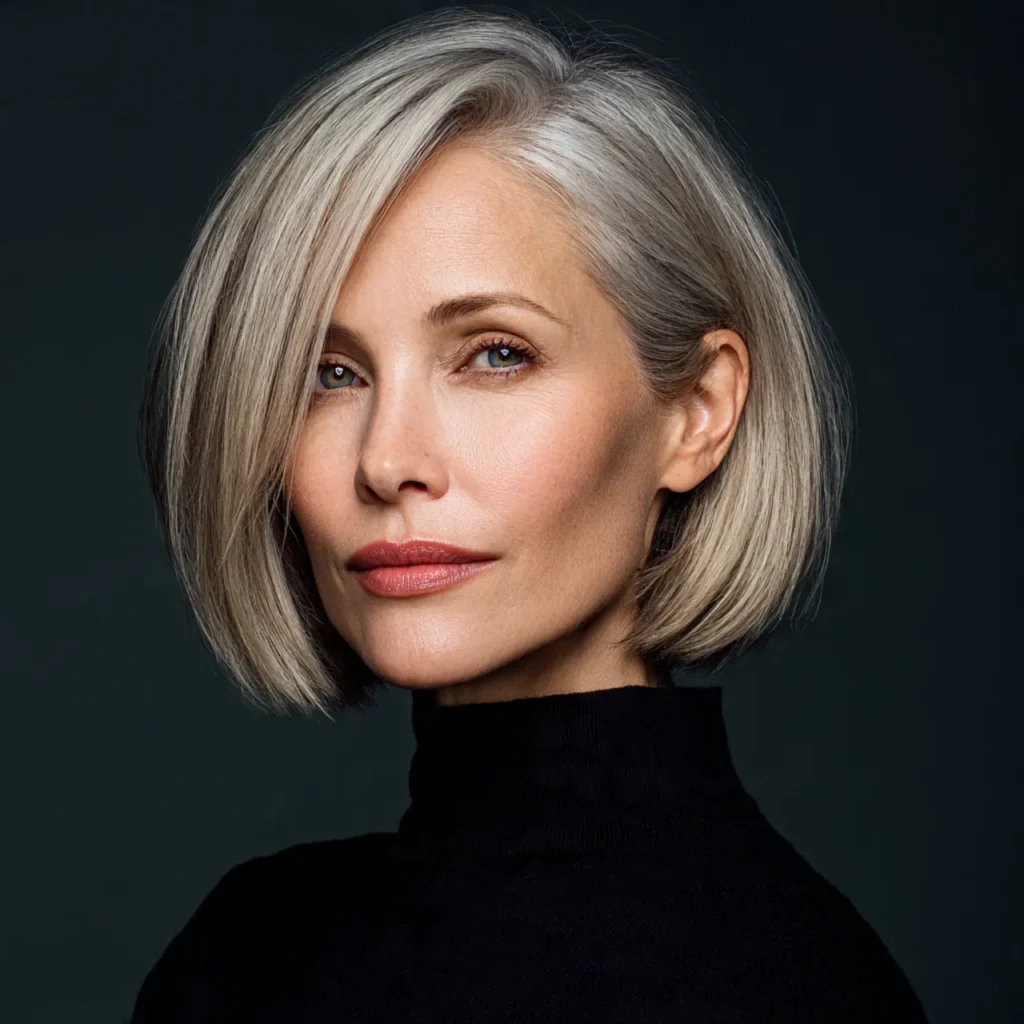
Ash tones are cool and can blend with graying hair in a way that reads as intentional rather than needing a full transition to gray. As with other cool tones, ash tends to shift warmer over time, so a purple or blue-toned shampoo used periodically can help hold the color between salon visits. The bob shape itself follows the same considerations as the Classic Blunt Bob above, since the color doesn’t change the underlying structure.
Effortless Air Dried Layers
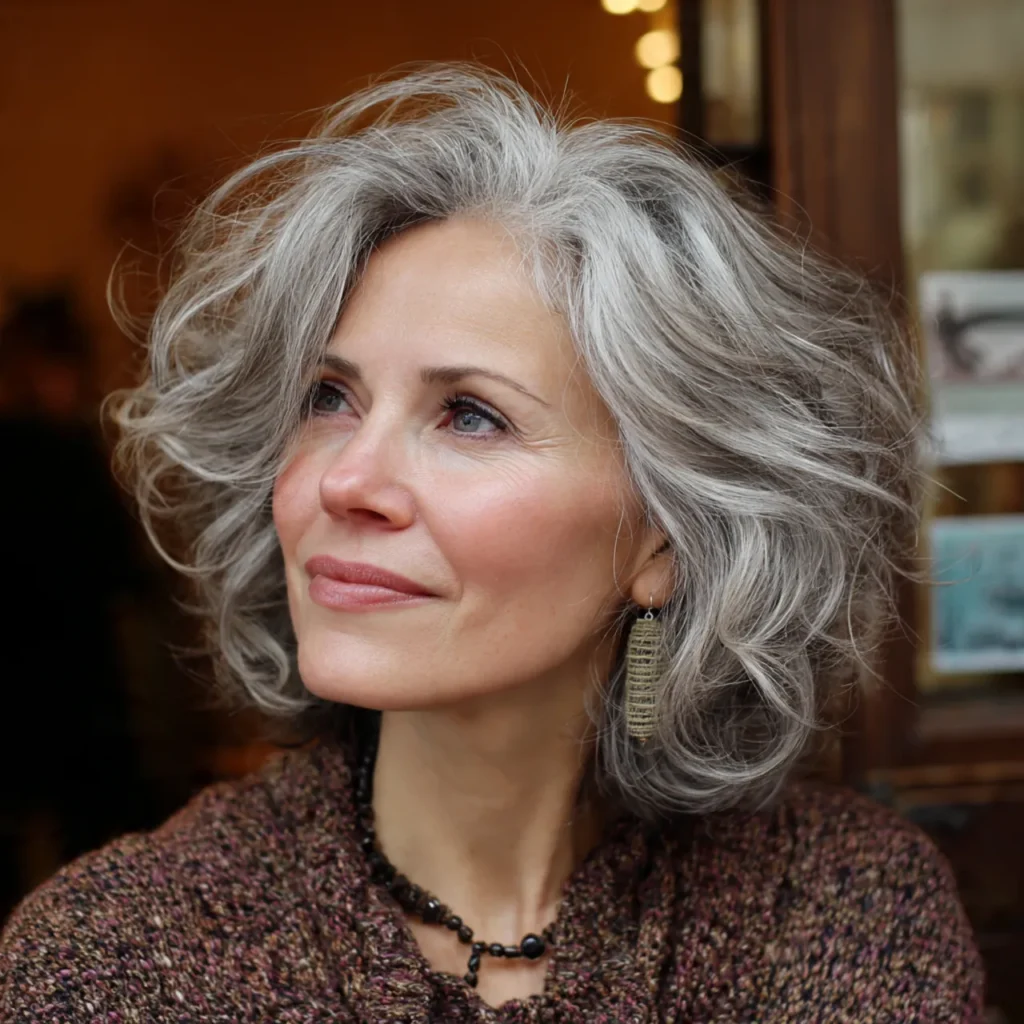
This is a cut specifically shaped to work without heat styling, which depends heavily on your natural texture actually cooperating. Wavy or curly hair generally air-dries into the intended shape with a leave-in conditioner and minimal intervention. On very straight, fine hair, the same “wash and go” cut may fall flatter than the reference photo, since there’s no natural bend for the layers to catch onto, so it’s worth discussing your actual texture with your stylist rather than assuming any layered cut will air-dry the same way..
Soft Bob with Silver Toning (a color and toning choice, not a haircut)
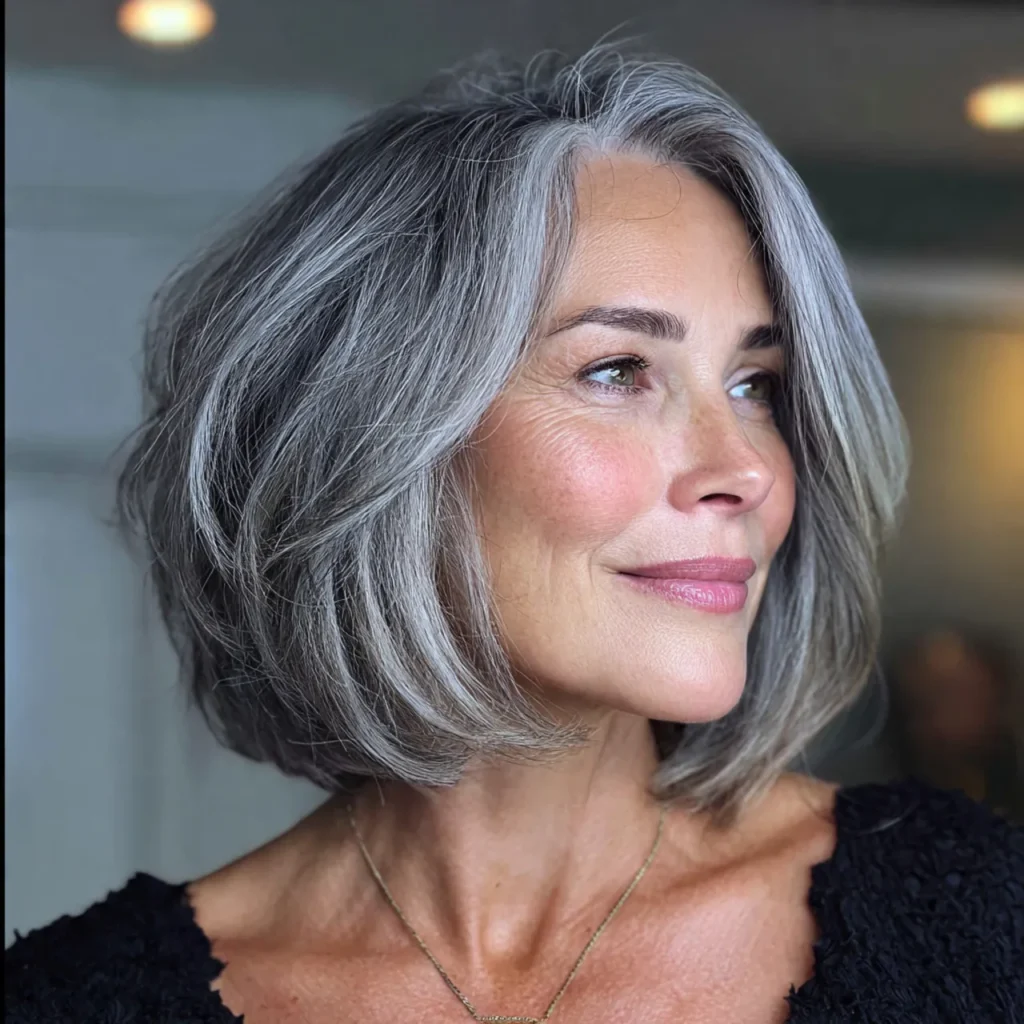
Silver or pearl toning is a color decision that can be added to a classic bob shape rather than a distinct cut. It tends to suit hair that’s already light or graying, since achieving a true silver tone on darker hair usually requires more lightening first, which affects condition. A glossing treatment between salon visits can help maintain brightness, though the toning itself needs periodic refreshing as it fades..
Bold Platinum Pixie (a color choice on a pixie)
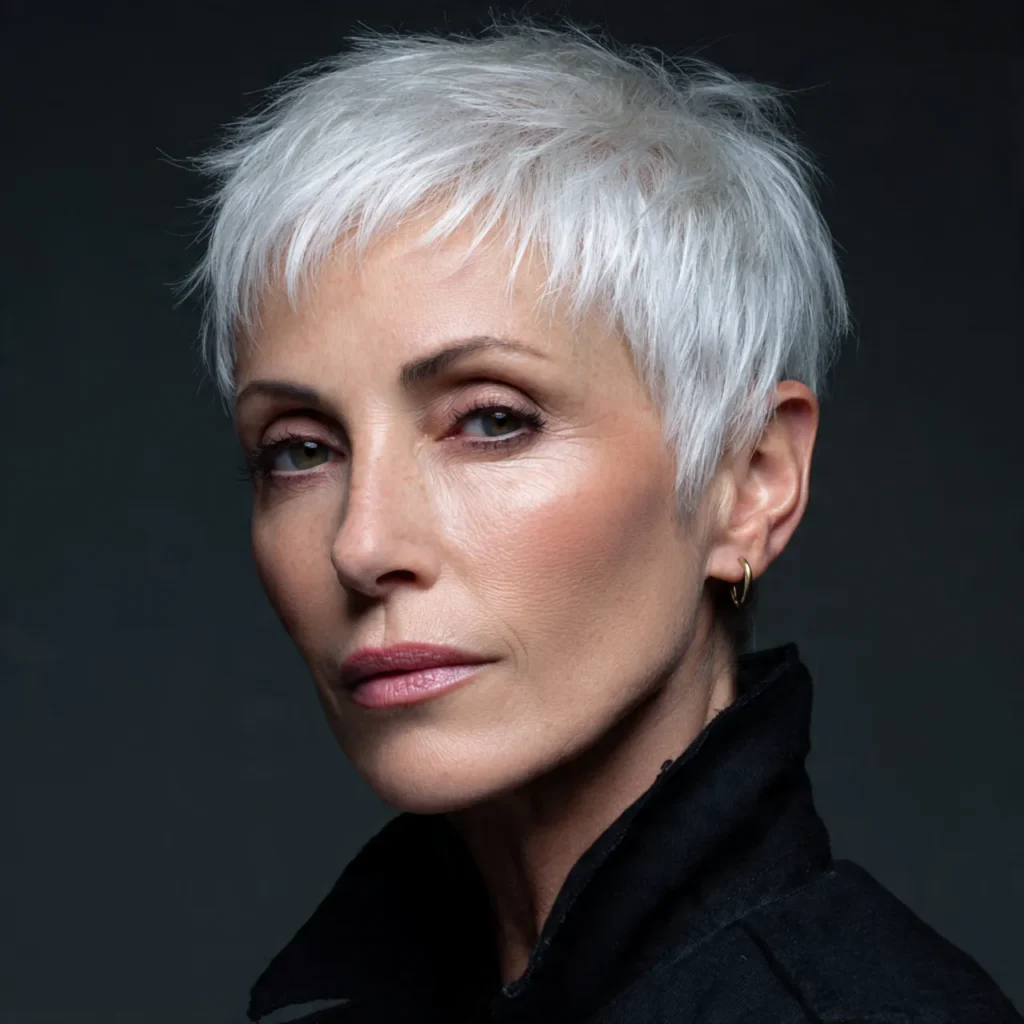
Platinum is a significant color commitment layered onto a pixie cut, and it generally requires more upkeep than the cut alone: regular toning to prevent yellowing, and more attention to condition, since the lightening process needed to reach platinum affects hair health more than most other color choices on this list. The pixie shape itself follows the same density and texture considerations as the Textured Pixie Cut above.
How to Narrow Down These 30 Hairstyles
Fine but dense hair. You likely have more flexibility with layering than you’d expect. The Soft Layered Lob, Wavy Lob with Soft Layers, or Textured Bob with Curtain Bangs can add movement without leaving the perimeter looking sparse.
Fine and low-density hair. A more intact perimeter tends to hold up better. The Classic Blunt Bob, Short Stacked Bob, or Tapered Nape Bob rely on structure rather than heavy layering to create the appearance of fullness.
Thick or dense hair. You have more room to remove weight without the cut looking thin. The Layered Shag Cut, Curly Shag with Fringe, or Long Pixie with Volume all use layering or texture to manage bulk.
Straight hair. Structured shapes like the Sleek A-Line Bob, Sleek Straight Lob, or Classic Blunt Bob tend to hold their line with less daily intervention than textured or wavy styles.
Wavy hair. The Silver Shag with Layers, Layered Shag Cut, or Collarbone Length Waves can lean into your existing texture rather than fighting it.
Curly or coily hair. The Curly Shag with Fringe is built with curl pattern in mind, and length decisions for any curly cut are generally more reliable when checked on dry, fully sprung hair.
Minimal daily styling. The Effortless Air Dried Layers, Cropped Cut with Tapered Sides, or Chin Length Bob with Texture tend to be more forgiving of skipping a blow-dry.
Regular blow-drying. The Voluminous Blowout with Layers or Side Part Blowout Lob are built around that routine and generally look their intended way with it.
Need to tie hair back. Longer lengths with minimal face-framing, like a Wavy Lob with Soft Layers or Natural Grey Lob, generally stay tidier pulled back than shorter cuts or ones with heavy face-framing.
Wanting a strong, defined perimeter. The Classic Blunt Bob, Sleek A-Line Bob, or Tapered Nape Bob rely on a clean edge as the main feature.
Wanting fewer salon visits. Softer, less precise shapes like the Layered Shag Cut or Chin Length Bob with Texture tend to grow out more gracefully than a sharp perimeter or short crop.
Embracing natural gray. The Natural Grey Lob or Silver Shag with Layers are built around gray as a feature rather than something to disguise.
Growing out previous color. Balayage tends to create a softer grow-out line than foiled highlights, which can make the transition period less visually jarring regardless of the cut underneath.
Willing to maintain bangs. Curtain bangs, as in the Textured Bob with Curtain Bangs, generally ask less of your trim schedule than a full, wispy, or blunt fringe.
Wanting a short cut without much nape exposure. A Tapered Nape Bob or Long Pixie with Volume keeps more length at the back than a fully Cropped Cut with Tapered Sides.
What Can Go Wrong
- Too much layering on low-density hair, which can leave the ends looking thinner rather than lighter.
- Choosing a reference photo styled for a texture different from your own, since a shag or lob that looks effortless on wavy hair may need active styling on straight hair.
- Ignoring curl shrinkage, which can leave a curly cut shorter once fully dry than it looked wet during the appointment.
- Cutting bangs against your natural part, which tends to create ongoing friction rather than a settled shape.
- Choosing a precise cut, like a blunt bob or tapered nape, without wanting frequent trims, since these shapes show growth sooner than softer ones.
- Underestimating color maintenance, particularly with platinum, ash, or silver tones, which generally need more frequent toning than warmer shades.
- Assuming “wash and go” means zero styling, when it more often means the cut is forgiving of minimal effort rather than requiring none at all.
- Removing too much weight from the perimeter on fine hair, which is the opposite of what most people want from a layered cut.
- Choosing a very short cut without considering whether you’ll want to tie your hair back, since some short structures don’t offer that option at all.
- Copying a cut without accounting for your own natural growth pattern, particularly around a cowlick or an uneven hairline.
What to Ask Your Stylist
- Where will the perimeter sit once my hair is completely dry?
- How much weight are we actually removing?
- Where will the shortest layer begin?
- Will my natural texture change the finished length, especially if I have curl or wave?
- Can I still tie my hair back comfortably?
- How much daily styling will this realistically require?
- How will this shape grow out over the next couple of months?
- What will this look like if I skip a blow-dry entirely?
- If I’m unsure about the length, can we start slightly longer and adjust later?
- How much maintenance will this color require compared with my current one?
Frequently Asked Questions
Choosing What Actually Fits
The best choice from this list isn’t necessarily the most attractive photo. It’s the cut that matches your actual hair density, your texture, how much time you’re willing to spend styling, and how often you’re realistically willing to sit in a salon chair. Bring reference photos to your consultation, but bring an honest account of your routine too, including what you don’t want to deal with, since that combination will tell your stylist more than any single picture can.
Save this guide so you have your favorite references ready before your next salon appointment.