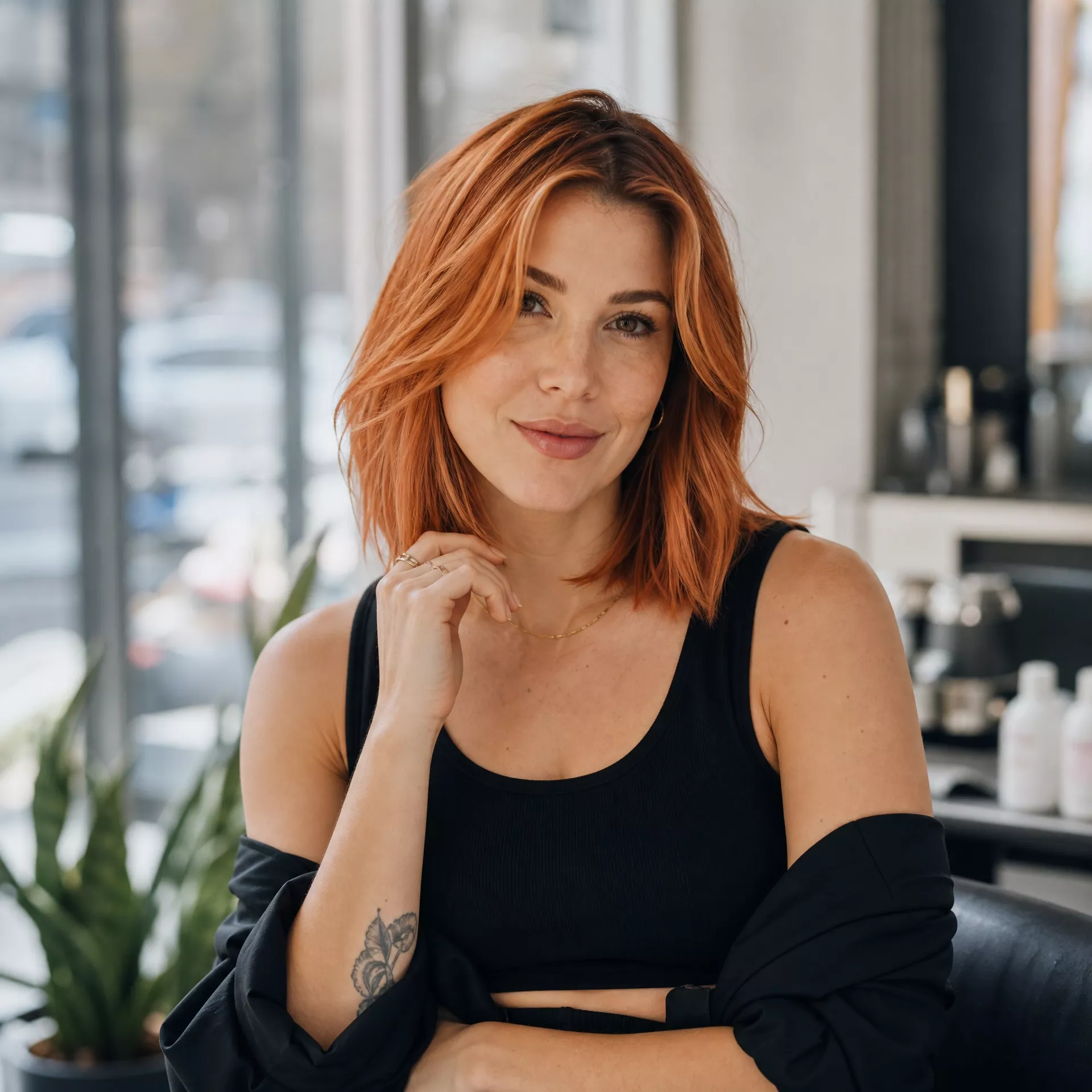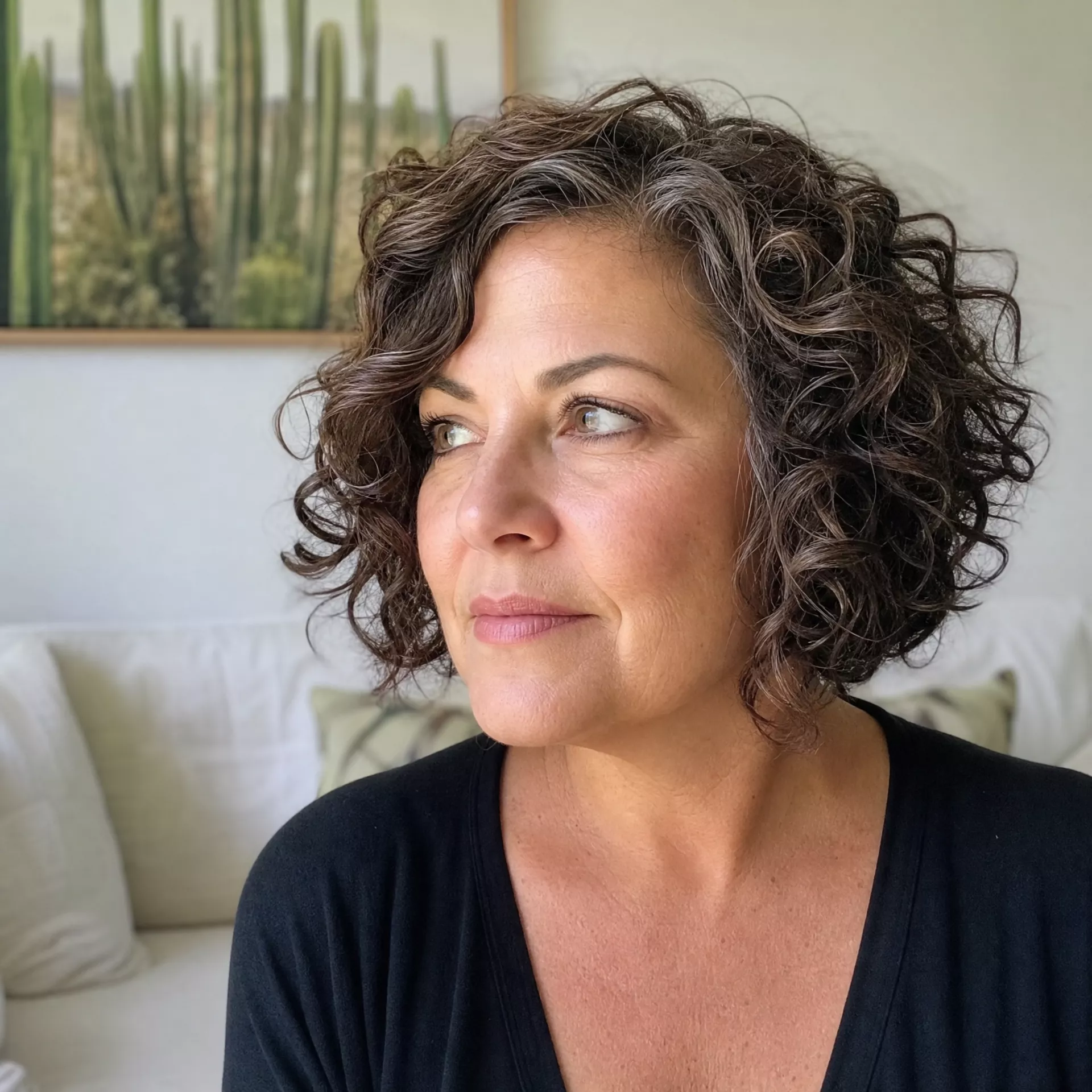
27 Short Hairstyles for Women Over 50, and How to Choose One That Actually Works for You
Choosing a short haircut after 50 has less to do with chasing a “younger” look and more to do with a handful of practical things: how dense your hair actually is, what your natural texture does without a blow-dryer, how your hair grows at the crown and nape, and how much time and money you’re willing to put into keeping the shape sharp. Two women with the same length of hair can end up with completely different results from the same haircut, because their density, texture, and growth patterns aren’t the same.
This guide covers 27 short hairstyles in one continuous list, and instead of sorting them by who they’re “best for,” each one focuses on what actually distinguishes it: how it handles density, what it needs from your natural texture, what the maintenance really looks like, and who might want to think twice before choosing it. After the list, there’s a short guide to narrowing things down, a look at what commonly goes wrong, some questions worth bringing to your stylist, and a few frequently asked questions.
Before You Choose a Short Haircut
A few things are worth sorting out before you bring a photo to a consultation.
Hair density versus strand thickness. These get used interchangeably, but they’re different. Fine hair means each individual strand is narrow. Density refers to how many strands you have per square inch of scalp. You can have fine hair that’s dense, fine hair that’s low-density, coarse hair that’s dense, or coarse hair that’s low-density, and each of those combinations behaves differently under the same haircut. A cut chosen because “it works for fine hair” might still disappoint you if your real issue is low density, not strand width.
Natural texture. Straight, wavy, curly, and coily hair all respond differently to short layering and cropped shapes. A style that looks effortless on a stylist’s demo head with loose waves can behave completely differently on straight or tightly curled hair.
Cowlicks and your natural part. A strong cowlick at the crown or an uneven hairline can push a short cut in a direction the photo never showed. It’s worth mentioning this at the consultation rather than discovering it the first time you try to style the cut yourself.
How much styling you actually do. Be honest about whether you reach for a round brush and dryer most mornings or you’re realistically an air-dry-and-go person. Some short cuts are built for one or the other, and being clear about your habits upfront saves a lot of frustration later.
How often you want to be in the salon chair. Short hair generally needs more frequent shaping than longer hair, but “how frequent” varies a lot by shape. A precise, structured cut usually needs more regular attention than a looser, textured one.
Whether you want to keep gray or silver hair natural. This affects both the cut and the ongoing maintenance, since gray and white hair can have a different texture than pigmented hair.
How much length you want left around the ears and nape. This is one of the biggest variables between otherwise similar-looking short cuts.
Face shape, as one preference among several. Face shape can genuinely inform styling choices, like where volume sits or how a fringe is angled, but it isn’t a rulebook. Plenty of “wrong” combinations look fine in practice, and density and texture usually matter more to the final result than face shape does.
The 27 Hairstyles
Soft Textured Pixie Cut

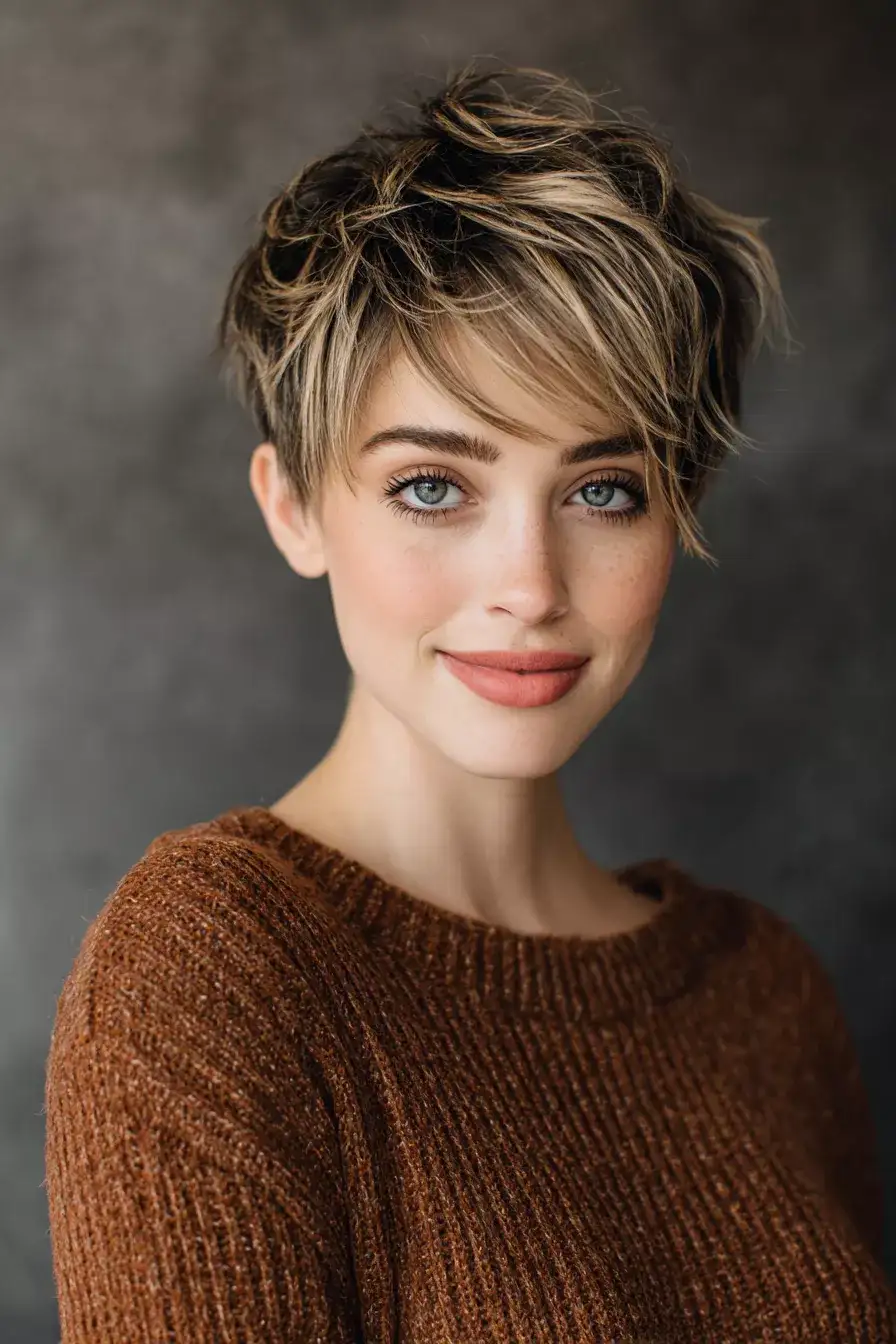
This is a shorter cut with piece-y layers throughout, and the main thing to understand is that “texture” here comes from how the ends are cut, not from added length. Razor-cut or point-cut ends can add movement on medium-density hair, but that same technique can leave low-density hair looking sparser rather than fuller, so it’s worth discussing exactly how much texturizing your hair can handle. A small amount of lightweight pomade on dry ends is generally enough to keep the piece-y look through the day. If you don’t want to use any styling product at all, or you’d rather not be back in the chair every few weeks to keep the layering fresh, this may not be the lowest-effort option on this list.
Angled Bob

Cut shorter at the back and longer toward the chin, this shape creates a visible diagonal line, and how dramatic that angle is depends on how much difference there is between the shortest and longest points. A more subtle angle grows out with fewer noticeable stages than a steep one. Graduation added at the back can build some shape at the crown, though the amount of lift depends on your hair’s density there, not just the cutting technique. If you’d rather avoid an obvious asymmetry or you want a shape that holds its line evenly as it grows, a more level bob might suit you better than this one.
Layered Short Bob

Soft layers just above or at the ear level add movement that a one-length bob doesn’t have, and the effect changes considerably with density and texture. On finer hair, the added movement can make the shape look fuller, but the same layering on already-thin hair can also thin out the ends further if too much weight is removed. A volumizing mousse applied at the roots before drying helps lift the base, and either diffusing for wave or a round brush for a smoother finish will change the overall effect quite a bit.
Pixie Bob (The Bixie)

This sits between a pixie and a bob, generally with more stacking at the back and longer, face-framing pieces left at the front. It’s a reasonable option if you’re not sure you want to commit fully to a pixie, or if you’re growing one out and want a length that still looks intentional along the way. A light-hold volumizing spray on damp hair before air-drying can work well here, though how much shape it holds on its own still depends heavily on your natural texture. If your hair is very straight and fine, air-drying alone may not build much of the volume this cut relies on, and you may need to plan for at least some blow-drying.
Feathered Pixie

Wispy layers swept away from the face give this pixie a softer edge than a more structured cut, and that softness depends on the ends being cut light enough to move but not so light they look sparse. A small barrel curling wand can add a slight bend to those ends if you want a bit more shape, though this adds a styling step that a very short pixie usually doesn’t need. This tends to work better on finer hair, since the weight removal that creates the feathering is less noticeable when there isn’t much density to begin with; on already low-density hair, heavy feathering at the ends can leave things looking thinner rather than lighter.
Short Shag with Curtain Bangs

Choppy, layered, and built around movement rather than a defined perimeter, this cut leans on your natural texture more than most of the others on this list. Wavy to thick hair tends to hold the shag’s shape with a scrunch of curl cream and a diffuser, while very straight or fine hair may need more product and more active styling to get the same layered, lived-in look a reference photo shows. Curtain bangs add another maintenance point on top of the cut itself, since they generally need trimming more often than the rest of the shape to keep them out of your eyes.
Graduated Bob

Stacking at the back builds volume near the crown while the perimeter stays fairly clean, and this is one of the more structured shapes on this list, meaning it holds a defined outline rather than a loose, textured one. The tighter the stacking, the more pronounced the volume, though a very tight stack also tends to grow out more visibly than a looser one. If you prefer a soft, air-dried shape that doesn’t rely on a precise structure underneath, the controlled build of a graduated bob may feel more formal than what you’re after.
Sleek Laser-Cut Bob

A precisely cut, smooth-finished bob with sharp, clean edges, this style depends on straight or straightened hair to show off the line clearly, since waves or curls will soften the crispness that’s the whole point of the cut. The sharp edge can make the perimeter look denser, similar to how a blunt cut reads fuller than a heavily layered one, but that’s a visual effect of the cutting technique rather than a change in actual hair density. A flat iron and a small amount of smoothing serum are generally what it takes to keep this looking fresh between washes. If you don’t want to reach for heat tools regularly, this is likely one of the higher-maintenance styling choices here, even though the cut itself doesn’t need frequent trims.
Side-Swept Pixie

A deep side part paired with a swept fringe changes the visual direction of a pixie, moving the eye across the face rather than straight down the center. How well the sweep holds depends on your hair’s natural part and its texture; hair that resists a side part may need more product or more frequent touch-ups to keep the sweep in place through the day. A fine-tooth comb and a light-hold hairspray are usually enough to set it once your stylist has cut the fringe to fall in that direction.
Wavy Bob

Loose waves at chin length rely almost entirely on your ability to reproduce them, whether that’s your natural texture or a curling iron. On hair that waves naturally, this can be a fairly low-effort style. On straight hair, getting the same look generally means wrapping sections around a barrel iron and finger-combing once cool, which is a daily or near-daily task rather than something the cut does on its own. The movement can help disguise some thinning through the mid-lengths, though it won’t change the underlying density.
Textured Crop

Short, choppy, and cut for a deliberately undone finish, this crop depends on regular styling maintenance rather than looking finished straight out of the shower. A matte styling paste worked through dry hair and scrunched upward is the general approach, and the amount of product matters: too little and the texture falls flat, too much and it can look greasy rather than piece-y. If you’d rather not use product daily, this is probably not the easiest option on the list, even though the cut itself doesn’t require frequent salon visits.
Long Pixie Cut

For anyone who wants a pixie’s structure without going as short as possible, this version keeps some length at the temples and nape. Texturizing layers through that length help prevent it from falling flat, which is a common frustration with longer pixies on straight, fine hair. It’s a reasonably flexible in-between length, useful if you’re transitioning from longer hair or you’re not ready to commit to the shortest versions on this list.
Short Bob with Choppy Layers

Choppy layering here is combined with a fairly solid perimeter, which is a specific technical choice: the outer edge stays intact enough to give the illusion of a denser, fuller line, while the interior layering adds movement without removing too much weight from the ends. This can be a useful approach for fine hair specifically because it doesn’t sacrifice the perimeter weight the way heavier all-over layering would. It’s worth asking your stylist to keep that baseline blunt and layer only from there, since a less careful version of this cut can end up thinning the ends more than intended.
Stacked Bob

Tight, rounded layers at the back build volume through stacking, similar in principle to a graduated bob but generally with a rounder, fuller silhouette rather than an angled one. Blow-drying the back sections upward and outward with a round brush is typically necessary to get the full rounded effect a photo shows; air-drying tends to produce a flatter, less structured result. If a hands-off routine matters more to you than the height at the back, this is one to weigh carefully against how much blow-drying you’re actually willing to do.
Swooped Crop

Longer pieces swept across the forehead give this crop a softer front than a very short, all-over crop, without committing to a full fringe. It’s a reasonable alternative if you like the idea of some coverage at the forehead but don’t want the maintenance that comes with a proper fringe. A paddle brush directing the hair across and slightly down, along with a light-hold wax, generally sets the swoop, though how well it holds through a humid day depends on your texture.
Flicky Pixie

Short at the back with pieces flicked outward near the ears and temples, this style relies on the ends being cut and textured specifically to hold that outward direction, which is more of a cutting decision than a product one. A small amount of light-hold wax worked through with fingertips is usually all that’s needed once the cut is right. If your hair doesn’t hold texture well without product, or you don’t want the flicked pieces to require daily attention, ask your stylist how much the shape depends on styling versus the cut itself.
Neck-Length Layered Bob

Sitting just at the nape, this is a slightly longer, softer alternative to a true short bob, with stacking at the back to add some bounce. It’s a middle-ground length that can suit anyone who finds shorter cuts too committal but still wants something manageable. A side-swept section of longer bangs is a common add-on here, though as with any fringe, that adds its own maintenance schedule separate from the rest of the cut.
Wedge Cut

A classic shape with a stacked, triangular back and tapered sides, the wedge creates volume through structure rather than through added length or heavy layering, which is part of why it’s often suggested for finer hair that needs help holding shape rather than thinning further from layering. Keeping the top layers slightly longer than the back helps avoid a boxy silhouette; asking for soft layers on top rather than a hard line at the crown blends the transition. This is a fairly structured cut, so if you want something that looks good regardless of how carefully you dry it, this may need more consistent styling than you’d like.
Curly Crop

Cutting curly hair short lets the curl pattern show clearly, since there’s less length and weight pulling the curls down, though how much spring and volume result depends on your individual curl pattern, density, and how much your hair shrinks as it dries. It’s worth having your stylist cut curly hair while it’s dry or at least check the length once it’s dry, since curls often sit shorter than they appear wet. Applying a curl-defining cream to soaking wet hair and diffusing on low heat, without brushing once dry, generally preserves the curl pattern this cut depends on.
Boyish Cut

Very short and close-cropped, this is about as low-effort as short hair gets in terms of daily styling, generally needing only a few minutes and minimal product. The trade-off shows up in upkeep rather than styling time: extremely short cuts tend to need more frequent trims than longer ones to keep the shape from growing out unevenly, so the time you save each morning may be offset by more frequent salon visits.
Choppy Textured Bob

Undone, choppy, and deliberately imperfect at the ends, this bob is built to look intentional even when air-dried, which makes it a reasonable choice if you don’t want a daily styling routine. A diffuser and a sea salt spray on damp hair generally get you there, though the result depends a fair amount on your natural texture; very straight hair may need more product to hold the same textured look that wavier hair achieves more easily.
Asymmetrical Bob

One side cut noticeably longer than the other creates an intentional imbalance, and the longer side typically works best styled toward whichever hand you naturally use, simply because it’s easier to manage that direction each morning. This is one of the more visually dramatic options here, and it’s worth knowing that asymmetry shows growth unevenly: the shorter side tends to need trimming sooner than the longer one to maintain the contrast.
Soft Shag Pixie

Combining shag-style layering with a short, cropped base, this cut uses a curtain-like fringe over the top to add fullness through the front. On fine hair, that layered fringe can help visually fill out an area that often looks thin on a straightforward pixie, though the effect comes from strategic layering rather than any actual increase in density. Drying with your head flipped upside down for extra root lift, then finger-styling the fringe forward once it’s dry, is the general approach, though this is a more hands-on routine than a simple pixie.
Low-Maintenance French Bob

Cut bluntly at the cheekbones with a soft fringe, this bob relies on precision rather than layering, and the blunt line can add visual width to a narrower face if that’s something you’re looking for. Despite the name, “low-maintenance” here refers to daily styling rather than salon visits: because the perimeter is precise, it tends to need more frequent trims than a softer, layered bob to keep the line looking clean. A ceramic flat iron used briefly, along with regular reshaping, is generally what keeps this looking as intended between visits.
Pixie with Bangs

A full or side-swept fringe added to a classic pixie brings the eye toward the forehead and can soften an otherwise very structured cut. Having the bangs cut while dry rather than wet generally gives a more accurate sense of where they’ll actually sit, since hair often behaves differently once it dries. Bangs on a pixie also mean an additional maintenance point: they tend to need trimming well before the rest of the cut does.
Silver Pixie

Choosing to wear natural gray or silver hair in a precision pixie puts the color front and center rather than styling around it. Gray and white hair can have a coarser, sometimes drier texture than pigmented hair, which affects how well it holds this kind of clean, short shape and may call for more moisture-focused products than you used previously. A purple or blue-toned shampoo used periodically can help keep any yellow cast from showing through, though results vary depending on your specific hair and how much brassiness tends to develop.
Tapered Neck Pixie

A tapered or faded nape, cut close to the skin behind the ears, gives this pixie a clean, defined edge at the back while leaving more length on top to style in different directions. Because the taper is precise, the neckline is one of the first parts of this cut to show growth, so regular reshaping matters more here than with a softer, less defined nape. If you’d rather not track a fairly regular reshaping schedule, a looser, untapered nape might be more forgiving.
How to Narrow Down Your Choices
With 27 options, a few practical filters help more than scrolling through photos alone.
Fine versus dense hair. If your hair is fine but reasonably dense, most of the layered and textured cuts on this list will work without much trouble. If your hair is fine and low-density, look toward cuts that preserve perimeter weight, like the Short Bob with Choppy Layers or Low-Maintenance French Bob, rather than styles built around heavy all-over layering.
Straight, wavy, or curly. Straight hair tends to suit more structured, precise cuts, like the Sleek Laser-Cut Bob or Graduated Bob, that hold their shape with less reliance on texture. Wavy or curly hair often works better with shapes designed around movement, like the Short Shag or Curly Crop, where the texture is doing some of the styling for you.
Shortest possible versus keeping some length. If you want the most dramatic change, the Boyish Cut or Tapered Neck Pixie go shorter than most options here. If you’re not ready to commit fully, the Long Pixie Cut or Neck-Length Layered Bob offer a middle ground.
Low versus moderate styling effort. Cuts like the Boyish Cut or Soft Textured Pixie generally need less daily product and time. Shapes like the Sleek Laser-Cut Bob, Wavy Bob, or Stacked Bob depend more consistently on heat styling to look as intended.
Natural gray versus colored hair. If you’re planning to wear gray or silver naturally, the Silver Pixie is built around that choice specifically, though most of the shorter, more textured cuts on this list can also work well with natural gray.
Heat styling versus air-drying. If you’re mostly an air-dry person, look for cuts described above as working with texture rather than against it. If you’re comfortable with a regular blow-dry or flat-iron routine, more structured cuts open up.
Salon visit frequency. Precise, structured cuts, like the French Bob, Tapered Neck Pixie, or Sleek Laser-Cut Bob, generally need more frequent trims to hold their shape than looser, more textured cuts like the Choppy Textured Bob or Short Shag.
Face-framing preference. If you want hair near your face, look at the pixies and bobs with bangs or swept fringes above. If you’d rather keep hair away from your forehead, several of the cropped and stacked styles keep length minimal at the front.
What Can Go Wrong With a Short Haircut
A few common issues are worth knowing about before you sit down in the chair:
- Too much layering on fine hair. Layering that’s meant to add movement can instead thin out already-fine ends if too much weight is removed.
- Removing too much weight from dense hair. The opposite problem: over-thinning dense hair can leave it looking uneven or patchy rather than lighter.
- A nape shape that grows out awkwardly. Tapers and precise necklines tend to lose their crisp edge faster than a softer, less defined nape.
- Bangs that need more upkeep than expected. Any fringe generally needs trimming more often than the rest of the cut, which some people underestimate when choosing a style.
- A pixie that needs more maintenance than anticipated. Short doesn’t always mean low-maintenance; some pixies need reshaping every few weeks to keep their line.
- Curly hair shrinking more than expected. A length that looks right when your hair is wet can end up noticeably shorter once it dries and curls fully.
- Choosing a reference photo with very different density or texture from your own. A cut that looks a certain way on thick, wavy hair may not translate the same way to fine, straight hair.
- A cut that looks great styled but doesn’t match your actual routine. If a style depends on daily blow-drying or heat tools and that’s not realistic for you, it’s worth discussing an alternative before the cut is made.
What to Tell Your Stylist
Bringing specific questions to your consultation tends to get better results than a single reference photo alone:
- How much length should stay around my ears and nape?
- Where should the weight stay, and where should it come out?
- How much layering do I actually need, given my density?
- How will this shape grow out over the next few weeks?
- Will I be able to style this without heat most days?
- What will this look like if I just let it air-dry?
- How often will this shape realistically need reshaping to look intentional?
- Can you show me where the shortest point will sit before you cut it?