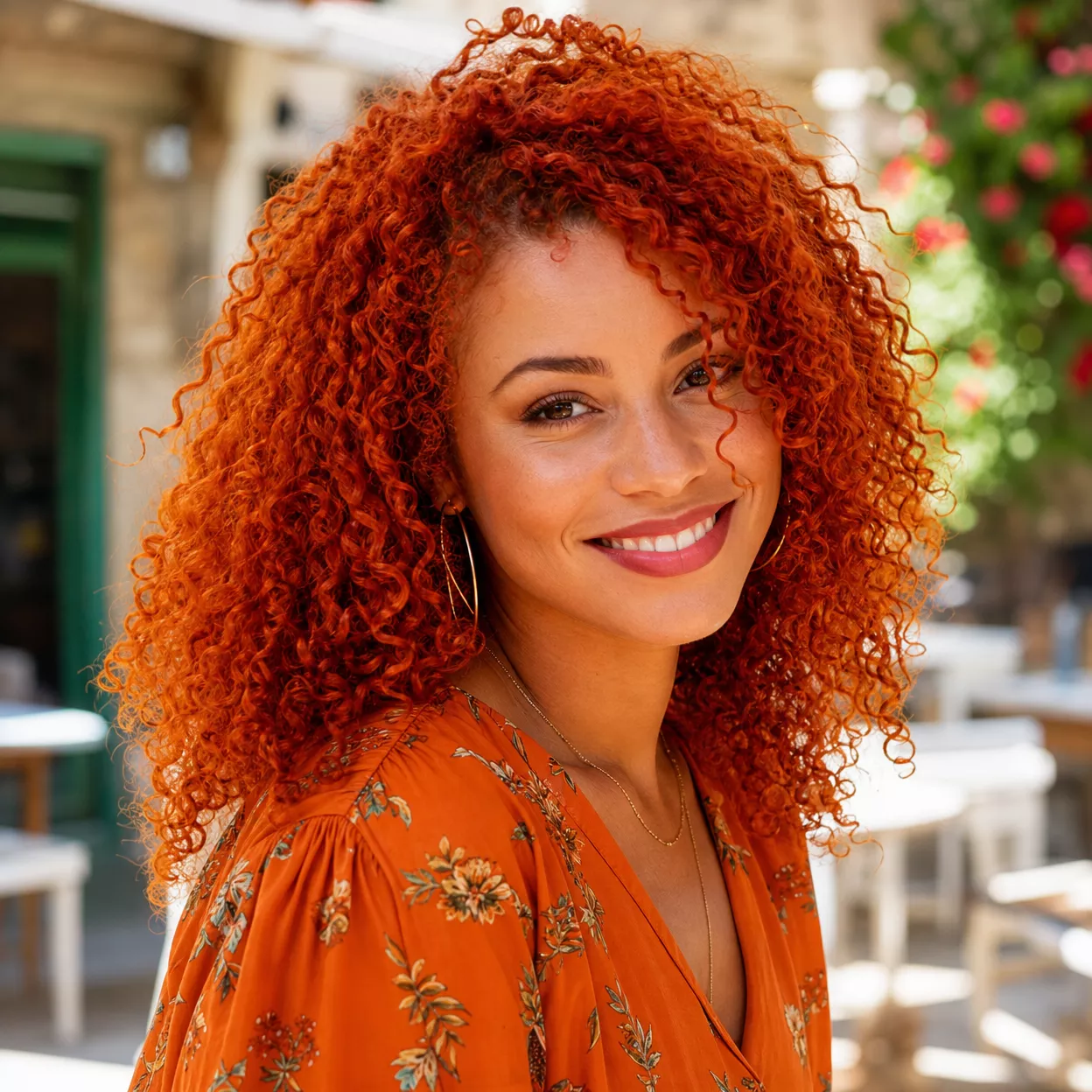
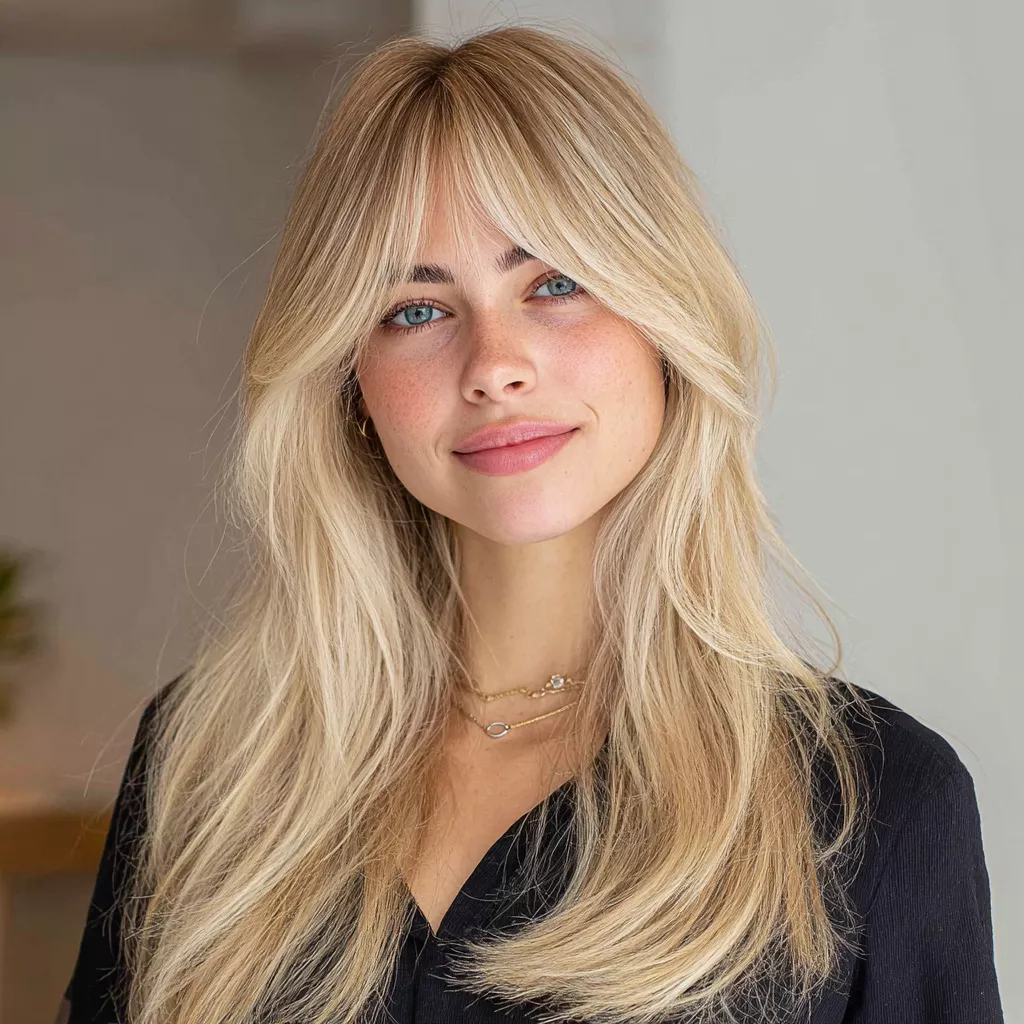
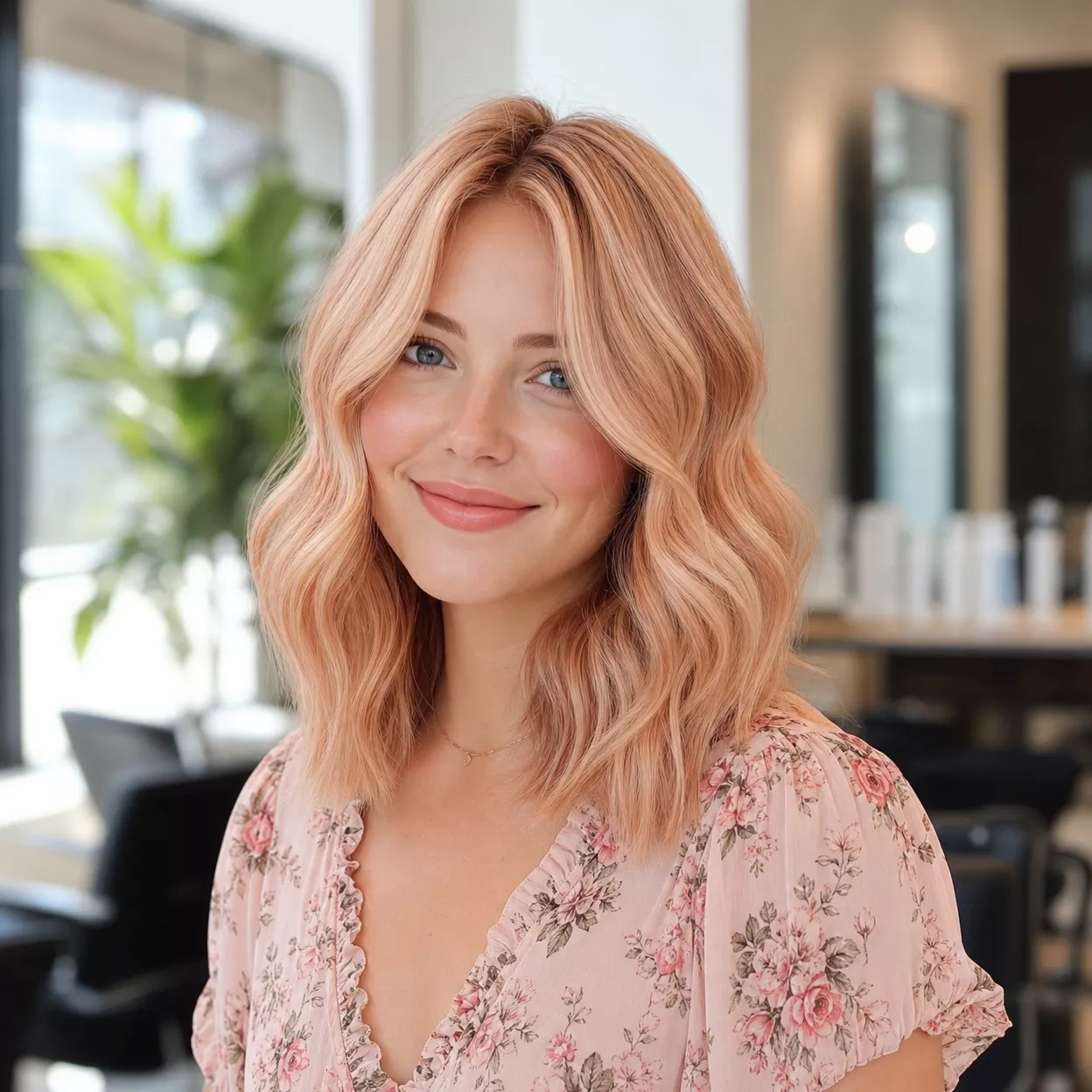
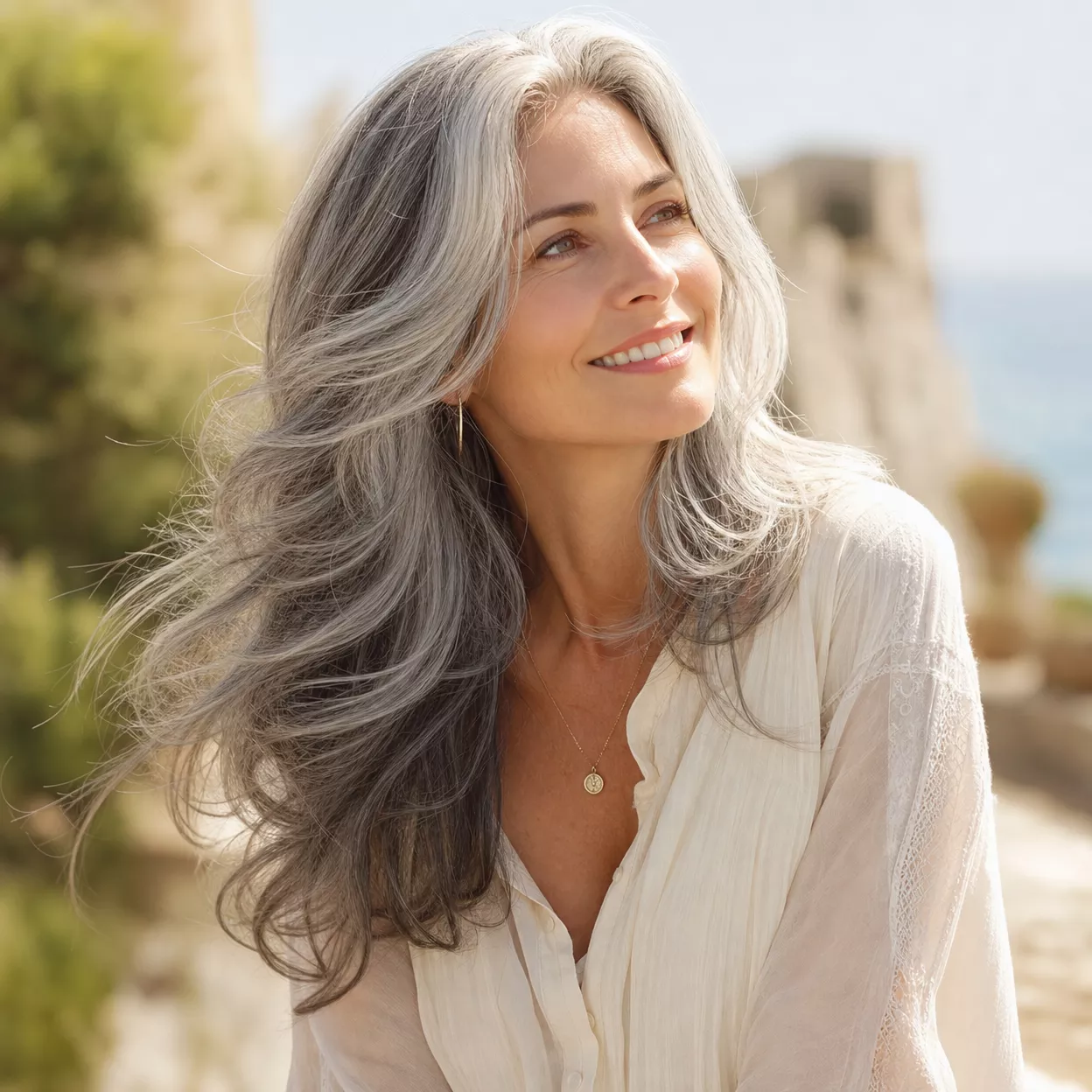
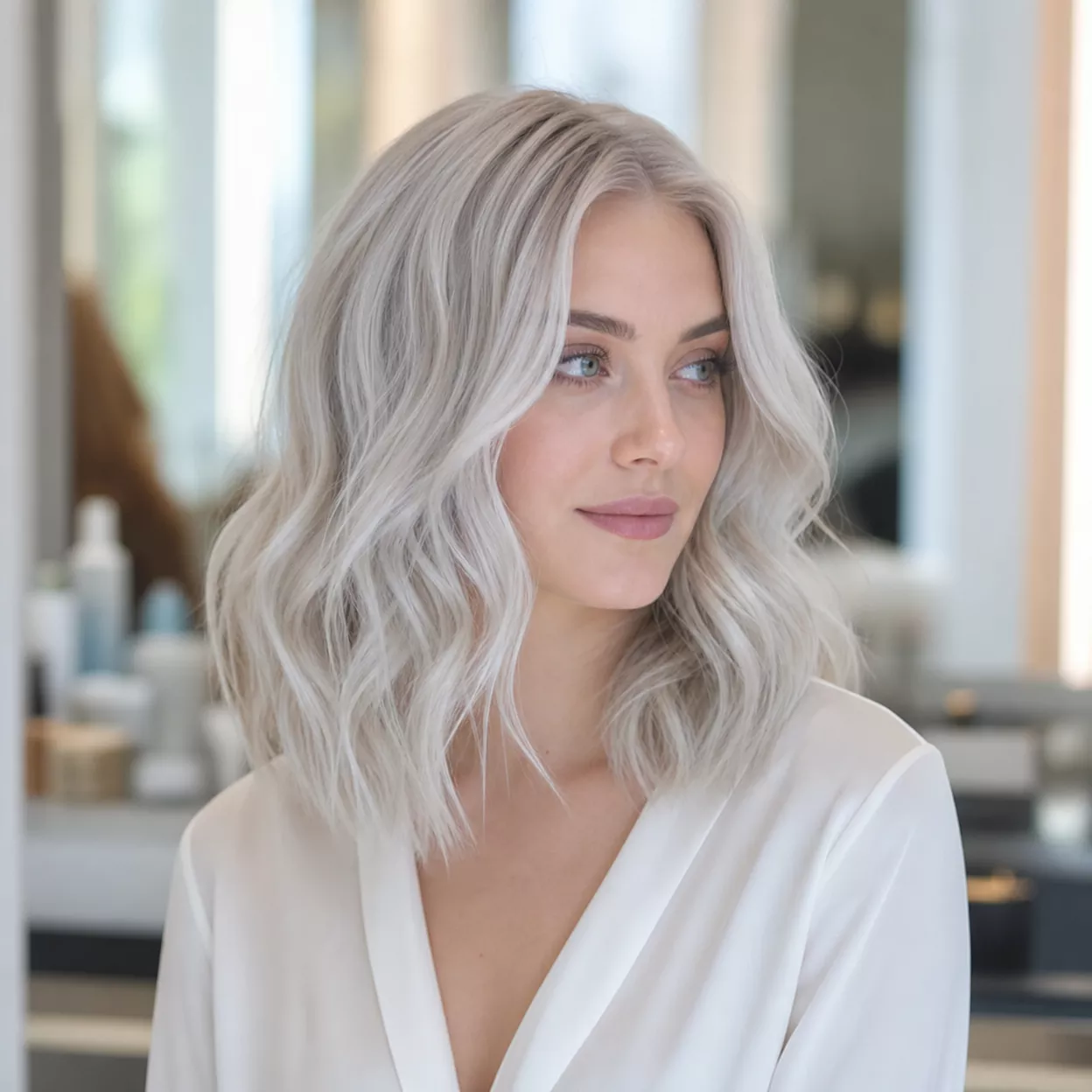
26 Two-Tone Hair Color Ideas From Subtle Blends to Bold Contrasts
A single hair color is one decision. Two-tone color is several. Once there are two shades on the same head, it matters how far apart they are, where one ends and the other begins, how gradually they meet, and what it took to get the lighter one there in the first place.
That’s why two people can bring the same reference photo to a colorist and leave with very different hair. The shade names may match, but the contrast, placement, and transition can all shift depending on their starting color, the condition of their hair, and how much lightening it can handle. Texture plays a part too: waves and curls break up a color line that looks sharp on straight hair. Even undertone and lighting change how a pairing reads, though neither decides it alone.
Maintenance follows the design rather than the color names. A soft root-to-length blend grows out very differently from a split dye or pastel tips.
A photo shows the finished result. It rarely shows how the hair was prepared to reach it. The 26 ideas below look at what each pairing actually involves, so you can tell which part of a photo you’re responding to.
Dark Roots to Honey Blonde
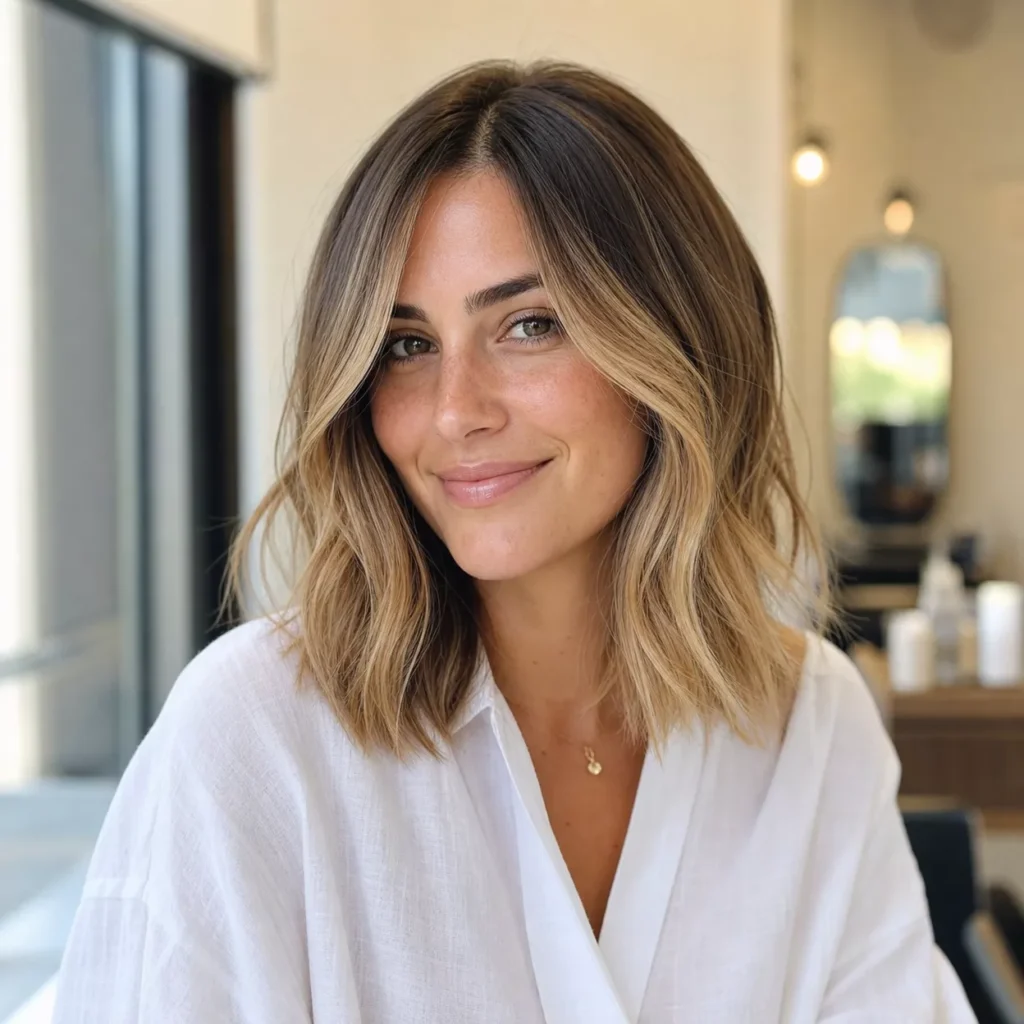
Everything here depends on the transition. A dark root that blends gradually into honey over several inches reads soft and dimensional; one that switches to honey just below the scalp reads as a deliberate two-tone. How dark the root stays and how warm the honey is decide the contrast. On natural dark brown hair, the root may simply be your own color, with the honey created by lightening the lengths. On lighter brown, less lift is needed and the contrast is gentler. A deeper root adds depth near the scalp, and honey adds warmth through the lengths, but how that reads depends on the exact shades and where they meet.
Chocolate Brown and Caramel Blonde
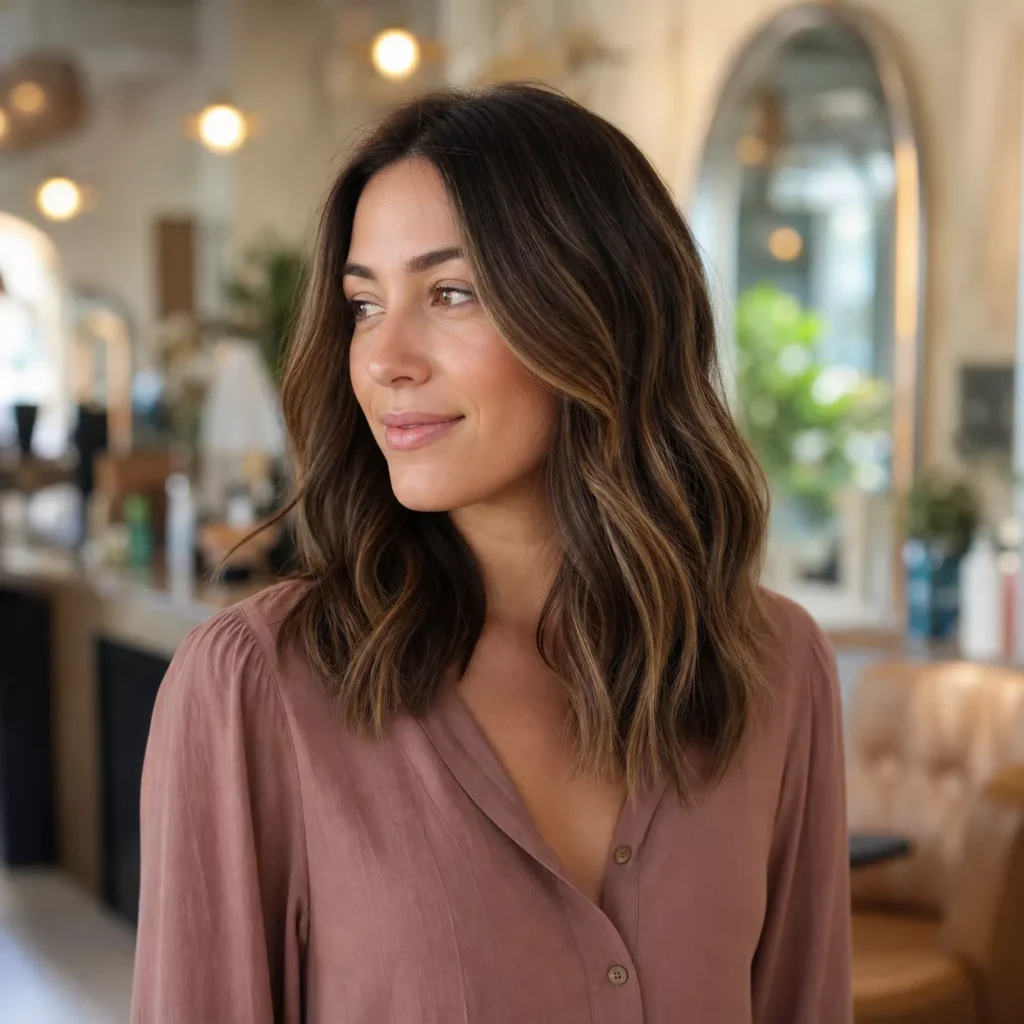
Chocolate and caramel sit in the same warm family, so the pairing reads cohesive rather than clashing. The contrast comes from depth: a rich brown base against a lighter, golden-brown caramel. Placement sets the intensity. Hand-painted balayage scatters caramel through the lengths for a blended result, while broader panels make the two tones obvious. On a natural medium-to-dark brown base, caramel usually needs moderate lightening. On darker hair, more lift is involved, and the caramel may lean warmer as the underlying pigment comes through.
Black and Burgundy Red
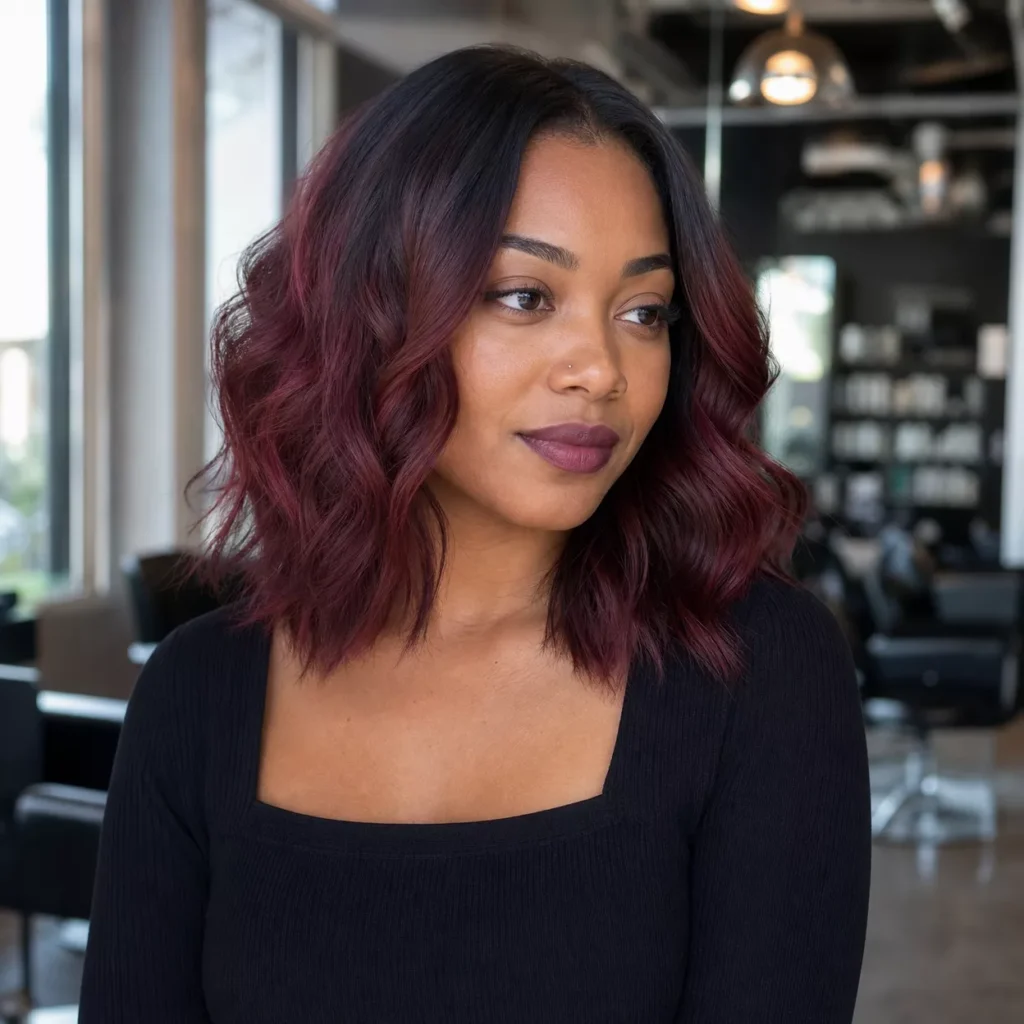
Burgundy against black pairs two deep shades, which changes how visible the red becomes. On very dark hair, burgundy often shows mostly in direct light, glinting through the lengths, while indoors it can read close to black. A brighter burgundy usually needs the hair lightened a little first so the red has somewhere to sit, and the warm pigment exposed during that lift can push the result brighter or more orange than expected. Placement controls the boldness: a few ribbons look subtle, while a full mid-lengths-to-ends transition looks deliberate.
Ash Brown and Ash Blonde
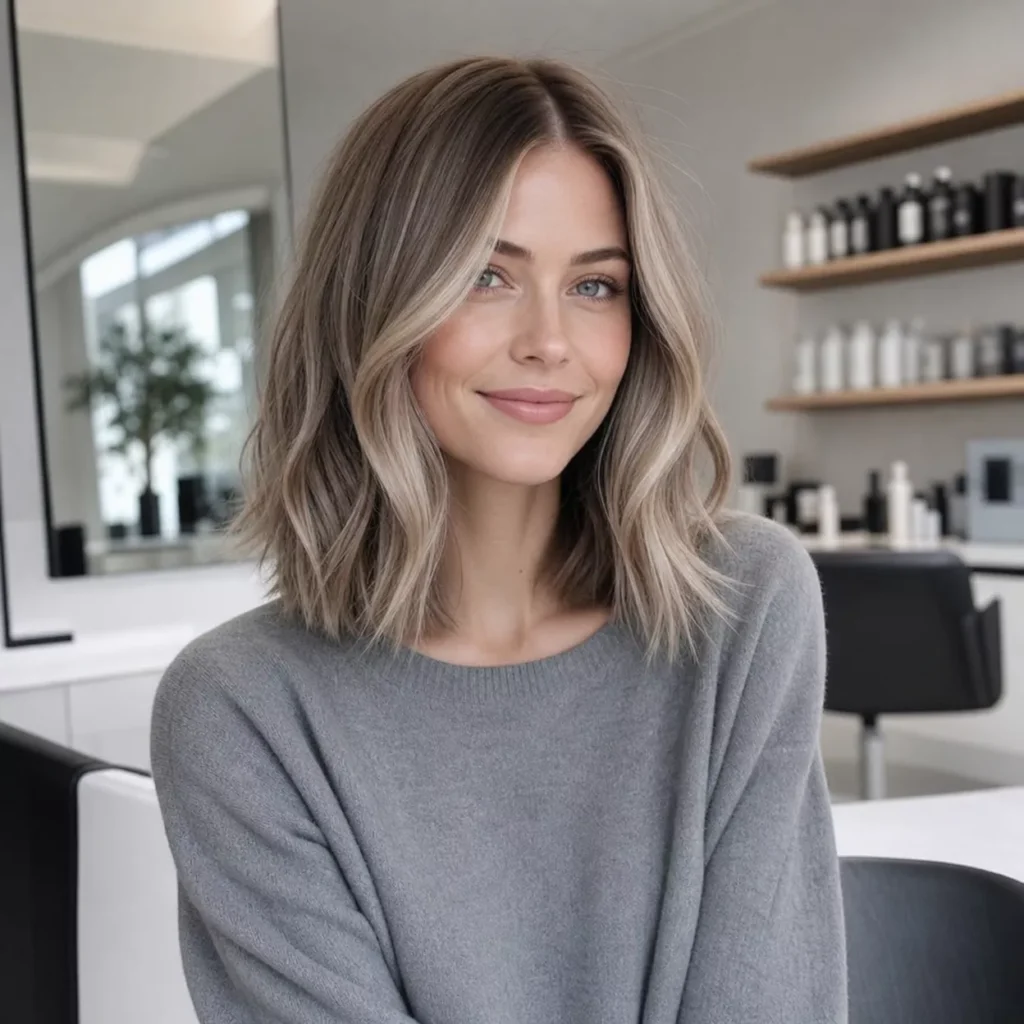
Keeping both shades cool is what makes this pairing hang together: ash brown at the root, ash blonde through the lengths, and no warm band in between. That middle zone is the hard part. As brown hair is lightened, it passes through warm stages, and if the toner doesn’t fully neutralize them, the transition can look brassy. Ash tones also drift warmer as they fade, so toning becomes part of the upkeep. Whether cool shades suit you is a matter of preference and contrast, not a guarantee based on undertone. Our guide to ash blonde shades looks at the cool end of this range in more detail.
Color Block Split Dye
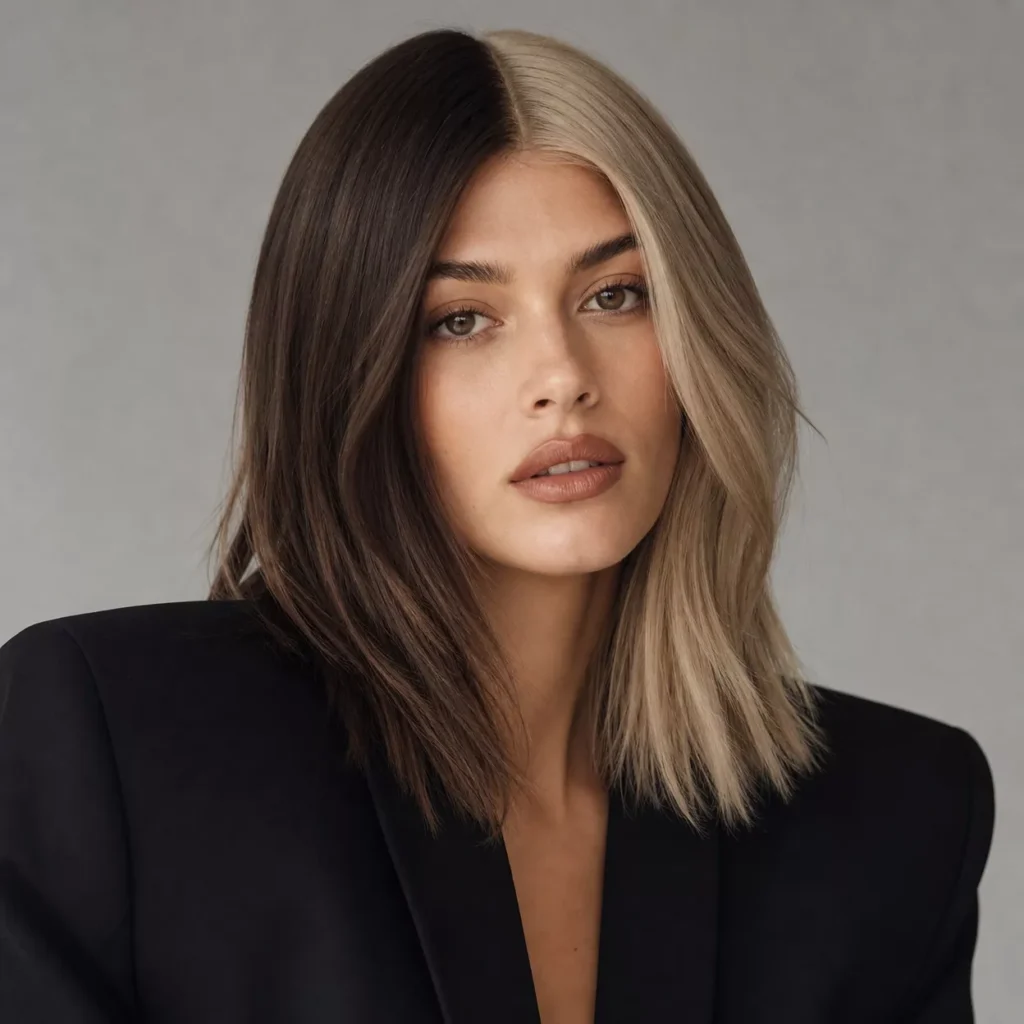
A split dye divides the head into two distinct color zones, usually down a center part, so one side carries one color and the other side another. It’s graphic, symmetrical, and unmistakably intentional. It also behaves differently from every blended look on this list.
Move the part and the line shifts, so one color may spill onto the other side. Regrowth shows on both sides at once, and each color fades at its own rate, which means two separate zones to maintain. If one side is a fashion color, that side may need refreshing far more often than the other. It’s a commitment to a particular part as much as to a particular color.
Warm Brunette and Golden Blonde Two-Tone
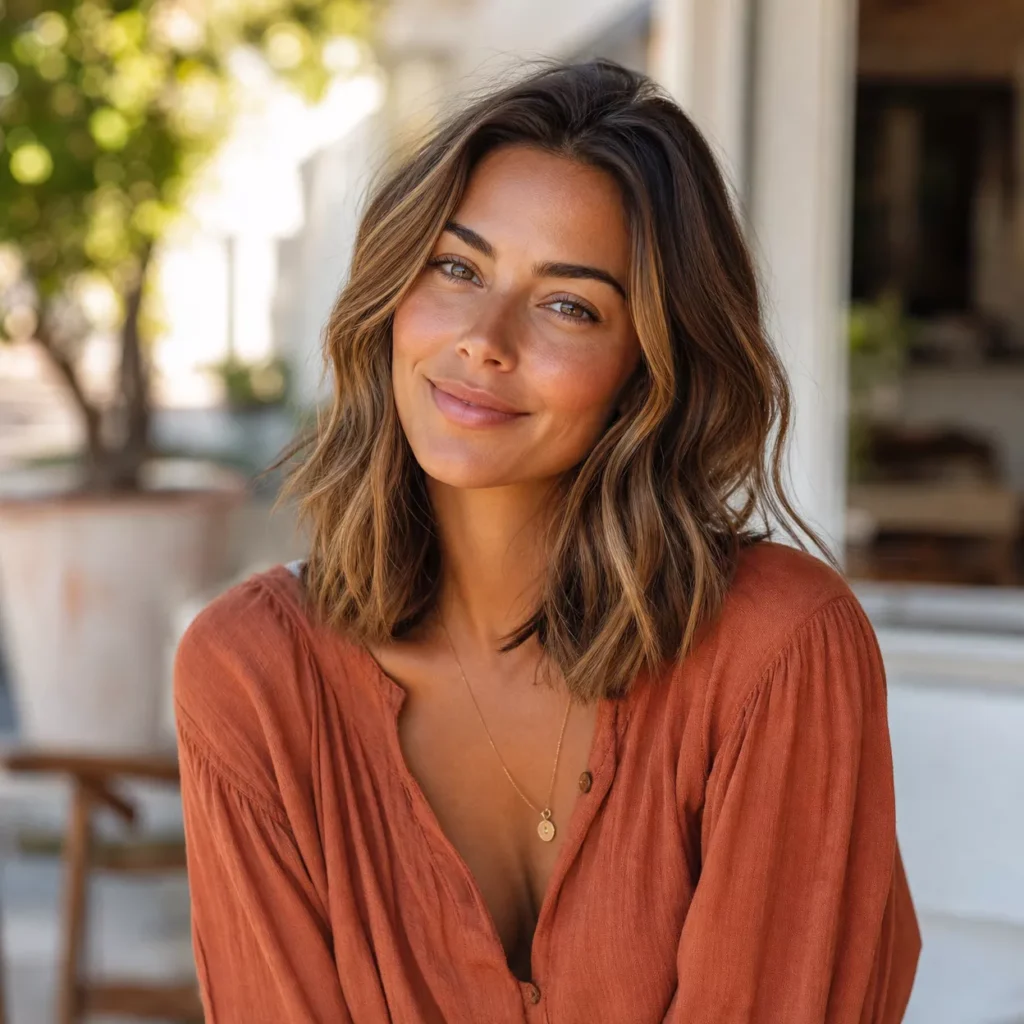
Golden pieces placed through the top layers and around the face of a warm brunette base imitate the uneven lightening hair can pick up from time outdoors. With balayage placement, the gold blends into the brown and the two-tone effect stays gentle; with heavier, more defined sections, the contrast sharpens. On a natural light-to-medium brown base, the gold may need only modest lift. On darker hair, those pieces need more lightening, and the result will lean warmer unless it’s toned.
Dark Chocolate and Soft Copper
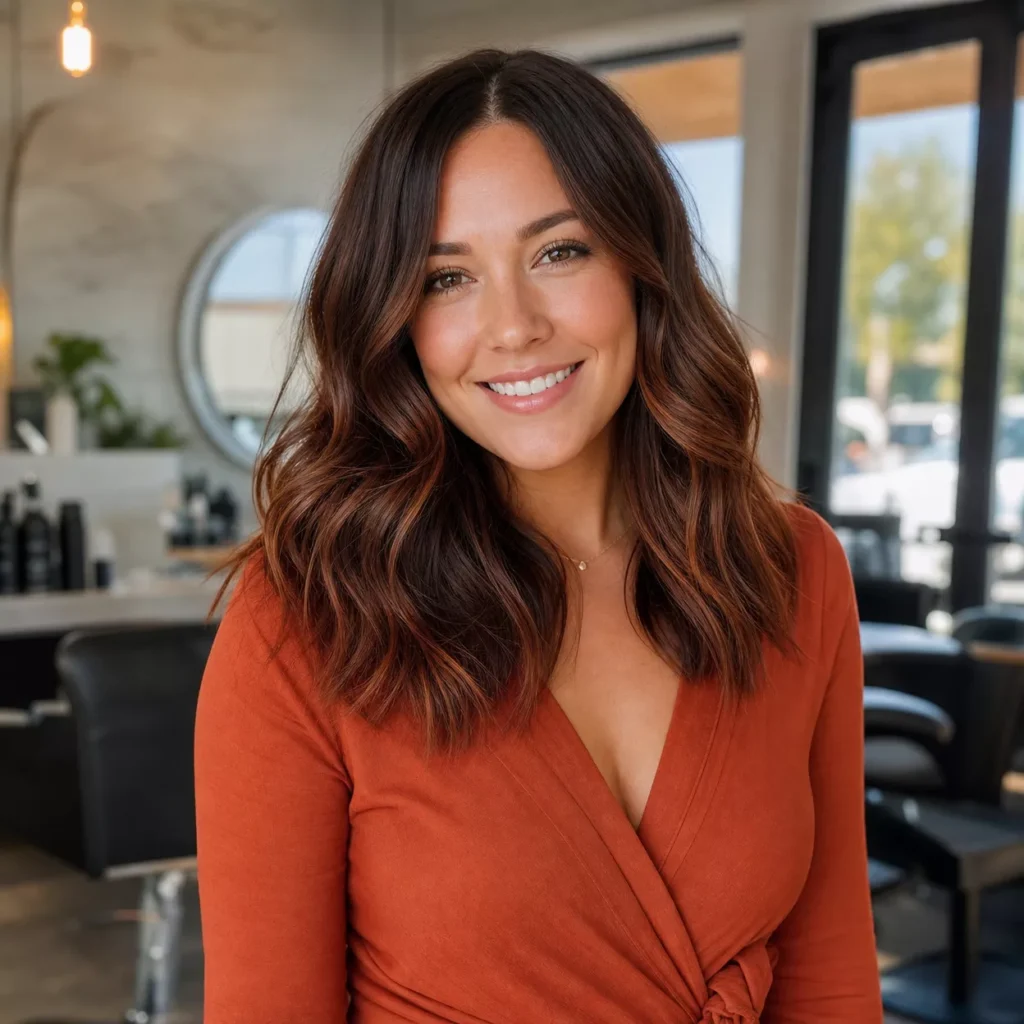
This introduces copper without turning the whole head red. The dark chocolate base stays at the root and through the top, while soft copper appears in the mid-lengths and ends. How intense the copper looks depends on how light those sections are taken first and how much copper is deposited. Dark hair already reveals warm, orange-leaning pigment when lightened, which can support copper rather than fight it. Copper tones also tend to fade sooner than browns, so the ends may need refreshing between appointments.
Platinum Blonde and Ice Silver
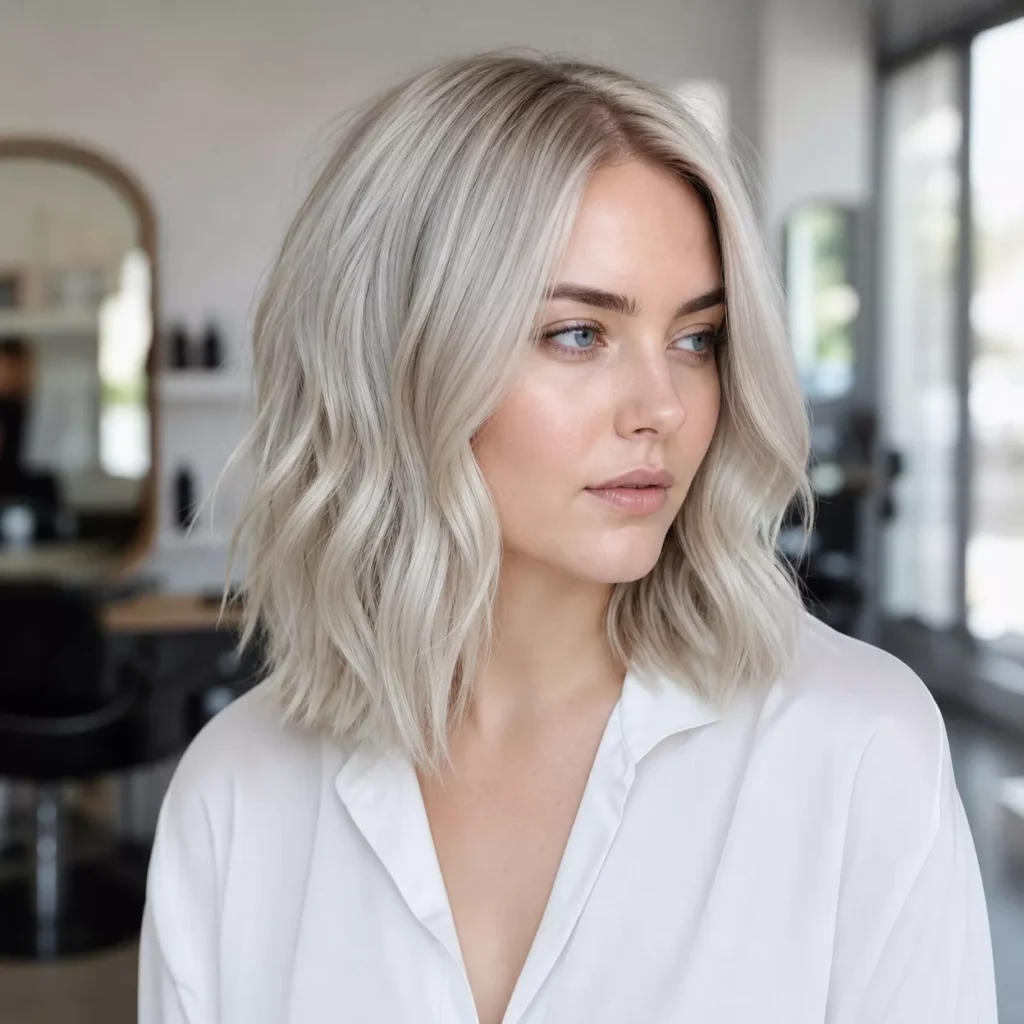
Both shades sit at the very lightest end of the spectrum, which is exactly why this pairing is demanding. Platinum needs the hair lifted to a very pale level, and ice silver needs it pale enough that a gray-toned toner can sit on top without turning muddy. From a dark starting point, that can mean significant lightening, sometimes across more than one session, depending on the hair’s condition.
The two shades are also different. Platinum is a pale, near-white blonde; silver leans gray. Keeping both looking clean usually means regular toning, and very light hair can feel drier, so condition deserves as much attention as color.
Deep Brown and Honey Balayage

Two-tone doesn’t have to look divided. Here, honey balayage is painted into a deep brown base so lightly that the hair reads as one dimensional brunette rather than two separate colors. The honey usually starts a little away from the root and builds gradually toward the ends, which keeps contrast low and makes grow-out gentle, since there’s no hard line at the scalp. Regrowth is less visible, though the honey sections may still need toning to avoid drifting brassy.
Dark Base and Pastel Pink Tips
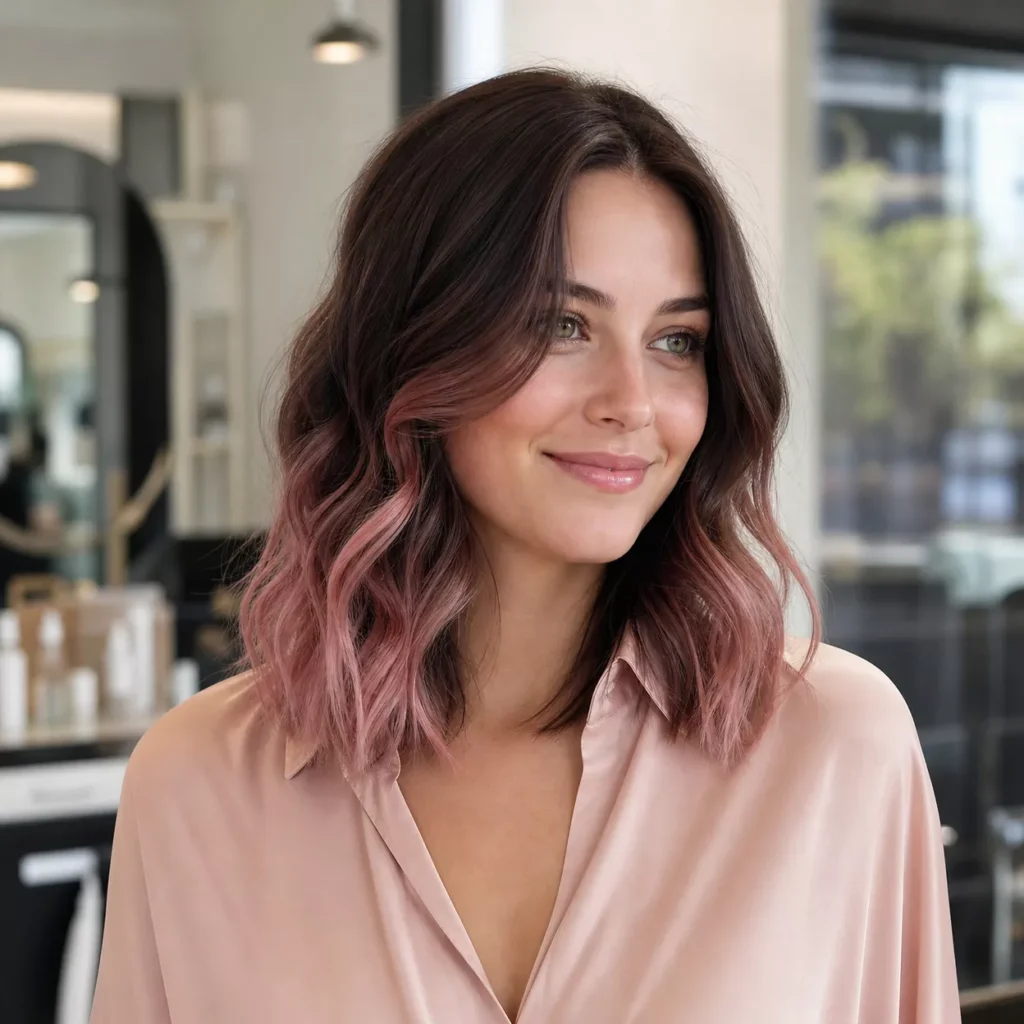
Pastel pink needs a very light base to show. On dark hair, the tips usually have to be lightened significantly before a soft pink can read as pink rather than disappearing into warm, dark pigment. The dark root stays put, so the design depends on how smoothly the dark-to-pale transition is blended. Pastel tones are generally short-lived and can fade within a few washes while the base holds steady, so the tips may need refreshing much more often than the rest. How visible the pink is depends on how light the tips go and how saturated the color is.
Rich Brunette and Chestnut Two-Tone
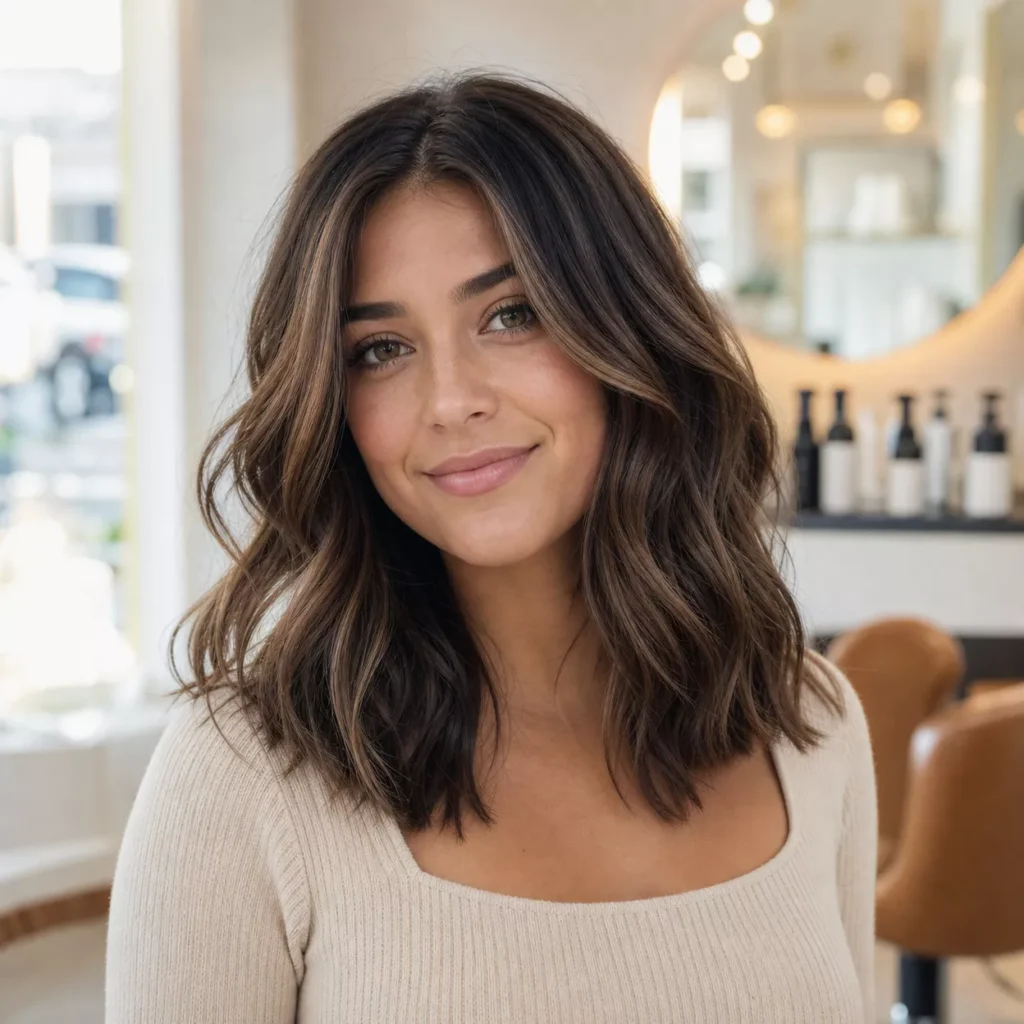
The two shades here are close: a rich brunette and a slightly lighter, warmer chestnut. Because the difference is small, the result reads as natural depth and movement rather than obvious two-tone. The chestnut catches more light as the hair moves, while the brunette stays deeper underneath. It usually needs little lightening on a medium-to-dark brown base, and regrowth is soft because the shades sit so near each other. Placement still matters: chestnut around the face reads brighter than chestnut tucked underneath.
Warm Black and Deep Burgundy
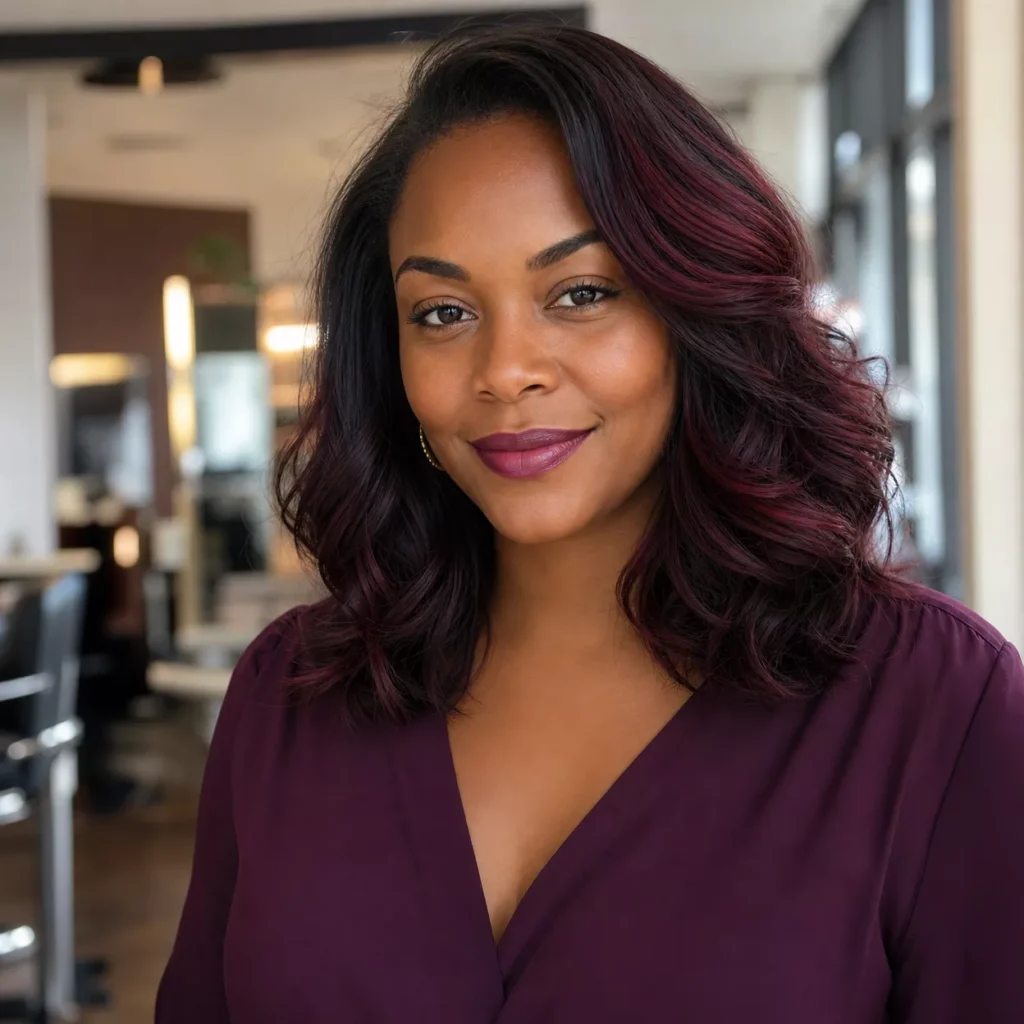
Compared with the black and burgundy pairing earlier, this version keeps the red deeper and woven through rather than concentrated in the lengths. Burgundy pieces in warm black hair can be almost invisible in low light, then show as a deep red sheen in sunlight or bright indoor lighting. How much red you actually see depends on whether the pieces were lightened first, how saturated the burgundy is, and how much black surrounds them. The subtlety is the point.
Sandy Blonde and Bright Platinum
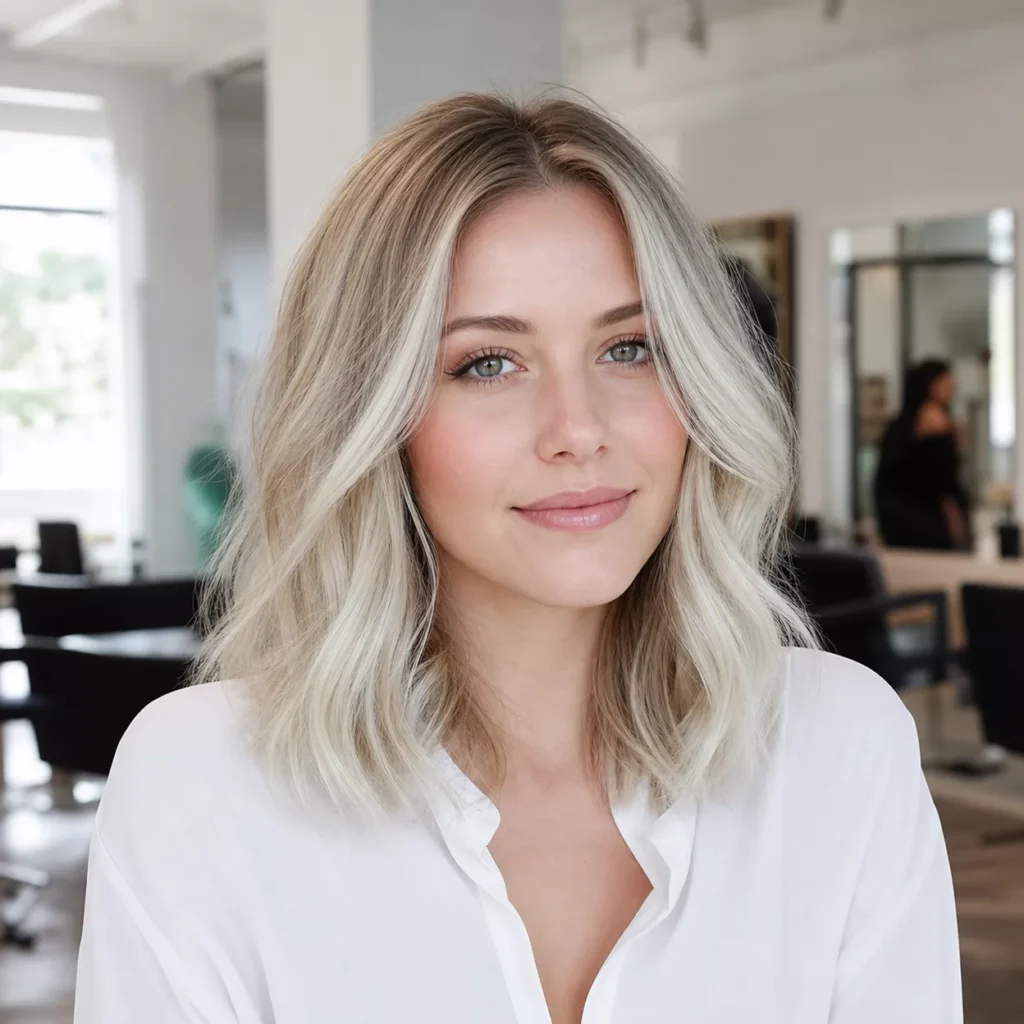
Sandy blonde is a muted, slightly beige blonde; bright platinum is close to white. Pairing them places two light shades together with a clear step in brightness between them. On natural dark blonde hair, the sandy root may be close to your own color, with the platinum created by lightening the ends further. On darker hair, both shades need lifting, which means more processing overall. The platinum ends will need regular toning to stay bright rather than yellow, and the line between the two blondes needs careful blending so it doesn’t look like old color growing out.
Mushroom Brown and Ash Blonde
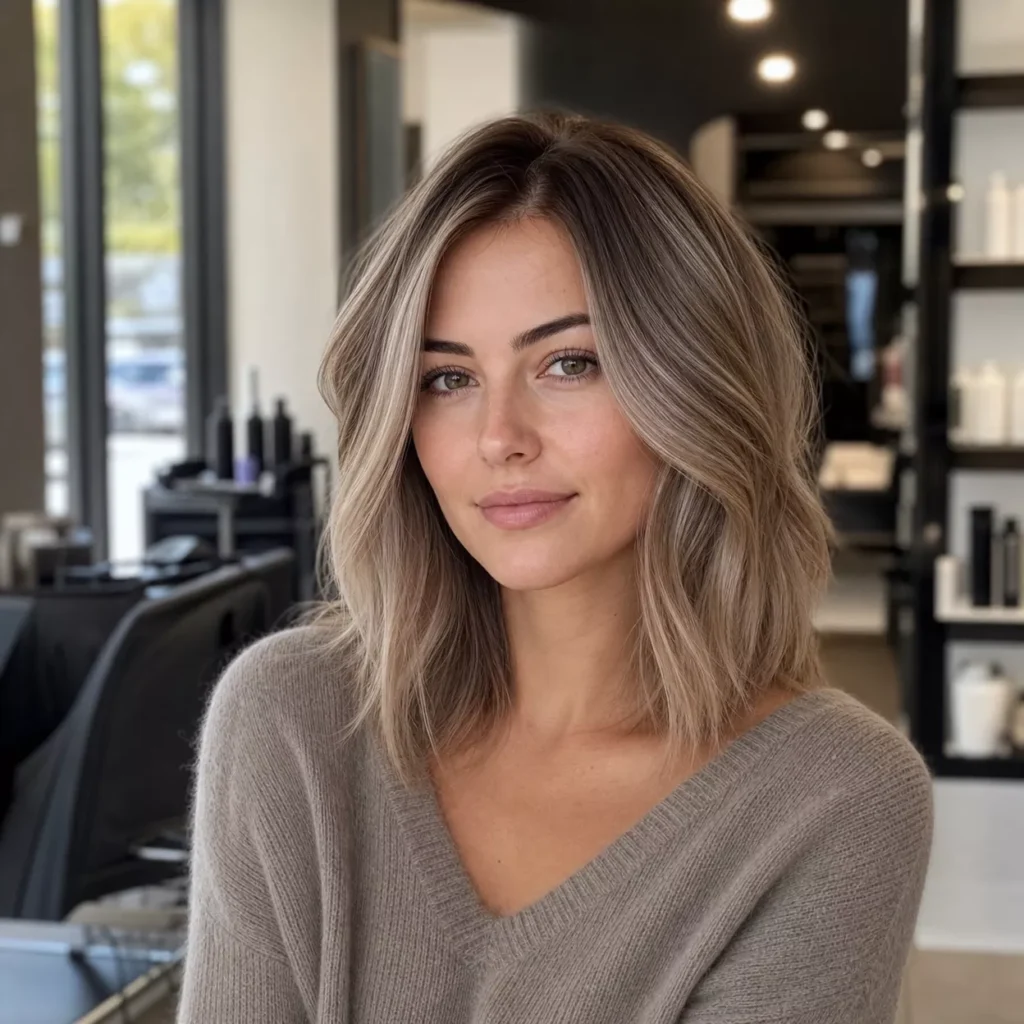
Mushroom brown is a muted, cool brown with a taupe or slightly gray cast, so it reads quieter than an ordinary medium brown. Paired with ash blonde, it produces a cool, low-saturation two-tone where the contrast comes from depth rather than warmth. The difficulty is underlying warmth. Lifting brown hair toward ash blonde exposes golden and orange pigment, and the toning decides how cool the final result looks. As toner fades, both shades can drift warmer.
Jet Black and Blue-Black Two-Tone
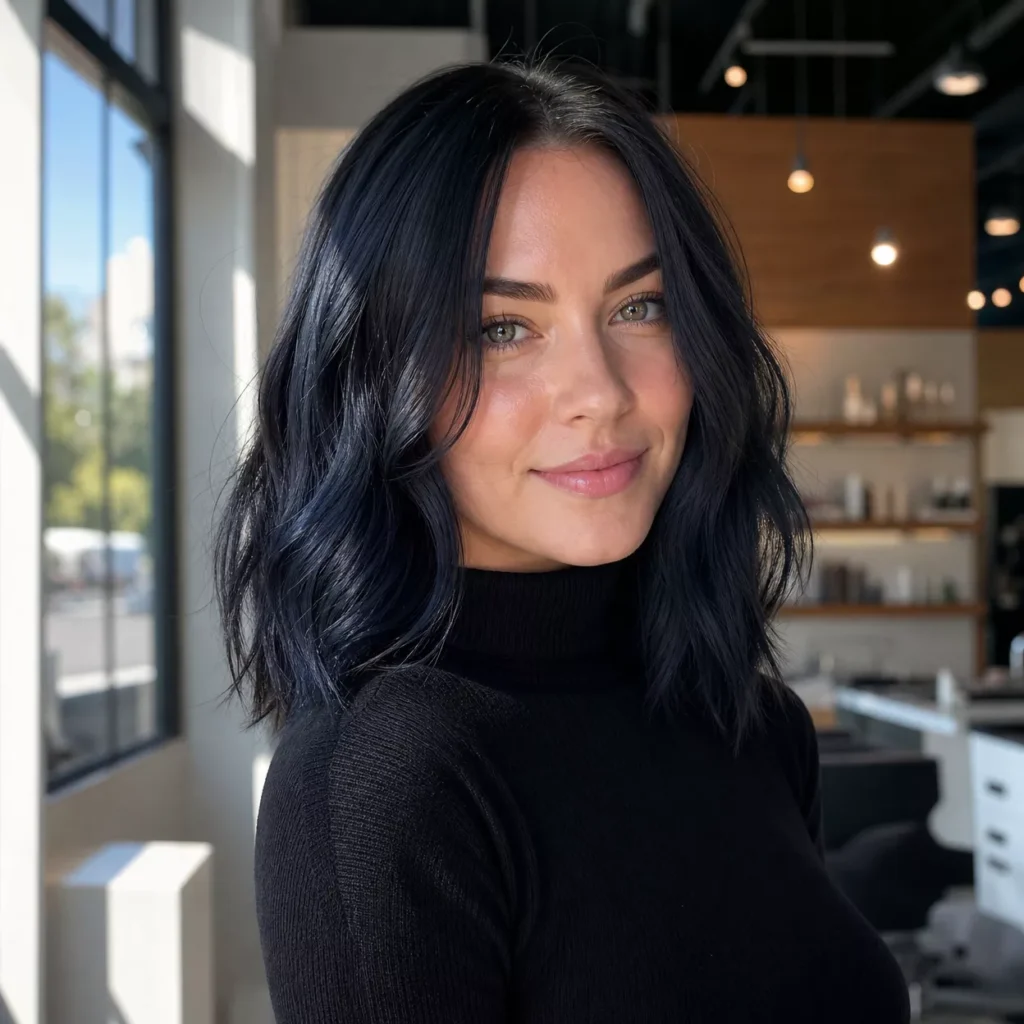
Jet black and blue-black differ only in tone: blue-black carries a cool, blue reflect that appears in light. Because both are so dark, the two-tone effect can be almost invisible indoors and show mainly in sunlight or strong light as a blue sheen through the lengths. That’s what this pairing is for: added depth without changing how dark the hair looks overall. Shine helps the reflect show, so smooth styling or a gloss can make it more visible, though neither is essential.
Warm Chestnut and Golden Honey
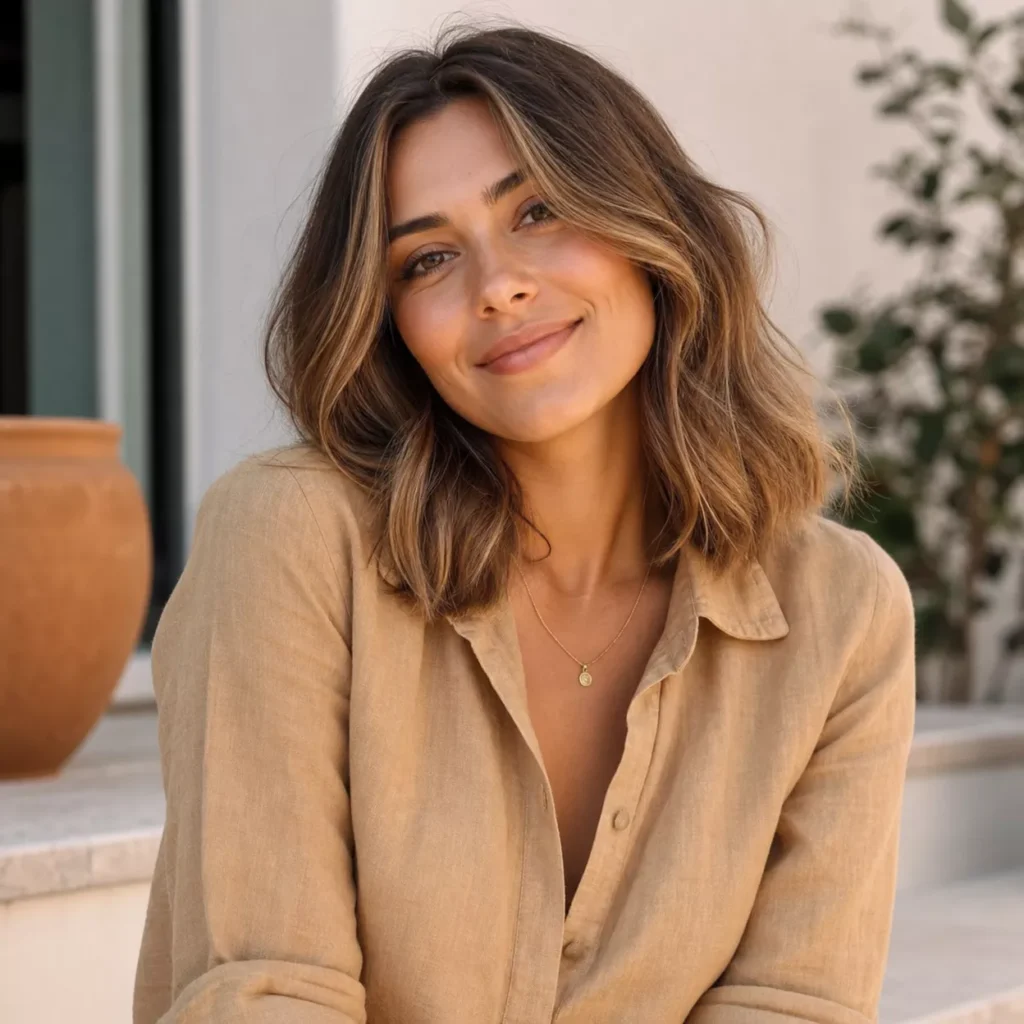
Chestnut is a warm, reddish brown, and golden honey is a warm blonde, so layering them keeps the whole head within one warm family. Placing the honey around the face brightens the front while the chestnut keeps depth through the back. The contrast depends on how light the honey goes: a deeper honey sits close to chestnut, while a lighter one stands out more. On darker natural hair, the honey sections need more lightening and may need toning to stay golden rather than orange. Our guide to warm blonde shades covers the honey and caramel range in more depth.
Dark Brown and Vivid Red Tips
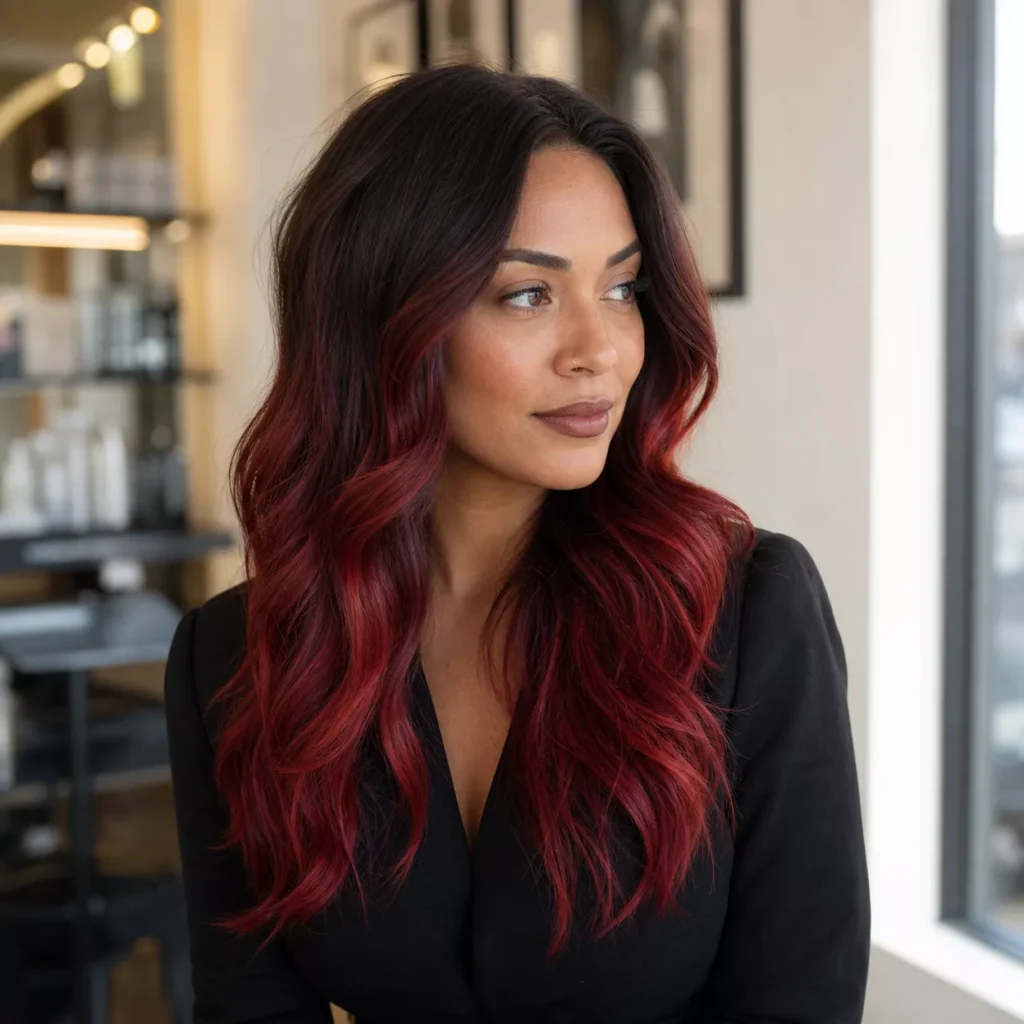
Vivid red concentrated at the ends creates strong contrast against a dark brown root. Where the transition happens decides how dramatic it looks: red that starts around the jaw reads bold, while red confined to the last few inches reads more like an accent. Vivid reds usually need the ends lightened first so the color shows brightly, and they tend to fade faster than natural shades. Styling affects visibility too. Waves or curls that bring the ends forward show more red; straight hair worn behind the shoulders shows less.
Cool Brown and Soft Lavender
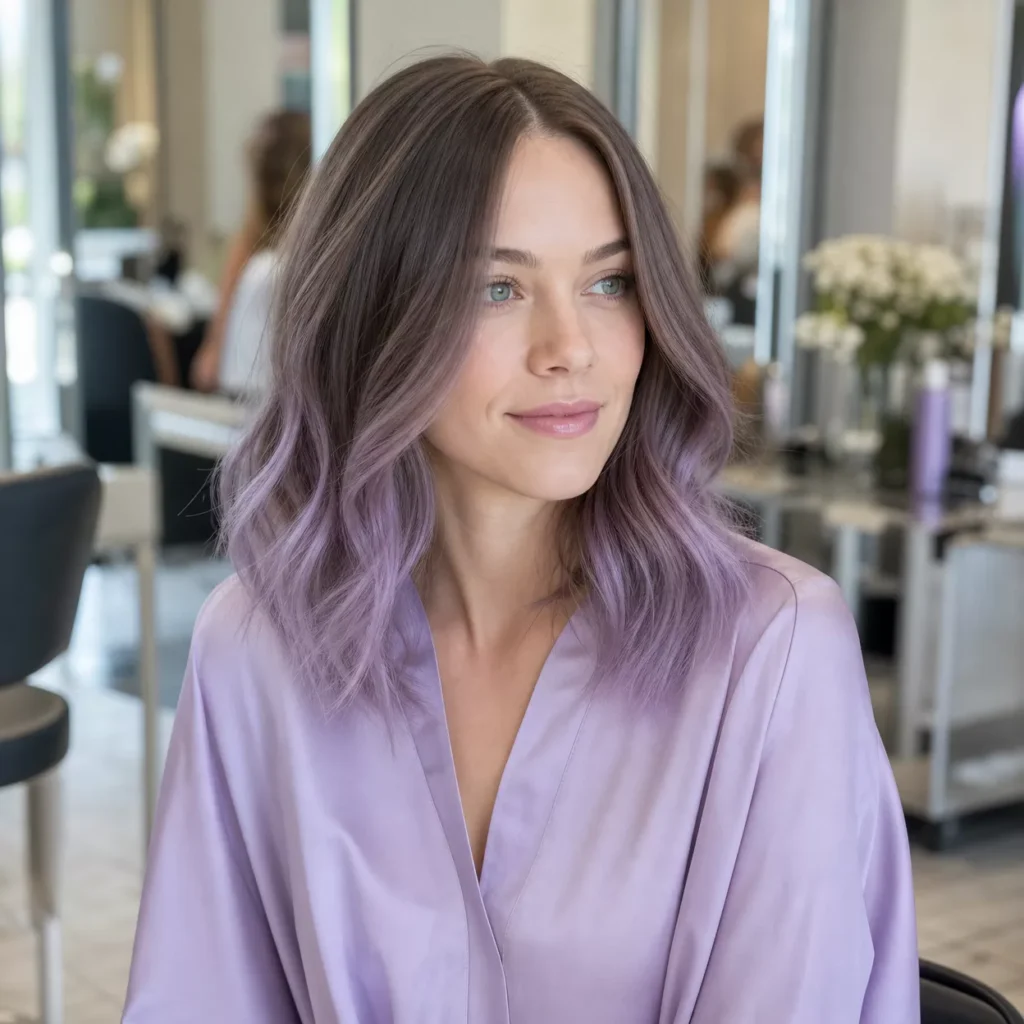
Lavender is a pastel, so like pastel pink it needs a light base to show. Against a cool brown root, lavender ends or pieces create contrast between a muted natural base and a soft fashion tone. How visible it is depends on how light the lavender sections are taken and how saturated the color is. A faint lavender can look like a cool tint in daylight; a stronger one reads clearly purple. Pastels fade relatively quickly, so the lavender often needs refreshing while the brown stays put.
Warm Blonde and Rose Gold Two-Tone
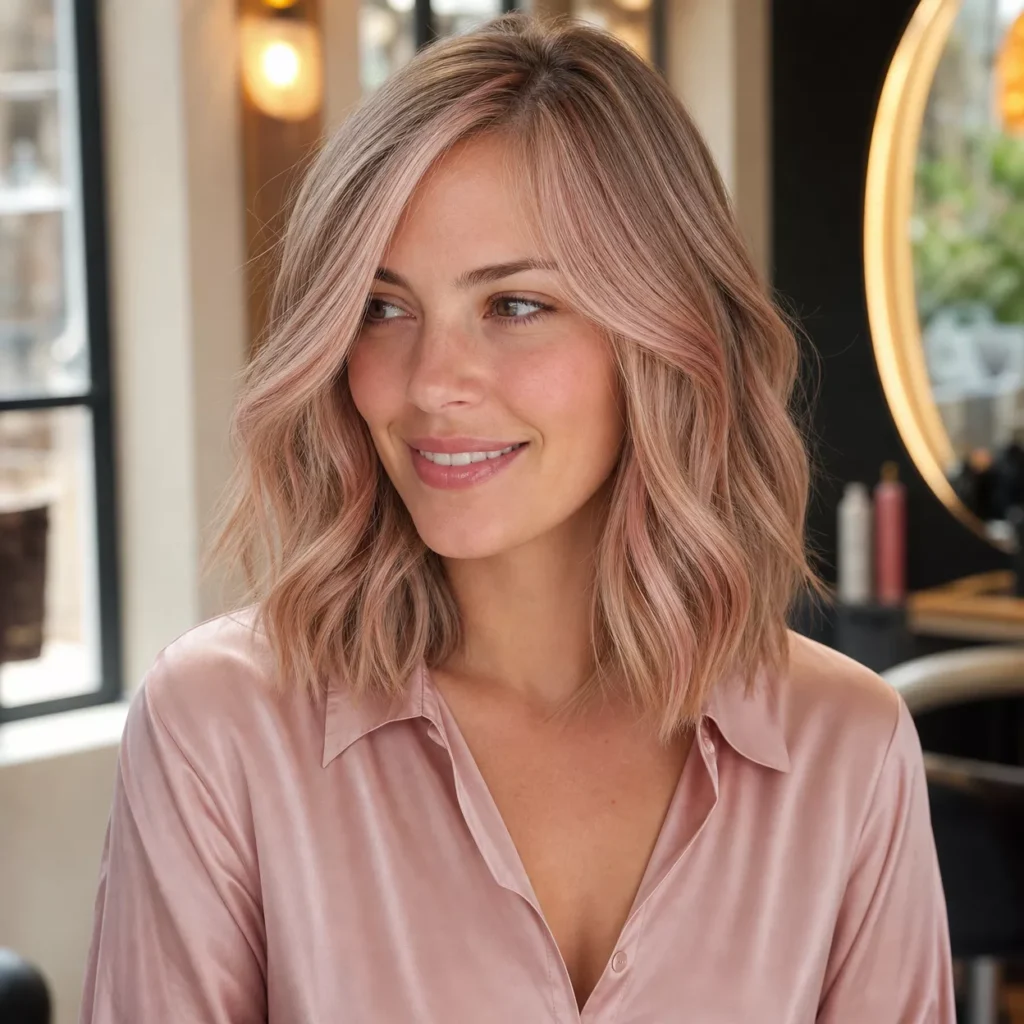
Rose gold is a broad label. It can mean anything from a peachy golden blonde with a hint of pink to a clearly pink metallic shade. On a warm blonde base, it tends to lean peachier, because the underlying warmth softens the pink. The lighter and cleaner the blonde underneath, the pinker rose gold can appear. Like other pink tones, it often fades within weeks, gradually returning toward the warm blonde beneath, so it needs refreshing to stay visible.
Dark Espresso and Toffee Blonde
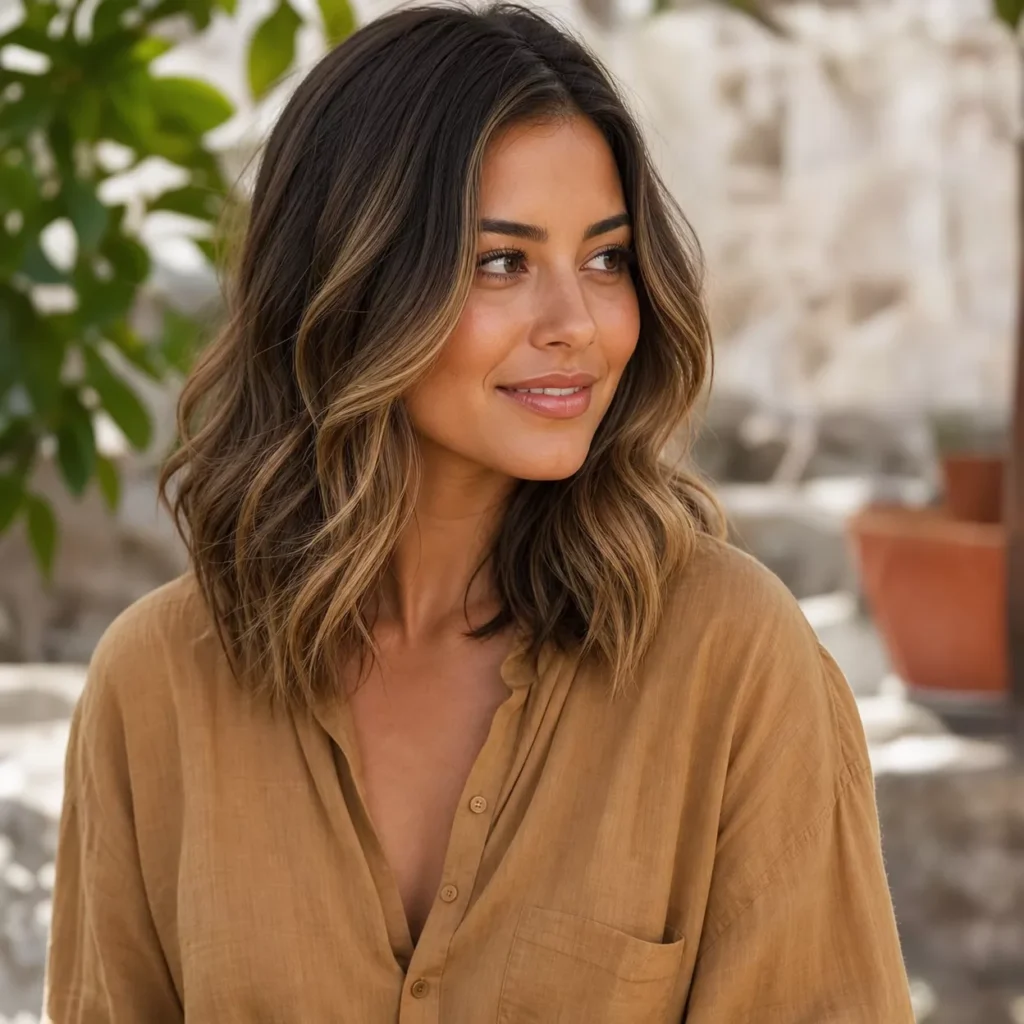
Espresso is a very deep brown, and toffee blonde is a warm, brownish blonde. Together they create rich contrast with a clear warm relationship. The transition zone decides whether the pairing works: a soft, blended shift from espresso to toffee looks considered, while an abrupt line can resemble old color growing out. On dark hair, toffee needs lightening, and the warmth exposed along the way usually helps it look rich rather than ashy. The toffee lengths may need toning or a gloss to stay balanced.
Platinum Roots and Dark Ends
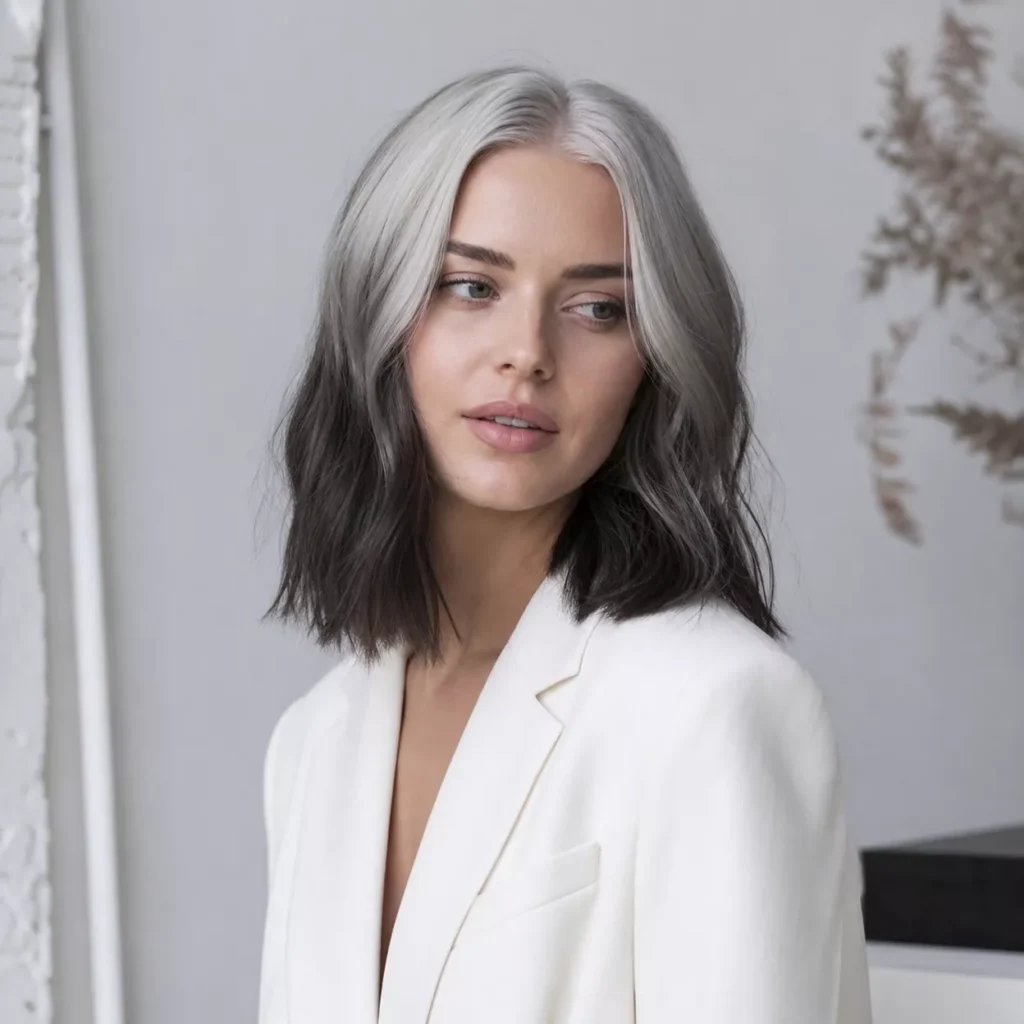
This reverses the usual placement, with the lightest color at the root and the darker shade at the ends. The effect is unusual and high-contrast, and it changes the maintenance picture completely. Because the platinum sits at the root, every bit of regrowth shows as a dark band right at the scalp, so the roots need regular lightening to keep the design intact. The darker ends, by contrast, are relatively easy to maintain. It’s one of the more demanding designs here, since root lightening is repeated with each appointment.
Soft Brown and Strawberry Blonde
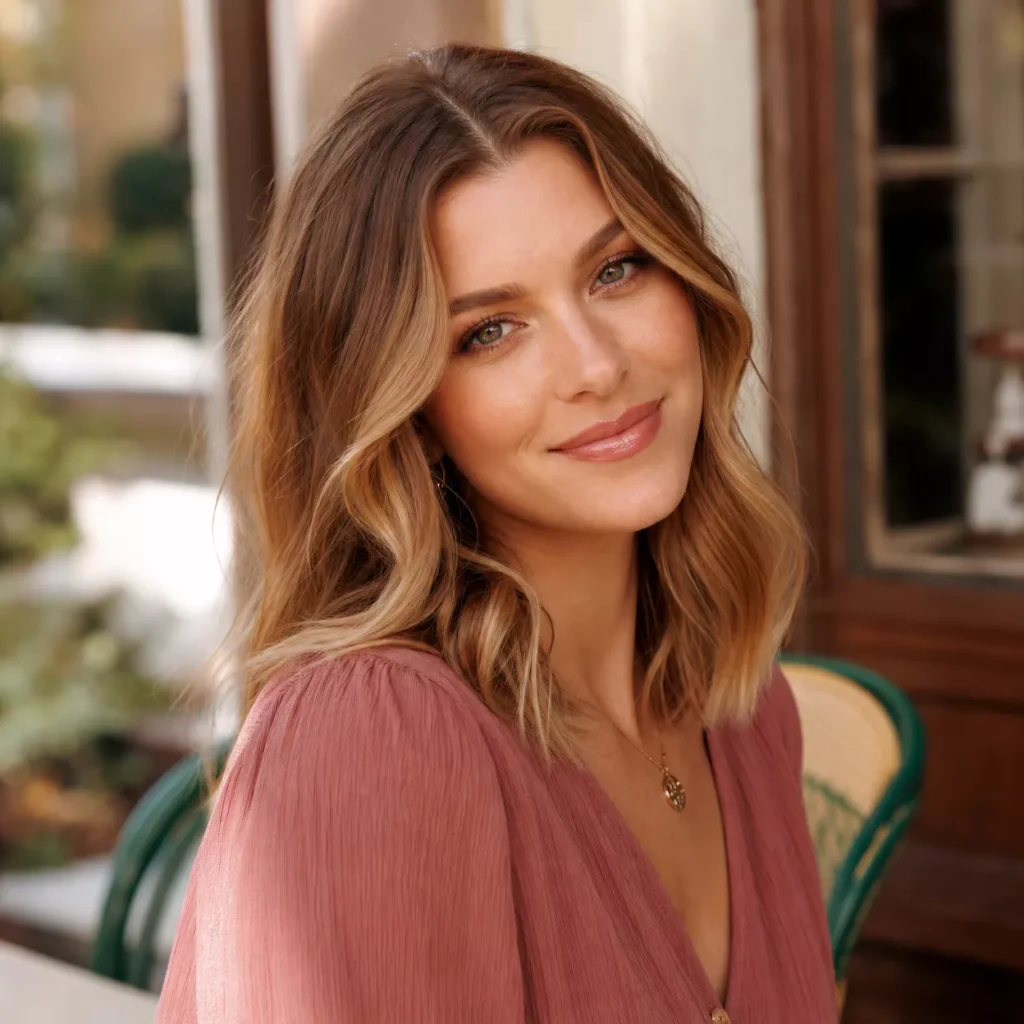
Strawberry blonde ranges widely, from a gold-blonde with a faint red tint to a visibly coppery blonde. Paired with a soft brown root, strawberry ends create a warm transition. The starting base shapes the outcome: on light brown hair, the strawberry may need modest lift, while on darker brown, more lightening is needed and the red-gold can come out brighter or more orange. Red tones tend to fade, so the strawberry quality may soften between appointments, though the soft brown root helps regrowth blend.
Black and Emerald Green Two-Tone
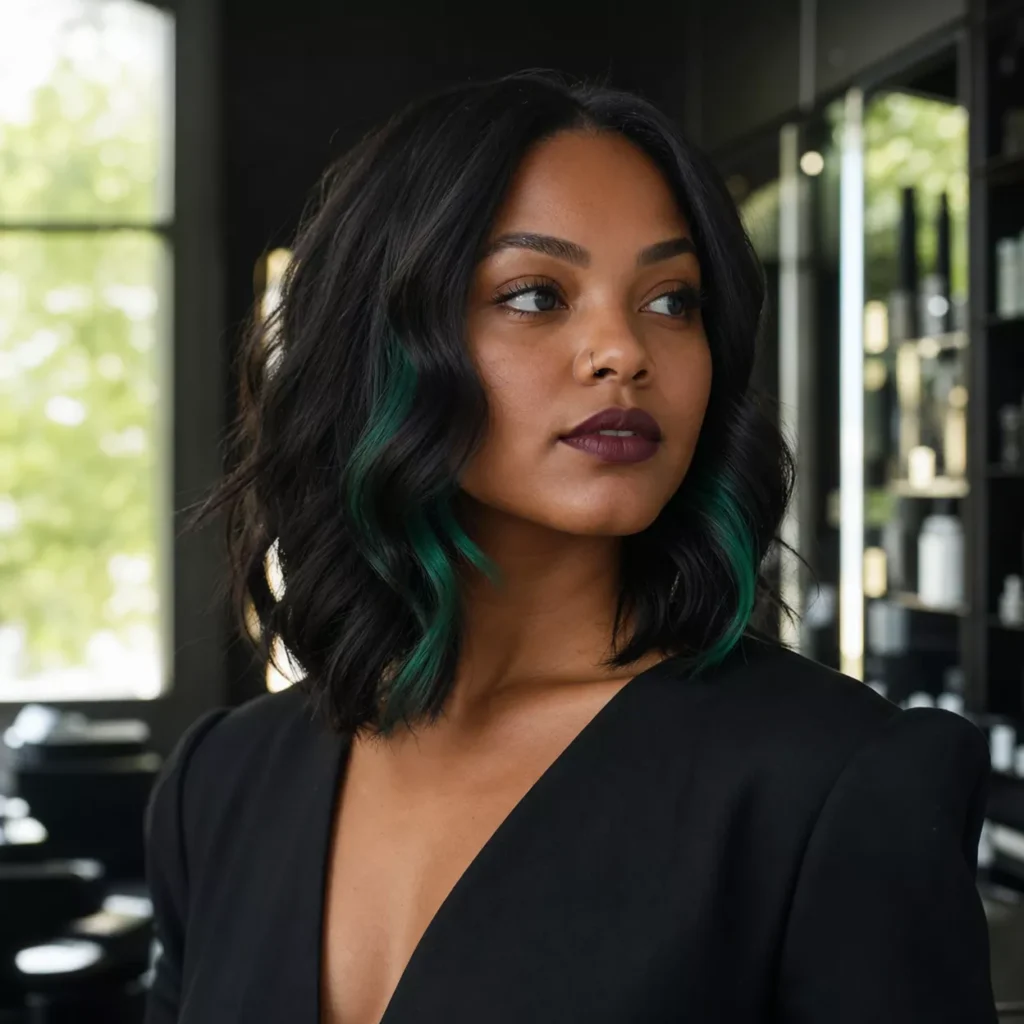
Emerald can be placed as visible panels, as a hidden underlayer that shows when the hair moves or is tied up, or as a section near the face. An underlayer keeps the green mostly out of sight day to day; a visible panel makes it the focal point. On black hair, the green sections usually need lightening before green can show clearly, and green, like most fashion colors, fades over time, sometimes toward a dull or muddy shade. It’s a deliberate, high-commitment design.
Warm Brown and Copper Blonde
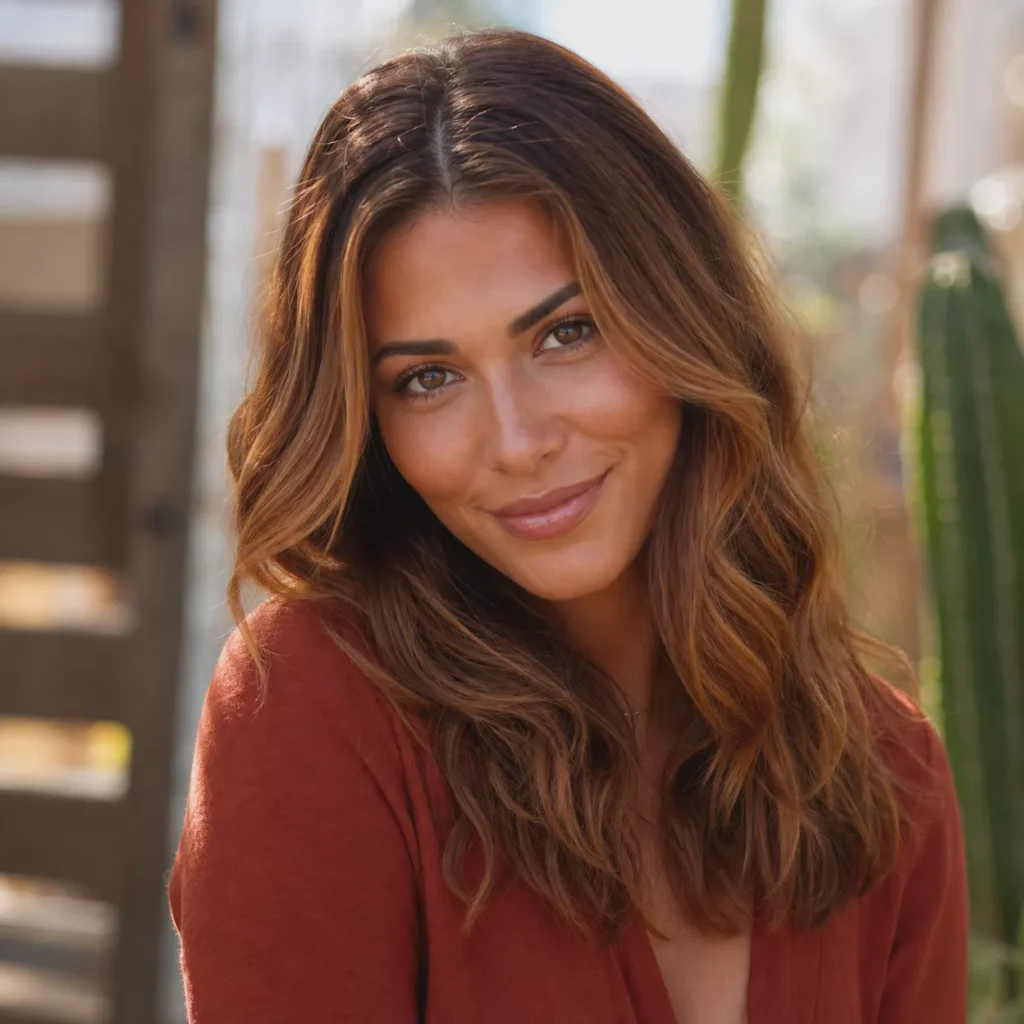
Copper blonde is a light, coppery shade sitting between strawberry and true copper. Against a warm brown root, it creates a dimensional take on auburn. The balance between red and gold decides the result: a more golden copper looks softer, while a redder one reads closer to auburn. On darker hair, the copper blonde sections need lightening, and the warmth exposed during that process can make the copper brighter than expected. Copper tends to fade, so its brightness may need refreshing.
Dirty Blonde and Icy Platinum Tips
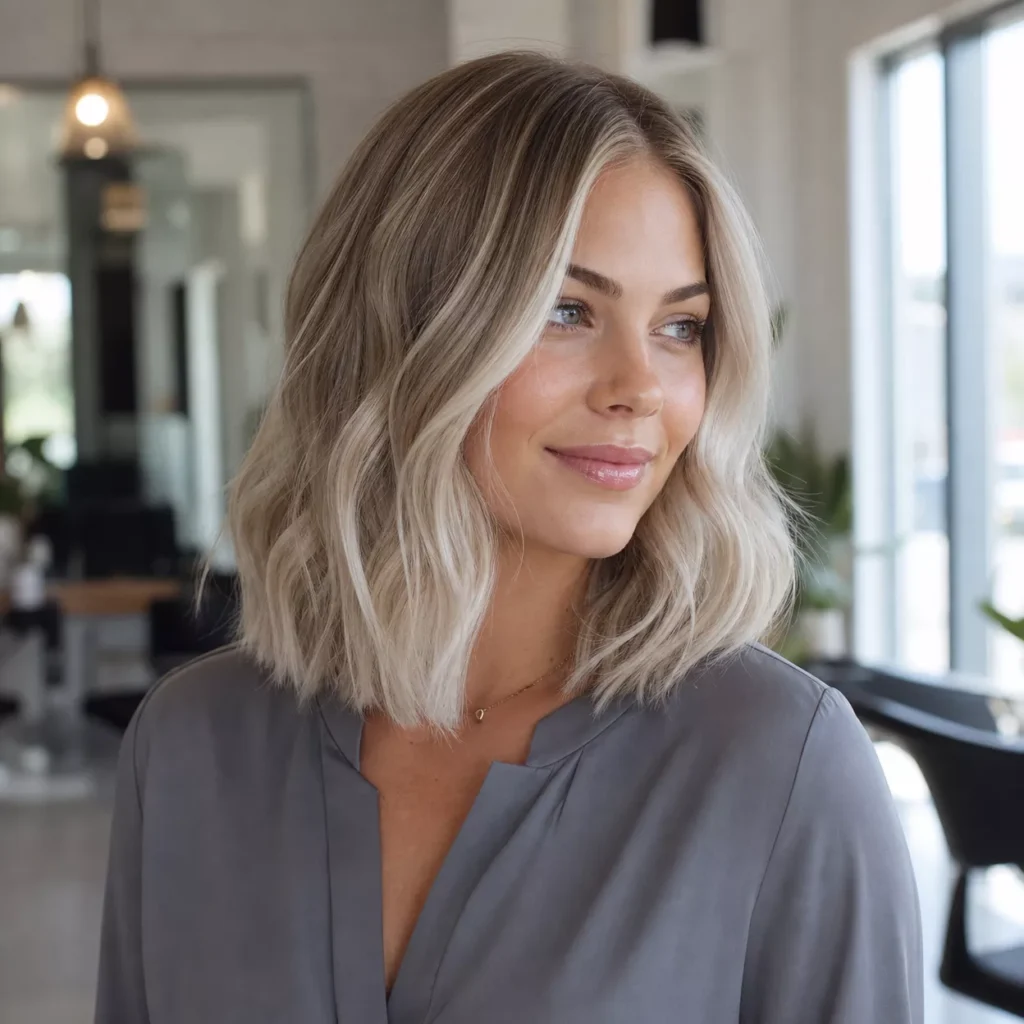
Dirty blonde is a darker, muted blonde that’s often a natural shade, which is why it reads soft at the root. Icy platinum tips are the opposite: very pale, cool, and heavily lightened. The contrast between a natural-looking base and bright ends defines the look. The root-to-tip transition needs blending so it doesn’t resemble grown-out highlights. If the dirty blonde is your natural shade, regrowth blends easily; if it’s colored, it needs its own maintenance. The platinum tips will need toning to stay icy.
Rich Mahogany and Soft Caramel
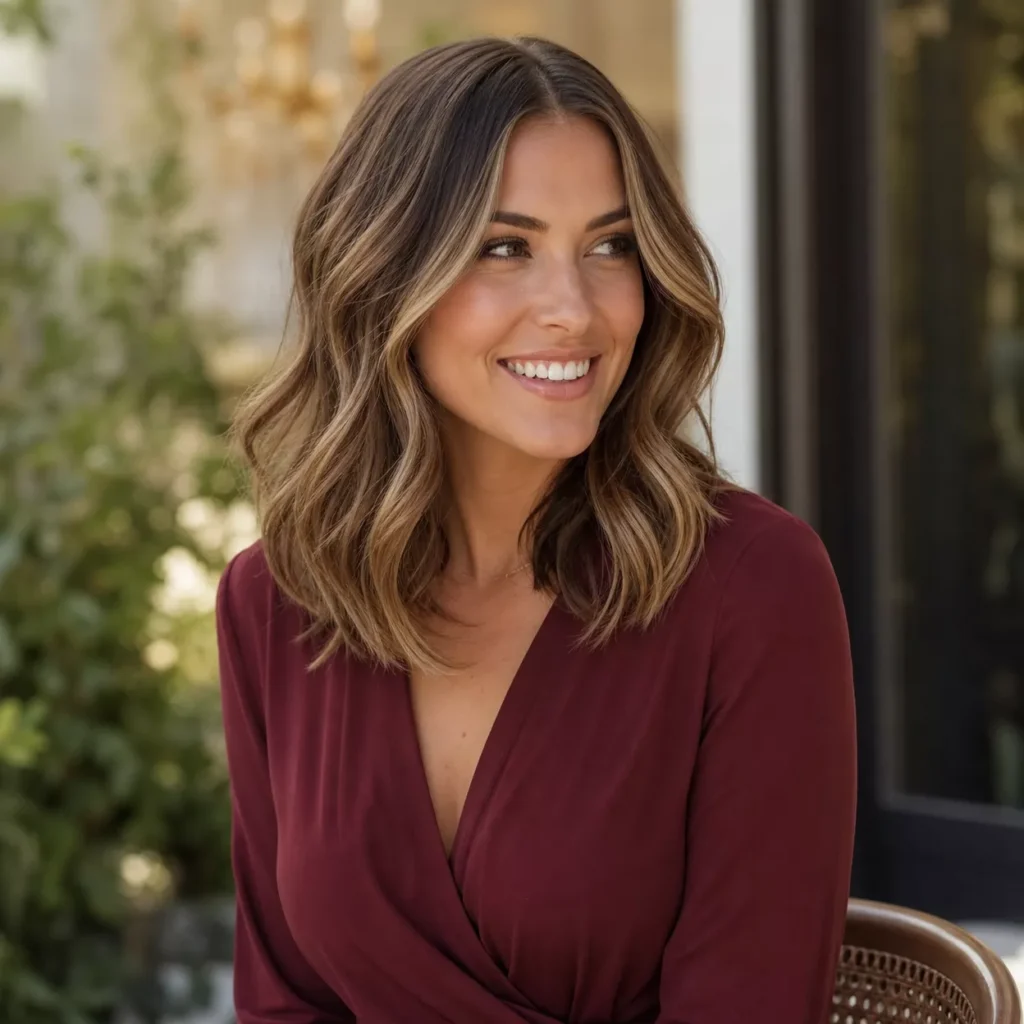
Mahogany is a deep, red-brown shade, and soft caramel adds a lighter, golden-brown dimension. Placed with balayage, the caramel blends into the mahogany for a warm, layered result; placed more heavily, it becomes a clearer two-tone. The amount of caramel shifts the overall impression. A few pieces keep the hair reading as mahogany with highlights, while more caramel moves it toward a lighter, warmer blend. Mahogany’s red tones can fade, and caramel may need toning to stay balanced, so the two shades may need refreshing on slightly different schedules.
Two-Tone Doesn’t Have to Mean High Contrast
Two-tone describes the relationship between two shades, not a particular level of drama. At one end, the difference is barely visible: jet black and blue-black, or brunette and chestnut, where the second shade shows mostly in movement or light. A step further, a soft root transition or gentle balayage adds depth without an obvious split. Then come noticeable gradients, where the shift from dark to light is clear but gradual. Contrasting tips push the difference further, and a split dye makes it the whole point.
Knowing where you want to land on that spectrum narrows the options faster than choosing shade names does.
Look at Where the Two Colors Meet
The transition point often decides whether a two-tone color looks blended, dimensional, graphic, or abrupt.
At the roots, a soft shadow root blends regrowth and keeps the lightest color away from the scalp. Through the mid-lengths, a transition starting around the cheekbones or jaw creates a gradient that feels intentional. Concentrated at the ends, the second color reads as an accent, and the contrast is easier to change later.
Placement around the face, through an underlayer, or in split sections creates different effects again. Face-framing color brightens the front; an underlayer reveals itself only when the hair moves; split sections make the contrast deliberate.
In a reference photo, look for where the lighter color begins, how gradually it changes, and whether the line is soft or sharp. That transition tells you more about the design than the shade names do.
Your Starting Color Changes the Entire Plan
Every two-tone result starts with the hair you already have. Your current color decides whether the lighter shade can simply be deposited or has to be lightened first. Lightening exposes underlying pigment, which tends to be warm on darker hair, and toning or deposited color then shapes what’s left into the final shade.
That’s why the same reference photo can require very different processes. Naturally blonde hair may need only toning to reach a soft honey or ash. Lightened blonde hair may already be light enough for pastels or platinum, depending on its condition. Medium brown hair needs moderate lift for caramel or honey, more for blondes. Dark brown and black hair need the most lightening for pale or fashion shades, and the warmth that surfaces along the way has to be managed.
Previously colored hair adds unknowns, since old dye and bleach history affect how evenly the hair lifts. Gray or silver hair is different again: it may already be light enough for some shades, but it can take color unevenly. Significant lightening is also more demanding on the hair than depositing a darker shade, so it’s worth discussing your color history, bleach history, and any dryness or breakage with your colorist before committing.
The Shade Name Is Not the Whole Color
Honey, caramel, ash, copper, platinum, strawberry, rose gold, and lavender are labels for ranges, not exact colors. Two people can ask for honey blonde and leave with noticeably different results.
Depth changes the shade: a deep honey sits close to light brown, while a pale honey is nearly blonde. Warmth shifts it toward gold or toward neutral. Placement affects how much of the shade you see. The starting base influences what’s achievable and how the tone settles. And lighting can make the same color look warmer, cooler, brighter, or deeper.
When you describe a color to your colorist, the label is a starting point. A photo, plus a few words about depth and warmth, does far more.
When Skin Tone Helps, and When It Doesn’t
Undertone can be a useful guide. Warm undertones often interact well with golden, copper, and caramel shades. Cool undertones can work well with ash, platinum, and silver. Neutral undertones may give more flexibility.
But undertone isn’t a rulebook. Contrast between your hair and skin, the depth of your natural color, personal preference, and the exact shade often matter just as much. A warm-toned person may still prefer a cool blonde, and a cool-toned person may love copper. Lighting changes how both skin and hair read, too. A colorist can adjust the warmth or coolness of almost any pairing to fit what you want.
Read the Reference Photo Like a Colorist
Before saving a photo because you like the overall look, try to identify what specifically you like about it:
- The root color. Is it dark, soft, or the same shade as the lengths?
- The second color. Is it warm, cool, pastel, or vivid?
- The transition point. Where do the two colors meet?
- The contrast level. Is the difference subtle or dramatic?
- The placement. Is the second color in the lengths, ends, face frame, or underlayer?
- The starting depth. How dark does the hair appear underneath?
- The texture. Are the waves natural or styled, and do they hide or reveal the transition?
- The lighting. Is the photo in sunlight, studio light, or indoors?
- The density. Thick, dense hair can show more color than fine or low-density hair.
- The saturation. How intense or muted is the color?
Once you know what you’re responding to, the photo becomes a much more useful tool.
What to Tell Your Colorist
A few specific sentences can make a reference photo far more useful:
“I like the contrast between the dark root and lighter ends, but I’d like the transition softer.”
“I like this exact shade of honey, not a very yellow blonde.”
“I want the lighter pieces concentrated around the face rather than through the whole head.”
“I like the split-dye effect, but I’d like to know how the grow-out will look.”
“My hair has been colored before, so can we talk about what’s realistic from my current base?”
“I like this photo, but I want a lower-maintenance version of the same color relationship.”
“I like the placement more than the exact shade.”
Final Thoughts
A two-tone color that works isn’t simply two shades that look good side by side. It comes from understanding your starting base, the contrast you want, where the colors are placed and how they meet, the condition of your hair, the maintenance the design will ask for, and what you actually prefer.
The most useful reference photo is the one that helps you communicate those choices clearly, so your colorist can build the same color relationship on your hair rather than copying someone else’s.