25 Easy Hairstyles for Long Hair and How to Make Them Work for Your Routine
Long hair gives you a lot to work with: enough length for a bun, a braid, a ponytail, or simply wearing it down. That doesn’t mean every option is realistic early on a weekday morning. Some styles that look simple take practice, a specific tool, or preparation the night before. Others are fast but only cooperate with certain textures.
It helps to separate a few kinds of easy. Some styles are genuinely low-effort: twist, secure, leave. Some look casual but depend on smoothing, heat, or a careful braid. Some work best when your hair already has wave or curl. Some exist mainly to make second-day hair look deliberate. And some, like overnight waves, simply move the work to the evening.
The 25 styles below cover all of those. Each one notes what makes it quick or slow, and what kind of hair tends to make it easier.
Effortless Low Bun
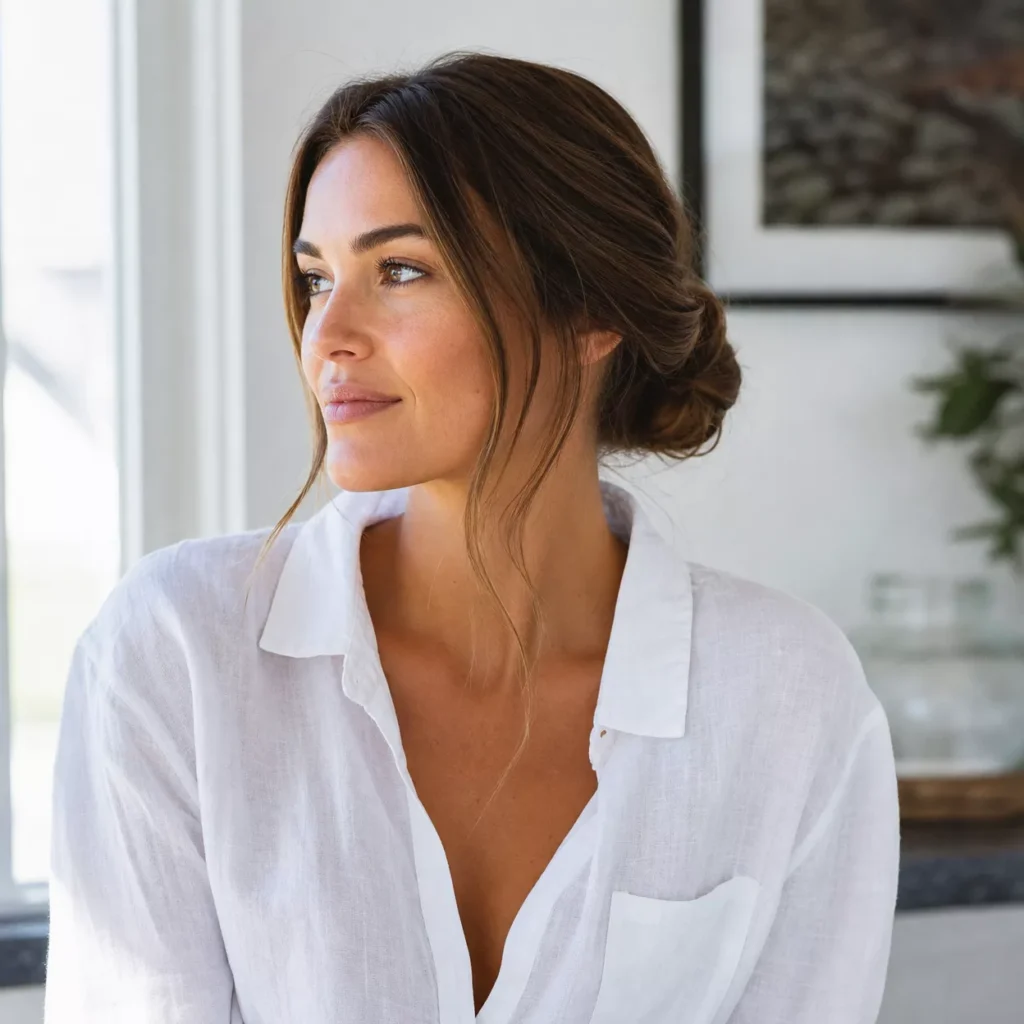
Long hair has weight, and a low bun puts that weight where it’s easiest to carry: at the nape, close to the neck, rather than pulling from the crown. Twist the length, wrap it around the base, and secure it with pins or an elastic. A loose wrap reads relaxed; a tighter one with smoothed sides reads polished. Density changes the outcome. Very dense hair can make a large bun that needs extra pins to stay put, while fine or low-density hair may produce a smaller bun than photos suggest. The bun only needs to be secure, not tight, so it holds without pulling at the hairline.
Sleek High Ponytail
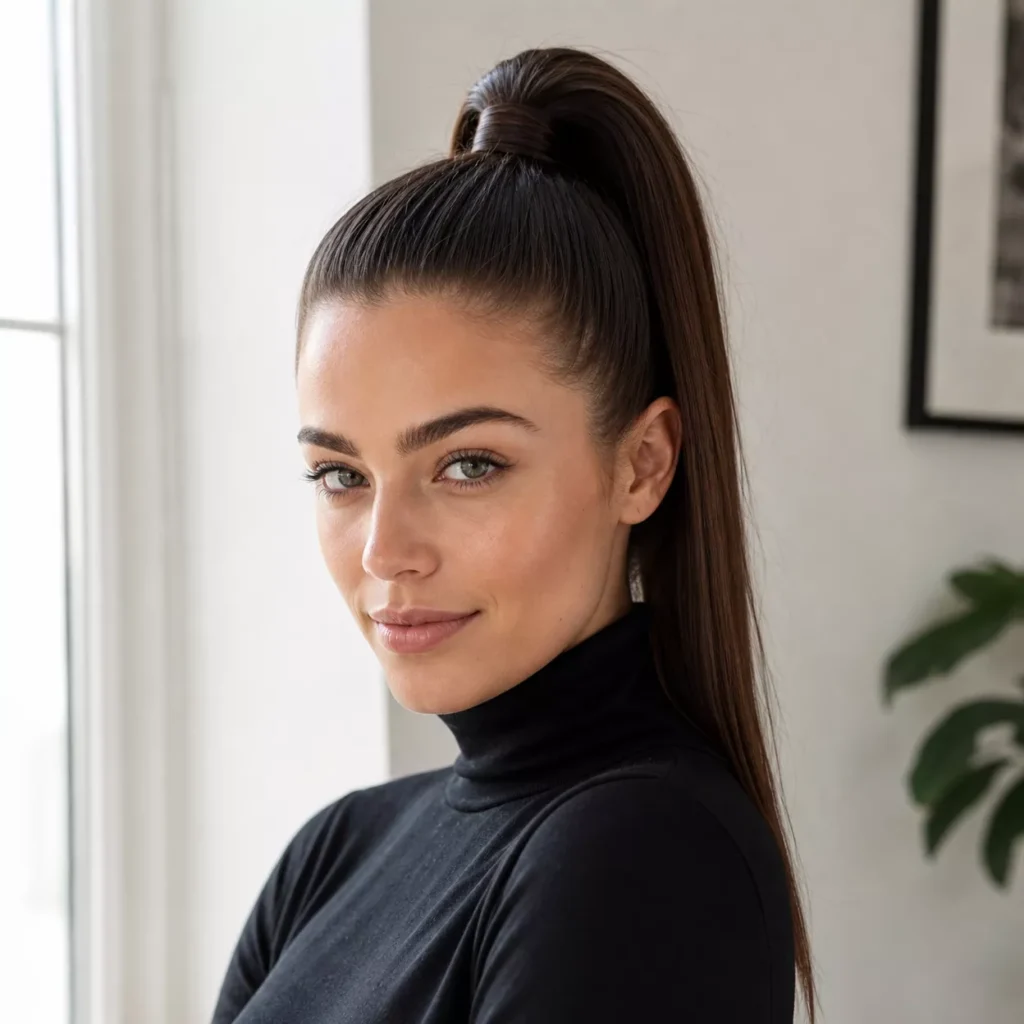
Height and smoothness define this look, and both cost something. Long hair is heavy, so a high ponytail pulls on the hairline and crown more than a low one, particularly if it’s tied very tight. Sleekness is also a finish rather than a natural state for most hair. Straight hair may need only brushing and a little smoothing product; wavy or curly hair usually needs a blow-dry or straightening first. Flyaways at the hairline are the usual giveaway, and a small section wrapped around the elastic hides the band. On low-density hair, a high pony can look slim at the base, while dense hair makes a fuller tail with more weight behind it.
Loose Waves with a Center Part
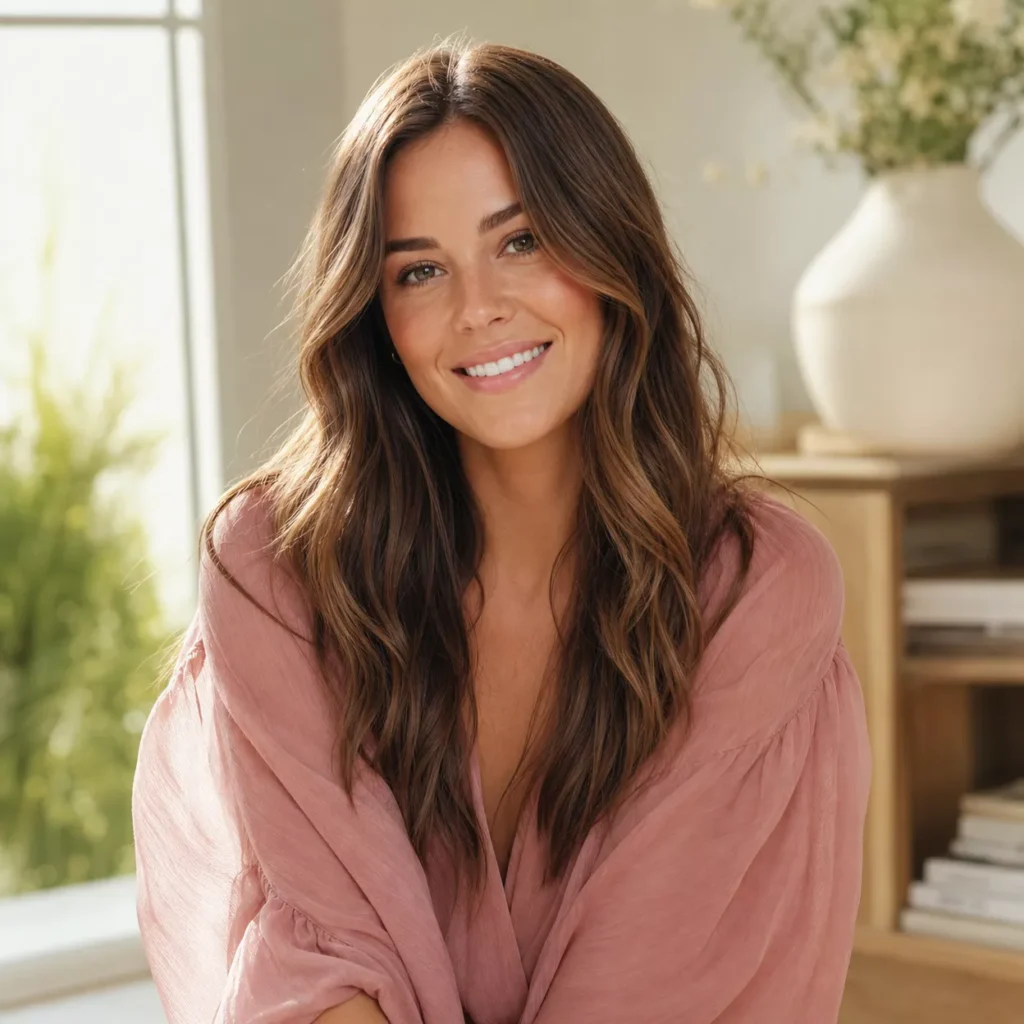
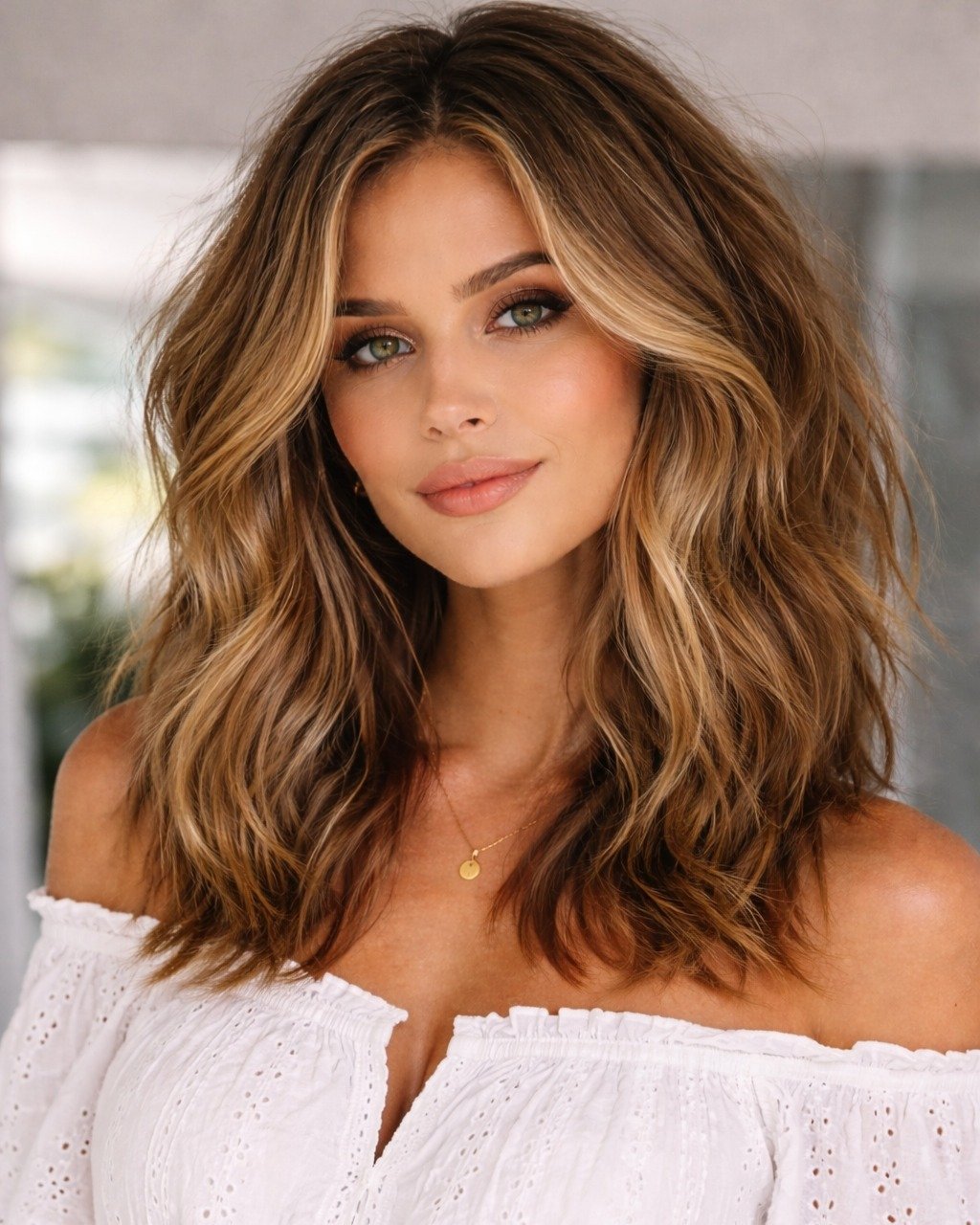
How easy this is depends almost entirely on where the waves come from. Hair with a natural wave can be scrunched with a curl cream or mousse while damp and left to air-dry, and the result can look close to the reference. Straight hair won’t produce the same waves on its own; it needs a wand, a flat iron, or an overnight method. Humidity complicates both, making natural waves frizzier and causing heat-made waves to drop. The center part is the simple part, as long as it sits where your hair already wants to split.
Half-Up Half-Down with a Claw Clip
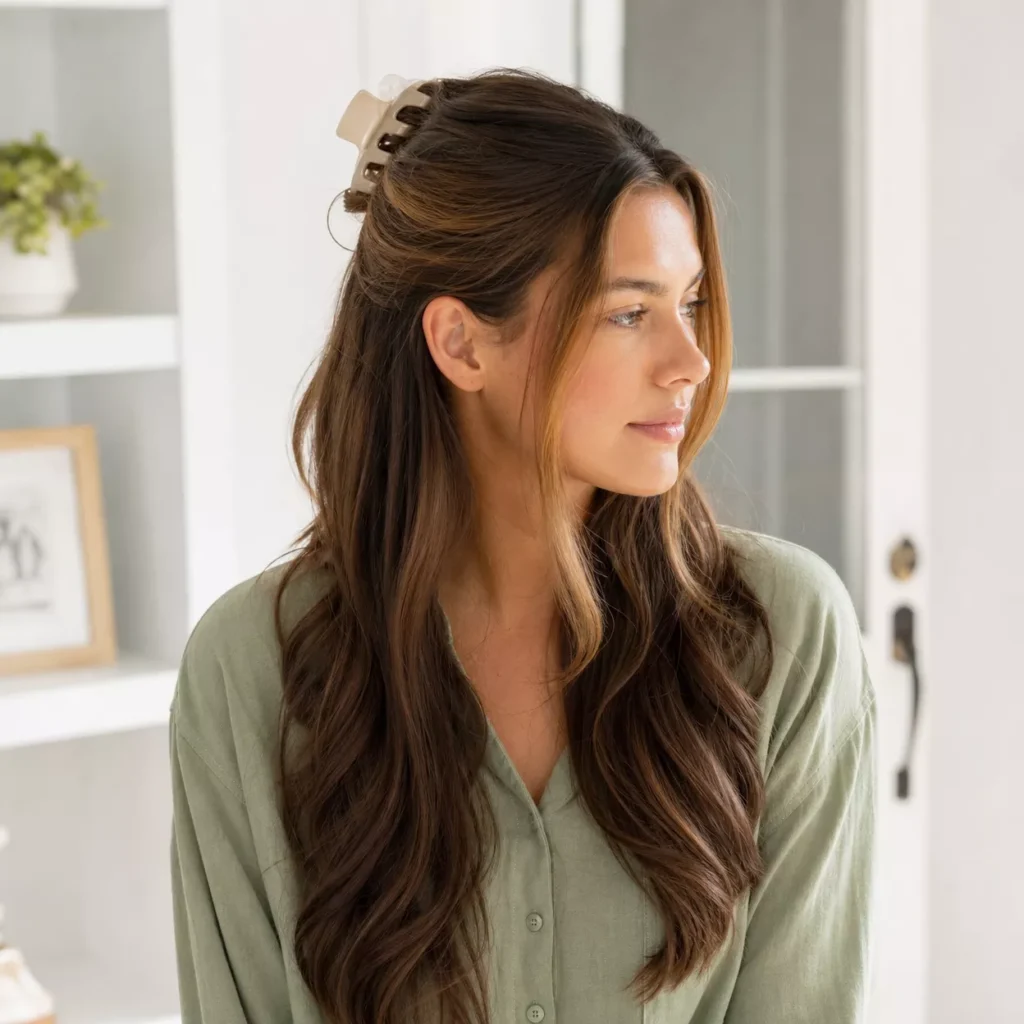
The clip does most of the work here, so its size matters. Long, dense hair needs a larger, sturdier clip, or the top section will slide out under its own weight. Fine or low-density hair can slip through a big clip and may hold better in a smaller one. Placement changes the balance. A clip near the crown lifts the top section; one placed lower sits more neatly against the head. Twisting the top section before clipping gives the teeth more to grip, which helps on slippery hair.
Braided Ponytail
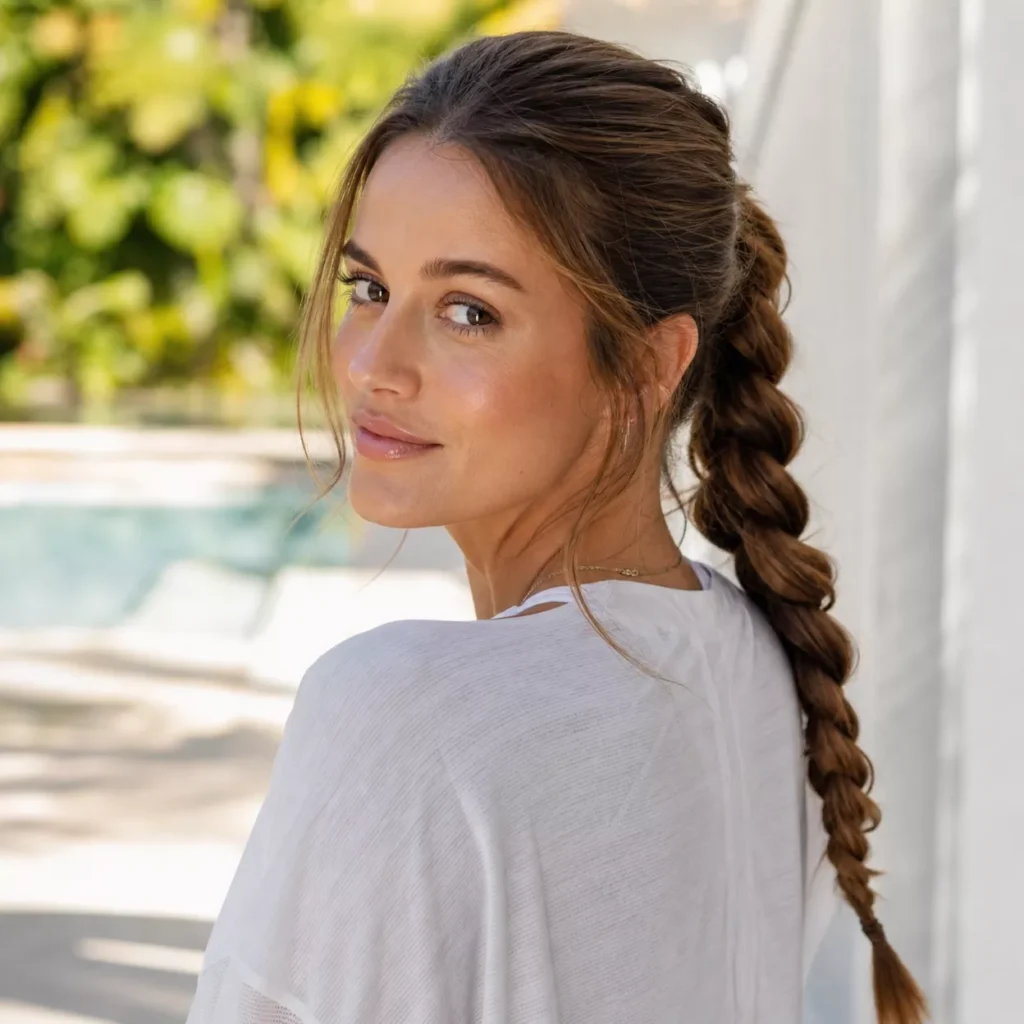
Braiding the tail of a ponytail turns a loose length into a contained shape, which keeps long hair tidier through the day and less prone to tangling. Placement sets the tone: low reads calm and neat, mid-height reads more sporty. A tight braid holds longer but can look thin on low-density hair, and loosening the edges afterward makes it look fuller. Keep the base elastic secure but not tight, since a long, heavy braid adds its own pull at the scalp.
Messy Bun
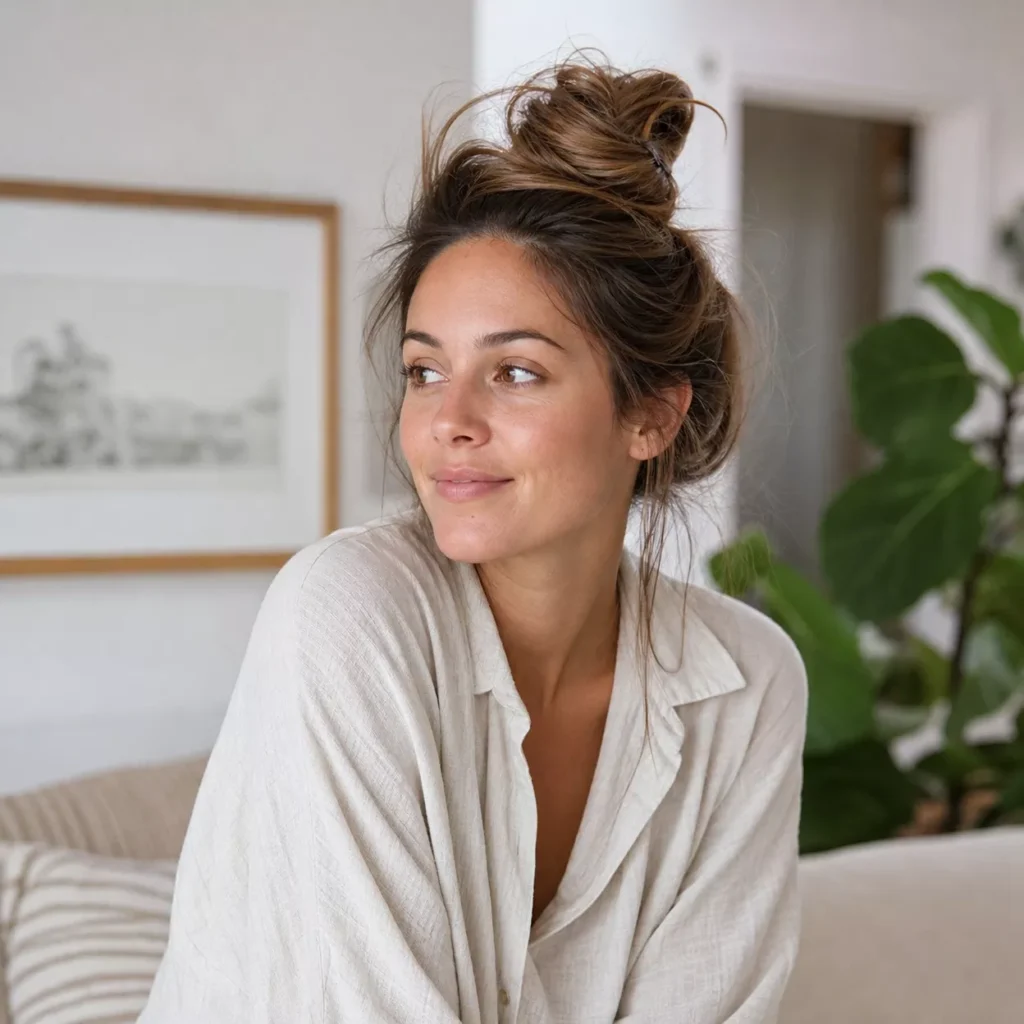
A messy bun is meant to look casual, but there’s still technique underneath. The base has to be secure even if the outside is loose, otherwise the bun slides or collapses within an hour. Hair with some texture or second-day grip makes this much easier; freshly washed, very smooth hair tends to slip. Dense hair makes a big, full bun, while fine or low-density hair can look small, which some people offset by loosening the wrap. Flyaways are part of the look, though you may still want to smooth the hairline.
Curtain Bangs with Natural Texture
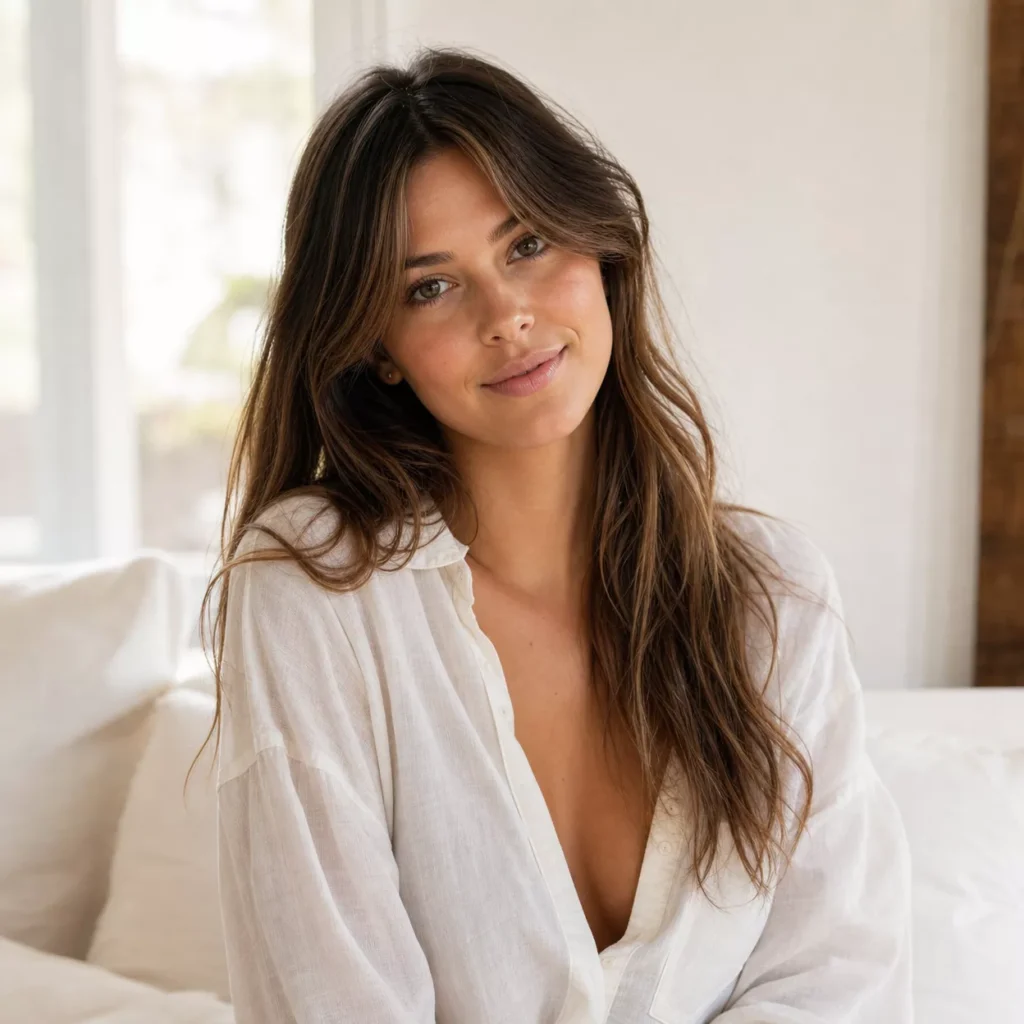
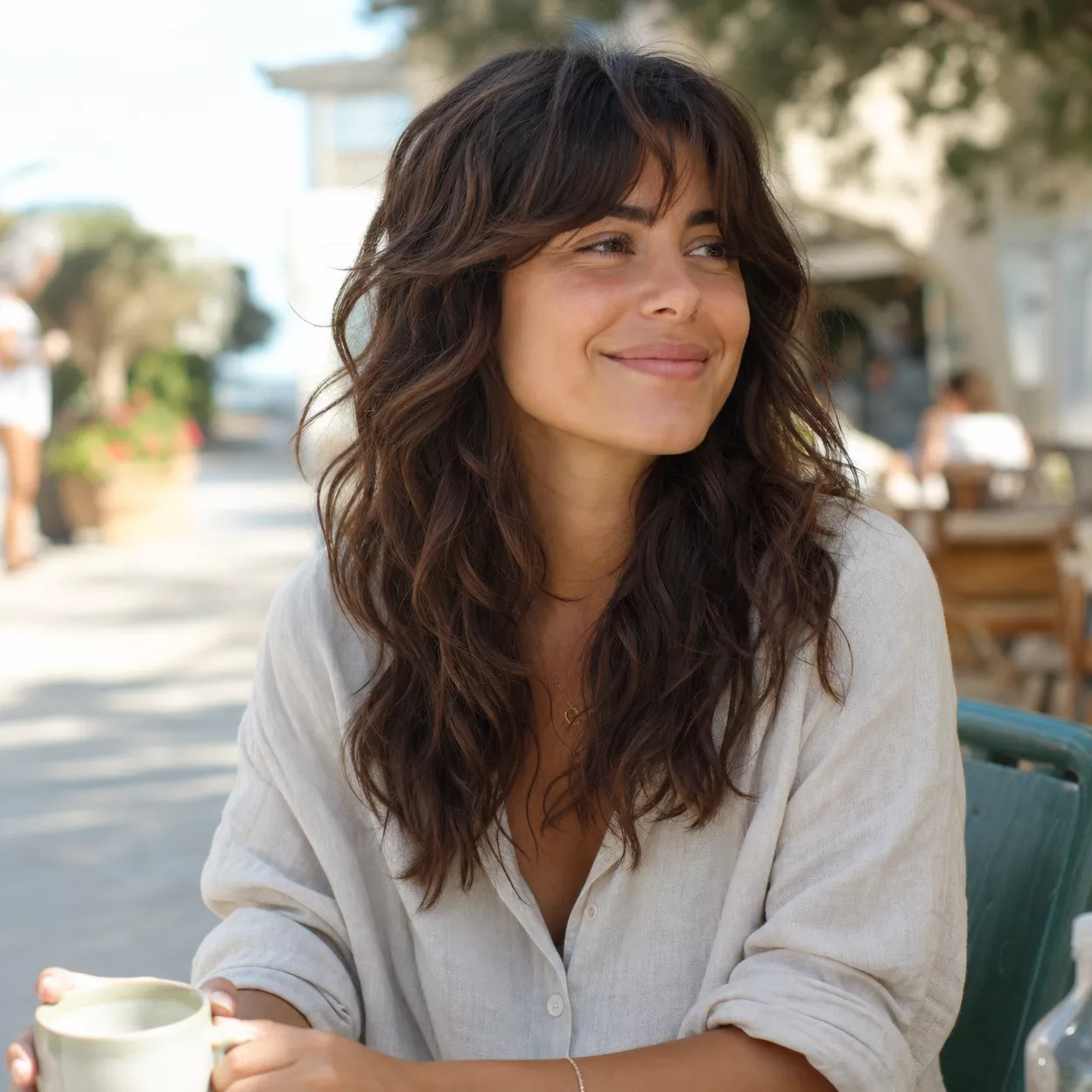
Here, the haircut is doing much of the work. Curtain bangs already frame the face, so the rest of the hair can be left in its natural state. The bangs themselves usually still need a little attention. They split most easily at your natural part, and on straight hair they may need a quick blow-dry to sweep outward. On wavy hair, they can spring up or curl unpredictably, particularly in humidity. They also need regular trims to stay at the right length. Our guide to curtain bang hairstyles covers more ways to wear them.
Low Twisted Ponytail
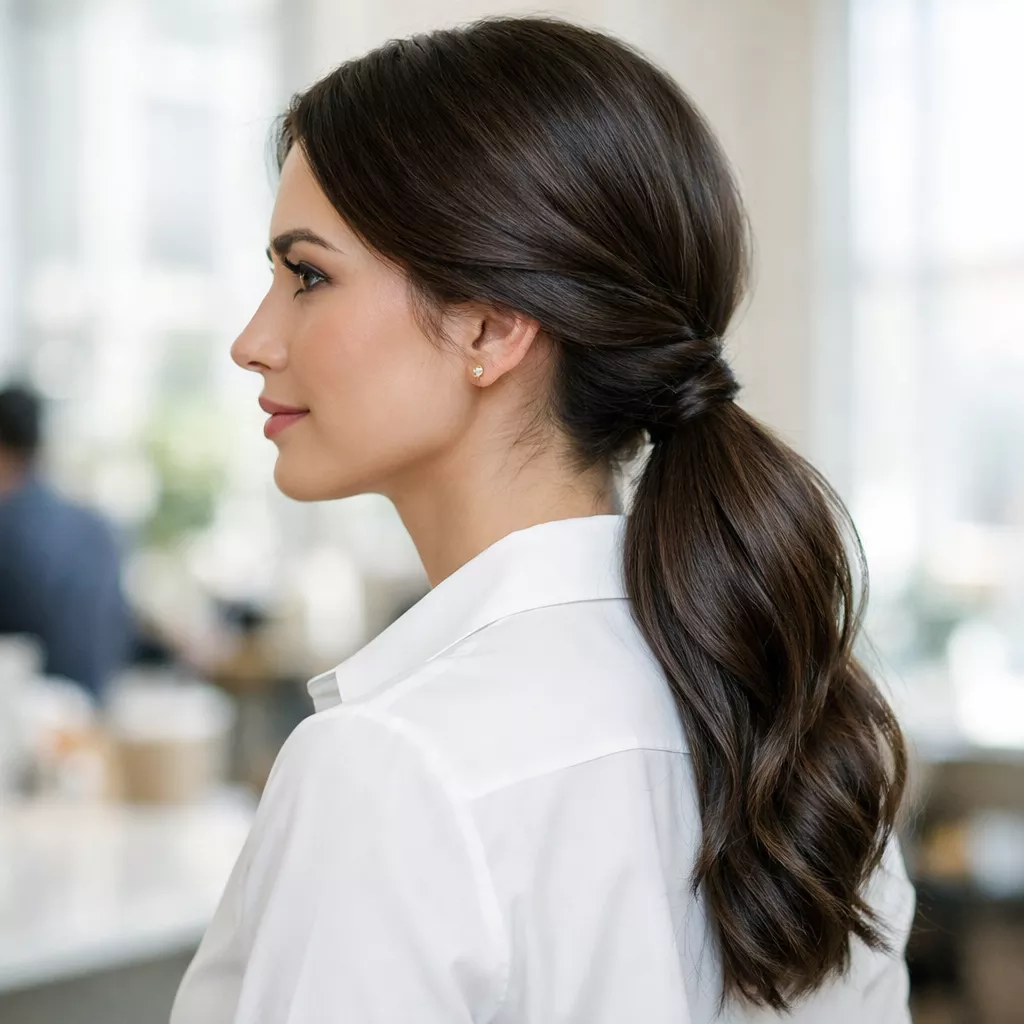
The twist is what separates this from a plain ponytail. Two sections are twisted away from the face and secured together at the nape, creating a rope-like detail along the sides. It sits most neatly when the twists follow your natural part. Fine hair can lose the twist if it’s wound too loosely, so a pin or two may help hold it. Dense hair makes chunky twists that hold well but may need a stronger elastic at the base.
Side Braid
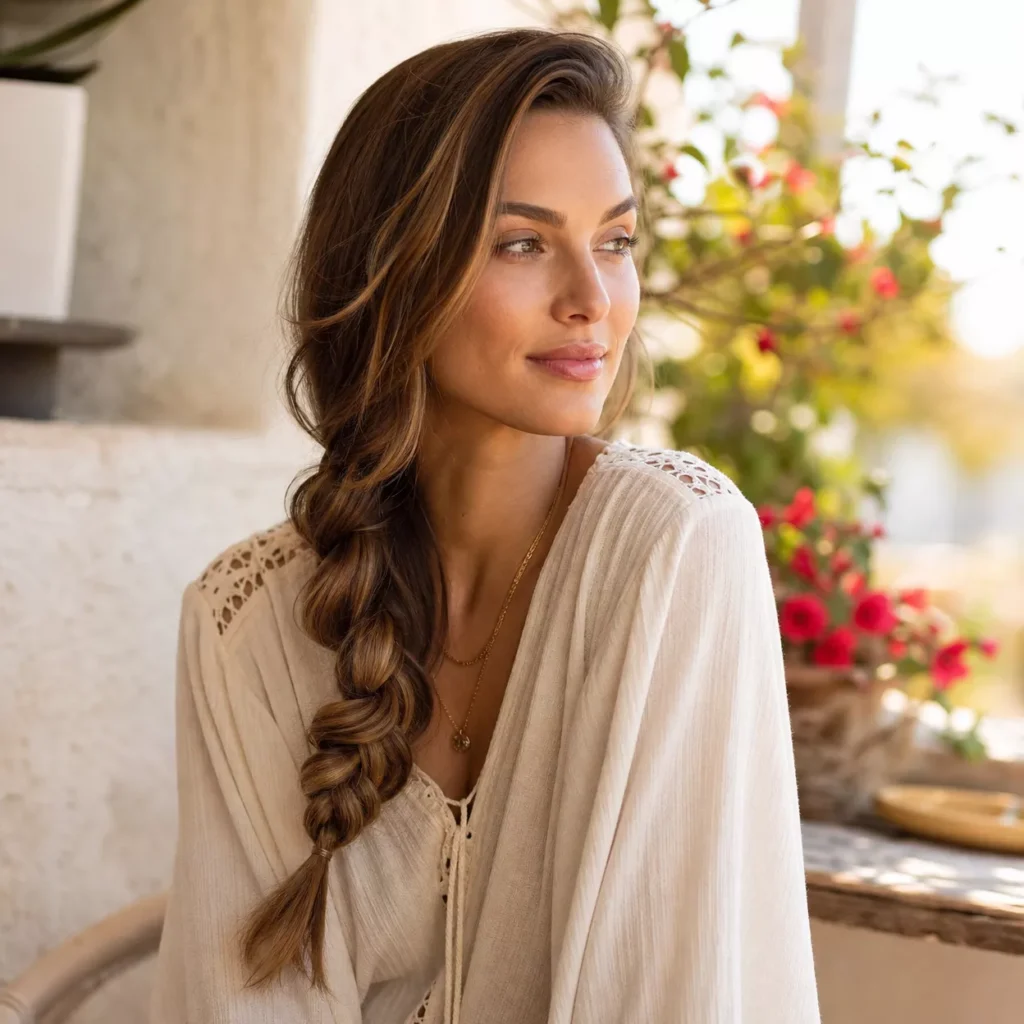
Moving all the hair to one side puts the weight there too. On very long or dense hair, that can feel heavy on one shoulder, but it keeps the back of the neck clear. Long hair shows a braid well, since there’s enough length for the pattern to repeat several times. A loose braid looks softer and less precise; a tight one holds longer. Hair with some texture stays braided better than very smooth hair, and a few loose pieces near the face can soften it if you like that.
Bubble Ponytail
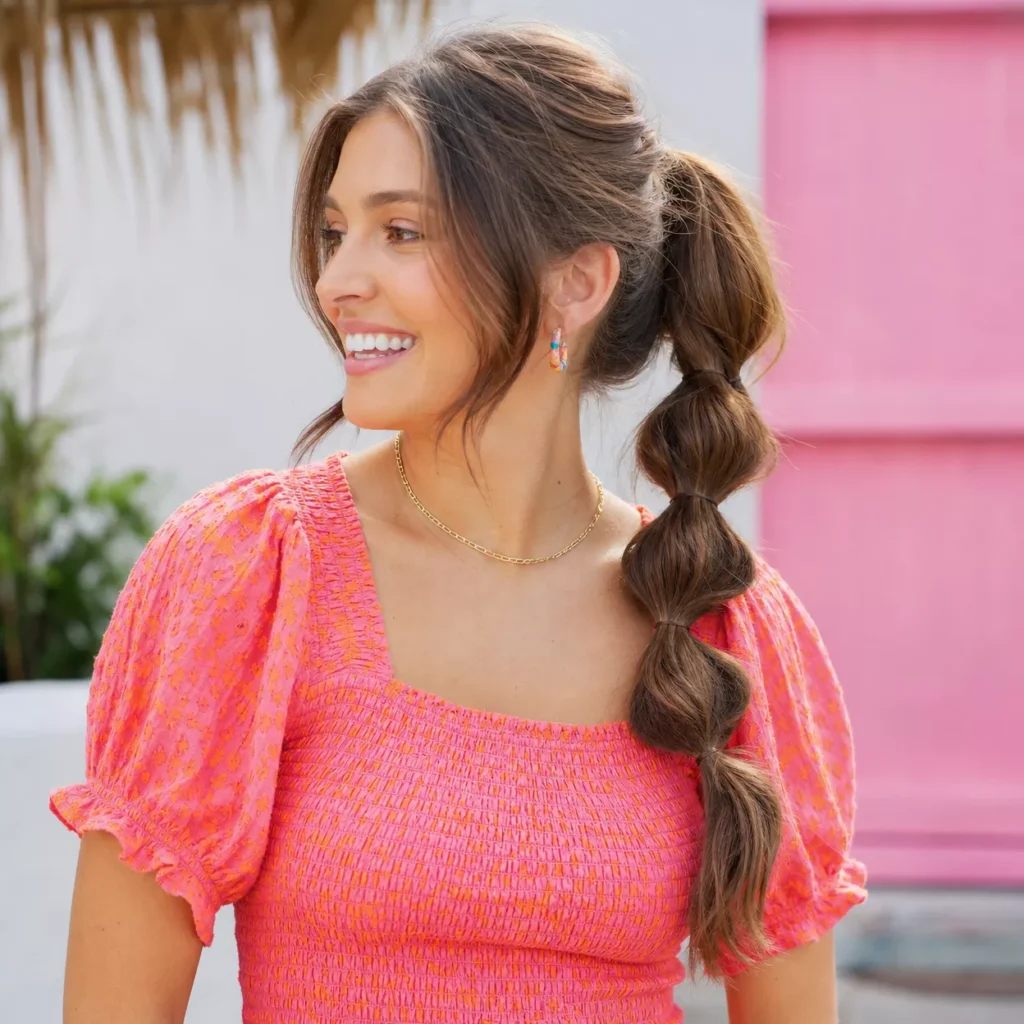
This one is built in stages: a ponytail at the crown, then elastics spaced down the length, with each section gently pulled outward to form a rounded bubble. Getting the spacing even and the bubbles a similar size takes some adjustment, so it usually takes longer than a basic ponytail. It needs enough length for several sections. Dense hair forms fuller bubbles; low-density hair makes smaller ones that need more careful pulling to look even.
Sleek Low Ponytail
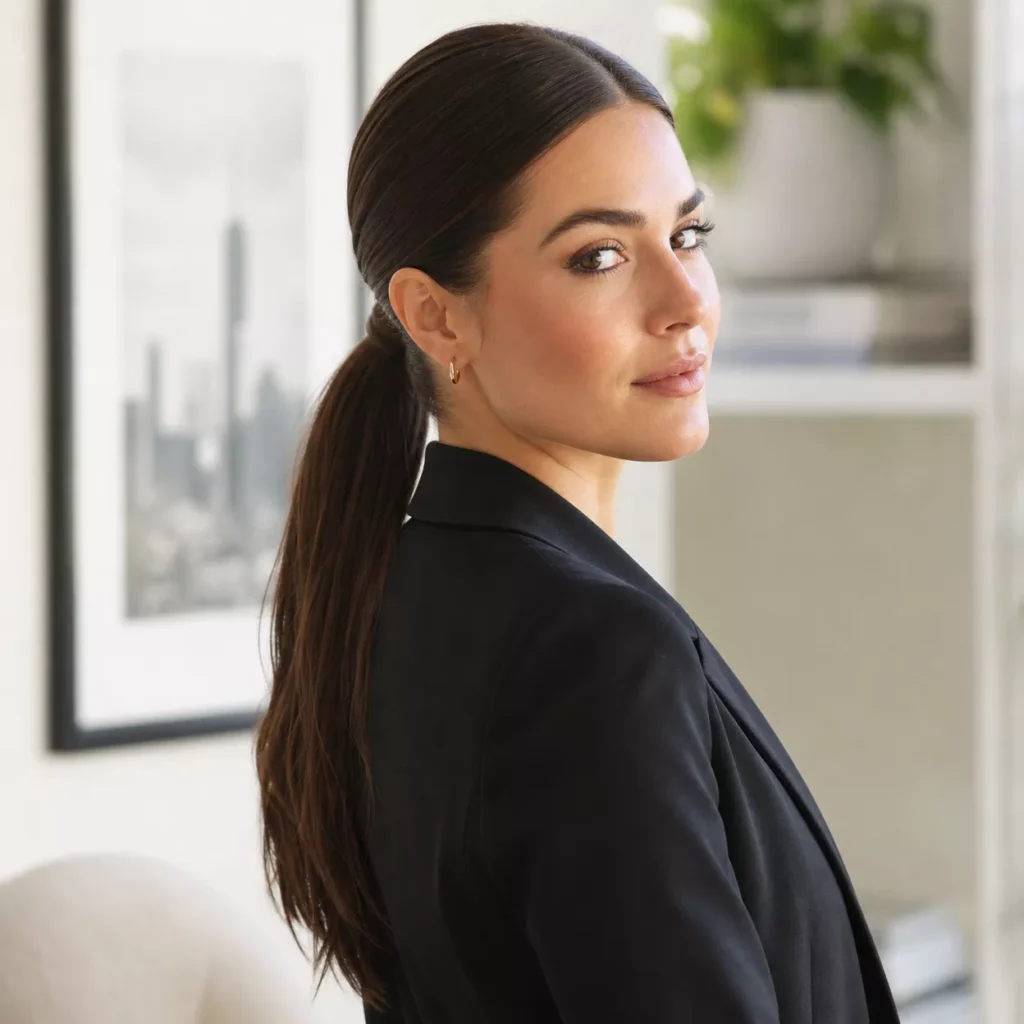
A ponytail at the nape is gentler on the hairline than a high one, and smoothing it gives a polished finish. How much work that smoothness takes depends on texture. Straight hair may need only brushing; wavy or curly hair may need a blow-dry or a smoothing cream to lie flat. Flyaways at the part and hairline are the main detail to manage, and wrapping a section around the elastic hides it. Keep the tension moderate if you wear it often, since pulling hair tight every day can stress the hairline.
French Tuck with a Hair Clip
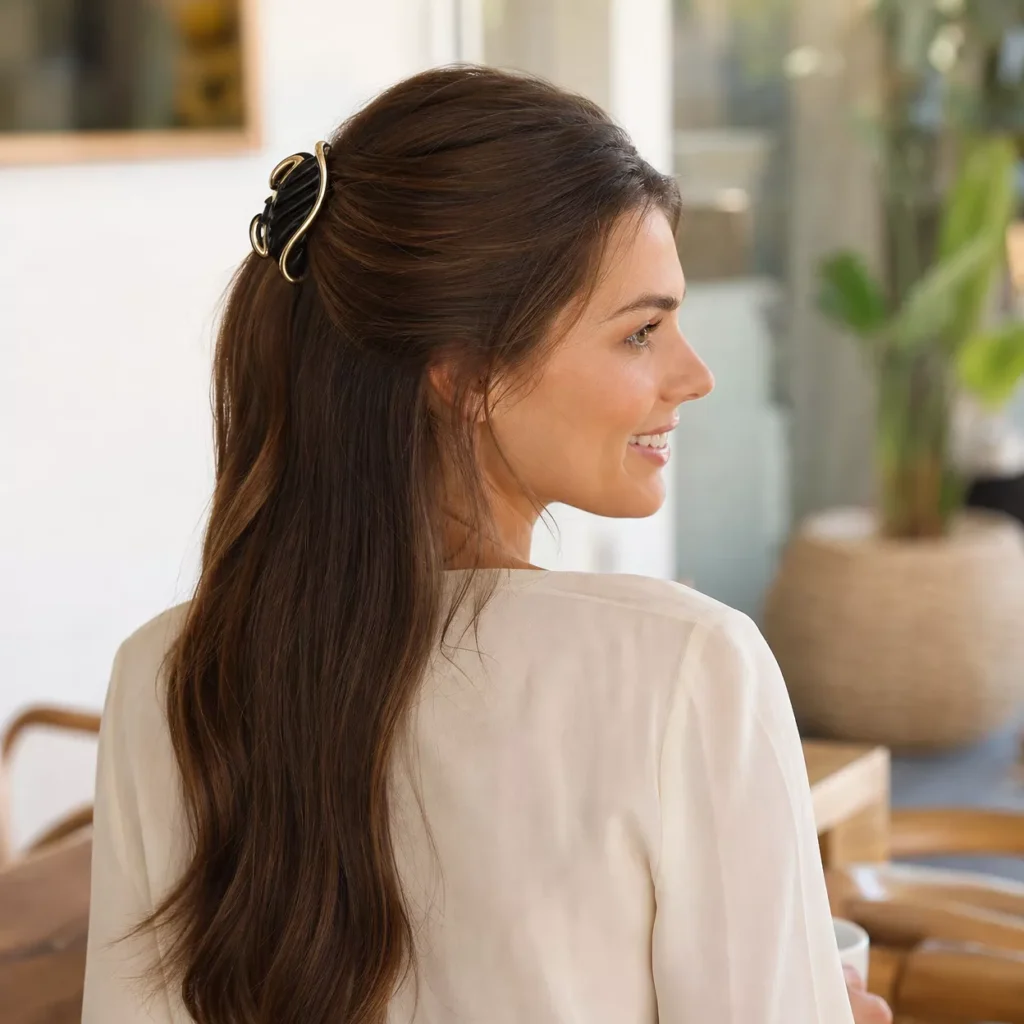
The clip is part of the look here rather than something hidden. The top and side sections are twisted back and secured with a clip or barrette, while the rest of the length hangs loose. Size matters again. A small barrette suits fine or low-density hair, while dense hair needs a larger or stronger clip to hold the twist. Where you place it changes how much hair stays down and how pulled-back the front looks.
Overnight Waves
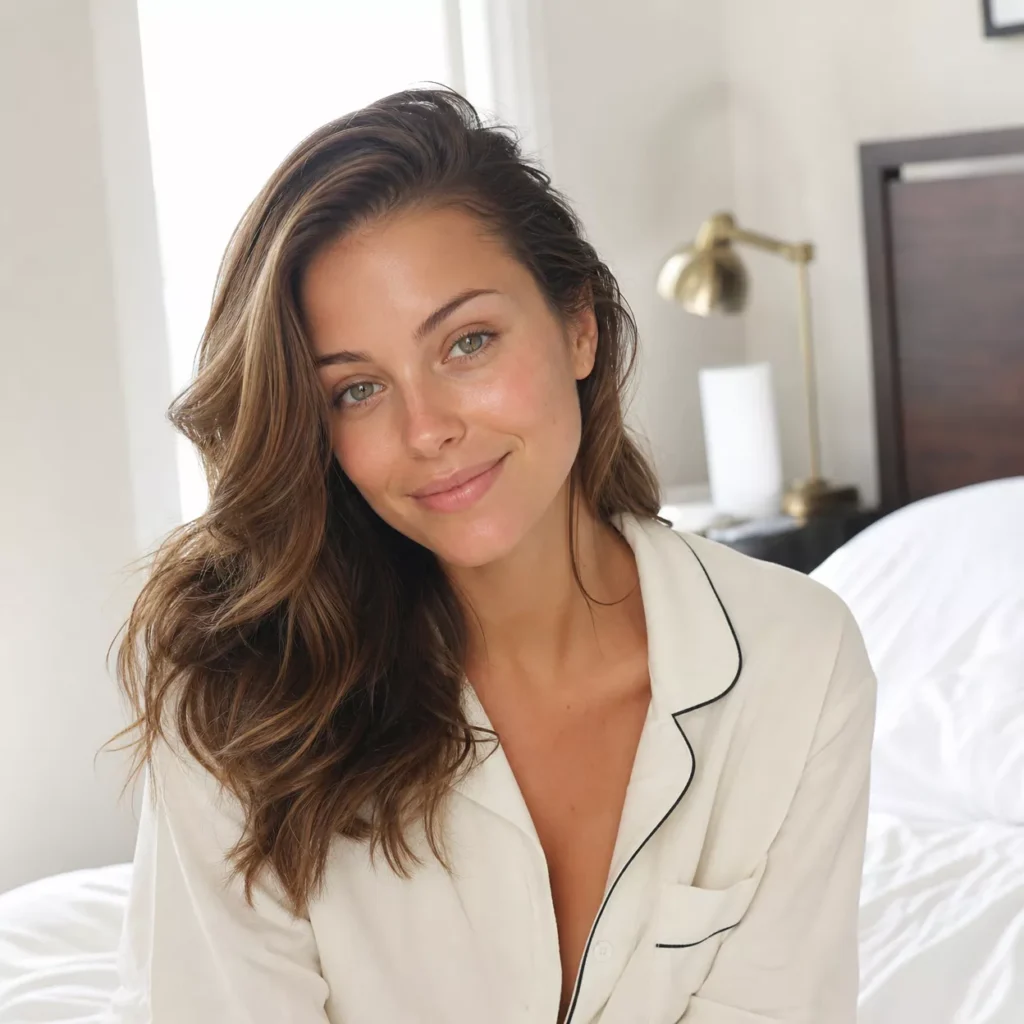
Overnight waves move the effort to the evening. Hair is twisted, braided, or wound into buns while damp, then released in the morning. It should be damp rather than soaking, or it may not dry by morning. Results vary a lot. Straight, fine hair may produce loose waves that drop by midday; thick or coarse hair may hold them longer but needs longer to dry. Expect to adjust in the morning with your fingers or a little product. It’s a heat-free option, not a no-effort one.
Wispy Low Braid
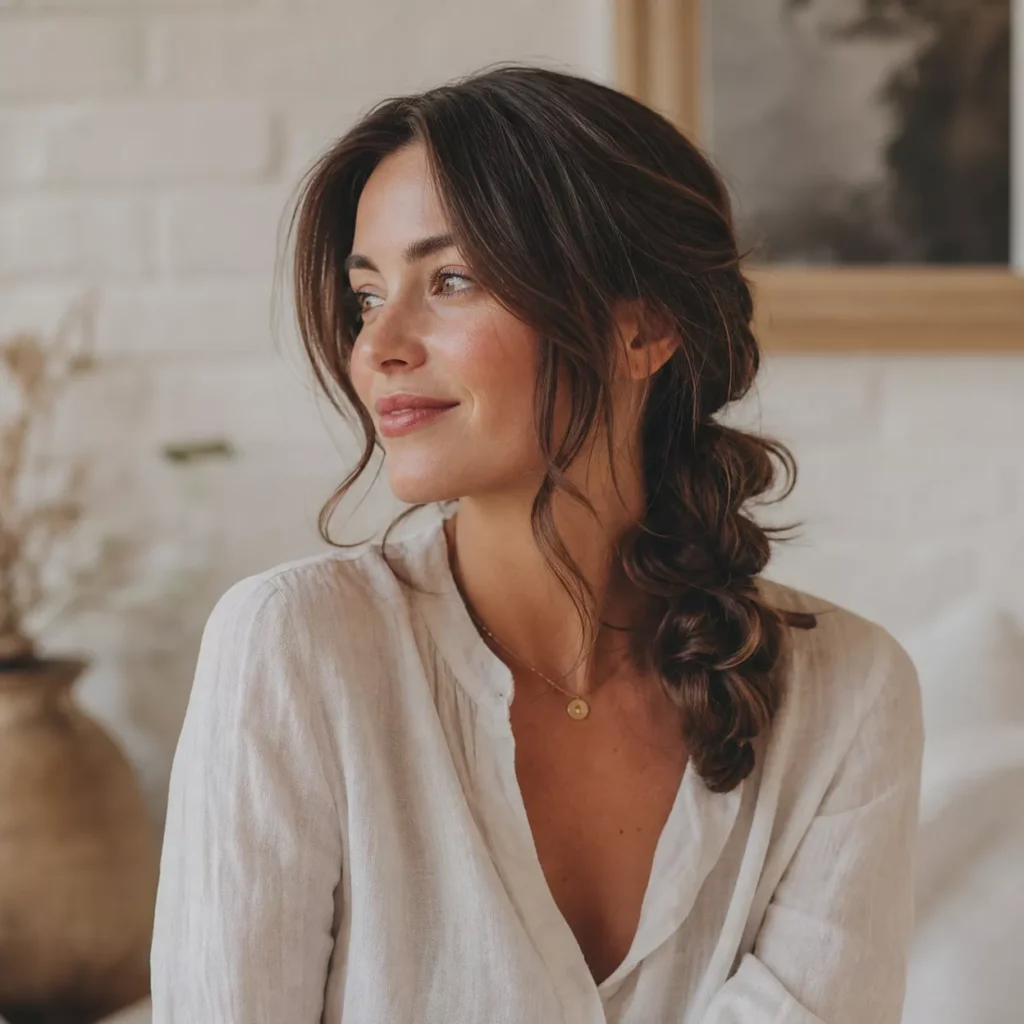
A loose, low braid with gently pulled-out edges looks soft without much styling. That looseness makes the braid look fuller, which helps on fine or low-density hair, but it also makes it less secure, so the elastic at the end needs to be firm. Dense hair produces a thick braid that needs less pulling. Some flyaways are part of the look; a little product can calm them if you want it neater.
High Bun with Face-Framing Pieces
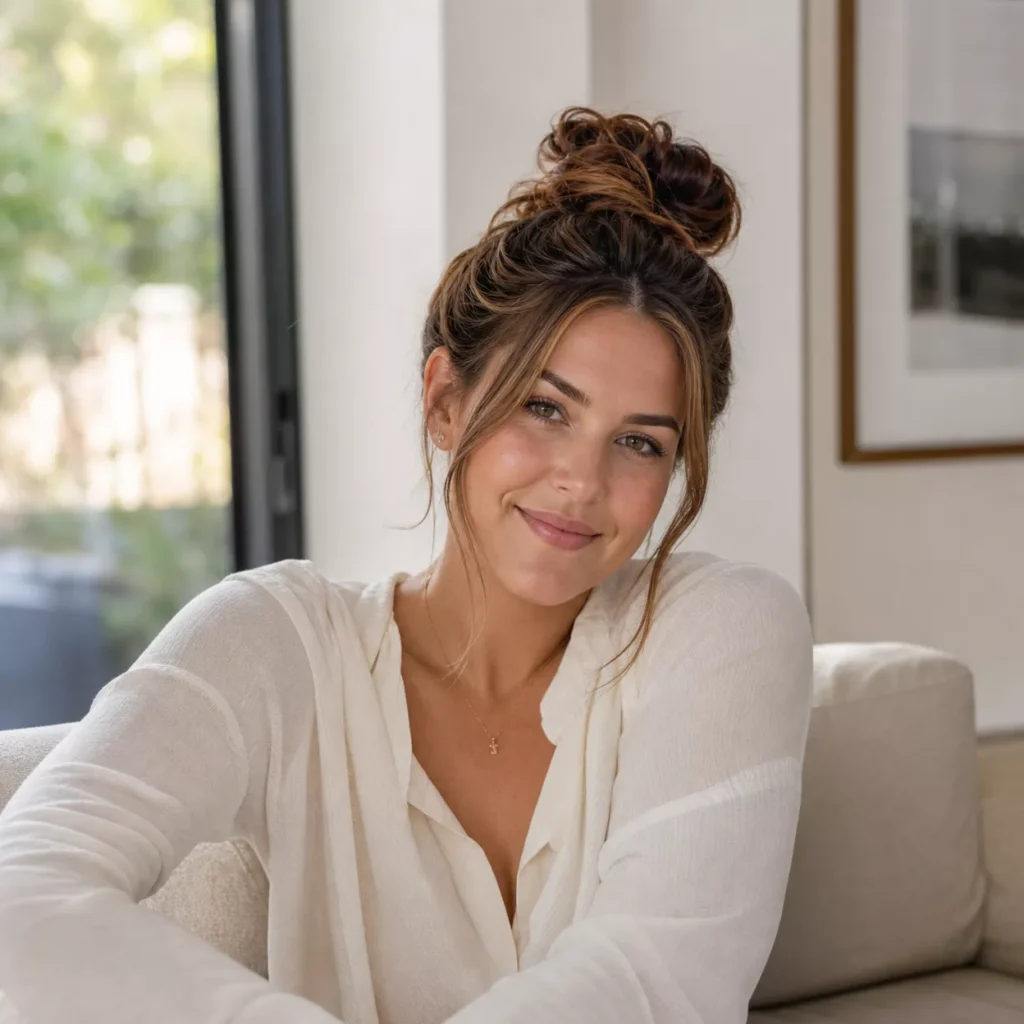
A high bun lifts long hair off the neck and shoulders, which can be useful on hot or busy days. Leaving a few face-framing pieces loose softens the pulled-back look, though whether you prefer that is a matter of taste. Height adds tension, so on long, heavy hair, a high bun can pull at the crown unless it’s wrapped loosely. Dense hair makes a large bun that may need pins; fine or low-density hair may make a smaller one.
Textured Ponytail with Dry Shampoo
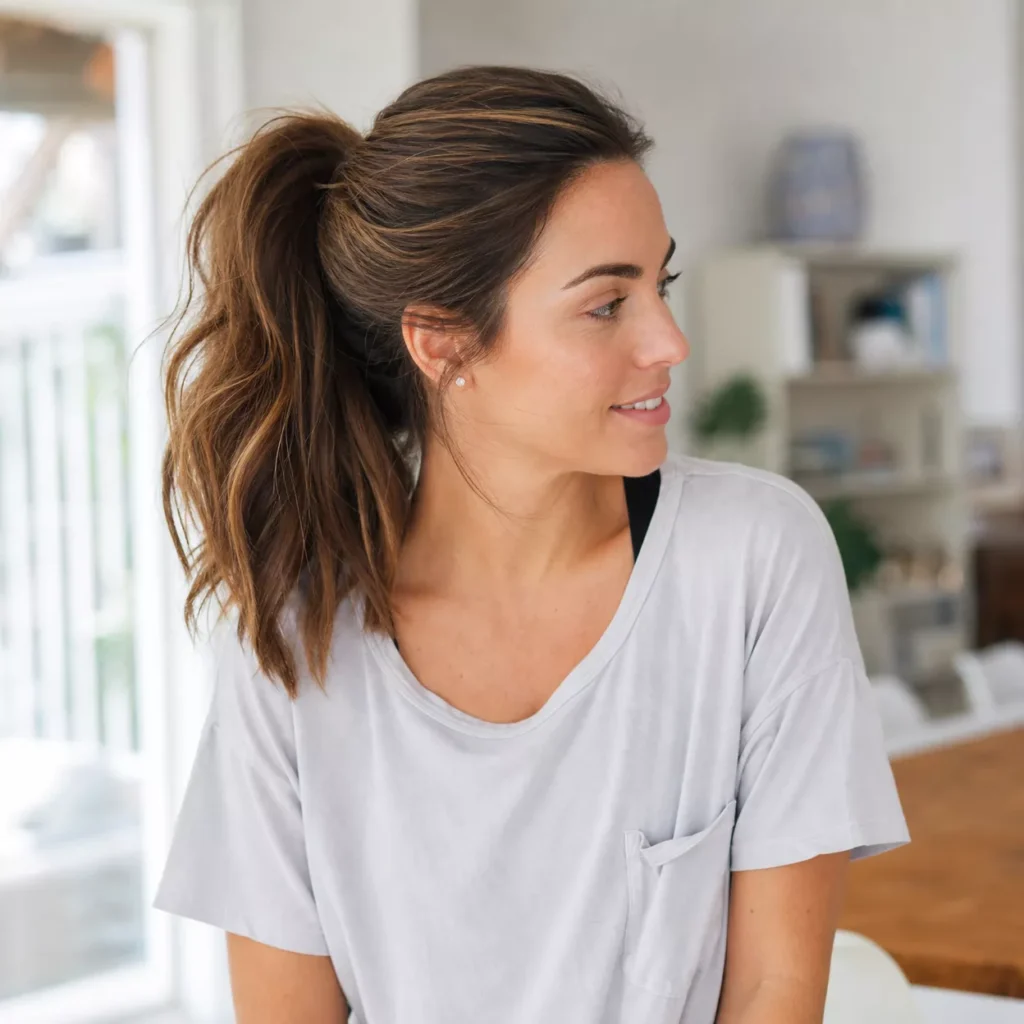
This style is built around second-day hair. Dry shampoo at the roots can absorb some oil and add grip and texture, which helps a ponytail look fuller and less flat. Let it settle, brush it through, then pull the hair back. It’s a refresh between washes rather than a replacement for washing, and it tends to work best for a day or two before the hair needs cleaning again.
Half Bun
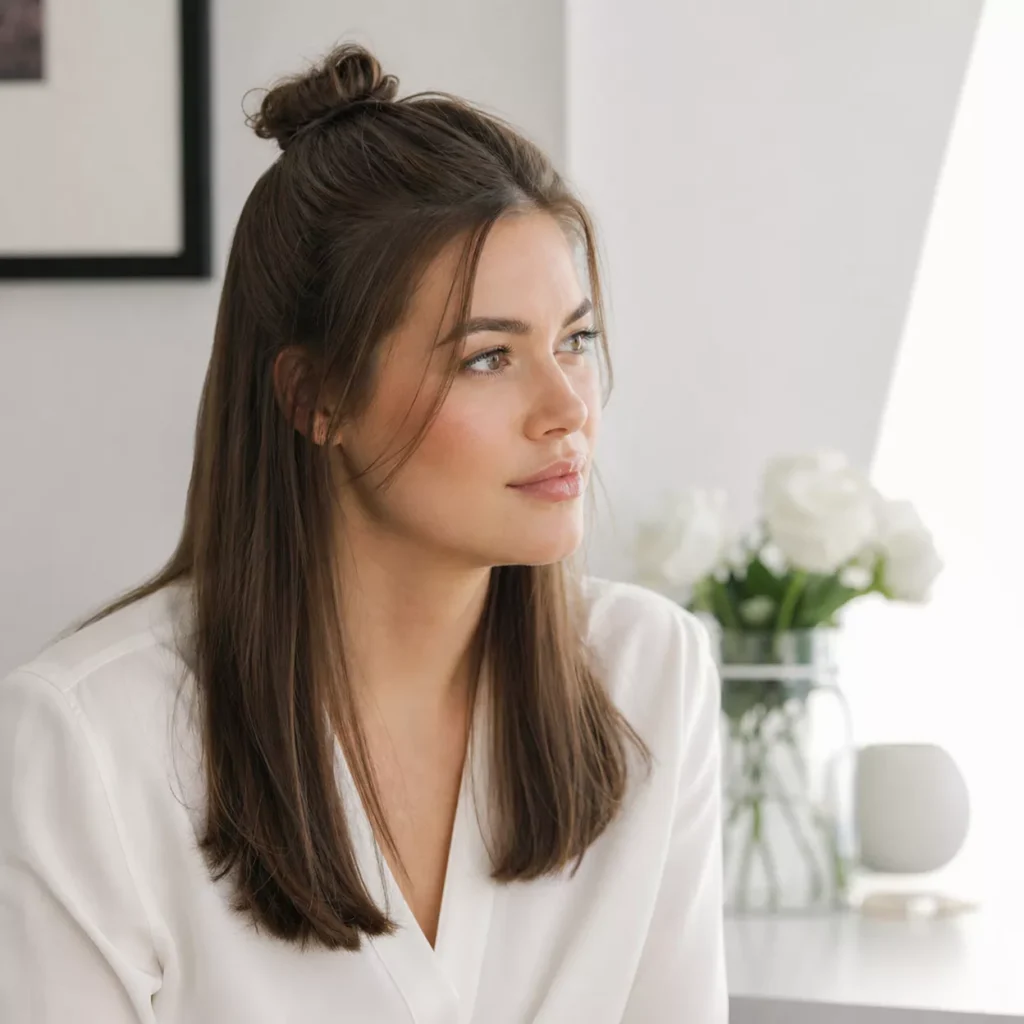
Where a claw clip holds a twisted section in place, a half bun turns the top section into a small bun at the crown. Its size depends on how much hair you take: a narrow section gives a neat, small bun; a wider one gives a fuller shape. Fine or low-density hair may make a modest bun even from a large section, while dense hair can make a sizeable one quickly. It keeps hair away from the face while leaving most of the length down.
Twisted Half-Up Style
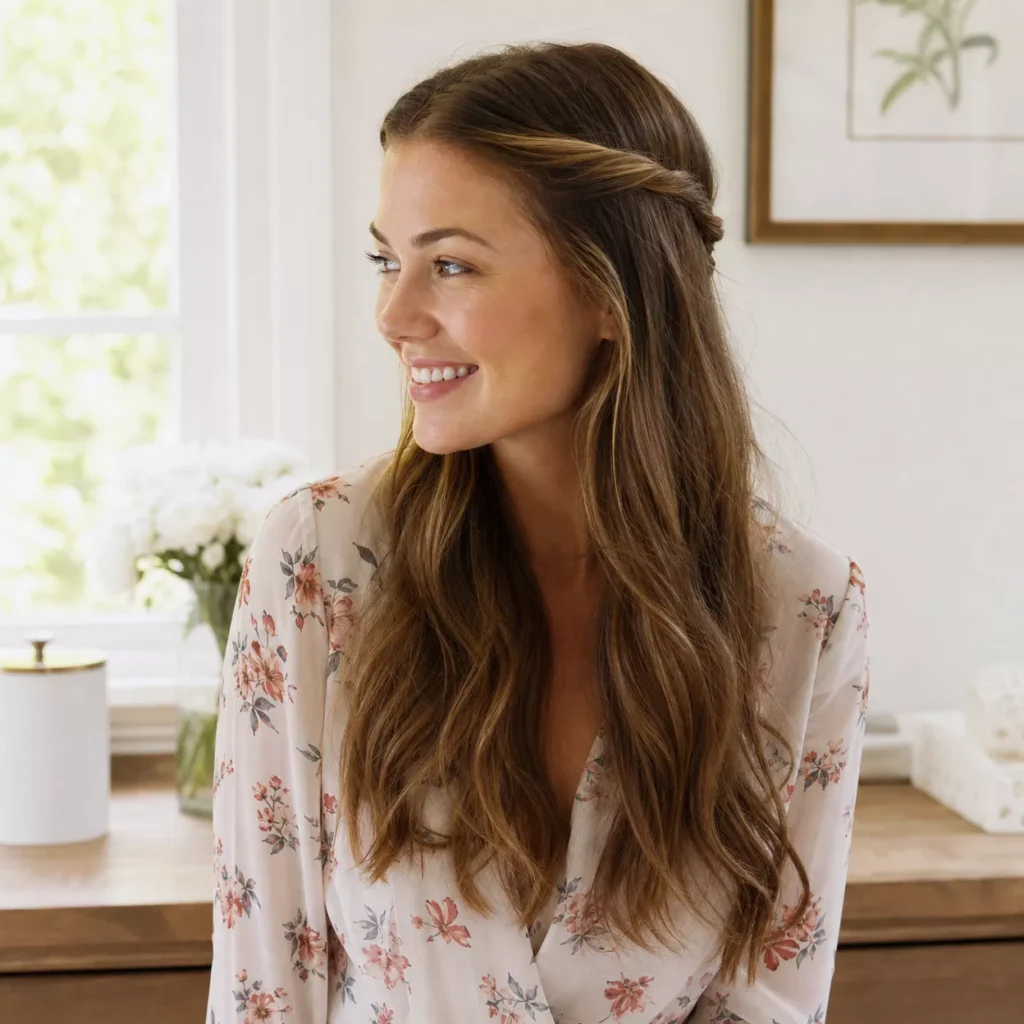
Two front sections are twisted back and secured together behind the crown, keeping hair off the face while the rest stays loose. Twisting both sides away from the face keeps the look symmetrical; letting one side sit lower creates a softer, uneven line. The join needs to be secure, usually with a small clip or elastic. On fine hair, the twists may loosen and need pins; on dense hair, they hold well but can create bulk at the back.
Beach Waves with a Diffuser
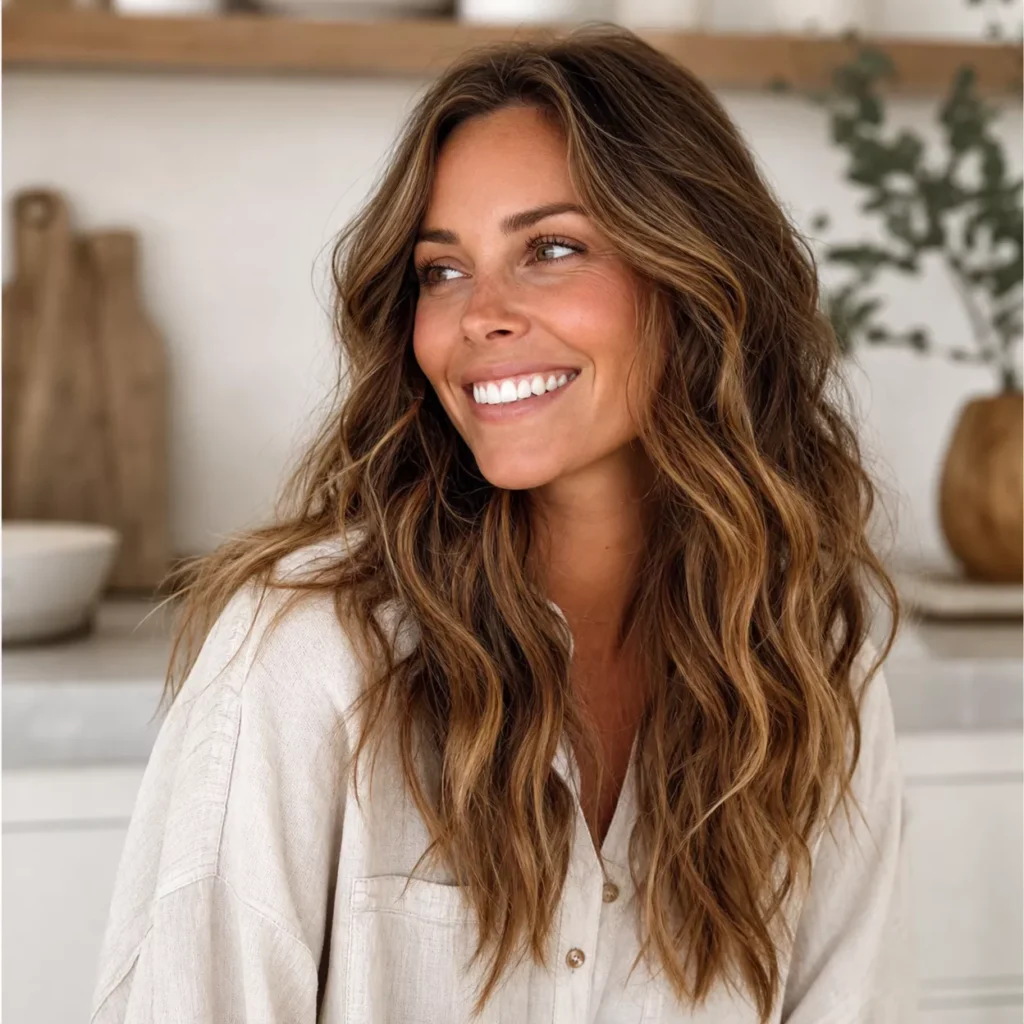
A diffuser doesn’t create waves on straight hair. It spreads airflow so existing waves and curls can dry with their shape intact, often with more definition and less frizz than air-drying alone. That makes it most useful for hair that already bends. A curl-enhancing cream on damp hair, followed by diffusing on low heat until mostly dry, can bring out the pattern. If your hair is straight and you want beach waves, a wand, flat iron, or overnight method is more likely to get you there.
Sleek Middle Part Straight
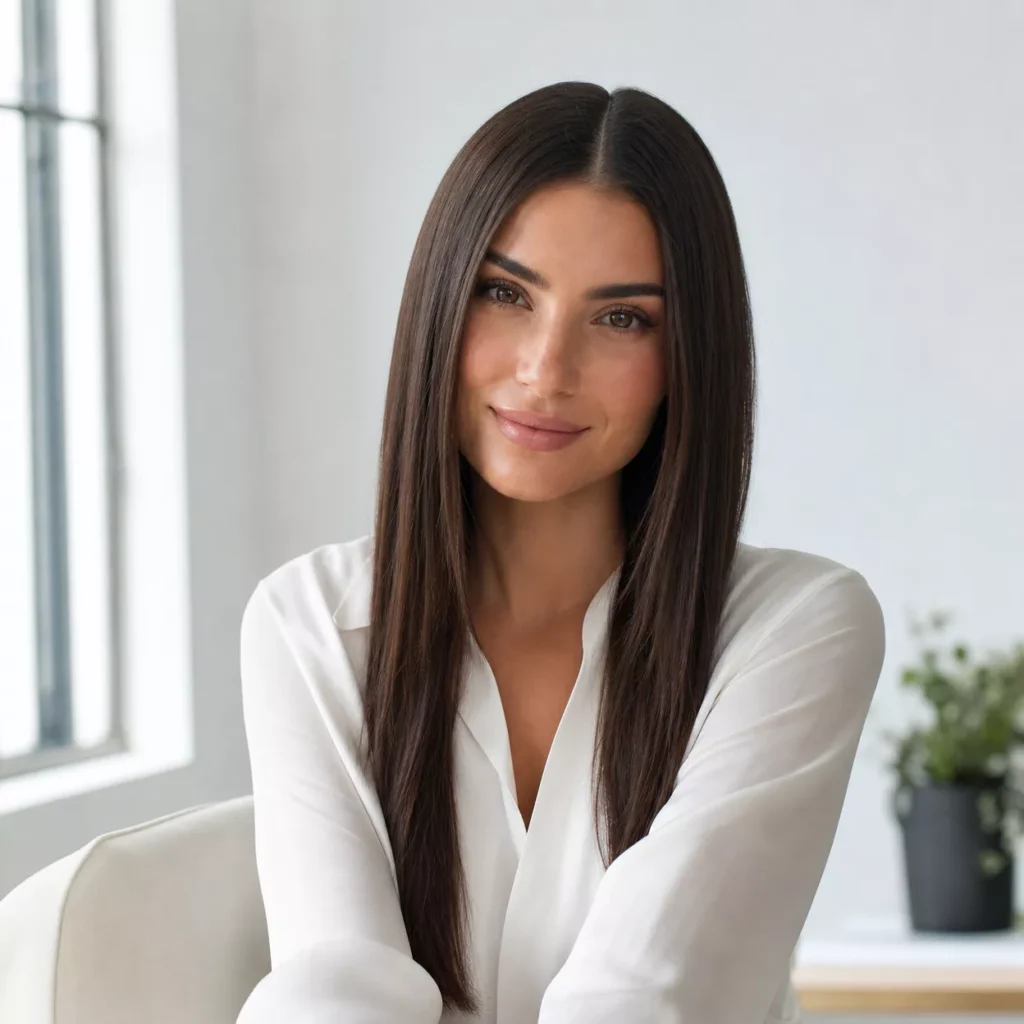
A center part with straight, smooth lengths depends on two things: whether your hair naturally parts near the middle, and how straight it is to begin with. Naturally straight hair may need only brushing and a light serum. Wavy or curly hair usually needs a flat iron or blow-dry, which adds time and heat, and a heat protectant is worth using if you straighten regularly. Long, straight hair also shows the ends clearly, so uneven or split ends are more noticeable in this style than in waves or updos.
Crown Braid with Loose Ends
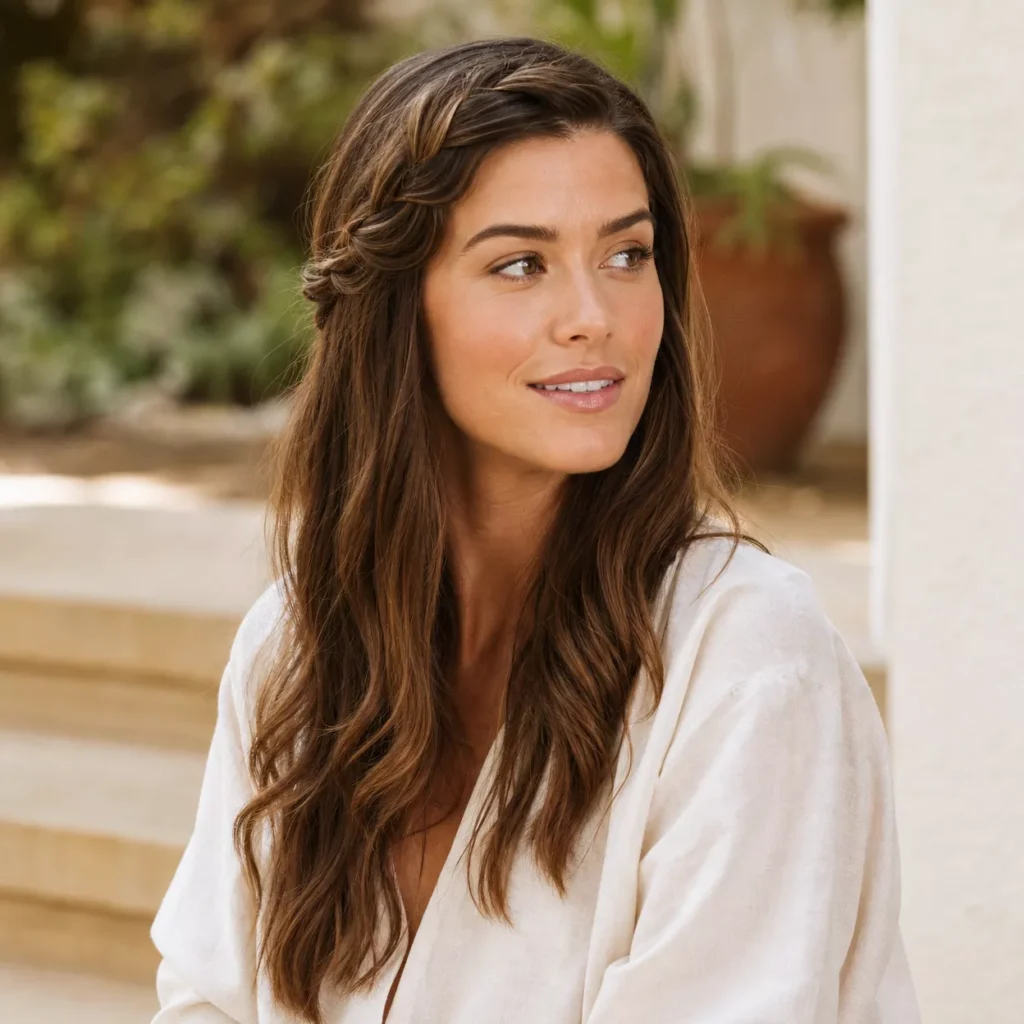
A section is braided across the top of the head and pinned in place, while the rest of the hair stays down. It needs enough length to reach across the crown and some grip so the braid doesn’t slip. Textured or second-day hair holds better than very smooth, freshly washed hair. The pins need to be secure, especially on dense hair. It gets faster with practice, but the first few attempts usually take longer than you expect.
Quick Fishtail Braid
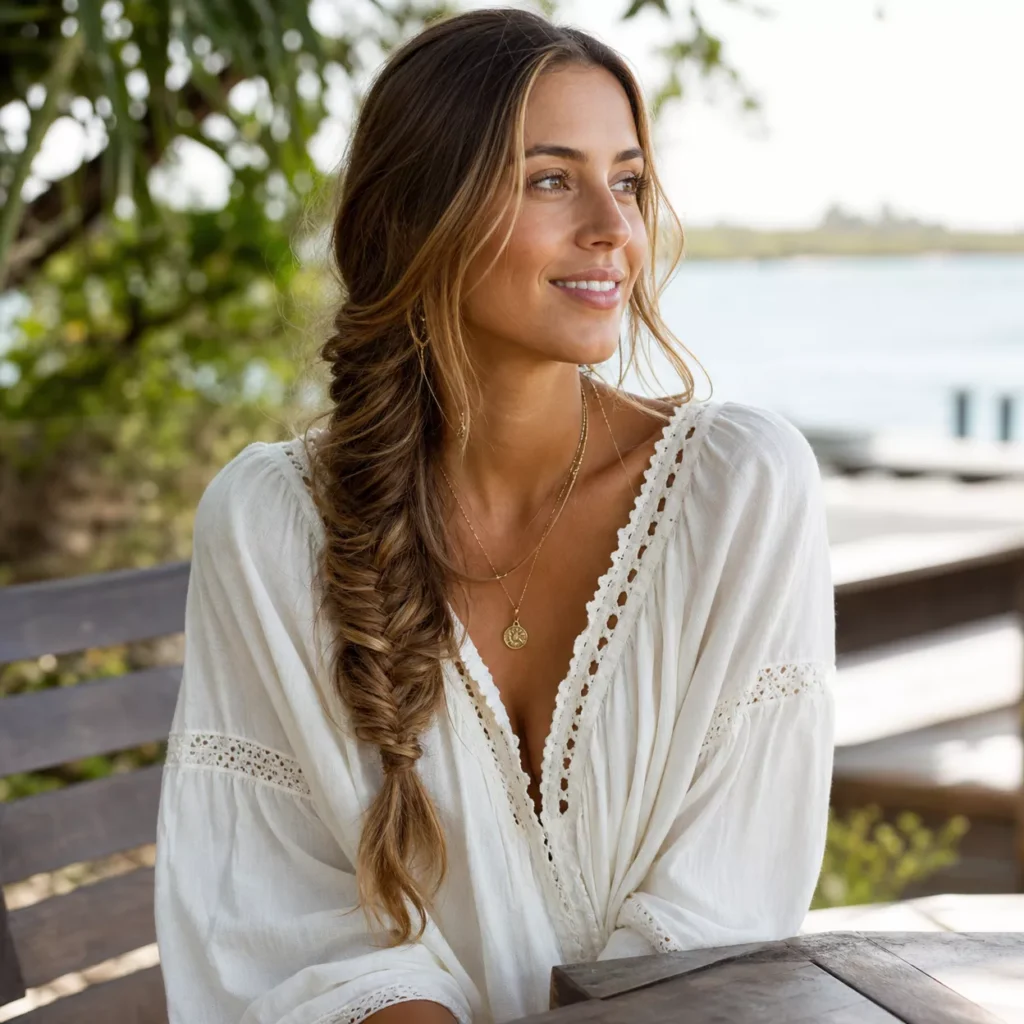
A fishtail uses only two sections. Take a thin piece from the outer edge of one section, cross it over to join the other, then repeat on the opposite side, all the way down the length. The pattern is simple, but keeping the pieces even takes patience and a few tries. Long hair shows the pattern well. Dense hair makes a thick fishtail; fine or low-density hair makes a narrower one that can be loosened gently for width.
Low Side Swept Ponytail
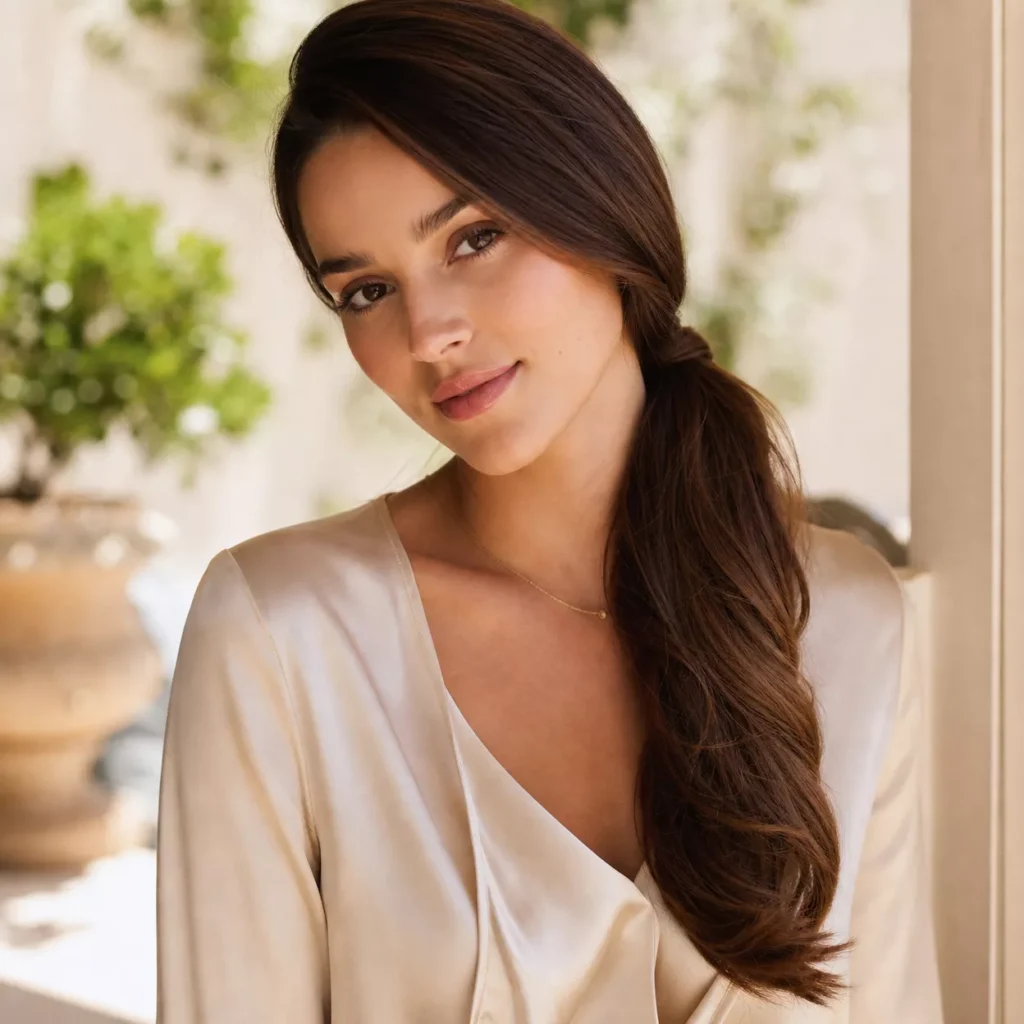
Everything is swept to one side and secured low near the nape, with the length falling over one shoulder. That shifts the weight to one side, which can feel heavy on very long or dense hair. Natural wave makes the length look softer; straight hair keeps it sleek. A secure elastic close to the neck stops the ponytail from sliding back toward the center during the day.
Knotted Low Bun
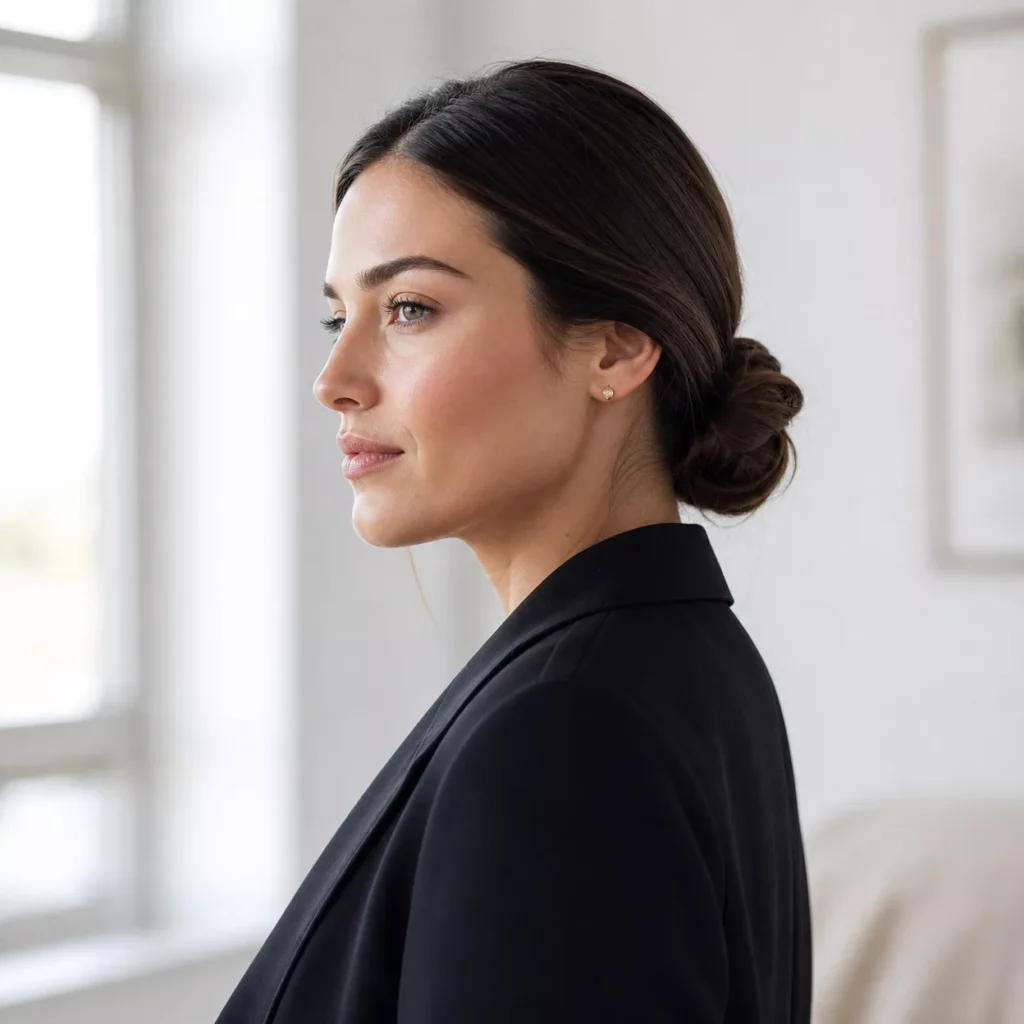
A low ponytail is split into two sections and tied in a knot, then the ends are tucked under and pinned. Long hair helps here, because the knot needs enough length to wrap. Dense hair makes a full knot that needs secure pins; fine hair makes a smaller knot that may need extra pins to stay put. Pulled tight, it looks structured; left loose, it looks relaxed.
Air-Dried Natural Hair
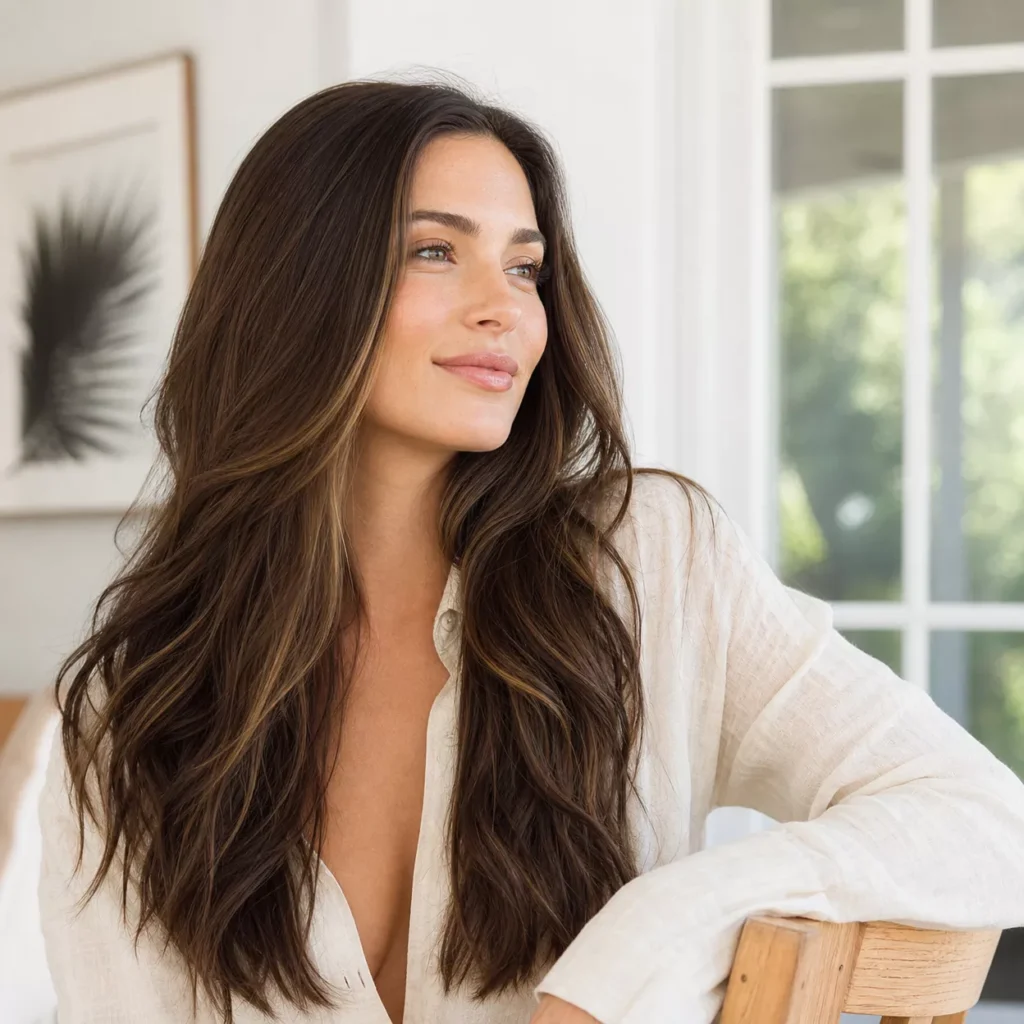
Air-drying sounds like the easiest option, and for some hair it is. Hair with a natural wave or curl pattern often dries with shape on its own, especially with a leave-in or styling cream. For other hair, it’s less straightforward. Very fine, straight hair may dry flat. Dense or coarse hair can take a long time to dry and may frizz in humidity. Curly and coily hair often needs a specific routine for definition, such as applying product to very wet hair and leaving it undisturbed while it dries. Easy, in this case, depends on what your hair does without help.
Easy Depends on What You Are Starting With
The same hairstyle can be quick for one person and frustrating for another, and the difference usually comes down to the hair itself.
Natural texture is the biggest factor. Waves and curls make messy buns, loose braids, and air-dried looks easier, while straight hair makes sleek ponytails easier. Density matters too: dense hair fills out buns and braids but needs stronger elastics and clips, while fine or low-density hair may need loosening or extra pins to look full. How you styled your hair the day before, whether it’s freshly washed or second-day, changes how much grip it has. Length decides which styles are possible at all. A fringe adds its own styling step. And the accessories you own, from claw clips to pins, can make some styles simple and others impractical.
The Fastest Style Isn’t Always the Lowest-Effort Style
Quick to execute and easy to maintain aren’t the same thing.
A ponytail takes very little time, but a sleek one may need smoothing first, and it may need touching up during the day. Overnight waves are quick in the morning but require preparation the night before. A braid may take longer to do than a bun, but once it’s in, it often holds without further attention. Air-drying is easy for hair that dries with natural shape; for hair that frizzes or dries flat, it can mean more product and more work than a quick blow-dry.
It helps to think about where you’d rather spend your effort: the night before, in the morning, or touching up during the day.
Long Hair Changes the Way Simple Styles Behave
Length itself changes how these styles work.
Long hair is heavier, which adds tension to ponytails and buns, especially high ones. Thick or dense long hair makes larger buns that need more pins. Braids are longer, which shows off the pattern but also means more chances for the braid to loosen. Clips need to be stronger to hold the extra weight. And drying time increases, which makes air-drying and overnight styles slower for long hair than for shorter cuts.
None of this rules out simple styles. It just means long hair often needs a slightly sturdier version of them.
Match the Hairstyle to Your Actual Morning
If you have only a few minutes, a low bun, claw clip half-up, or low ponytail is usually the most reliable, since they need little more than a secure base.
If you prefer to air-dry, loose waves, curtain bangs with natural texture, or air-dried hair suit hair with some natural bend. If your hair dries flat, a braid or bun may give a more finished look.
If your hair is heavy, low styles like a low bun, knotted bun, or low ponytail carry the weight more comfortably than high ones.
If you rely on second-day styling, a textured ponytail with dry shampoo, a messy bun, or braids tend to work well, since the hair has more grip.
If you don’t like heat, overnight waves, braids, and buns let you skip the flat iron, and a diffuser can help define natural waves.
If you want your hair off your face, half-up styles, buns, and braids all keep it back.
If you want something polished, a sleek low ponytail, knotted low bun, or sleek middle part straight style reads neat, though they may need smoothing or heat.
What a Reference Photo Doesn’t Tell You
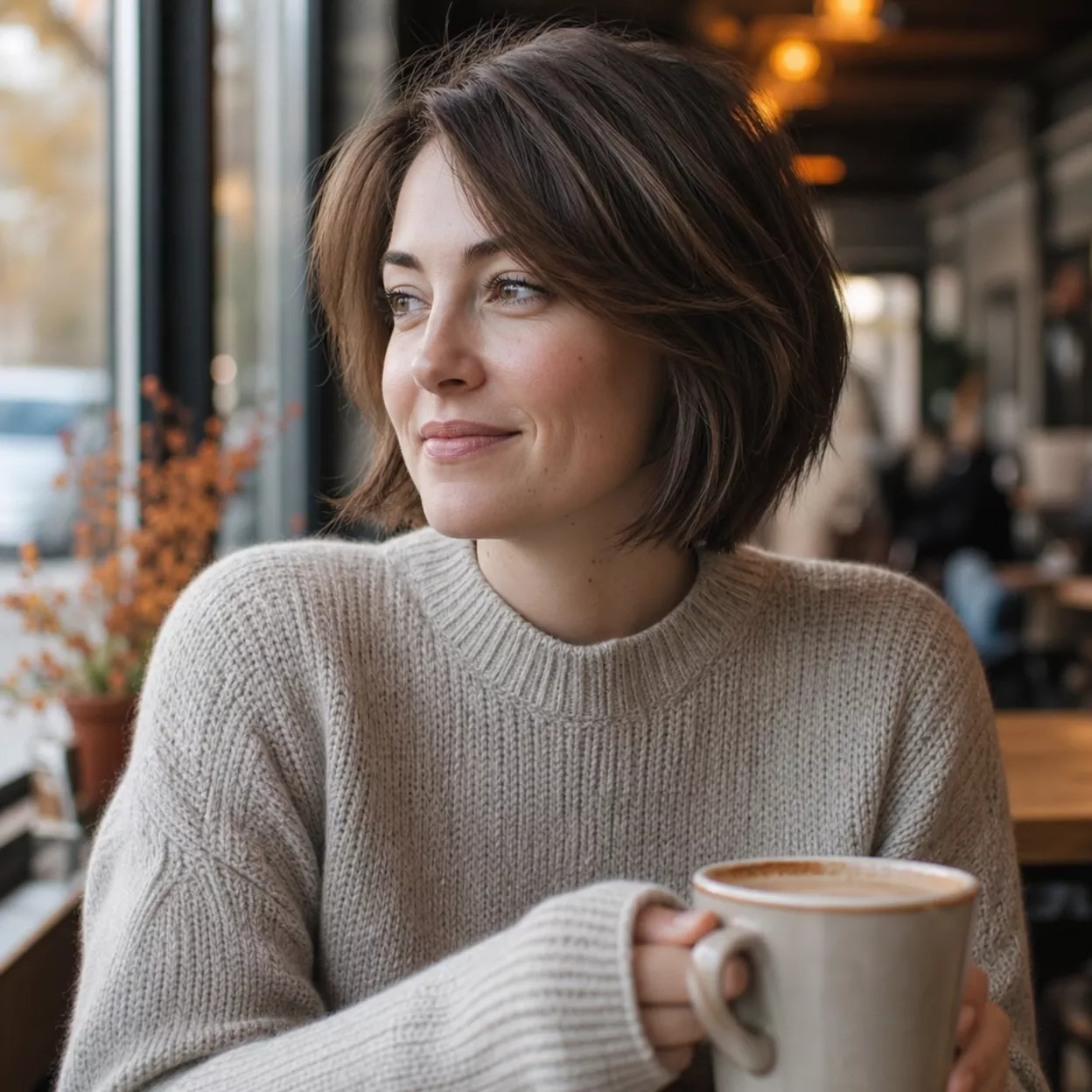
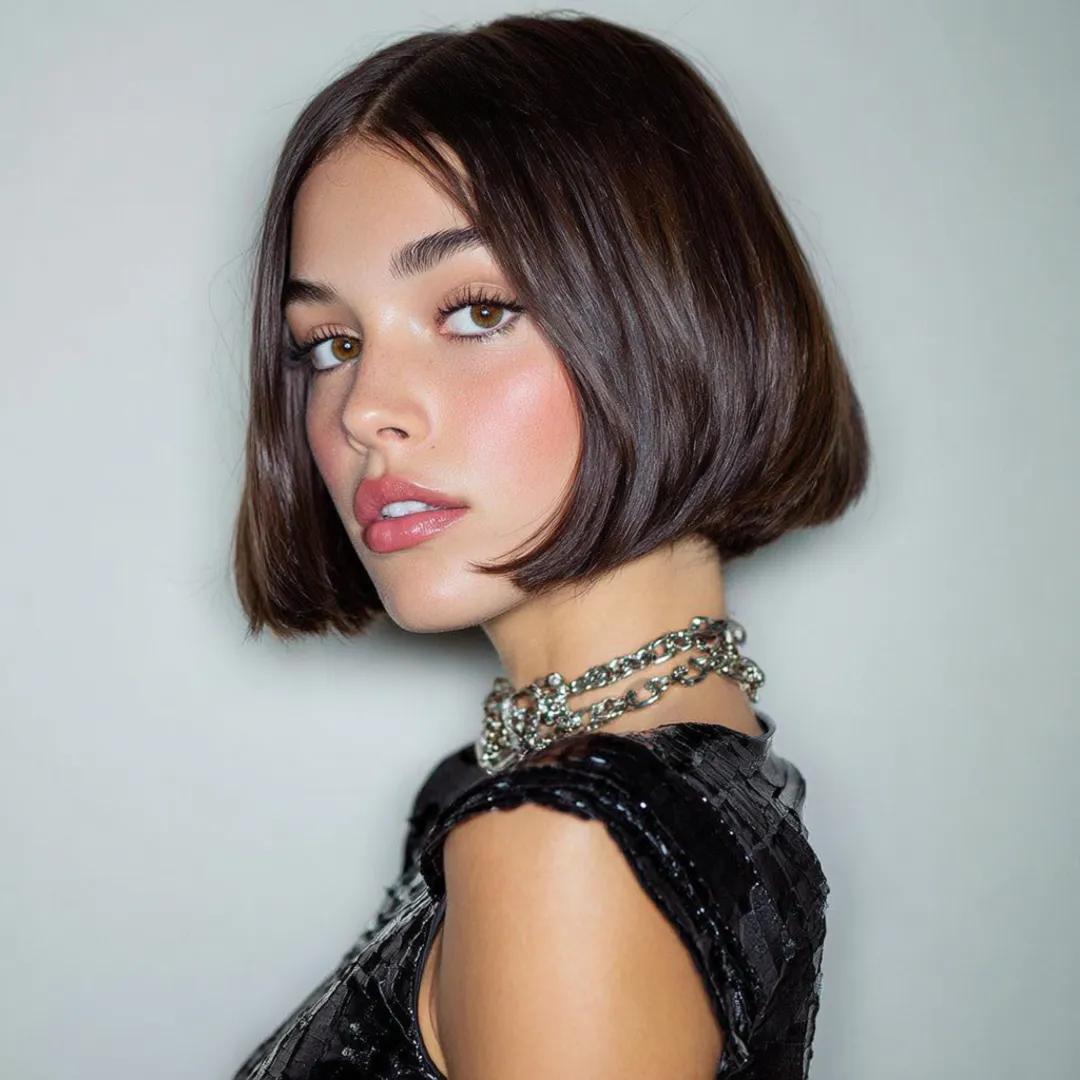
A photo shows the finished style, not what went into it. The model may have extensions that make a bun fuller or a braid thicker. Waves may come from heat rather than natural texture. Her hair may be much denser than yours. Product, lighting, and professional finishing can make a style look smoother or fuller than it will at home. And some looks, like overnight waves, depend on preparation the photo never shows.
Use the photo as a guide to shape and placement, then think about how your own hair, tools, and time will change the result.
Final Thoughts
An easy hairstyle isn’t simply one that takes little time. It’s one that fits your real hair, the time you actually have, how you like to style, and how much preparation you’re willing to do. For some, that means a low bun on most days. For others, it means braiding the night before or letting natural waves dry on their own. The 25 styles above are a starting point for finding the version that works with the hair you have, rather than against it.