23 Asymmetrical Bangs Hairstyles and How to Choose the Right Shape
A regular straight fringe sits level across the forehead. Ordinary side-swept bangs lean in one direction but are often cut to a fairly even length. Asymmetrical bangs are cut so that one side is deliberately shorter or longer than the other. Depending on the angle and how big the difference is, the result can be a subtle slant you notice mainly in profile or a sharp diagonal that defines the whole haircut.
Where the shortest point sits matters, and so does how the fringe joins the sides. Your natural part, any cowlicks, density, strand thickness, and texture all change how the angle behaves once the hair is dry. The same reference photo can look quite different on two heads.
The 23 asymmetrical bangs hairstyles below are distinct design options. Each focuses on one detail that changes the shape, so you can tell what you’re drawn to and whether it suits your hair.
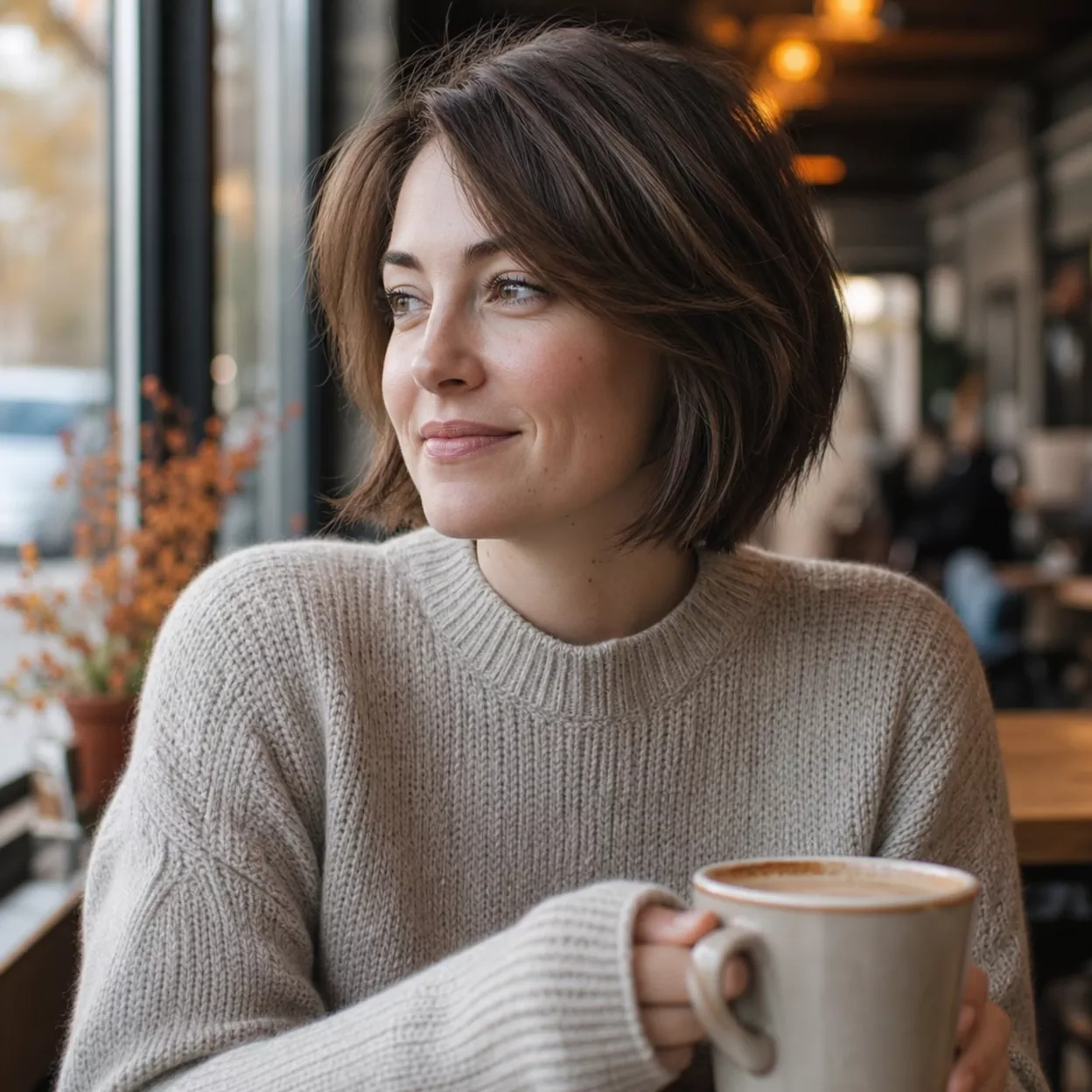
Soft Asymmetrical Bangs on a Lob

A gradual angle can add asymmetry without making the fringe the loudest part of the cut. The difference in length between the two sides is small, and the longer side blends into the lob’s face-framing pieces rather than ending abruptly. That connection is what keeps the look soft. Because the angle is mild, it tolerates a natural part that shifts a little from day to day, and it grows into the lob gradually. Straight hair shows the slant most clearly, while waves tend to blur it.
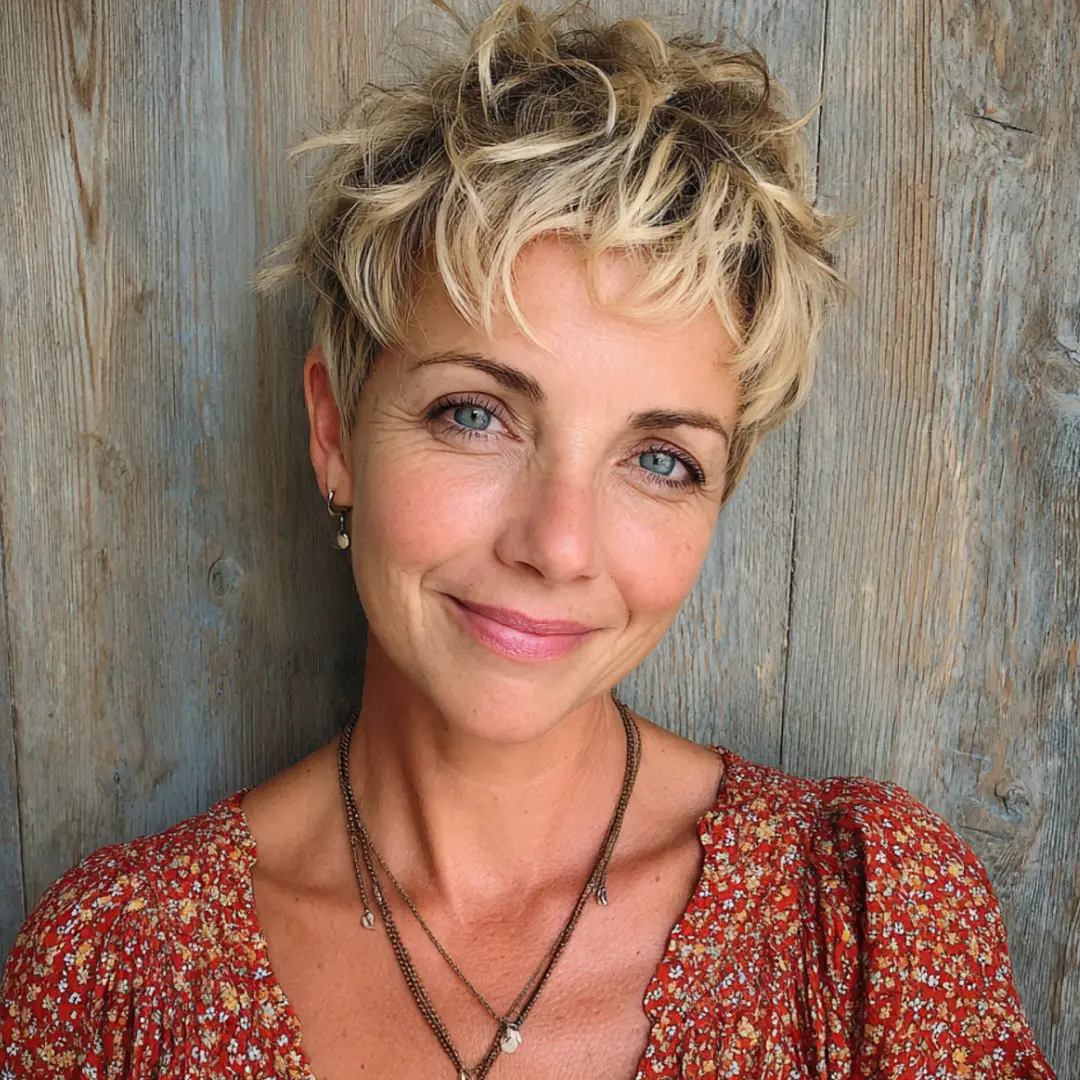
Asymmetrical Fringe with Pixie Cut

On a pixie, the fringe is often the longest part of the cut, so the contrast between the short sides and the front does most of the work. The top length decides how far the fringe can sweep, and the side length decides how stark the contrast looks. Hair that’s very short on top can only manage a small angle, while a few extra inches allow a longer diagonal. Cowlicks at the hairline show more at this length, and growth changes the shape quickly.
Long Side-Swept Asymmetrical Bangs

Long bangs swept to one side aren’t the same as a genuinely graduated fringe. Swept bangs are usually one length that’s styled across the forehead. A graduated version is cut so one side is actually shorter, which means the angle is built in and holds when you change your part. Parting and styling still affect the direction. If your natural part sits on the opposite side, the fringe may resist, so it’s worth asking where the shortest point will fall and whether it suits how your hair lies.
Choppy Asymmetrical Bangs

Here, the edge of the fringe itself is broken up, usually by point-cutting into the ends, so the diagonal line looks irregular and not solid. That softens how sharp the angle reads and lets the fringe blend into the sides more easily. The trade-off is density. On fine or low-density hair, heavy choppiness can leave gaps in the fringe and make the ends look see-through. On dense hair, the same technique can lighten a fringe that would otherwise feel heavy. It also grows out in a looser, less defined way than a clean line.
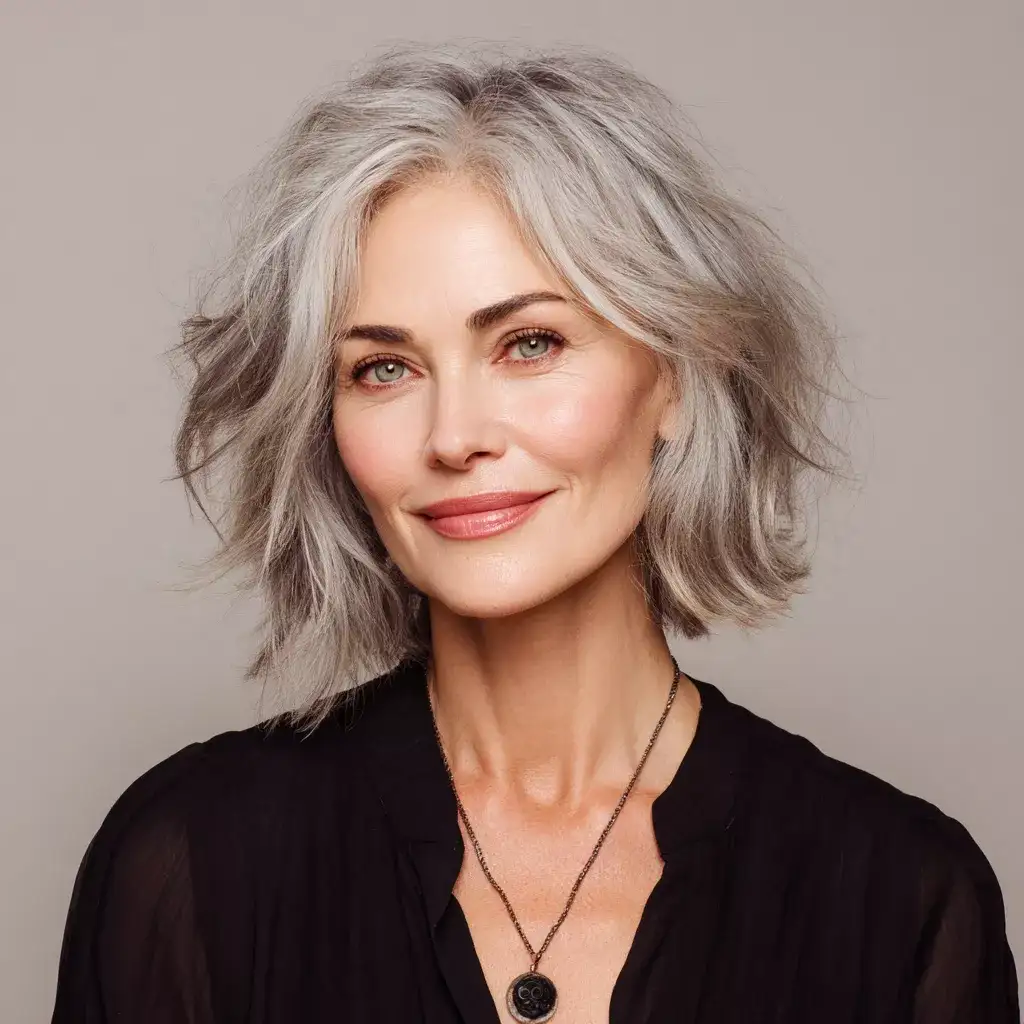
Sleek Asymmetrical Bangs with Bob

Clean lines make the geometry visible. A smooth, straight finish shows exactly where the angle starts and ends, so the asymmetry is more noticeable than it would be in textured hair. That finish takes upkeep, since it usually depends on a blow-dry or flat iron, and flyaways or a cowlick at the front break the line. It also shows grow-out quickly, because a precise angle loses its shape as the shorter side catches up. If you prefer a smoothed look, ask how the fringe will sit when air-dried.
Asymmetrical Curtain Bang Hybrid

This version keeps some of a curtain bang’s center split while making one side longer or more dominant. The natural part is the deciding factor: a part that sits near the center allows the hybrid to look balanced, while a strong side part may pull the longer section across too far. How much of the fringe stays parted decides how soft it looks. A smaller asymmetry reads as a curtain bang with a slight tilt, while a larger one reads as a diagonal fringe with a gentle split.
Short Crop with Dramatic Side Bang

The contrast between very short sides and back and a much longer front section defines this cut. That contrast is the whole design, which is also why it needs upkeep. Short areas lose their shape sooner than the fringe does, so the difference between them narrows as it grows. The hairline and crown are visible, so cowlicks matter. The longer front gives some styling flexibility, but it usually needs a little product or a quick blow-dry to hold its direction.
Textured Asymmetrical Bangs on Medium Hair

Medium length gives the angle room to blend into the sides without disappearing. Texture adds separation and movement, which can soften a defined angle so it looks relaxed. Texturizing changes how the hair is arranged, not how much hair there is, so it won’t make a sparse fringe look dense. Wavy hair shows the effect with little styling. Straight hair usually needs a texturizing spray or some bend from a wand to separate the pieces. Reference photos often rely on that styling.
Asymmetrical Bangs with Shag Cut

A shag has its own layers and movement, so the fringe needs to be coordinated with them. When the shortest point of the fringe lines up with the first face-framing layer, the front looks like part of the cut. If the lengths aren’t matched, the fringe can look disconnected, like two haircuts sitting together. Because shags remove weight, density matters: low-density hair can look sparse when both the fringe and the layers are cut light. Wavy hair usually falls into the shape with less help than straight hair.
Curly Hair with Angled Fringe

Curls shrink as they dry, so an angle cut while the hair is stretched or wet may look steeper and shorter once the curls spring back. Curl pattern, density, and how much your hair shrinks all change the final shape. Looser curls show the angle more clearly, while tight curls and coils may turn it into a more rounded outline. Many stylists assess curls dry or check the shape dry before finishing, though the best method depends on your curl pattern. Our guide to curly shag haircuts covers similar cutting decisions.
Asymmetrical Bangs with High Ponytail

Pulling the lengths up leaves the fringe as the only hair framing the face, so it becomes the focus. That makes its edges more visible. Shorter pieces and flyaways near the hairline show clearly, and a fringe that was blended into loose hair may look more separate. Decide whether the fringe stays fully loose or whether some front pieces join the ponytail. A high ponytail also pulls the hair back from the sides, which changes how much of the angle shows.
Razor-Cut Angled Bangs

A razor tapers the ends rather than cutting straight across, which can give the angled line a softer, more separated edge. That finish suits some hair and not others. Fine or fragile hair may look wispy or frayed with razored ends, very dry hair can frizz, and curly or coily hair may lose definition at the tips. Scissors can also produce a soft edge through point-cutting. Describe the finish you want and let the stylist choose the technique based on your hair’s condition.
Blunt Bob with Uneven Fringe

The bob is blunt and structured, and the fringe is intentionally uneven, so the cut combines two different ideas. The risk is competition: if both are strong, neither reads clearly. Coordinating them helps, for example by letting the longer side of the fringe meet the bob’s face-framing length, so the lines feel connected. The bob’s solid perimeter keeps the cut looking firm even if the fringe is light, but both parts show growth quickly, and the fringe usually needs attention first.
Asymmetrical Bangs with Bixie

A bixie already sits between a pixie and a bob, so the fringe helps define how that transition looks. Where the pixie section is mostly about contrast between short sides and the front, here the fringe joins longer top and side pieces that move toward a bob. The angle can run into those longer pieces, creating a continuous diagonal. The shorter nape and sides still lose their shape sooner than the front. Cowlicks and hairline growth matter, and the cut may need reshaping to keep its balance. Our guide to bixie haircuts covers more shapes.
Fine Hair with Light Side Fringe

Fine strands are narrow, while low density means fewer strands, and the two need different handling. Fine but dense hair can usually carry a light fringe with a modest angle. Low-density hair has less to spare, and taking a wide section from the front for the fringe can leave the rest of the cut with less hair at the sides. A narrower, restrained section often preserves more fullness behind it. The fringe won’t add volume by itself, and very light fringes may separate, so ask how much hair will be taken.
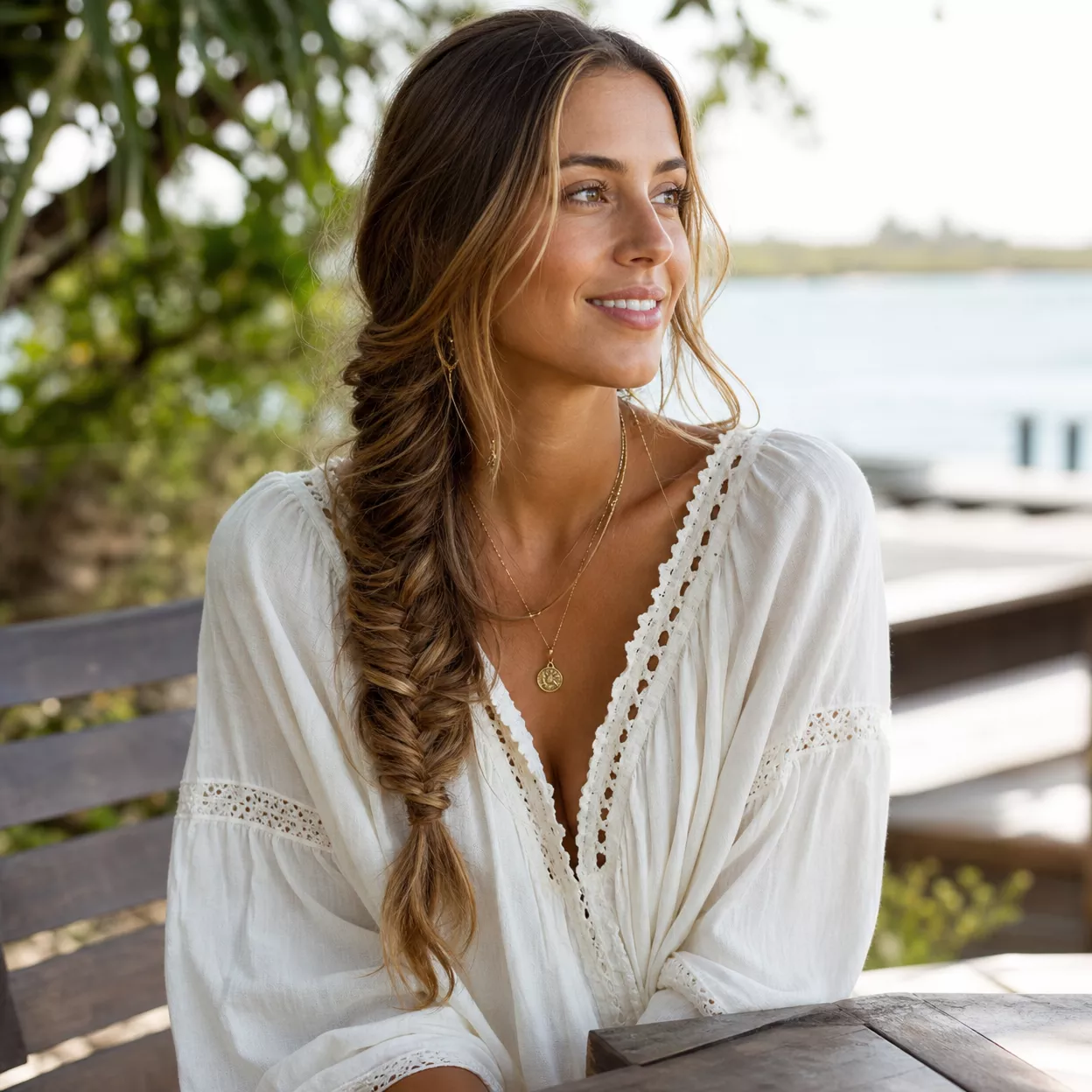
Angled Bangs with Long Layers

On long hair, the fringe can look detached unless it flows into the face-framing layers. The angle should lead naturally into the first layer, so the longer side of the fringe continues into the longer pieces around the face. A connected cut looks like one design, while a disconnected one looks like bangs placed on a separate haircut. Long layers also change the weight of the ends, so on fine or low-density hair, fewer layers may keep the lengths looking fuller. Texture decides how much of the layering shows.
Piece-y Asymmetrical Bangs

This one is about finish. The fringe is broken into small, separated sections, so the angled line looks looser and less solid. The effect usually comes from both the cut and the styling: the haircut allows the sections to separate, and a texturizing paste or cream defines them. Without product, the pieces may simply lie together. Very fine hair can look sparse when separated into small sections, so it doesn’t suit every hair type. Heavier products can weigh fine hair down and flatten the pieces.
Asymmetrical Bangs on Round Face Shapes

Face shape is one consideration among many, not a rule. A diagonal fringe changes the visual lines around the forehead, drawing the eye along an angle instead of straight across. Whether that’s what you want depends on your preferences, hairline, forehead height, and whether you wear glasses, since the fringe may rest on the frames. Density and parting matter too. A diagonal fringe doesn’t change your face’s proportions, only how the hair frames them. Try different angles with a stylist to see what appeals.
Angled Fringe with Sleek Pony

Compared with the high ponytail version, a lower or more restrained ponytail keeps the silhouette cleaner and closer to the head. The fringe remains the only loose element at the front, so its direction becomes the main detail. A sleek finish needs smoothing, and any flyaways at the part or hairline will show. The ponytail’s position changes the balance: a low tail leaves the fringe’s angle more noticeable, while a higher one shifts attention upward. It helps to check how the fringe sits when the rest of the hair is tied back.
Asymmetrical Micro Bangs

Micro bangs sit well above the brow, so the angle is short and the hairline is visible. That makes the shape very noticeable and leaves little room for error. Hairline shape, growth direction, and cowlicks decide how the fringe lies, and a short, steep angle shows any unevenness. Grow-out is the real commitment: the fringe passes through lengths that fall into the eyes before it joins the rest of the cut. It’s a high-commitment choice that suits someone who likes the look and doesn’t mind frequent reshaping.
Wavy Lob with Angled Bangs

Natural waves can interrupt or soften a precise angle, since the hair bends and shortens unevenly as it dries. The result may look less sharp than a straight-hair version, with the diagonal showing as a general slant instead of a clean line. Waves made with a wand look more uniform but need recreating after washing and may relax in humid weather. It helps to know which version a reference photo shows, because a natural wave and a heat-created one need different amounts of styling.
Side-Part Bob with Uneven Fringe

The part and the fringe’s direction work together. A side part sends more hair across one side, and an uneven fringe can continue that direction, which reinforces the asymmetry. A natural part tends to hold; a forced part may drift back toward its natural position, and a cowlick at the front can resist the intended direction. On lower-density hair, a deep part can show more scalp along the line. If you switch your part, the fringe may look noticeably different, so try both sides before settling.
Layered Medium Cut with Asymmetrical Bangs

Coordination is what makes the asymmetry look intentional. The fringe, the face-framing pieces, and the layers through the sides need to share a logic, so the angle at the front continues into the sides instead of ending abruptly. Medium length leaves enough hair for layers to blend, though too many layers can leave fine or low-density ends looking thin. The fringe will need trimming before the layers do. Natural texture changes how much of the layering and angle are visible.
What Actually Makes Asymmetrical Bangs Asymmetrical?
A side-swept fringe is usually cut to a fairly even length and styled in one direction. A deliberately asymmetrical one is cut so the two sides differ, with a shortest point and a longest point that stay in place however you style it.
Three things define the shape. The shortest point sets where the angle begins and how close to the hairline it sits. The longest point sets how far the fringe extends and where it joins the sides. The direction decides which way the angle runs. How the fringe connects to the rest of the haircut then determines whether the asymmetry looks integrated or separate.
The Parting Can Change the Whole Result
Your natural part, cowlicks, and growth direction determine how an angled fringe behaves. A fringe cut to follow the way your hair already falls tends to sit easily. One cut against it may spring back, split, or need daily styling to hold.
Styling habits matter too. If you usually part your hair on one side and the fringe is cut for the other, the angle may look different from the photo. Because of this, a reference image may not reproduce on every head. Ask your stylist to look at your natural part and growth before deciding which side the longer section should fall on.
Fine Hair, Thick Hair, Waves, and Curls Need Different Decisions
Strand thickness and density are separate. Fine hair has narrow strands, and low density means fewer strands. Fine but dense hair can usually handle a more defined fringe, while fine, low-density hair often does better with a restrained section. Thick hair may be dense, coarse, or both. Dense hair can make a heavy fringe that benefits from lightening, but coarse strands can frizz if over-thinned.
Smooth, straight hair shows the angle clearly and usually needs heat or product to stay precise. Wavy hair softens it, and humidity can change the shape. Curly and coily hair shrink, so the angle should be judged dry. In every case, upkeep varies: sharper, more precise fringes show growth sooner.
What a Reference Photo Cannot Tell You
A front-facing photo hides most of what defines an asymmetrical fringe. The side profile shows how steep the angle is, and that’s where miscommunication often happens. Look for the shortest point and the longest point, and notice how the fringe connects to the sides. Check whether the texture looks natural or heat-styled, and whether product or a blow-dry created the finish.
Bring more than one angle if you can, ideally front, side, and three-quarter views. A photo shows one moment of styling and can’t show the model’s density or how the hair behaves air-dried.
Before You Commit to an Asymmetrical Fringe
Think about grow-out. Asymmetrical fringes pass through awkward lengths, and the angle softens as the shorter side catches up, so decide whether you’re willing to reshape it. Consider your daily styling: a sleek version may need heat, while a textured one may need product.
If you wear glasses, check how the fringe sits against the frames. Ask how much hair will be taken from the front, since that affects the density left behind. And check whether the angle works with your usual part. Questions worth asking your stylist include where the shortest point will fall, how the fringe will look air-dried, and what happens as it grows.
Final Thoughts
The best asymmetrical fringe is the shape that works with how your hair actually behaves, with the level of contrast you want and the amount of styling you’re willing to do. The angle, the shortest point, and the way the fringe joins the rest of the cut matter more than the name of the style. Use the 23 hairstyles above to find the shape you like, then adapt it to your part, density, and texture.