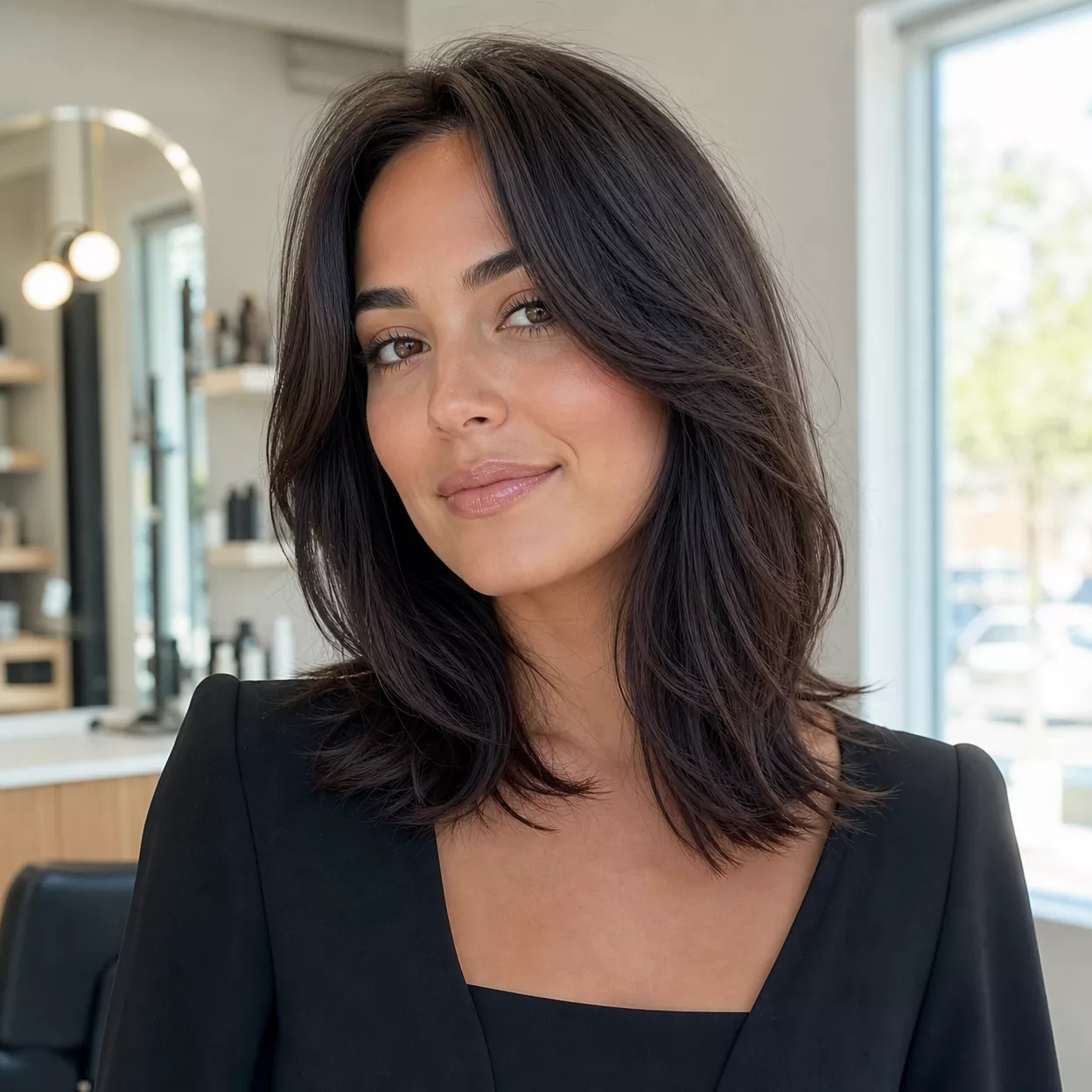
20 Medium Shag Haircuts for Different Hair Types and Styling Routines
Ask two stylists for a medium shag and you may walk out with two very different haircuts. One might have short layers stacked at the crown, long pieces framing the face, and ends textured so lightly they feather into nothing, all held together by a fairly strong outer edge. Another might use longer layers, take far less out of the interior, add curtain bangs, and keep the outline clean. Both count as medium shags. They simply make different decisions about where hair comes out and where it stays.
That difference matters more than the name. It decides whether the top lifts or widens, whether the ends look full or sparse, and how much styling the shape needs before it resembles the photo. Your own hair changes the outcome too. Density, the thickness of each strand, and your natural texture all affect how shag layers sit, and so does whether you air-dry, diffuse, or reach for a round brush most mornings.
The 20 shags below each highlight a different part of that equation, so you can work out which details you actually want your stylist to recreate.
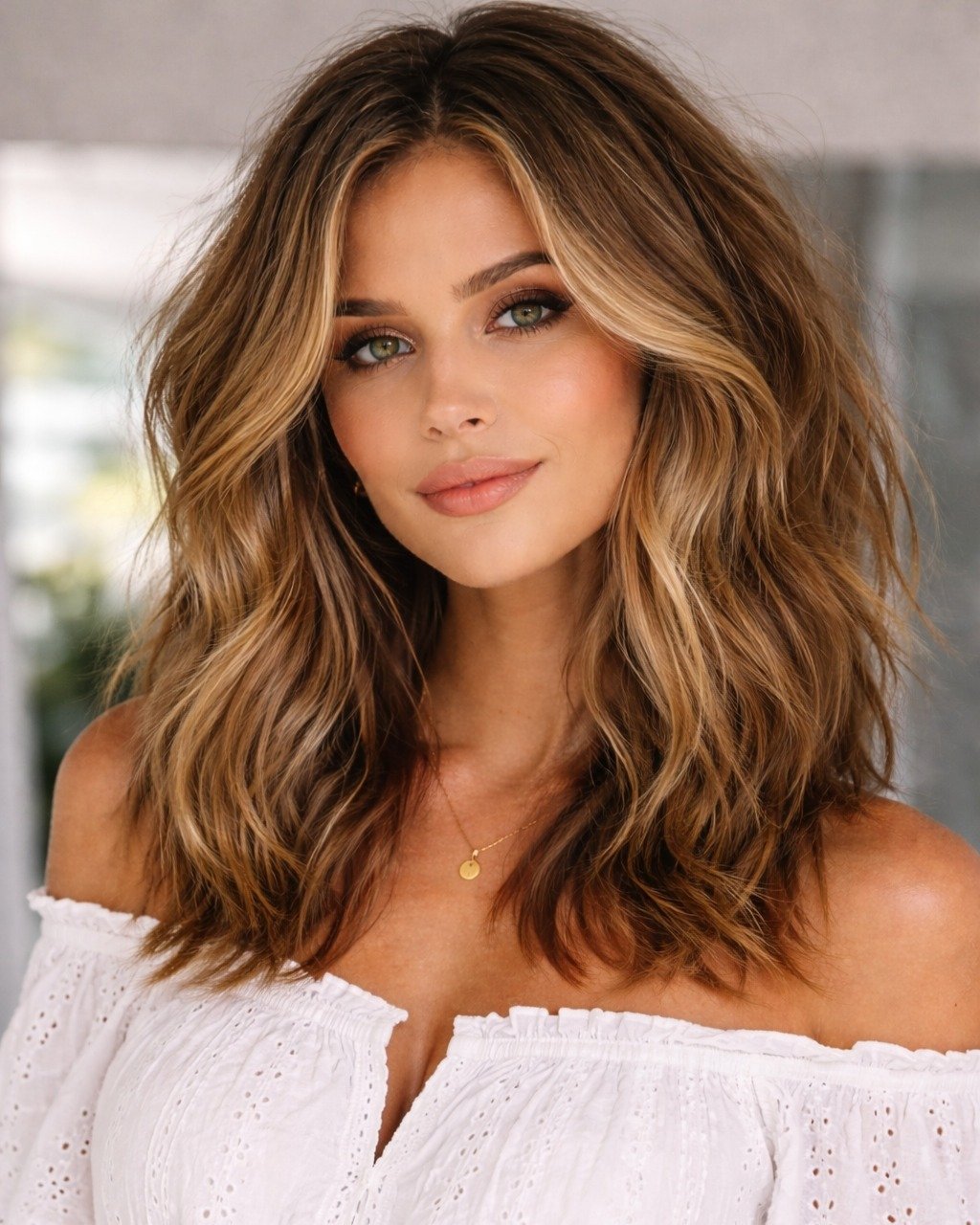
Classic Curtain Bang Medium Shag
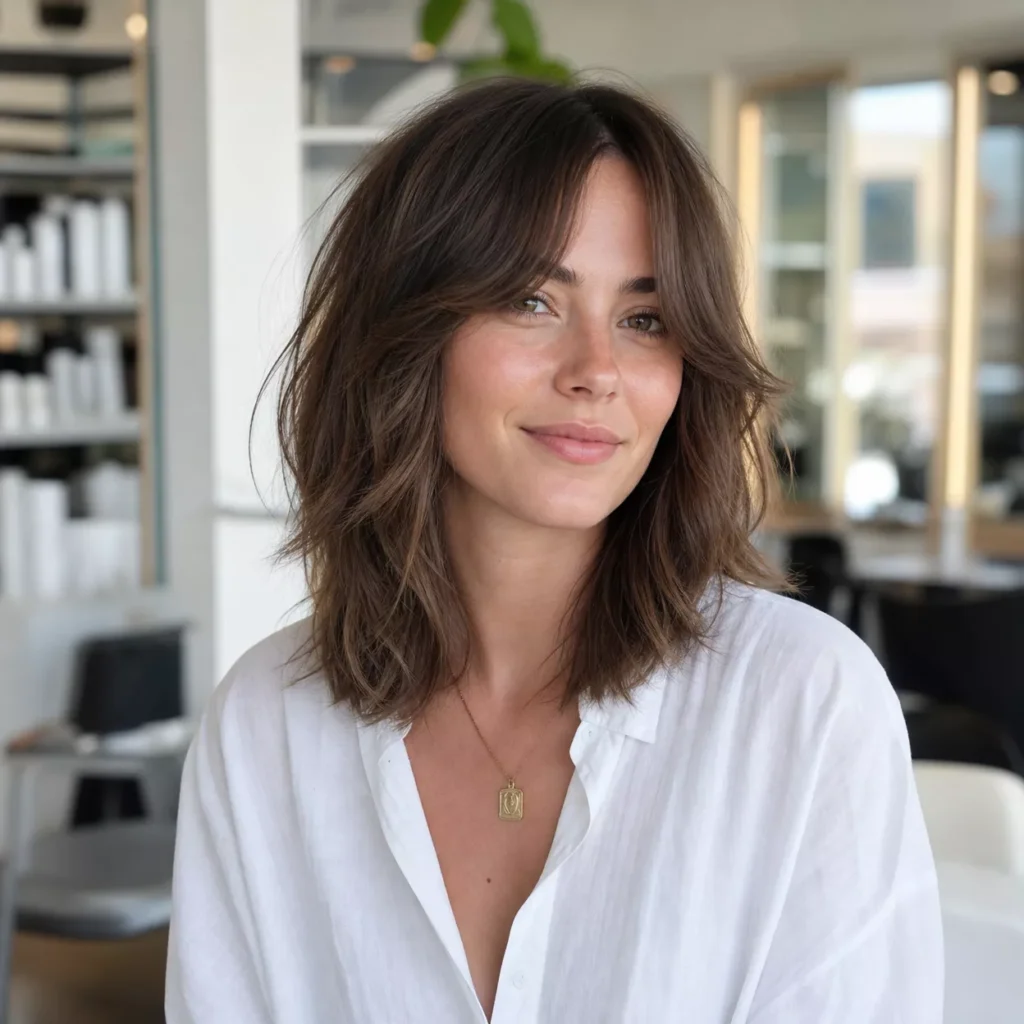
Start here, because most of the other shags on this list adjust some part of it. The length sits around the shoulders or a little below. Shorter layers at the crown create lift on top, the interior is lightened so the lengths move, and curtain bangs part at the center and sweep into the first face-framing layer. When the fringe connects smoothly into those layers, the front reads as one continuous shape rather than bangs sitting on top of a haircut.
The perimeter still matters. A shag can keep a fairly solid edge or be textured all the way to the ends, and that choice changes how full it looks. On straight hair, the layers and fringe usually need a brush or a little product to separate. On wavy hair, the same cut often falls into shape with less help, provided the curtain split matches your natural part.
Razored Medium Shag
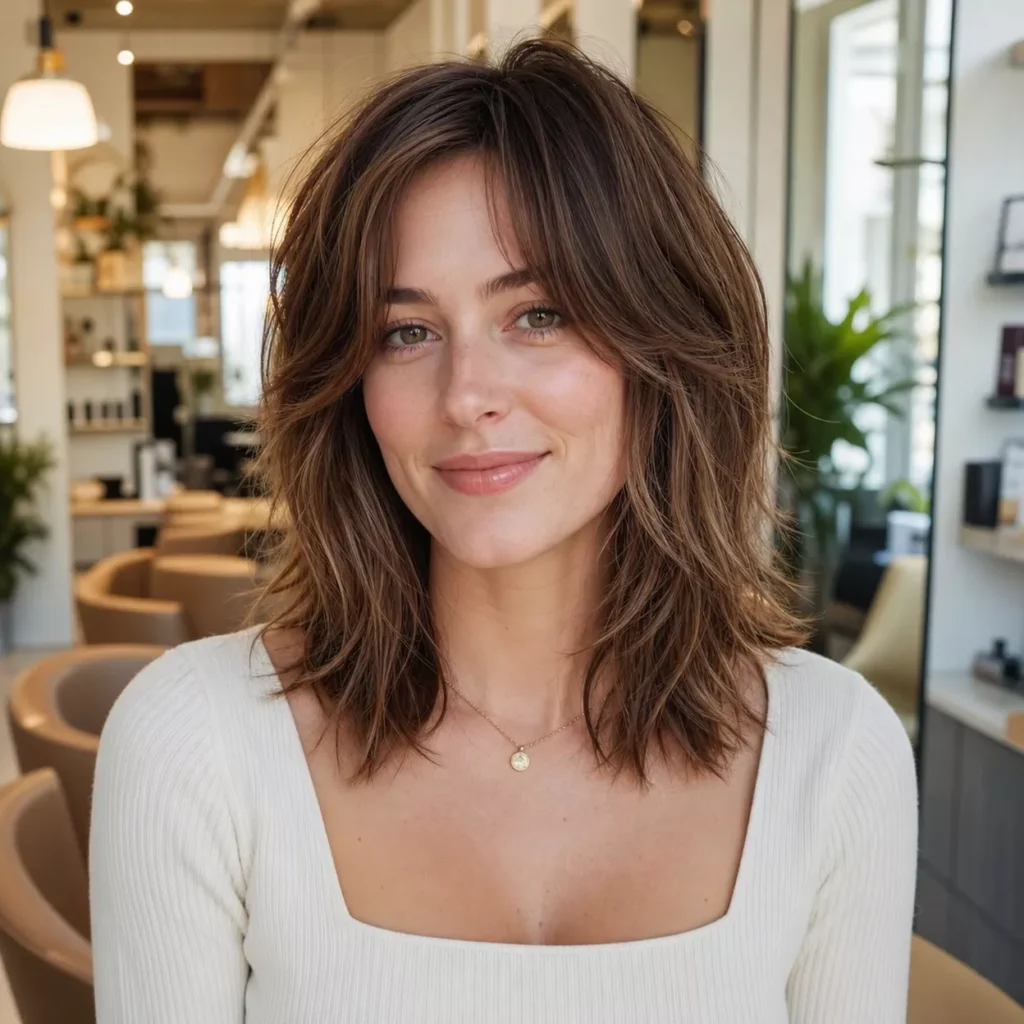
A razor cuts at an angle, so each end tapers to a softer point instead of a blunt tip. On a shag, that can give the layers more separation and a lighter, feathered edge. It’s a finish, not an automatic upgrade. On fine strands, a razor can thin the ends more than expected, and fragile or very dry hair may fray or frizz. Curly and coily hair often reacts poorly to razored ends, losing definition at the tips.
Scissors can create texture too, through point-cutting or slide-cutting, and a skilled stylist can reach a similar softness either way. Describe the finish you’re after, whether that’s separated, feathered, or simply soft ends, and let the condition of your hair decide the tool.
Wavy Medium Shag with Face Framing
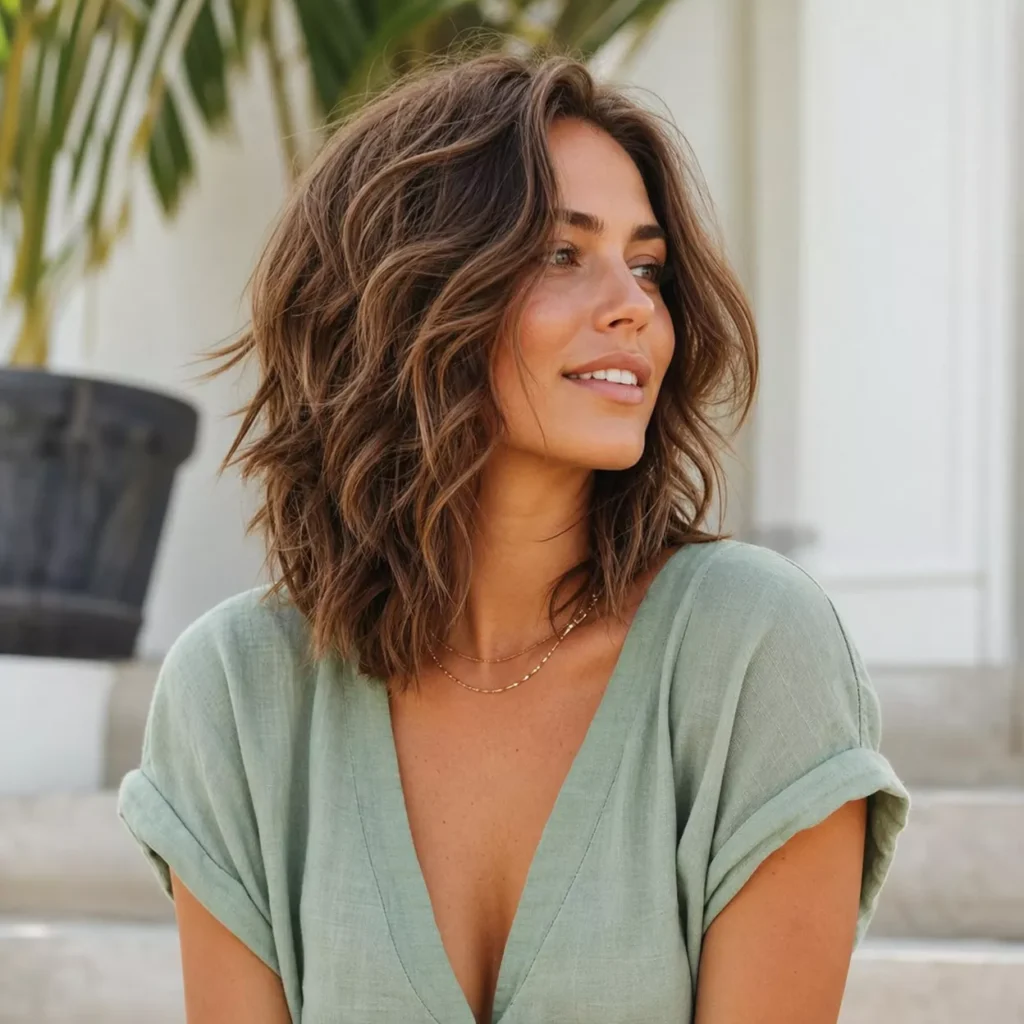
Waves change where face-framing layers land. A piece cut at the chin while wet may bounce up toward the cheekbone once dry, and the two sides won’t necessarily shrink by the same amount. That’s why the front is worth judging on dry hair. Wave pattern matters as well. Consistent waves tend to fall into shag layers neatly; uneven ones, wavy at the back and straighter near the face, may need a few bends with a wand to look balanced. A curl cream or light mousse can help define the waves, but how much product you need depends on how readily your hair holds a bend.
Choppy Medium Shag for Thick Hair
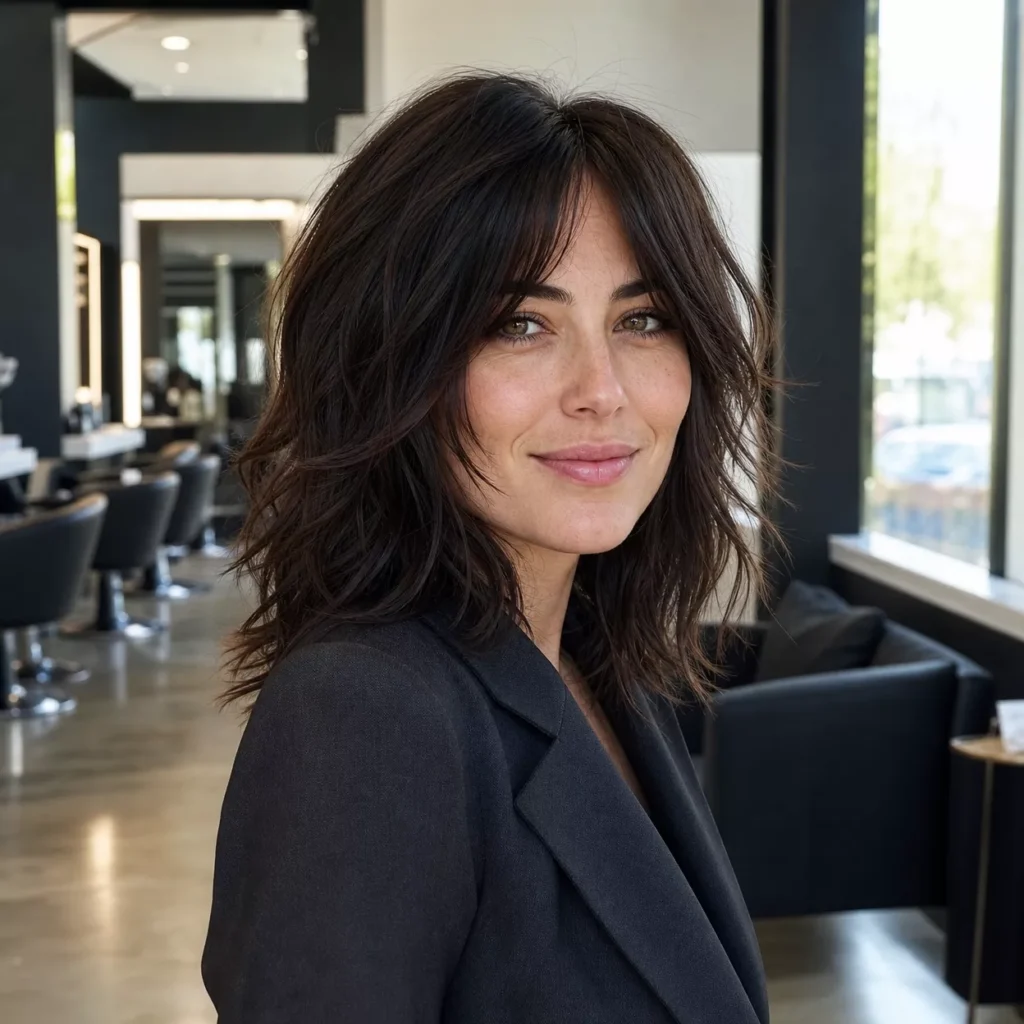
Thick hair carries weight, and where that weight sits shapes the whole cut. Choppy layering through the interior can stop dense hair from sitting in a solid mass and let the lengths move. More isn’t automatically better. Heavy layering at the crown can make dense hair stand up and widen, leaving the top broader than the rest. Taking too much from the ends can make them look thin beneath the bulk above.
It also helps to separate density from strand thickness. High-density hair has many strands; coarse hair has wider ones. Coarse hair can frizz when heavily thinned, while dense but fine hair may respond more smoothly to layering. Ask how the stylist plans to balance interior removal against a perimeter strong enough to hold the shape.
70s-Inspired Medium Shag
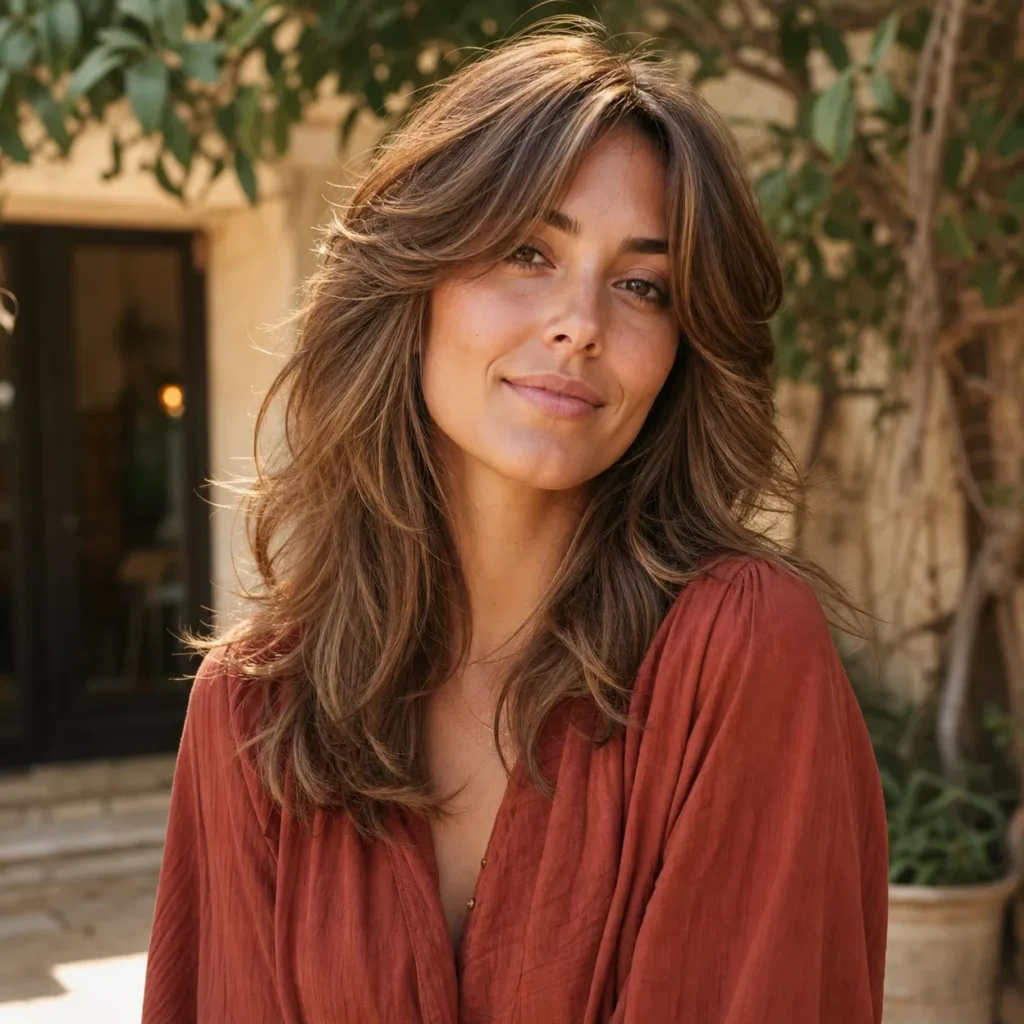
Direction is what gives this shag its 70s character. Layers are cut to feather back and outward from the crown and sides, often with a fringe that sweeps away from the face. Farrah Fawcett-era hair is the usual visual reference, but the cut alone rarely produces that finish. The outward sweep comes from blow-drying with a round brush, and sometimes rollers or a wand. Air-dried, the same layers may fall straight or curl in their own direction. If you like the architecture but not the styling, ask for the feathered layering with a softer, less directed finish.
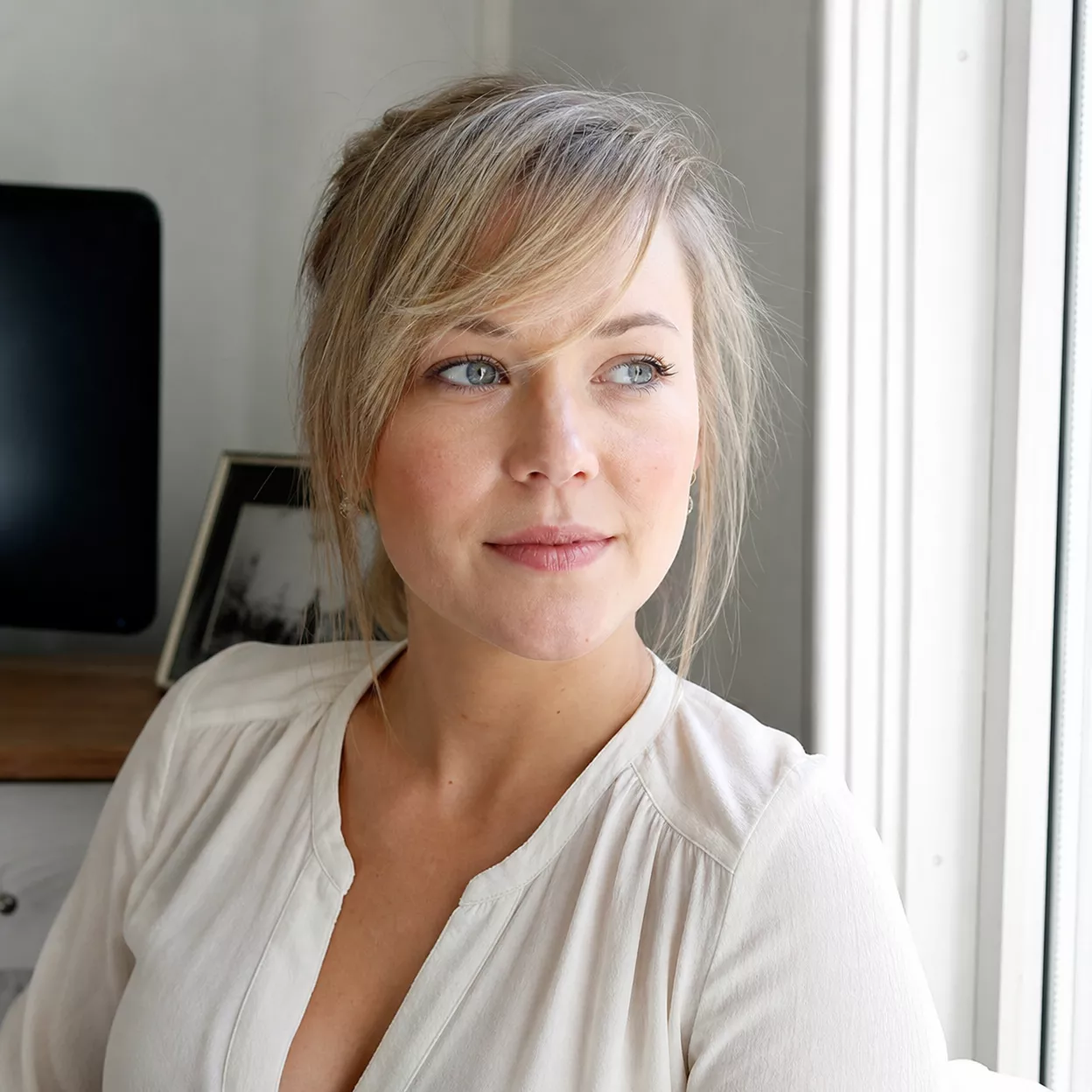
Medium Shag with Wispy Fringe
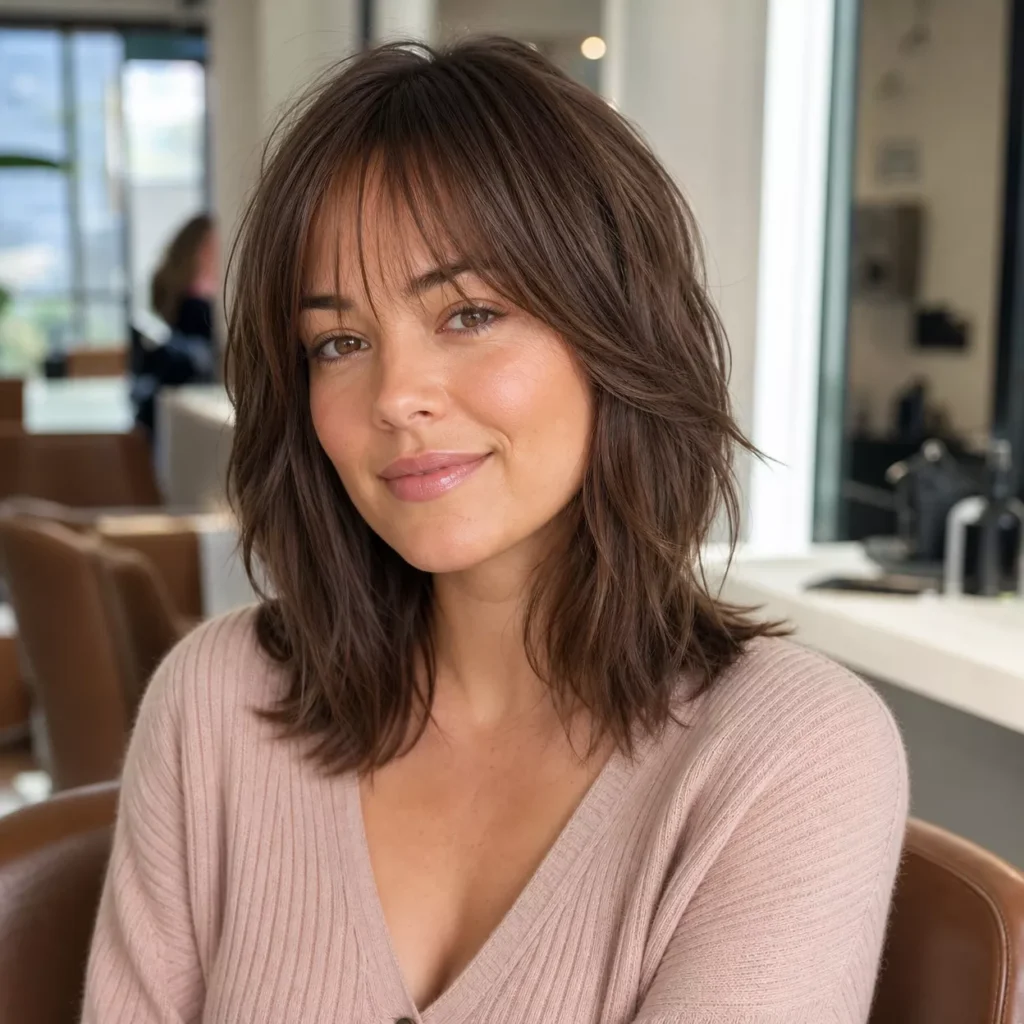
A wispy fringe is cut light enough for the forehead to show through, so it blends into a shag’s broken texture more easily than a solid fringe would. That lightness depends on what’s at your hairline. Good density there keeps the fringe soft; a sparse front can make it look patchy, so the stylist may take it from a slightly deeper section. Wavy hair can make it separate or kick up, and humidity tends to pull it apart. It’s a lighter commitment than a blunt fringe, but it still grows into the eyes and will want trimming between full cuts.
Beachy Textured Medium Shag
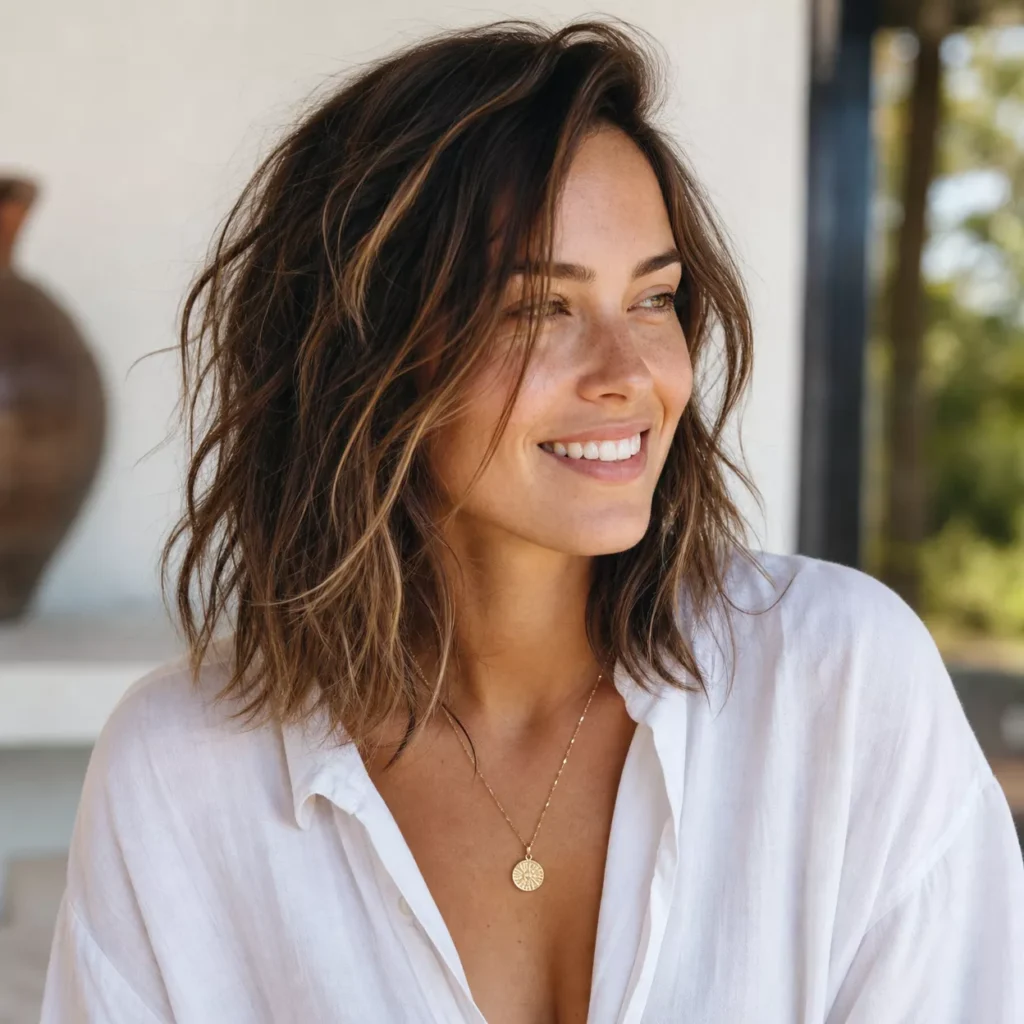
Beachy is a finish laid over a cut. The shag supplies the layers; the slightly rough, loose texture comes from natural waves, air-drying, a salt or texture spray, or bends added with a wand or flat iron. On wavy hair, that finish can come together with a little product. On straight hair, it usually takes more styling and may not survive humidity. Scrunching a texturizing product upward through damp hair, from the ends toward the roots, can help the layers lift and separate, though results vary with the hair. In reference photos, check whether the texture looks natural or heavily worked.
Ash Blonde Medium Shag
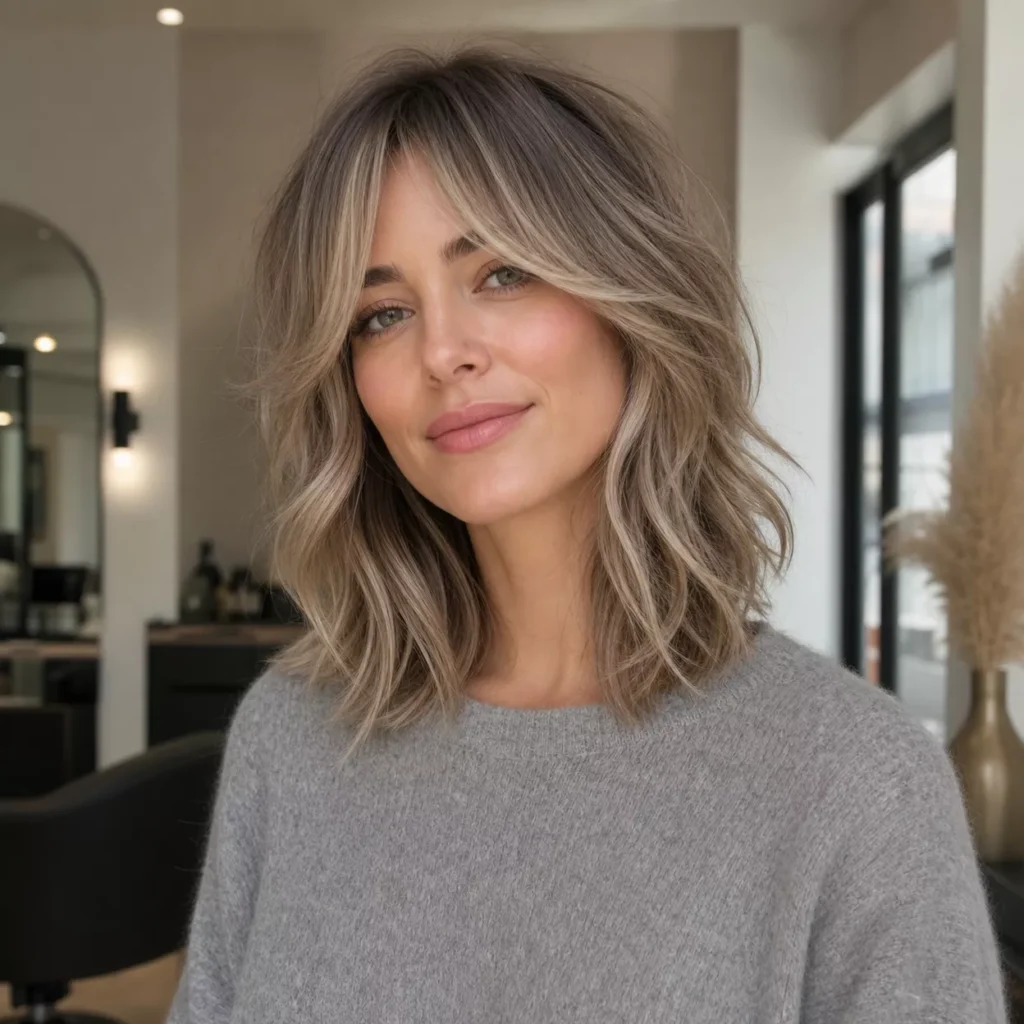
Ash blonde is a cool color direction, separate from the shag. The layers can make the color look more varied, since light catches each section differently, but they won’t fix an ash that’s flat or uneven. Reaching ash from a darker base usually means lightening, which exposes warm pigment that toner then has to neutralize. As toner fades, warmth returns. A shadow root keeps the root deeper so regrowth blends, which can ease how often the root needs attention, though the ash lengths still need toning to stay cool.
Medium Shag with Curtain Bangs and Highlights
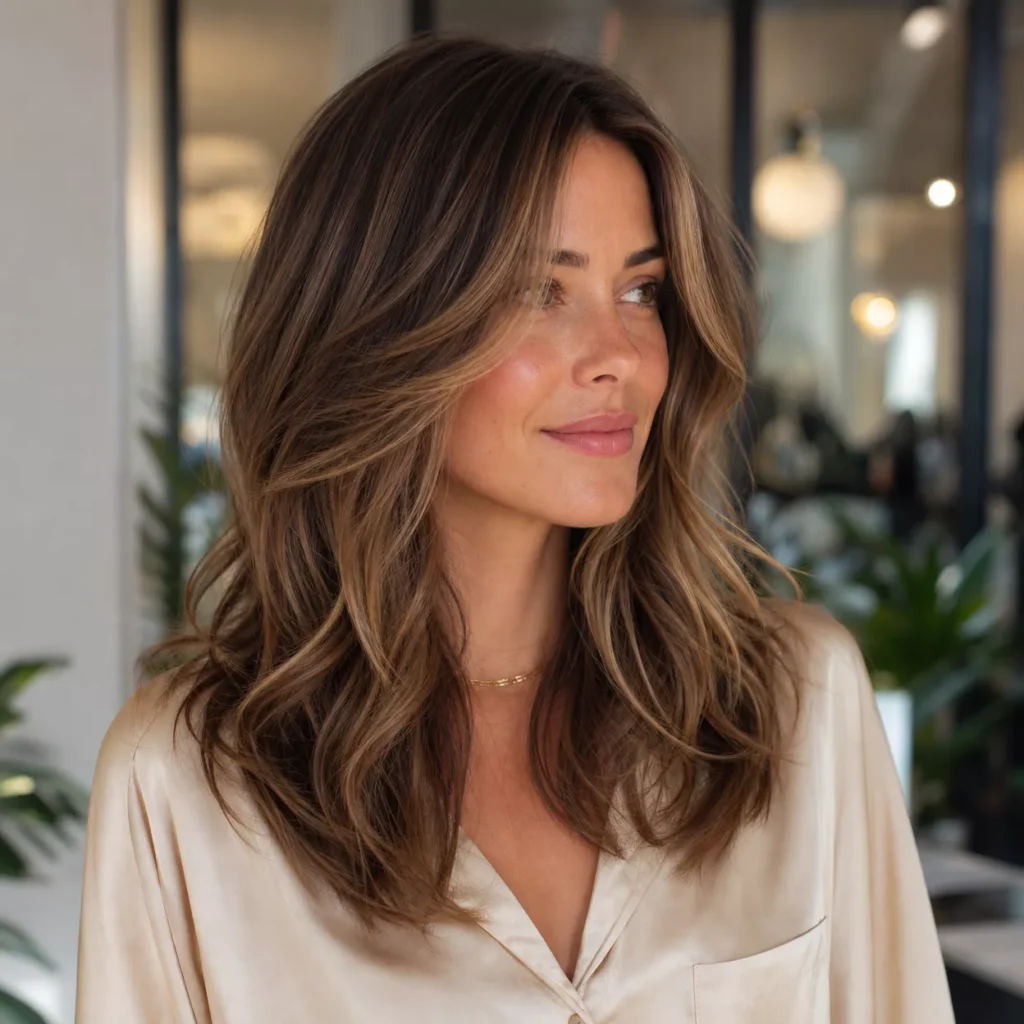
Three variables share this look. The shag shapes the crown, interior, and ends. The curtain bangs frame the forehead and connect into the face-framing layers. The highlights add contrast, making the layers more visible as the hair moves. Each runs on its own schedule: the bangs need trimming before the shag, the highlights need refreshing as they fade or grow out, and the shag itself may go longer between cuts. If you like the overall effect but want less upkeep, any one of the three can change without the others.
Soft Feathered Medium Shag
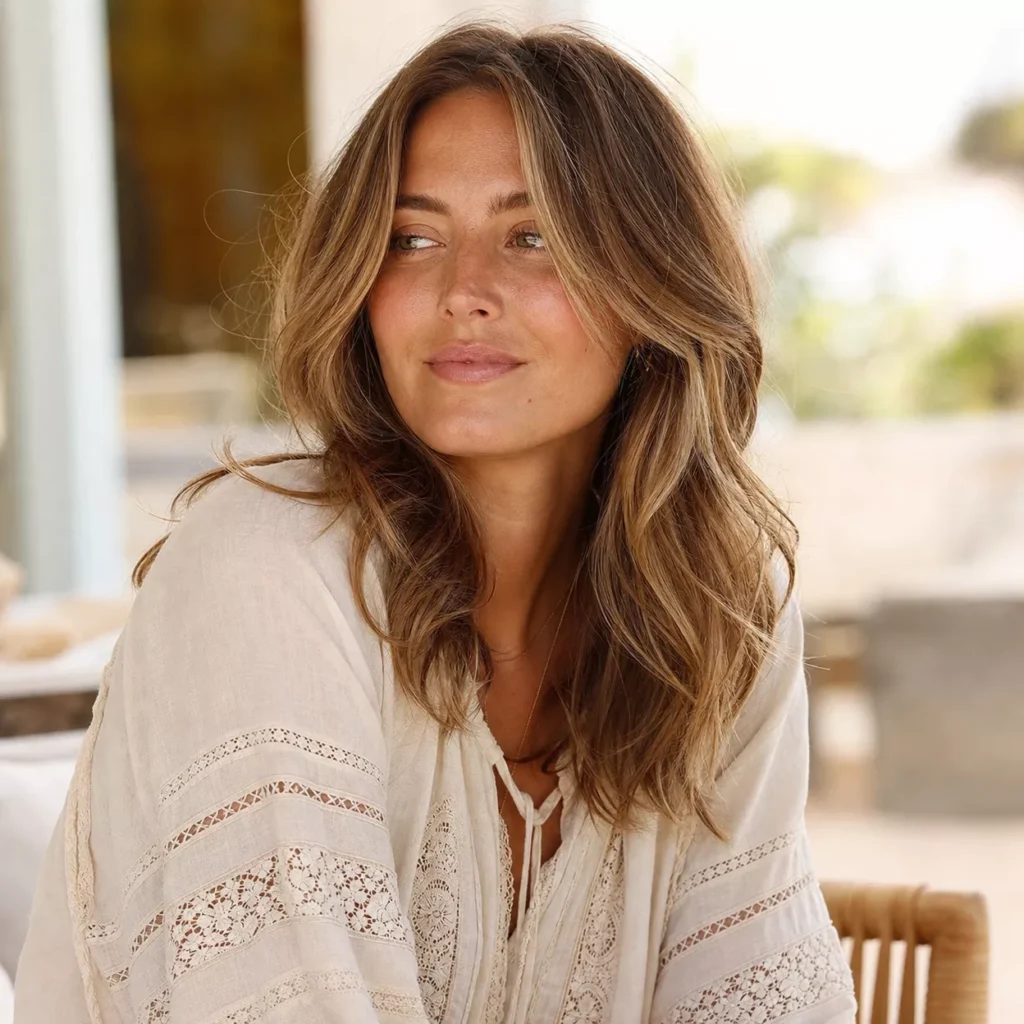
Compared with the choppy shag earlier, this version softens every transition. The layers are longer and blended, directed slightly outward or back, and the ends are feathered rather than chopped. The result moves without visible steps or a broken outline, and the perimeter often stays stronger than in a choppy shag, which helps the ends look full. On straight hair, the feathered direction may need a round brush to show; on wavy hair, it may appear on its own. It still needs reshaping as it grows, because feathered layers gradually lose their direction.
Medium Shag on Fine Hair
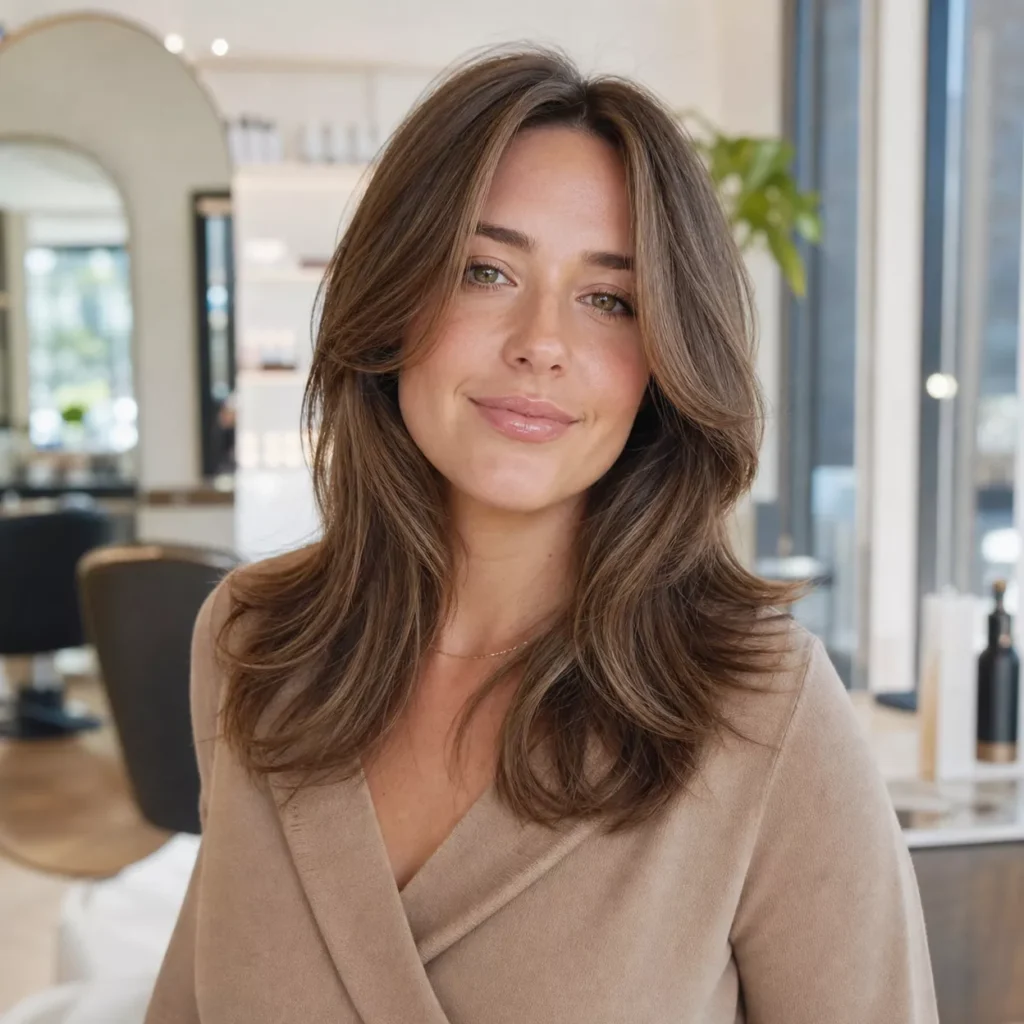
Fine describes the diameter of each strand; low density describes how many strands there are. A medium shag behaves differently depending on which you’re working with.
Fine hair with good density can usually handle moderate shag layering, with a few crown layers for lift and the first layer starting around the chin or lower. Fine hair that’s also low in density needs more caution. Short crown layers can expose scalp, and heavily textured ends can make the bottom look sparse. A stronger perimeter, fewer layers, and texture concentrated near the face tend to hold up better. A haircut can shift where fullness appears, but it can’t add hair. Our guide to volumizing hairstyles for fine or thin hair covers this in more depth.
Dark Brunette Medium Shag
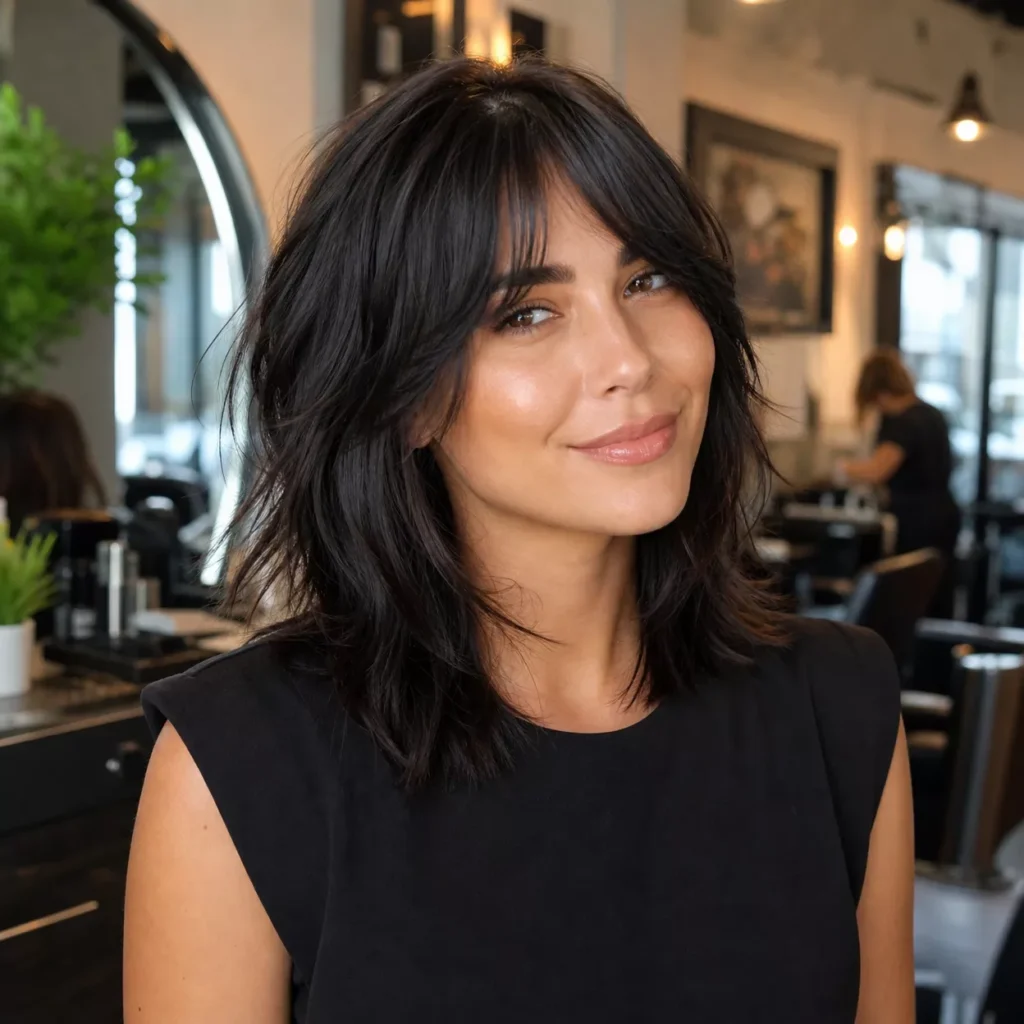
On dark brunette hair, the shag’s layers show through light and shadow rather than color contrast. Each change in length creates a slightly different surface for light to catch, and the shadows between them make the texture readable. That’s the color revealing the cut, not creating it. A salon gloss can add shine and refresh tone, but it’s optional, and shine isn’t a measure of how healthy hair is.
Honey Blonde Medium Shag
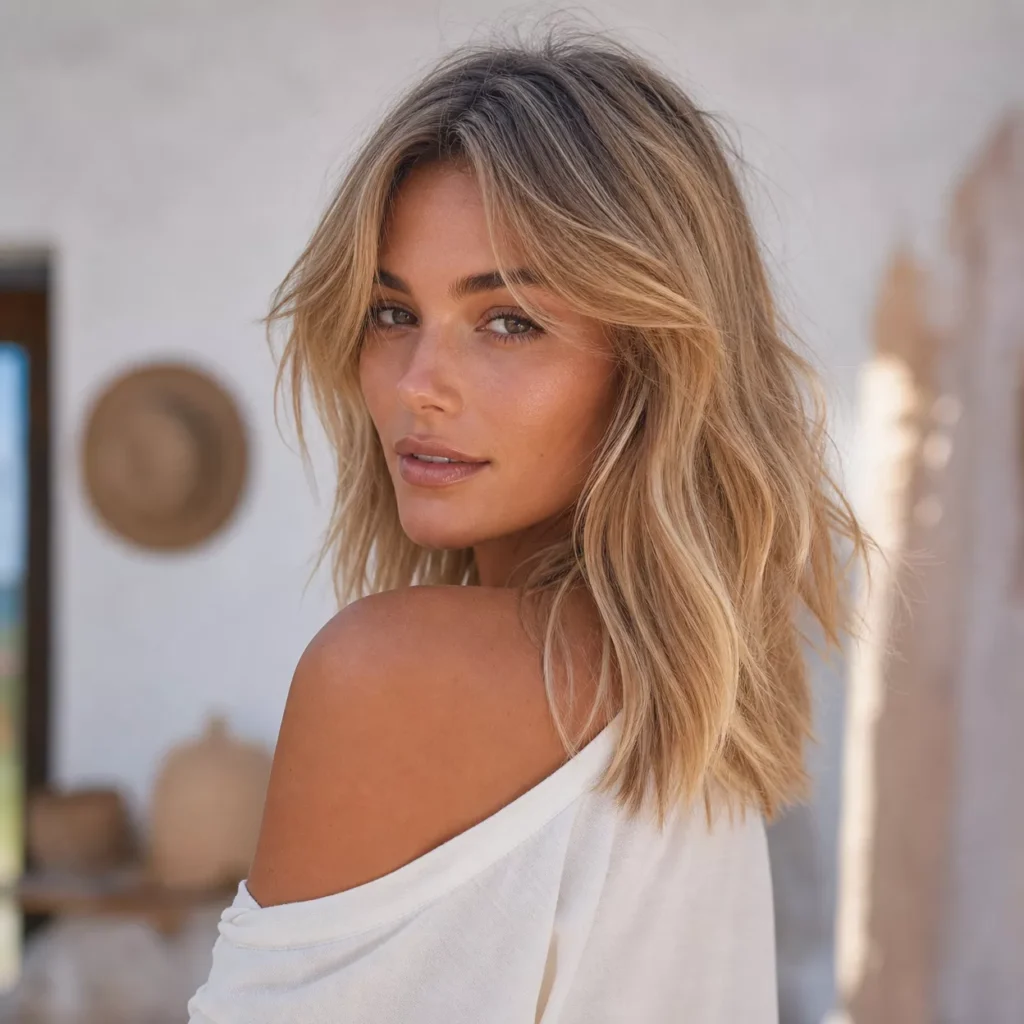
Honey is a warm, golden blonde, and it can go in as highlights or as all-over color. Placed as highlights along the shag’s layers, it shows movement as the lighter pieces catch light. As all-over color, it shifts the whole tone warmer without adding contrast. How much lightening it takes depends on your starting base. Light brown hair may need only selective lift, while darker hair needs more and may lean warmer as underlying pigment comes through. Whether a warm tone suits you comes down to preference and contrast rather than a fixed rule.
Medium Shag for Curly Hair

Curly hair can shrink a lot as it dries, so a shag cut to the shoulders when wet may finish near the jaw. Many stylists assess curls dry, or check them dry, before settling length and layers. In a curly shag, layering mostly redistributes weight. Crown layers let the curls on top lift, while enough length below keeps the shape from widening at the bottom into a triangle.
Curl pattern and density shape the approach. Looser curls may need lighter layering; tighter, denser curls may need more internal shaping. Coily hair can shrink and expand differently again, so a strategy that suits one pattern isn’t automatically right for another. Our guide to curly shag haircuts goes further into layer placement.
Shaggy Lob Hybrid
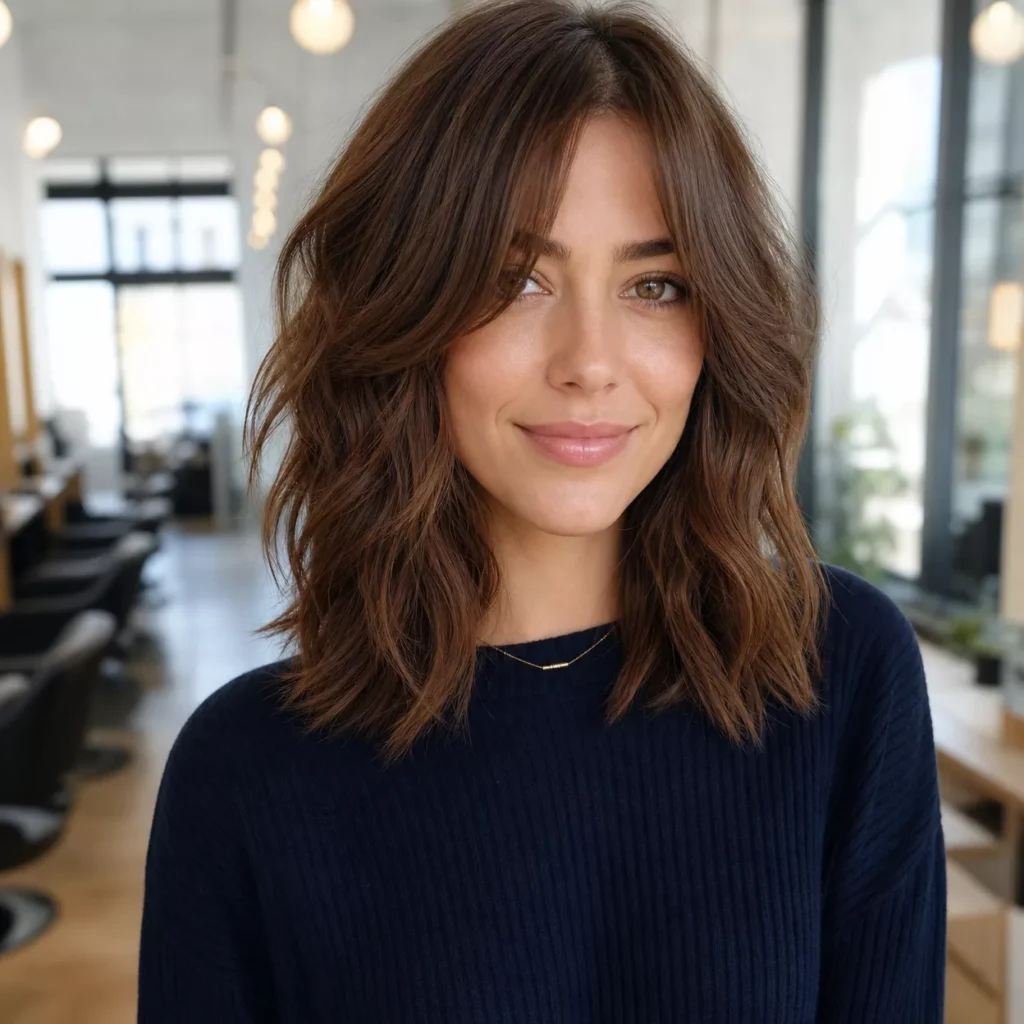
A lob is mostly about its outline: a clean length around the collarbone with a fairly strong perimeter. A shag is mostly about its interior: layers, texture, and movement. The hybrid takes the lob’s outer edge and fills it with shag texture. From a distance it reads clean and defined; up close, the layers move and separate. It suits anyone who likes texture but wants the ends to keep their weight. As it grows, the stronger perimeter tends to keep the shape tidy longer than a fully choppy shag would.
Medium Shag with Side Part
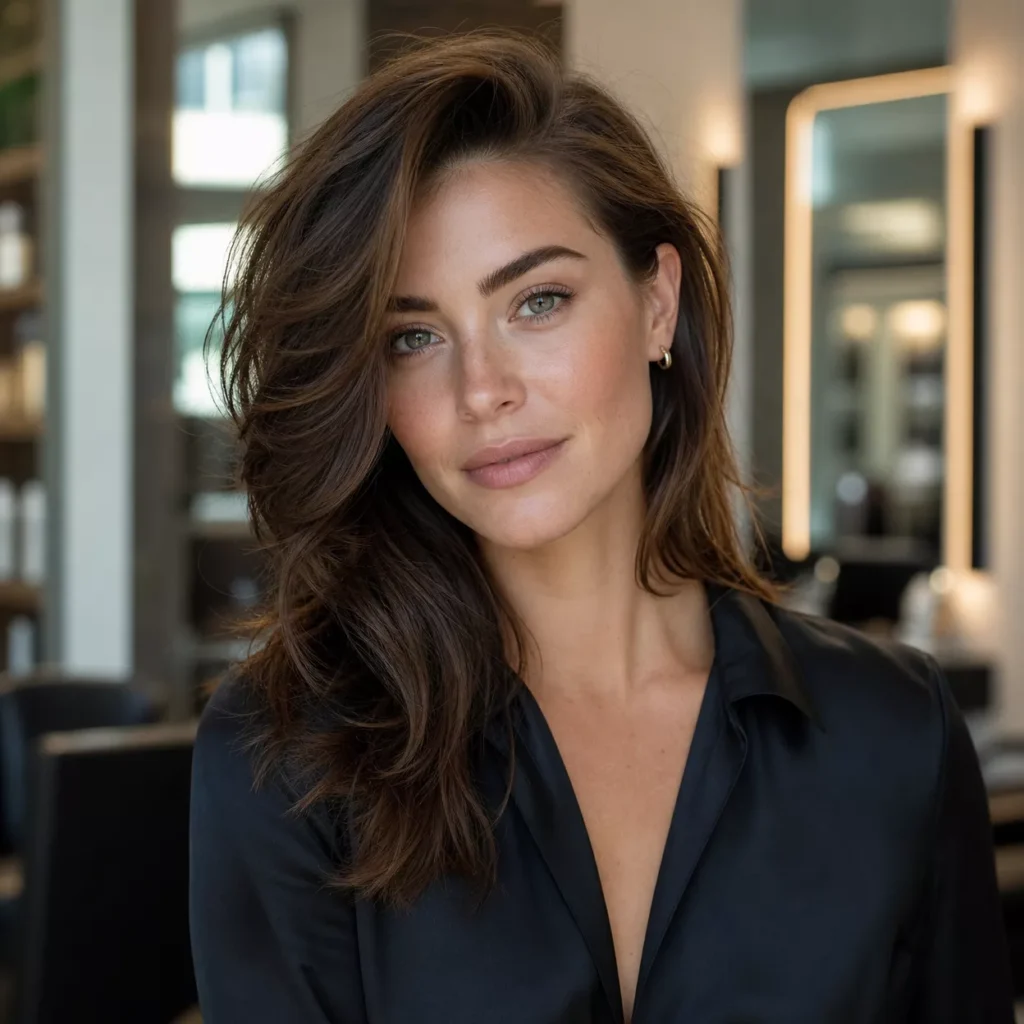
A deep side part shifts more hair to one side, so the shag reads asymmetrical: one side sweeps across, while the other sits closer to the head. Whether that holds depends on your natural part, since a part forced against a cowlick or your growth direction tends to drift back by midday. Crown layers look different with a side part too, because the volume moves with the hair. On low-density hair, a very deep part can show more scalp along the line, so a moderate one may look fuller.
Caramel Medium Shag
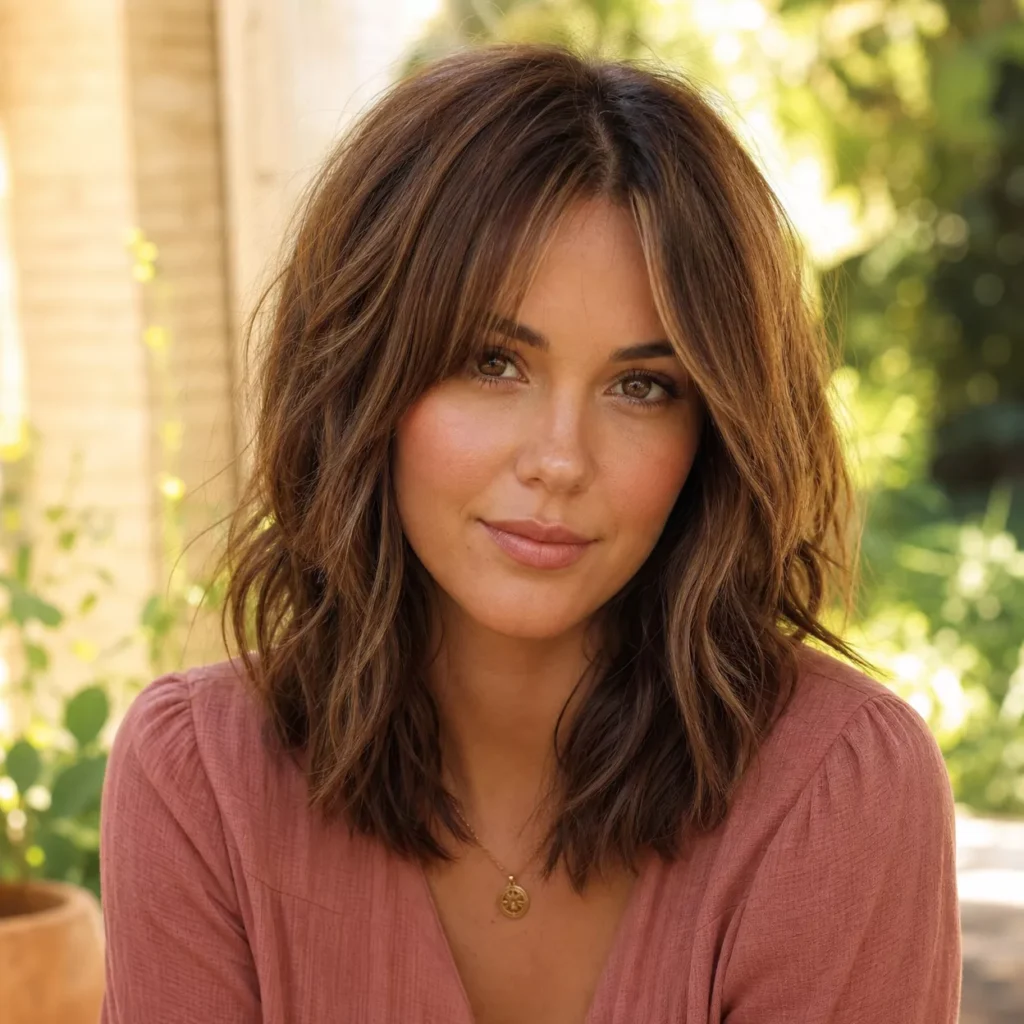
Caramel highlights add warm, golden-brown contrast, and placed along the shag’s layers, they reveal its movement. On medium brown hair, caramel blends gently; on dark brunette, it stands out more and needs more lightening. Placement changes the effect. Caramel through the outer layers shows texture clearly, while caramel underneath reads subtler. Warm tones can drift brassy as they fade, so a gloss or toner may be needed to keep them balanced.
Undone Medium Shag
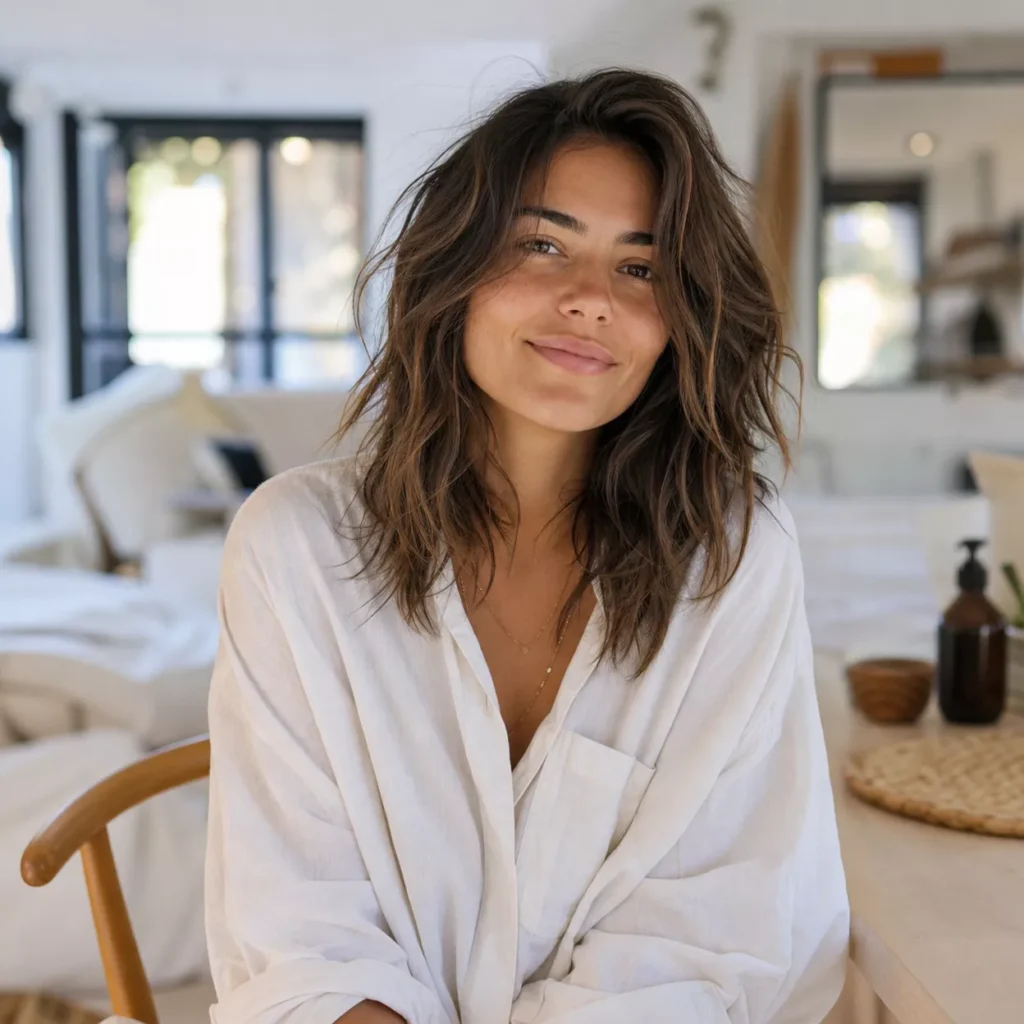
Undone doesn’t mean unstyled. An undone shag is cut with slightly irregular layers so the shape looks relaxed rather than precise, but it may still need texture product, a diffuser, or a few minutes of styling to match the photo. Natural texture decides how much work that is. Wavy or curly hair may fall into an undone shape on its own; straight hair usually needs product and possibly some heat. The cut also depends on correct layer placement. Without it, the shape can look messy rather than relaxed.
Medium Shag with Blunt Fringe
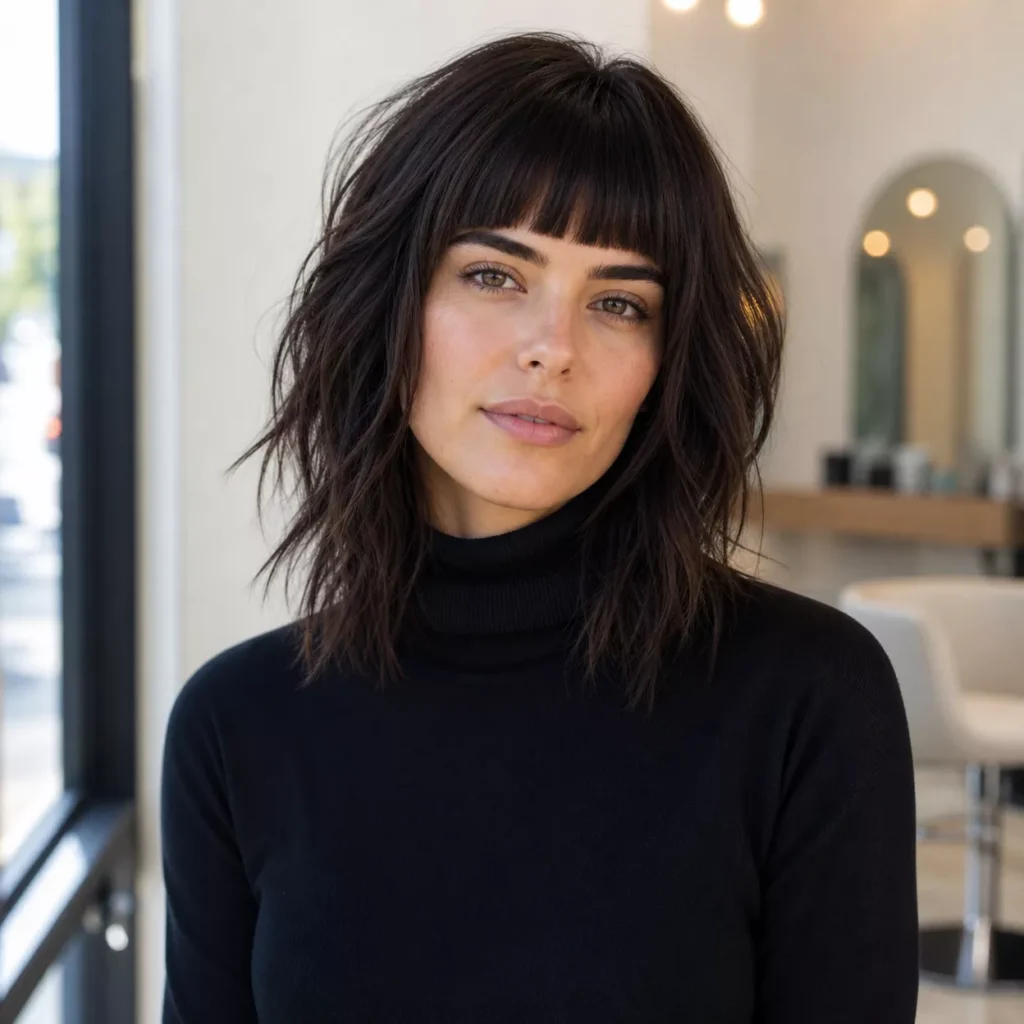
A blunt fringe is precise and controlled; a shag is textured and irregular. Together, they create contrast between a strong horizontal line and a loose shape below, and that contrast becomes the defining feature. The fringe asks more of you than the rest of the cut. It needs enough hairline density to look even, and a cowlick can split or lift it. It also shows growth quickly. Straight hair keeps the line clean, while wavy hair softens it.
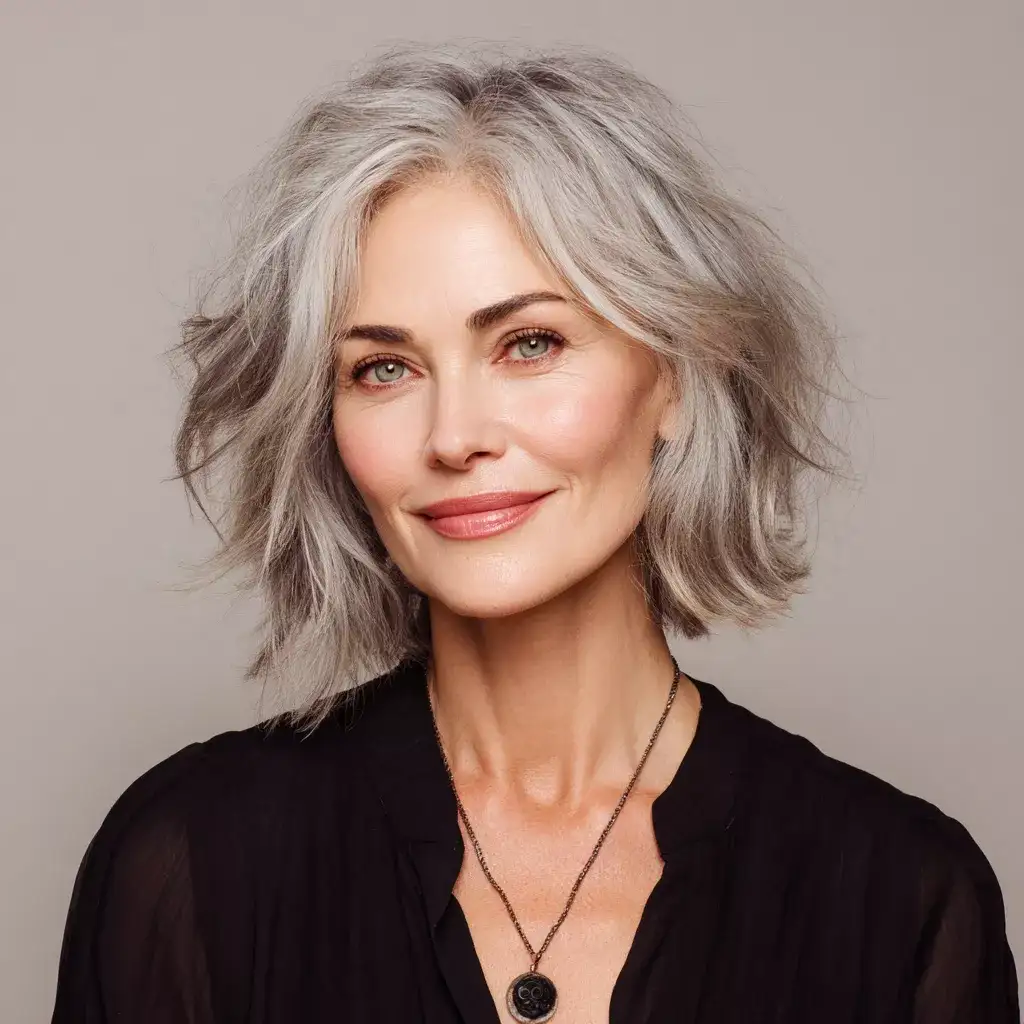
Silver Gray Medium Shag
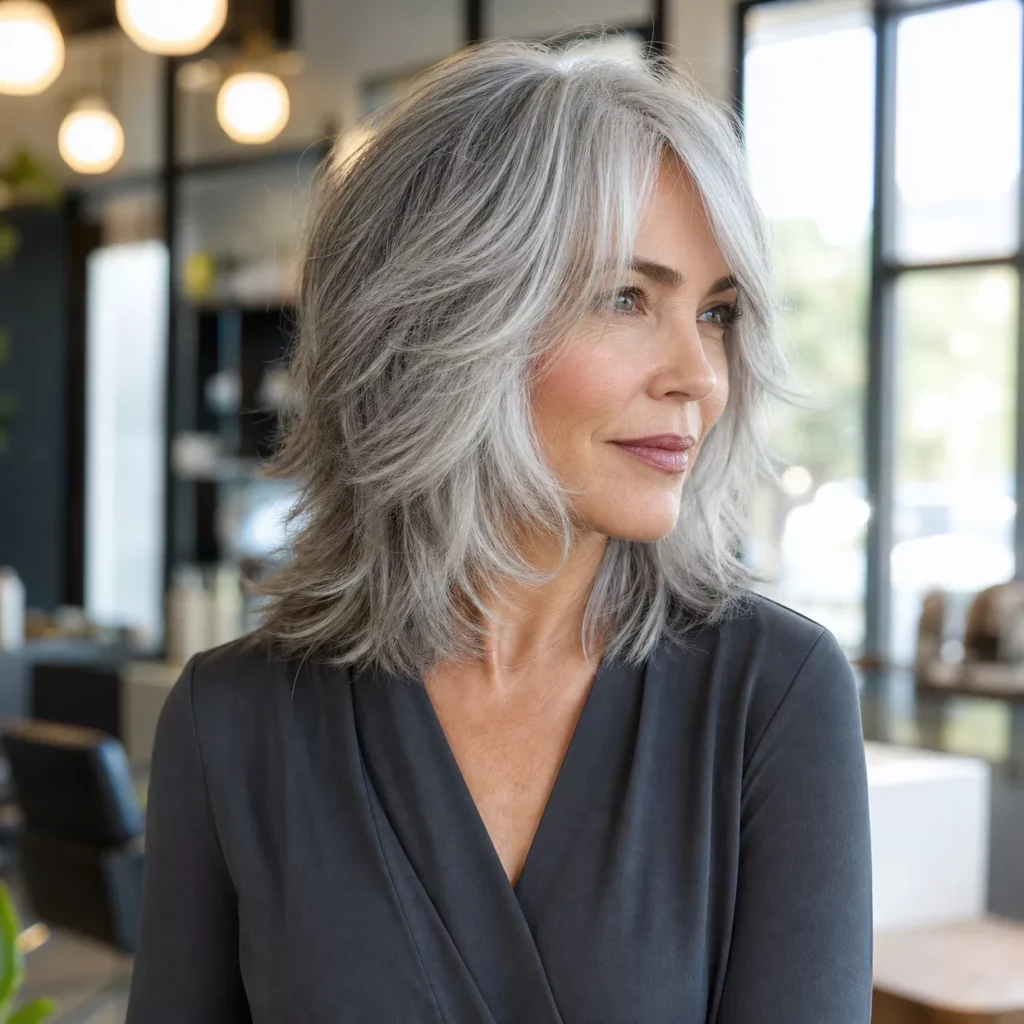
Gray and silver affect how a shag reads. Lighter strands make layers and texture more visible, so a shag on silver hair shows its structure clearly. Natural silver often mixes white, gray, and darker strands, while colored silver is more uniform and needs toning to stay cool. Some people find their gray hair coarser or drier than before; others notice no change. If you’re growing out color, a shag can help blend the transition by shortening how long the old colored ends remain.
The Shag Is Really About Where the Weight Goes
Every shag on this list is a set of decisions about weight.
The crown is where lift comes from. Short layers there let the top rise, but on dense or coarse hair they can widen it instead.
The interior is where bulk sits. Removing some lets the lengths move; removing too much leaves short, frizzy pieces or a hollow shape.
The face frame decides what you see first. Where the shortest front piece starts matters more than how many pieces there are.
The ends and perimeter decide how full the cut looks. A strong edge keeps fullness at the bottom; heavy texturing there lightens it.
The nape is easy to overlook, but dense hair at the back can push a shag outward.
So more layers don’t automatically mean more volume. On fine or low-density hair, extra layers often mean less visible fullness. On dense hair, they can mean more width. The useful question is where you want the hair to sit, not how much should come out.
Before You Ask for “More Texture,” Decide What You Mean
“Texture” is one of the most common requests in a salon, and one of the vaguest. It can mean several things.
Separated ends: individual pieces at the bottom that move apart rather than forming one line.
Waves: bends along the length, either natural or styled.
Choppy layers: uneven lengths that look deliberately broken up.
Feathering: layers directed outward or back.
Curl definition: curls grouping into clear spirals rather than frizz.
Internal movement: layering inside the shape so the hair moves without looking choppy.
Styling-created texture: separation and grit from product, a wand, or air-drying techniques.
Each of these comes from a different cutting approach, or from styling rather than cutting at all. Knowing which one you want tells your stylist whether to change the cut or simply suggest a different finish.
The Same Medium Shag Can Be Easy for One Person and High-Maintenance for Another
Straight hair shows the shag’s structure clearly but usually needs product or heat to reveal the layers. Daily styling tends to be the main commitment.
Wavy hair often falls into shag layers naturally, so daily styling may be lighter. Uneven waves or humidity can still call for some help.
Curly and coily hair can work well in a shag cut around the dry curl pattern, though definition may depend on a careful wash-and-style routine.
Fine but dense hair handles moderate layering, but the crown may need a little lift to look its best.
Fine, low-density hair asks for the most caution in the cut itself. The styling can be simple once the perimeter is protected.
Thick, dense hair may need more frequent reshaping to keep bulk in check.
Coarse hair holds texture well but can frizz if heavily thinned.
Then there are three kinds of upkeep to weigh separately: daily styling, grow-out (bangs and short crown layers lose shape fastest), and color maintenance if highlights or toning are involved. A shag can be easy in one way and demanding in another.
What the Photo Isn’t Telling You
A medium shag photo is a reference, not a blueprint. When you look at one, notice where the shortest layer begins and how high the crown sits. Check the fringe length and whether it connects to the layers. Look at the perimeter: is it full or heavily textured? If there’s a back view, check the nape.
Then ask what’s styling. Is the texture natural, or made with a wand? Is the crown lifted by a blowout? Is color placement making the layers look sharper than they would in one shade? Lighting and extensions can change how full the hair appears too. And compare density: if the model’s hair looks much thicker than yours, the same cut will sit differently on you.
What to Say at the Appointment
A photo plus a few clear sentences gives your stylist far more to work with:
“I want movement, but I don’t want my ends to look thinner.”
“I like the crown shape here, but I’d like the perimeter to stay stronger.”
“My hair dries wavy, so I want the layers to work with that.”
“I like the texture in this photo, but I know it might need styling.”
“I’d like the fringe to connect into the layers rather than sit on its own.”
“My strands are fine, but my hair is fairly dense.”
“I want this to grow out softly between cuts.”
Final Thoughts
The right medium shag isn’t necessarily the shaggiest one. It’s the version whose layers, perimeter, texture, and styling demands make sense for the hair you actually have and the routine you actually keep.
Use the 20 shags above to find the shape you like, then decide where you want the weight to stay. That one decision will tell your stylist more than the photo alone.