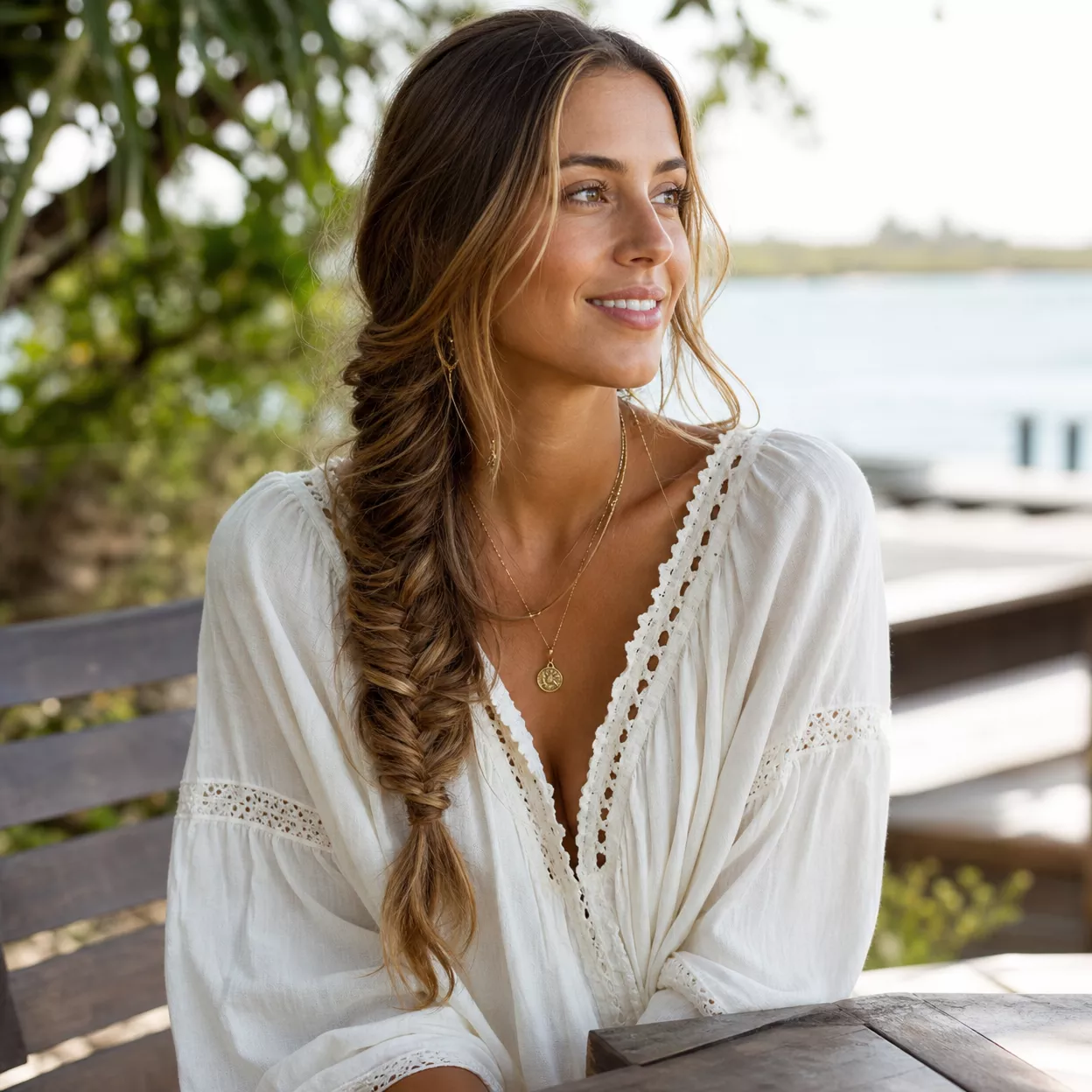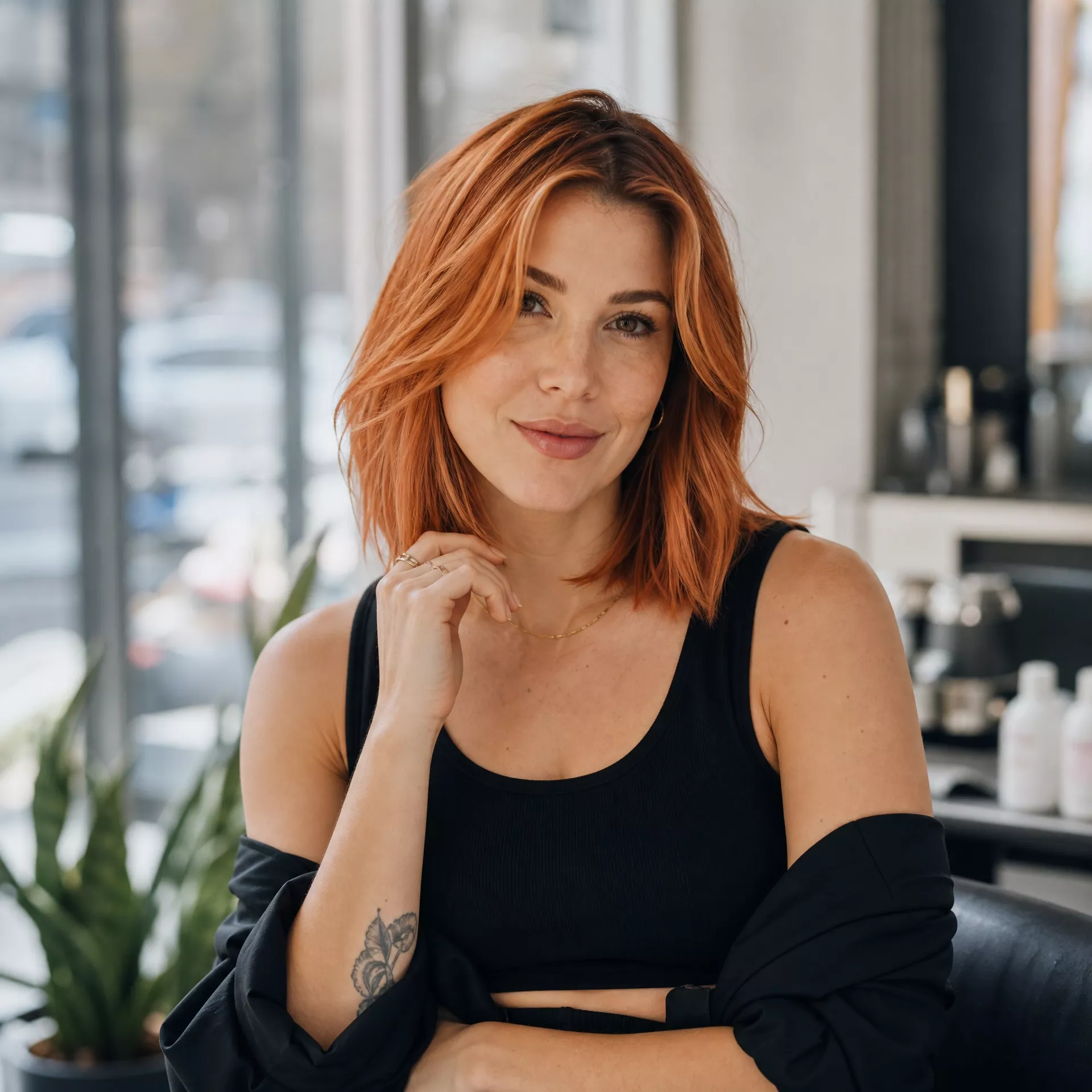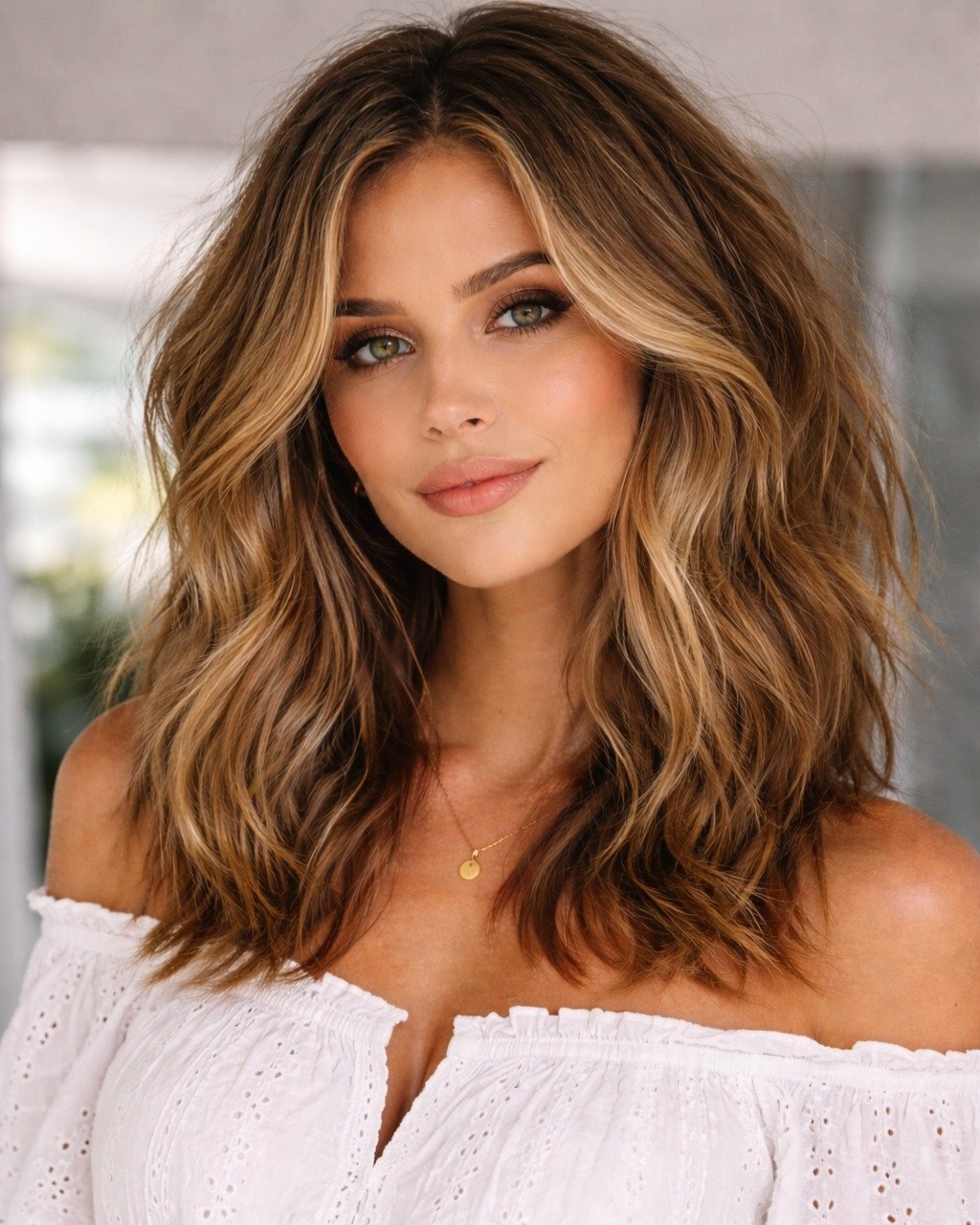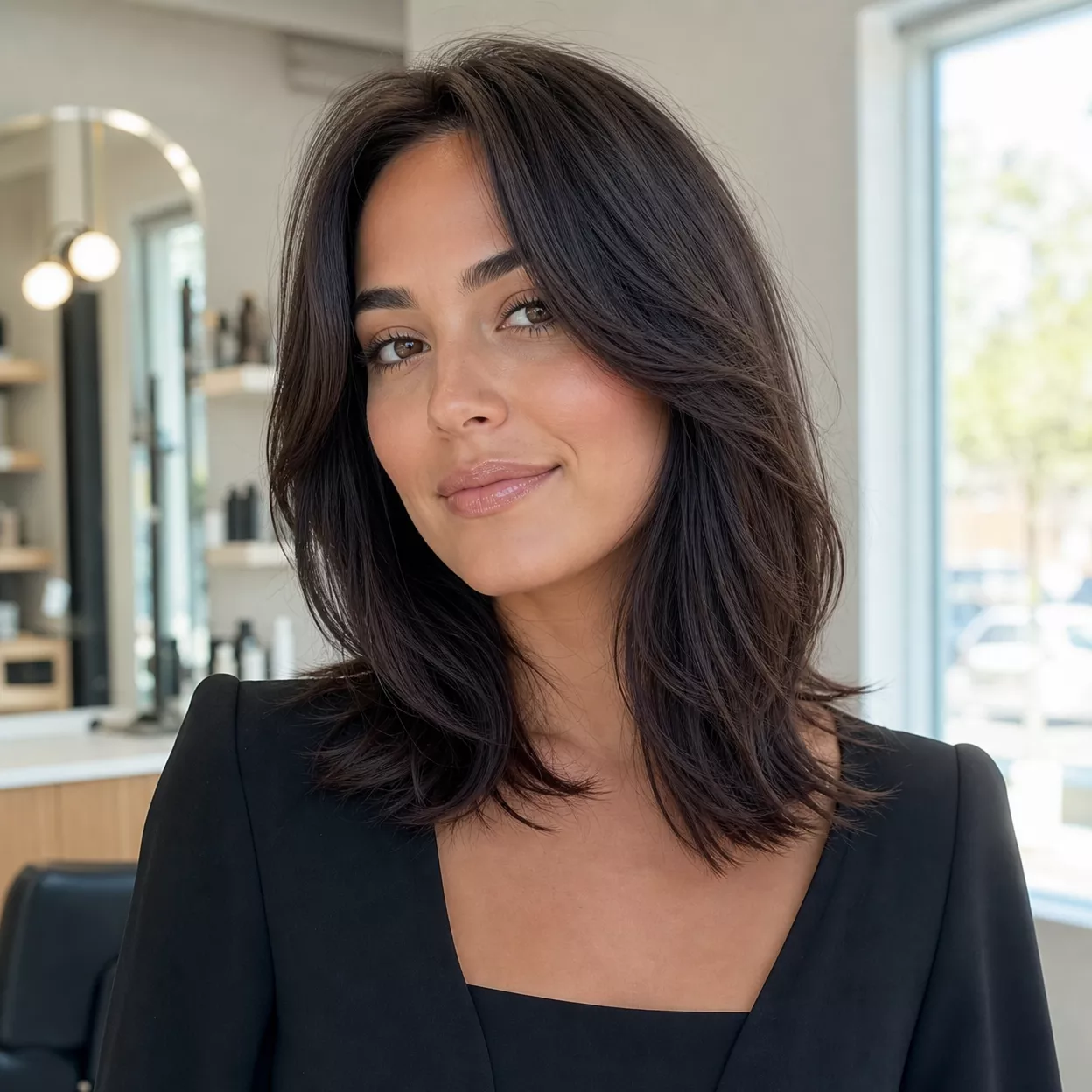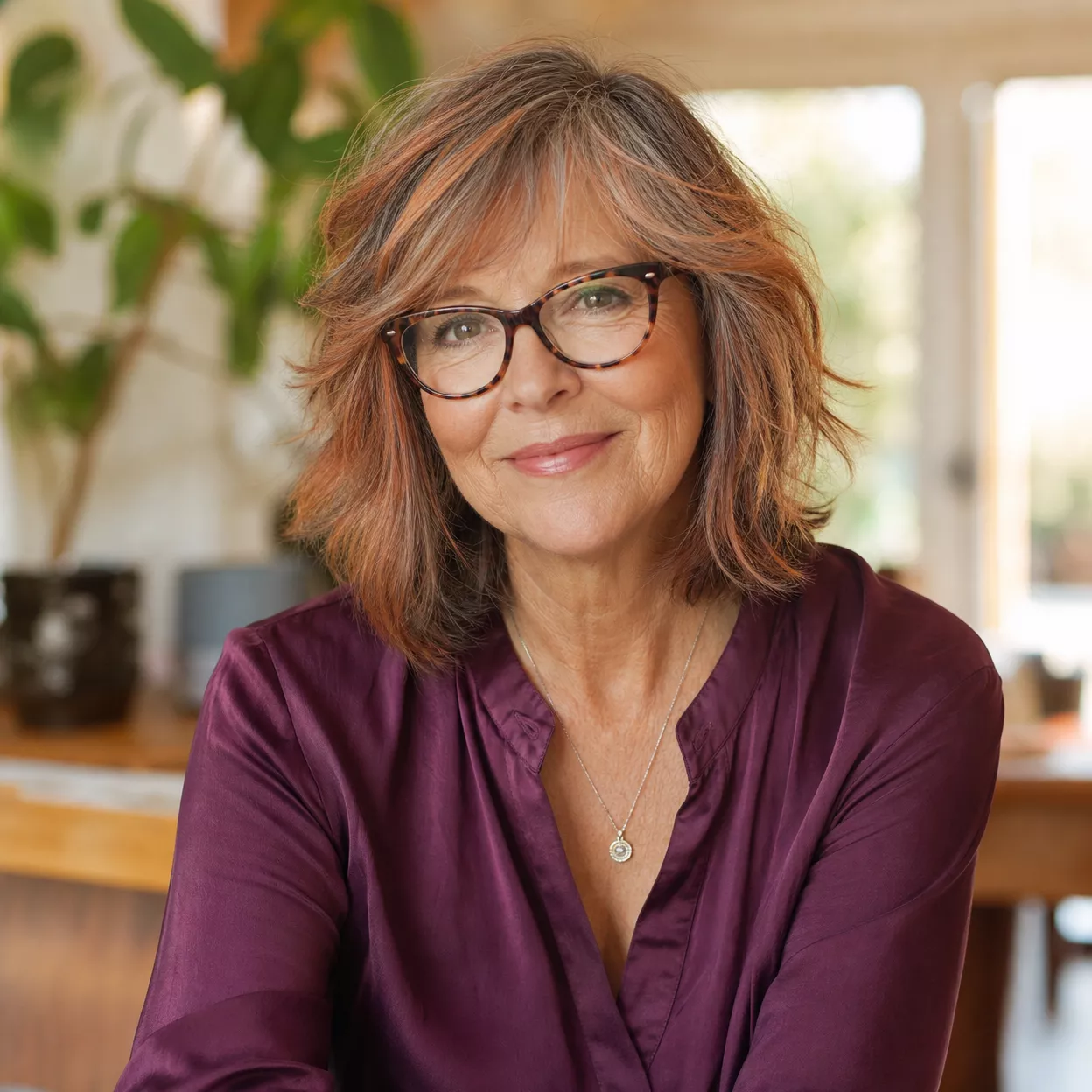
28 Wavy Medium Hairstyles for Women Over 60, and How to Choose the Right One
Wavy medium-length hair can be one of the most flexible lengths to work with after 60, but the right cut depends on more than the wave pattern itself. Hair density, strand thickness, natural texture, styling habits, and how much maintenance you want all affect how a medium cut will behave.
A layered wavy lob can create movement without sacrificing too much length, while a blunt hemline may work better when the ends look sparse. Natural silver, brunette, auburn, or highlighted hair can all change how the same wave pattern reads.
The 28 styles below take different approaches to length, layering, bangs, color, and natural texture. Instead of treating one haircut as universally flattering, use the examples to identify what might work with your hair and your routine.
Before You Choose a Wavy Medium Hairstyle
Your natural wave pattern. Some waves are loose and hold their shape easily. Others form a stronger S-pattern, sit unevenly across the head, or largely disappear once the hair air-dries. Knowing which of these describes your hair matters more than any single photo, since a style built around one wave type can look quite different on another.
Hair density versus strand thickness. These aren’t the same thing. Fine hair refers to the diameter of each individual strand. Low density refers to how many strands you have overall. Thick or coarse hair generally means larger strand diameter, greater overall bulk, or both, depending on what someone means by it. You can have fine strands that are still densely packed, or coarser strands that are fewer in number, and each combination responds differently to layering.
How much layering you actually want. Layers can create movement and help waves show more clearly. Too much layering, though, can reduce the visual weight through the ends, which matters more on low-density hair than on hair with plenty of density to spare. Thick hair often benefits from some strategic bulk removal, while fine or thin hair generally does better with more conservative layering.
How much styling you realistically do. Some of the styles below work with air-drying and a natural wave. Others depend on a curling iron, a diffuser, or a regular blow-dry to look like their reference photo. Being honest about which category you fall into changes which options are realistic.
How often you want salon maintenance. Bangs, precise perimeters, and strong face-framing all tend to need more frequent trims than a softer, less structured cut. Color, particularly anything involving lightening or gray blending, adds its own separate maintenance schedule.
Whether you want to preserve length. Some approaches to volume and movement work by removing length or weight. Others are built specifically to keep as much length as possible while still creating some visual movement.
The 28 Hairstyles
Soft Face-Framing Shoulder Waves

This style depends on waves falling naturally around the face rather than a cut doing all the work on its own. If your hair already has a loose, natural bend, scrunching in a light mousse and air-drying can be enough to reproduce it. If your hair is closer to straight, getting the same softness generally means reaching for a wand or a diffuser regularly, which is worth factoring in before treating this as a low-effort style. On very fine or low-density hair, the softness around the face can look thinner unless enough length is kept intact there.
Layered Wavy Lob with Highlights

Layers through a lob create movement, and highlights placed through those layers can make that movement easier to see, since lighter and darker sections catch light differently. On fine hair, this combination can add visible dimension, though color doesn’t add actual density; it changes how existing movement reads. If your hair is fine and lower in density, ask your colorist to keep the contrast moderate rather than going for maximum brightness, since heavier lightening can add stress to strands that are already more fragile. For more on how density and strand thickness affect cutting decisions specifically, our guide to volumizing hairstyles for fine or thin hair covers that in more depth.
Tousled Silver Waves

Gray and silver hair can behave differently from your previously pigmented hair, although the change varies from person to person. If your gray hair feels drier or more resistant to styling, a texturizing cream can help with definition, though it’s worth balancing texture products with a moisturizing routine so the tousled look reads as intentional rather than simply rough.
Wavy Lob with Side-Swept Bangs

Side-swept bangs add an asymmetrical line at the front, and how that looks depends more on your natural part than on your face shape. Bangs cut against the direction your hair already wants to fall tend to drift back over the course of a day, so it’s worth having your stylist check your natural part before committing to the angle. Bangs also come with their own maintenance schedule, generally needing more frequent trims than the rest of a wavy lob to stay in shape.
Feathered Shoulder-Length Waves

Feathering removes bulk from the ends, which can help if your hair tends to feel heavy by midday. The trade-off is that aggressive feathering can leave already sparse ends looking even lighter, so how much weight comes out matters as much as the technique itself. This tends to air-dry with relatively little effort, though the result depends on how consistently your hair holds a wave without added product.
Beachy Textured Waves for Fine Hair

Strategic layers here create more visible movement and separation across fine hair, which can make the overall shape look fuller. That effect comes from movement and texture, not from any actual increase in density. A sea salt spray on damp hair, scrunched and left to dry, is a common approach, though on very fine hair, too much salt spray can leave strands feeling dry and rough rather than textured.
Voluminous Waves with Balayage

Balayage is a color technique, not a cutting decision, and hand-painting the highlights to follow the direction of the waves can make the color’s dimension more visible as the hair moves. Because balayage is painted rather than applied evenly from the root, the grow-out can be softer than with some all-over color approaches, although maintenance still depends on the amount of contrast and the technique used. For more on specific summer blonde placements and how they compare, our roundup of summer blonde color ideas goes into the technique trade-offs in more detail.
Soft Waves with Curtain Bangs

Curtain bangs part in the center and are meant to blend into the waves rather than stand apart as a distinct fringe, so how well they integrate depends on the length and layering of the surrounding hair. Blow-drying them outward with a round brush is the usual way to get that swept shape, though on days you air-dry the rest of your hair, the bangs may need a bit of separate attention so they don’t fall flat against the forehead.
Pro Tip: If your natural waves have lost some bounce over the years, try switching to a sulfate-free shampoo and a weekly deep-conditioning mask. Hydrated hair holds wave patterns dramatically better, and most women notice a real difference within two to three weeks.
Silver S-Wave Lob

An S-wave is a structured, set style rather than a texture that happens on its own, generally achieved with a curling iron and finished by brushing through gently for a smoother result. On silver or gray hair, the defined shape can read as more polished than a looser wave, though it also depends more consistently on styling tools than a texture that comes from natural wave alone.
Warm Brunette Wavy Layers

Layers through the mid-lengths and ends can prevent thick brunette hair from feeling heavy, without requiring any lightening or color change beyond your natural or existing shade. Face-framing pieces cut a bit shorter than the rest can add movement around the front of the cut, though how noticeable that movement is depends on your density and natural wave.
Honey Blonde Wavy Bob with Side Part

A deep side part shifts more hair to one side, which can add some asymmetry to a bob without changing the cut itself; it’s a styling choice that could be applied with a different color just as easily. Depending on your starting color and the amount of contrast, warmer honey tones can sometimes create a softer transition as they grow out than higher-contrast cooler shades.
Loose Waves with Wispy Fringe

A wispy fringe is cut lighter than a full or blunt one, which needs some density at the hairline to avoid looking sparse rather than soft. Blending it into loose waves rather than cutting a hard line helps it integrate with the rest of the style, though it will likely need trimming more often than the waves themselves to keep it out of the eyes.
Shoulder-Length Waves with Deep Side Part

Moving the part deeper to one side is a simple adjustment that can change the visual balance of a style without altering the cut. On fine or lower-density hair, a deeper part can make the roots on the heavier side look slightly fuller, since more hair is layered over that section, though a very deep part can also expose more scalp along the parting line itself, so it’s a trade-off worth testing before committing to it daily.
Collarbone-Length Retro Waves

This style depends on set, defined waves achieved with a curling iron and hold spray rather than natural texture, which makes it more of an occasion look than an everyday one unless you’re comfortable styling regularly. Finger-combing lightly once the waves have cooled softens the shape without losing the defined pattern.
Shaggy Wavy Lob

A shag relies on layers cut at multiple lengths to create separation, and the effect looks intentional when there’s enough density to fill the gaps between layers. On finer or lower-density hair, the same shag can end up looking more sparse than textured, so it’s worth asking your stylist whether a more conservative, longer-layered version would suit your hair better than a heavily choppy one, and discussing softer, textured layering rather than a specific cutting tool.
Champagne Blonde Waves with Face Framing

Champagne is a lighter, warmer-leaning blonde that reflects light differently than a cooler platinum tone, and how much lift it takes to get there depends on your starting color. Face-framing layers add movement near the face as a separate decision from the color itself, and together they mean two things to maintain: the tone’s warmth and the shape of the layers as they grow out.
Rich Auburn Wavy Medium Cut

Red and auburn shades can require more color maintenance because unwanted fading or tone changes may become noticeable as the color wears. Waves add movement to the layers, but the color is the part of this look that asks for the most consistent upkeep.
Copper Highlighted Wavy Layers

How the highlights are placed matters more than the shade itself here. A technique that follows the direction of your natural wave tends to blend more seamlessly than one applied in even, parallel sections, which can create a banded look once the hair moves. It’s worth asking your colorist specifically how they plan to place the copper pieces relative to your wave pattern.
Natural Gray Waves with Swooping Bangs

A swooping side bang needs enough length and density at the front to hold its direction once dry. On lower-density hair, the swoop may need a bit of product to stay in place rather than falling back toward a natural part. Changes in gray hair’s texture can also affect how easily the bang holds its direction, so it’s a detail worth mentioning to your stylist.
Chic Textured Lob with Middle Part
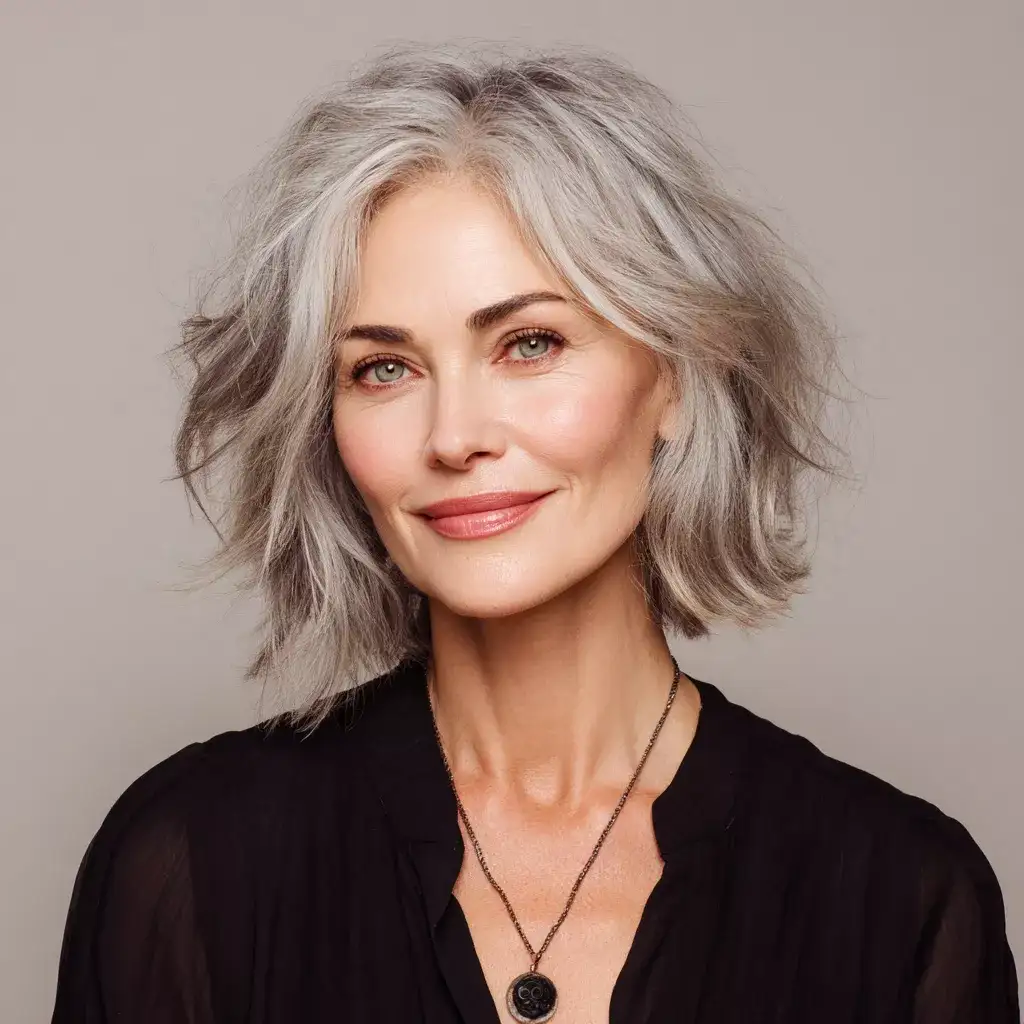
A center part creates a symmetrical frame, which some people find gives a cleaner, more structured look than an off-center part, though the effect is a matter of preference rather than a rule tied to face shape. A small amount of texturizing product before air-drying can define the waves without smoothing them into a sleeker finish than the cut is built for. If you’re comparing this lob length against other medium-length options, our guide to medium-length hairstyles for women over 40 covers additional structural variations.
Strawberry Blonde Wavy Layers

Strawberry blonde blends red and blonde tones, and getting the balance right depends on your natural base as much as your undertone, so this is a color that generally benefits from a consultation rather than a fixed formula. Waves add movement that helps show the blend of tones as the hair catches light from different angles, but the color itself is the main variable to get right before the cut matters much.
Wavy Layers with a Blunt Hem

Keeping the bottom hem blunt while layering above it is a specific technical choice: the solid perimeter can make the ends look more substantial, particularly on lower-density hair, while the layers above keep the style from feeling stiff. The perimeter and the interior layering are doing two different jobs here, so it’s worth discussing both separately with your stylist rather than asking for “waves with layers” as one instruction.
Soft Caramel Waves for Thick Hair

On thick hair, layers can remove some bulk so the waves don’t feel weighed down, and how much is removed should scale to your actual density rather than a fixed amount. Caramel tones are a separate color decision that can be added to this structure or adjusted warmer or cooler depending on preference; the cut itself is what determines how manageable the volume feels day to day.
Platinum Silver Wave Lob

Reaching a true platinum tone from most natural bases requires significant lightening, which is a more involved process than most other colors on this list and puts more demand on hair condition. Defined waves on top of that color are a styling choice rather than something built into the color itself, and a toning product can help manage yellow undertones between salon visits, though how often you need it depends on the product and how quickly your hair shifts.
Lived-In Wavy Bob

This look depends on some texture already being present in the hair rather than a fresh, just-styled finish, which is why it’s often associated with second-day hair. A texturizing spray and a quick scrunch can revive definition without a full restyle, though how well that works depends on your hair’s natural tendency to hold texture overnight. If you’re considering a bob-length structure more broadly, our guide to easy bob hairstyles covers additional variations at this length.
Boho Wavy Medium Cut

This style leans on letting waves fall with minimal interference rather than heavy layering or precise styling, which works most easily when your hair already has a consistent natural wave pattern. On hair with a weaker or uneven natural wave, the same low-intervention approach can look more undone than intended, so a light, flexible-hold product is generally more useful here than a heavier styling cream.
Sun-Kissed Highlights on Wavy Layers

Lighter pieces placed through wavy layers add some dimension without a dramatic overall color change, since the contrast between the highlighted and base sections stays fairly subtle. How well that reads against your skin’s undertone varies from person to person, so it’s worth discussing with your colorist rather than assuming any placement will look the same on every complexion.
Effortless Air-Dried Waves

This works well specifically when your hair already forms a consistent wave pattern on its own. Without that natural texture, air-drying alone generally won’t reproduce the same result, whatever product is used. A curl-enhancing cream applied to soaking-wet hair and scrunched gently is a common starting point, though the real test is what your hair does after a wash with no styling at all, since that tells you whether this approach will actually work for you day to day.
What Can Make the Same Hairstyle Look Different
A reference photo can be useful, but the same haircut may look quite different depending on hair density, natural wave pattern, starting length, color, and styling. A photo taken after a professional blowout may also show a result that requires more daily work than the cut itself provides. When saving references, pay attention to the actual length, where the layers begin, the shape of the perimeter, and whether the waves appear natural or heat-styled.
How to Choose the Right Wavy Medium Hairstyle
If your hair is fine but fairly dense: Look for controlled layers and movement without removing too much weight from the perimeter, as in the Layered Wavy Lob or Chic Textured Lob.
If your hair is low-density: Be cautious with heavy shags and extensive layering. A stronger, more intact perimeter, like the Wavy Layers with a Blunt Hem, can create a fuller-looking outline.
If your hair is thick: Strategic layers can reduce bulk while keeping enough weight to support the wave pattern, as with the Soft Caramel Waves or Warm Brunette Wavy Layers.
If your hair is naturally wavy: Cuts that work with your existing texture, like the Boho Wavy Medium Cut or Effortless Air-Dried Waves, generally require less heat styling than options built around a set, structured wave.
If your hair is mostly straight with a slight wave: Consider honestly whether a look depends on heat-created waves, like the S-wave lob or retro waves, or on texture you already have, before choosing based on the photo alone.
If you want wash-and-go: Prioritize cuts that look intentional when air-dried rather than styles dependent on a full blowout or curling iron.
If you’re weighing options across a broader age range or looking for additional context, our guides to hairstyles for women over 50 and medium-length hairstyles for women over 40 cover related decision points that may also apply here.
What Can Go Wrong With Wavy Medium Hair
- Too many layers on low-density hair, which can leave the ends looking sparser rather than more textured.
- A cut designed around naturally wavy hair needing more daily styling on straighter hair, since the photo’s effortless look often depends on texture the model already had.
- A salon blowout looking very different from an air-dried result, particularly with cuts that rely on a round brush and heat for their shape.
- Bangs requiring more maintenance than the rest of the haircut, regardless of which bang style you choose.
- Heavy products flattening fine waves rather than defining them.
- Very long medium cuts losing root lift because the added length and weight pull the wave down over the course of the day.
- Color adding dimension without increasing density, which is worth remembering if you’re choosing a color technique specifically to make hair look fuller.
- Excessive heat styling changing how hair feels and behaves over time, which is worth weighing against how often a given style asks you to reach for a wand or iron.
- A reference photo relying on lighting, styling, or a density and texture different from your own, which can make the same haircut look quite different once you’re recreating it at home.
What to Ask Your Stylist
- How does my natural wave pattern affect this particular cut?
- Is my hair fine, low-density, thick, or some combination of these?
- Where should the layers begin, and how much weight should stay through my ends?
- Will this style hold its shape without a full blowout?
- How will this cut grow out over the next few months?
- Would bangs require more maintenance than I’m comfortable with?
- What should I do differently at home to recreate the shape shown in a reference photo?
- If I’m considering a color change, how will that affect the maintenance schedule alongside the cut?
FAQ
Is medium-length hair good for women over 60?
There isn’t one universally best length. Medium hair can offer a useful balance between preserving length and keeping styling manageable, but the right result depends on density, texture, and routine.
Can wavy hair be low-maintenance?
It can be, particularly when the haircut works with the natural wave pattern rather than requiring daily heat styling to reproduce a look the hair doesn’t create on its own.
Are layers good for fine wavy hair?
They can create movement, but excessive layering can reduce the visual weight of the ends, especially when density is already low. A more conservative approach usually works better in that case.
Is wavy hair better air-dried or blow-dried?
Either can work. The better option depends on how consistently your natural wave forms and the finish you’re aiming for.
Can I keep my gray hair with a wavy medium cut?
Yes. The haircut can be designed around natural gray or silver rather than requiring color, and several of the styles above are built specifically with gray hair’s texture in mind.
How often should wavy medium hair be trimmed?
It depends on the shape. Bangs and precise perimeters generally need attention sooner than softer, less structured cuts, so the timing varies with the specific style you choose.
Final Thoughts
The right wavy medium hairstyle isn’t necessarily the one with the most volume or the most dramatic texture. It’s the one that works with your natural wave pattern, density, desired length, and willingness to style it.
Before your appointment, save two or three reference photos and note what you actually like about each one, whether that’s the length, amount of layering, bangs, wave pattern, or color. Then ask your stylist how those details would translate to your own hair.