33 Medium Length Hairstyles for Women That Are Absolutely Gorgeous
“Medium length” covers a wide range of very different haircuts. A collarbone lob with a blunt, unlayered perimeter behaves nothing like a heavily layered shag at the same length, and a style that looks effortless on naturally wavy hair can take twenty minutes with a wand on straight hair. What makes a cut work has less to do with the general length category and more to do with where the perimeter sits, how much layering is used, and how your hair behaves without help.
The 33 styles below cover a range of those decisions. Some are genuinely different haircut structures. Others are styling techniques or color choices layered onto a similar cut, and those are noted as such, since a wash-and-blowdry routine or a highlight pattern isn’t the same kind of decision as where your stylist places the scissors.
Before You Pick From the Photos
A few practical questions matter more here than which photo you like best.
Fine or thick hair? Fine hair generally holds up better with fewer, longer layers, since heavy layering can leave the ends looking sparse. Thick hair usually has more room for aggressive layering or weight removal without looking thin.
Straight, wavy, or curly? A style that photographs as “effortless” on wavy hair may need active styling on straight hair, and the reverse is also true. Curly hair shrinks as it dries, so length is often worth judging on dry hair rather than wet.
Air-dry or heat style? Some of the cuts below are built to work with minimal styling. Others depend on a blow-dry or an iron to look like the photo.
Do you wear ponytails often? Length, layering, and where face-framing pieces sit all affect whether a cut still looks finished pulled back.
How often can you get to a salon? Sharp perimeters, blunt bangs, and precise angles all show growth faster than softer, more blended shapes.
Are you open to bangs? Full, blunt bangs are a different commitment from curtain bangs or a soft fringe, both in upkeep and in how they interact with your natural part.
Face shape can also factor into the decision, though it’s worth treating as a preference rather than a rule. A few general patterns:
| If you want | You might consider |
|---|---|
| Softer framing around the jaw | Face-framing layers, curtain bangs, or side-swept pieces |
| More visual length | A longer, less layered perimeter, or vertical face-framing pieces |
| Less width around the cheeks | Keeping side volume controlled, avoiding heavy layers that flare outward |
| More fullness near the jaw | A blunt bob or lob that keeps weight toward the ends |
None of these are fixed outcomes. How they play out depends on your hair’s density and texture as much as your face shape.
Classic Lob (Long Bob)
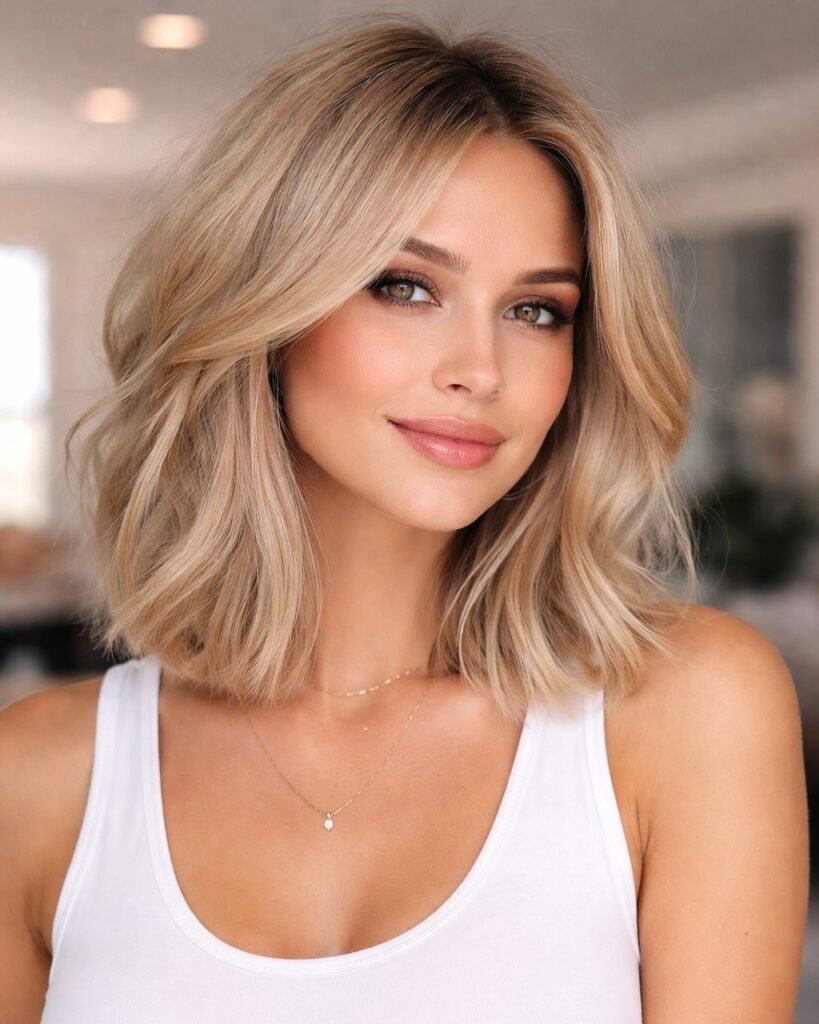
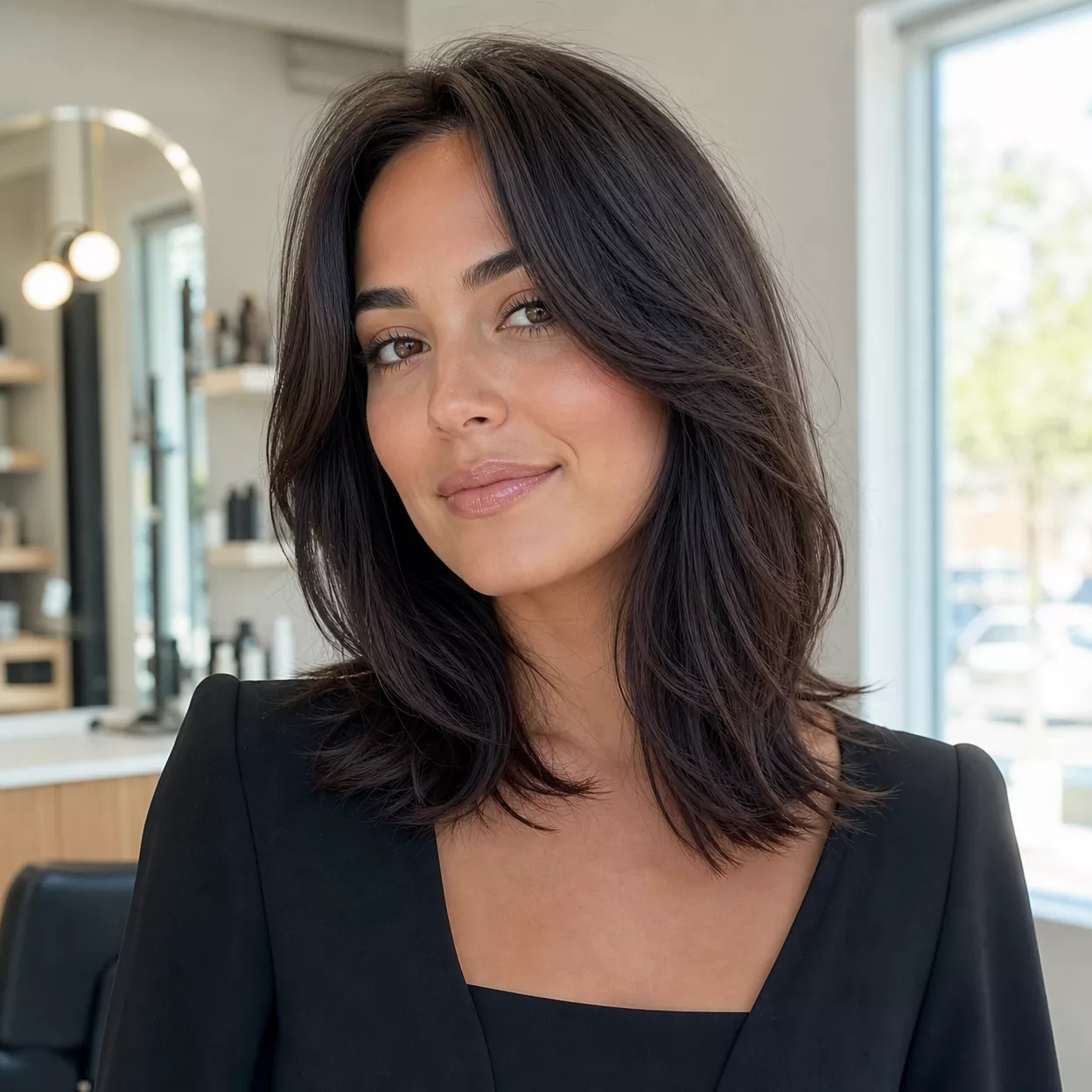
At collarbone length, a lob works across a range of textures with relatively little styling required, though the finish depends on the perimeter. A point cut at the ends softens a boxy, blunt line, while a cleaner, unlayered edge gives a more polished look that shows growth more visibly over time. It’s a reasonable length to start from if you’re not sure how much layering you want, since it can be adjusted in either direction at a later visit.
Curtain Bangs with Layers
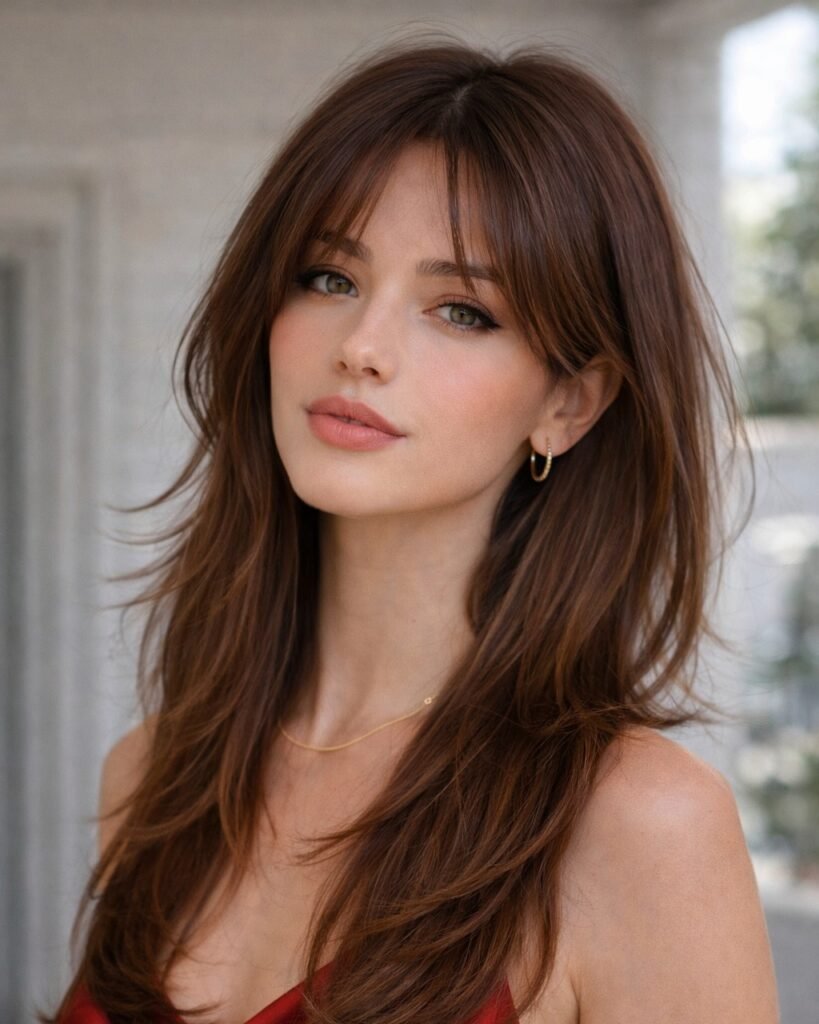
Curtain bangs part in the center and sweep outward, and how well they hold that shape depends on your natural part. Cut with the grain of your part, they tend to settle into place with minimal effort. Cut against it, they can drift back toward center over the course of a day. They also grow out more gracefully than a blunt fringe, blending into face-framing layers rather than needing a defined in-between stage.
Beachy Waves Lob
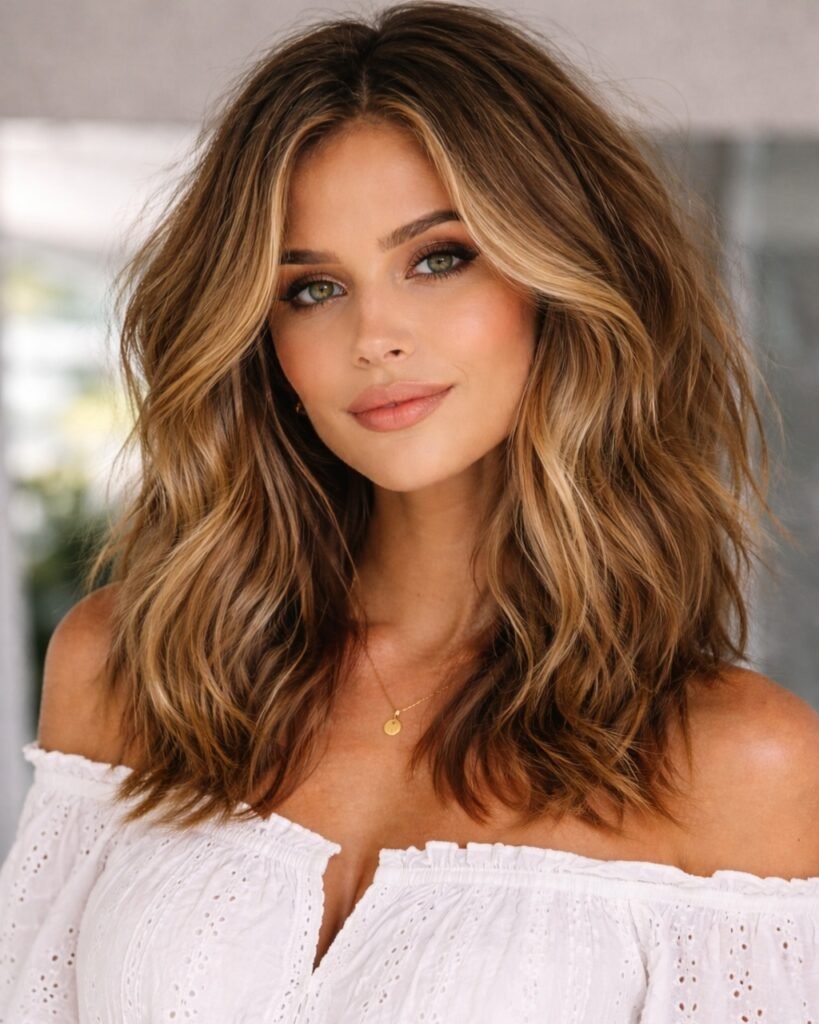
This is a finish more than a haircut. A lob styled with loose waves using a curling wand and finger-scrunched for texture can look relaxed, but on straight hair that look requires the wand each time, not an occasional touch-up. On hair with some natural wave already, the same styling routine takes less daily effort.
Textured Wolf Cut
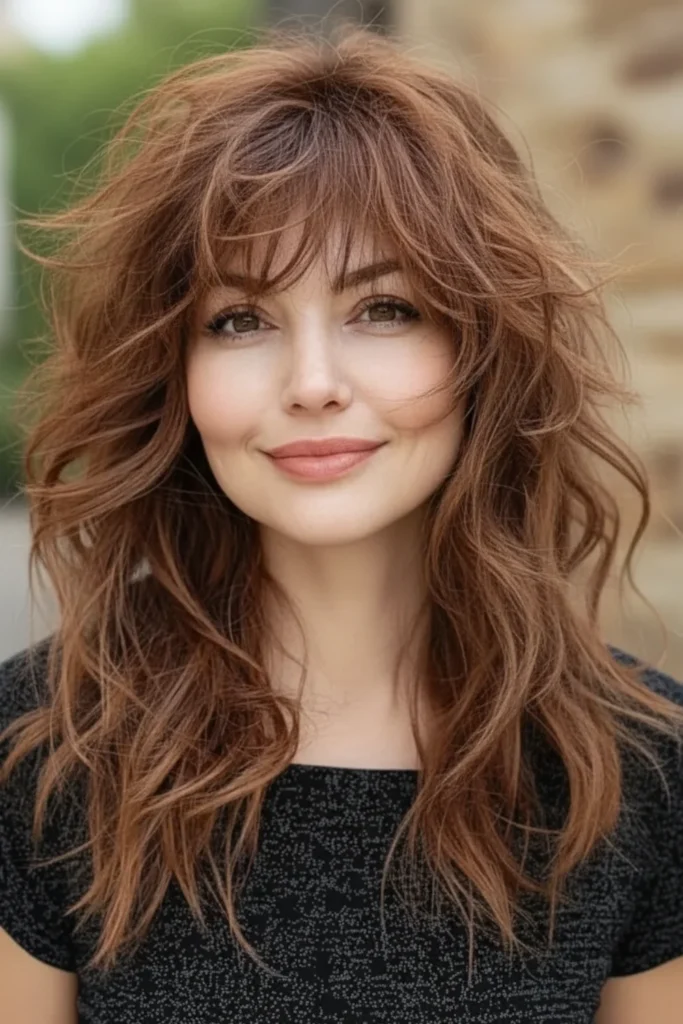
A wolf cut relies on heavy layering starting fairly high, often around the cheekbone, which removes a significant amount of weight from the mid-lengths. On thick or dense hair, that can reduce bulk and add movement. On finer or lower-density hair, the same amount of layering can leave the ends looking thin, so it’s worth discussing with your stylist how much weight your hair can spare before committing to heavy layers throughout.
Blunt Collarbone Cut
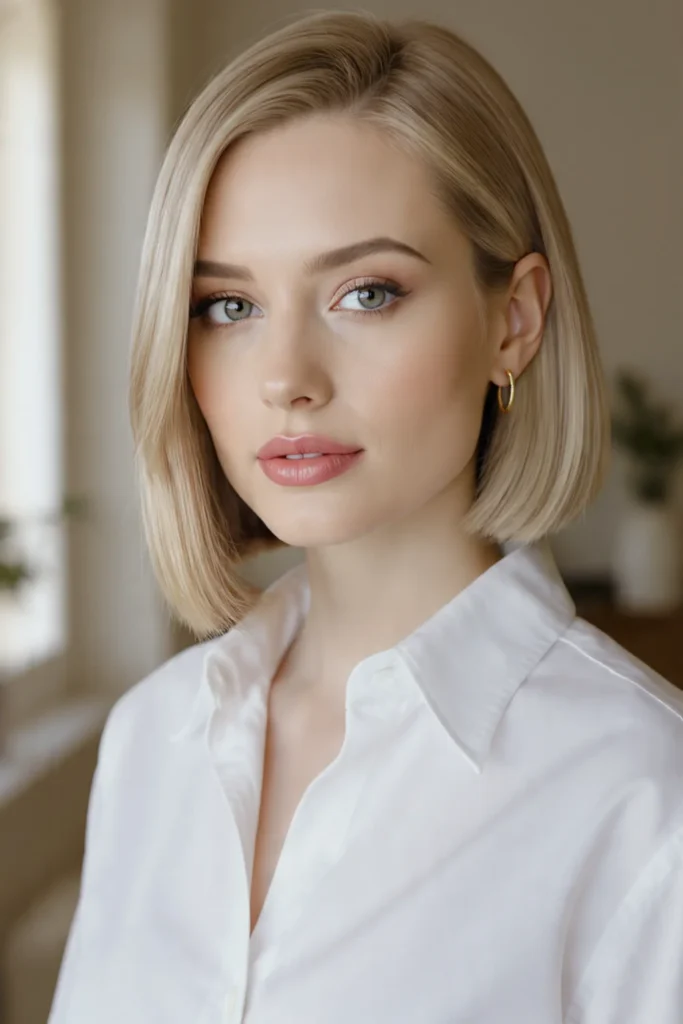
Keeping the perimeter blunt, with little to no layering, gives the eye a solid, unbroken line to read as fuller, which is part of why this cut is often suggested for fine to medium density hair. The trade-off is that a precise, unlayered edge shows growth clearly as it lengthens, so it tends to need more frequent trims than a softer, layered shape to keep that clean line.
Shaggy Layered Cut
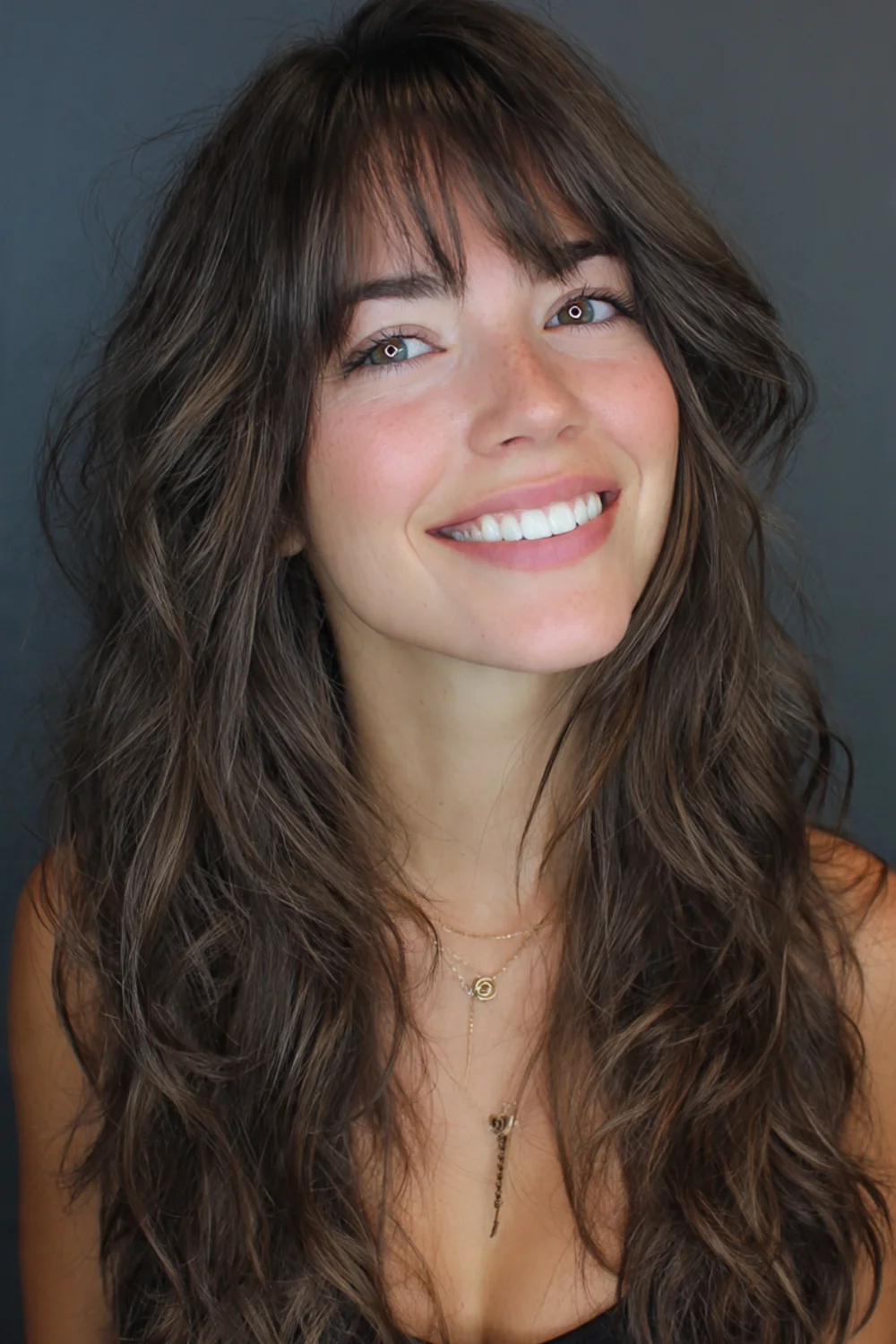
Layers cut at several different lengths create separation, and how much separation reads as texture versus thinness depends on density. Naturally wavy or curly hair tends to separate these layers on its own, while very straight, fine hair may need a texturizing product or some diffusing to get a similar effect rather than lying flat.
Sleek Middle Part Lob
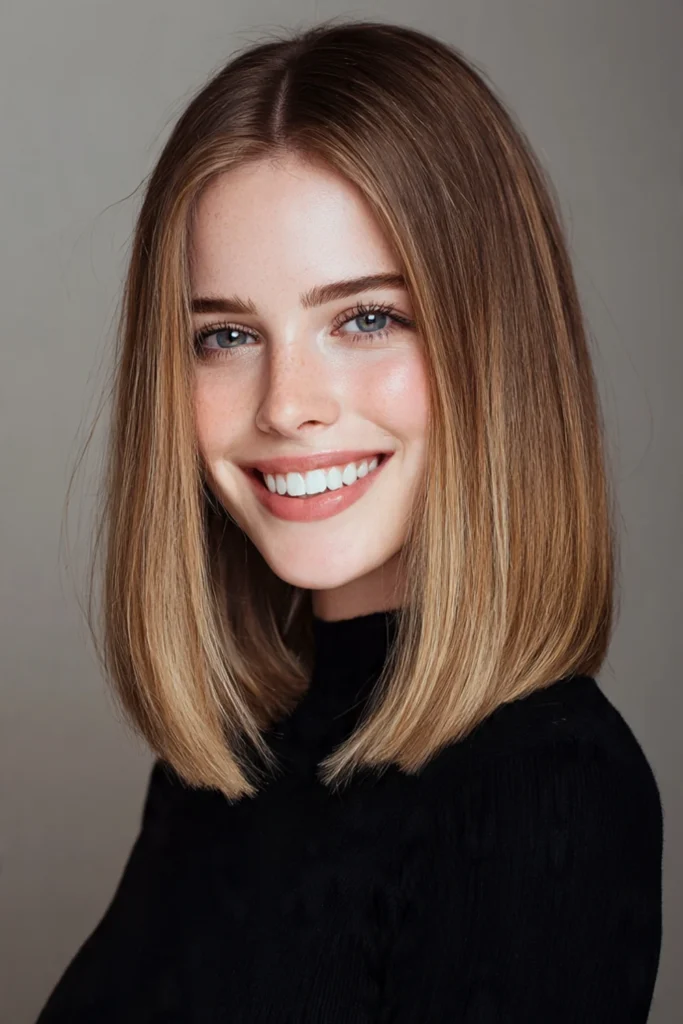
The cut itself is close to a classic lob. What changes the look is a smooth, center-parted finish achieved with a flat iron and a light serum. It’s a routine that depends on heat rather than the cut doing the work, and a center part exposes the crown, so flatness there is more visible than with a side part.
Face-Framing Layers
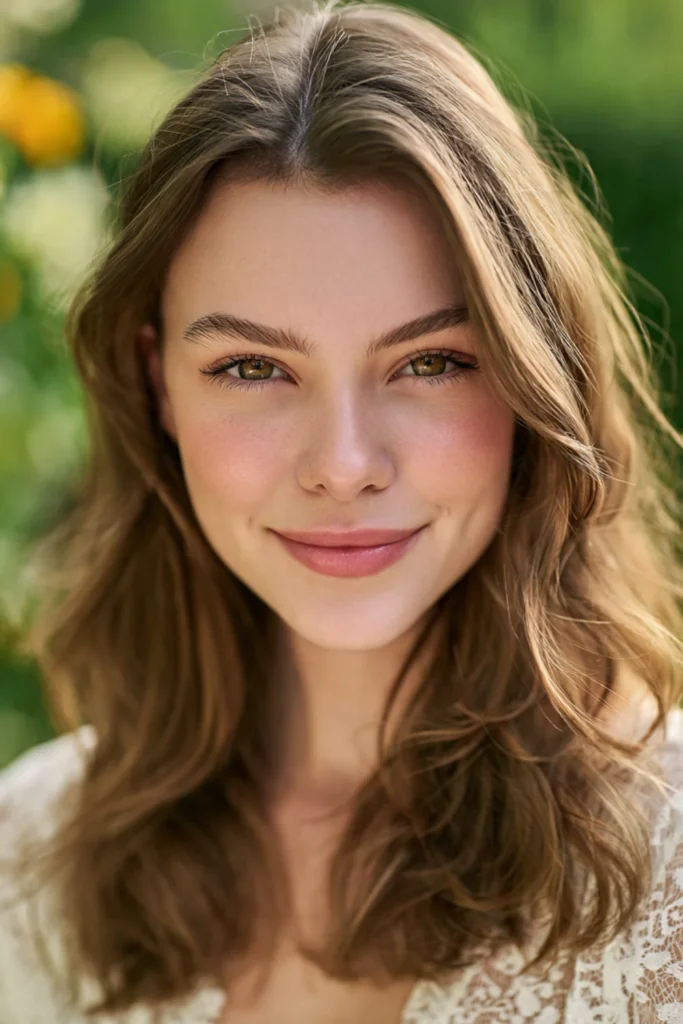
Where the face-framing pieces start, and how much shorter they are than the rest of the cut, decides how strong the effect is. Pieces cut a couple of inches shorter than the surrounding length draw the eye inward toward the cheeks and jaw, while a smaller difference gives a subtler transition. It’s a cutting decision that can be added to several of the other structures on this list rather than a haircut on its own.
Collarbone Bob with Soft Waves
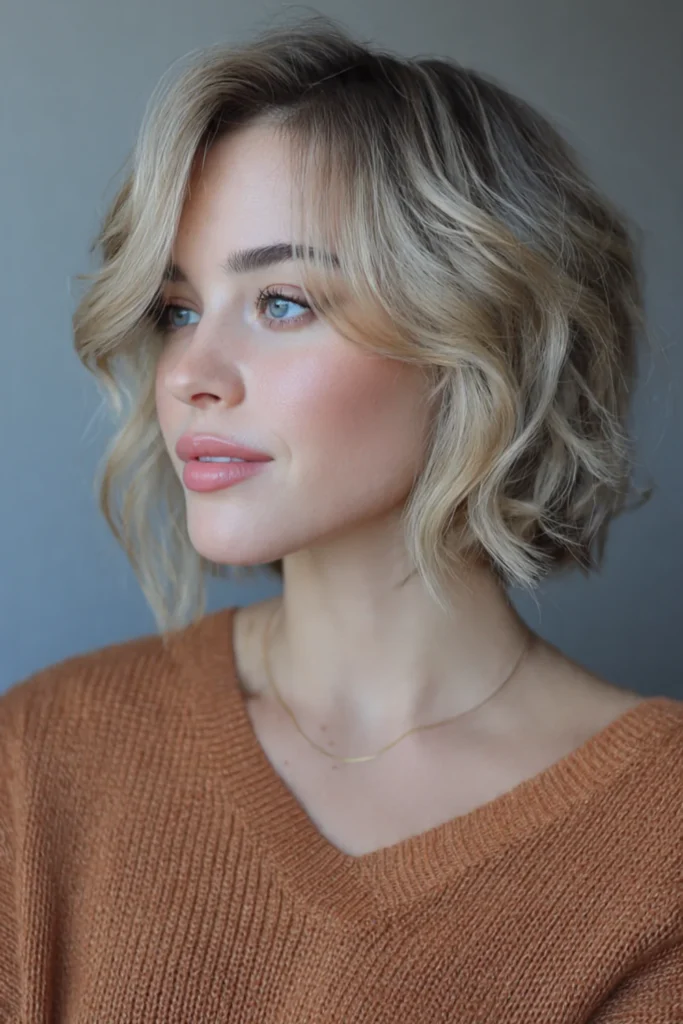
This sits between a bob and a lob in length, and the finished look depends heavily on the waves layered on top. Loose curls from a large-barrel wand add movement that a straight version of the same length wouldn’t have. Running fingers through the curls rather than brushing them keeps the separation from collapsing into one smooth wave.
Choppy Textured Bob
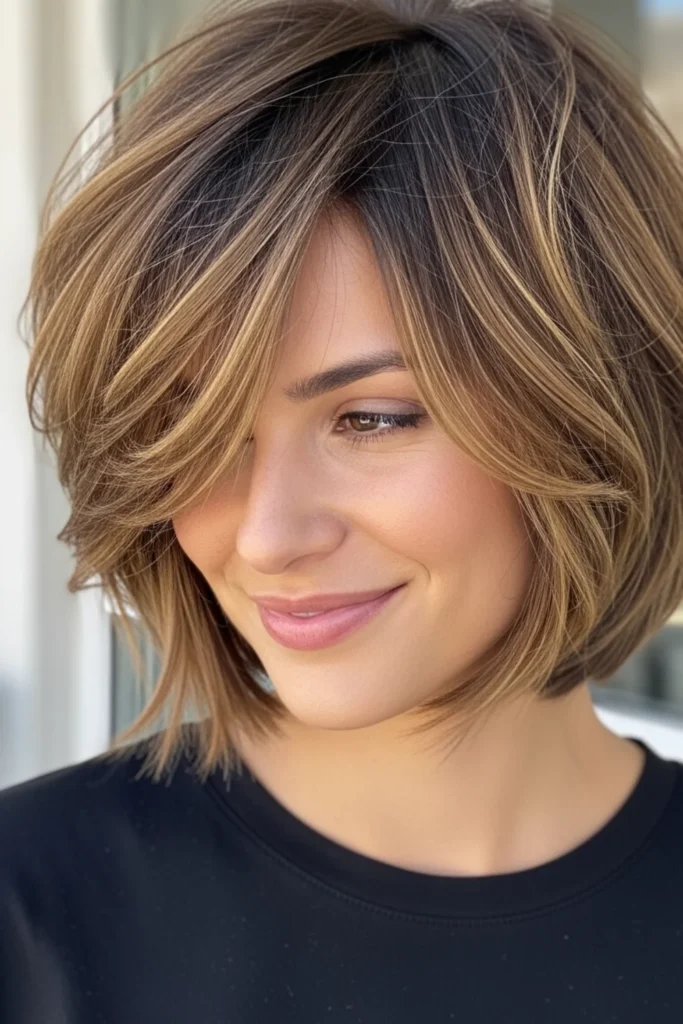
Uneven, choppy ends create texture that tends to hold up well as the cut grows, since the irregular line doesn’t rely on a precise edge the way a blunt cut does. It generally suits thicker or coarser hair better than very fine hair, since the choppiness depends on enough density to fill in the gaps between the ends.
Soft Feathered Layers
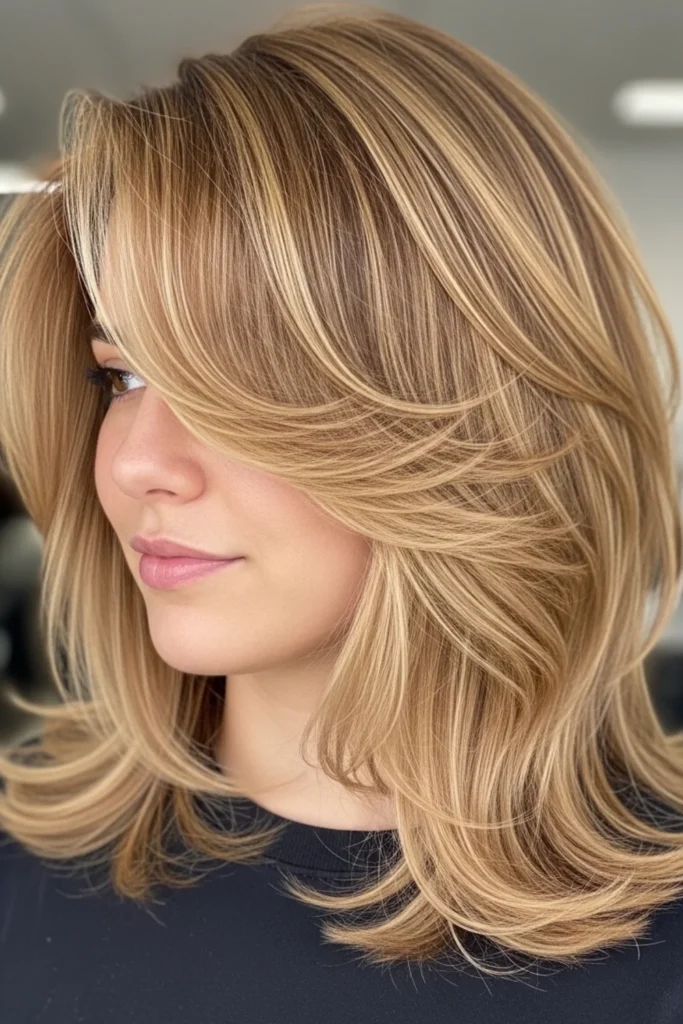
Feathering, often done with a razor rather than straight scissors, tapers the ends into a softer, less blunt finish. On fine to medium density hair this can create a lighter-looking result at the perimeter, though heavy razoring on hair that’s already sparse at the ends can leave them looking wispy rather than soft, so it’s worth asking how much the technique will be used.
C-Curl Blowout Lob
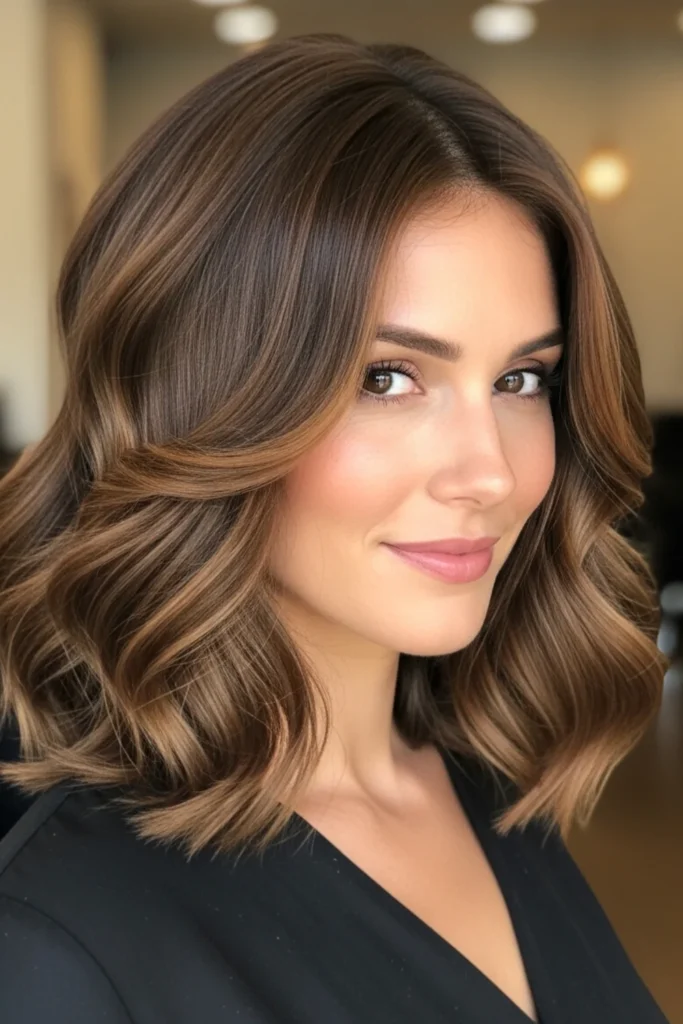
Curling every section in the same direction and brushing it out afterward creates a uniform, rounded shape rather than a wavy or piecey one. It’s a blow-dry technique that can be applied to most of the cuts on this list, and it generally takes more time than air-drying, since every section needs to be curled individually before being brushed smooth.
Wispy Bangs with Medium Layers
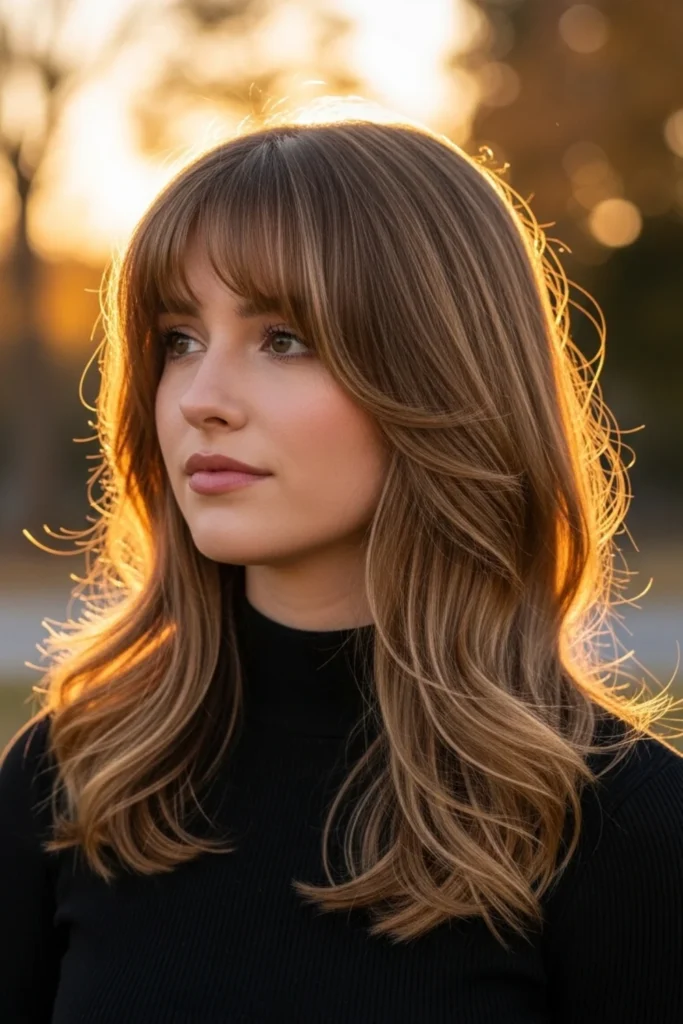
Wispy bangs are cut lighter than a full, blunt fringe, which means less density is needed at the front to make them work, though on very sparse hair even a wispy bang can look thin. They blend into medium layers rather than standing apart, and they generally need touch-ups roughly every three to four weeks to stay out of the eyes.
Asymmetrical Medium Cut
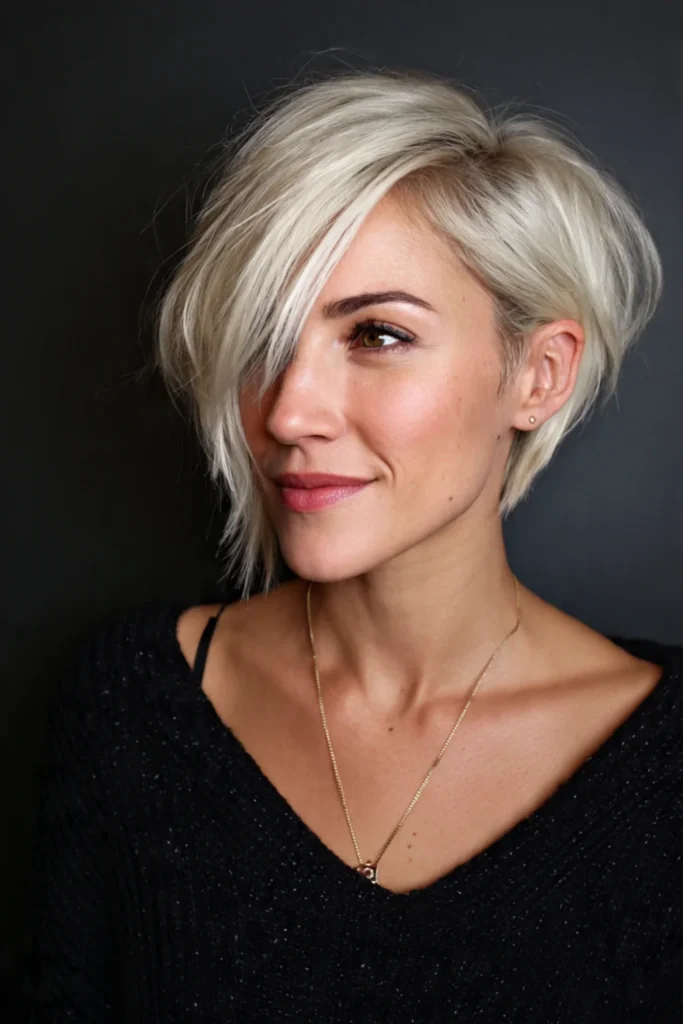
An uneven length between the two sides is the main feature here, and it’s also what makes the cut noticeably change as it grows. The shorter side lengthens first relative to the longer one, so the asymmetry becomes less pronounced over time unless it’s maintained with more frequent trims than a symmetrical cut would need.
Layered Shag with Curtain Bangs
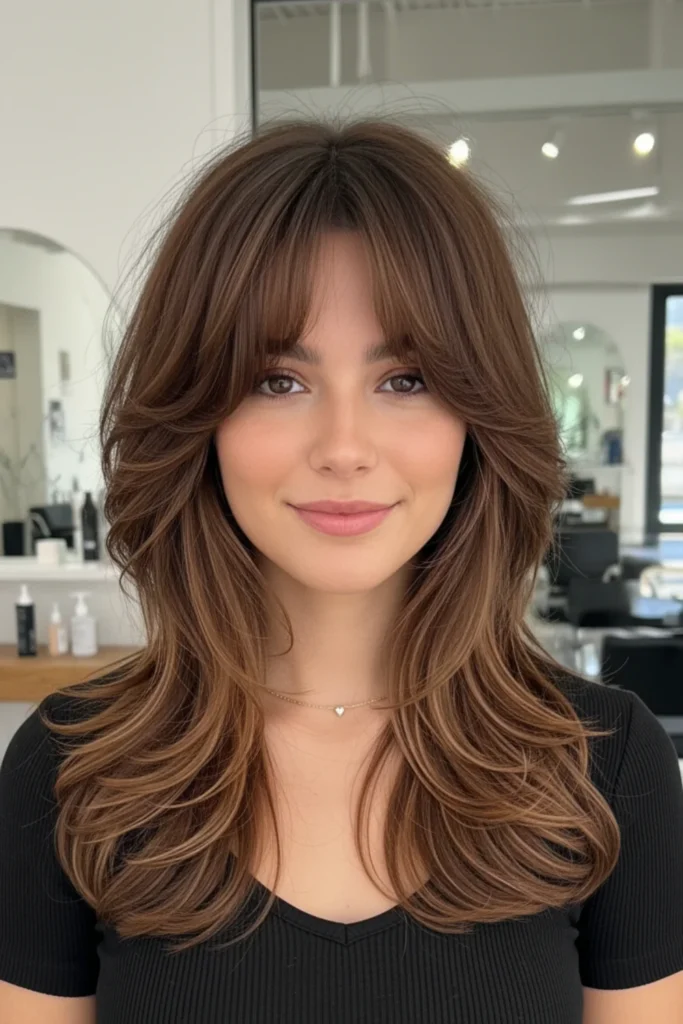
This combines two separate decisions: shag layering through the length and a curtain bang at the front. Together they add more moving parts to maintain than either alone, since the layers need reshaping as they grow and the bangs need their own trim schedule. A sea salt or texturizing spray on damp hair tends to bring out the shag’s texture more than a smooth blow-dry would.
Sleek Straight Collarbone Cut

With minimal layering, this relies on a smooth finish to look polished, which generally means it suits naturally straight hair or hair you’re willing to straighten regularly. A heat protectant before ironing matters more here than on more textured cuts, since the smooth, exposed surface shows dryness and damage more visibly.
Voluminous Blow-Dry Layers
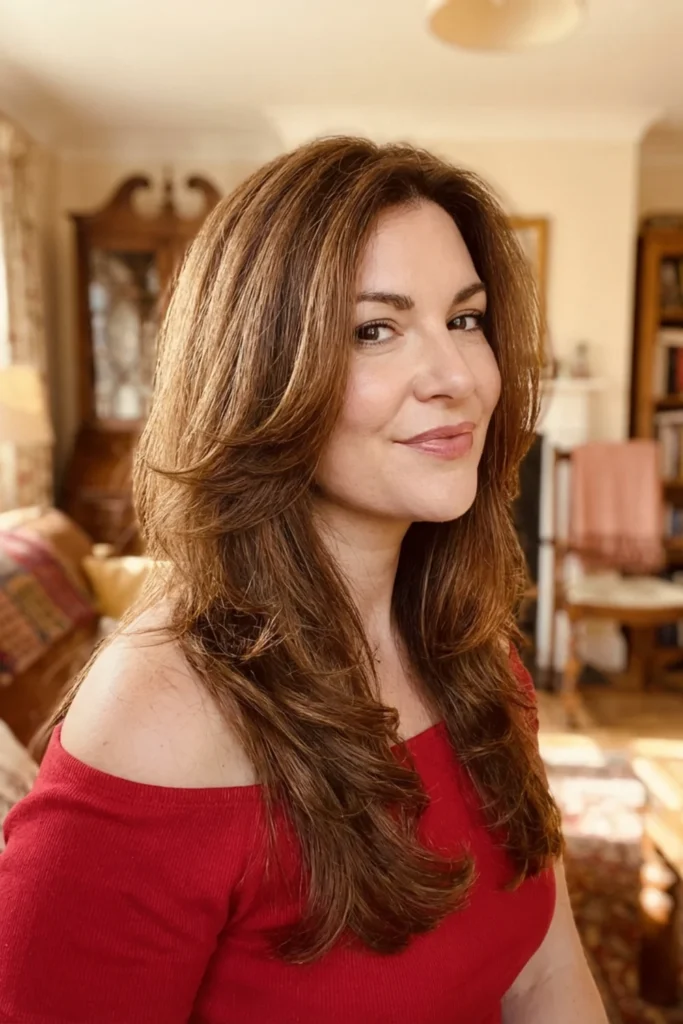
The volume here comes from a round-brush blowout with mousse applied at the roots, directing heat and lift specifically at the base of the hair. It’s a technique that can be applied to layered cuts generally rather than a distinct haircut, and the lift tends to soften over the course of the day unless refreshed.
Natural Curly Medium Length
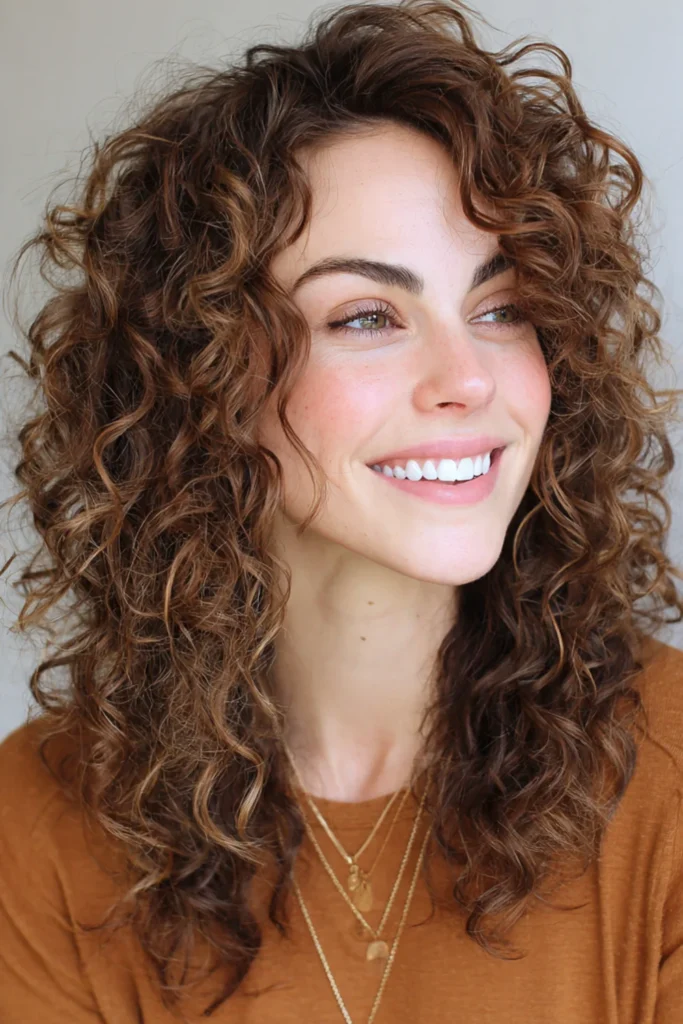
Curls shrink as they dry, sometimes significantly, so length is often better judged on dry, unstretched hair than on wet hair. Cutting curls dry, a technique some stylists specialize in, can help avoid a length that looks right wet but sits much shorter once it springs up. Refreshing day-two curls with a light water and conditioner mix can revive definition without a full rewash.
Side-Swept Layers
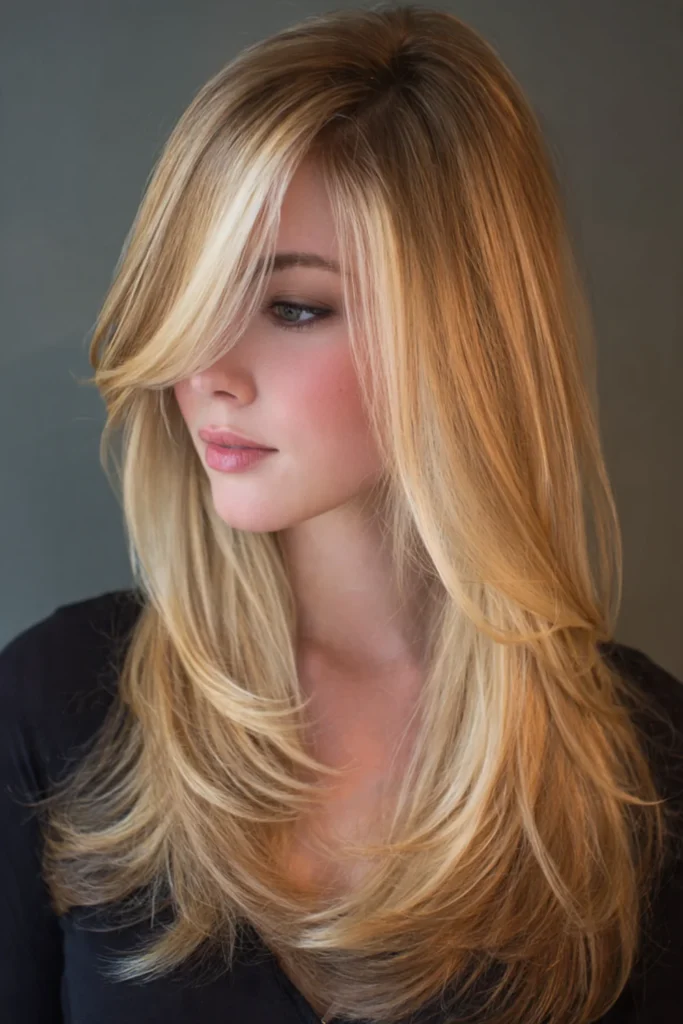
A deep side part combined with flowing layers creates a stronger diagonal line through the style, which some people prefer if they want less emphasis on horizontal width. It works with a range of face shapes and hair types, and the effect depends more on how deep the part is and how much layering supports the sweep than on any universal outcome.
Tousled Textured Lob
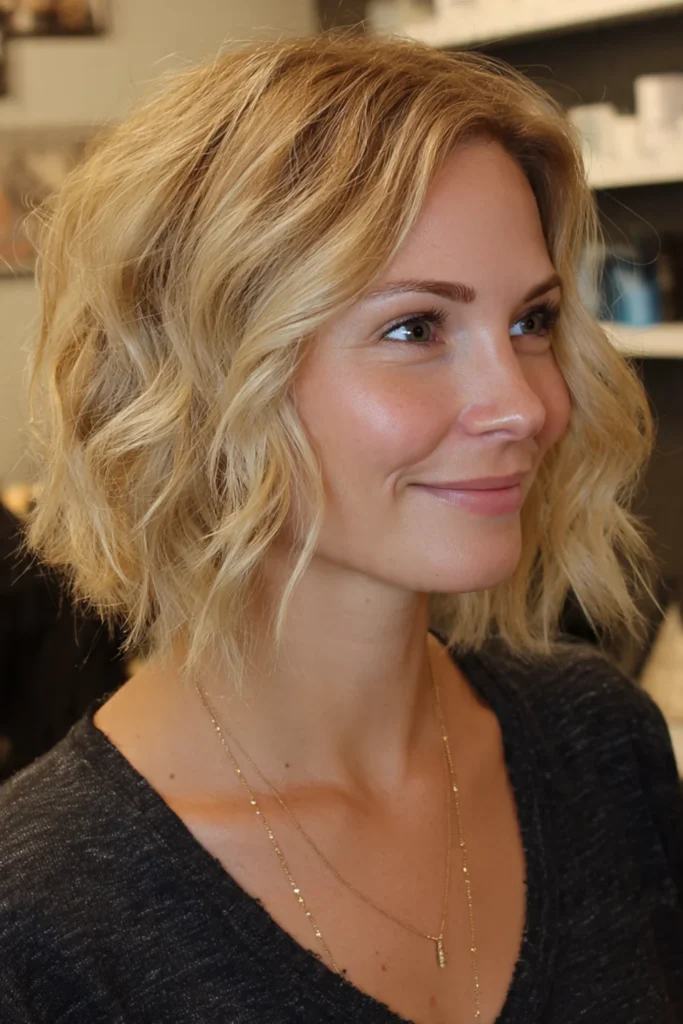
A texturizing spray scrunched into damp hair, left to dry without much intervention, gives a lived-in finish. This depends on your natural texture cooperating. On hair with some wave or bend already, it can look intentional with very little effort. On very straight, fine hair, the same routine may fall flatter than the reference photo shows.
Layered Bob with Flipped Ends

The flipped ends here come mostly from styling: rolling the ends around a large round brush while blow-drying and finishing with cool air to set the shape. The cut needs enough length and a fairly clean perimeter for the flip to read clearly, but the flip itself doesn’t hold without the blow-dry technique behind it.
Honey Blonde Balayage on Medium Layers
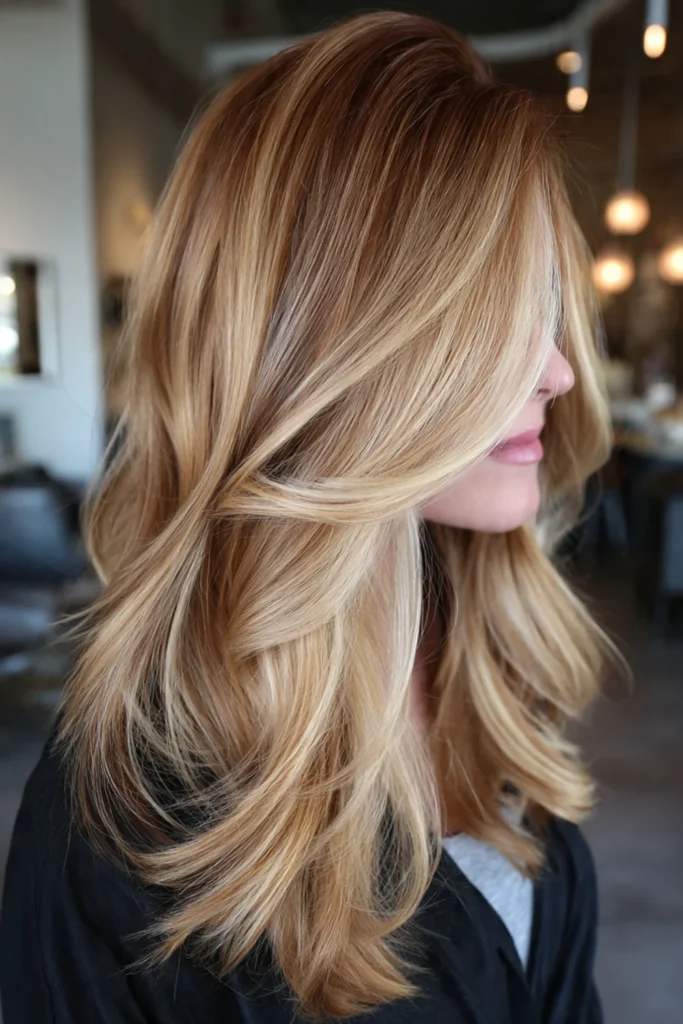
Balayage is hand-painted, so it tends to grow out with a softer, less noticeable root line than an all-over color. Warmer tones like honey blonde can pull brassy over time, and a purple shampoo used periodically can help hold the intended shade between salon visits.
Blunt Bob with Curtain Bangs
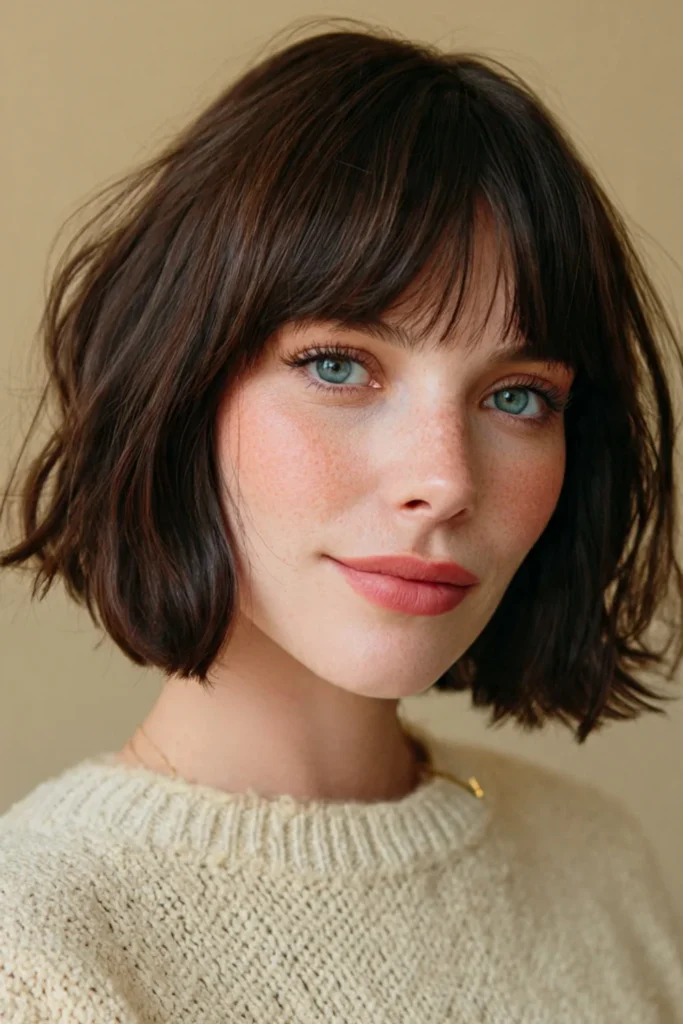
This pairs a defined, largely unlayered bob with a softer curtain bang, so the contrast between the precise perimeter and the more relaxed fringe is part of the design. The bob length holds its shape for a while, but the bangs need more frequent attention, generally a trim every four weeks or so, to keep their shape and stay out of the eyes.
Soft Boho Waves
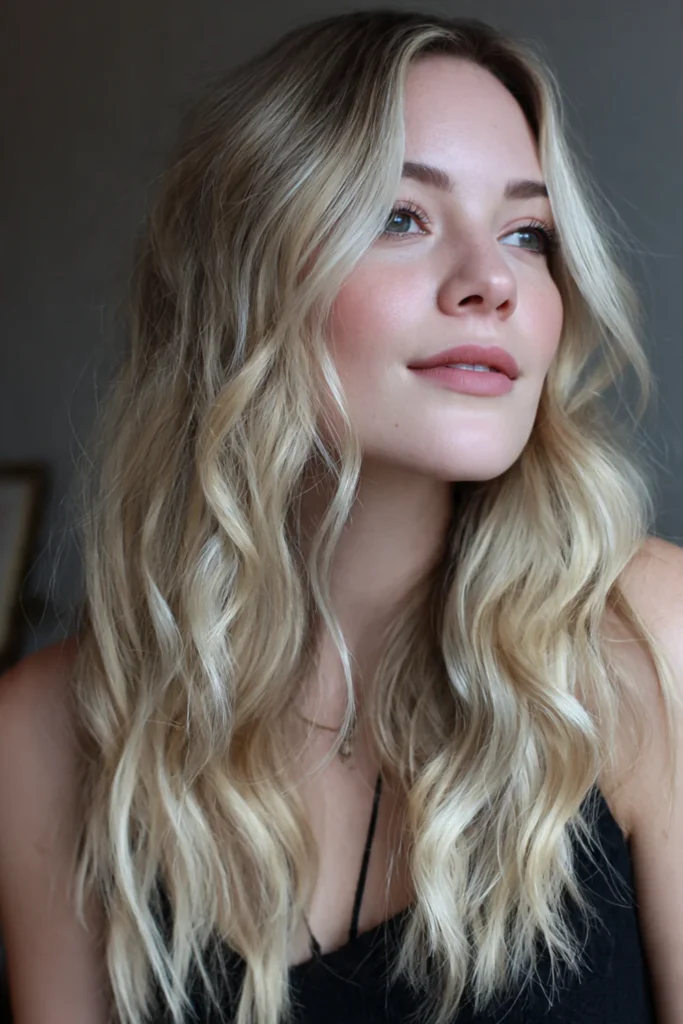
Braiding slightly damp hair overnight and releasing it in the morning creates loose waves without heat tools. How well the wave holds through the day depends on your hair’s texture and how much product, if any, is used to set it. A light mist of hairspray on the braid before sleeping can help the shape last longer.
Sleek Ponytail-Friendly Lob
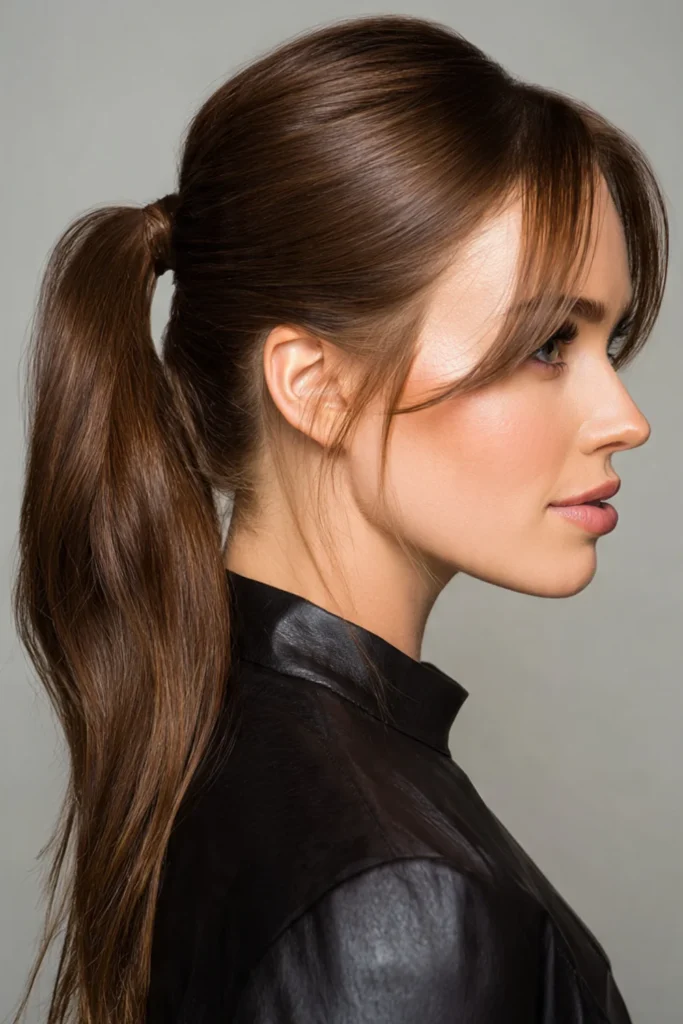
Sitting just below the collarbone, this length is generally long enough to pull into a small ponytail, which matters if you switch between wearing your hair down and pulled back. Adding layers keeps the down style from feeling flat, though heavier layering near the front can leave shorter pieces that won’t stay in the ponytail.
Piece-y Textured Lob
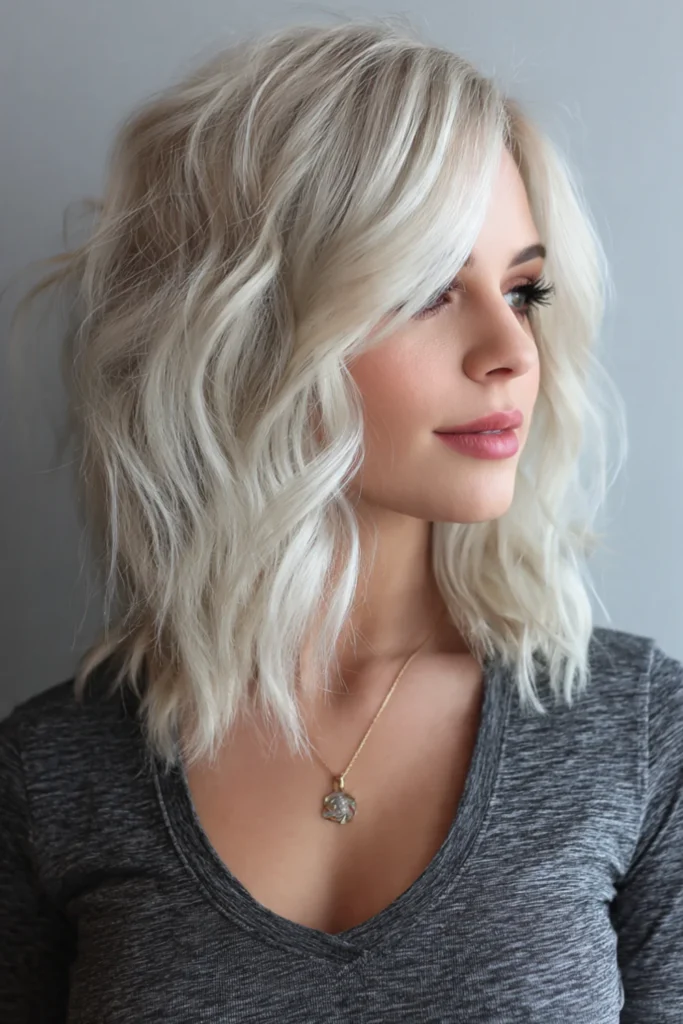
Distinct, separated pieces come from point cutting and a small amount of product worked through dry hair rather than from heavy layering throughout. It’s a subtler kind of texture than a wolf cut or heavily choppy bob, and it tends to suit medium to thicker hair better, since finer hair may not have enough density to hold the separation.
Wavy Shag with Fringe
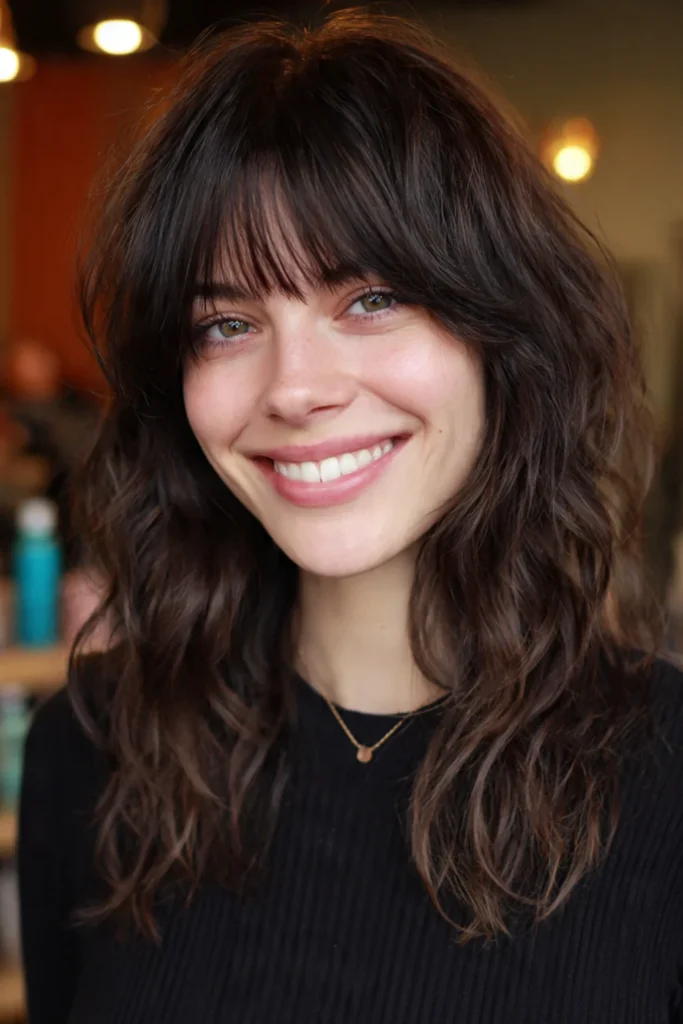
Unlike the curtain and wispy bangs described earlier, this uses a full fringe cut across the forehead, which needs more density at the hairline to avoid looking sparse and generally asks for more frequent trims to maintain the line. Paired with shaggy, wavy layers through the rest of the cut, the fringe becomes the more structured element against a looser overall shape.
Smooth Blowout with Side Part
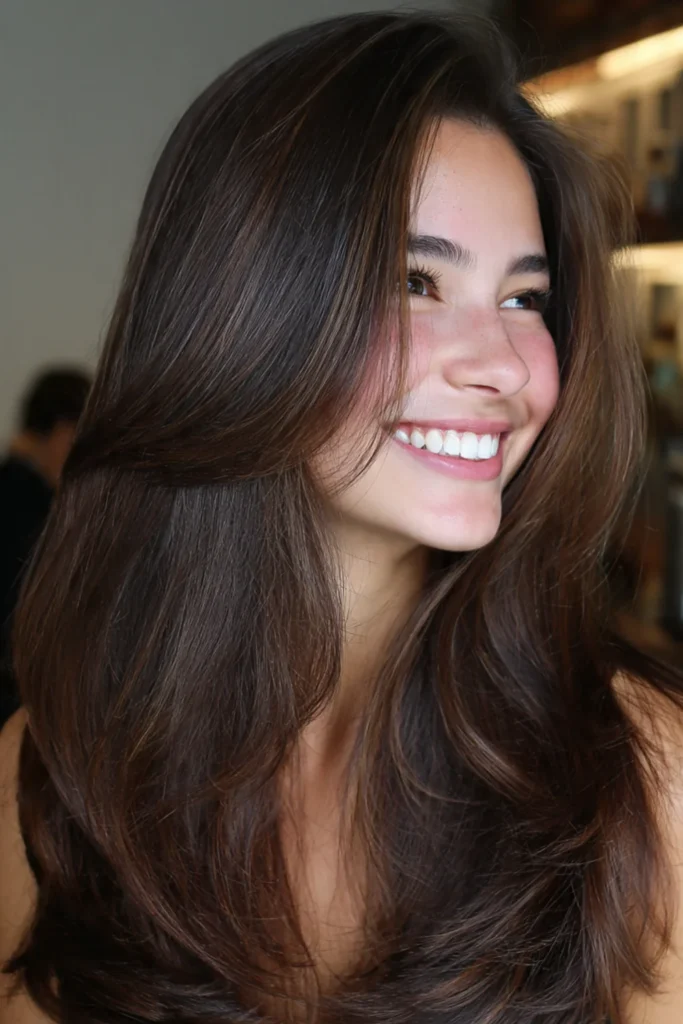
A polished, smooth finish with a deep side part works across a range of occasions, but it depends on a blow-dry and, often, a boar bristle brush for shine, rather than on any particular cut. It suits straight or wavy hair that responds well to brushing during drying, and it generally needs to be redone each time rather than holding over several days.
Copper or Auburn Toned Layers
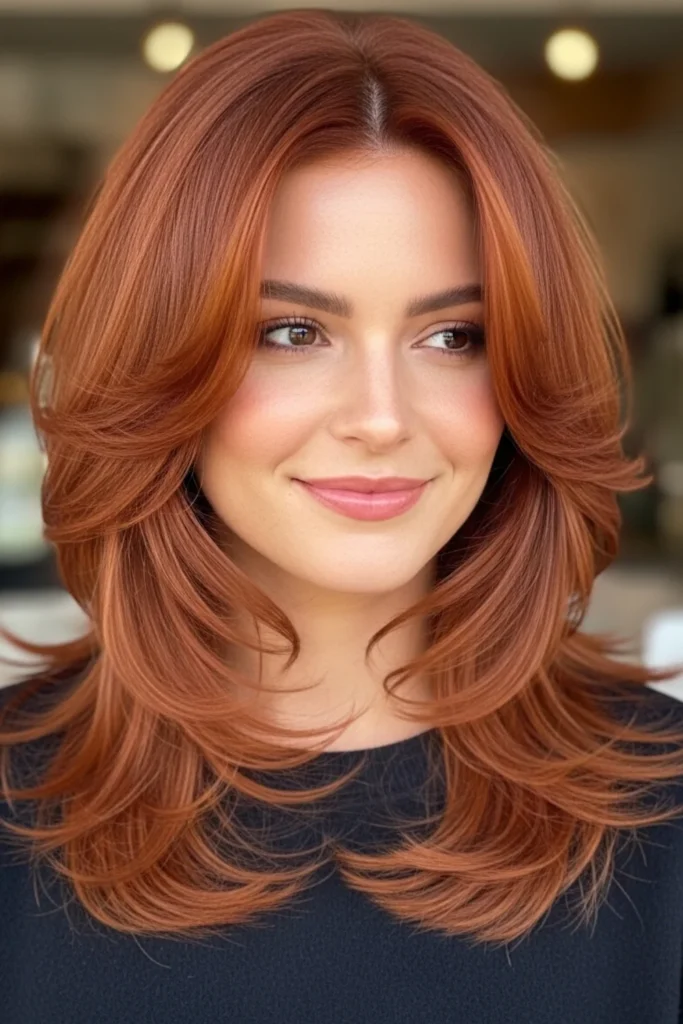
Warm copper and auburn tones sit on top of an existing layered cut rather than changing its shape. These shades tend to fade faster than cooler tones, and a gloss treatment can help maintain vibrancy between color appointments. Washing in cooler water can slow fading somewhat, though it isn’t a guarantee against it.
Bixie Cut (Bob-Pixie Hybrid)

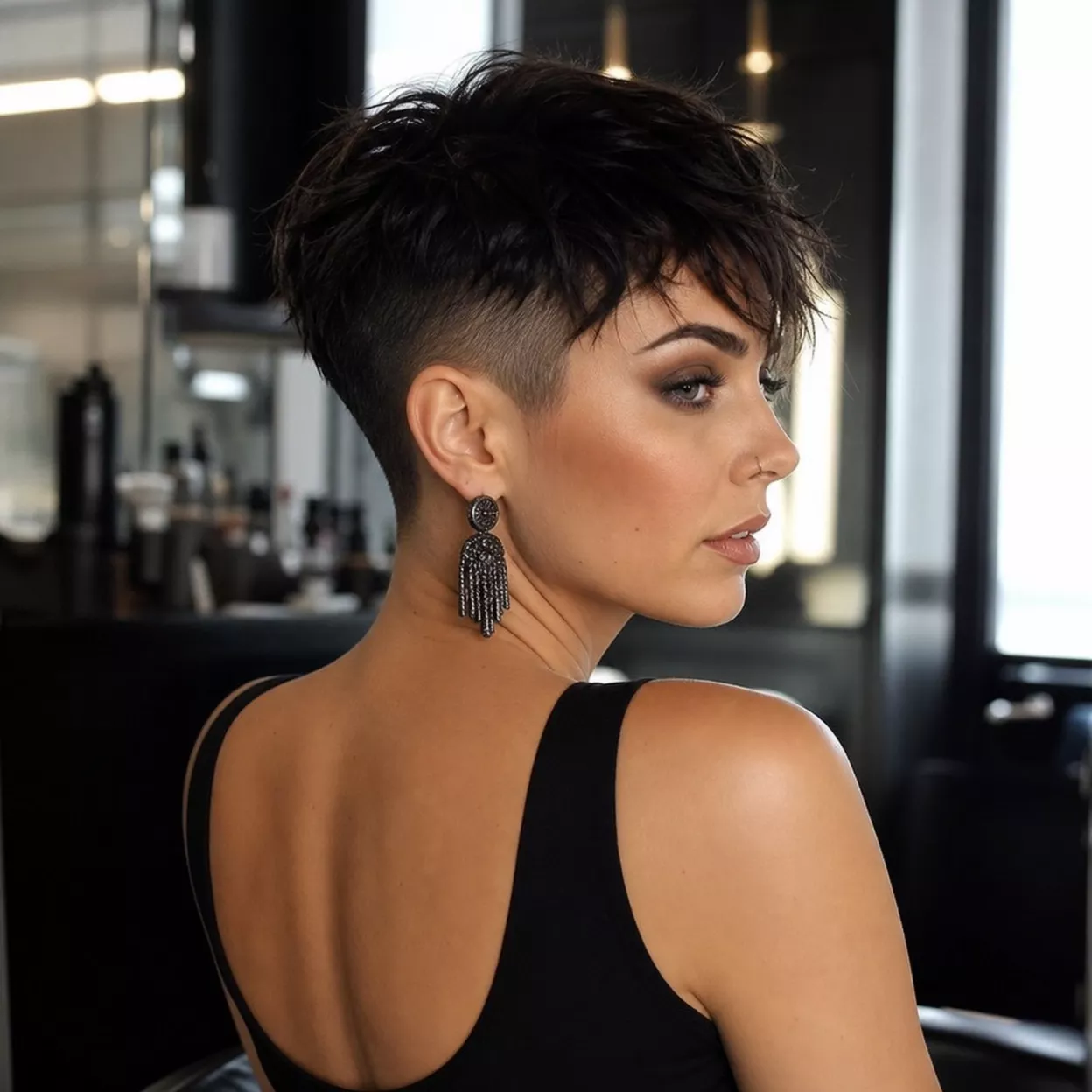
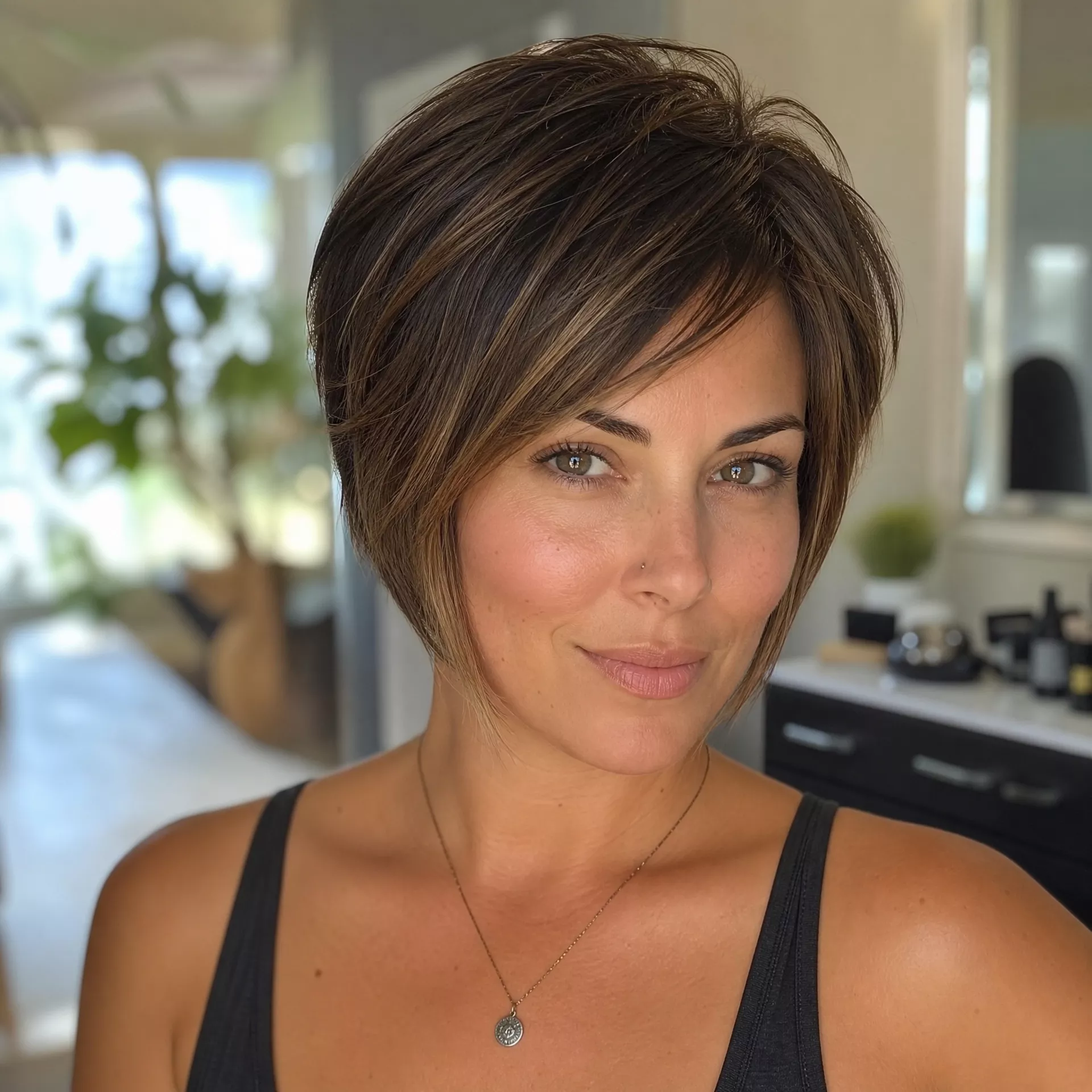
Shorter through the back and longer at the front, a bixie sits between a pixie and a bob. The longer front sections make the transition from a bob less abrupt than going straight to a full pixie, and the shorter back generally needs less frequent shaping than the front, which can go longer between trims if you like the layered, textured look as it grows.
Straight Across Bangs with Lob
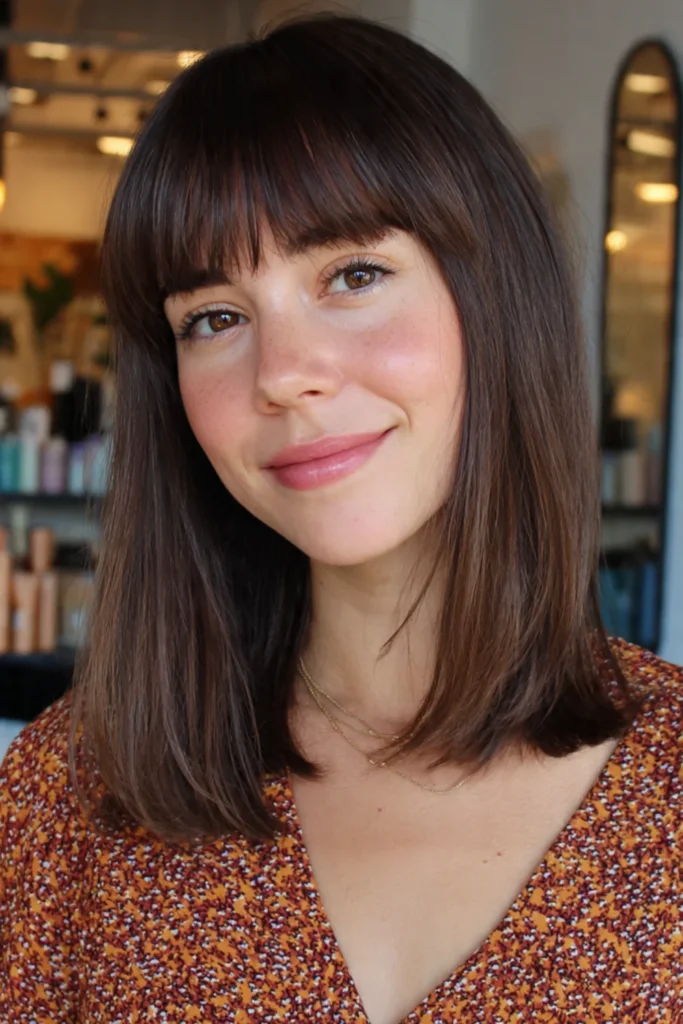
A full, blunt fringe paired with a lob is a bigger commitment than the curtain or wispy bang versions covered earlier. It needs reasonable density across the forehead to look intentional rather than thin, and a blunt line grows out faster into your eyeline than a softer fringe would, so this version tends to need trims every three to four weeks.
Layered Lob with Money Piece Highlights
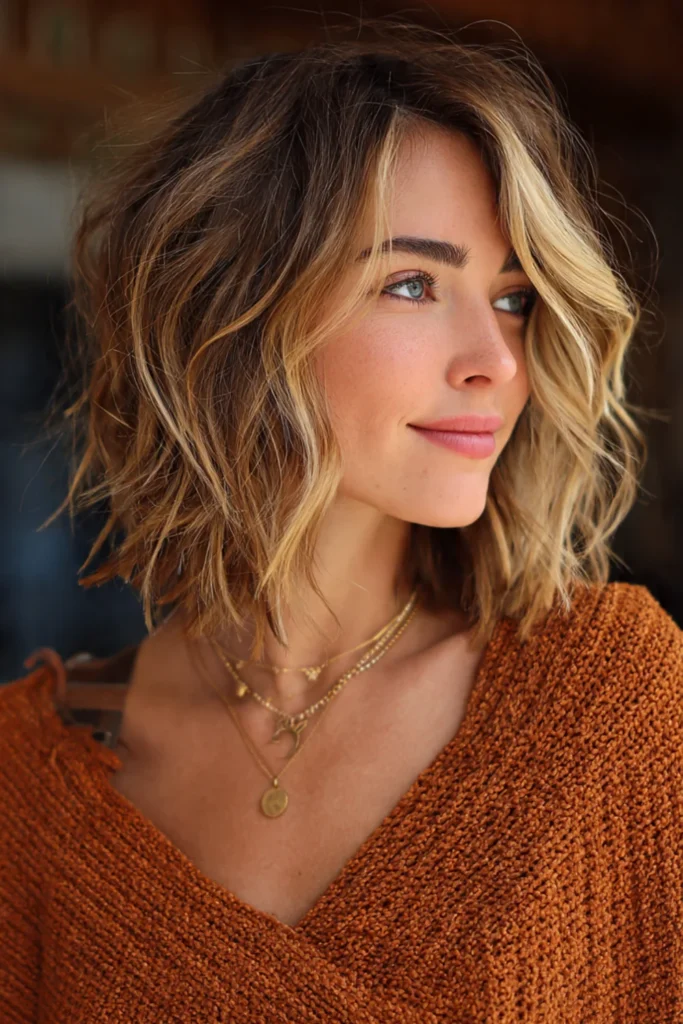
A money piece limits lighter color to two face-framing sections rather than highlighting throughout, which is a lower commitment than a full head of balayage or highlights. Because it sits close to the hairline, a soft root blend helps it grow out without a hard, obvious line.
Effortless Air-Dried Medium Cut
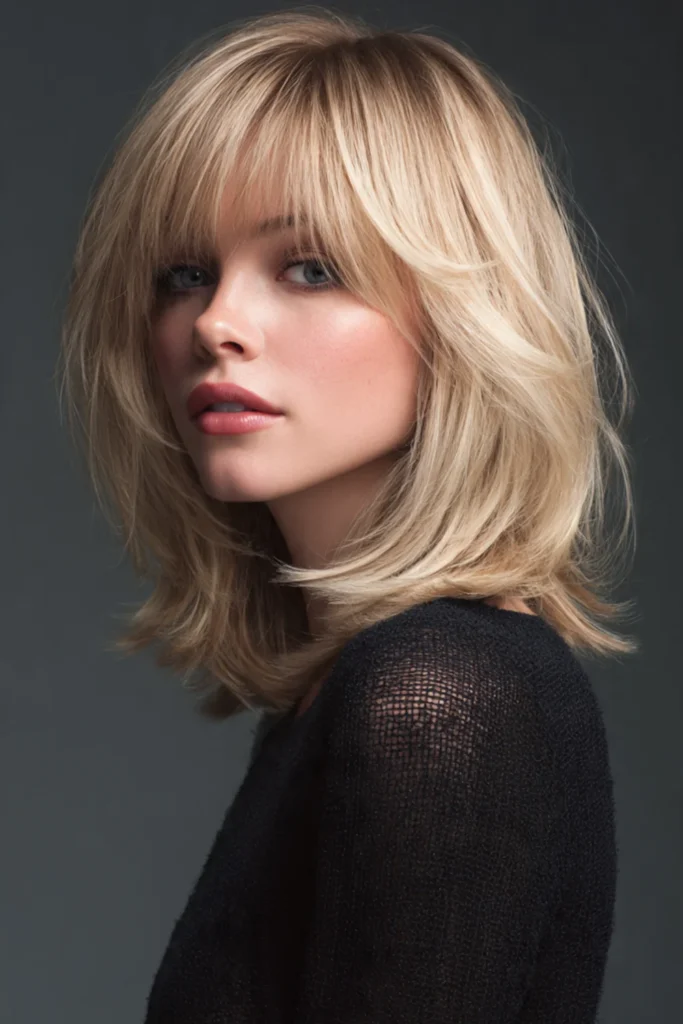
Built specifically to be worn without heat tools, this depends on how well your natural texture cooperates once it’s cut for that purpose. A stylist working toward a wash-and-go result will usually ask about your natural texture and styling habits before deciding where to place layers, since the same cut that air-dries well on wavy hair may need more encouragement on straighter hair.
How to Narrow Down Your Choices
- Fine hair: Look toward fewer, longer layers and a perimeter that stays fairly intact, such as the Classic Lob, Blunt Collarbone Cut, or Soft Feathered Layers.
- Thick hair: Heavier layering and weight removal, as in the Textured Wolf Cut or Choppy Textured Bob, generally have more room to work without looking thin.
- Wavy hair: Cuts that lean into natural movement, like the Shaggy Layered Cut or Layered Shag with Curtain Bangs, tend to need less daily styling than sleek, straight options.
- Curly hair: The Natural Curly Medium Length benefits from being cut dry, with length judged after shrinkage rather than before it.
- Minimal styling: The Effortless Air-Dried Medium Cut and Tousled Textured Lob are built around natural texture rather than heat tools, though results still depend on what your hair actually does on its own.
- Frequent ponytails: The Sleek Ponytail-Friendly Lob is cut with that in mind; heavier face-framing layers on other cuts can leave pieces too short to pull back.
- Considering bangs: Curtain and wispy bangs generally ask less of your trim schedule than a full, blunt fringe like the ones on the Straight Across Bangs with Lob or Wavy Shag with Fringe.
- Wanting maximum flexibility: A moderately layered lob without a strong bang or a deep side part tends to adapt most easily between styled and air-dried days.
What Can Go Wrong With a Medium-Length Cut
- Layers starting too high can remove more weight than fine hair can spare, leaving the ends looking sparse.
- Too much weight removed overall from an already fine or low-density head can make the cut look thinner than intended.
- A blunt perimeter growing out unevenly, particularly if trims are delayed past the point the shape can hold.
- Waves or curls shrinking more than expected, leaving a cut shorter once dry than it appeared during the appointment.
- Bangs cut against the natural part, which can cause them to sit awkwardly or drift out of place within days.
- A cut landing at collarbone length in a way that flips outward or looks unfinished, since that exact length sometimes catches at an awkward point depending on the shoulder line.
- A cut marketed as low-maintenance turning out to need daily styling, particularly if it depends on natural texture that doesn’t quite match what the reference photo assumed.
What to Tell Your Stylist
- Where will the perimeter sit once my hair is dry, not just right after cutting?
- How much weight are we removing, and can we be conservative to start?
- Where will the shortest layer begin?
- Will my natural wave or curl change the finished length?
- Can I still put this into a ponytail comfortably?
- How much daily styling will this actually require?
- How will this grow out, and when should I come back for a trim?
Frequently Asked Questions
Choosing What Fits
There isn’t one medium-length cut that works the same way on every head. What actually decides the result is your hair’s density, how it behaves dry versus wet, how much layering it can spare without looking thin, and how much time you’re willing to spend styling it. Bring a photo to your consultation, but bring an honest sense of your own texture and routine too, since that combination will tell your stylist more than the picture alone.