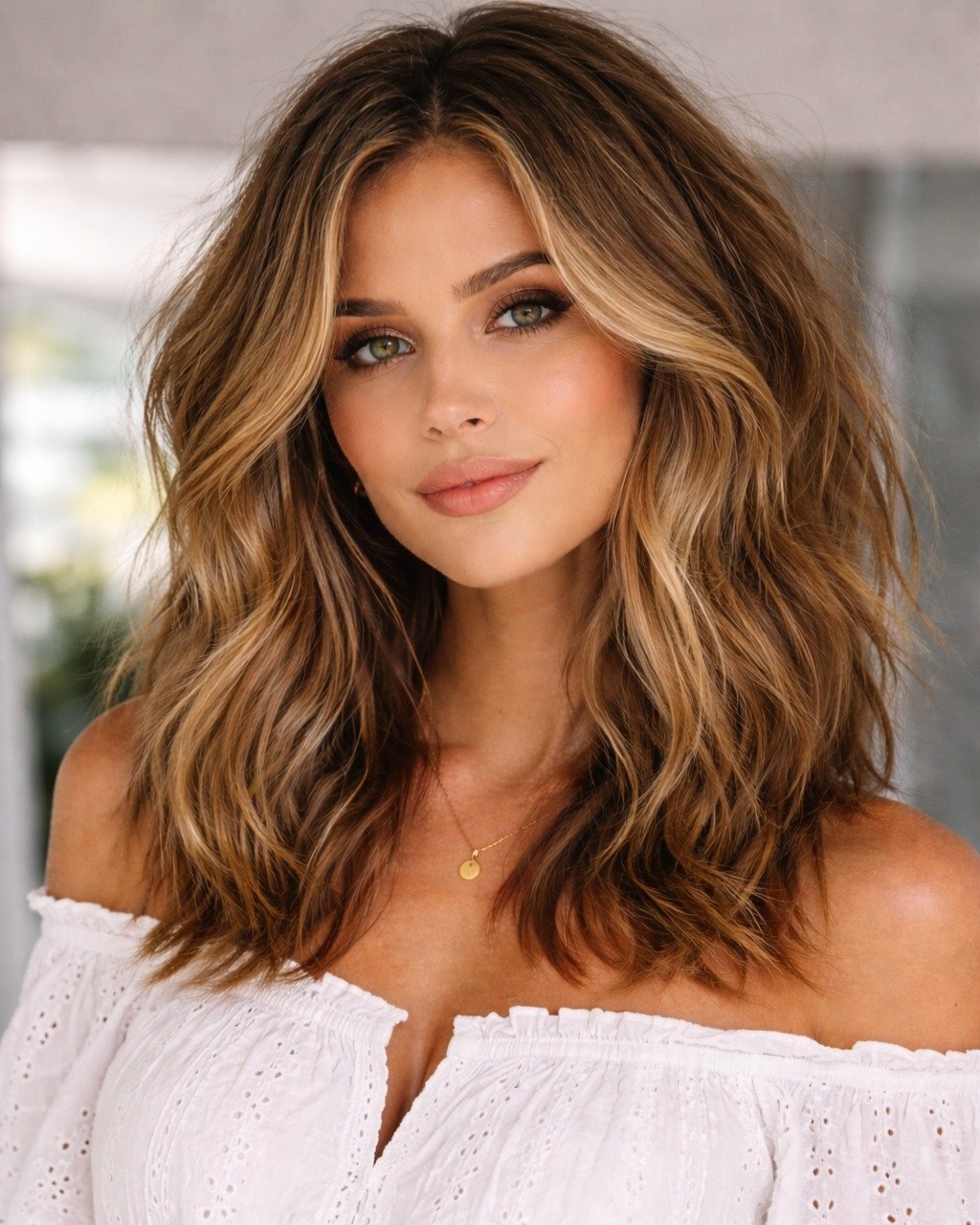
37 Medium Length Hairstyles for Women Over 40, and How to Choose the Right One
Medium-length hair sits between short and long, but that does not mean every medium cut behaves the same way. A blunt collarbone cut can preserve weight and create a clean outline, while a heavily layered style can remove weight and create more movement.
For women over 40, choosing a medium-length hairstyle is less about finding one universally flattering cut and more about matching the shape to your hair’s density, natural texture, growth pattern, styling routine, and preferred level of maintenance.
The 37 styles below include bobs, lobs, shags, layered cuts, bangs, curls, and color variations. Use them as references, then consider how each option would work with your actual hair and daily routine.
Before You Choose a Medium-Length Cut
Hair density. Fine strands and low overall density are not the same thing. A haircut can behave differently depending on both: you can have fine hair that’s still dense, or coarser hair that’s low in density, and each responds differently to layering.
Natural texture. Straight, wavy, and curly hair may produce very different results from the same haircut, even at the same length and with the same layering.
Natural part and growth pattern. Cowlicks, parting direction, and hairline patterns can affect where layers and bangs actually sit once the cut grows in.
Styling routine. Consider whether you normally air-dry, blow-dry, curl, straighten, or use a mixture of methods, since some of the shapes below depend heavily on one or the other.
Maintenance. A precise bob may require more regular reshaping than a softer, textured cut, regardless of how each looks in a photo.
Gray or colored hair. Consider how your current color and texture actually behave rather than assuming one approach works for everyone.
Face shape. Face shape can be useful when comparing proportions, but it should be treated as one consideration rather than a strict rule.
Quick Guide to Choosing a Medium-Length Cut
| If you want… | Look at… | Keep in mind… |
|---|---|---|
| A stronger, cleaner outline | Blunt lob, blunt bob | Less layering preserves more weight |
| More movement | Layered lob, shag, feathered cut | Too much layering can reduce weight |
| A style that works with waves | Wavy lob, wavy shag | Your natural wave pattern matters |
| Less daily styling | Softer layers, textured cuts | Results still depend on natural texture |
| A polished finish | Sleek lob, blunt bob | Usually requires more styling |
| To preserve the appearance of density | Blunt or carefully layered shapes | Avoid unnecessary thinning |
| To remove bulk from dense hair | Layered or shaped cuts | Weight removal should be intentional |
| Bangs | Curtain, wispy or full fringe | Bangs generally require additional styling |
| Natural gray | Gray/silver variations | Texture and grow-out vary by person |
One Important Reference-Photo Reminder
A haircut photo shows how a particular cut behaves on one person’s hair. It does not guarantee the same result on another person’s density, texture, growth pattern, or styling routine. When comparing photos, look beyond the haircut itself and consider whether the person’s hair behaves similarly to yours.
Classic Lob (Long Bob)
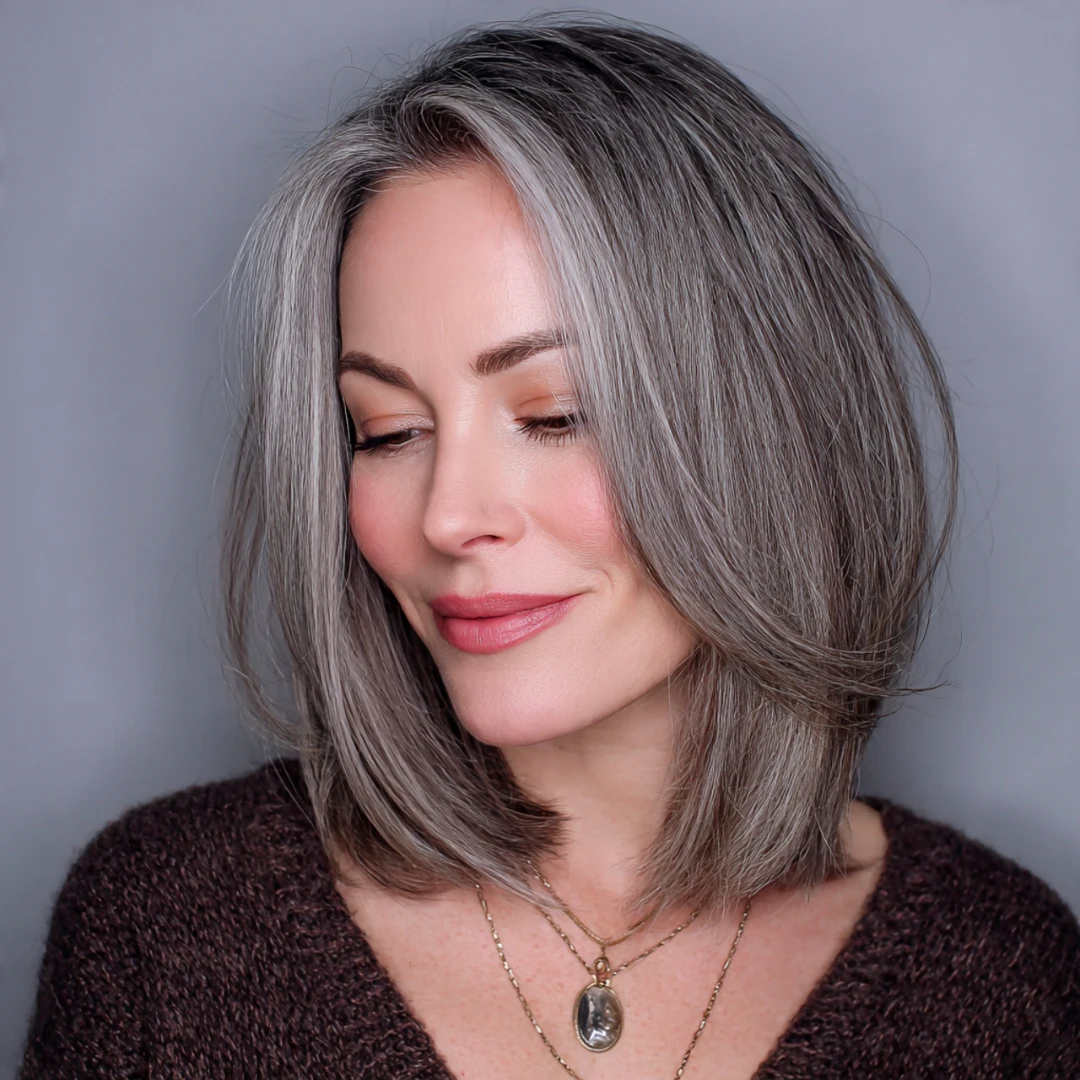
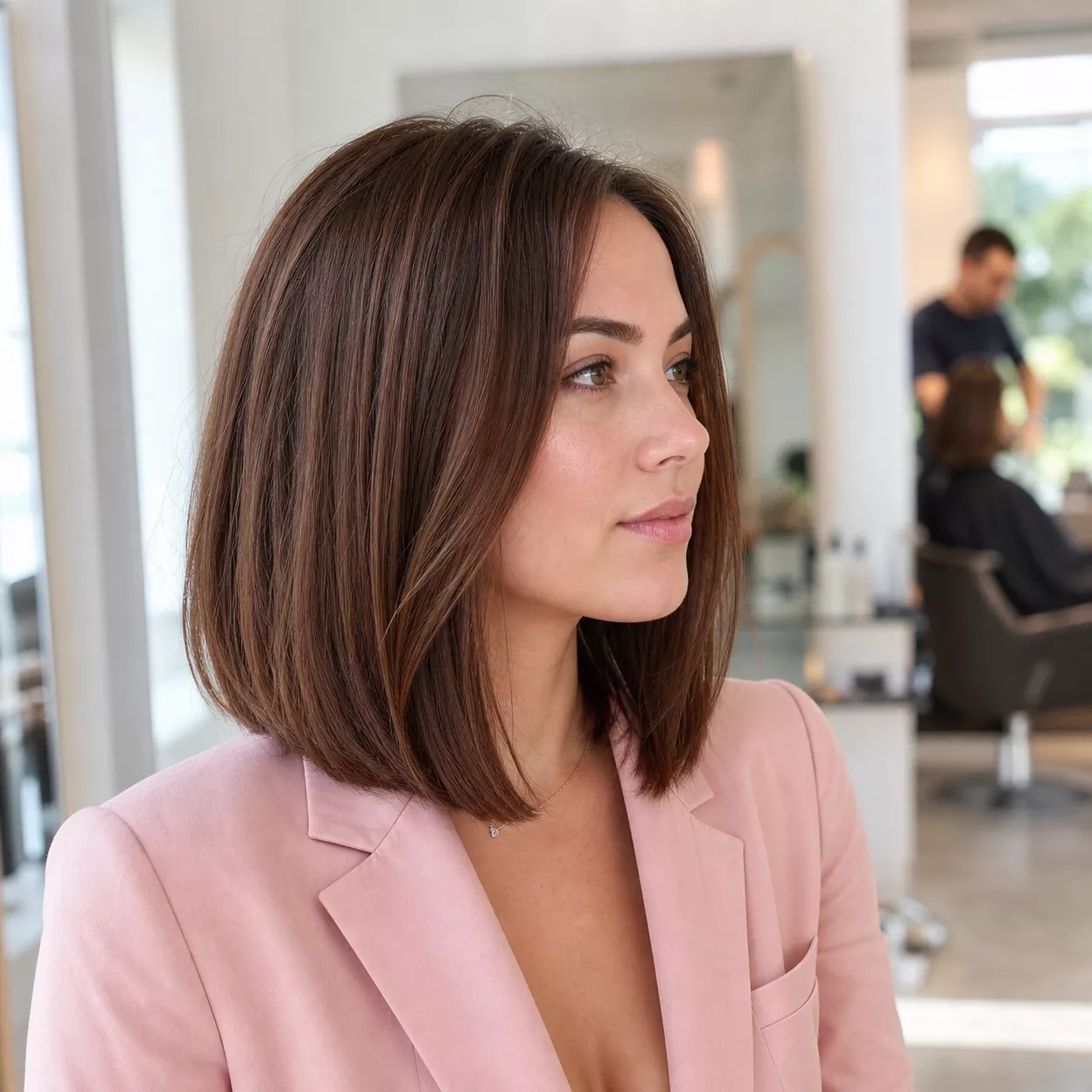
A classic lob keeps enough length for versatility while creating a defined shape around the collarbone. Its relatively simple outline can work across different textures, although the amount of layering should be adjusted according to density and styling preference.
A slight concave cut underneath can add some shape at the back without disrupting the perimeter. Blow-drying with a round brush, turning the ends under slightly, gives it a classic, lifted finish, though how much lift you get depends on your natural texture and density.
Layered Lob

Soft layers can introduce movement and reduce some of the weight of a lob. On fine or low-density hair, however, the placement and amount of layering matter because removing too much weight can make the ends appear less substantial.
What to consider: Layers starting around the cheekbones and falling through the length tend to preserve more of the lob’s clean perimeter than layers cut higher up. It’s worth asking your stylist to be conservative on the first cut if you’re unsure how your hair will respond.
Curtain Bang Lob

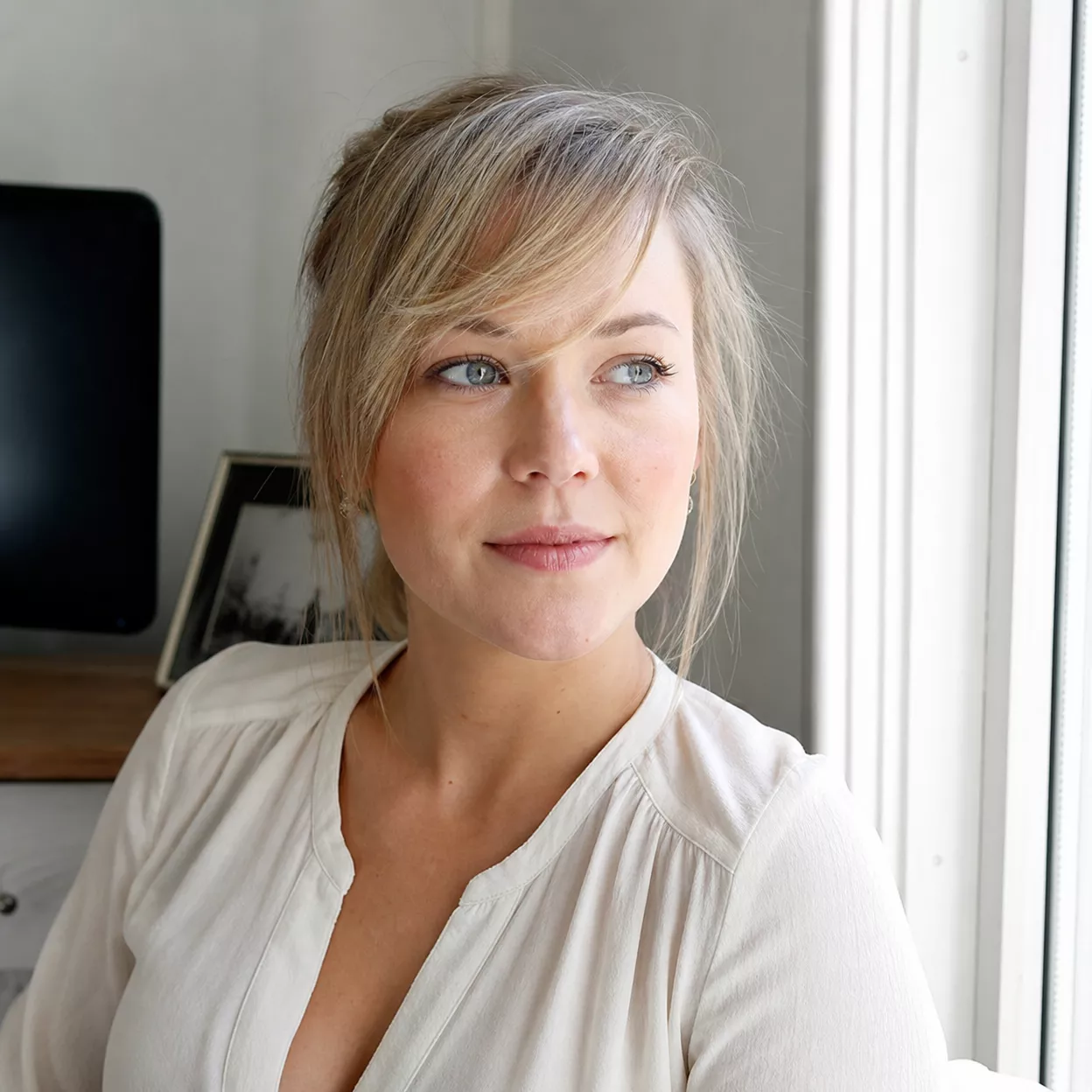
Curtain bangs change the front of a lob without requiring the entire haircut to become heavily layered. Consider how your natural part and hairline affect where the bangs will fall, since a strong natural part can influence how easily the fringe stays in its intended direction.
Blow-drying the bangs outward with a round brush while hair is still damp, followed by a small amount of light-hold cream, helps them settle without looking stiff.
Shoulder Length Shag

The combination of shorter layers and texture creates movement through the haircut. If your hair is fine or low-density, ask your stylist how much weight will be removed before committing to heavy layering, since a shag’s texture depends on there being enough hair left to create visible separation.
Wavy to medium hair tends to hold this shape with a scrunch of curl cream and a diffuser. Straighter hair may need more active styling to get a comparable result.
Soft Wavy Lob

The waves add movement and change the visual shape of the lob without requiring a shorter cut. How the style turns out depends heavily on whether the waves come from your natural texture or from a curling wand, since the two require very different amounts of daily effort.
Wrapping two-inch sections around a curling wand and alternating direction, then finger-combing once cool, is one common approach if you’re building the wave rather than relying on natural texture.
Textured Bob at the Collarbone

Choppy, textured ends at collarbone length create a more editorial, less uniform finish than a blunt perimeter. If your hair is fine or low-density, ask whether the amount of texture will leave enough weight through the perimeter, since heavy texturizing can thin out an already-light perimeter.
Rough-drying with a diffuser and scrunching in a sea salt spray brings out the undone quality this cut is built around, though the result depends on how your hair responds to air-drying.
Side-Parted Medium Cut

A side part changes the direction of the hair and can create a different distribution of visual weight around the face. How dramatic that effect is depends on how deep the part sits and how much hair falls on each side.
Blow-drying with your head tilted toward the opposite side of the part can add some lift at the root, though this is a styling technique rather than something built into the cut itself.
Medium Length Butterfly Cut

The butterfly cut relies on shorter layers around the upper portion of the hair and longer layers underneath, creating a noticeable difference between the two lengths. This structure tends to show more clearly on medium to thick hair, where there’s enough density for the shorter layers to stand apart from the longer ones.
Asking your stylist where the shortest layers will start, closer to the crown versus further down, will change how pronounced that layered effect looks.
Blunt Collarbone Bob

A strong perimeter can make the ends appear visually more substantial, although it does not increase actual hair density. This is why an unbroken, blunt line is often suggested for fine hair: the eye reads a solid edge as denser than a tapered one.
For a precise perimeter, your stylist may choose a cutting approach that suits your natural texture and the finish you want. A flat iron with a small amount of smoothing serum can help maintain a sleek result when needed.
Feathered Medium Cut

The feathered sections direct the ends away from the face and create movement around the front. This works by tapering the ends rather than cutting them straight across, so how soft or defined the feathering looks depends on how much taper is used.
A large barrel curling iron can bend the ends outward slightly if you want to reinforce that direction, finished with a light shine spray.
Wavy Shag with Bangs

The combination works particularly differently depending on how much natural wave you have and how much definition you want to maintain. On hair with a natural bend, the shag and bangs can settle with minimal effort. On straighter hair, achieving the same result generally means more active styling.
Finger-styling damp hair with a curl cream and diffusing tends to bring out whatever wave pattern is naturally present, rather than creating one from scratch.
Straight Sleek Lob

Sharp ends, a smooth finish, and a precise cut create a polished, structured look that suits both office and evening settings. The finish depends on your hair being straight or straightened, since any natural wave will soften the crisp line the cut relies on.
Blow-drying with a paddle brush for smoothness, followed by a small amount of oil on the ends, gives it a glossy finish, though the amount of daily effort this takes is worth weighing against how sleek you want it to stay.
Layered Cut with Face-Framing Highlights

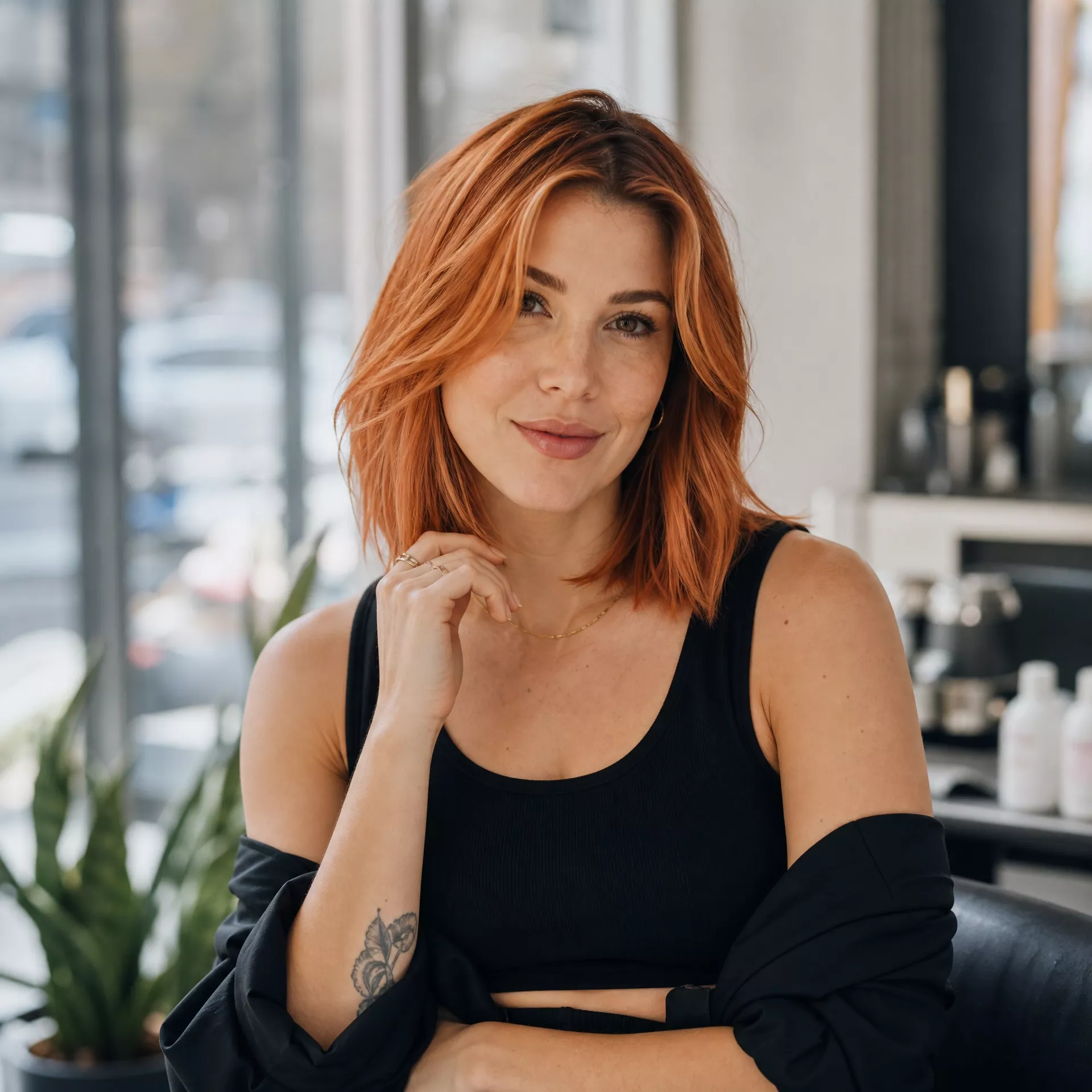
This is both a haircut and a color decision. Highlights can add visual dimension through differences in tone, while the layers create movement. Neither technique increases actual hair density, though together they can make movement in the hair more visible.
Worth asking: whether balayage concentrated around the face frame or a more even placement suits your base color and how much upkeep you want between color appointments.
Long Shag with Curtain Bangs

Slightly longer than a classic shag, this version keeps length past the collarbone while adding choppy layers and curtain bangs. How much active styling it needs depends on your natural texture.
On naturally wavy hair, scrunching in curl cream and allowing the hair to dry naturally can help emphasize the texture. Straighter hair may need additional styling to create the same effect.
Asymmetrical Medium Bob

The uneven lengths create a strong directional shape and draw attention across the haircut rather than straight down. The longer side is generally easier to style toward your dominant hand, since that’s the direction you naturally reach with a brush or iron.
Growth also affects the two sides differently: the shorter side reaches the length of the longer one first, which changes the degree of asymmetry over time.
Choppy Layered Medium Cut

Choppy, textured layers create noticeable texture and movement rather than maximum volume, since the amount of visible fullness still depends on your density and how much weight the layering removes.
A small amount of matte styling paste worked through dry hair and scrunched upward tends to define the choppy pieces without weighing them down.
Medium Length Curly Cut

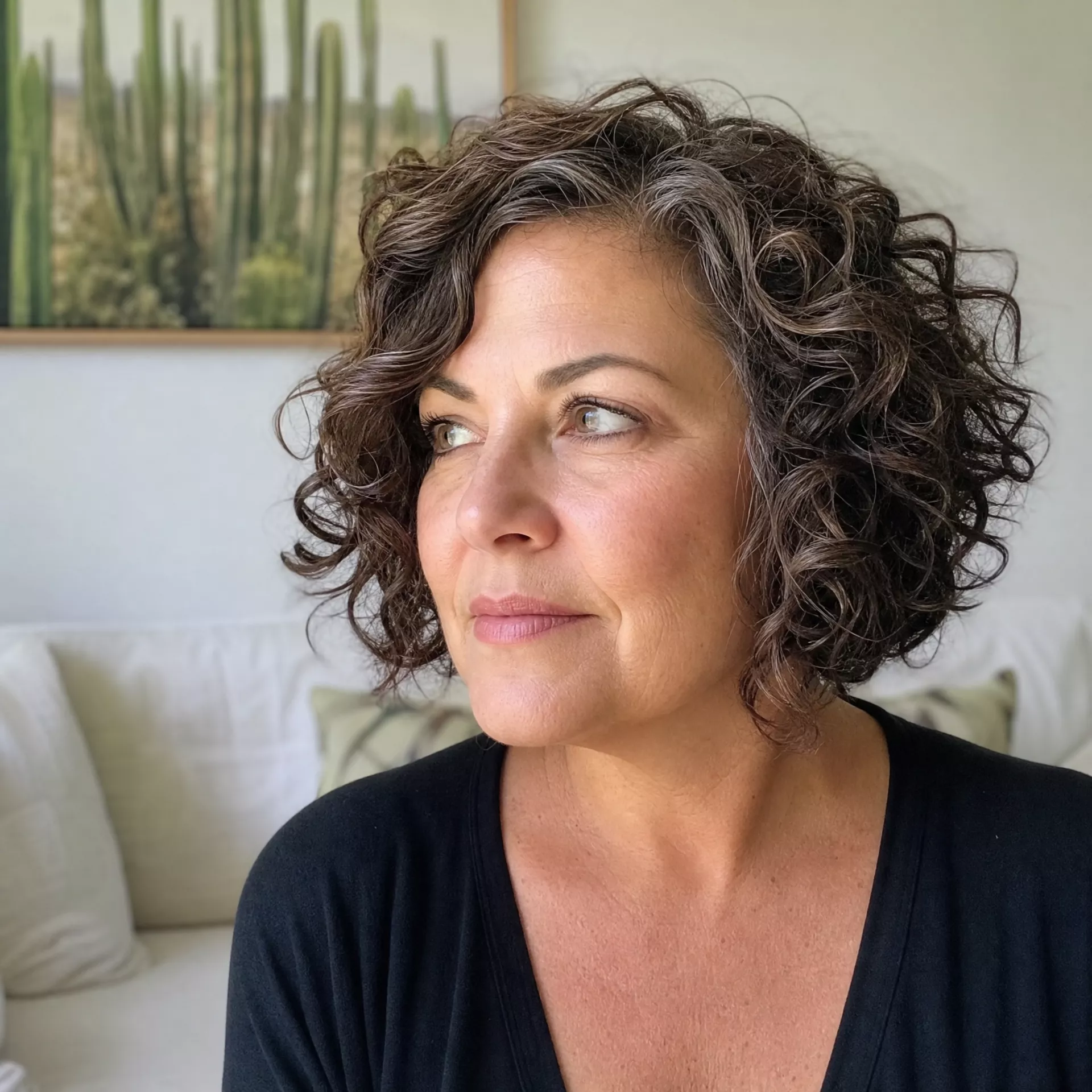
A well-shaped curly medium cut allows the natural curl pattern to remain part of the overall shape, rather than being cut in a way built for straight hair and adapted afterward. Length is generally easier to judge accurately once the curls are fully dry, since curl patterns shrink as they dry.
Many people with curly hair prefer detangling while the hair is damp or wet, since it can help preserve curl definition, although individual routines vary. Applying a curl-defining cream to soaking wet hair and diffusing on low heat is a common approach.
Soft A-Line Cut

Shorter in the back and gradually longer toward the front, the A-line creates an angular frame and some structure at the back of the head. How much volume that builds depends on your density there.
Blow-drying the back sections upward and the front sections inward can create a more structured finish when styled, though the shape will look different air-dried.
Medium Cut with Wispy Bangs

Wispy bangs create a lighter fringe than a dense, blunt bang and can be adjusted according to hair density and preferred styling effort. Point-cutting rather than a blunt cut across gives them a more airy, see-through quality.
A light-hold balm helps keep the wispy pieces from separating unevenly through the day.
Beach Wave Lob

Tousled waves at collarbone length create a relaxed, undone look, and the amount of effort this takes depends entirely on your hair’s natural behavior. It can be air-dried when the natural texture supports the look, or styled with heat when more definition is desired.
A sea salt spray scrunched into damp hair is a common starting point either way, though it won’t create waves on hair that doesn’t already have some texture to work with.
Long Layered Bob

Sitting just below the jaw with soft, blended layers, this is a useful option when you want some movement without moving into a heavily layered shape. On fine hair, the layers can add lift without removing so much weight that the perimeter starts to look thin.
A volumizing root spray applied before blow-drying can add some lift at the crown, though results vary with your hair’s natural density there.
Graduated Medium Bob

The stacked back of a graduated bob creates a structured change in shape through the back, with the graduation tapering forward toward the front. How much volume this adds depends on how tightly the graduation is cut.
Regular reshaping may be needed to preserve the graduation, since a stacked shape tends to soften and lose its structure as it grows out.
Side Swept Medium Cut

Long, swooping layers brushed to one side create a directional shape and add asymmetry to an otherwise straightforward cut. How noticeable that effect is depends on the amount of length and layering involved.
Setting the sweep with a large round brush while blow-drying, directing everything to one side, and finishing with a medium-hold spray, is generally how this is styled.
Medium Length Natural Gray Style

Natural gray or silver hair can work particularly well with a clearly shaped medium cut. The result will depend on the existing pattern of gray, the hair’s texture, and how much styling or color maintenance you want.
A purple shampoo can be useful for some silver or gray hair when unwanted yellow tones are an issue, but frequency should depend on the product and how your hair responds rather than a fixed weekly schedule. Gray and white strands can sometimes behave differently in texture and moisture than previously pigmented hair, so mention any noticeable changes to your stylist when discussing the cut.
Voluminous Blowout Lob

A medium lob styled with a full blowout creates lift at the root and a smooth, turned-under finish through the ends. More root-directed drying generally creates a fuller finish, while less tension at the roots produces a softer result.
This is a styling technique rather than something built into the cut, so expect to repeat the process each time you want the same volume, unless you’re comfortable maintaining it with dry shampoo and touch-ups between washes.
Medium Cut with Babylights

Babylights are a finer, more subtly placed highlight than bolder foils, and they tend to blend into the base color rather than creating strong contrast. Concentrating them near the face frame and through the top layer can create more visible dimension around the front of the hairstyle.
As with any highlighting technique, the maintenance schedule depends on how quickly your natural regrowth becomes visible against the lightened sections.
Textured Collarbone Cut

A collarbone-length cut with point-cut, textured ends can be relatively easy to style when your natural texture already supports the shape. On hair that doesn’t hold texture on its own, achieving the same undone finish generally takes more product and effort than the style suggests.
Air-drying with a light styling cream scrunched through is the simplest approach when it works with your hair; when it doesn’t, a diffuser and some texturizing spray can help close the gap.
Razor Cut Medium Bob

A razor can create a softer or more tapered edge than scissors, depending on the stylist’s technique and your hair’s texture. It isn’t automatically better for fine hair, so it’s worth discussing the desired finish with your stylist before choosing the cutting method, since a heavy-handed razor cut can also thin out already-fine ends.
Not every stylist uses this technique as a default, so it’s reasonable to ask specifically if you’re interested in trying it.
Half-Up Medium Lob

Styling variation: the haircut itself can be a standard lob; the half-up arrangement changes how it is worn rather than describing a different cut. Pinning the top section back loosely lifts the crown and adds some casual structure without committing to a full updo.
Lightly backcombing or lifting the crown before securing the top section can add some height, while a claw clip or a few bobby pins can hold the style in place.
Medium Length Inverted Bob

The inverted bob stacks the back for some added shape while sweeping longer layers toward the front, which creates a noticeably different silhouette from the front-to-back line of a conventional lob. How much volume the stacking builds depends on your density at the back of the head.
Blow-drying the back upward and outward, with the front layers blown slightly inward, generally reproduces this shape, though it needs a fair amount of blow-drying to hold that structure.
Romantic Medium Waves

Soft waves through a medium-length cut add volume and texture and can be styled to suit a range of occasions, from casual to slightly more formal. A curling iron with sections wrapped away from the face tends to give a more open, natural-looking wave pattern than wrapping toward the face.
How long the waves last through the day depends on your natural hold and the products used, more than on the cut itself.
Shaggy Lob

Shag-style choppy layers on a lob create a deliberately undone finish rather than a polished, structured one. The amount of layering should be adjusted according to density. Hair with more density may have more room for choppy layers, while very fine or low-density hair may need a more conservative approach.
Rough-drying with fingers rather than a brush, followed by a small amount of matte clay through dry hair, generally holds that piecy, undone quality.
Polished Medium Blunt Bob

A blunt bob cut precisely at the collarbone creates a clean, structured silhouette that depends on a smooth finish to look its best. A flat iron and a small amount of smoothing serum are generally what it takes day to day.
Because the line is precise, this shape shows growth more visibly than a softer cut, so more regular trims help keep the perimeter looking sharp.
Medium Cut with Fringe Bangs

Full fringe creates a stronger horizontal line across the forehead and becomes a prominent part of the haircut, so its density and length should be chosen carefully with your stylist rather than copied exactly from a photo.
Drying the bangs first, before the rest of the hair, with a flat brush directing them straight down while still damp, generally gives the cleanest, smoothest finish.
Tousled Textured Medium Cut

A tousled, textured finish depends on a cut with plenty of internal layers combined with the right texturizing product, rather than happening on its own regardless of the base cut. The lived-in quality is a styling result more than something guaranteed by the haircut alone.
Applying a texturizing spray to dry hair, scrunching through with your fingers, and flipping your head upside down for a final scrunch tends to add volume without over-styling.
Medium Cut with Money Piece Highlights

Money-piece highlights create a noticeable contrast around the front of the hair. The final effect depends on the difference between the lightened sections and the base color, so how many shades lighter to go is worth discussing with your colorist rather than following a fixed rule.
Keeping the rest of the hair slightly deeper than the money piece generally maximizes the contrast, if that’s the effect you want.
The Classic Collarbone Cut

A simple collarbone-length cut can be a useful starting point if you want to retain versatility without committing to either very short or very long hair. The amount of layering and the perimeter can then be adjusted according to texture, density, and styling preferences.
Soft layers starting around the chin and falling through the length are a common approach, and regular trims help keep the ends looking intentional rather than worn.
Medium-Length Cuts: Styling and Maintenance at a Glance
| Cut type | Styling demand | Maintenance consideration |
|---|---|---|
| Blunt lob | Low–moderate | Perimeter becomes noticeable as it grows |
| Layered lob | Moderate | Layer placement affects grow-out |
| Shag | Low–moderate | Works best when natural texture is compatible |
| Sleek bob | Moderate–high | Shape and smooth finish may need regular attention |
| Curly cut | Variable | Curl pattern and shrinkage matter |
| Bangs + medium cut | Moderate | Fringe usually needs separate styling |
| Graduated bob | Moderate | Shape through the back needs reshaping |
| Textured cut | Low–moderate | Product may help define the intended finish |
How to Narrow Down Your Choices
Fine strands. Look for cuts that preserve perimeter weight, like a blunt lob or bob, unless you know your fine hair is also dense enough to handle more layering.
Low density. Heavier layering and texturizing can make low-density hair look thinner rather than fuller. A more conservative approach, with weight kept toward the ends, is usually safer.
Thick or dense hair. You generally have more room to remove bulk through layering, shag-style cuts, or graduated shapes without the result looking sparse.
Straight hair. Sleek, structured cuts tend to hold their shape well, though achieving texture or waves will require more active styling.
Wavy hair. Shags, textured bobs, and wavy lobs tend to work with your natural pattern rather than against it.
Curly hair. Length and layering decisions are usually more accurate when made on dry, fully sprung curls rather than wet or stretched hair.
Air-drying. Cuts built around natural texture, like a textured collarbone cut or a shag, tend to be more forgiving of a no-heat routine than sleek, blunt shapes.
Heat styling. If you’re comfortable with regular blow-drying or ironing, more structured cuts like a sleek lob or polished blunt bob become realistic options.
Low maintenance. Consider both daily styling time and how often you’re willing to visit the salon; the two don’t always align the way you’d expect.
Bangs. Any fringe adds a separate maintenance schedule, generally needing more frequent trims than the rest of the cut.
Gray hair. Gray and white strands can behave differently from pigmented hair, which is worth factoring into both the cut and the color routine.
What Can Go Wrong With a Medium-Length Haircut
- Too much layering, which can remove more weight than your density can spare, particularly on fine or low-density hair.
- Too much texturizing, which can thin out the ends rather than adding the intended movement.
- The wrong length for natural shrinkage, especially on curly or very wavy hair, where a length cut wet can end up shorter once fully dry.
- Choosing a reference photo with a completely different density or texture from your own, which can lead to a result that doesn’t match expectations.
- Choosing a style that requires more daily styling than you’re actually willing to do.
- Bangs requiring more upkeep than expected, since most fringe styles need trims more often than the rest of the cut.
- A precise shape changing noticeably during grow-out, particularly with graduated, asymmetrical, or blunt perimeter cuts.
- Color maintenance being overlooked, especially with highlights, balayage, or gray toning, which all have their own upkeep schedule separate from the haircut.
What to Tell Your Stylist
- Where should the shortest layer begin?
- How much weight should stay through the ends?
- Will this work with my natural texture, or will it need regular heat styling?
- What will this look like air-dried?
- How much daily styling will it realistically need?
- How will this shape grow out over the next couple of months?
- Should my bangs follow my natural part?
- Where does my hair naturally become bulky or flat?
- Should the perimeter stay blunt or be softened with layers?
- What should I avoid if I want lower maintenance?
How to Use Hairstyle Photos at Your Appointment
Don’t simply show a photo and ask for an exact copy. Point out what you actually like: the length, the perimeter, the layers, the bangs, the texture, or the styling shown in the photo.
It helps to bring more than one image: one photo that shows the haircut you like, another with hair texture or density similar to your own, and one photo showing what you specifically don’t want. That combination gives your stylist a clearer sense of the result you’re after than any single picture can.
Frequently Asked Questions
Final Thoughts
The right medium-length haircut is less about finding a universally perfect style and more about finding a shape that fits your actual hair and routine.
Before choosing one of these 37 styles, consider your density, texture, natural part, preferred styling method, and tolerance for maintenance. Then use the photos and descriptions as references when discussing the cut with your stylist.
A haircut that works with your natural hair is usually more useful than one that only looks right after a professional blowout.