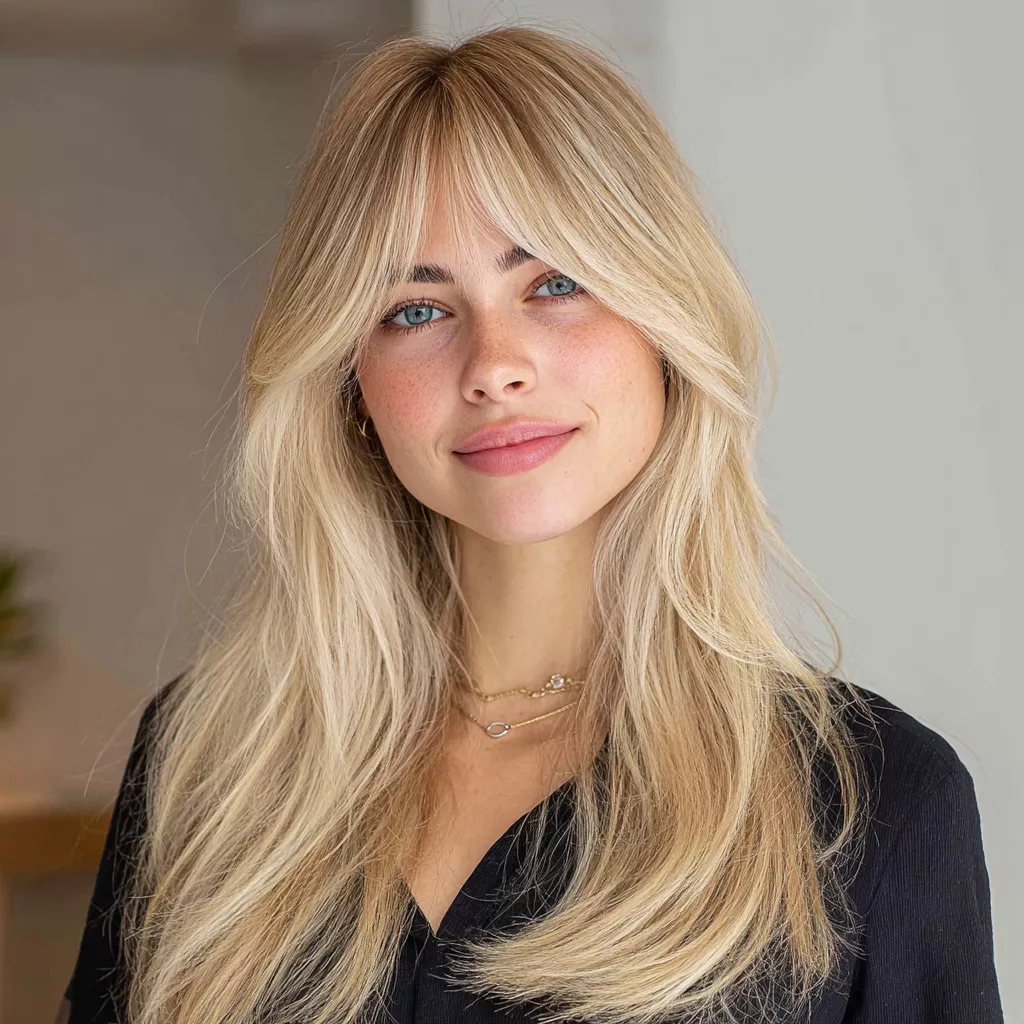
30 Hair Color Combinations and How to Choose the Right Pairing
Two hair colors can look lovely on their own and behave very differently once they share a head of hair. Put a warm caramel next to a cool brown and the caramel may look brassier than it did on the swatch. Paint copper through dark hair and it may glow in sunlight but almost disappear indoors. A combination is really a relationship between shades, and that relationship depends on far more than the names.
Your starting level and undertone shape what’s achievable. Previous color can change how the hair lifts or takes new pigment. Placement decides whether the second shade reads as quiet dimension or a bold statement, and technique decides how it grows out. Hair condition limits how much lightening is sensible, and your tolerance for upkeep decides whether the result stays looking the way you wanted.
The 30 combinations below range from subtle brunette pairings and blended blondes to warm reds, cool tones, and vivid creative colors, along with techniques like balayage, babylights, and money pieces. Each one notes what the pairing actually involves.
Honey Blonde and Caramel

Honey and caramel sit close together on the warm side of the spectrum, so the contrast between them is small. That closeness is the point. The two shades blend into each other and create movement without an obvious line, which makes the pairing easy to adjust: more honey reads brighter, more caramel reads deeper. On light to medium brown hair, reaching both usually needs some lightening, though less than a pale blonde would. On darker bases, the honey takes more lift, and the warmth exposed along the way can push the result more golden than expected.
Dark Brown and Copper

Copper against dark brown is a higher-contrast pairing, and much of its effect depends on light. Indoors, copper pieces in dark hair can read as warm brown; in sunlight, they show clearly orange-red. For copper to look bright rather than muddy, the sections usually need some lightening first, and dark hair already reveals warm pigment as it lifts, which can help copper rather than fight it. Copper tones tend to fade faster than neutral browns, so the pieces may need refreshing to keep their glow.
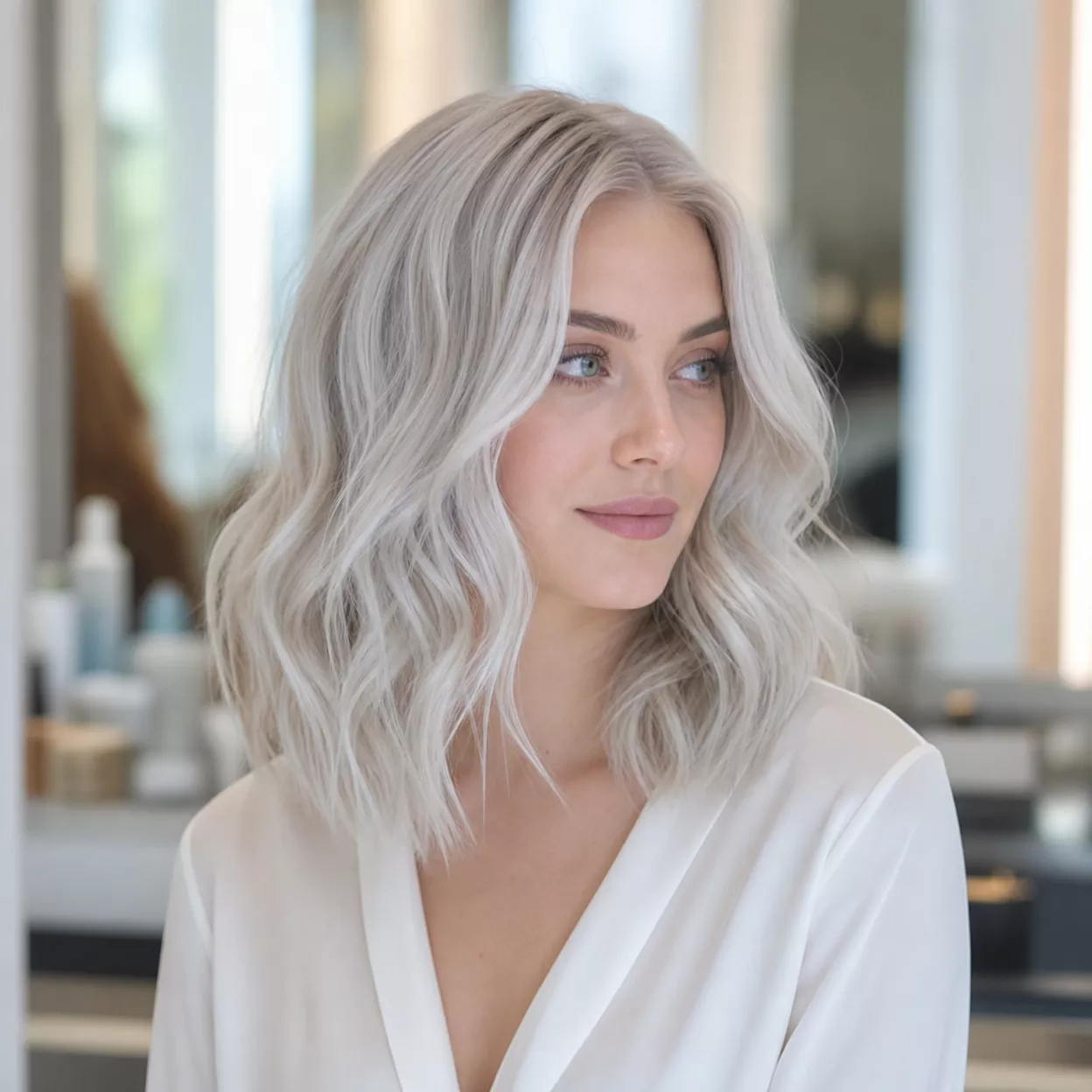
Ash Blonde and Silver

Both shades here sit on the cool side, so the pairing depends on controlling warmth. Ash blonde is a muted, slightly gray-toned blonde; silver leans further toward gray. Reaching either usually requires significant lightening, then toning to neutralize the yellow and orange that appear as hair lifts. As toner fades, warmth tends to return. A toning product may help manage that, but the right product and how often to use it depend on the color formula and the hair’s condition. Our guide to ash blonde shades covers the cool end of this range in more detail.
Chocolate Brown and Caramel Highlights

Here, the shade pairing is simple: a deep chocolate base with lighter caramel pieces. What changes the result is how the caramel is placed. Fine, closely spaced highlights blend into the brown and read as soft dimension. Broader sections create more visible contrast. Because the base stays brown, regrowth at the root is usually less noticeable than with all-over lighter color, though the caramel may need occasional toning to stay golden rather than turning orange.
Black and Deep Burgundy

This is a dark-on-dark pairing, and that shapes how visible it is. In low light, burgundy pieces in black hair may barely register; in sunlight or bright indoor light, a wine-red sheen comes through. If you want the burgundy visible more of the time, the pieces may need a little lightening first. If you prefer it subtle, burgundy can often be deposited over dark hair with minimal lift. Red-based pigments tend to fade, so the burgundy may soften toward brown between appointments.
Platinum Blonde and Ice White

Both shades sit at the extreme light end, which makes this one of the most demanding pairings on the list. Reaching platinum and ice white usually requires lifting the hair to a very pale level, sometimes over more than one appointment depending on the starting color and the hair’s condition. Toning is needed to remove yellow, and the result needs regular toning to stay clean. Heavily lightened hair can feel drier, so a colorist should assess its condition before deciding how far to take it.
Warm Brunette and Golden Blonde

Golden pieces painted through a warm brunette base imitate the uneven way hair lightens outdoors. Placing the gold through the mid-lengths and ends, often more around the face and top layers, keeps the root close to natural and helps regrowth blend. How bright the gold looks depends on contrast: a deeper gold reads subtle, a lighter one more noticeable. Darker brunettes need more lightening to reach a clear gold, and the result may lean warmer.
Auburn and Copper

Auburn is a deep red-brown, and copper is a brighter red-orange. Together, they create layered red tones that shift with light. The balance between them changes the character: more auburn reads deep and rich, more copper reads brighter and warmer. Both tend to fade faster than neutral shades, sometimes at different rates, so the balance may drift between appointments. Lighter starting bases can reach copper with less lift; darker ones may need lightening for it to show.
Soft Black and Cool Brown

This pairing softens black hair rather than lightening it dramatically. Cool brown pieces through a soft black base add dimension without much contrast. The challenge depends on history. On natural dark hair, cool brown pieces need some lifting, and the warmth that appears has to be toned down. On hair previously dyed black, lifting can be less predictable, since artificial black pigment doesn’t always lighten evenly. A colorist can judge whether lightening, color removal, or another approach suits your hair.
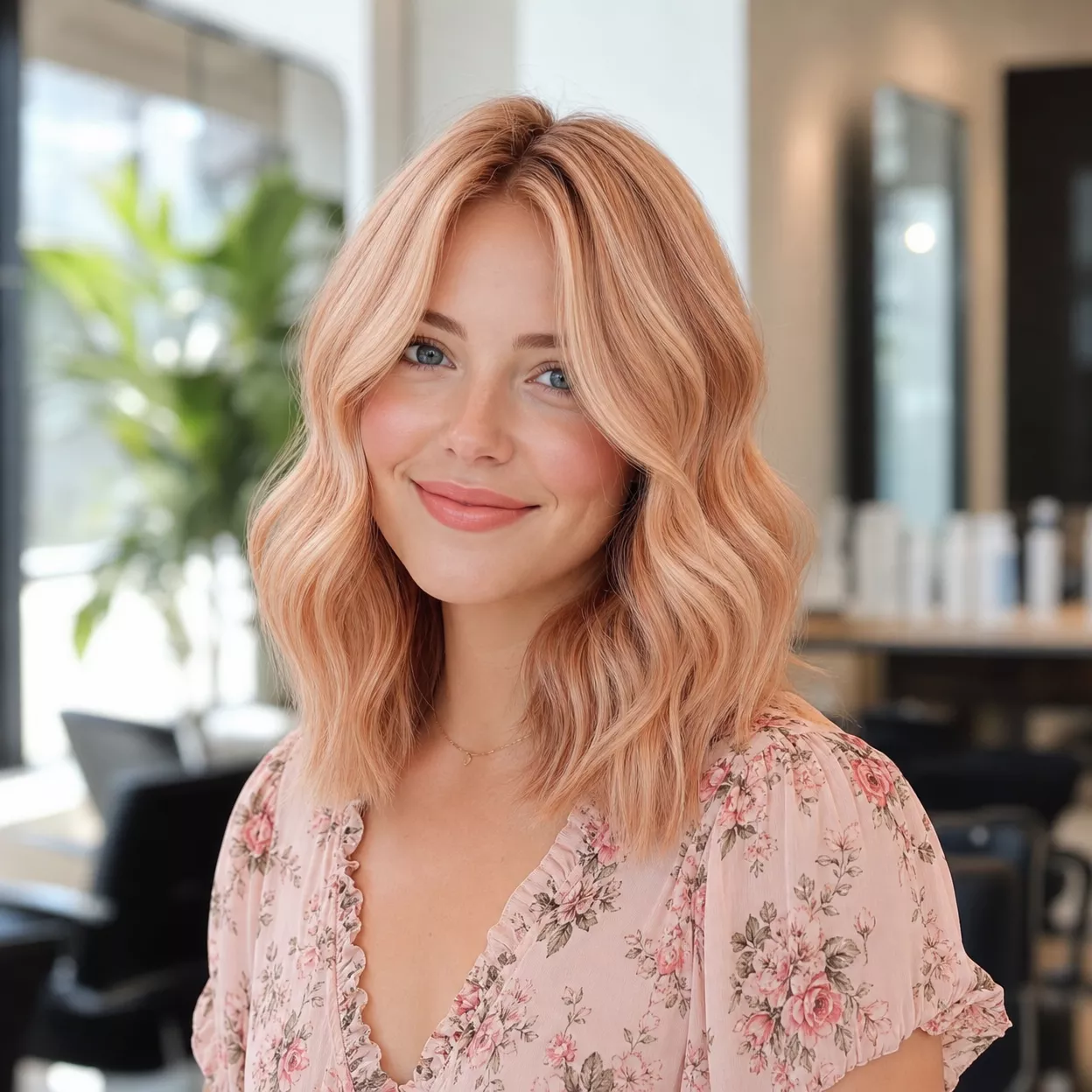
Strawberry Blonde and Rose Gold

Both shades lean warm and pink, so they blend softly. Strawberry blonde combines gold and copper with blonde, while rose gold adds a pink-peach tone. Rose gold usually behaves more like a fashion color: it needs a light base to show and often fades fairly quickly, leaving a warm, peachy blonde. Strawberry blonde may last a little longer, though its copper element can soften. Both need a fairly light starting point, so darker hair would need lightening first.
Chestnut and Toffee

Chestnut is a warm, reddish brown; toffee is a warm, light brown-blonde. Placed through a medium brunette base, toffee adds lighter dimension without moving far from brown. Toffee usually needs some lightening, and the warmth that appears during lifting tends to suit it. The chestnut base may need little or no lift. Warm tones like these can drift brassy over time, so an occasional gloss may help keep the balance.
Icy Blonde and Lavender

This is a creative pairing that depends on a very light base. Lavender only shows clearly over pale blonde hair, so on most starting colors the process begins with significant lightening to icy blonde. Lavender is usually applied as a semi-permanent tone over sections of that blonde, and it tends to fade relatively quickly, often back toward pale blonde. Keeping it visible usually means regular refreshing. The condition of already-lightened hair matters before adding more processing.
Dark Blonde and Warm Brown

This is an example of reverse balayage: instead of lightening, warm brown pieces are painted through a dark blonde base to add depth. It’s useful if your hair feels too light or flat and you want dimension without going fully darker. On previously lightened hair, depositing brown may need a preparatory step so the brown doesn’t look hollow or turn an unexpected tone. Darker pieces can fade over time, especially on porous hair, so they may need refreshing.
Mahogany and Cherry Red

Mahogany is a deep red-brown; cherry red is a brighter, more saturated red. On a dark brunette base, mahogany can often be deposited, while cherry red pieces may need lightening to look vivid. The contrast between them decides the effect: cherry concentrated in a few sections reads as accent, while more cherry makes the whole head look redder. Saturated reds tend to fade faster, so the cherry may soften toward mahogany between appointments.
Sandy Blonde and Cream

Sandy blonde is a muted, beige-leaning blonde, and cream is a soft, pale blonde with little warmth. Together they create a light, neutral blend. On natural dark blonde or light brown hair, the sandy base may need only modest lift, while the cream pieces need more. Neutral blondes can drift warm or yellow as toner fades, so occasional toning may be part of the upkeep. Texture also changes how this reads: on waves or curls, the two shades show more variation than on straight hair.
Espresso and Warm Cinnamon

Espresso is a very deep brown, and cinnamon adds a warm red-gold. On very dark hair, cinnamon pieces usually need some lifting, and the warmth exposed during lightening suits cinnamon well. The contrast stays fairly modest, so it reads as warmth through the hair rather than obvious highlights. Like other warm, red-leaning tones, cinnamon can fade or turn brassy, and a gloss may help keep it balanced.
Pastel Pink and Blonde

Pastel pink over blonde can be applied all over or as pieces through the blonde. Either way, it needs a light base, so darker hair would need lightening first. Pink is usually a semi-permanent deposit and fades relatively quickly, often within weeks, back toward the blonde underneath. Some people enjoy the gradual fade; others refresh it regularly. Because the blonde base stays in place, the pink can be changed or removed more easily than a permanent shade.
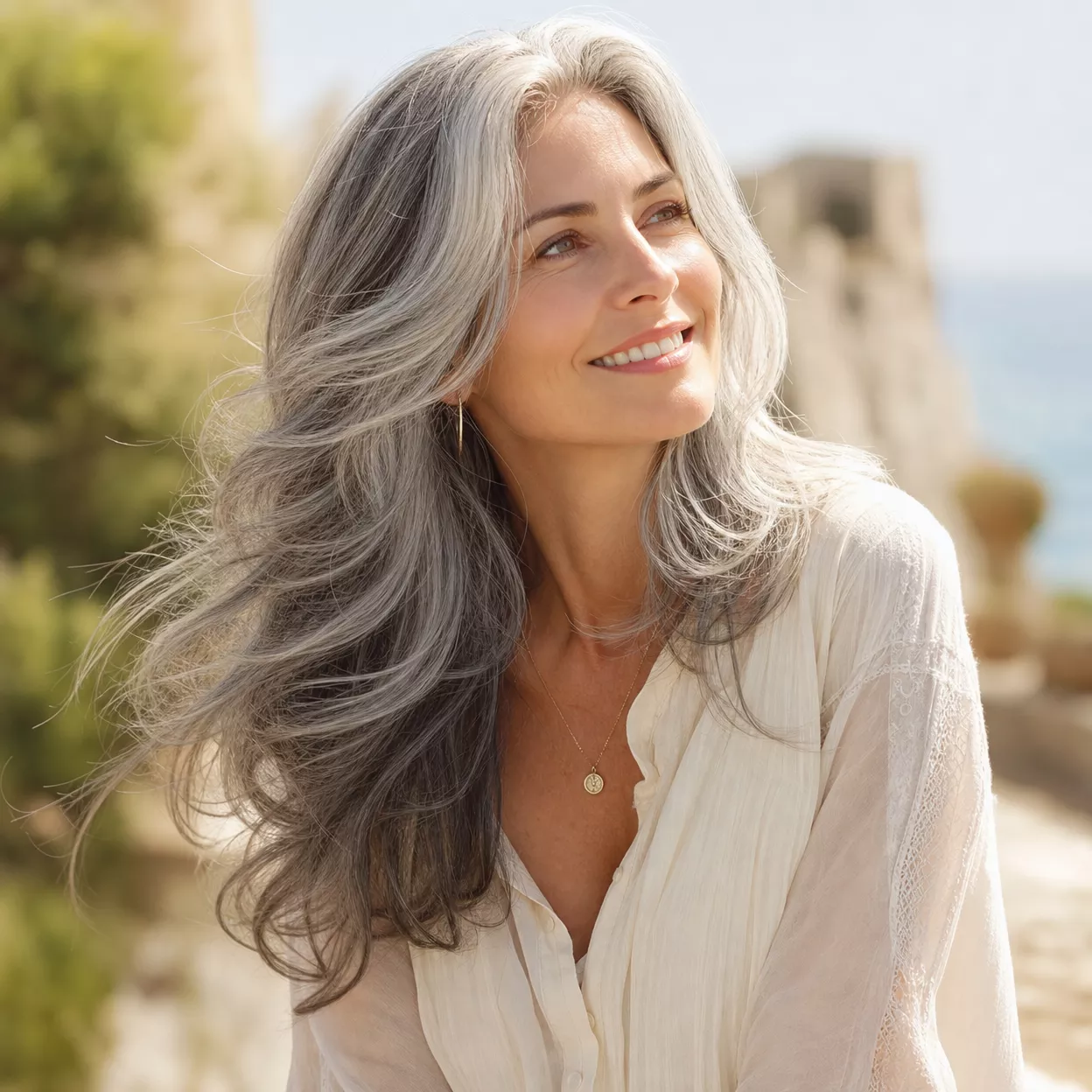
Cool Ash Brown and Silver

This pairing often works as a gray-blending approach. If you’re transitioning to natural gray, cool ash brown and silver pieces can help soften the contrast between gray regrowth and colored hair. If you simply like cool tones, silver pieces can be created through lightening and toning. Natural gray needs no color maintenance, but toned silver needs regular toning to stay cool. Ash brown can drift warmer as it fades.
Warm Red and Dark Brown

This pairing ranges widely depending on placement. A few warm red pieces in dark brown hair read subtle, visible mostly in light. Broader sections or ombre placement make the red more prominent. On dark brown hair, red pieces usually need some lightening to show brightly. Red tones tend to fade, so the effect can soften between refreshes.
Butter Blonde and Honey

Butter blonde is a soft, creamy warm blonde, and honey is slightly deeper and more golden. The two shades blend closely, so the effect is gentle movement rather than contrast. Both need a fairly light base, which means natural blondes or light browns may reach them with less lightening than darker hair. Warm blondes can drift brassy as toner fades, so toning may be needed to keep the creaminess. Our guide to warm blonde shades covers butter, honey, and their neighbors in more depth.
Jet Black and Electric Blue

This is a vivid pairing where the blue needs a light enough base to show as electric rather than dark. On black hair, that means lightening the sections that will carry blue. Placement can keep the commitment manageable: blue confined to an underlayer or a few panels shows mainly when the hair moves, while visible sections at the front are a bolder choice. Vivid blue tends to fade fairly quickly and may shift toward green or teal as it does.
Light Brown and Blonde Babylights

Babylights are a technique, not a shade. They’re very fine highlights, placed closely together, so the blonde blends into the light brown base rather than forming visible stripes. That fineness keeps the contrast soft and makes regrowth less abrupt than with chunkier highlights. On light brown hair, the blonde usually needs modest lightening. Because babylights involve many fine sections, the appointment can take longer than standard highlights.
Warm Copper and Peach

Copper is a warm red-orange; peach is a softer, pink-orange that sits closer to pastel. Together, they create a warm, blended effect. Peach needs a light base and tends to fade quickly, while copper may last a little longer. On light to medium bases, the pairing can be reached with less lightening than on dark hair. The balance between them can shift as each fades at its own rate.
Chocolate Brown and Burgundy

Compared with black and burgundy, this pairing has a little more light in the base, so the burgundy shows more readily. Burgundy can often be deposited over chocolate brown with little lightening, keeping the result rich rather than bright. Lighter sections would make it more visible. Burgundy fades over time, often toward a warm brown, so occasional refreshing keeps the wine tone.
Golden Blonde and Warm Brown Balayage

Balayage is a hand-painted technique, and here it’s the defining element. Golden blonde is painted through a warm brown base, usually starting away from the root and increasing toward the ends. That placement keeps the root close to natural, which can make grow-out softer than with highlights that start at the scalp. How soft depends on contrast: brighter golden ends against a deep root create more visible regrowth over time. The golden sections may need toning as they fade.
Plum and Black

Plum is a deep purple-red, and against black hair it can often be deposited without significant lightening. That keeps it subtle, visible mainly in direct light. Brighter plum pieces would need some lift. Purple tones can fade relatively quickly, so the plum may soften toward black or brown between appointments. If your hair has previous dark dye, the plum may show less than expected.
Toffee Blonde and Warm Beige

This pairing sits in neutral territory. Toffee leans warm, beige leans neutral to slightly cool, and together they create a balanced blonde without strong warmth or coolness. Getting that balance depends on toning after lightening, and as toner fades, the beige may drift warmer. The result reads refined rather than dramatic, and the contrast between the two shades is modest.
Cherry Red and Deep Auburn

Where mahogany and cherry pairs a red-brown base with bright red accents, this combination keeps more red overall. Deep auburn provides a warm red-brown foundation, while cherry pieces add saturated brightness. The balance changes the effect: more cherry reads bold, more auburn reads deep. Both red tones fade, so expect to refresh them to keep the contrast.
Bronde and Face-Framing Blonde

Bronde is a blend of brunette and blonde, usually a light brown base with blonde dimension. Adding brighter blonde pieces around the face concentrates the lightest color at the front. That placement makes the face-framing contrast the most visible part of the color, but it also means regrowth at the front hairline shows sooner. The bronde base usually needs modest lightening; the face-framing pieces need more.
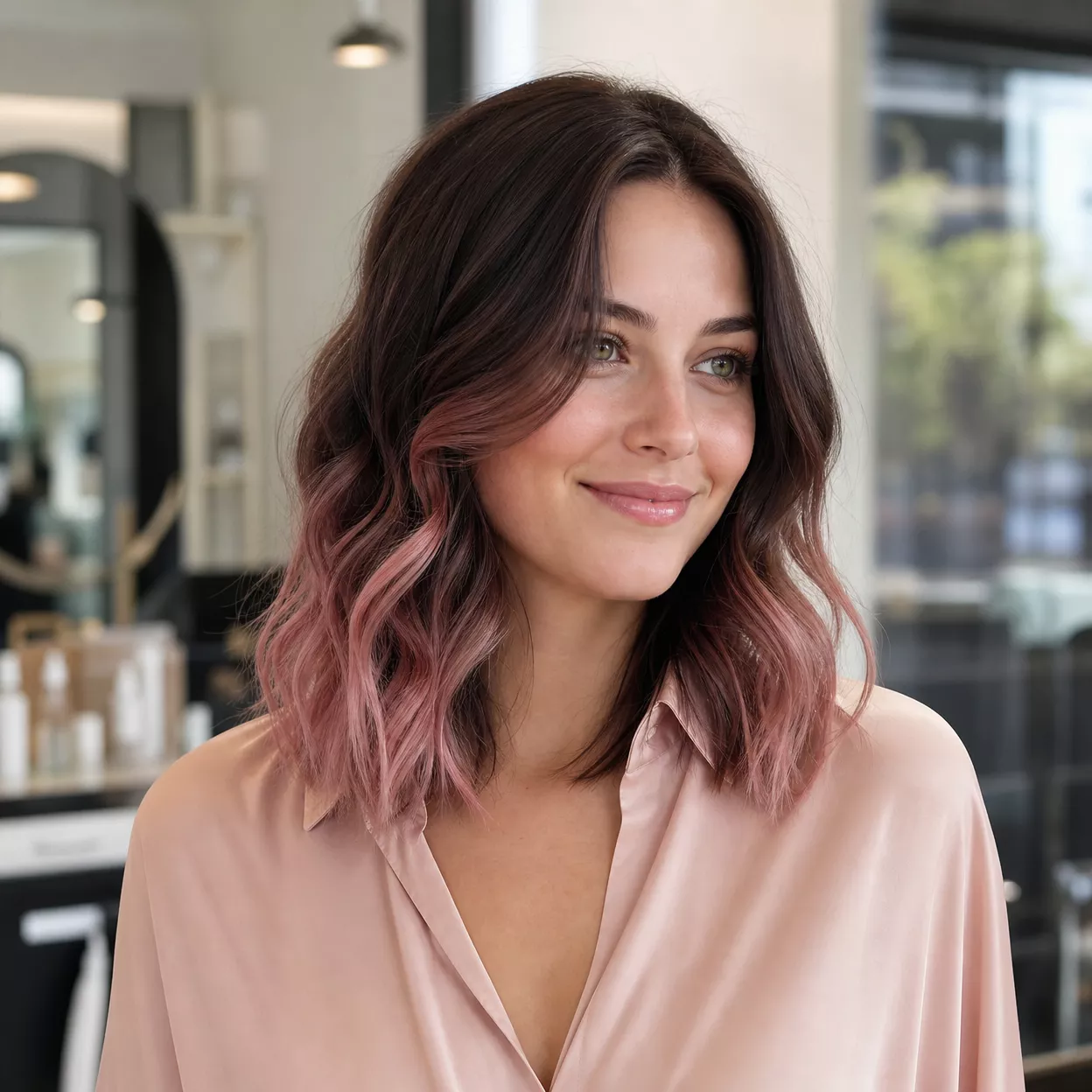
Soft Brunette and Rose Gold Money Piece

A money piece places color in two sections at the front hairline, and here those sections are rose gold against a soft brunette base. Because the color sits right around the face, it’s highly visible even though only a small amount of hair is colored. The rose gold usually needs a lightened base to show, and it tends to fade quickly, often to a warm peachy blonde. Regrowth at the hairline also becomes noticeable sooner than with color placed further back.
What Actually Makes Two Hair Colors Work Together?
Two shades don’t need to be identical to look harmonious. What matters is how they relate.
Depth is how light or dark each shade is. Shades closer in depth blend more softly; shades further apart create contrast. Some colorists keep combinations within a few levels of each other for a softer blend, though bolder looks deliberately go further.
Undertone is the warmth or coolness beneath the shade. Pairing two warm shades or two cool ones tends to read cohesive; mixing them can create deliberate contrast or an unintended clash.
Placement and transition decide where the second shade sits and how it meets the first, which can make even close shades look noticeable.
Starting base shapes what’s achievable and how each shade turns out on your hair.
The Starting Color Changes Everything
Blonde hair can usually reach other light shades, pastels, and soft warm or cool blondes with less processing, though the existing tone and condition still matter.
Light brown hair has flexibility. Caramel, honey, copper, and bronde may be reachable with moderate lightening.
Medium brown hair needs more lift for blondes, but warm browns, chestnut, and reds may need little.
Dark brown and black hair can often take deeper shades like burgundy, plum, mahogany, and espresso with minimal lightening. Lighter or vivid results usually need significant lift, and exposed warmth has to be managed.
Previously colored hair adds uncertainty. Old dye can affect how hair lifts or takes new color, so a colorist may need to assess it first.
Gray or silver hair can be blended, enhanced, or covered, and it may respond differently from pigmented hair.
Contrast: Subtle, Dimensional, or Dramatic?
Low contrast uses close shades that blend naturally. Honey and caramel, butter blonde and honey, and rich brunette pairings sit here.
Medium contrast creates noticeable dimension while still reading wearable. Chocolate with caramel, warm brunette with golden blonde, and dark brown with copper often sit here.
High contrast creates obvious separation. Platinum with ice white is high in brightness, while jet black with electric blue is high in color contrast.
Placement can change where a combination sits. Close shades placed in wide sections around the face can look more noticeable than distant shades placed as fine babylights.
Color Placement Can Change the Entire Result
Face framing concentrates color near the face, where it’s most visible and where regrowth shows first.
Balayage paints color away from the root, usually giving a softer grow-out.
Babylights use very fine sections for subtle blending.
Mid-length pieces add color through the middle of the hair, leaving the root and sometimes the ends closer to natural.
Ends-only placement creates a gradient or ombre effect.
Panels place color in larger blocks for a bolder look.
Underlayers hide color beneath the top layer, showing it mainly when the hair moves or is pulled up.
All-over color changes the whole head, which makes regrowth more visible.
Placement can matter as much as the shade itself. The same two colors can look subtle or dramatic depending on where they go.
What Can Go Wrong?
Most color disappointments come from expectations that didn’t match the starting point or the upkeep.
The starting color may be too dark to reach the desired result in one appointment. Previous dye can interfere with lifting or change the final tone. Too much contrast can look harsher than expected, especially as it grows out. Unexpected warmth may appear during lightening. Color can look different indoors than outdoors. Face-framing pieces can become more prominent than intended. Vivid colors may fade faster than you planned for. Heavily lightened hair may not safely tolerate another process. The reference photo may have started from a different base. And color that looks right on styled hair may read differently on your natural texture.
Most of these can be avoided by discussing your history, expectations, and maintenance tolerance before the appointment.
How to Choose Your Combination From These 30
For subtle brunette dimension, consider chestnut and toffee, soft black and cool brown, or chocolate brown and caramel highlights.
For warm blonde dimension, look at honey blonde and caramel, butter blonde and honey, or golden blonde and warm brown balayage.
For a cool blonde, consider ash blonde and silver, platinum and ice white, or sandy blonde and cream.
For warm red, look at auburn and copper, mahogany and cherry red, or cherry red and deep auburn.
For dark, dramatic color, consider black and deep burgundy, plum and black, or chocolate brown and burgundy.
For creative or vivid color, look at icy blonde and lavender, pastel pink and blonde, or jet black and electric blue.
For face-framing brightness, consider bronde and face-framing blonde or the rose gold money piece.
For minimal visible change, babylights, soft black and cool brown, or dark blonde and warm brown can add dimension quietly.
For obvious contrast, dark brown and copper, warm red and dark brown, or the vivid pairings create clearer separation.
What to Show Your Colorist
A good reference photo shows the overall color, the root area, the placement, and ideally the front, side, and back. It helps to point out the amount of contrast and how bright you want the result. If you can, find a photo where the starting color looks similar to yours.
A few phrases can help explain what you’re after:
“I want dimension, but I don’t want a high-contrast result.”
“I like this placement more than this exact shade.”
“I want the face-framing pieces visible but not dominant.”
“I’d like to keep some depth at the root.”
“I’d like to understand how much lightening this would need on my current hair.”
FAQ
Can you combine two hair colors without bleaching?
Sometimes. Deeper shades, like burgundy over dark brown, can often be deposited without lightening. Lighter or brighter results usually need some lift.
Which combinations are easiest to customize?
Pairings with close shades, such as honey and caramel or butter blonde and honey, are usually easier to adjust warmer, cooler, lighter, or deeper.
How do I choose colors for dark hair?
Consider how much lightening you’re willing to do. Deeper shades like burgundy, plum, or chestnut need little; caramel, copper, and blondes need more.
How do I choose between balayage and highlights?
Balayage usually starts away from the root for a softer grow-out. Highlights often start closer to the root for more even brightness, which can make regrowth more noticeable.
Do vivid color combinations require more maintenance?
Usually. Vivid and pastel colors tend to fade faster and may need regular refreshing.
Can gray hair be incorporated into a two-color combination?
Yes. Gray can be blended with lowlights or highlights, or enhanced with silver toning, depending on what you want.
What happens if my hair has previous color?
Previous color can affect how hair lifts or takes new pigment. Tell your colorist about any dye, lightening, or treatments so they can plan accordingly.
How can I make a two-color look grow out more softly?
Keep the root close to your natural color, choose shades with moderate contrast, and use placement like balayage that starts away from the scalp.
Final Thoughts
The strongest color combination isn’t necessarily the most dramatic one. It’s the pairing whose contrast, placement, starting base, maintenance, and overall commitment make sense for the person wearing it. Choose the level of change you want, then work with your colorist on the technique and placement that fit your hair and routine. For a closer look at how two shades interact, our guide to two-tone hair color goes deeper into contrast and transition.