22 Classic Haircut Shapes for Women and How Each One Grows Out
A timeless haircut isn’t one that looks the same on everyone. It’s a shape that stays useful while trends move around it, because it can be adjusted: shortened or lengthened, layered more or less, cut sharper or softer to suit the person wearing it.
That’s why a classic bob can look crisp and graphic on one person and soft and rounded on another. The idea behind the cut is the same; the hair is different. Strand thickness, overall density, and natural texture all change how a shape sits. So do the things you control: how you style your hair, how long you want it, and how often you’re willing to book a trim.
It helps to keep two terms separate from the start. Fine hair describes narrow individual strands. Low density describes fewer strands overall. They often get lumped together, but they don’t call for the same cut.
The 22 cuts below are established, adaptable shapes rather than a ranking. Each section explains what to notice and what to weigh before you choose one.
The Classic Bob

Everything about a classic bob happens at the perimeter. Move the line from the chin to just below the jaw and the whole shape shifts: higher sits closer to the cheekbones and feels more graphic, lower softens into something closer to a lob. Straight hair holds a crisp line easily. Wavy hair bends it, so the outline looks less exact. The trade-off of a clean perimeter is that growth shows quickly, since a small amount of extra length changes where the line falls. If you want a sharp edge, plan on regular trims to keep it. Our guide to bob hairstyles covers more perimeter variations.
The Layered Lob

Layers inside a collarbone-length lob let the hair move, but every layer takes a little weight away from the ends. The skill is in the balance. On fine hair that’s still dense, interior layers can add movement without thinning the bottom edge. On low-density hair, the same layering can leave the ends looking sparse, so fewer, longer layers usually hold up better. Air-drying depends on texture: wavy hair often shows the layers on its own, while straight hair may need a quick blow-dry or a bend with an iron. As it grows, the layers lengthen and soften, which most people find manageable, though there’s still a stage where the shape feels less defined. Our guide to layered haircuts for fine hair goes further into that balance.
The Curtain Bang Bob

Two lines meet here: the bob’s perimeter around the jaw and the curtain bangs splitting at the center of the forehead. Together they create a frame that sits close to the face, which some people love and others find enclosing. The bangs depend on your natural part. A center split that matches where your hair already falls will hold; one that fights a strong side part tends to drift. Density at the hairline matters too, since sparse front hair can make the fringe look thin. Expect the bangs to need a trim well before the bob does.
The Textured Shag

A shag works by taking weight from specific places: shorter layers around the crown and face, longer pieces below, and an outline that’s broken up rather than solid. Where that weight comes from decides the result. On dense, wavy hair, a shag can let the bends form instead of being dragged flat. On straight hair, the same layers may lie down unless you add texture with product or heat, so the lived-in finish in photos can take more work than it suggests. On low-density hair, heavy layering can leave the ends sparse, which makes a softer version worth discussing. Technique varies as well; some stylists use a razor, others get similar results with scissors.
The French Bob

A French bob usually sits around the cheekbone or just above the chin, with a blunt or gently curved edge and sometimes a fringe. It’s a shorter commitment than most bobs, and it puts the face and neck on display. The relaxed, slightly undone finish people associate with it tends to come from natural texture or a light wave rather than the cut alone, so on very straight hair it can read more formal unless you add some bend. At this length there’s little room to tuck the hair away or tie it back, and growth alters the shape quickly.
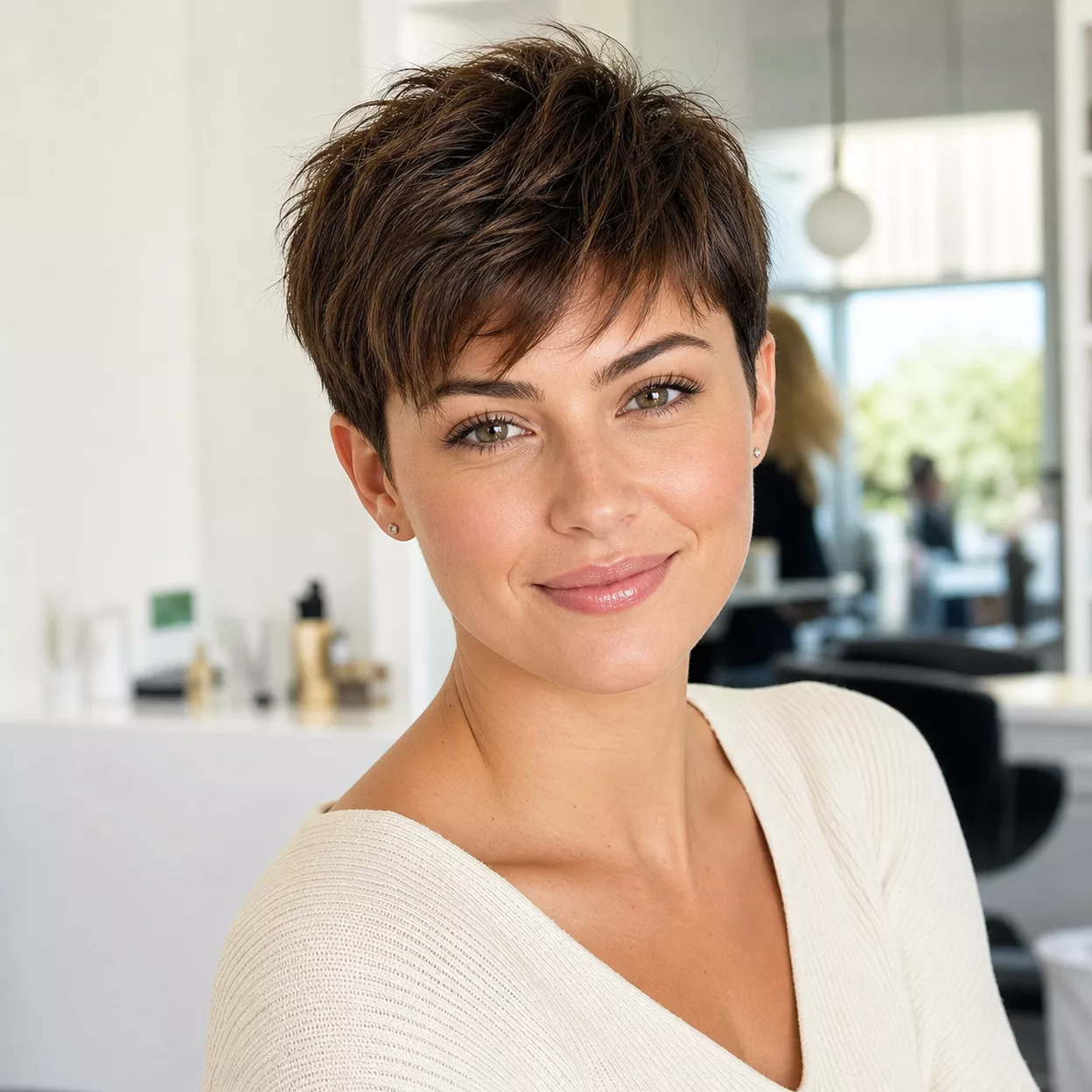
The Soft Pixie

A soft pixie keeps its edges diffused: a little length at the crown, side pieces that fall toward the cheek, and a nape that’s tapered rather than clipped tight. Those softer edges change how it grows out. Longer side pieces give you something to tuck or sweep while the rest catches up, though the nape will still need tidying. The hairline matters more on short cuts than long ones, since cowlicks and uneven growth are on show. Daily styling can be quick, but the shape needs regular reshaping to stay soft rather than shaggy. A pixie isn’t automatically low-maintenance; the effort mostly moves from the mirror to the salon.
The Blunt Lob

A blunt perimeter can make the ends look denser, because the eye reads one solid line instead of tapered strands. It doesn’t add hair, but on fine or low-density hair, that visual weight is often the main reason to choose it. The same edge behaves differently on coarse, dense hair, where it can feel heavy unless some weight is removed from inside the shape. Straight hair keeps the line clean; wavy hair rounds it off. A blunt lob also shows growth sooner than a layered one, especially once it reaches the shoulders and starts to flip.
The Inverted Bob

The inverted bob runs from a shorter nape to longer front pieces, usually with graduation stacked at the back. The question to settle is how dramatic that angle should be. A gentle slope reads as a classic bob with some shape behind it. A steep one creates a strong geometric line that puts the cut itself on show. Steeper angles grow out less evenly, because the nape reaches the collar while the front still looks right. The back also needs enough density for the short graduated layers to look full rather than sparse.
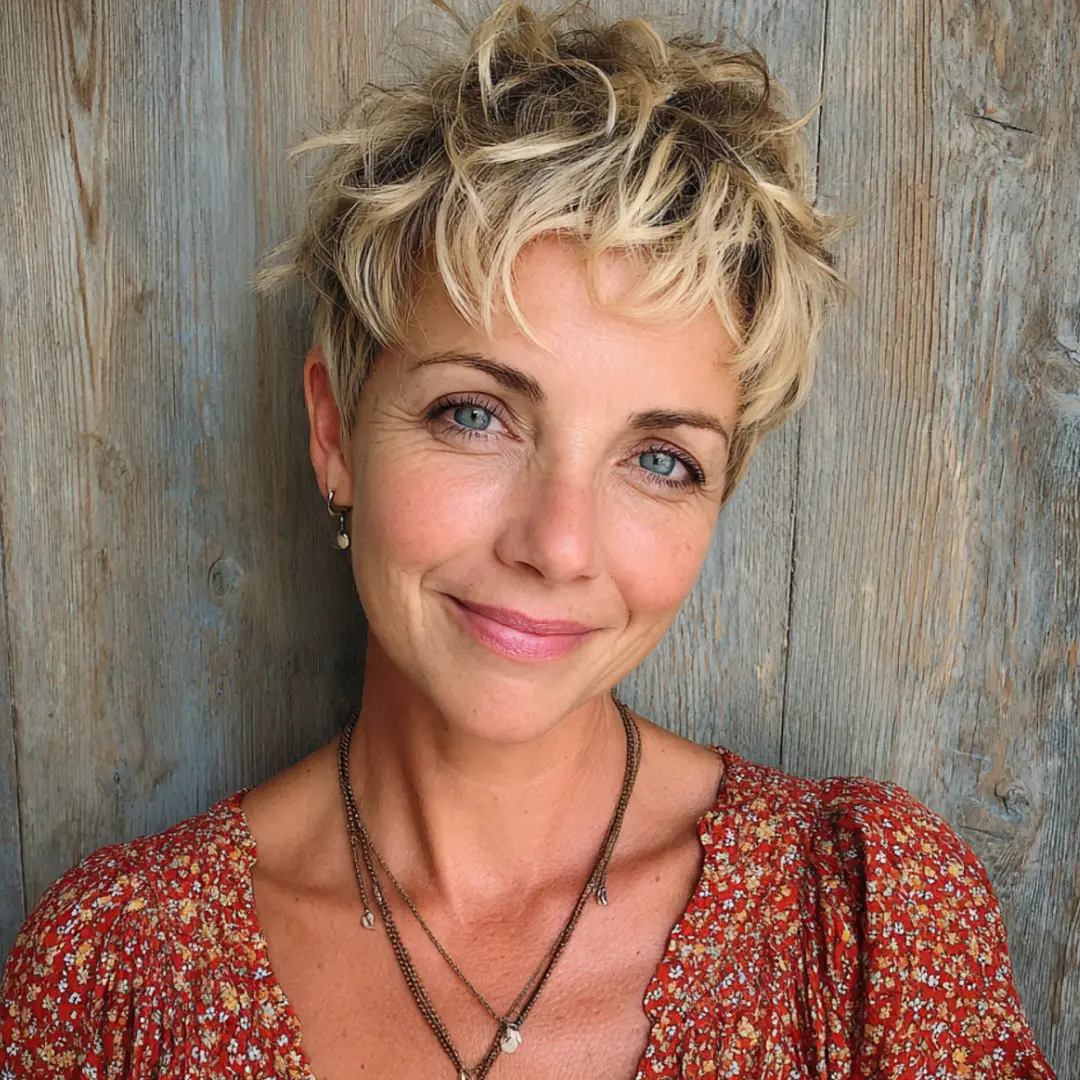
The Layered Pixie

Compared with the soft pixie, this version has clearer steps between short sides and a longer, textured top. Those transitions are where the look lives, and they’re also where it depends on styling. The defined crown in most photos comes from paste or a quick blow-dry; left alone, the top may lie flatter than you expect. If you’re coming from longer hair, it can be a gentler entry into short hair, since there’s more length on top to work with while you get used to it. The sides will still grow out on their own timeline.
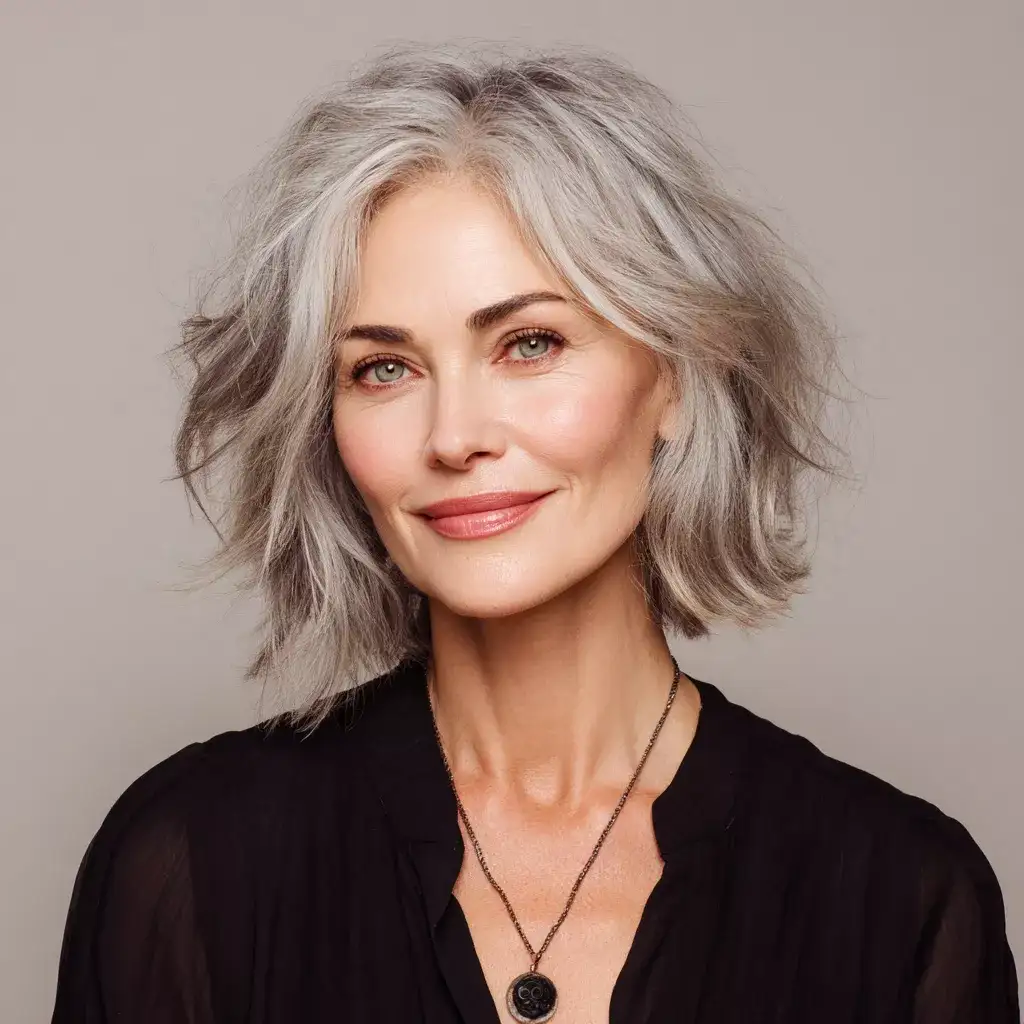
The Choppy Bob

Choppy ends are cut unevenly, by point-cutting or with a razor, so the perimeter breaks into separate pieces. Whether that reads as texture or thinness depends on density. On thick hair, the separation can lighten a heavy bob. On fine, low-density hair, the gaps between pieces can make the ends look sparse. A razor suits some hair and not others; it can fray ends that are already dry or fragile, so the method is worth discussing. One genuine advantage: a softened, broken edge tends to show new growth less obviously than a crisp blunt line.
The Side-Swept Lob

Most of this look comes from where the part sits and which way the hair falls. A deep side part sends more hair across one side of the face and creates an asymmetrical outline, but it holds best when it follows your natural part. If your hair grows in the opposite direction, the sweep may drift back during the day. The layers underneath can be cut to fall the way you’ll wear them, which helps. On low-density hair, a very deep part can show more scalp along the line, so a moderate one may look fuller.
The Collarbone Cut

With minimal layering, this cut is mostly about length. Ending at the collarbone keeps enough hair for a ponytail and for different finishes, from straight to loosely waved. The detail to watch is where it meets the shoulders. Hair resting on them can flip outward, particularly if it’s straight and a little stiff, and wavy hair may curve out further still. Going slightly shorter or longer can avoid that. Because there’s little layering, the hair keeps most of its weight, which suits fine hair but can feel heavy on dense hair.
The Stacked Bob

Stacking means short, graduated layers at the nape that build on one another, so the back curves out before tapering forward. It’s often described as adding volume, but what it really creates is shape: a rounded profile at the back of the head. That shape needs enough hair to fill it. Dense hair holds it well; on low-density hair, the short layers can show more scalp. Because the structure sits at the nape, growth there is the first thing to change the outline.
The Feathered Bob

Feathering means layers cut to move in a particular direction, usually away from the face, so the ends sweep back rather than hanging straight down. That’s different from random thinning, which removes weight without guiding where the hair goes. The directional effect shows most clearly on straight to wavy hair, and the soft flick in many photos still comes partly from a round brush. On curly hair, feathering behaves differently because curls don’t fall in a straight line. Ask to see how the layers fall dry before deciding how much more to remove.
The Wolf Cut

A wolf cut pairs a short, heavily layered crown with noticeably longer lengths below, creating a contrast that borrows from the mullet. The relationship between those two sections defines it. Too short at the crown and the top can stand up and widen; too little contrast and it reads as an ordinary shag. Texture changes everything. Wavy and curly hair often separate into the shape on their own, while straight hair usually needs product or heat. Curly hair also shrinks, so crown length is best judged dry. Because it removes a lot of weight, it suits dense hair more readily than low-density hair.
The Asymmetric Bob

An asymmetric bob is deliberately uneven, with one side longer than the other. Since the shape changes depending on where you stand, it’s worth checking it from the front, both sides, and the back before the cut is finished. The longer side tends to fall forward, while the shorter side shows more of the jaw and ear. Natural texture can blur the difference on curly hair or sharpen it on straight hair. Both sides grow at the same rate, so the asymmetry gradually looks less intentional unless it’s reshaped.
The Bixie Cut

The bixie sits on the line between a bob and a pixie, and the real decision is which side of that line you lean toward. More length around the ears and nape reads as a short bob; less reads as a pixie. It usually asks for some styling, often a little product to define the top, and regular trims to keep the proportions. It isn’t equally suited to every hair type. Fine but dense hair tends to hold the textured top, while low-density hair may need more length left on top. Our guide to bixie haircuts with bangs covers fringe options for this length.
The Lob with Curtain Bangs

This combination is two decisions with two schedules. The lob is the haircut: a collarbone-length shape that can usually go a while between trims. The curtain bangs are a separate piece that needs attention sooner, since even a little growth changes how they split and sweep. If you like the lob but aren’t sure about bangs, you can start without them and add them later. Texture affects the fringe as well; on wavy hair it may spring up shorter once dry than it looked in the chair.
The Modern Shag with Bangs

Once bangs are added, the question becomes how much layering the rest of the cut actually needs. A heavily layered shag plus eye-grazing bangs removes a lot of weight from the top and front. On dense hair, that can make the cut feel lighter and easier to manage. On fine or low-density hair, it can leave the top looking thin, so fewer layers and a slightly heavier fringe may hold up better. The bangs need regular trims to stay at eye level, and on humid days they’re the first part to frizz or separate.
The Rounded Bob

A rounded bob has a perimeter that curves inward at the ends, so the shape closes in toward the neck rather than sitting straight across. That curve is partly cut and partly styled; a round brush usually finishes it. Dense, straight hair shows the rounded outline most clearly. Fine hair may need a blow-dry to hold the curve at all, while curly hair tends to form its own rounded silhouette regardless of the perimeter. It keeps its outline reasonably well as it grows, though the curve gradually becomes less defined.
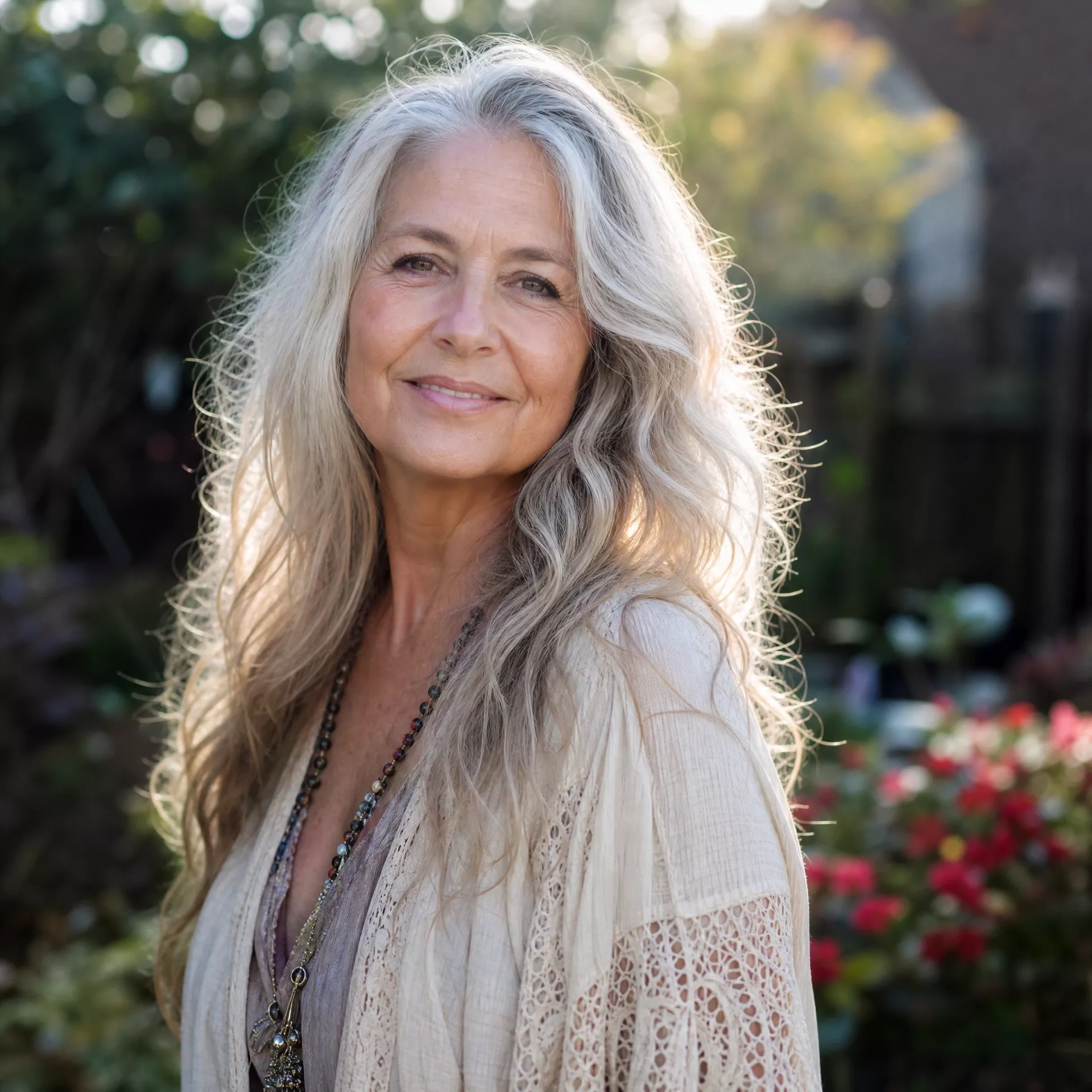
The Long Layered Cut

Long layers keep the overall length while redistributing weight, so the hair moves instead of hanging as one heavy sheet. Where the first layer begins matters most. Starting near the shoulders keeps the top smooth and adds movement toward the ends; starting higher builds shape around the face. On straight hair, layers can be hard to see without a round brush or a wand. On fine or low-density hair, too many layers can thin the ends, while on thick hair they can make long hair much easier to manage day to day.
The Textured Pixie Bob

This cut blends a short, cropped back with a little more length around the front and sides, finished with texture throughout. It’s often chosen as a transition, either while growing out a pixie or while moving toward one from a bob. That hybrid shape changes quickly as it grows, so it needs regular trims to keep the intended balance. The texture usually comes from product and a quick scrunch or blow-dry, which means a few minutes of styling rather than none.
What Actually Makes a Timeless Haircut Work?
A cut that has stayed around for decades isn’t necessarily a cut that suits everyone. What these shapes share is adaptability. A bob can move up or down, gain or lose layers, curve under or stay straight. A long layered cut can keep weight low or shift it toward the face. That flexibility is why they keep coming back.
The adjustments that matter most are the perimeter, which decides how solid the ends look; the layering, which decides where weight comes out; and the length, which decides how much hair is pulling down on the shape. Density and texture then change how all of that sits. A blunt edge on fine, dense hair looks different from the same edge on coarse, dense hair, and a shag on wavy hair behaves differently from one on straight hair.
Your natural part, your styling habits, and how often you’ll book trims finish the picture. A cut can be classic and still be wrong for your routine if it needs more heat or more appointments than you’re willing to give it.
Choose for Your Hair, Not Just the Photo
Start by working out what your hair is actually doing. Fine hair with good density can usually handle moderate layering without the ends looking thin. Fine hair with low density tends to look fuller when the perimeter keeps its weight, which is why blunt bobs and blunt lobs are often suggested. Coarse, dense hair often benefits from weight being removed from inside the shape, so it doesn’t widen or feel heavy.
Texture shapes the result just as much. Straight hair shows lines clearly, so precise perimeters stay crisp, but layered and textured cuts often need some styling to show their shape. Wavy hair tends to cooperate with layers and shags, and can make blunt edges look softer. Curly and coily hair can shrink significantly as they dry, so length and layer placement are best judged with the dry shape in mind.
Then think about your routine. If you mostly air-dry, choose a cut that works with your natural texture. If you blow-dry regularly, more polished shapes become realistic. Humidity, cowlicks, how often you wash, whether you’re happy using products, and how often you’ll go back to the salon all help narrow the options.
What Photos Don’t Show
Most haircut photos show the hair at its best moment: freshly cut, blow-dried or curled, finished with product, and lit to show shine. Some include extensions or color that make layers look more defined. The camera angle may hide the back or the side that tells you most about the shape.
Photos also skip the weeks that follow. A crisp bob softens, bangs reach the eyes, and layers lengthen into a different outline. Few images show what a cut looks like air-dried on an ordinary morning.
So use photos for specific details rather than as an exact target. Instead of saying “I want this haircut,” try:
- “I like the length.”
- “I like where the layers begin.”
- “I like the shape around the jaw.”
- “I want this amount of fringe.”
- “I like the perimeter, but not the styling.”
That gives your stylist something they can adapt to your hair.
What to Ask Your Stylist
- Where will the weight be removed, and where will it stay?
- Where will the perimeter sit once my hair is dry?
- How will this behave if I air-dry it?
- What will change because of my natural texture?
- How much styling does this reference photo actually require?
- How will the cut grow out over the next couple of months?
- Do I need layers throughout, or mainly around the face?
- How often would this shape realistically need reshaping?
- Which part of the reference is the haircut, and which part is styling or color?
FAQ
What makes a haircut timeless?
Usually its adaptability. Shapes like the bob, lob, pixie, and long layered cut can be adjusted for length, layering, and texture, so they keep working as trends change. That doesn’t mean each one suits everyone; it means each one can be tailored.
Is a bob or a lob easier to maintain?
It depends on what kind of maintenance matters to you. A lob often goes longer between trims because growth is less obvious. A bob, especially a blunt one, may need more frequent trims but can be quicker to style day to day.
Are layers good for fine hair?
They can be, depending on density. Fine hair with good density often handles moderate layers well. Fine, low-density hair usually looks fuller with fewer, longer layers and a stronger perimeter.
Can thick hair handle a pixie?
Yes, though thick hair may need weight removed from the sides and nape so the shape doesn’t puff out. Expect regular reshaping to keep it from growing bulky.
Which cuts work with natural waves?
Layered lobs, shags, collarbone cuts, and long layers often work well with waves, since the layers give the bends room to form. Blunt cuts can work too, though the waves will soften the line.
Do bangs require more maintenance?
Generally, yes. Bangs grow into the eyes before the rest of a cut needs attention, so they often need trims between full appointments.
Final Thoughts
A timeless haircut is less about the cut’s name and more about how well it can be adapted to your hair and your life. The same bob, shag, or pixie can work beautifully on one person and feel wrong on another simply because their density, texture, and routine are different.
Use the photos to identify the specific details you like, then let those details, not the photo itself, guide the conversation with your stylist.